I didn’t have one for this week because of health issues. I thought I’d make up for it, But Thursday doesn’t rhyme.
1

2

3

4
5

6

7
8
9
10
11

I didn’t have one for this week because of health issues. I thought I’d make up for it, But Thursday doesn’t rhyme.
1
2
3
4
5
6
7
8
9
10
11
I’m still suffering from chemo, so I thought I’d put this up.
Climate Hoax
The Climate Doomsday Model Is Dead — the Policies Built on It Should Follow
Is Netflix the next Blockbuster?
Snake Considering Eating Own Tail: Netflix Reportedly Weighing Introducing Channels
The World Cup is More like the WWE than a sport. I’ve haven’t watched that much, but I saw a guy go down in agony with a real injury, 30 second later he was setting a record for sprinting to get the ball. It’s getting bush league
In good news Fisherman rescues 220-pound sea turtle tangled in thick ropes. (More here)
Longevity
Why it’s nearly impossible to live past 115
Ivy League Losers
Report Finds Hardly Any Ivy League Trustees Are Republican – only learning one side makes you half an idiot, but then it’s the Ivy’s. They are idiots for sending their kids there unless they already have a Wall Street connection
Parents Need to Choose Heaven or Harvard for Their Children [VIDEO]
Iran is run by loudmouths
Iran’s ‘Supreme Leader’ Vows Revenge on USA in Text-Only Message – we should take him out just for saying it. They are big talkers on behind the screen, but surround them by a dog or a good fully auto rifle and they melt like butter.
Cars
One Owner Is Selling Two Aston Martin Valhallas, Both With Exactly 196 Miles
SHOCK VIDEO: Road Rage Drivers Smash Into NYC Building, Pedestrian Barely Escapes With His Life – Great Action shots hitting the building
Ford Mustang Just Outsold Every Sports Car Rival Combined
Animals v Man
Bison at Yellowstone National Park Sends Man Flying Through the Air With Headbutt (VIDEO)
Covid Lies We Were Told
DARPA’s Chilling Pre-COVID Blueprint: Predict, Manufacture, & Deploy Pandemics On Demand – don’t forget that DARPA created the internet
Lying Media
Actions speak Louder Than Words
Gay Cruise Ship Keeps Getting Turned Away By Muslim Countries, Gay Men Are Surprised – I bet they have signs at the dock saying they don’t discriminate. People always reveal themselves and their beliefs. Just give them time.
Turkey and Egypt Deny Entry to American LGBTQ+ Cruise, Cite ‘Moral Standards’
Men v Women
The Biology Feminism Can’t Explain
Obamacare and Socialized medicine
Obamacare Rates Are Soaring Massively: That Was the Plan – screw the little people
Death by Socialized Medicine – Let the Europeans brag about their substandard healthcare they get for free. They pay for it in taxes and in the long waits for bad service.
DSA Is A Nazi Effort
The DSA Takes Over the Democrat Party
Leftist Totalitarianism In Academia
A waste of money and belief in hoaxes
EU Eyes 2040 Electrification Target To Slash Oil and Gas Dependence
EU Eyes 2040 Electrification Target To Slash Oil and Gas Dependence
Health
WHO Issues Chilling Warning: Cancer Cases Are Exploding Globally
Spain
Spain: 70% of tested ‘unaccompanied minor’ immigrants are actually adults
Education
“F**k The USA”: Professor Delights Chicago Crowd With Anti-American And Anti-Border Rant – GTF out of the country you traitor
Increasing Number Of Ivy League Students Can’t Even Read, So Let’s Stop Calling Them ‘Elite’
US Military gets badder all the time.
Us Navy Backs 3,800 MPH-Speeding Blackbeard Hypersonic Missile With First Contract – Of course, it is faster than a speeding bullet.
Lying’Let’s Count the Ways Democrats Are Lying About ICE
Socialist NYC Mayor Mamdani Inadvertently Hands ICE a Target Map to Catch Illegals
Climate Hoax
Bad leaders
Leaked Memo Shows ‘Pro-Cuba’ NGO Network Preparing To Target ICE, US Bases, Federal Buildings – never put a girl, especially a liberal in charge of war or anything like it (even football) or you will FAFO
Education
Some College Students Are Testing At The Level Of 10-Year-Olds – one glance at the names exposes the real story. Those were the kids who could learn, but didn’t.
Pets
The US’ most popular dog names.
Law fare
Jack Smith’s Team Exposed Classified Materials, Senator Finds Give them the Julius and Ethel Rosenbeg
Travel
Ryanair Passenger Partially Sucked Out Of Plane After Window Shatters – that matches the pattern of people I had to work with, most of them other than those in old family money are failures to begin with.
Indiana Man Chops Off His Own P*nis, Uses It to Set His Mom’s Garage On Fire
California
California once was the American Dream. Now it’s 3rd-worst state to move to – a perfect example of the 5th colomn, death from the inside
Toyota Leaves Mexico, Picks Pro-Business Policies in Texas Over Commiefornia’s Regulatory Nightmare
It’s chemo day for me, so this is probably all I’ll have. Enjoy reading
DEI
Black Woman Wins Benjamin Franklin Look-Alike Contest During Philadelphia’s July 4 Celebration – even the most ardent have to see through this one. DEI has gone a little too far this time
TDS
O’Donnell Slams ‘Counterfeit Air Force One,’ Teddy Roosevelt Would Be ‘Horrified’ – no matter what he does, it’s the work of the devil as long as this lying celebtard is concerned.
BBQ
Explore every regional style of American BBQ. I like almost all of them
A/C In France Brings out the hypocrites and the Black Friday Fighting
Watch What Happens in France When Lidl Puts Air Conditioners on Sale – They don’t care about the climate, they see the rest of the world being comfortable.
Cars
Porsche To Eliminate 4,000 Jobs In Germany: Report
Bosses
Fathers of daughters may be better workplace leaders. – Especially when they reach puberty. All hell breaks loose then.
Beatles and Swifties
Paul McCartney plays No. 1 Beatles hit for the first time since 1964. – Some teeny bopper girl who slept with half of Hollywood married some football player. People with a real life didn’t care or watch.
Climate Hoax
Analysis: Higher Electricity Rates in Blue States Linked to Renewable Energy Policies – and I laugh at them for believing it like they did for Covid. Get in line like good sheep and pay your higher Electric Bill to have a bunch of technology that isn’t necessary.
Crime
91% of the Crime in Cities Is Caused by 2% of the People
Deadly Animals
Ranking the 13 Deadliest Animals on Planet Earth
1

2

3

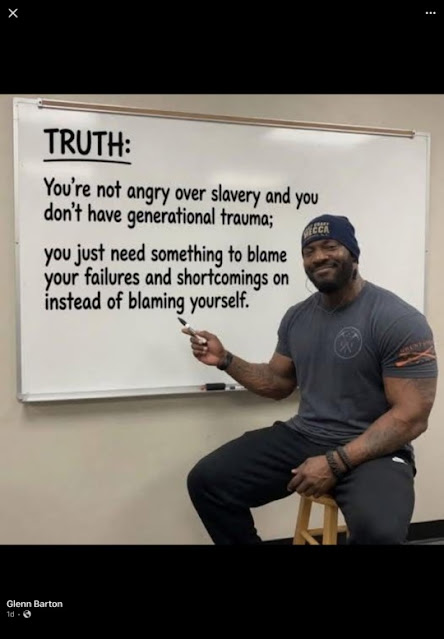
4 And the end of Pride Month, as if anyone cared. This is how 98% of the people really feel. The 2% have done a Jesse Jackson on Homosexuality to get their way. Ordinary people wish it would just go away and have people leave them alone to live their lives without having to bow to the lie that people like and accept this (other than the 2%)

5

6
7

8

9

10

I love this contest. I was a Kobayashi fan before there was a Joey Chestnut. I’ve been watching this for a long time. My wife thinks it’s disgusting, but her manners came from Europe and she never was in a fraternity.
He’s the top dog for a reason.
Joey “Jaws” Chestnut gobbled his way to victory once again at the Nathan’s Famous Fourth of July hot dog eating contest Saturday in Coney Island, scarfing down 66 wieners and buns in a dominant performance he said was hampered only by the scorching temps.
“Eating here on the Fourth of July is a dream; it’s electric. There’s no place better on Earth,” said Chestnut, wearing a gaudy, bejeweled Polymarket necklace, for the sports betting company, around his neck.


The win earned Chestnut, 41, his record 18th coveted Mustard Yellow Belt, the Stanley Cup to competitive eaters, and $10,000. It was his second consecutive title.
On the women’s side, Florida mom Miki Sudo captured her 12th championship belt by scarfing down a gut-busting 38.75 wieners.
The temperature at the start of the men’s contest was 90 degrees, and Chestnut admitted the weather took a toll on his high-octane eating.

“I usually don’t have this much spare room left over, but we’ll see — something cold,” he said.
“It’s definitely hard. I didn’t want to go into it saying it’s going to affect me, I wanna go into it and convince myself that I can work through it,” he said.
“I didn’t want to let it bother me. I didn’t want to push it because if I push it, then things will get stuck in my throat and then I just needed to stay calm and keep going.”
After his win, Chestnut told The Post he still had room for dessert.

Chestnut, who has won 18 times out of 21 appearances at the internationally televised event, crushed the second-place winner, Patrick Bertoletti, 41, who managed 51 hot dogs, but was well shy of his own 2021 record of 76 wieners and buns.
In 2024, Chestnut was banned from the contest over his sponsorship deal with plant-based meat substitute company Impossible Foods, leaving Bertoletti the victor—and the first person since 2015 other than Jaws to win the contest, with 58 dogs and buns.
Defending champ Sudo, 40, said there was no way she was going to lose this July 4th — America’s 250th birthday,
(Note: I’ll add to this during the day when the miscreants act up, or if patriots come through)
Democrats

Nurse Threatened to Not Treat Patients Watching Fox News
46% of Americans Are Clueless on the 250th Anniversary
Need Another Reason to Loathe Big Mike Obama?
Mamdani Trashes America, Trump in Speech Marking Country’s 250th Birthday
Atlantic Magazine Panics Over Communists Taking Control of Democrat Party
Mamdani’s City Hall ran its AC well below 78 degrees while telling New Yorkers to sweat it out…
The Democrat Party Is Literally Communist, and the Voters Admit It! (VIDEO)
Mamdani Acknowledges 250th Anniversary by Denouncing America From Behind George Washington’s Desk
American Pride Falls to 25-Year Record Low…
Chart Of The Day: Democrats’ Patriotism Falls Off A Cliff. Here’s One Reason Why
Republicans
Victor Davis Hanson: Why the American Republic Survived for 250 Years
Two Hundred Fifty Glorious Years






Kate Smith – God Bless America
Can we stop the slide into socialism?
Earth and Americans: Amazingly Resilient
Rest of The World
Japan Lights It Up for America 250, Showing What Friendship Looks Like
Dear America, Happy 250th. No Hard Feelings!
Britain vs. America: 1976 v. 2026
World leaders wish the U.S. a happy 250th birthday
The 4th of July for most on Earth is another day in the week, month year. Independence Day is when the greatest country was started.
For the readers of this blog, my medical diagnosis says that this will be my last one to celebrate.
I don’t want to get into it with internet pukes because what really matters is that it’s my Mom’s Birthday and the Day She died, July 4th. I’m also patriotic so I got lucky to grow up and live in the USA.
My mom was a patriot for God, but loved the USA. We were middle class and no more growing up. She lived through the depression so a dollar stretched to about $4.50 for our family. She had a masters degree in Education and Music, but chose to be a homemaker and a mother. That’s how I’ll remember her on this day.
Back to the original premise, we might have never made it to the moon, or invented air conditioning, cars, planes, trains and numerous medical advancements that have helped the world for the last 250 years.
I know haters shoot at #1, so it’s the Democrats who hate the good in our country. Hating America: The Hollywood Left’s Worst Anti-American Outbursts. You can see from the World Cup that the rest of the world woke up to the fact that the media lies about the good that the USA does for people primarily because of Trump (current excuse). The media are liars vying for power by means of thought and word, but they have been against anything that is right for the country and serve their leader, the devil.
Trump will go down as either good or bad, loved or hated or how ever he goes down in history, but he’s just a piece of the last 250 years of making the world better.
I stopped going to see my wife’s relatives in Europe because they just spout the media talking points about how bad we are. I was tired of their ignorance and prejudice as the Euro press possibly hates the US more than the Democrats. I don’t have to listen to it this way. I can read the European press and find out what her family would say to me. I have very little time left on Earth, I’m not going to waste it on people who are ignorant.
Europe is a museum now of what used to be great. The USA has been the leader in most things for decades. I bet the rest of the world gets tired of hearing the Star Spangled Banner every day at the Olympics or other global sporting events (I think soccer is a 2nd tier sport despite what the rest of the world tries to tell us).
So Happy Birthday Mom, and the rest of the world should be happy that we made it as a country, especially Europe around 1917 and 1940-45. It would be one big Germany otherwise. (She’s been gone 20 years now).
No country has invented more or helped more people medically, socially and historically. I’ll give you that the art from hundreds of years ago is better and looks good in the European museums, but they are static. People are working to invent new ways of doing things and curing illness (except Covid, that was a lie we told).
No other country has a hot dog eating contest on the 4th either.
Righteousness exalts a nation, but sin is a disgrace to any people. — Proverbs 14:34

When the PC was invented, I saw the future in front of me. Opportunity knocked and I answered. I did every job you could do on them.
The head of our DP department said we would have no need for any PC’s. It was as clear to me then as the PC you have for your everyday use (or more than 1) that this was going to be the future. I got in very early to the phenomenon and a decision that early in a career was very fortunate.
I retired early because of that decision and where it took me.
Here’s a compilation of some of the better ones. I’m still sick from the chemotherapy so it’s the best I’ve got right now
Covid
FDA revised autopsy results of children who died after Covid-19 vaccines
Never Forget What the Covid ‘Experts’ Did to Us
Raleigh Man Pleads Guilty in $60 Million Medi-Cal, Medicare Kickback Scheme
After Hours: Follow the Money: Unbelievable Covid Relief Fraudsters (From the Archives)
8 North Carolina Women Plead Guilty in $25 Million Covid Fraud Scheme — and Their Names Are Their Destiny
Cars
Long-Time Ferrari Marketing Executive Out After First EV “Luce” Flops, Said to “Look Like a Nissan” – people by this class of car with F/U money. They want a double order of sound with their horsepower so they will get measured. Nothing could be worse than the new Jag’s.
The Only Manual, V8, Rear-Wheel Drive Sedan Left in the U.S. Now Produces 685 HP -I wouldn’t have guessed the car. There is a lot in that headline.
America’s New $21,500 Mini Gas Truck Has a Manual and 600-Mile Range – without knowing it, being Woke is the theme of the day here.
Woke Hollywood Never Learns
Variety Film Critic Obliterates ‘Supergirl’ as “Worst Script I Can Remember” in Scathing Review Just like girls aren’t good heroes, Cars above for what happens to Woke work and products
‘Supergirl’ Hit with Weak Critic and Audience Reviews, Weaker Box Office
U/K
Air Conditioning Torn From Homes Under Net Zero Clampdown – what a bunch of sheep. I bet the vaccinated lined up to comply.
Travel
Couple Does Photo Shoot On Carnival Cruise. She Didn’t Know It Would Cost $12K: ‘That’s More Than The Cost Of The Cruise’ – nothing says loser more than those who go on cruises.
Near-Collision at Newark Airport: United Airlines Plane has Close Call with Drone ‘100 Feet Below Us’ Near-Collision at Newark Airport: DEI in the ATC tower alert.
Climate Hoax
Even Einstein Admitted He Was Wrong. We Apparently Can’t Expect as Much From Al Gore. – Like those of us who saw through the covid lies, we got our practice on global warming lies by Al Gore – “Gore’s apocalyptic climate predictions have aged poorly,” Lomborg concludes.
Over the years, countless critics have pointed out the errors both in Gore’s film and in his ensuing personal crusade as, like Don Quixote, he continues tilting at windmills (while ironically advocating for their proliferation).
Obama
Asked to Cite a Single Obama Accomplishment, Visitors to His Presidential Center Come Up Empty – best they could do was he’s black? It’s real close to the truth. Let’s face it, no one is going to go there.
Millions Drop Obamacare Coverage After Subsidies Expire
I could type pages on this one, but I’ll spare the readers. Most write better than I do anyway so I’m interested in their thoughts.
As for me, as soon as we meet, I throw up a wall until I can trust whomever you say you are. I also look for clues as to who they really are, not who they say they are.
For girls, I look for red flags like hair dyed in an unnatural color, excessive piercings (or one in the nose), too many tattoos (more than one hidden one. Most of all, check her friends and family. Crazy girlfriends means your petite petunia is likely been run through by a lot of dudes. Body count matters a lot too. No matter what, even if you are a way better guy, you are compared to the past.
For Guys, there is a line between confidence and cockiness. It can be smudged at first, but it shows itself. I don’t mind an Alpha male, as long as he’s decent to others. There is always a bigger fish.
Being an introvert, anyone who talks too much small talk instead of substantive conversation is kept on the sidelines. I just can’t listen to drivel for the sake of talking. Introverts will understand this.
The first line to break a relationship for me isn’t lying, everyone does that. It’s loyalty. That is like virginity, you can only lose it once. Once it is gone, our relationship is stalled probably where it started. So far, no one has gotten a second chance. I’ll never really trust you again, despite my best efforts.
The biggest thing I learned was to not talk back immediately, say no early and often to most things, and don’t commit to doing things you know you don’t want to do. That has saved me more time from the suck portion of life than almost anything.
Like I said, I can go on, and on, but that would just be a continuation of the life of an introvert.
I’d rather read what you have to say
Unless the rapture happens before they can do it, I think we’ll be there. Man is an explorer and Musk has trillions so why not? I’ll never see it in my short lifetime
As for what it looks like, I’m going with Ceti Alpha 5. If you don’t know what that is, look up the Wrath of Khan

Deep sea fishing. I got violently ill as a child in all my experiences fishing. The problem was I loved to fish.
My roommate Frank got me to go out when I was in my 20’s and I never got sick again. I even fished a week long bill fish championship in the Bahamas.
How did I do it? I’m pretty sure it was the beer.
I was out of the state yesterday trying to qualify for an experimental program for my cancer.
This is the best I’ve got for today. Posting will be spotty as it’s been a rough ride.
1.

2

3

4

5

6

7

8
9

10
There are times that I need to brake on some topics The chemo has me feeling almost sea sick. I still have some humor, life experience and every day stuff.
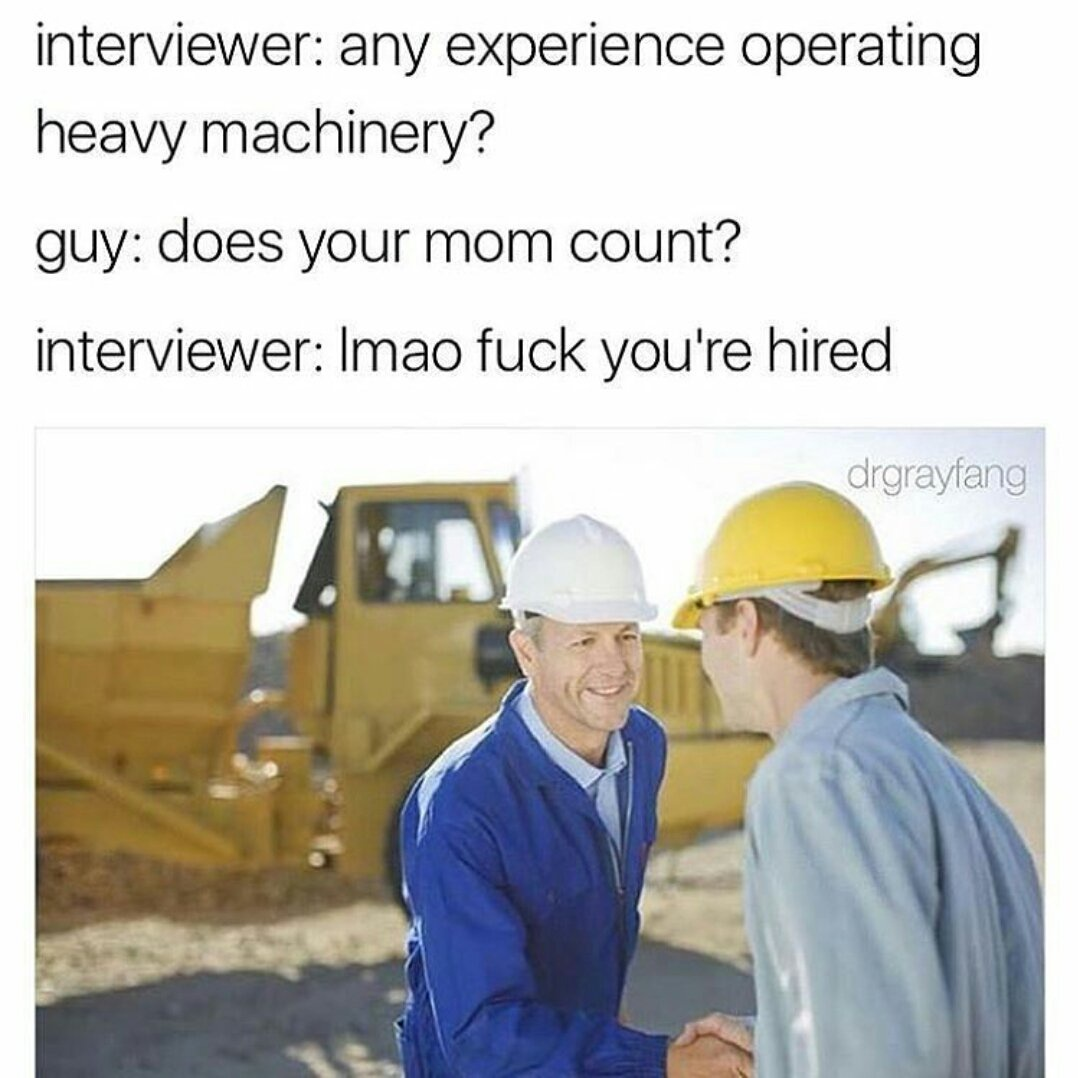
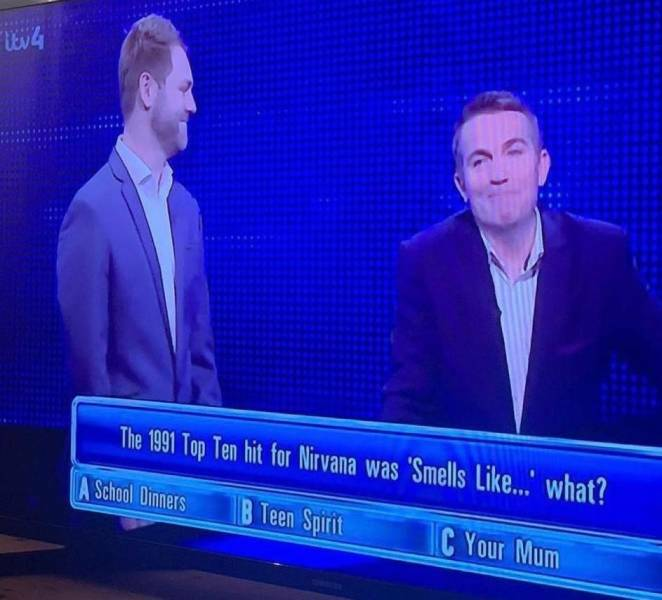
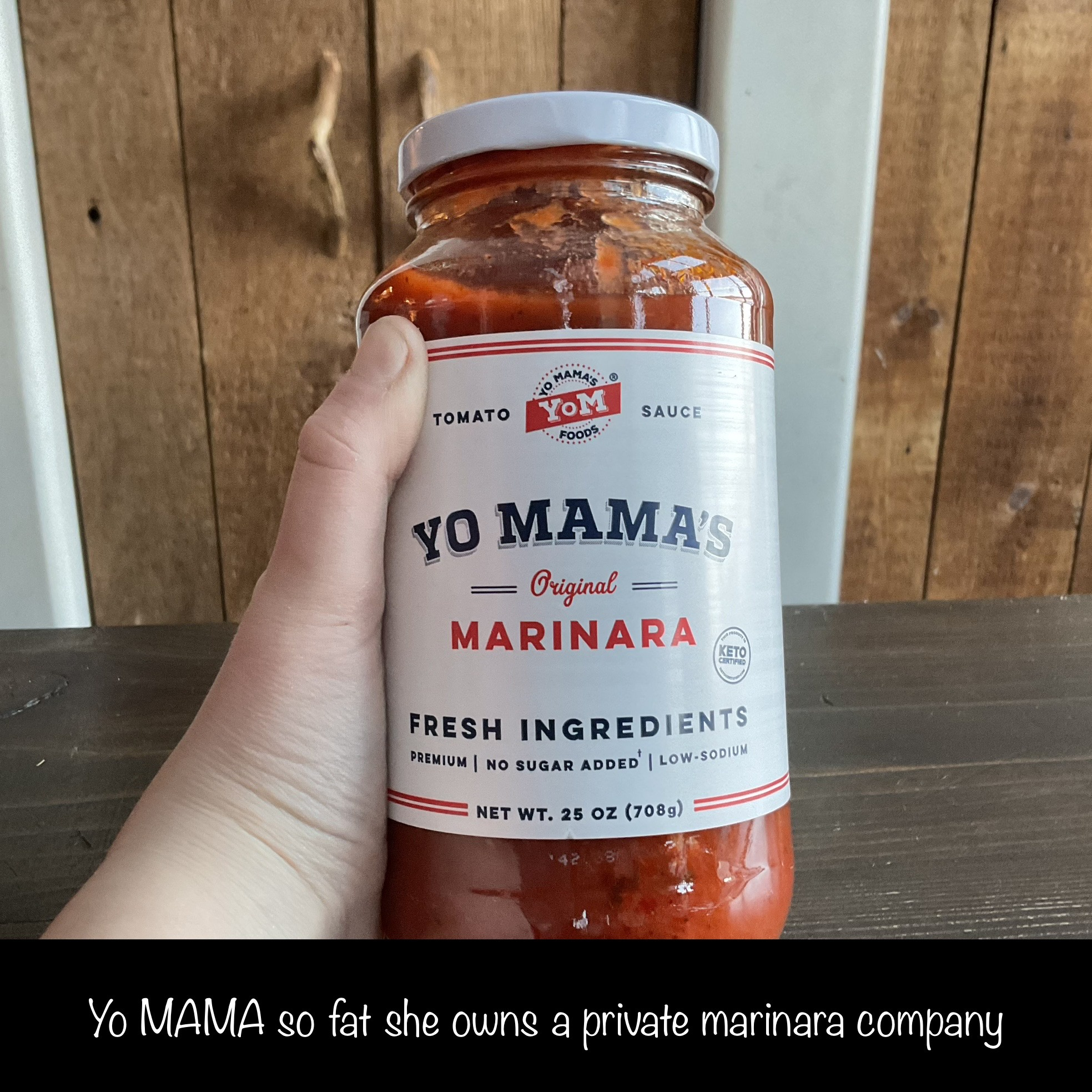
So unless I fall into the well of yo momma memes, this is the last post on this subject.. Steal them as I need to clear cloud storage space. They are high on my list to remove for the space in my cloud storage
I lose more readers on this category than any other I post about. Try to get that it’s a joke and doesn’t represent who I am, other than I thought some were perfect.
2
2
3
4

5
It used to be getting a fast car or a bigger house. The signs are always there. When you make money, you spend it just as easily.
Some want to be a Rocket Builder as a side job and is pulling off stuff NASA would only now be in planning meetings for.
Other, with a Musk type mood and wanting to have a dick measuring contest to see who makes that better rocket.
In this case, it’s one to Musk just for not doing this now. I know some or his blew up in the past, but this race to the moon is a new (actual) line of news and gets going before I’m gone.
Bezos can just blow up many millions of rocket pieces for nothing and build another one. That is called F/U Money, when there ain’t nothing left to spend it on.
Anywho: Here’s and Excerpt:
OAN Staff Lillian Mann
2:10 PM – Friday, May 29, 2026
Jeff Bezos’s “Blue Origin” rocket erupted in a massive explosion during a launchpad test after a hot-fire test went wrong, sending smoke flames and debris soaring miles into the sky.
Nearby homes shook as a bright orange plume erupted above the launch pad, billowing into the night sky over Cape Canaveral, Florida, on Thursday.
Bezos’s aerospace company, Blue Origin, was conducting a routine prelaunch static fire test when the vehicle exploded.
The heavy-lift New Glenn rocket was reportedly being prepared for its fourth overall flight in early June, which was scheduled to deploy a batch of 48 Amazon Project Kuiper low Earth orbit (LEO) internet satellites.
An un-crewed Blue Origin New Glenn rocket exploded on a Florida launchpad during a test, erupting into a massive fireball.
Watch OAN on Spectrum and YouTube TV today for more updates. pic.twitter.com/aK3EnzOrK3
— One America News (@OANN) May 29, 2026
Fortunately, no one was injured, Bezos confirmed.
“All personnel are accounted for and safe,” Bezos said on X. “It’s too early to know the root cause but we’re already working to find it. Very rough day, but we’ll rebuild whatever needs rebuilding and get back to flying. It’s worth it.”
The satellites are designed to compete with billionaire Elon Musk’s Starlink network — by providing high-speed, space-based internet service to users around the world, according to Reuters.
The 322-foot-tall New Glenn rocket has launched three times previously and is classified as a heavy-lift launch vehicle, capable of carrying massive payloads typically ranging between 20 and 50 metric tons, as Blue Origin aims to compete with SpaceX’s Falcon 9 and Falcon Heavy rockets.
All personnel are accounted for and safe. It’s too early to know the root cause but we’re already working to find it. Very rough day, but we’ll rebuild whatever needs rebuilding and get back to flying. It’s worth it. — Jeff Bezos (@JeffBezos) May 29, 2026
Source and more
Competitive Eating
Hot-dog-eating champion will be on probation while defending his title. – it wouldn’t be the same without him.
Racism
Yale Medical School’s Racial Favoritism
BBQ
Ranking the Top 7 Signature BBQ Regions in the United States
Sea Live
Cucumbers last longer than Diamonds. Does that make them and ED helper? sounds like a dick joke without me mentioning it early.
Darwin Award
Young Woman Plunges 330 Feet to Her Death From Russian Cliff While Taking Photos – That’s the dark side of Social Media. Play stupid games, win stupid prizes
Travel
Star Wars
-How do you ruin a layup. Everyone waited in lines for a good Marvel movie and you just put whipped cream on a pile of dog poop. I give you Mandalorian and Grogu
Cars
The $640k silent shock: Ferrari’s Luce gets burned to the stake
I could be very serious here and write a dissertation about the relationship between God, man and the history between the 3. Instead, the child inside of me will do this:
I’m going to have a hard time taking this one seriously, as it is my favorite Mensa joke.
It continues like this: and give 3 examples. Most people take it seriously and try to think their way through it, not realizing that it is a joke on them. I’ve heard some of the lamest responses by people of all levels.
I wrote about this here. It’s a whole list of words, different for men and women and cliche’s that should be killed.
They all annoy me and I’d eliminate them all.
Public speaking words you should never use
Were I in college, it would be a couple of pairs of extra underwear, a few cases of beer and a few blunts.
Now that my life is half a century later, I’m willing to go to my mountain house. I have my stuff there, I know the place and I don’t have to fly or stay in a germ ridden hotel room that was barely cleaned. I’m getting sicker, so big travel plans are now not in my life
I stayed in an airbnb last year that was a dump. It was completely different from the pictures and description.
So for me, I go to one of my houses and that’s it.
If I can bring my dog, it’s even better.
The newly released novel, Yesteryear, by Caro Claire Burke, features a tradwife who gets transported back to the 19th century to live a truly trad life. Deeply humbled by her experience, the tradwife desires to return to the present day, replete with the luxuries afforded to her by the feminists she disdains. Already a New York Times bestseller, the novel is set to be adapted for film by Anne Hathaway.
It takes little imagination to anticipate how the film adaptation will go: Much like the dystopian vision of The Handmaid’s Tale, it will amount to a scolding for those lacking gratitude for feminism. The implicit message is exactly what feminists have always insisted: conservative women who embrace domesticity are either frauds, victims, or too dim to know the difference.
I’ve been writing about feminism for more than a decade. The main opposition is almost always the same: tedious clichés and skimpy narratives. I’m told that I want women to be subjected to vile men with no way to escape or that I don’t think women should work or vote. And then, there is some effort to remind me how I have personally benefited from feminism — usually because of my doctorate, or public voice. These tired arguments, gracing comment boxes, social media, and a wide array of publications, are repetitive, unthinking, self-righteous.
Few realize that these exhausted sound bites were established decades ago to protect feminism from criticism. Media, academia, and vocal influencers pushed these talking points deeply into the culture. They’ve become so entrenched that they’ve scarcely needed adjusting from outside pressure and remain so dominant that Hollywood can bank on them. This novel and soon-to-be-movie will follow the same playbook.
What is not generally grasped is that, despite its self-assured bravado, feminism is actually a fragile ideology. Because it is not based on a solid foundation of truth, it can only survive through power, so it relies on perception, PR, and political force. In the face of decades of its corrosive effects, it can’t draw from scientific studies or even principled arguments to defend itself. All it has is a broad defensive perimeter of clichés and a tidy narrative of protection. Western women and men have been unwittingly supplying it for decades, allowing feminism to expand unchecked.
The effect has been that most people genuinely believe they are protecting something good, buying into the largely fictional narrative that feminism “is just about helping women.” Few realize its connection to the havoc now on display in the culture.
In its simplest form, feminism is the belief in two things: Men are contemptible, and women should be just like them.
This definition isn’t a one-off found in some obscure, unknown feminist. Rather, it can be seen in the work of every major feminist leader for the last 200 years: Mary Wollstonecraft, Elizabeth Cady Stanton, Simone de Beauvoir, Betty Friedan, Kate Millett, and Gloria Steinem. What is their biggest enemy? The patriarchy. And what do they want? To have the power they believe the patriarchy has.
These two ideas — men are contemptible, and women should be just like them — have been cemented together to form the bedrock of western women’s views on sex and marriage, resulting in highly destructive consequences: an ever-widening gap between men and women and steep decline in marriages, women’s battle with their fertility and bodies, increased abortions, the birth dearth, the push for same-sex marriage, surrogacy, gender fluidity and the trans movement, and the rise of anxiety and depression.
I’d like to say something Shakespearean or classics like It’s a Wonderful life, Casablanca or something of that ilk, but it’s not.
Any one of these 3:
Star Trek II, the Wrath Of Khan
Star Wars, The Empire Strikes Back
Captain America, The Winter Soldier
I’m going to be out, so here’s some past fun
Same as everything in life, tenacity over talent and discipline.
I learned both from my Dad.
Between 5 different doctors appointments, 2 procedures under anesthesia and so many blood draws that they used all my veins on both arms, I gathered these for those who care.
Albums
Ranking The 33 Greatest Album Openers Of All-Time
Cars
The Bestselling Used Cars, Trucks, and SUVs in Each State
Economy
Ranked: The World’s Most Indebted Households in 2026 – I bet those in debt still go to Starbucks
Covid
Parents Sent To Prison After Isolating Kids For Four Years Over COVID Fears – talk about being a sheep or a lemming, these guys take it to the max. They would have been good Germans in 1930 and done what they were told
Artificial Intelligence
“It’s Making Me Dumber for Sure”: Software Developers Say AI Is Rotting Their Brains
Alzheimer’s Food
Alzheimer’s experts share foods linked to better brain health.
Men Vs Women
University of Washington Women’s Soccer Team Loses to 14-Year-Old Boys – most of the boys were 12 and 13. It should tell you all you need to know about girls sports.
AOTW
Hidden Camera INSIDE White House Catches Staff Trying To SABOTAGE President
Travel
Woman Shares What Happens When You Fall Off A Cruise Ship—And How To Improve Your Chances Of Survival – better yet, never go on a cruise. They are petri dishes for bacteria and are a floating food trough for people who are too lazy to take a real vacation.
Armed Forces Day
Profiles of Valor: Armed Forces Day – I always thank anyone in uniform or that has a hat from a previous war (especially Viet Nam) for their services. I include the Police, firemen, EMS, ICE, and anyone who thanklessly helps the public, especially liberals who hate them (and don’t know why, other than they were told to)
Depopulation
Depopulation Won’t Save Us Or The Planet – there is plenty of room for 10 times the people we have on earth. It’s about power and control, not population
Mamdani and Socialism
Communist Mamdani’s Latest Redistribution Scheme: Tax On All New York Homes Over $1 Million Bought With Cash – you run out of other people’s money. Florida has no tax, yet is running a surplus. Capitalism always helps people get out of poverty (assuming they’ll work)
Mayor Mamdani ERUPTS After Blackstone DUMPS 1,000 NYC Apartments For Texas And Florida!
EV Hoax
Honda reported its first annual loss since becoming a publicly listed company in 1957. The $2.7B drop comes months after the Japanese carmaker scaled back its electric vehicle plans in the US. (See the scrapped models.) – no free government handout, no one buys them. Gas price goes up, people buy Hemi’s
So Mom Was a Slut
Twins with Different Dads – Mom boned 2 guys the same night
Aging
Scientists Eye Breakthrough in Reversing Aging
(Note: this is an update. Will B. Done pointed out that the links didn’t work, so I fixed them so you can click and enjoy)
I’ve written this blog since August of 2005. It was originally meant for my job in analyst relations, but took a turn when I retired in 2011. It’s morphed into any number of things from humor, sarcasm, anti-Covid Jab and my ramblings on life.
I start Chemotherapy next week, so it’s going to slow down considerably, although I’ll post from time to time. I’ve scheduled some posts so it will look like I’m continuing as I suffer through the poison they will be putting in me. You’ll read something every day this week, but I’m not collecting headlines. I hope to be back, I just know I won’t have any energy
I want to say that I’ve enjoyed the 10’s of thousands of comments, and different groups of readers.
I mostly wrote it as it is my favorite form of communication. If you read anything about me, you know I’m introverted so small talk isn’t my greatest strength.
I pulled the list of top posts. It’s funny to me that my most successful post is Euphemisms for Stupid, which was number one on Google for over 10 years in that category.
As I look at the list, I see various stages of my life and different careers. I see family, pets and co-workers. I’m especially proud of My Dad. It’s the post, On Behalf of the President of the United States.
I wish you all the best and a longer life than me.
It’s not over, but for sure will not be as consistent.
If anyone wants to guest post, send it to me simonize@protonmail.com and I’ll try to put it up and give you credit.
Posts & pages
Views
It wouldn’t be my first choice to promote cancer awareness, but it’s quite a feat nevertheless.

Are there more important stories we could be covering? Sure, I guess. Iran is still a thing. Trump is going to China. Democrats are being all a noun and a verb and a “raaaaaacism” over redistricting. Plus, generally speaking, when we here at the Louder with Crowder Dot Com website write about testicles, it involves a dude whipping them out in the girls’ bathroom and Democrats supporting them doing so. It’s nice to have someone put their balls to good use for a change.
John Stephenson, a 50-year-old kickboxer, shattered a glass ceiling, becoming the first bloke to pull a two-ton car with nothing but his dong WHILE set on fire. Technically, he didn’t use his entire one-eyed trouser snake, piece of pork, wife’s best friend, his Percy or his cock (he’s British, so I’m biting off of the Monty Python song). He just used his nuts. He also set himself on fire too. Why? Good question.
I’ve pulled a car with my testicles before and I’ve pulled a car on fire – so I thought why not combine the both, but this time do it with my penis.
Rest assured, everything is still intact! Stephen says that while “it did hurt quite a bit,” but he likes to set challenges and this was something no one has done before. He did the research.
Look, I played Handel’s Messiah over 200 times. I know classical music, I’ve played everything from Rhapsody in Blue, Fugue in G minor, Beethoven, Tchaikovsky, Mozart and you name it. I’ve played them all
I also heard Charlie Daniels trying out The Devil Went Down To Georgia 6 months before He released it to see if the crowd would like it
Still, I enjoyed Robert Plant playing old Zeppelin tunes and Brad Paisley playing his greatest hits as much as anything. Rock N Roll, Trampled Under Foot, So Much Cooler Online, I’m Gonna Miss her were as much fun to listen to as anything.
Everyone likes their own style of music. I’m interested in what you guys like also.
Bill Gates
Bill Gates Caught Funding Research Linked to GMO Ticks That Cause Deadly Meat Allergy
Female Radicalization
One Chart Proves the Extreme Radicalization of Women – they bought a big lie by the left
Tallest Basketball Players
Ranking The 17 Tallest NBA Players In History
Virus
NIH Virologist Vincent Munster Caught Smuggling Deadly Viruses Into U.S., FBI Investigating – Haven’t we been through this recently?
Soccer
FIFA’s Greedy Gambit Blowing Up In Its Face, Hotels Struggling To Sell Rooms For The World Cup: ‘[It’s A] Non-Event’ – no one cares about it in the US, apparently overseas also
Cars
1 of Only 16 Black 427 Examples Produced,
Elections 2026
Antisemitism Is The Litmus Test for Democrats in 2026
Food Stamps Freeloaders
USDA Crackdown Throws 4.3 Million Scammers and Freeloaders Off Food Stamps [VIDEO]
Crypto Hack
A Clever X User Used Morse Code To Make Grok Send Them $200,000 In Cryptocurrency
Economics
America’s Debt Just Hit Grim Milestone After Decades of Politicians Spending Like Drunken Sailors
Cars
428 CI Cobra Jet V-8, Automatic, Build Sheet, 1 of 182 in Wimbledon White
Covid
UNC Professor May Be Next COVID Scientist to Experience Long-Delayed Consequences – a lot of dirty people at UNC-CH
Fauci’s Lab Leak Henchmen Are Finally Facing Accountability
Birth Rate
Mapped: Every Country’s Fertility Rate as Births Decline Worldwide
WNBA
The Worst League in Sports Continues to Cook Its Golden Goose – Caitlin Clark Injured in WNBA Preseason Game – sometimes girls are back stabbers
Attack of the Clones
Meta Buys Robot Brain Startup As Zuck Wants Humanoids In Homes
DEI
How the left ‘lost’ the DEI wars
Abortion
New Mexico Stops Abortion Reporting, Hides How Abortion Kills and Hurts Women
11,105,671 Babies Murdered Since U.K. Legalized Abortion 58 Years Ago
MAHA
Top 7 Foods Most Likely to Contain Glyphosate Residues
Travel
Popular Travel Destination Cracks Down on Tourists, Raising Questions for Summer Plans
“Unprecedented”: Travel Prices Expected To Soar To And From World Cup Matches This Summer
Obama Lied
Obama Thinks Trump’s Would-Be-Assassin’s Motive Is Mystery Wrapped in an Enigma
Obama Claims Shooter’s Motives Unknown – Hours After Suspect’s Manifesto Revealed Them
When men get bored
Florida Men Arrested for Living Their Best Mario Kart Life by Driving Lawnmower Into Target
Cars
Toyota’s 1987 Supra Turbo Was Built To Be Driven, This One Still Wears Its Factory Tires
When Teens get bored
Two Florida Teens Arrested After Video Captures Them Driving Lawn Mower Inside Target Store
Mountain Climbing
California Mountain Climber Rescued After Falling 500 Feet, Spending The Night In Freezing Conditions: Watch – no, just no
Divorce
Five surprising things couples fight over during divorce.
Trump Shooter a Leftest
Meet the lunatic leftist who tried to assassinate the President…

Cars
Jeep and Ram Are In, Chrysler Is Out as Stellantis Reportedly Focuses on 4 Brands
Porsche’s Profits Fell 93%, So It’s Selling Bugatti and Rimac
10 Commandments
The Ten Commandments Are Making a Comeback – anything to make schools and society better
SPLC
We Still Miss Scott Adams, So Here Is a Clip of Him Predicting the Downfall of the SPLC
Elitests
Rockefeller Plot for Next Pandemic LEAKED – If at first you don’t succeed (with Covid) Keep trying to kill the peasents.
Restaurants
Table Sends Steak Back So Many Times They Get Cut Off: ‘SIX Steaks? Do They Know How Expensive Steak Is?’ – Sounds like my best friends wife who sends everything back. She’s a Karen to the 10th degree
Perverts
Islam’s Sexual Predator ProblemIslam’s Sexual Predator Problem – Starting with Mohammad
NYC
Mamdani Is Destroying The Tax Base His Stupid Ideas Desperately Need
Disney
A Bottle Of Water Is $4.25: Walt Disney World Might Be The ‘Most Expensive On Earth’
Aging
When You Are The Problem
Eight signs you’re the problem in an argument.
Travel
Man Is Flying From Florida To Texas. Then He Decides To Fly First Class—On Spirit Airlines
STD
Snakes
Coffee
Coffee Study Points to Mental and Emotional Benefits Due to Effects in the Gut
Congress
Everyone Knows Members of Congress Are Insider Traders [VIDEO]
Gas Prices In Europe
Europe gas prices top $10 a gallon as Iran conflict drives surge
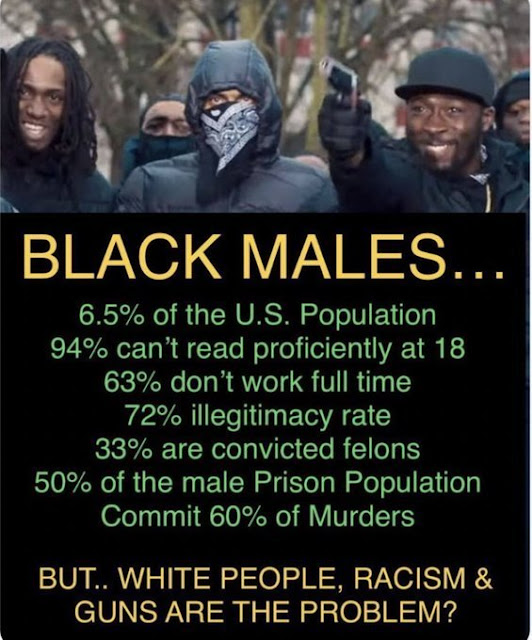
Racism
Benny Johnson exposes ‘racism’ surge in 2010’s, calls for an investigation… Gee, I wonder who could have been behind it?
Starbucks
Starbucks Gets Sick of Woke Seattle, Expands in Republican-Led State…
Socialist Supermarket
Hey, Socialists, We’ve Already Figured Out the Supermarket – Capitalism will always be better
Wrestling
North Carolina town honors Andre The Giant with road sign.
Etiquette
Don’t hike naked: Lonely Planet’s guide to travel etiquette.*
Restaurants
What Men Really Want
Young Woman Believes She Understands What Men Really Want [VIDEO] – dear Lord yes, give us peace from all your constant behavior
Harvard
Harvard Students Push Back Against New Stricter Grading Policy, Calling It ‘Racist’ – again, why would you waste your money sending your kid there?
Iran
Titanic
Watch: Titanic museum exhibit floods on the 114th anniversary of the ship’s sinking…
Travel
JetBlue Sued For Allegedly Using Customers’ Personal Data To Hike Air Fares
I could say getting married, but that worked out.
I suppose it is packing up from Florida, where I’d lived my whole life, and moving the entire family to North Carolina without ever having been there. It was a new job, a new house, a new career, and a complete change of life. I was in my late 30’s so it was not one of those teenage roadtrips.
As it turned out, it set me on the course of a great place to live, out of the Florida heat and tourist trap living, and gave me financial security for the rest of my life.
While the job was still in the Tech industry, it was in an area that I’d never been a part of. In the interview, I got asked what I knew about Networking Hardware, and I (honestly) said that I was not well-versed.
My answer was that since this was a job dealing with the press, I knew what they wanted and my strengths were there. I nailed the interview, and we just up and left in a couple of weeks.
Reverse Racisim
Wharton School Publishes Research Claiming Minorities Can’t Trust White Colleagues – discrimination against any color of skin is racist

Sluts and Whores
‘She was attractive and I swiped right’: Secret ‘sugar daddy’ sex scandal explodes inside Trump’s counterterror HQ – when you get paid for sex, it’s called what?
The Cleanest And Most Polluted Cities
most polluted cities (More) | … and cleanest (More)
Bird Migration
Follow a live map to see how many birds are migrating overhead.
Football
Ranking The 16 Most Hostile College Football Stadiums
Bias In The Media
Disney
How many of these books have you read? I’ll even accept the movie if you recognize the land.
If you go back to yesterday’s question about Social Media, there is much more to be gained by reading than gathering likes.

Well, since my kids are gone and I retired 15 years ago, demanding takes on a new meaning.
It’s usually a medical issue for me now as I’m going through several things that don’t get fixed overnight.
I know I harp on it a lot, but being introverted means I unwind and recharge my battery by being alone.
I read a lot of books, exercise a lot, and write constantly. I have 25 times as much in my private diary as gets posted here.
Demanding Days for me are doctor appointments or social engagements. If I can avoid those, my need to unwind is much less than it used to be.
It was easy this week. To a person, no one I worked with from Harvard made anything easier or better.

Runner-up – Eric Swallwell, everyone has read about him so I won’t bore you with just another asshole who got caught, or eliminated by his own party.
The Prophetic Significance of the Pope’s Recent Push for Religions to Coexist – To bad that the first US Pope thinks this way.
UK
Brits poorer than Mississippians – yes, they would be the 51st state in poverty if they were part of the US. It’s stuff like this that makes my stomach turn when Europe trashes the USA. They have no idea who they really are other than the likes of the formerly Great Britain. I know this won’t stop the America bashing, but at least there are facts out there
LSD
First Acid Trip
Guess What? It happened in the UK
Backstabbing Girls Get Canned – FAFO
NFL Reporter Crissy Froyd Fired From USA Today After Criticizing Dianna Russini for Mike Vrabel Photos – It’s not like we believe the sideline reporters are there for their football knowledge. Which one of them ever played the sport. They are decorations and submission to the whold equality experiment failure. Give me a guy who had to play the game and can do a better job of explaining why a team is performing or failing. If they just want to show cute girls, pan to the cheerleaders. We’ll be happy to look at them. Get rid of the catty girls and give them a different job.
Rock n Roll
Here Are 10 of the Most Egregious Rock and Roll Hall of Fame Snubs Still Waiting on a Call From Cleveland – don’t agree with all of them, but I was from South Florida also and was a huge Buffett fan
Intelligence
New Major Study Finds Europeans Got Smarter – This explains Rome 2000 years ago vs Africa today. You have to count the USA as Europeans becuase that is where most of them came from (except the 13% from Africa)
Education
Today’s Schools Hurt Black Students More Than the KKK Ever Could – see the 13% above
Air Travel/FAFO
Woman Sobs In Airport After Getting Tackled For ‘Violating TSA.’ She Didn’t Know She Couldn’t Open The Door – she’s a dumbass, but travel keeps trending towards sucking more
Girls Who Expect Thingss Because They Are Girls
Women Order Drinks. Then They Ask The Server If They Are ‘On The House’—His Response Might Shock You – face it, if they didn’t have a pussy, we’d probably kill them for the shit we put up with.
Baseball Home Runs
These 13 Pitchers Have Been Taken Yard The Most Times In MLB History – some pretty famous names here
Lefties Love derainged Immigrants more
Spain
This Is Spain’s Last Chance to Save Itself – their culture will be gone, it’s just whether the economy dies first
I was working in the finance division of Burdines Department Stores when the IBM-PC was announced. I had been working with a System 34 and immediately saw my future. This was around 1981.
Here is what I was doing at the time.
The head of our DP department said there would be no need for PC’s because you couldn’t do anything with them. So I left
Within months, I was working for the largest Independent PC store in the country and balls-deep into the world of PCs.
It was the biggest open door to opportunity that I’ve seen in my whole life. I knew there was a huge future, and I was about to get in on the ground floor at the very beginning. I started with CPM on Apple II and DOS 1.0 on the PC.
They weren’t ubiquitous back then. I learned more by fixing them and figuring out why they crashed than almost everyone I knew.
The other decision I view as one of my best is to not take the COVID-19 jab. While everyone pressured me to get it, I held my ground. To this day, I don’t regret it and never have to worry about what they put into it. You can never get un-jabbed.
I could feel myself disappearing into the background.
I was sitting at a table with six other adults in a noisy coffee shop. We were all strangers, meeting for a book club for the first time.
I had joined the group because I love reading, but also because I wanted to make a few new friends. As an introvert, I don’t always make friends easily, so I thought it would help to have a built-in topic to talk about — the book.
But suddenly, I was back in a familiar introvert struggle that had been with me my whole life: a group conversation.
The conversation moved fast, bouncing from person to person with no structure. Even when I had something meaningful to say, I couldn’t get my thoughts out quickly enough before someone else started talking. When I did speak, someone often interrupted me before I was finished, and I felt pressure to rush just to get my words out.
All around me, other people were talking and laughing. Coffee machines hissed. Orders were being called out. Sometimes I couldn’t hear well, but more than that, as a highly sensitive person, I could feel my mind getting overstimulated. I started mentally checking out.
If you’ve had a similar experience, you’re not alone. Group conversations aren’t always easy for introverts, highly sensitive people, or neurodivergent people. Since that book club, I’ve learned a few things about group conversations that make them a little easier. They might help you, too.
If group conversations feel harder than one-on-one conversations, you’re not imagining it. Group conversations are a different social task altogether. They aren’t just one-on-one conversations with more people added.
The more people in the conversation, the harder it becomes to follow what’s happening, know when to jump in, and get a fair share of speaking time. Research on conversation shows that human turn-taking is extremely fast. Usually, there are only a few hundred milliseconds between when one person stops talking and another person begins.
(Fun fact: In one study, Danish speakers had the longest average gap between turns, which I find interesting because Danish culture is supposedly very introvert-friendly.)
All of this adds to something called cognitive load. When you have to deal with multiple speakers at once, or keep switching your attention from one speaker to another, you listen more slowly and less accurately. That higher listening demand makes it even harder to know when to speak.
In other words, big groups place more demands on your attention, memory, and energy than one-on-one conversations do.
And it doesn’t help if you’re in a noisy public place, with other sounds and sights competing for your attention, like I was at that book club.
If you’re introverted, sensitive, or neurodivergent, it doesn’t mean you have nothing to say. It means your brain is taking in and processing more stimuli than other people often realize.
Whenever possible, I try to socialize one-on-one or in small groups. It lowers my cognitive load and helps me protect my energy as an introvert.
But sometimes that’s just not possible. You may also have to deal with group conversations at work, at networking events, or at family gatherings.
So here are a few ways to make them a little easier:
Research shows that as groups get bigger, it gets harder for everyone to participate equally. Often, one or two people end up dominating the conversation. That was definitely true at my book club. One man seemed to think he was the main character.
Making a comment early helps in two ways. First, it removes the pressure of trying to find the perfect moment later. Second, it makes it easier for other people to bring you back into the conversation as things go on.
It can also reflect well on you. Speaking early can make you seem confident, even if you feel anything but confident inside.
And your comment doesn’t have to be brilliant. It can be tiny, like an interesting observation, a moment of agreement, or a clarifying question.
Another reason to speak early is your social battery. As the event goes on, you may lose steam, and group conversations can drain your energy even faster. Even if it goes against your quiet nature, talking early lets you contribute while your energy is still at its highest.
Once the introvert hangover starts to set in, it gets harder to think clearly, listen well, and put your thoughts into words.
Not sure how to jump in? Ask a question right after someone finishes talking. Follow-up questions are easier than coming up with a completely new topic under pressure.
Good examples are:
In a group, follow-up questions do double duty. They lower your cognitive load, and they make the speaker feel heard.
Research has also found that people like you more when you ask follow-up questions, because it shows that you’re interested in them. In one study, people who asked more follow-up questions during speed dating were more likely to get asked on second dates.
This approach also plays to a natural introvert strength. One of our conversational superpowers is helping a discussion go one layer deeper instead of jumping from topic to topic. Introverts are often the ones who move beyond small talk and into more interesting, meaningful territory. And the science supports that instinct: People often expect deeper conversations to feel awkward, but they actually leave people feeling more connected.
(Here’s one way to move beyond small talk quicker if you’re an introvert who hates it.)
Just make sure to read the room. If the group is joking around or rushing with excited energy, a deep question can feel a little out of place. For example, a group that’s quickly swapping travel stories probably won’t want to pause for a deep question about how childhood shaped the way someone experiences adventure.
It happens to all of us introverts at some point: You just run out of social energy.
When that happens, it may be time to leave. But if you can’t get away just yet, switch into listening mode. This can help you conserve energy without fully checking out.
Even if it’s obvious you’ve gotten quieter, you don’t want to give the impression that you’re uninterested. Use visible listening cues. Look at the speaker. Nod. Briefly reflect back a phrase. Offer a short verbal cue like, “That makes sense.”
In groups, not everyone talks all the time. Being visibly attentive is still a way of participating.
And if someone points out that you’ve gotten quieter, remember that the strongest response is usually the least dramatic one. Be comfortable with who you are, acknowledge the comment, and then move on.
As I share in my 30-page guide, Confident Introvert Scripts, you could say:
When the social event is over, plan for some extra “me time.” Because of everything going on, group conversations can be overstimulating, even when you enjoy the people you’re with. There’s nothing wrong with needing a breather afterward, or going home and planning no other social activities for the rest of the day.
Here’s my 2 cents: don’t go to these things. It’s never worth it, and halfway through, you want to leave and realize you don’t want to be there.
ByJenn Granneman April 6, 2026

I love spending time alone. There’s nothing better than being at home in my comfy clothes, reading a good book, or watching a show while munching on snacks. This doesn’t mean I don’t crave time with “my people” — those I laugh with and share my day with. But when I don’t get enough alone time, I start to feel tired, cranky, and overstimulated, even if I’ve enjoyed being with the people I love.
I show all the classic signs of being an introvert.
Sometimes when I need alone time, the people in my life feel hurt. They feel rejected, but that’s not what it means. I need little periods of solitude to recharge my energy and feel like myself again.
Why do introverts need alone time? Why does socializing exhaust us, even when we’re having fun? Recent research offers some interesting insights. I delve deeper into these findings in my book, The Secret Lives of Introverts.
When writing my book, I spoke with Colin DeYoung, a psychology professor at the University of Minnesota who had published a paper on introversion. He explained that one reason introverts need alone time is related to how we respond to rewards.
No, I’m not talking about the gold stars you might have earned in grade school (though it could be argued that stickers are indeed a reward for kids). For adults, rewards can be things like money, social status, social connections, food, and even sex. When you get promoted at work or convince an attractive stranger to give you their phone number, you’re receiving a reward. Hurray!
Of course, introverts also value things like money, relationships, and food. However, researchers believe that introverts are wired to respond differently to rewards than extroverts. Compared to our more outgoing counterparts, we “quiet ones” are simply less motivated and energized by these same rewards. It’s as if extroverts see big, juicy steaks everywhere, while introverts see overcooked hamburgers.
In fact, as any introvert can confirm, sometimes those “rewards” aren’t just less appealing — they can actually be tiring and annoying, like a big party. This brings me to another reason why introverts need alone time: We react differently to stimulation.
Take, for example, two friends at a house party — one an extrovert, the other an introvert. They’re crammed into a crowded room where loud music blares from huge speakers. Everyone is practically shouting to be heard over the din. There are a dozen conversations happening simultaneously, with just as many things demanding their attention.
For the extrovert, this level of stimulation might feel just right. He sees potential rewards everywhere — an attractive stranger across the room, opportunities to deepen old relationships, and the chance to make new friends. Most importantly, tonight offers a chance to boost his social status within his friend group, especially if he plays his cards right.
So, the extrovert feels energized and excited to be at the party. In fact, he’s so motivated that he stays late into the night. He’s exhausted the next day and needs time to recover — after all, partying is hard work. But to him, the energy spent was well worth it.
Now, back to our introvert. See him over there, hunkered down in the corner? For him, the environment feels overwhelming. It’s too loud, there are too many things happening at once, and the crowd creates a dizzying buzz of activity. Sure, he wants to make friends, fit in, and be liked, but these rewards just aren’t as tantalizing to him. It feels like he would have to expend a lot of energy for something he’s only mildly interested in to begin with.
So, the introvert heads home early to watch a movie with his roommate. In his own apartment, with just one other person, the level of stimulation feels just right. He exchanges some texts with a woman he met a few weeks ago in one of his classes. Like the extrovert, he too wants friends and a romantic partner. However, he finds it too tiring to deal with the noise and socializing at a big party to make those connections.
Chemically, there’s a good reason the introvert in the above scenario feels overwhelmed, and it relates to a neurotransmitter called dopamine. This chemical, found in the brain, is often referred to as the “feel good” chemical because it regulates our pleasure and reward centers.
One of its roles is to make us notice potential rewards and motivate us to pursue them. For example, dopamine alerts the extrovert to the attractive stranger at the party and fuels his motivation to come up with a cheesy pick-up line.
Another important function of dopamine is reducing our cost of effort. Socializing requires energy because it involves paying attention, listening, thinking, speaking, and moderating our emotional reactions. Technically, socializing is tiring for everyone, including extroverts. However, dopamine helps make it less exhausting for them.
According to DeYoung, extroverts have a more active dopamine reward system. As a result, they can better tolerate — and often push through — the tiredness that inevitably comes with socializing. Much of the time, they don’t experience the same level of mental and physical fatigue that introverts do, thanks to dopamine.
It’s called the “introvert” hangover, not the “extrovert” hangover for a reason.
In her 2002 book, The Introvert Advantage, Dr. Marti Olsen Laney speculated that introverts may be more sensitive to dopamine. In other words, we “quiet ones” might need less of it to feel good. Too much, she wrote, could leave us feeling overstimulated.
Science has come a long way since then. When I caught up with DeYoung again, he told me that theory had since been disproven. In fact, scientists now think it’s the opposite.
In fact, DeYoung told me, extroverts are the ones who are more sensitive to dopamine. For example, if introverts and extroverts are given the same drug that affects dopamine, extroverts tend to have a stronger response and become more motivated by similar stimuli later on.
It’s not that dopamine itself makes introverts feel overstimulated. Rather, when introverts do overstimulating things, like going to a party, they may not get as much dopamine release. Extroverts, on the other hand, may get a much bigger dopamine hit from those same activities.
“Without the sense of reward, the extra focus, and the sense of being ‘worth the effort’ that dopamine initiates,” DeYoung told me, “the introverts simply find the activities overwhelming and/or tiring instead.”
Finally, a study found that extroverts might simply find humans more interesting than introverts do. This finding aligns with the idea that introverts are less motivated to seek social rewards.
In this study, researchers observed a diverse group of individuals and recorded their brain’s electrical activity using an EEG. As participants were shown pictures of both objects and people, the researchers measured their brains’ P300 activity. This activity happens quickly in response to sudden changes around us and gets its name because it occurs within 300 milliseconds.
Interestingly, researchers found that extroverts showed the P300 response primarily when viewing images of faces, whereas introverts only exhibited this response after viewing objects. Essentially, extroverts’ brains became more active when looking at people.
This doesn’t mean that introverts hate people (though, admittedly, the human race can get on my nerves occasionally). Researchers still don’t fully understand introversion. However, these findings suggest that extroverts might simply place more importance on social interactions than introverts do.
So, the next time an introvert in your life needs alone time, remember that it’s not personal. Introverts need alone time because their brains are wired that way. It isn’t necessarily a reflection of how they feel about you or your relationship.
As for me, you can find me at home tonight. Preferably with the whole place to myself, that is.
That’s easy. With my health problems, I’ll be a pile of ashes spread out somewhere.
Even though I’ll post it as a reminder, I’m going under the knife tomorrow morning. I’ve scheduled some stuff in advance, but I can’t promise much after Wednesday.
I may get headlines out tomorrow, but that will be the last day until probably the weekend.
Lying
Apple
Apple to Close First Unionized US Store
China
China’s Debt Surpasses Europe For The First Time
Captain Obvious
Mental Health Worsens for Medical Trannies, Three-Decade Youth Study Finds – First of all, they can’t even decide who they are, or want to be. That’s a clue and a half right there.
FAFO
Gunman Who Shot Detective Dead Is ‘Intentionally’ Run Over and Killed by Sheriff’s Deputy: ‘He Got What He Deserved’ – If you shoot at Cops, they will run you over.
Artificial Intelligence
Morals
What Do Americans Consider Immoral? – Republicans and Democrats differ sharply on whether abortion, homosexuality and the death penalty are morally wrong
SEX Robots
Regulating the Sex Robot Revolution – Sure, there are problems, but I’ll bet they don’t bitch as much as GF’s or wives.
Bouncing Boobs
Chick-fil-A Fires 8 Workers After Viral TikTok ‘Chest Jiggling’ Clip Brings the Wrong Kind of Attention – sure, they are dumbasses, but who doesn’t want to see it?
Golf
8 Golfers That Have Made the Most Cuts at the Masters
Cars
5 Trucks Mechanics Say Will Survive Any Grid Collapse
A Real U.S. Army Vehicle Is Going to Auction—And You Can Own It
How The Left Are Elitists
The Left Is Baffled — but Still Repulsed — by the White Working Class – That’s what happens when you think you are better than others. Goes right along with Bitter clingers to guns, bible and God and a basket of deplorables. They hate the majority of Americans
Victor Davis Hanson Breaks Down a Huge Problem for the Democrats: ‘They Despise the Working Class’
Best and Worst States to work from home
the best and worst states to work from home.
Elevator
How the elevator revolutionized how we live.
Obama Borg Cube Library
Obama’s Presidential Library Exposed for Discriminating Against Illegal Aliens…
Cars
Iran
ART OF THE DEAL: Pressure, escalation, chaos… then leverage a deal, and now the results
Illegals
‘I just don’t wanna die’: 15-year-old American begs for his life before illegal murders him… This is for all the people who think the illegals should be allowed in and allowed to stay. This is who they are. If you want them to be in, may they visit you.
Nutrients For Your Eyes
Five Nutrients That Improve Your Eyesight in a Screen Dominated World
Baseball Fights
No Pupils
Man, there is a list of people here. Anything from the invisible man to Captain America, Superman, The Count of Monte Cristo, or Tony Stark.
I mostly posted this to see what Bocopro would say. He’s one of the well-read readers and commenters here, and I’ll bet he has something good to say.
Let’s see, I’m not having any lions, badgers, monkeys, gorillas, any animals from the weasel family, skunks, pigs, chickens, and I could go on. I think you get the picture.
I’ve had cats and dogs, but I’m down to dogs now. It’s the typical Ford/Chevrolet debate over which is better. Since this is about me, the answer is dogs.
They love you, are more loyal, and learn to obey better. They get you out to walk so that you get exercise and are happy to see you, whether you’be been gone all day, or to get the mail.
Pick your own and don’t criticize mine. I like animals better than people, but that is the introvert in me. I love my dog, and still love the dogs that have been in my life.
Bev Cart Assholes
Creeps
Travel
NYC
Jamie Dimon says ‘anti-business sentiment’ is driving Fortune 500 companies out of NYC
Investing
Hartnett: The Four “C” Trades For When The War Ends
Artists
Ranked: The World’s Richest Music Artists
Gen Z Females
Gen Z Women Are Ditching the ‘Girlboss’ Lie for Tradwife Life, Putting Family First – No one likes a girl that acts like a man. I think a lot of people will be happy with this.
Tallest Buildings
Ranked: The 20 Tallest Buildings in the World
Idiot Experts
Covid, the 2008 Financial Crisis, and the Net Zero Charade Taught Us the Age of Experts Is Over
The lie Of The Covid Jab

I’ve been a huge Olympics fan since 64 in Tokyo. I suffered through John Carlos and Tommie Smith in Mexico City in 68 and the terrorists in Munich in 72. I started watching during the Cold War, so the whole US vs. the USSR was going on.
I was always a track fan, especially the sprints and hurdles. I tend to miss the field events unless there was a spectacular athlete like Duplantis in the pole vault at present. I’d pick the 200 over the 100 as there is more going on with a turn involved than who can go the fastest in a straight line.
I swim for exercise, having been on swim teams as a kid. Unlike track, I like the distance events. I never miss a chance to see Katy Ledecky swim. I know her career is coming to a close sometime soon, so seeing greatness is a pleasure.
I enjoy the other events to a varying degree, but have less patience for a lot of the events.
I watched surprisingly little of the Winter Olympics this year. While I have in the past, I lost interest this year.

Yannow, they’s assholes evrywhar. The entier country wants the Save Act, including the libs, yet Thune can’t get it passed. It would stop cheating as we know it, although I’m sure they will think of a new way
The Senate has packed up and gone on a two-week vacation without passing the SAVE America Act. They also passed a compromise bill to fund DHS, except for ICE and CBP and their support staff, which House Speaker Mike Johnson has rejected.
I know he hates Trump, but does he hate Americans and Republican control of the Senate also?

Hard as he tried, he still couldn’t be a bigger asshole than the wife of Gavin Newsom. Yes, he’s running for president and his wife just did this:
How about the homeless, the people and companies leaving the state that her husband ruined, and the shithole that California has become?
She is vying to be 1st Lady and pulls this kind of shit.
According to Jennifer, the Newsom family took the kids on a red state tour to show them firsthand what racism is all about. The problem with this, however, is that these states and their inhabitants are not racist. In fact, implying people are racist simply by existing would, in fact, be racist.
She went as far as to claim that she wanted to see racism, misogyny, and bullying for them to effectively “be the change they wish to see in the world.” She believed visiting these states would “expand their hearts” so that they could continue on the leftist mission their father had embarked on. And while it is great to teach your kids that things like racism, sexism, and bullying are wrong, she largely missed the mark here.
She went looking for trouble when it was in her backyard.
She’s trying to outdo Hillary, Michelle (Big Mike) Obama or Jill Biden as the worst first lady.
That probably won’t happen, but what will is that she is the asshole of the week.

Gavin Newscum’s Wife Continues Sabotaging His POTUS Dreams
What’s Your Lifespan?
Walking Speed May Predict Lifespan Better Than Blood Pressure, Study Finds
When It’s Too Late
The 5 Most Likely Disasters That Will Be Widely Ignored Until It’s Too Late
Americans Finally Wised Up About the Covid Jab
Big Pharma Giants Pfizer and BioNTech Forced to Shut Down COVID-19 Booster Shot Trials After Americans Refuse to Be Guinea Pigs – Yes, but 80% of them lined up like sheep and got it the first go round. There is no getting un-jabbed
Repeated Covid-19 Boosters Linked to Renal Flare in IgA Nephropathy Case
Cars
Chevy Built a Corvette ZR1X to Celebrate America’s 250th Birthday
Never send a girl to do a Man’s job
President Donald Trump fired Attorney General Pam Bondi
Brain – Fight or Flight
Morals
What Americans find most (and least) immoral.
Travel
Miami Airport Police Enforce Security, Remove 3 Women
Sharks
Young Man Strips Down to His Undies, Saves Juvenile Great White Shark in the California Surf
Doordash Won’t Deliver Bribe
Woman Orders Food From DoorDash. The Driver Holds It Hostage Until She Adds An Extra Tip
Is Hillary Mad At them? I’m sure it’s just a coincidence
‘Something Dark is Going On’: Nine Top-Level Scientists Die or Go Missing in Past Year
Face it, She’s a slut
Cars
2026 Ram 1500 America 250 Limited Edition Trucks Go Full Red, White, and Blue
Travel Sucks
NASCAR is Wrestling now, fake
Bubba Wallace Admits Who He Is Before Going on a Wrecking Spree
Couldn’t Happen to A Better Person
Zuckerberg’s $20 Billion Wipeout: Meta Court Losses Spark ‘Big Tobacco’ Fears – face it, he’s not really helped people if he could make money.
I guess The Muslims Got Spain Back
Spain closes its airspace to U.S. aircraft involved in Operation Epic Fury – cross them off the list of countries we need to help
No Kings Financiers
We now have a list of the NO KINGS financiers… – Forking traitors.
Climage Change was an expensive hoax
$2 Trillion Later, The Green Revolution Collapsed: How Chasing Weather Power Bankrupted the Grid and Cost the World $40 Trillion in Growth – Al Gore got rich. All he had to do was lie.
Sick People
SHOCK VIDEO: Man exposes himself, rubs his genitals on woman at Whole Foods store – of course it was California and of course it was at Whole Foods.
The real answer is almost everything. From the minute you are born, you live a different life from everyone else.
So the real answer is life. It shapes everyone differently, from the experiences to how we handle them. Even Identical twins have separate lives.
Unless you could do everything at the same time with the same person and have the same response, you are different.
That is comforting to me, because I don’t want what anyone else has. My life is mine.
On a side note, have you ever looked at a group of people together? How is it that we have that many people and not a one of them is the same? Different eyes, nose, ears, chin, size, shape, coloring, and the list goes on.
I could bring God into this conversation, but I know a lot of you have different views, so I’ll just leave it at this. Go ahead and try to find 2 people who are the same, or even close.
Travel
Second Plane Grounded, Isolated, and Declared a ‘Potential Hijacking Incident’ in Atlanta
Restaurants
Five Guys’ CEO Giving $1.5 Million to Employees to Avoid Being Shot
How America Has Changed Since 1970
Charting the ways America has changed since 1970.
Dunkin’ vs A Line Of Coke
Is a Line of Coke Healthier Than This Dunkin’ Donuts Iced Coffee?
Failure
Angel Reese’s “Barbie DreamFest” Event a Total Bust – face it, no one likes her because of her
Gas Prices
How Gas Prices Compare Around The World
Lebron James
16 LeBron James Facts That Don’t Even Sound True (But Are) – here’s number 17, he’s still a dick
the Masters
The 7 Highest Scores Ever Recorded On A Single Hole At The Masters – $100 says Weiskopf was hungover
I’d dump the Twunt
Man Tips ‘Pretty’ Florida Server $18. Then The Girl He’s With Grabs The Pen From Him
Aside from the fact that there is a God, this is an easy one.
No one gives a shit about you, really. Not long after you die, people don’t even think of you, other than in a story. Two generations after you die, virtually no one remembers you or anything you did.
Think of all the people who have come and gone in your life. You don’t think about 90% of them. Who remembers every kid in elementary school? How about the kids on the street you grew up on. When did you speak with them last? Did they initiate the conversation?
Most people overestimate their importance, especially to others. Your spouse will likely even get remarried if you die.
This works for me on a lot of levels, though. I have eliminated a lot of people from my life who weren’t making it any better. That’s a thing that is best for introverts, though.
This fact has been my best friend in a lot of instances. I even got rid of Facebook because too many people wanted back in my life that I thought I’d gotten rid of.
Top Cities For Young Pro’s
ranking the top US cities for young professionals.
How Biden Screwed America Over With Illegals Exposed (see Rape below)
Tom Homan Just Revealed the Dark Secret Inside Biden’s Immigration Scam
Another Politician Caught In the Covid Money Scam
ANOTHER Democrat in Hot Water Over Covid-Linked Fraud
BLM Activist Ordered To Pay Back $224,000 In COVID Relief Funds, Donations
Racism Is Racism, Even When The Victims Are White
10 of the World’s oldest Dog Breeds
Who Created Covid At UNC-CH?
Did Ralph Baric at UNC Create SARS-CoV-2? – If he didn’t, he sure as hell had something to do with it because they also created the Moderna version of the jab. I lived near their, it other than basketball, there was a lof of shit associated with that school (and Duke)
At Least It’s Not Soylent Green
‘Disturbing to say the least’: State advances bill to turn dead humans into actual fertilizer
Glad They Got Their Priorities Right
Two Years Later, No Key Bridge As Maryland Dems Focus On Tampons In Men’s Bathrooms – what a bunch of douche canoes
When you are so woke, you are stupid as shit
Pa. House Dems Pull Women’s Month Resolution to Escape Having to Define ‘Woman’ – We’ve not had a problem knowing what a woman was for thousands of years, until woke ruined everything. Let me clear it up. If you were born with a dick, you ain’t one, ever.
Rape, A clear reason not to bring in Immigrants.
African migrant is asked about rape, and his response leaves the journalist gobsmacked… He’s not even botherd by it. Don’t let these MF’s in and kick people like this out.
Social Media
“Don’t Be Evil”: Google’s Motto Becomes A Jury Verdict In California – They’ve been evil for the last 2 decades
It was my job.
I got into computers before there was a PC. When I saw the introduction of the Apple II and the IBM-PC, I saw the opportunity door of life open, and I was first in line.
Here’s what I was doing when it happened. It’s the Madmen Story about dicking around at work
No one else could figure out what to do with them, as I lived in a mainframe world. I learned everything I could, and by the time others started playing with them, I was an industry insider. I worked with some of the smartest people in the industry. It was fun to know what was coming years before they announced it.
I even had time to pull off stunts like this.
I did virtually every job you could do, from technician/programmer to industry spokesman to one of the people planning the future 5 years in advance.
Blacks
Whitlock: “Unfathered Black Kids Are Running Wild All Over America”
Teachers
School Employee, 34, Had Sex With 13-Year-Old Student, Gave Him Alcohol, Weed — and Cops Believe She’s on the Run – Where were these girls when I was in school? I could have used a couple of life lessons like this. My hottest teacher never gave me a shot
Covid Jab
Bills in 3 States Would Declare Covid mRNA Shots “Weapons of Mass Destruction” – and yet the Biden administration forced it on millions. Some of us will never regret not taking it
Aging
10 Science-Backed Foods That Fight Wrinkles Naturally
Air Travel Sucks, Even For Congress
Delta Will No Longer Allow Members Of Congress Special Services – They can wait just like the rest of us now, Screw them
DEI at Work In The Airport
DIE at Work: LAX Baggage Handler Sparks Backlash After Throwing Guitars Onto Tarmac
Giant Hammerhead
Massive Hammerhead Shark Pops Up Out Of Nowhere And Leaves Fisherman And His Dog In Complete Awe – one this big got a tarpon that I caught also
Road Rage
Cars
2026 Dodge Durango R/T 392 Launch Edition Packs 475-HP 392 Hemi for Under $50k
Baseball
The 40 Greatest Names In The History Of Major League Baseball
Running Of The Bulls
Tiger A Bit Too Fit Without Some Help
50-Year-Old Tiger Woods Looks Absolutely Jacked & Fans Have Questions
One I have. Say no to a social event. My introversion is complete that way.
What do I wish I had? Be able to breathe underwater.
Ballistic Missiles
Here’s How U.S. Defenses Intercept Iranian Ballistic Missiles [VIDEO]
Cars
A Corvette That Forgot It Was a Corvette Just Sold for Near-New C8 Money
Restaurants
Ruth’s Chris Asks Adults to Dress Like Adults, and the Internet Has a Full Meltdown – I’m tired of flip flops, tank shirts and Instagram models showing off.
For the Feminists
Taliban Cleric in Kabul’s Main Mosque Declares: Afghan Women Have ‘No Right’ to Walk Outside With Both Eyes Open – Feminist losers, if you really wanted to make a difference, you’d do something here, instead of trashing men. But then, you always take the easy way out

Columbia U Marxist School
Will the Physical End of the Frankfurt School Be Followed by Ideological Demise?
Jet Collision
Pilot, Copilot Killed in Collision Between Jet and Fire Truck at LaGuardia Airport – not even off the ground
Democrats Hold Air Travelers Hostage By Keeping DHS Unfunded
What Americans Consider Moral/Immoral
What Americans find most (and least) immoral. – It figures which group has no morals. Look at their cities.
Sharks
Even angry sharks can have best friends. – Keep it to yourself and leave the humans alone
Men vs Women
How Do U.S. Men and Women Spend Their Time? – I think they underestimated the time women talk and do personal grooming, but then I think they overestimated Men’s housework
Birth Control Pills
Birth control pills reduce the brain’s functional individuality… – Well, that explains my college Girlfriend. She was smart when I met her, then it went downhill from there
Golf
John Daly Nearly Got Swallowed by the Desert While Playing Golf
That’s easy, life and mistakes.
I learned way more from mistakes than I did from successes. I expected them. Having to re-do something, or being embarrassed for saying or doing the wrong thing, were lessons I never forgot. For the record, I consider losing the same thing as a mistake. I hate to lose at anything. If I do, I make sure it only happens once in a row,.
Life is a great teacher. When you get old like me, you’ve been through a lot. School can’t teach you much other than how to learn, or some facts to memorize. Having to survive is a lesson that I get every day. Hell, I’m grateful every day I wake up now.
Fart Blocking Underwear?
Shinesty Launches Fart-Blocking Underwear – why would you want this? It eliminates crop dusting.
Cars
Electric Car Registrations in U.S. Plunge 41% as Gas-Powered Vehicles Gain Traction – people only liked them when they got a government subsidy. Take that away and people reveal what they really want and like
Egg Prices
Yawning
New Study: Every Time You Yawn, Your Brain Is Doing Something Creepy
IQ
Researchers Try to Disprove Western Claims About ‘Low IQs in Africa’ and Get Bad News

Best Chuck Norris One liners
Animals
Ten animal behaviors filmed for the first time ever.
Las Vegas
Las Vegas has fallen: Look at the price of this sad-looking cheese pizza… – I remember the all you can eat $5 Buffet
Woman Says She Got Dress-Coded—In Las Vegas: ‘Getting Dress Coded In Literal Sin City Is Wild’
FBI
Female Secret Service Agent Who Didn’t Secure Roof of AGR Building at Butler Rally on Day of Trump Assassination Attempt Suspended AGAIN – Hid Marriage to Foreign National – you had one job to do, and it wasn’t to let an assasin take a shot at Trump
Europe
Victor Hanson: What Is It With The Fickle Europeans? – They are cutting their own throats.
New Drone?
First-Ever Look At America’s Classified RQ-180 Stealth Drone?
The Political Left
The Political Left, Multiculturalism and the Dark Alliance With Islam
Travel
Delta Gives New York Woman Cheez-Its For An In-Flight Snack. Then She Finds Something Unbelievable Inside: ‘Cheez Aints’ – I remember getting a real meal
It was hard to choose this week. John Thune wouldn’t let the Save act get a vote, despite most of the country on both sides wanting it. Honorable mention, but still an asshole.

Next, also on the Save Act is Chuck Schumer, Thune’s counterpart on the (seemingly) other side.
Senate Minority Leader Chuck Schumer (D-NY) called the SAVE America Act “one of the most despicable pieces of legislation” he has seen ahead of the bill being brought to the floor for a vote this week.
Speaking to reporters on a Sunday phone call, Schumer claimed that President Donald Trump and Senate Republicans are attempting to “disenfranchise millions of Americans and undermine democracy by pushing this despicable SAVE Act,” also called the Safeguarding American Voter Eligibility Act.
He also called the election integrity bill “one of the most despicable pieces of legislation I’ve come across in the many years I’ve been a legislator.”
“Nothing is more important than defeating this dagger to the heart of our democracy,” the Democrat leader told reporters.
He’s an asshole because he knows that if they have voter ID, the Dem’s can’t cheat. On top of that, he said Trump wanted to use voter ID to cheat in the mid-terms. Imagine that, calling out your opponent for doing what you are doing, cheating.
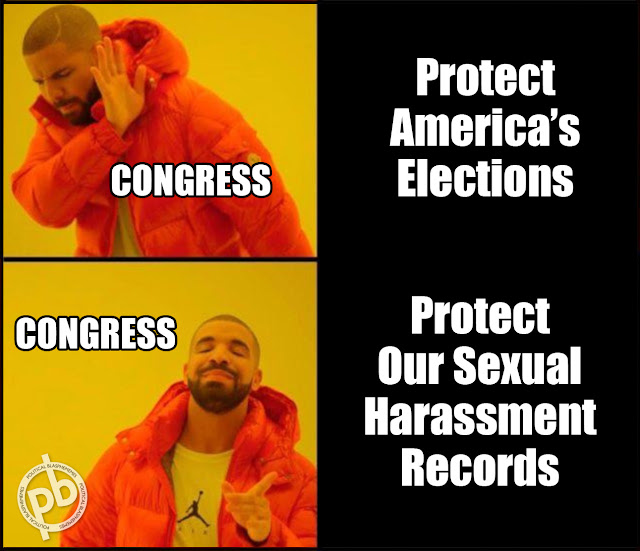
BUT
While it happened during the Biden administration, there was this:
‘Living in sex-slavery’: Biden admin was ‘paying individuals who were knowingly trafficking’ kids
During the Joe Biden administration, the federal government actually was paying human traffickers to take unaccompanied migrant children.
“The one thing that has been challenging is that under the Biden administration, the government paid sponsors,” under HHS programs, which were tasked with relocating and taking care of unaccompanied children.
“Those sponsors, many times, we found instances where they trafficked these children themselves,” Noem told Congress.
“Under the Biden administration, she said, “we not only had children in this country that were part of a program, the government was paying individuals who were knowingly trafficking them and abusing them.”
A report from the Washington Stand noted the trafficking was in addition to the fact that the Biden administration also misplaced hundreds of thousands of children.
They knew and, just like Epstein, abused children. He should get worse than Asshole of the Week, he should get a stay in hell for eternity.
AOTW is all I’ve got, so Biden, you are it.

The Gym – That wouldn’t happen at Cinnabon
Woman Goes To The Gym to Do Squats. Then Something Unexpected Happens To One Of Her Body Parts: ‘That Wouldn’t Happen At Cinnabon’ – how does a coochie fall out?
You will read this one, but I liked it so much I put it in
FAFO: Loud-Mouthed Iranian Leader ELIMINATED in Overnight Strike After Taunting President Trump On the Streets of Tehran – they talk big, but didn’t learn when to stfu on the playground as kids. I’ll bet he is one of someone else’s 72 virgins now
Europe
Air Travel
Passenger on Spirit Airlines Catches Them ‘Duct Taping’ Their Plane Together – I trust the stuff on the ground, but not at 30,000 feet.
TSA Warns Shutdown May Close Some Airports – They keep finding ways to make it worse
Cars
The Man Behind Lamborghini’s Iconic Looks
Space Travel
The first Artemis lunar landings might not go to the Moon’s south pole – they’ll be lucky to not be the next Challenger or Apollo 13
Creation or Evolution?
The Scientific Shift Toward God – Overall, scientists have been able to calculate that the odds of our universe existing from random chance are 10 to the 60th power. As a contrast, there are roughly 100,000,000,000,000,000,000,000 grains of sand in the Sahara Desert.
Fraud
Nick Shirley hits the motherlode of fraud… and just think, we could be paying less taxes if they cut this shit out.
Drinking
Libations of Liberty: The Top 10 Historic Drinking Sites in the US