

I know that if I have the chance, I’m going to either be alone or with my dog.
ByJenn Granneman April 6, 2026
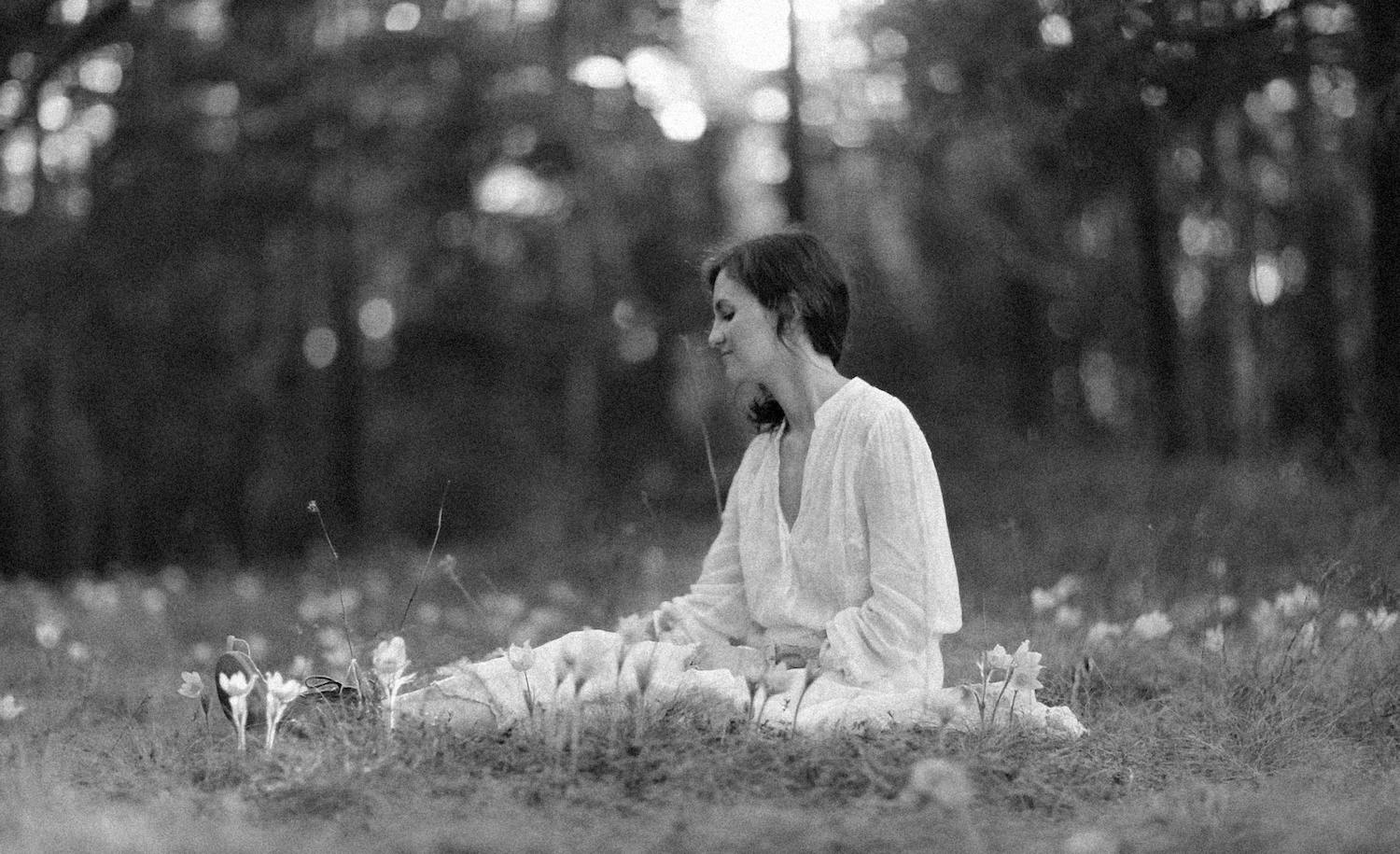
The next time an introvert in your life needs alone time, remember it’s not personal. They need solitude because that’s how they’re wired.
I love spending time alone. There’s nothing better than being at home in my comfy clothes, reading a good book, or watching a show while munching on snacks. This doesn’t mean I don’t crave time with “my people” — those I laugh with and share my day with. But when I don’t get enough alone time, I start to feel tired, cranky, and overstimulated, even if I’ve enjoyed being with the people I love.
I show all the classic signs of being an introvert.
Sometimes when I need alone time, the people in my life feel hurt. They feel rejected, but that’s not what it means. I need little periods of solitude to recharge my energy and feel like myself again.
Why do introverts need alone time? Why does socializing exhaust us, even when we’re having fun? Recent research offers some interesting insights. I delve deeper into these findings in my book, The Secret Lives of Introverts.
The Curious Connection Between Introverts and Rewards
When writing my book, I spoke with Colin DeYoung, a psychology professor at the University of Minnesota who had published a paper on introversion. He explained that one reason introverts need alone time is related to how we respond to rewards.
No, I’m not talking about the gold stars you might have earned in grade school (though it could be argued that stickers are indeed a reward for kids). For adults, rewards can be things like money, social status, social connections, food, and even sex. When you get promoted at work or convince an attractive stranger to give you their phone number, you’re receiving a reward. Hurray!
Of course, introverts also value things like money, relationships, and food. However, researchers believe that introverts are wired to respond differently to rewards than extroverts. Compared to our more outgoing counterparts, we “quiet ones” are simply less motivated and energized by these same rewards. It’s as if extroverts see big, juicy steaks everywhere, while introverts see overcooked hamburgers.
In fact, as any introvert can confirm, sometimes those “rewards” aren’t just less appealing — they can actually be tiring and annoying, like a big party. This brings me to another reason why introverts need alone time: We react differently to stimulation.
An Extrovert and an Introvert Go to a Party
Take, for example, two friends at a house party — one an extrovert, the other an introvert. They’re crammed into a crowded room where loud music blares from huge speakers. Everyone is practically shouting to be heard over the din. There are a dozen conversations happening simultaneously, with just as many things demanding their attention.
For the extrovert, this level of stimulation might feel just right. He sees potential rewards everywhere — an attractive stranger across the room, opportunities to deepen old relationships, and the chance to make new friends. Most importantly, tonight offers a chance to boost his social status within his friend group, especially if he plays his cards right.
So, the extrovert feels energized and excited to be at the party. In fact, he’s so motivated that he stays late into the night. He’s exhausted the next day and needs time to recover — after all, partying is hard work. But to him, the energy spent was well worth it.
Now, back to our introvert. See him over there, hunkered down in the corner? For him, the environment feels overwhelming. It’s too loud, there are too many things happening at once, and the crowd creates a dizzying buzz of activity. Sure, he wants to make friends, fit in, and be liked, but these rewards just aren’t as tantalizing to him. It feels like he would have to expend a lot of energy for something he’s only mildly interested in to begin with.
So, the introvert heads home early to watch a movie with his roommate. In his own apartment, with just one other person, the level of stimulation feels just right. He exchanges some texts with a woman he met a few weeks ago in one of his classes. Like the extrovert, he too wants friends and a romantic partner. However, he finds it too tiring to deal with the noise and socializing at a big party to make those connections.
The Dopamine Difference
Chemically, there’s a good reason the introvert in the above scenario feels overwhelmed, and it relates to a neurotransmitter called dopamine. This chemical, found in the brain, is often referred to as the “feel good” chemical because it regulates our pleasure and reward centers.
One of its roles is to make us notice potential rewards and motivate us to pursue them. For example, dopamine alerts the extrovert to the attractive stranger at the party and fuels his motivation to come up with a cheesy pick-up line.
Another important function of dopamine is reducing our cost of effort. Socializing requires energy because it involves paying attention, listening, thinking, speaking, and moderating our emotional reactions. Technically, socializing is tiring for everyone, including extroverts. However, dopamine helps make it less exhausting for them.
According to DeYoung, extroverts have a more active dopamine reward system. As a result, they can better tolerate — and often push through — the tiredness that inevitably comes with socializing. Much of the time, they don’t experience the same level of mental and physical fatigue that introverts do, thanks to dopamine.
It’s called the “introvert” hangover, not the “extrovert” hangover for a reason.
A New Theory of Introverts and Dopamine
In her 2002 book, The Introvert Advantage, Dr. Marti Olsen Laney speculated that introverts may be more sensitive to dopamine. In other words, we “quiet ones” might need less of it to feel good. Too much, she wrote, could leave us feeling overstimulated.
Science has come a long way since then. When I caught up with DeYoung again, he told me that theory had since been disproven. In fact, scientists now think it’s the opposite.
In fact, DeYoung told me, extroverts are the ones who are more sensitive to dopamine. For example, if introverts and extroverts are given the same drug that affects dopamine, extroverts tend to have a stronger response and become more motivated by similar stimuli later on.
It’s not that dopamine itself makes introverts feel overstimulated. Rather, when introverts do overstimulating things, like going to a party, they may not get as much dopamine release. Extroverts, on the other hand, may get a much bigger dopamine hit from those same activities.
“Without the sense of reward, the extra focus, and the sense of being ‘worth the effort’ that dopamine initiates,” DeYoung told me, “the introverts simply find the activities overwhelming and/or tiring instead.”
Extroverts Place More Significance on People
Finally, a study found that extroverts might simply find humans more interesting than introverts do. This finding aligns with the idea that introverts are less motivated to seek social rewards.
In this study, researchers observed a diverse group of individuals and recorded their brain’s electrical activity using an EEG. As participants were shown pictures of both objects and people, the researchers measured their brains’ P300 activity. This activity happens quickly in response to sudden changes around us and gets its name because it occurs within 300 milliseconds.
Interestingly, researchers found that extroverts showed the P300 response primarily when viewing images of faces, whereas introverts only exhibited this response after viewing objects. Essentially, extroverts’ brains became more active when looking at people.
This doesn’t mean that introverts hate people (though, admittedly, the human race can get on my nerves occasionally). Researchers still don’t fully understand introversion. However, these findings suggest that extroverts might simply place more importance on social interactions than introverts do.
So, the next time an introvert in your life needs alone time, remember that it’s not personal. Introverts need alone time because their brains are wired that way. It isn’t necessarily a reflection of how they feel about you or your relationship.
As for me, you can find me at home tonight. Preferably with the whole place to myself, that is.


My wife and I are introverts, thats how we met at 6. We were at a birthday party and both ended up playing in the backyard in a misty rain. 60 years of being friends. We had the same group we hung out with but usually ended up just hanging with each other. We have been married now for 44 years. It works, we can spend time in the same room and still get that alone time.
LikeLike
I envy you. My wife is an ultra extrovert
LikeLike
Interesting about extroverts being more interested in people. The introverts that I know care deeply about people, but don’t want to control them. The extroverts that I know see people as objects to be manipulated and taken advantage of.
Might just be the people I know.
LikeLike
I think you described it the way it is. We’re just very different and have to fight the extrovert to think they are writing the rules of life.
LikeLike