

Ranking 25 Of The Funniest Animal Names On Earth
Funniest Animal Names
Across the world, scientists have identified over 1.5 million living animal species. One of the perks of being a field biologist to first document a species is they get to name it and that has led to some of the funniest animal names imaginable.
As I was engaged in a highly-competitive game of ‘Bird Bingo’ with my family the other day and appreciating how hilarious some bird names are the idea struck me to bring you all a collection of the funniest animal names on earth. Now here we are!
Ranking 25 Of The Funniest Animal Names In Existence
Many of these are birds but birds don’t have a complete monopoly on the funniest animal names. The list also includes frogs, turtles, sharks, and more. So let’s dive in!
1. American Woodcock
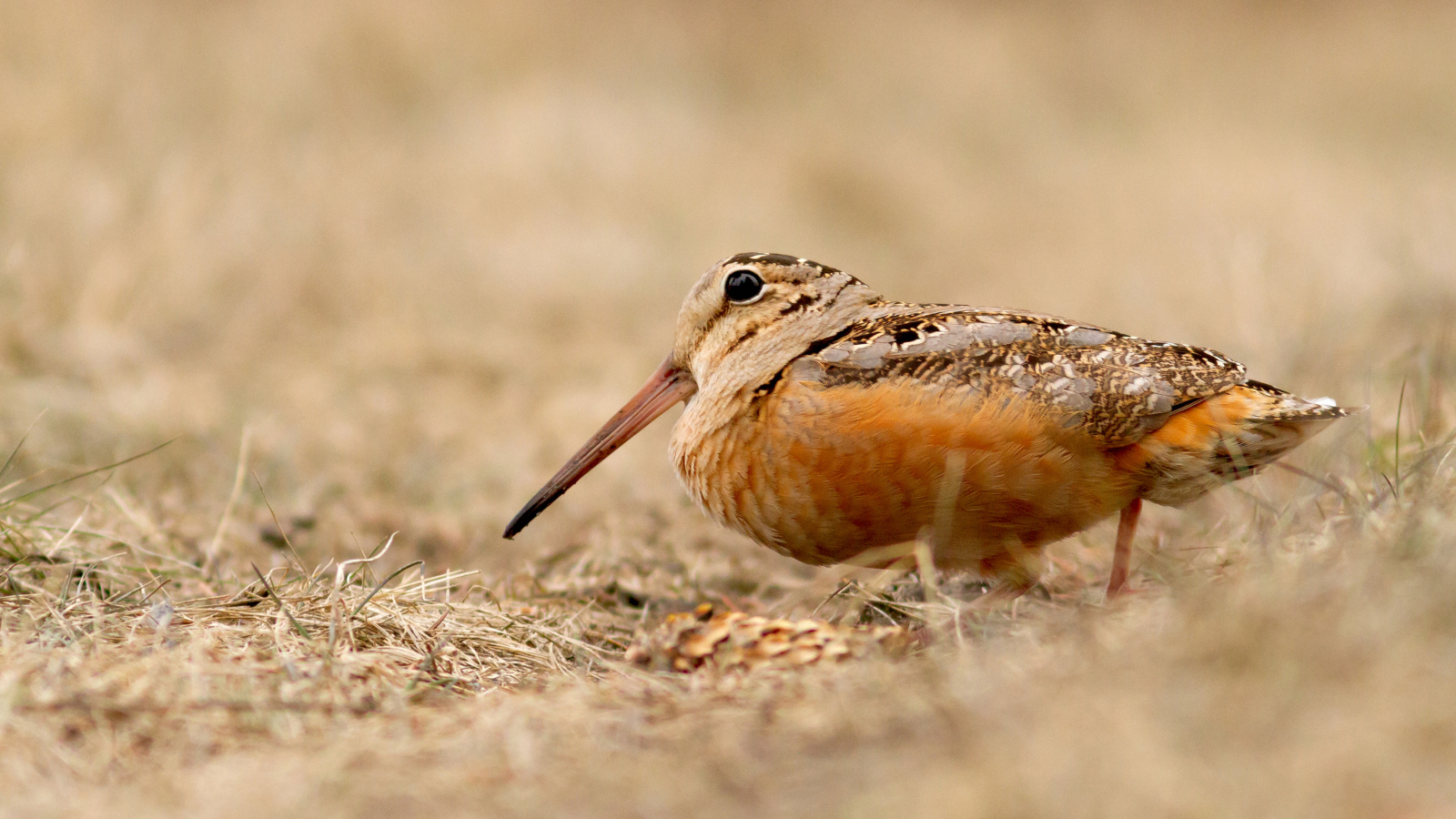
The American woodcock (Scolopax minor) doesn’t have just one hilarious name it also has a list of incredible nicknames that include the ‘timberdoodle,’ the ‘mudbat,’ the ‘bogsucker,’ and more. They also have an adorable dance where they rock back and forth.
This is the only species of woodcock native to North America and there is currently one in NYC that is the city’s latest bird celebrity. People are traveling from all over to see the NYC American Woodcock.
2. Blue-Footed Booby
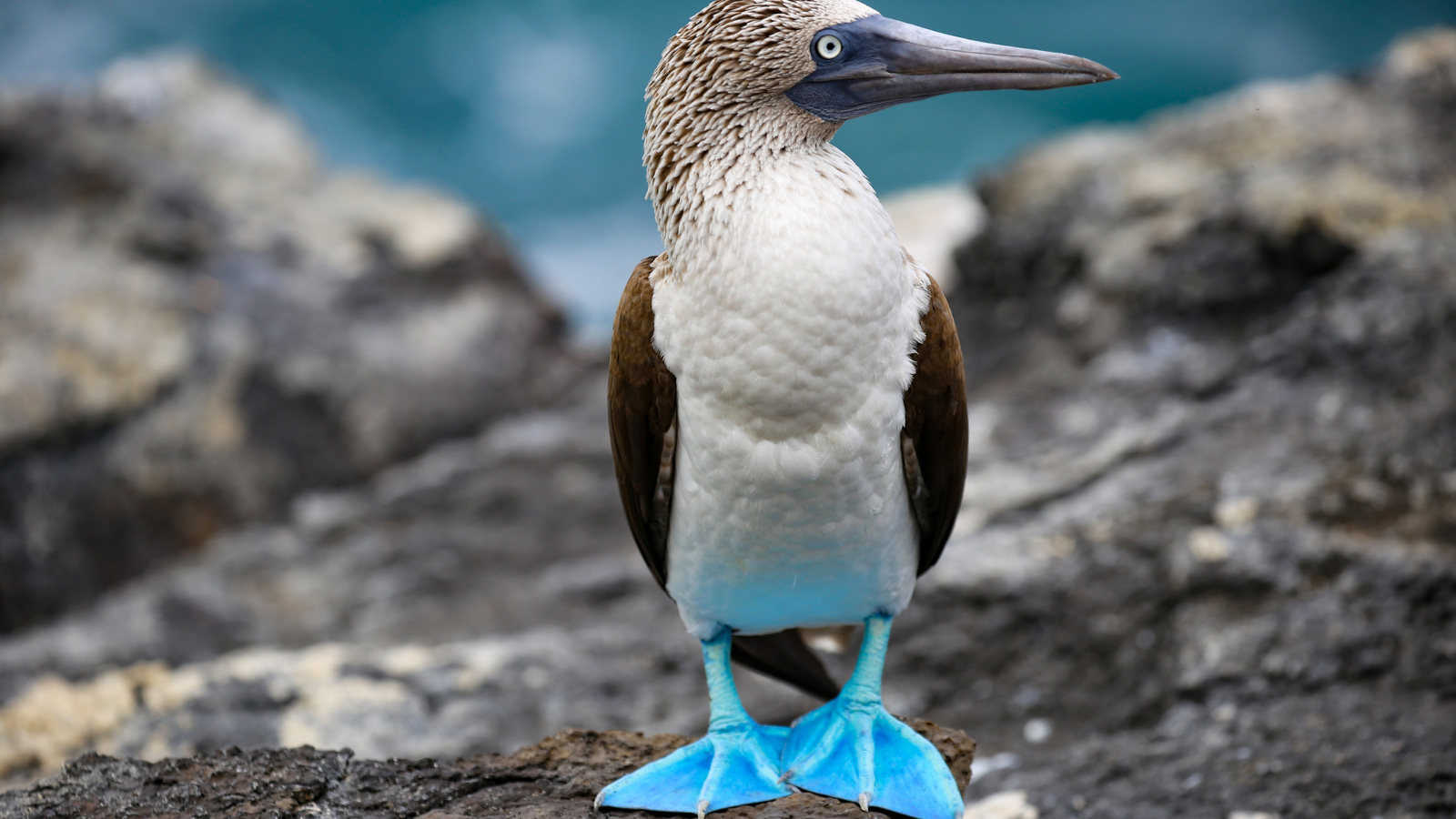
This fella right here needs no introduction, the feet speak for themselves. The Blue-Footed Booby is probably the most famous ‘funny animal name’ on earth for obvious reasons.
They are a marine bird native to the subtropical Eastern Pacific Ocean and have a wingspan up to 5ft but it is their bright blue feet that steal the show.
3. Andean Cock of the Rock
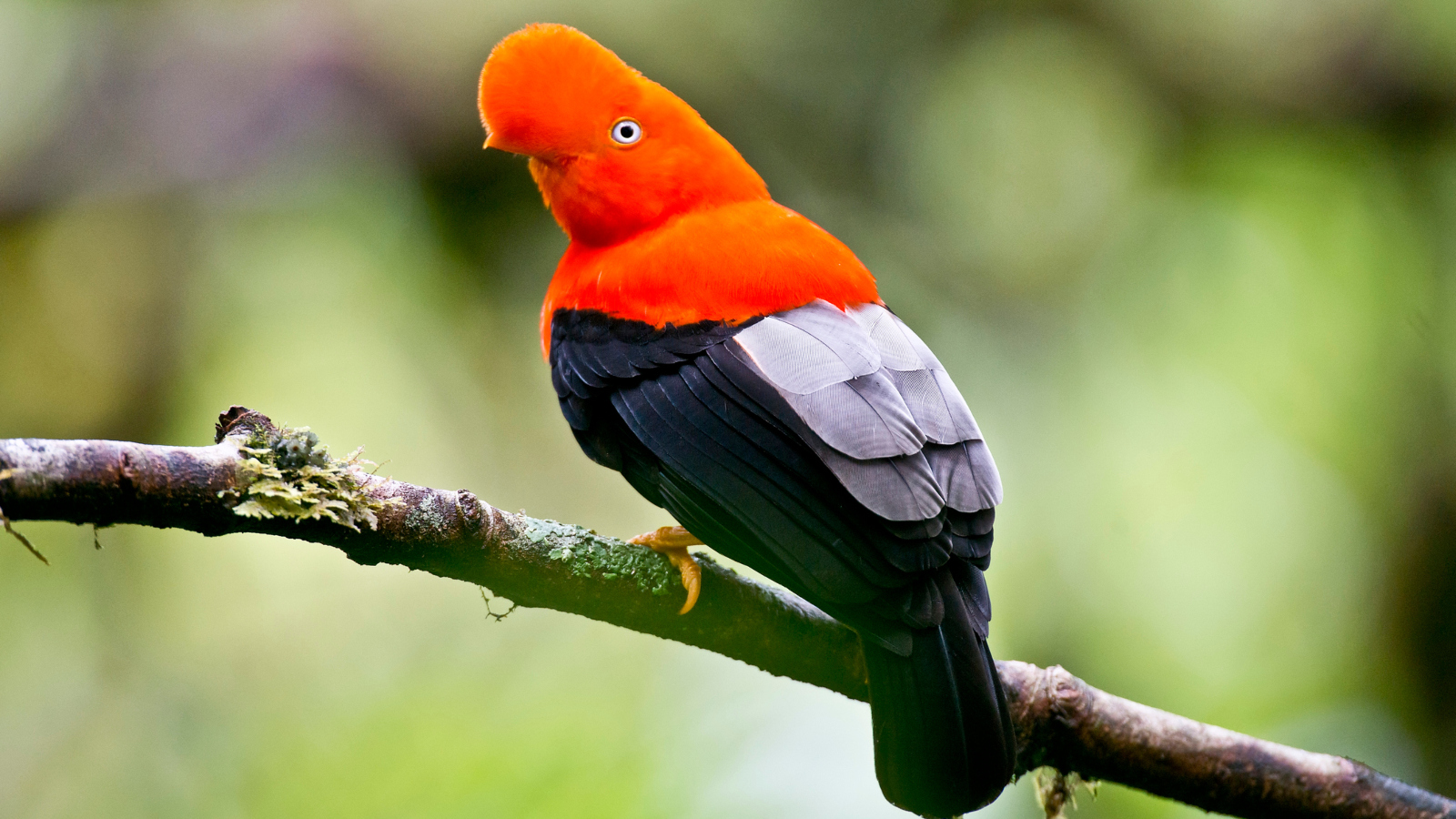
I love this bird. The Andean cock-of-the-rock (Rupicola peruvianus) is absolutely stunning. This is actually the bird that was the entire impetus for this list as I had the Andean cock-of-the-rock on my Bird BINGO board when I was playing the other night.
The Andean cock-of-the-rock is the national bird of Peru and found high up in the cloud forests of the Andean mountains in Peru. It would be HARD to miss with the striking colors. Perfect all around, 10 out of 10 looks and name.
4. Tasselled Wobbegong
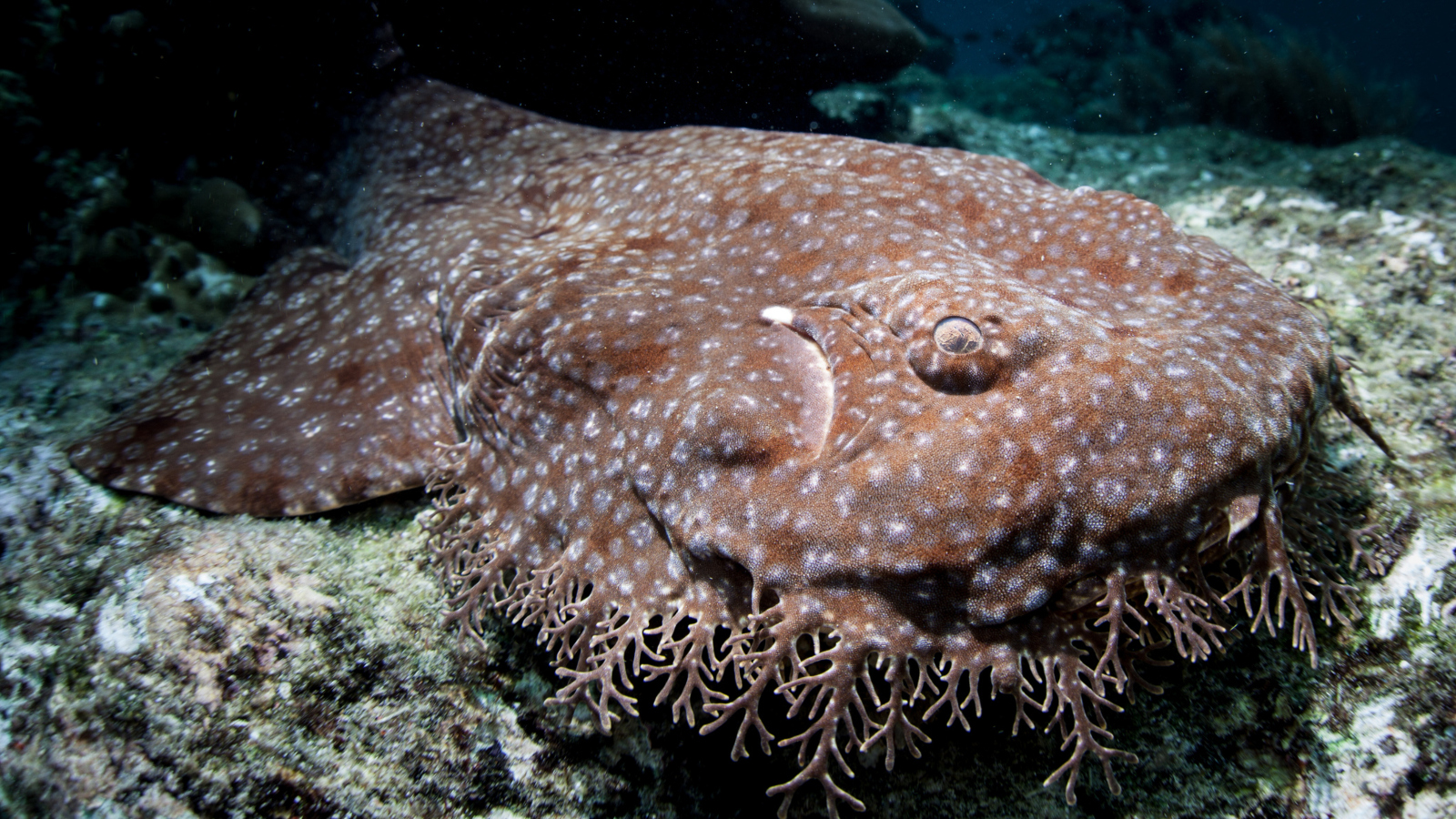
The Tasselled Wobbegong is a carpet shark species native to Australia and New Guinea. They grow up to nearly 6ft in length.
Pronounced ‘wobby-gong’ the Tasselled Wobbegong sounds like a name that an American would come up with while trying to make a joke about Australian accents. The name doesn’t even sound real, but I assure you they are.
5. Pigbutt Worm
The Pigbutt Worm, Chaetopterus pugaporcinus, is also known as the ‘flying buttocks.’ That folks is what I like to call a two-fer because it has two spectacular names.
This deep sea marine worm was first documented by the Monterey Bay Aquarium Research Institute (MBARI) way back in 2007 and it is a tiny one, 10-20 millimeters in length.
6. Sarcastic Fringehead
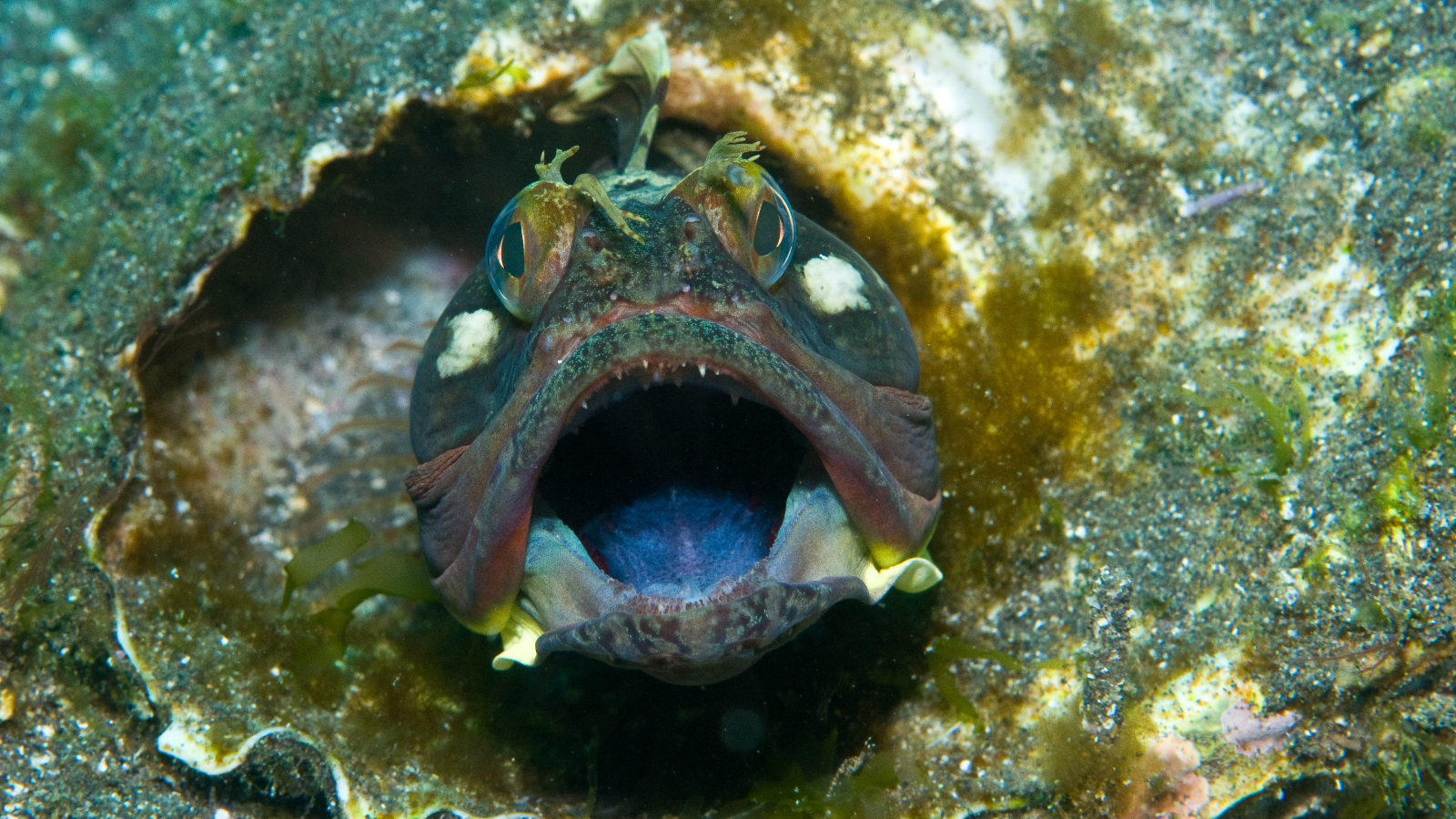
My favorite part about the name Sarcastic Fringehead (Neoclinus blanchardi) is that you can immediately look at this fish and think ‘yeah, that checks out.’ This fish definitely looks like a sarcastic fringehead.
7. Spiny Lumpsucker
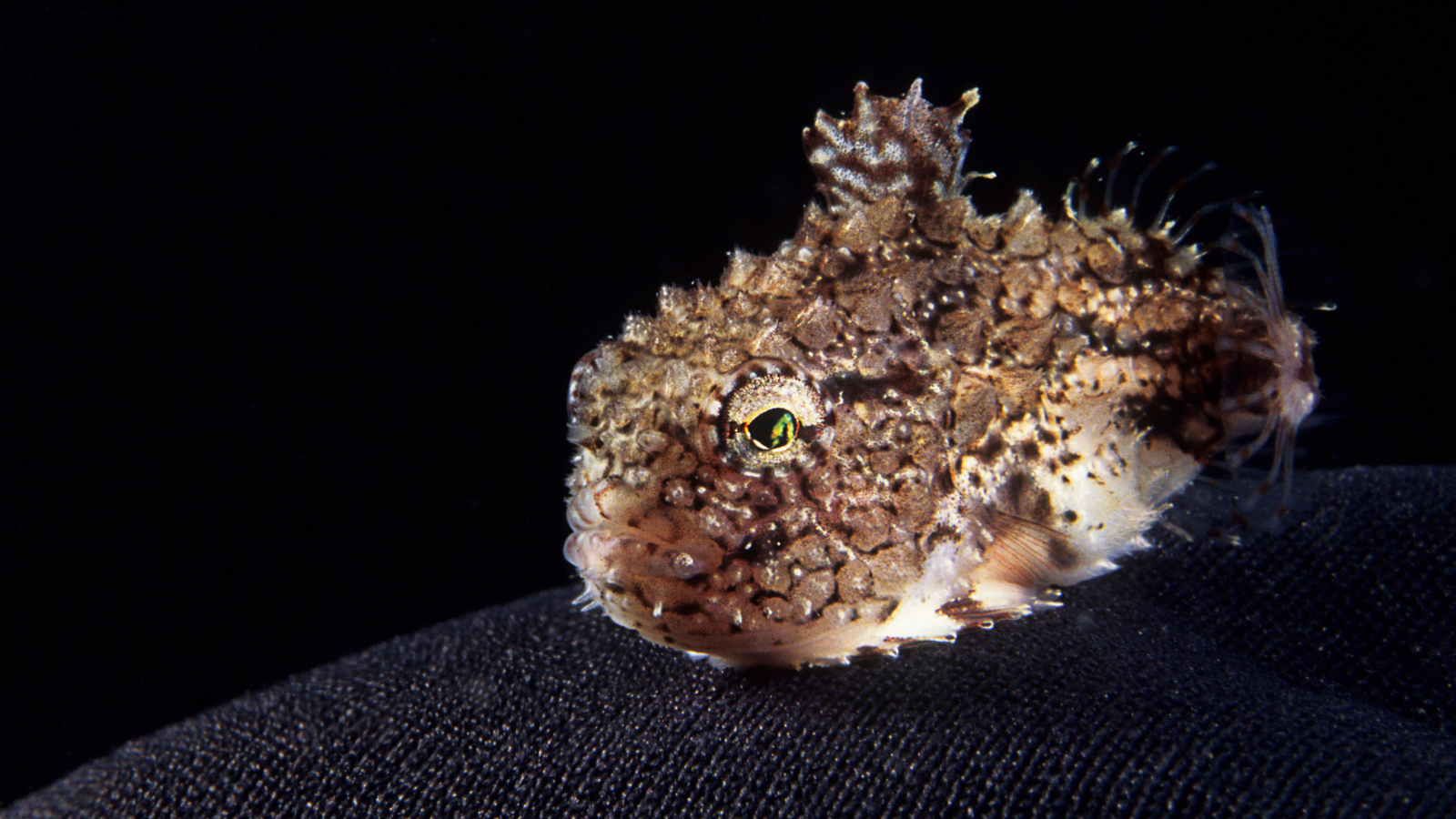
What did the Spiny Lumpsucker do to someone to earn this name? They’re adorable. Dare I say perfect.
They only grow up to a max of 5-7″ long and are horrible swimmers so they are commonly found attached to something, aka ‘lumpsucker.’ Instead of scales the fish is covered in cone-shaped plates. They also come in an array of colors.
8. Great Tit
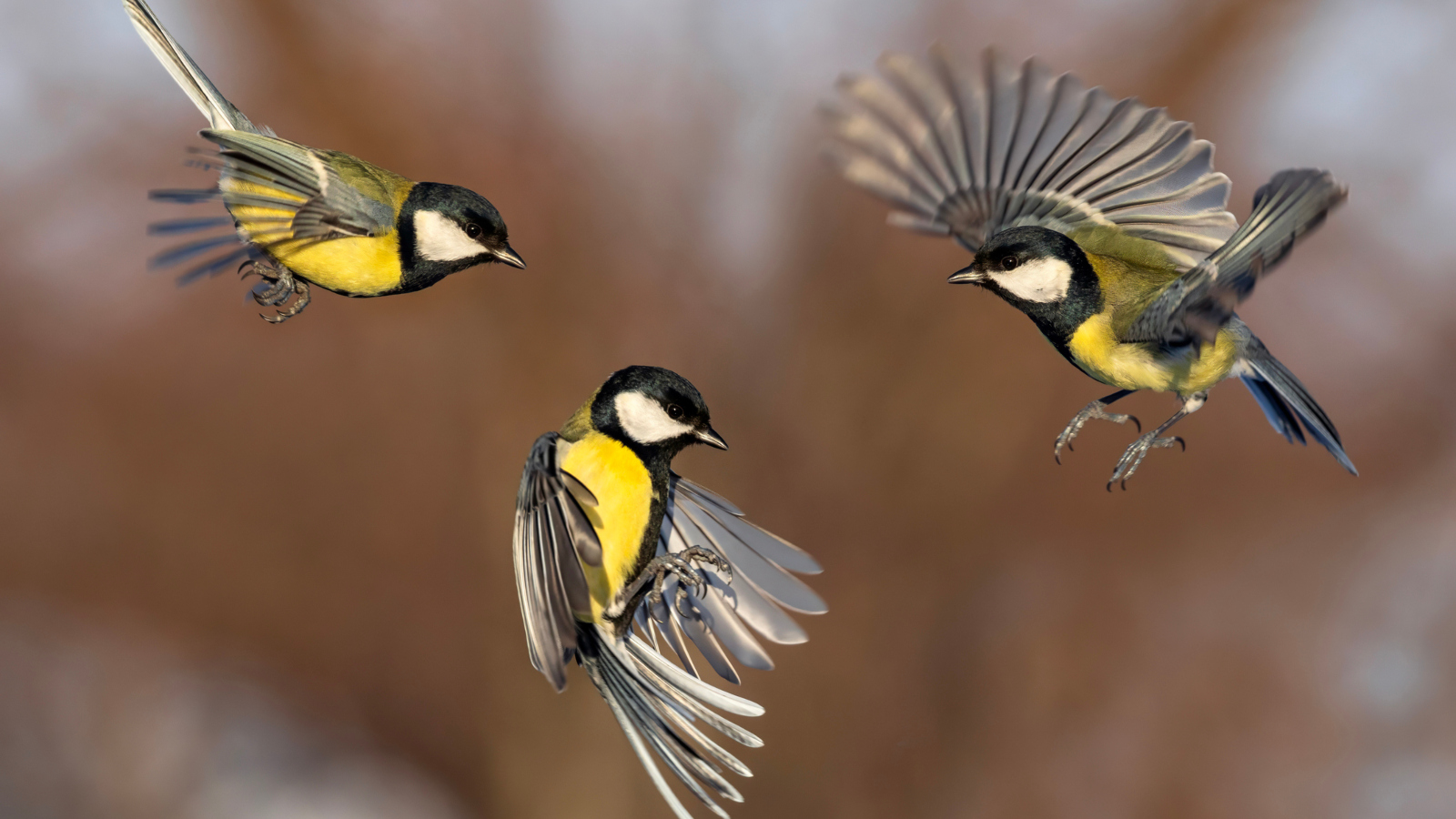
The great tit (Parus major) is found throughout Europe, the Middle East, and parts of Asia. While the name ‘great’ might imply they’re large, as it typically would in nature, these are tiny birds.
They don’t migrate, instead great tits just stick it out wherever they’re born. Living the dream. Spreading laughs worldwide with their incredible name.
9. Dickcissel
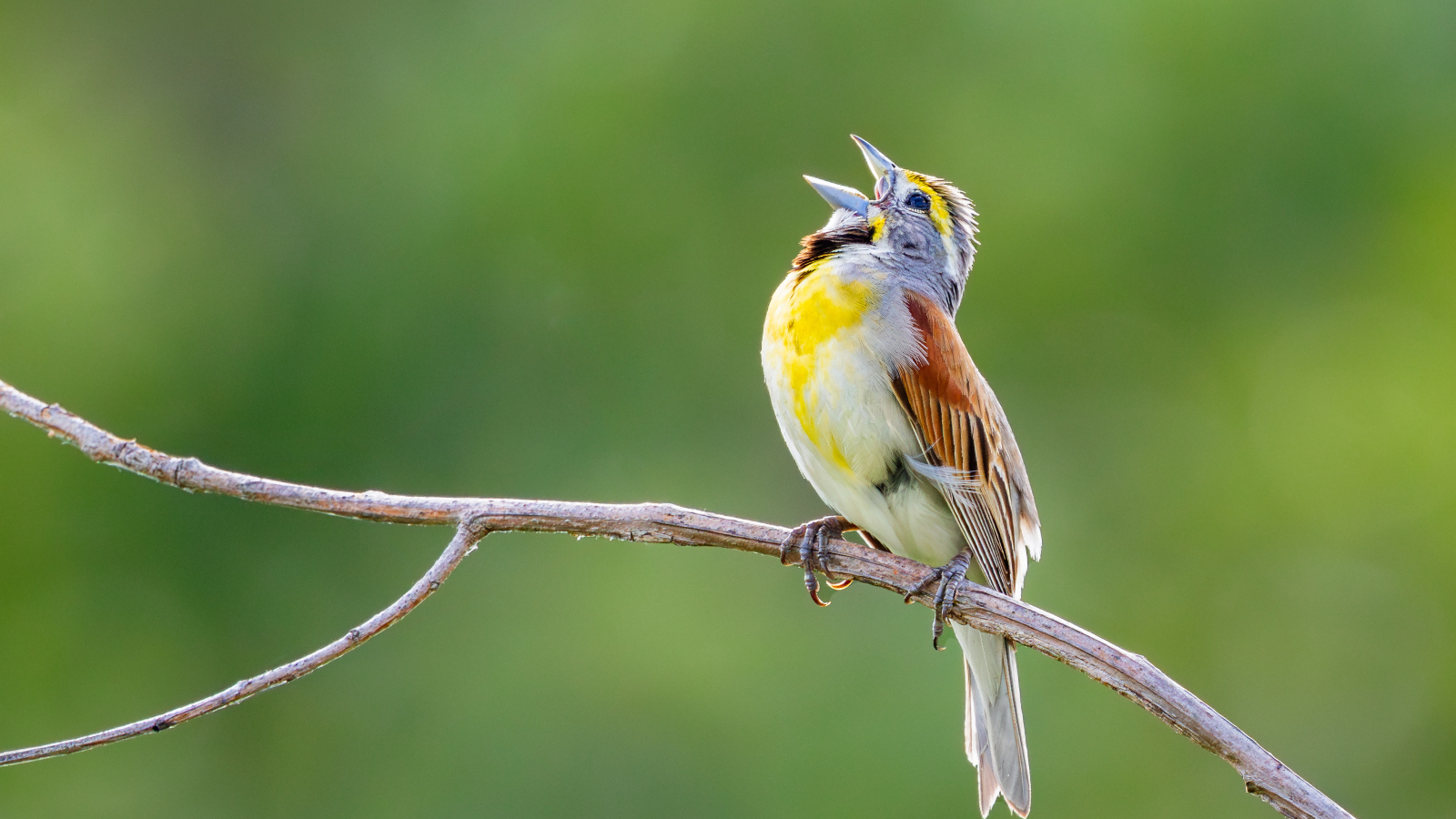
Found throughout the Midwest states here in the good ol’ U.S. of A, the Dickcissel is a perfect name for this tiny fella. These birds are also found in Central America, northern Colombia, and northern Venezuela during the winters.
Just say that name. Let it roll off your tongue. It’s perfect.
10. Screaming Hairy Armadillo
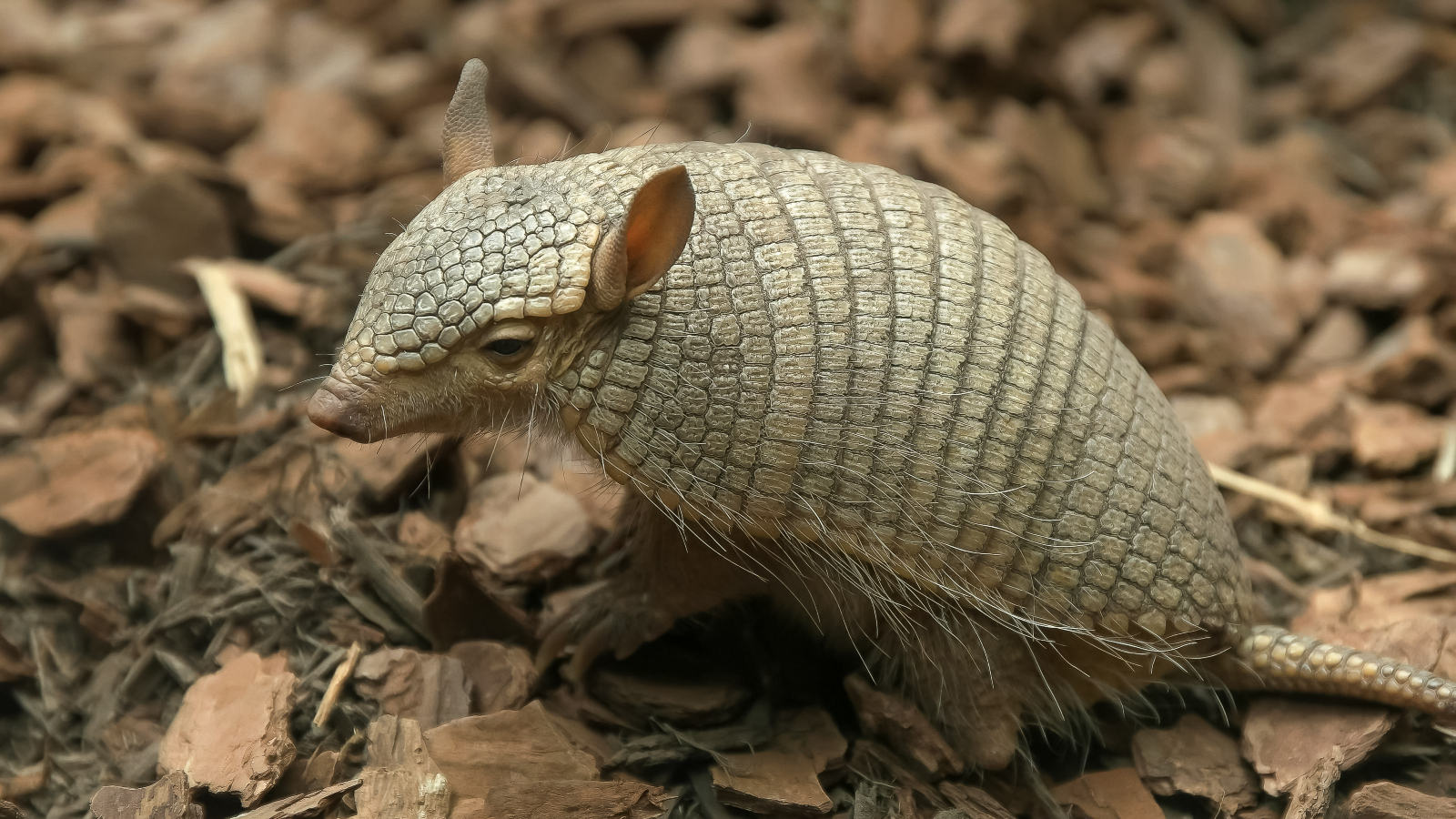
Someone looked at this thing, heard it make the iconic squealing sound it produces when it is threatened or handled, and nailed it with the name: Screaming Hairy Armadillo. Is it hairy? Sure is. Does it scream? You betcha.
They are found throughout the central/southern portions of South America and dine primarily on insects, invertebrates, and plants.
11. Tufted Titmouse
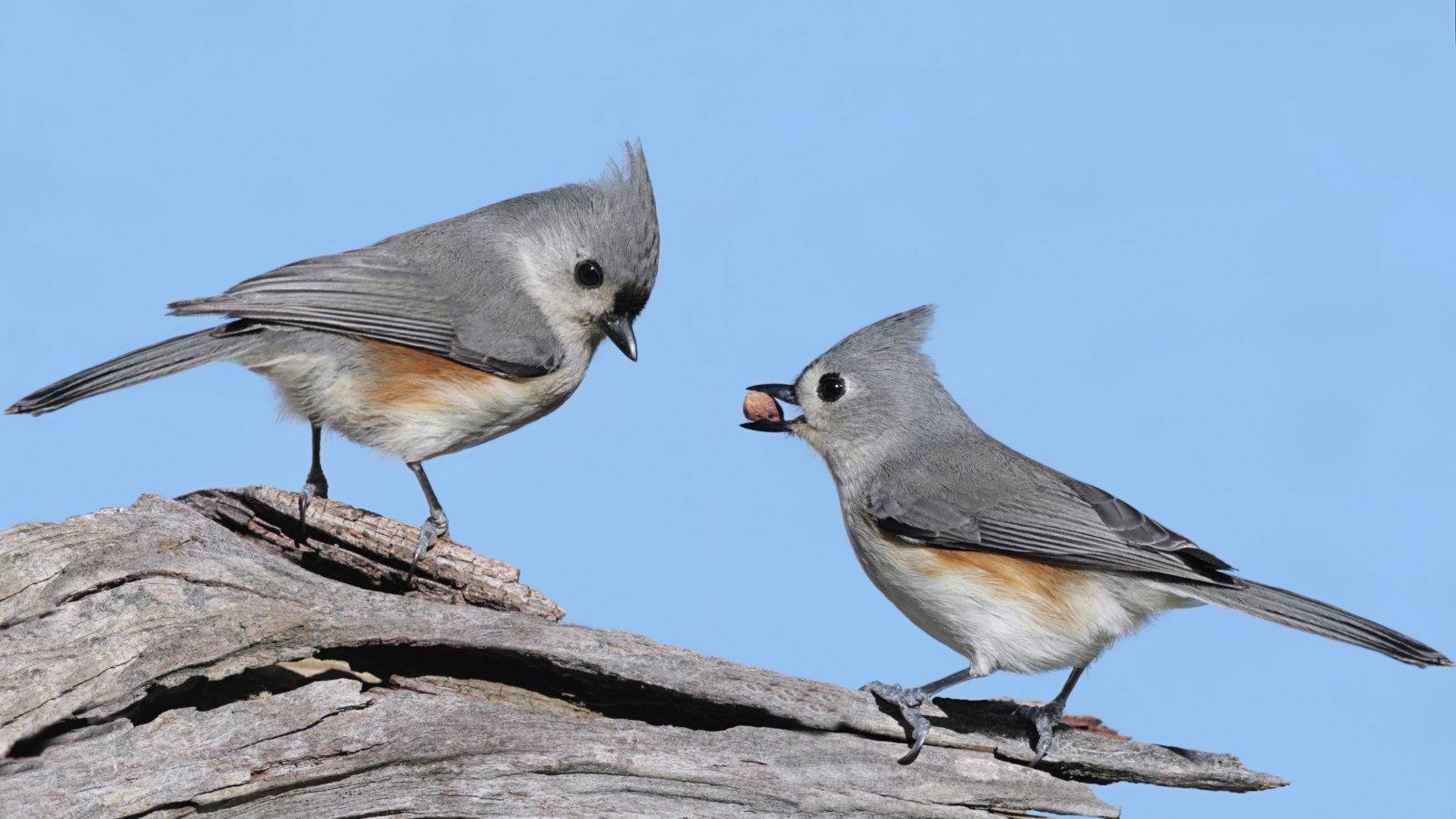
The thing about the Tufted Titmouse is if someone asked you what it was, and you were not already aware that it was a species of bird, there is no way you would guess that it was a bird. Everything about the name screams ‘mouse’ of some sort. Alas, it’s a bird.
They are stunners, to be sure. Members of the chickadee family, they’re tiny and beautiful. They can be found throughout the eastern portion of our country and can be spotted by the iconic black forehead.
12. Strange-tailed Tyrant
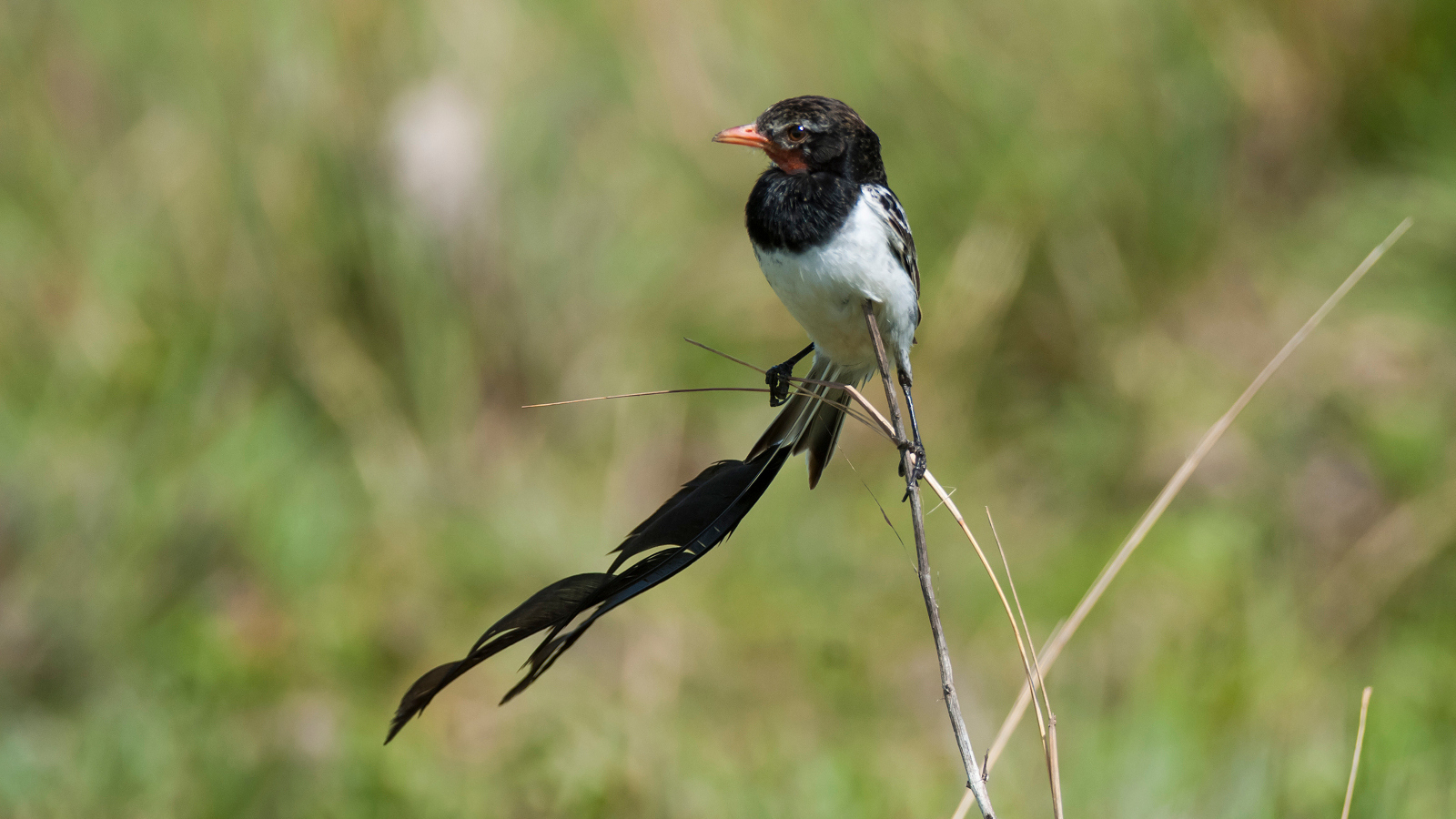
Someone saw the Alectrurus risora and did them dirty when they named it the strange-tailed tyrant. It was first documented by Louis Pierre Vieillot in 1824 so we at least know who to blame for this.
The strange-tailed tyrant shares a genus with the cock-tailed tyrant, because of course it does. And they are found throughout parts of Argentina and Paraguay where they are excellent fly catchers.
13. Satanic Leaf-Tailed Gecko
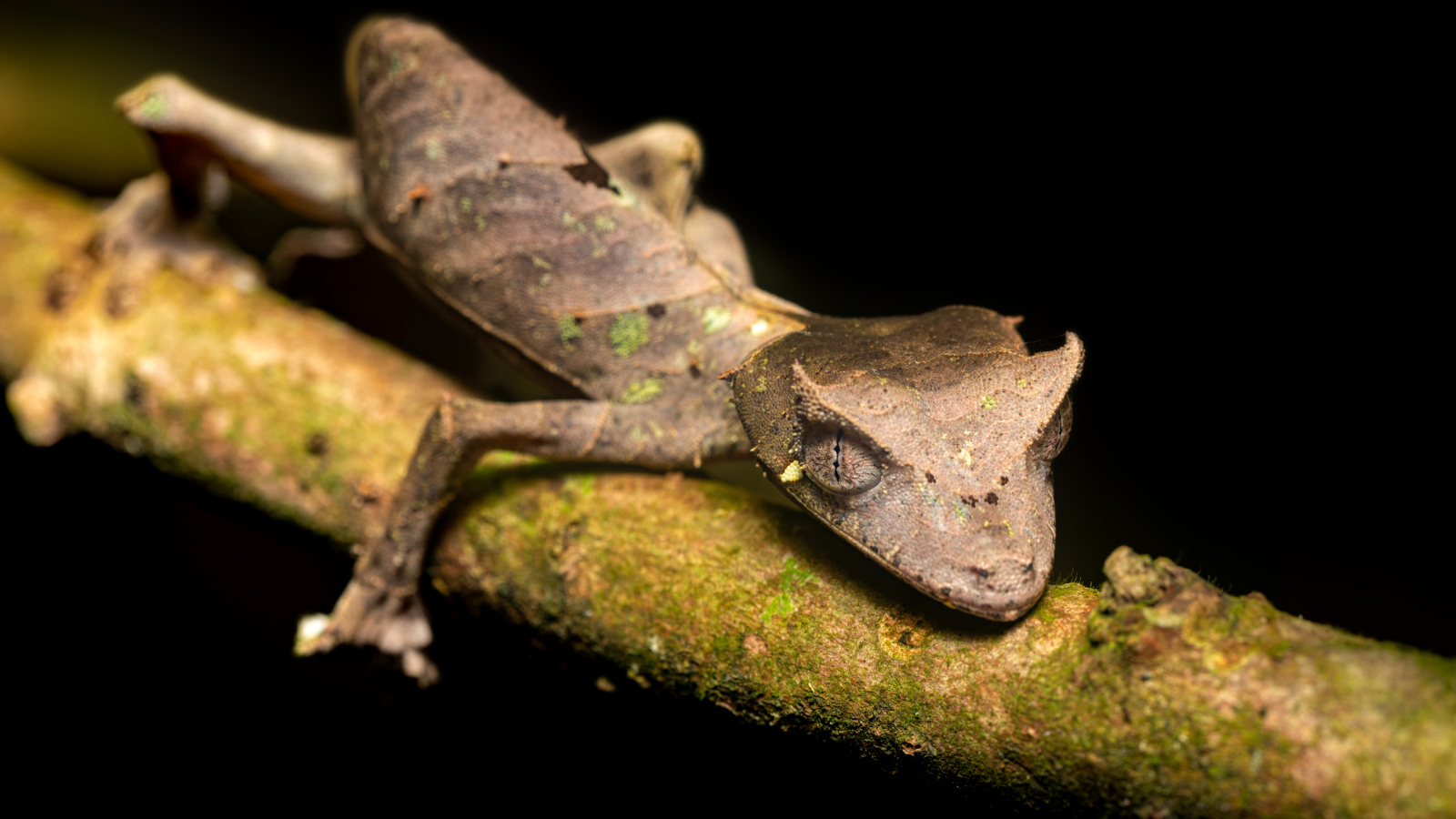
George Albert Boulenger must have hated geckos. That is the only explanation for why he would name such a majestic creature ‘satanic’ when he became the first person to document it back in 1888.
The satanic leaf-tailed gecko is also known as the eyelash leaf-tailed gecko or the phantastic leaf-tailed gecko, and they have some of the best camouflage around. They are native to the tropical forests of Madagascar.
14. Boops boops
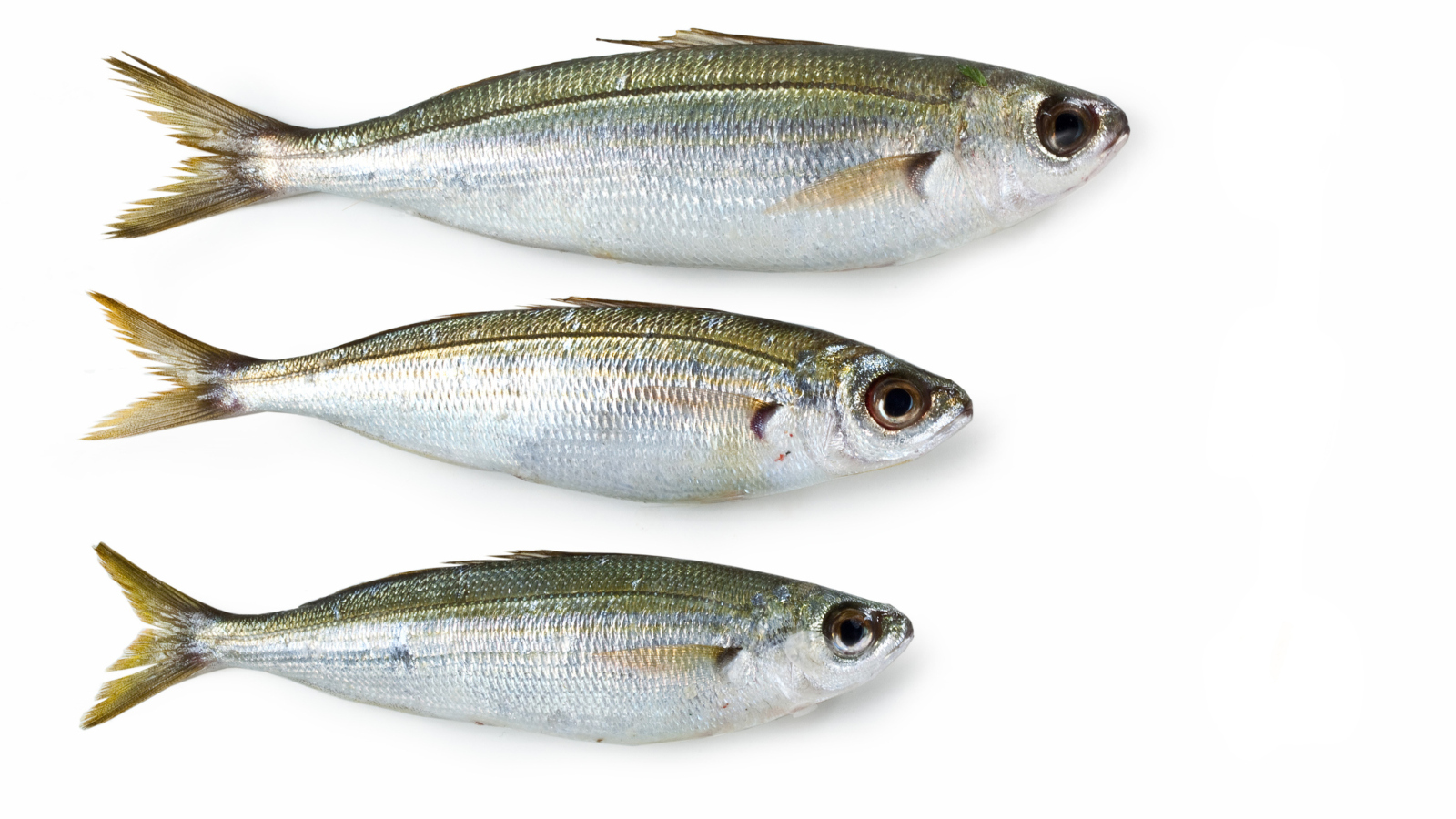
I’ve seen this fish a thousand times over the year in the James Bond meme where the text goes something like ‘My name is Bond, James Bond. And you are?… Boops, Boops Boops.’ Or something like that.
The Boops boops is a subspecies of seabream found in the eastern Atlantic with characteristically large eyeballs. Found throughout European waters, they are often pan-fried, broiled, or baked but only when caught fresh because if they are caught and stored the taste turns foul quickly.
15. Dik-Dik
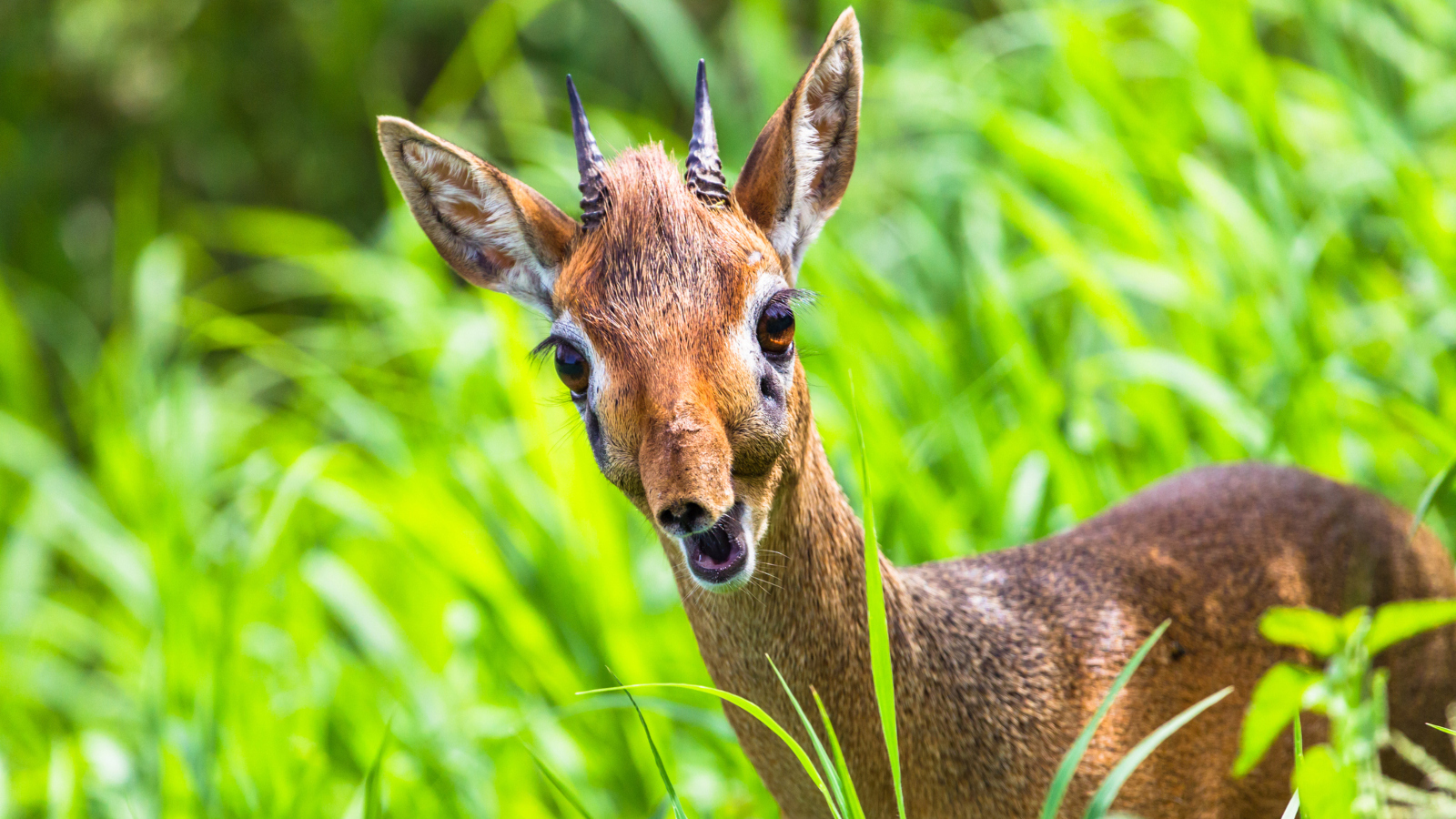
What a name! The dik-dik is a small species of antelope found in southern Africa that is absolutely adorable.
They are famous for making a shrill whistling sound because of course they are. It is used to alert other dik-diks and animals when there are predators around.
16. Sparklemuffin
The Sparklemuffin (Maratus jactatus) feels like it got its name from a 1st grader. They are an Australian jumping spider with stunning coloration and the ability to jump more than 50x the length of their bodies.
They are tiny, only measuring around 4-6mm in length, but a leap of 50x that distance is still concerning. Of course they’re in Australia too where every animal is wild in its own way.
17. Chicken Turtle
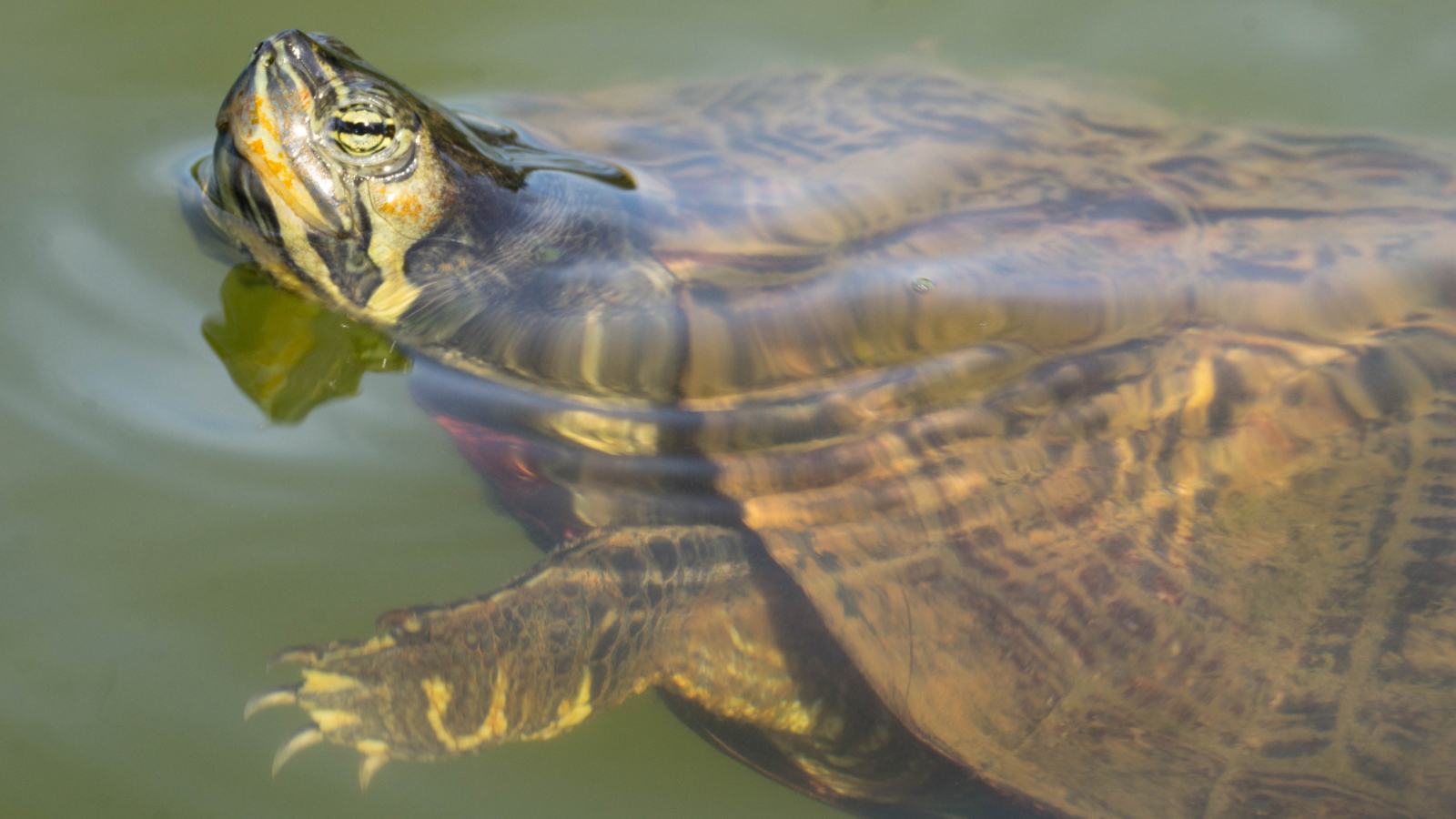
Someone in the Southeastern United States got real lazy when they named the Chicken Turtle. They were probably eating chicken roasted over a spit and saw a turtle, pointed at it, and said ‘chicken turtle.’
In actuality, the chicken turtle was first named by two French zoologists back in 1801, Pierre André Latreille and François Marie Daudin, who each published their findings in separate journals after having first observed it near Charleston, South Carolina. If you’ve ever been to the Southeast then chances are you have seen one of these turtles.
18. Pleasing Fungus Beetle
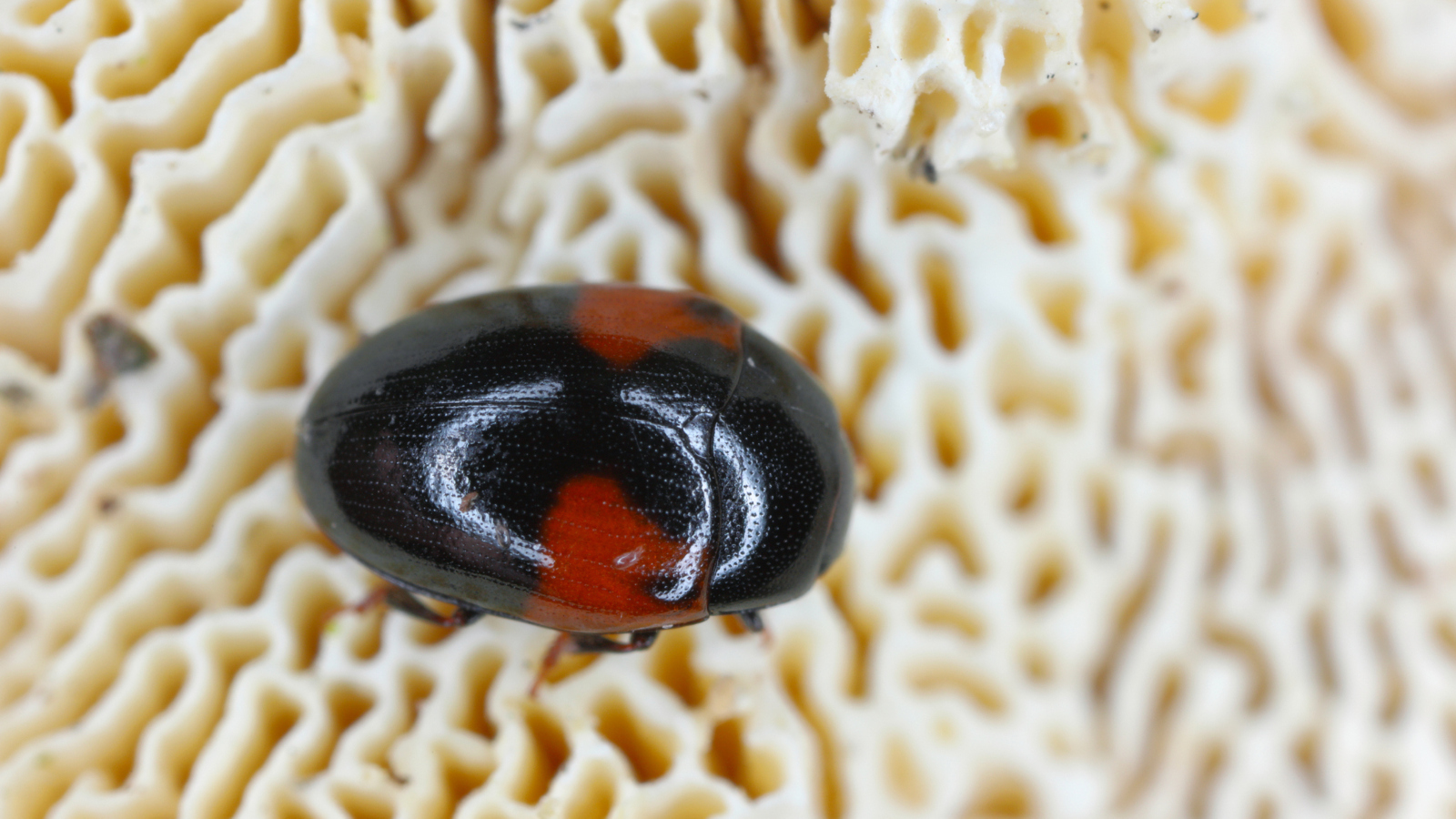
This is one of those ‘make your mind up’ names. The pleasing fungus beetle actually encompasses a whole family of beetles. I’m no entomologist but I fail to find anything pleasing about the fungus beetle.
19. Hummingbird Hawk-Moth
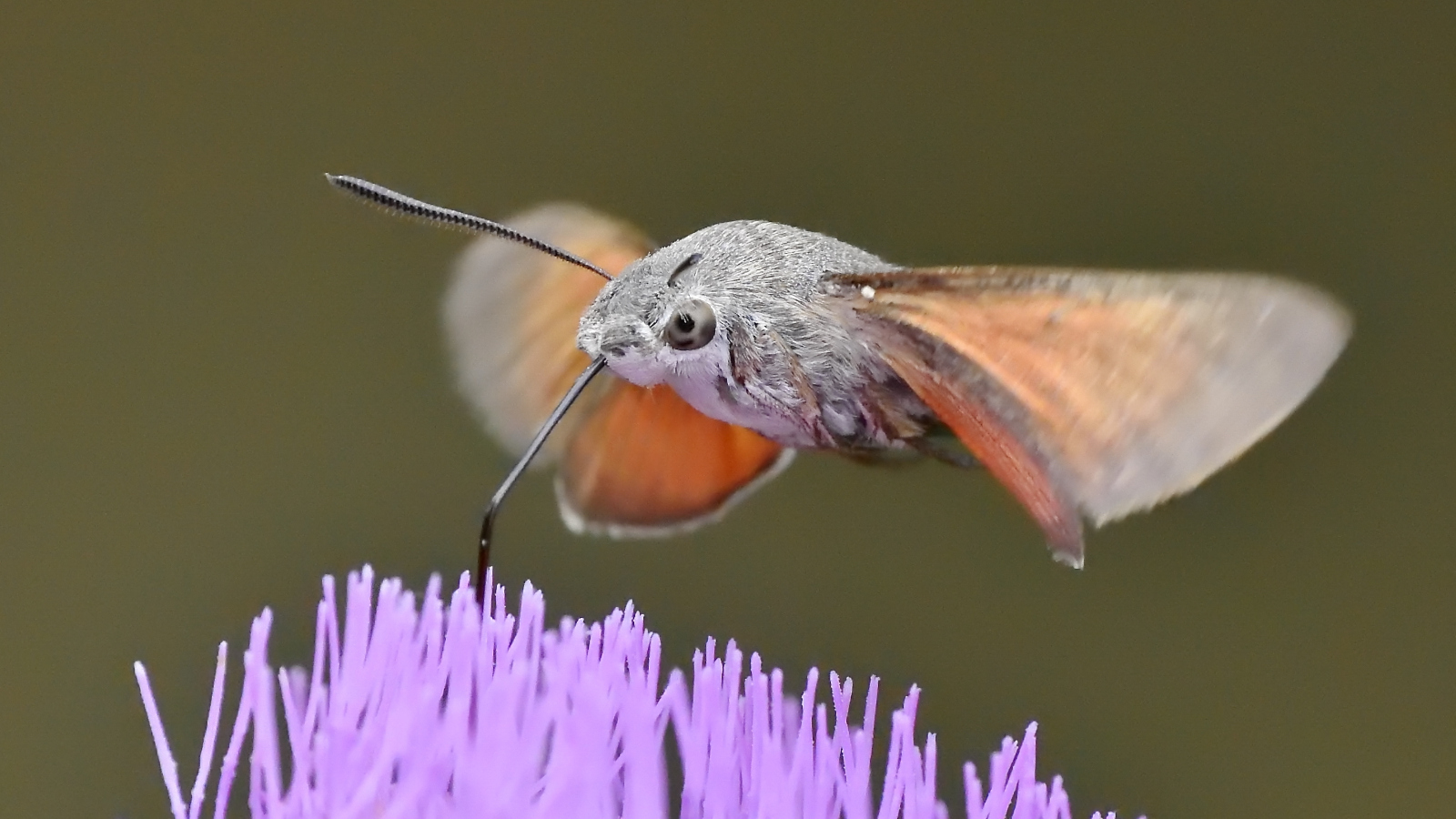
My theory with the Hummingbird Hawk-Moth is three people spotted it at the same time. One swore they saw a hummingbird, another swore it was a mini hawk, and the third was confident it was a moth. When the Hummingbird Hawk-Moth turned out to be a moth that looked like all three they just squished the name together.
They are found from Portugal to Japan and were first described by Carl Linnaeus in 1758. As caterpillars, they are rather unremarkable but as fully grown Hummingbird Hawk-Moths they are stunning.
20. Ice Cream Cone Worm
Ice Cream Cone Worms or trumpet worms measure around 2″ long. Do they look like ice cream cones? In my opinion, absolutely not. But maybe ice cream cones looked like dirty scabs back in the day. They were first documented in the early 1800s so maybe they primarily went by ‘trumpet worms’ early on until ice cream cones hit the market in 1896.
21. Hellbender
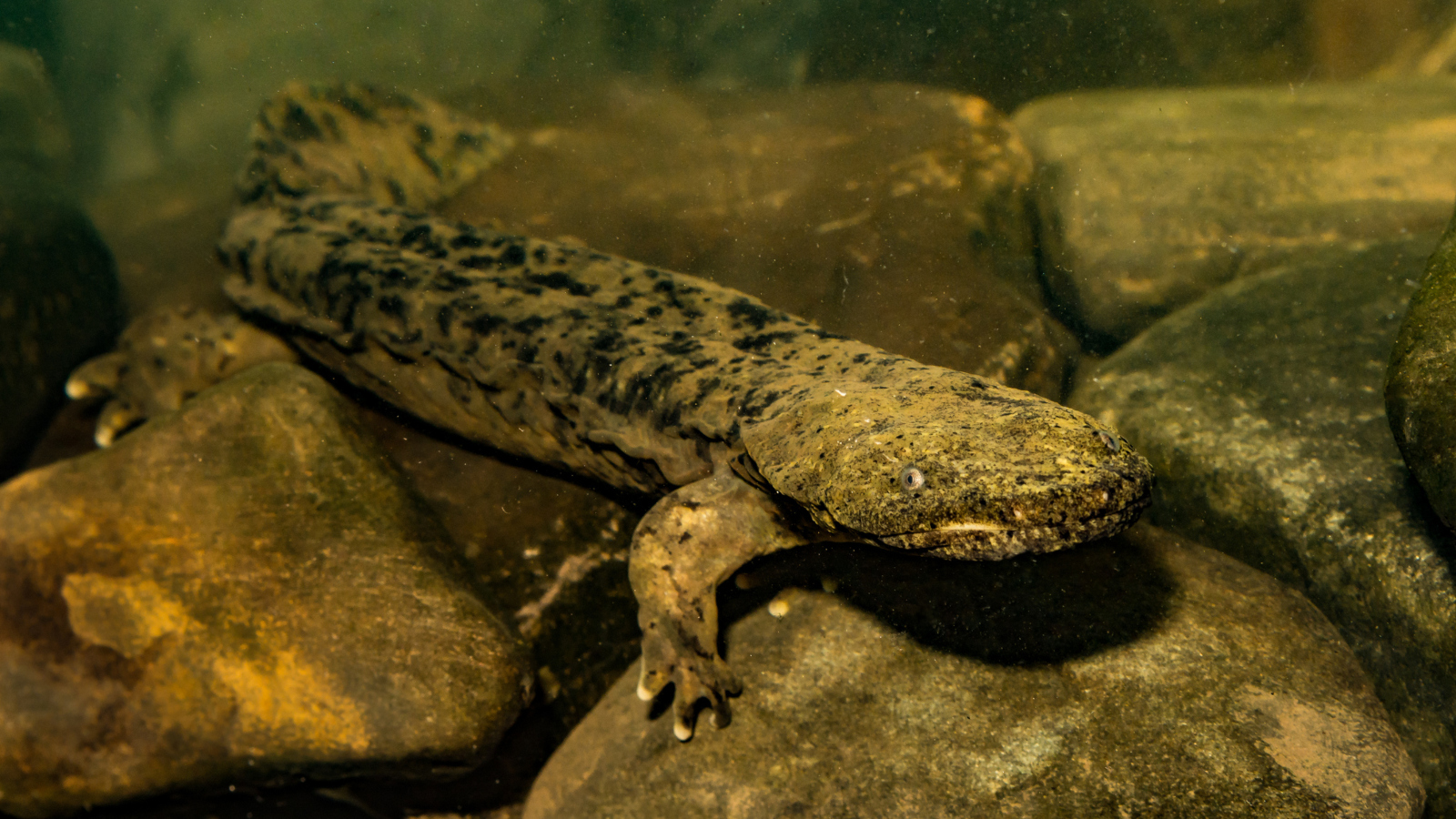
The Eastern Hellbender is an iconic species of giant salamander. I have wanted to see one in the wild my whole life but have yet to spot one.
As for having one of the funniest names among animals, the Maryland Department of Natural Resources says “The name ‘hellbender’ probably comes from the animal’s odd look. One theory claims the hellbender was named by settlers who thought “it was a creature from hell where it’s bent on returning.” Another rendition says the undulating skin of a hellbender reminded observers of “horrible tortu”res of the infernal regions.” In reality, it’s a harmless aquatic salamander.”
22. Jackass Penguin
The African Penguin is also known as the ‘Jackass Penguin’ and are endemic to the Old World. Also known as the Cape penguin or the South African penguin, the Jackass Penguin was not, in fact, named for Johnny Knoxville.
23. Hotwheels sisyphus
This name feels like an elaborate prank. Hotwheels sisyphus is a species of Chinese ground spider and the genus is Hotwheels. They were first documented in 2024 which makes the ‘Hotwheels’ designation all the stranger. Didn’t those toys fall off decades ago?
24. E.T. sponge
It is wild how some creature that has existed for untold millennia gets spotted by humans one day and they are like ‘you kind of reminded me of an overrated 80s movie and I’m going to name you after that forever.’ That is basically how the E.T. Sponge, Advhena magnifica, got its name back in 2016 when it was first observed in the Mariana Trench at a depth of 2,028 meters.
25. Mountain Chicken Frog
The Mountain Chicken Frog, Leptodactylus fallax, is critically endangered and found throughout the Caribbean islands of Montserrat and Dominica. Population numbers plummeted by 80% between 1995 and 2004.
The name, Mountain Chicken, comes from the locals hunting them down as a delicacy and the chicken-like flavor.


