The World Cup is More like the WWE than a sport. I’ve haven’t watched that much, but I saw a guy go down in agony with a real injury, 30 second later he was setting a record for sprinting to get the ball. It’s getting bush league
In good news Fisherman rescues 220-pound sea turtle tangled in thick ropes. (More here)
Death by Socialized Medicine – Let the Europeans brag about their substandard healthcare they get for free. They pay for it in taxes and in the long waits for bad service.
Fathers of daughters may be better workplace leaders. – Especially when they reach puberty. All hell breaks loose then.
Beatles and Swifties
Paul McCartney plays No. 1 Beatles hit for the first time since 1964. – Some teeny bopper girl who slept with half of Hollywood married some football player. People with a real life didn’t care or watch.
Across the world, scientists have identified over 1.5 million living animal species. One of the perks of being a field biologist to first document a species is they get to name it and that has led to some of the funniest animal names imaginable.
As I was engaged in a highly-competitive game of ‘Bird Bingo’ with my family the other day and appreciating how hilarious some bird names are the idea struck me to bring you all a collection of the funniest animal names on earth. Now here we are!
Ranking 25 Of The Funniest Animal Names In Existence
Many of these are birds but birds don’t have a complete monopoly on the funniest animal names. The list also includes frogs, turtles, sharks, and more. So let’s dive in!
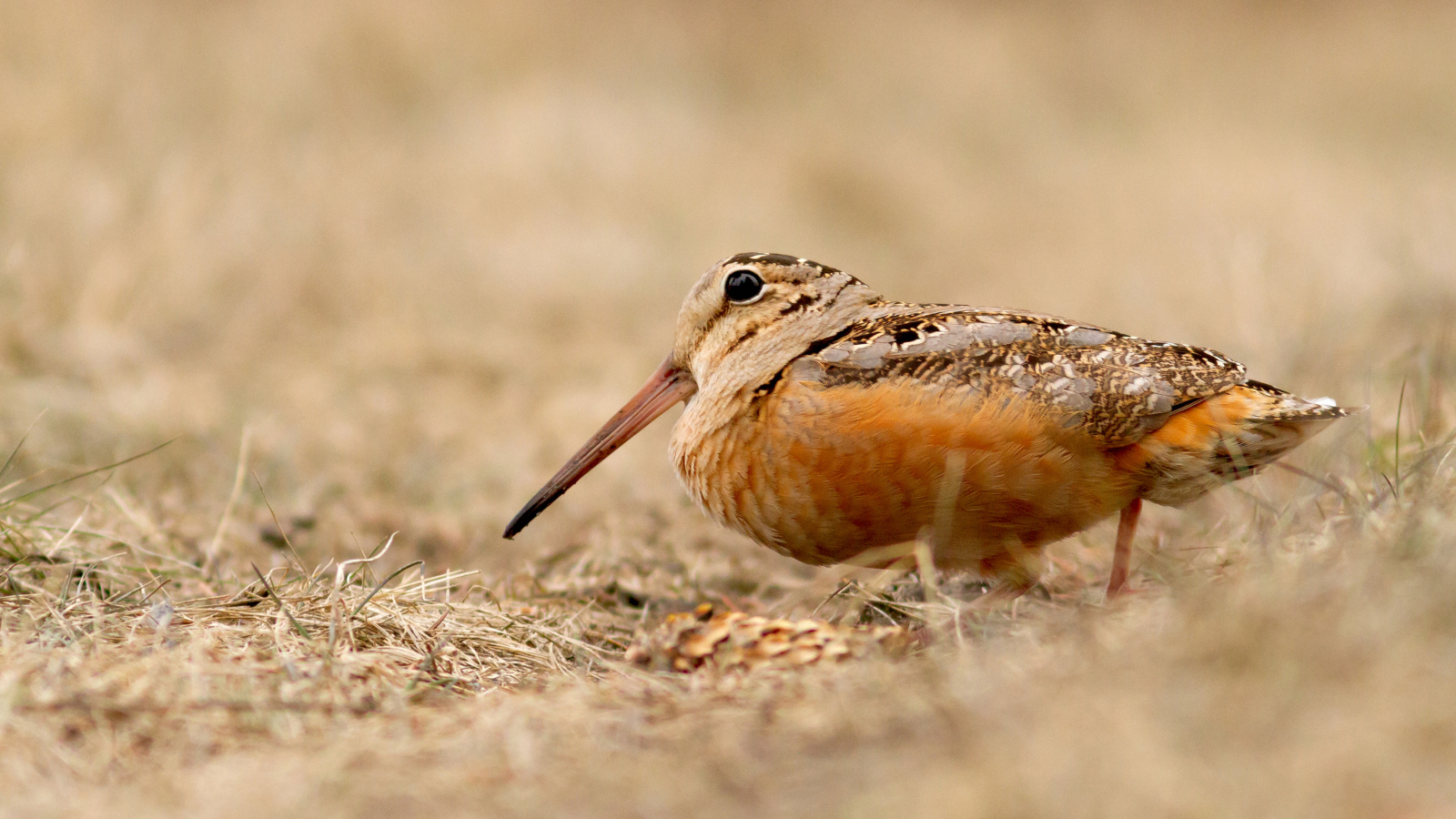
1. American Woodcock
American woodcock bird
The American woodcock (Scolopax minor) doesn’t have just one hilarious name it also has a list of incredible nicknames that include the ‘timberdoodle,’ the ‘mudbat,’ the ‘bogsucker,’ and more. They also have an adorable dance where they rock back and forth.
This is the only species of woodcock native to North America and there is currently one in NYC that is the city’s latest bird celebrity. People are traveling from all over to see the NYC American Woodcock.
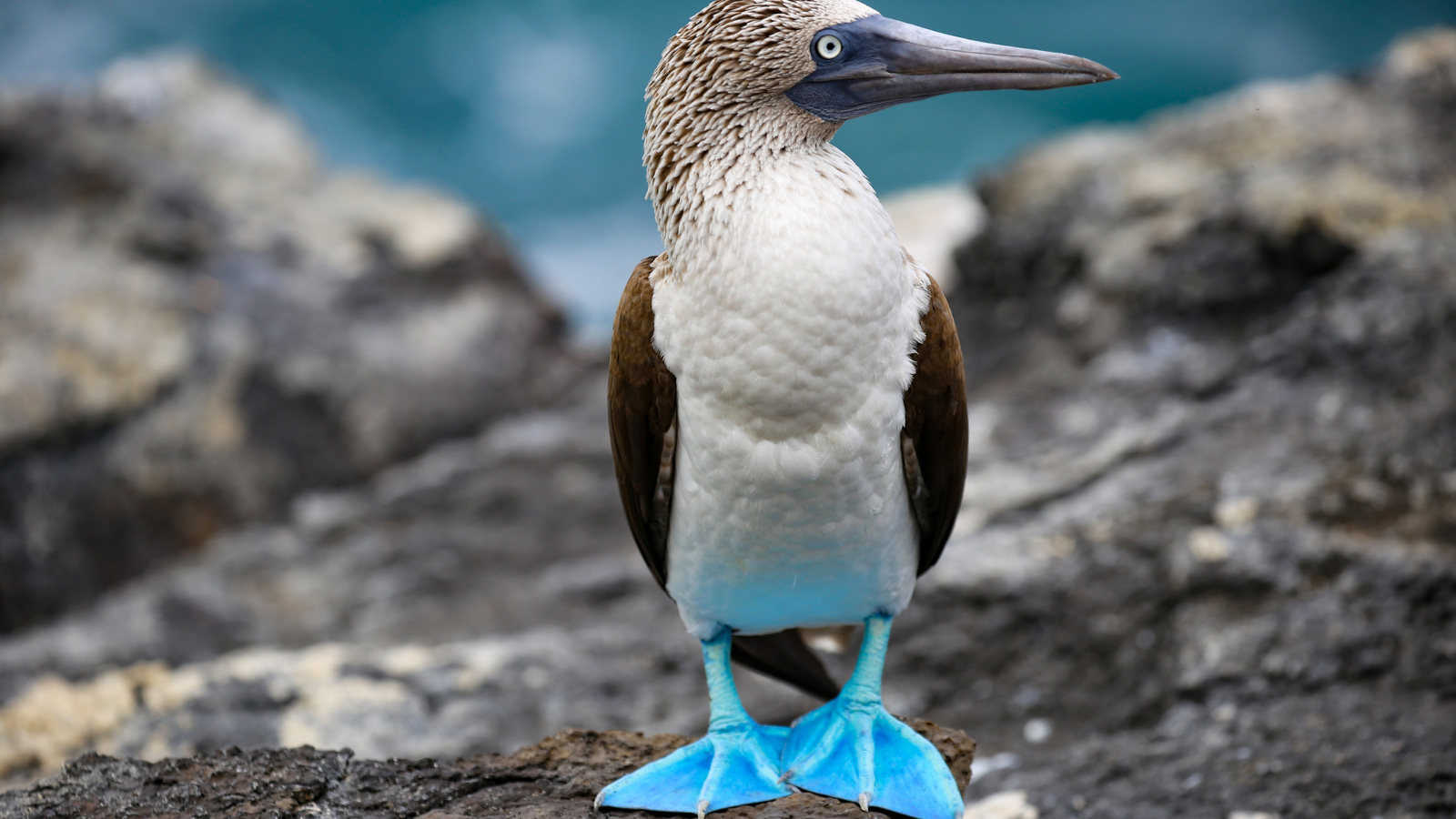
2. Blue-Footed Booby
blue footed booby bird
This fella right here needs no introduction, the feet speak for themselves. The Blue-Footed Booby is probably the most famous ‘funny animal name’ on earth for obvious reasons.
They are a marine bird native to the subtropical Eastern Pacific Ocean and have a wingspan up to 5ft but it is their bright blue feet that steal the show.
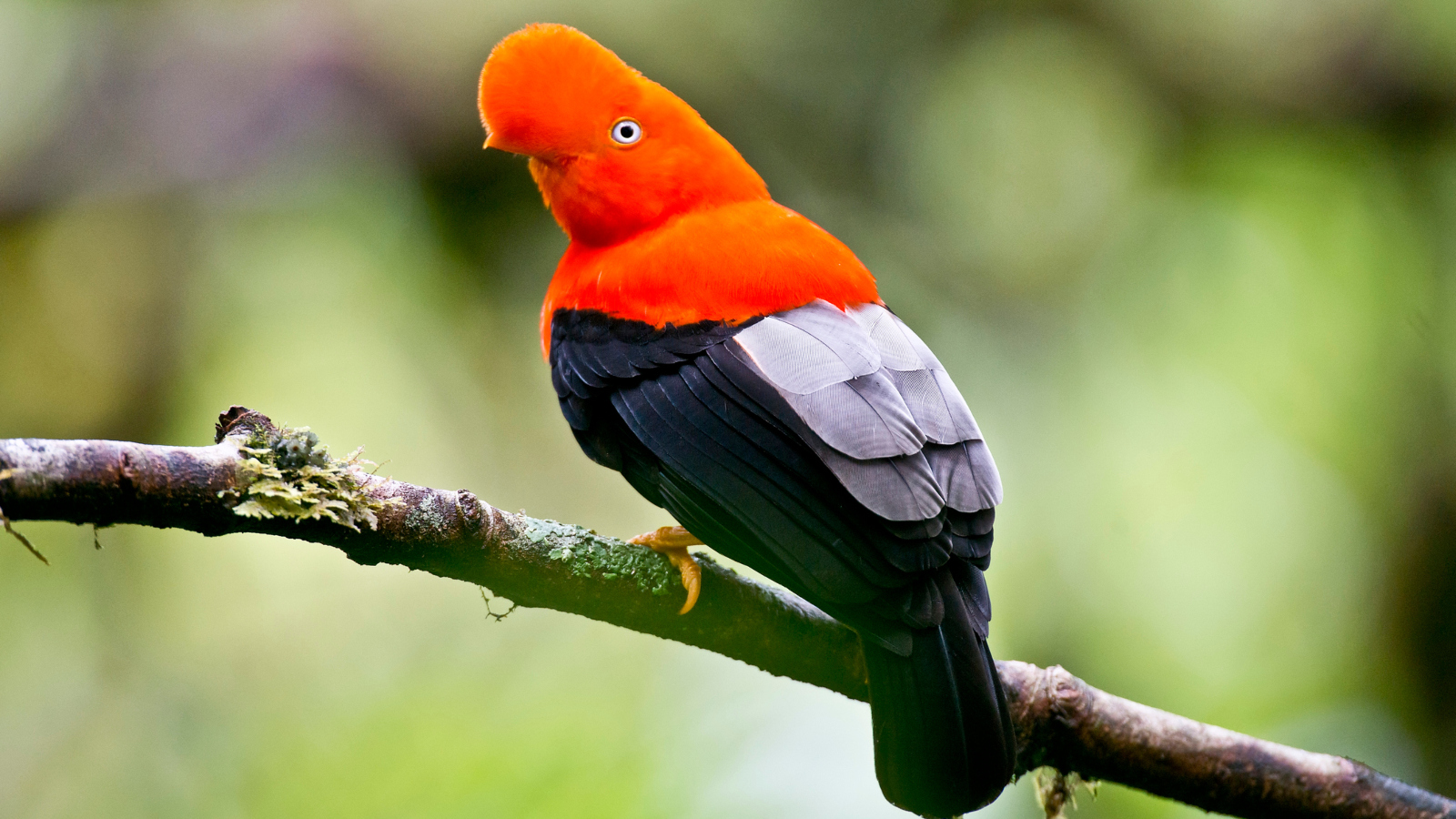
3. Andean Cock of the Rock
Andean Cock of the Rock bird
I love this bird. The Andean cock-of-the-rock (Rupicola peruvianus) is absolutely stunning. This is actually the bird that was the entire impetus for this list as I had the Andean cock-of-the-rock on my Bird BINGO board when I was playing the other night.
The Andean cock-of-the-rock is the national bird of Peru and found high up in the cloud forests of the Andean mountains in Peru. It would be HARD to miss with the striking colors. Perfect all around, 10 out of 10 looks and name.
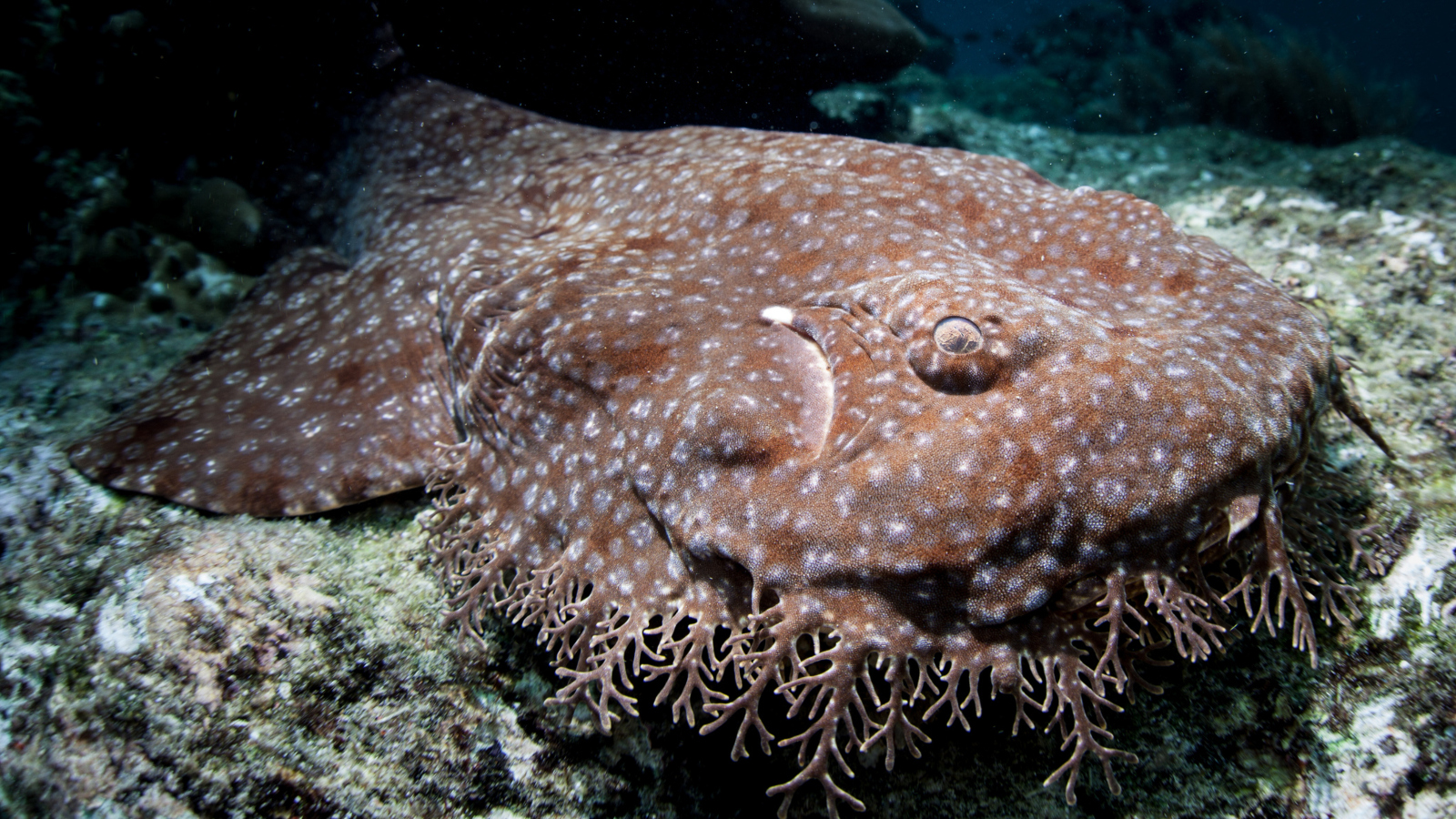
4. Tasselled Wobbegong
wobbegong shark
The Tasselled Wobbegong is a carpet shark species native to Australia and New Guinea. They grow up to nearly 6ft in length.
Pronounced ‘wobby-gong’ the Tasselled Wobbegong sounds like a name that an American would come up with while trying to make a joke about Australian accents. The name doesn’t even sound real, but I assure you they are.
5. Pigbutt Worm
The Pigbutt Worm, Chaetopterus pugaporcinus, is also known as the ‘flying buttocks.’ That folks is what I like to call a two-fer because it has two spectacular names.
This deep sea marine worm was first documented by the Monterey Bay Aquarium Research Institute (MBARI) way back in 2007 and it is a tiny one, 10-20 millimeters in length.
6. Sarcastic Fringehead
Sarcastic fringehead
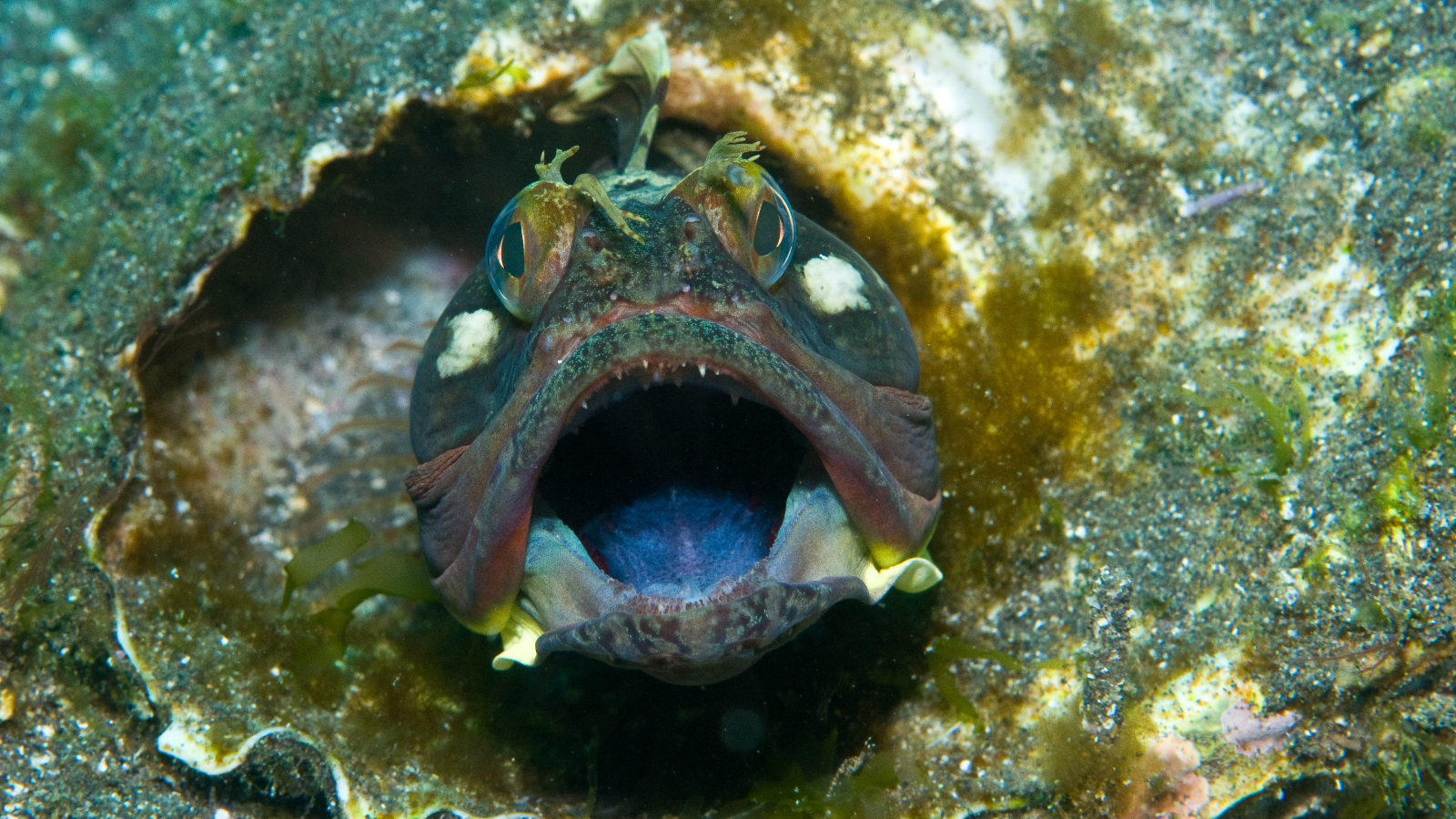
My favorite part about the name Sarcastic Fringehead (Neoclinus blanchardi) is that you can immediately look at this fish and think ‘yeah, that checks out.’ This fish definitely looks like a sarcastic fringehead.
7. Spiny Lumpsucker
Atlantic Spiny Lumpsucker
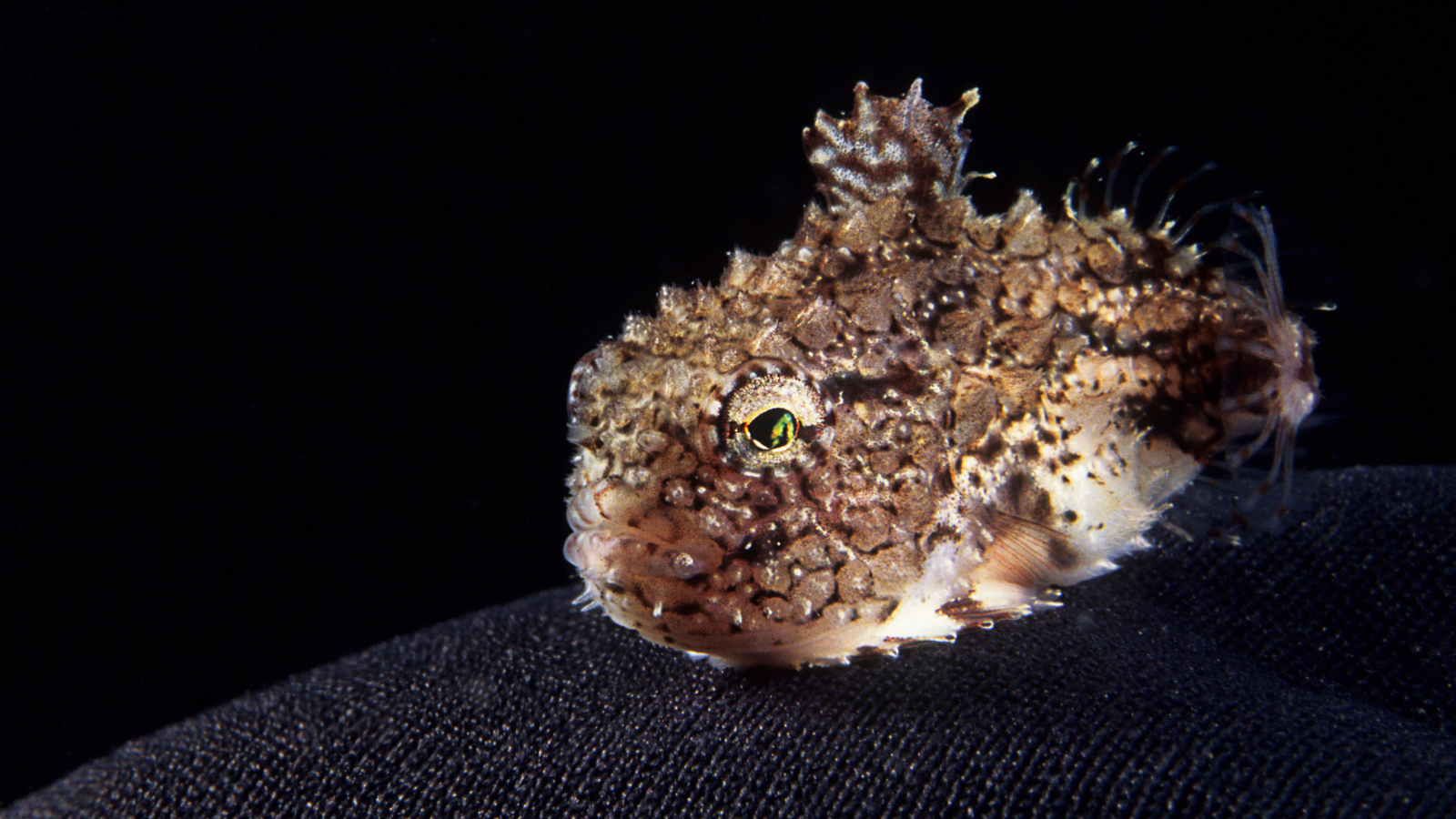
What did the Spiny Lumpsucker do to someone to earn this name? They’re adorable. Dare I say perfect.
They only grow up to a max of 5-7″ long and are horrible swimmers so they are commonly found attached to something, aka ‘lumpsucker.’ Instead of scales the fish is covered in cone-shaped plates. They also come in an array of colors.
8. Great Tit
three great tit birds flying together
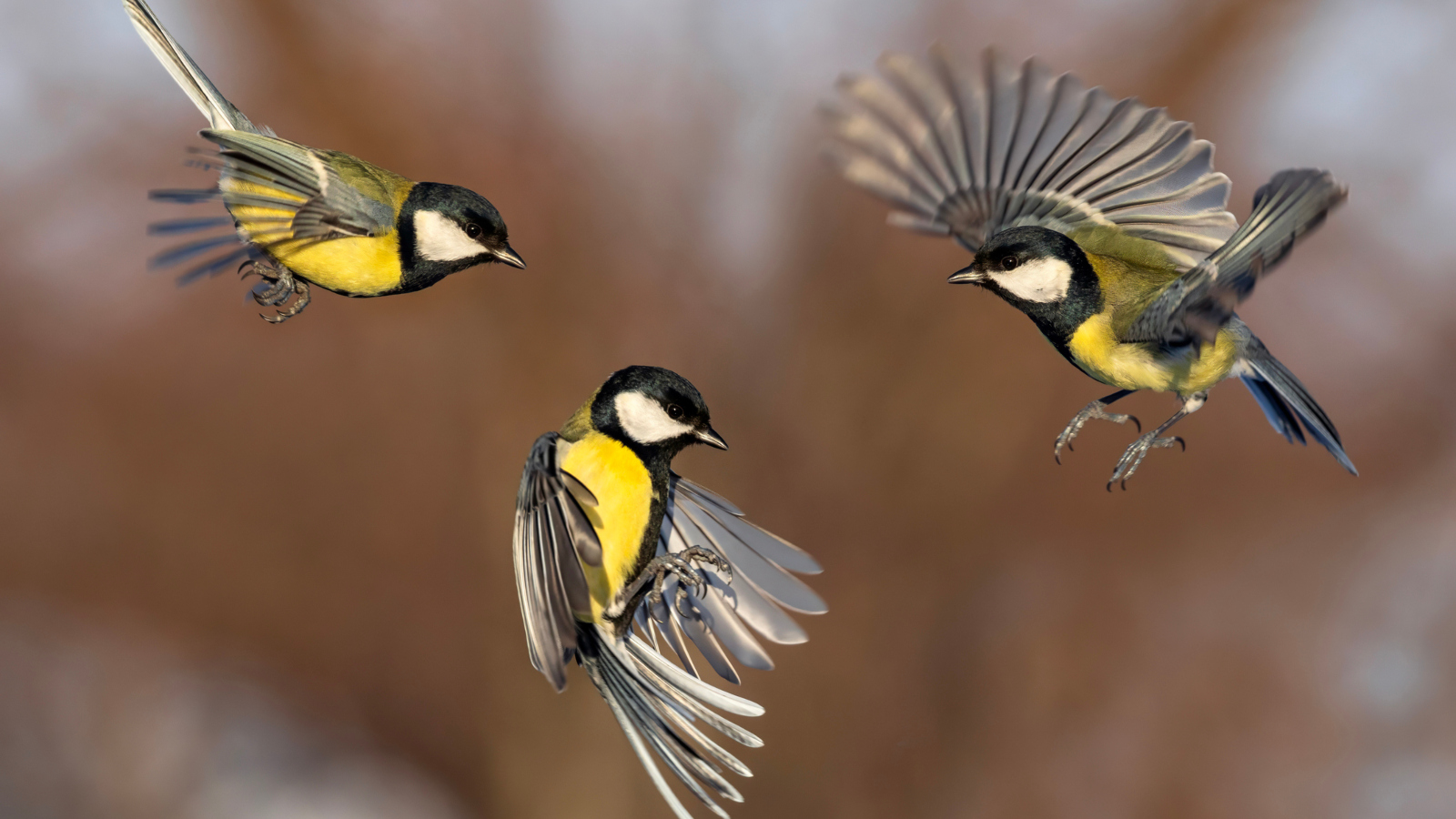
The great tit (Parus major) is found throughout Europe, the Middle East, and parts of Asia. While the name ‘great’ might imply they’re large, as it typically would in nature, these are tiny birds.
They don’t migrate, instead great tits just stick it out wherever they’re born. Living the dream. Spreading laughs worldwide with their incredible name.
9. Dickcissel
dickcissel bird singing on a tree
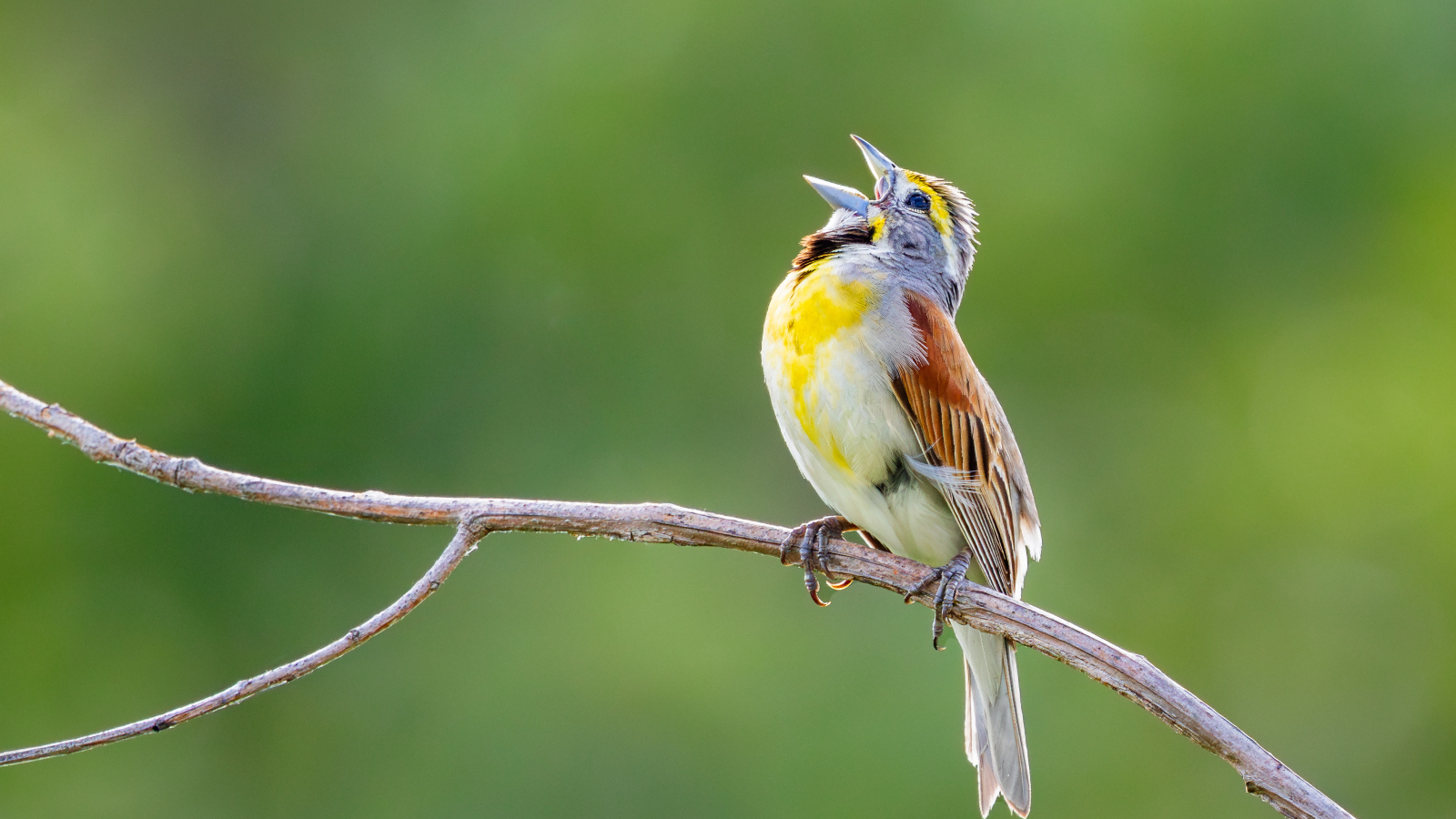
Found throughout the Midwest states here in the good ol’ U.S. of A, the Dickcissel is a perfect name for this tiny fella. These birds are also found in Central America, northern Colombia, and northern Venezuela during the winters.
Just say that name. Let it roll off your tongue. It’s perfect.
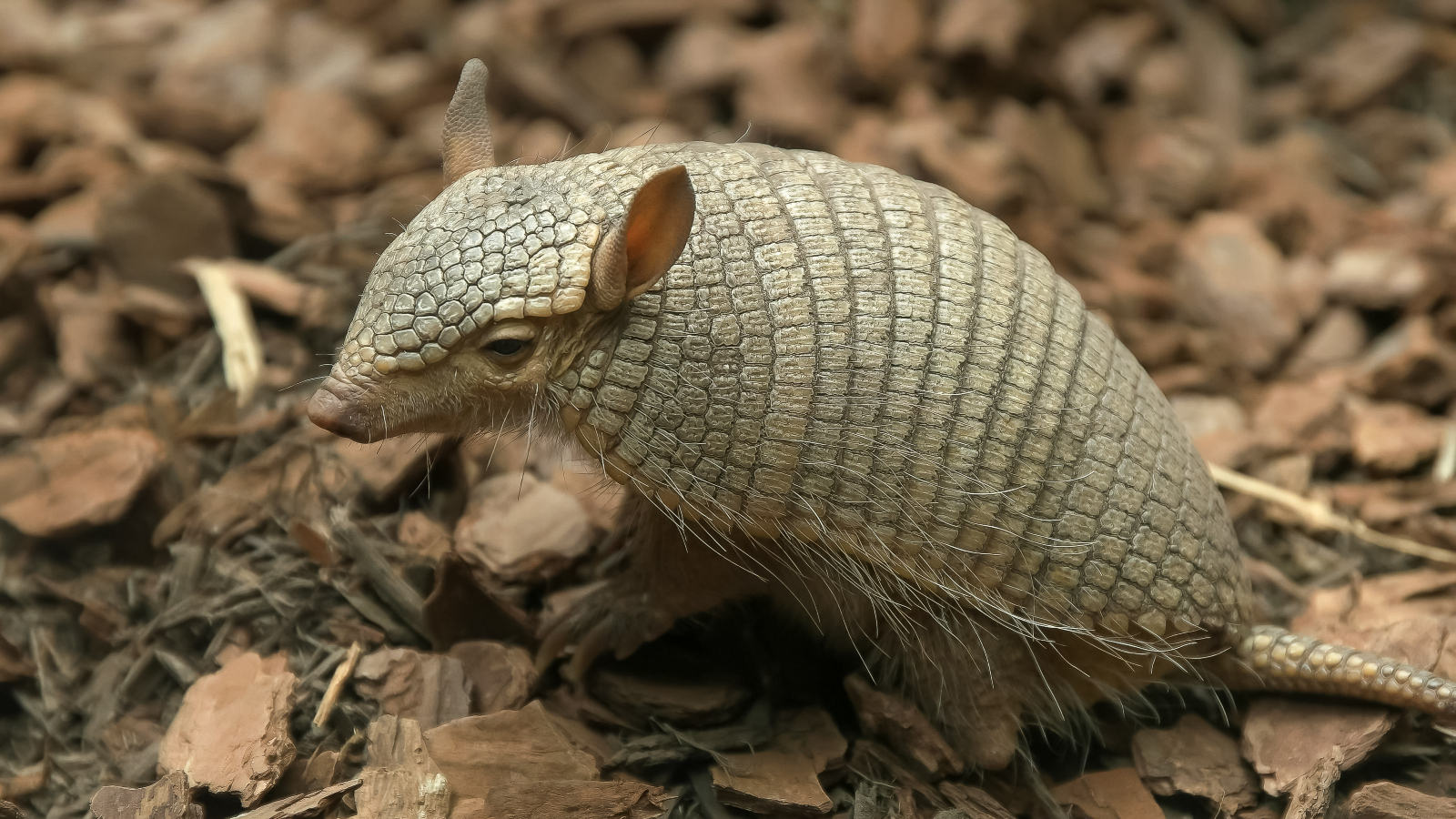
10. Screaming Hairy Armadillo
screaming hairy armadillo on the ground
Someone looked at this thing, heard it make the iconic squealing sound it produces when it is threatened or handled, and nailed it with the name: Screaming Hairy Armadillo. Is it hairy? Sure is. Does it scream? You betcha.
They are found throughout the central/southern portions of South America and dine primarily on insects, invertebrates, and plants.
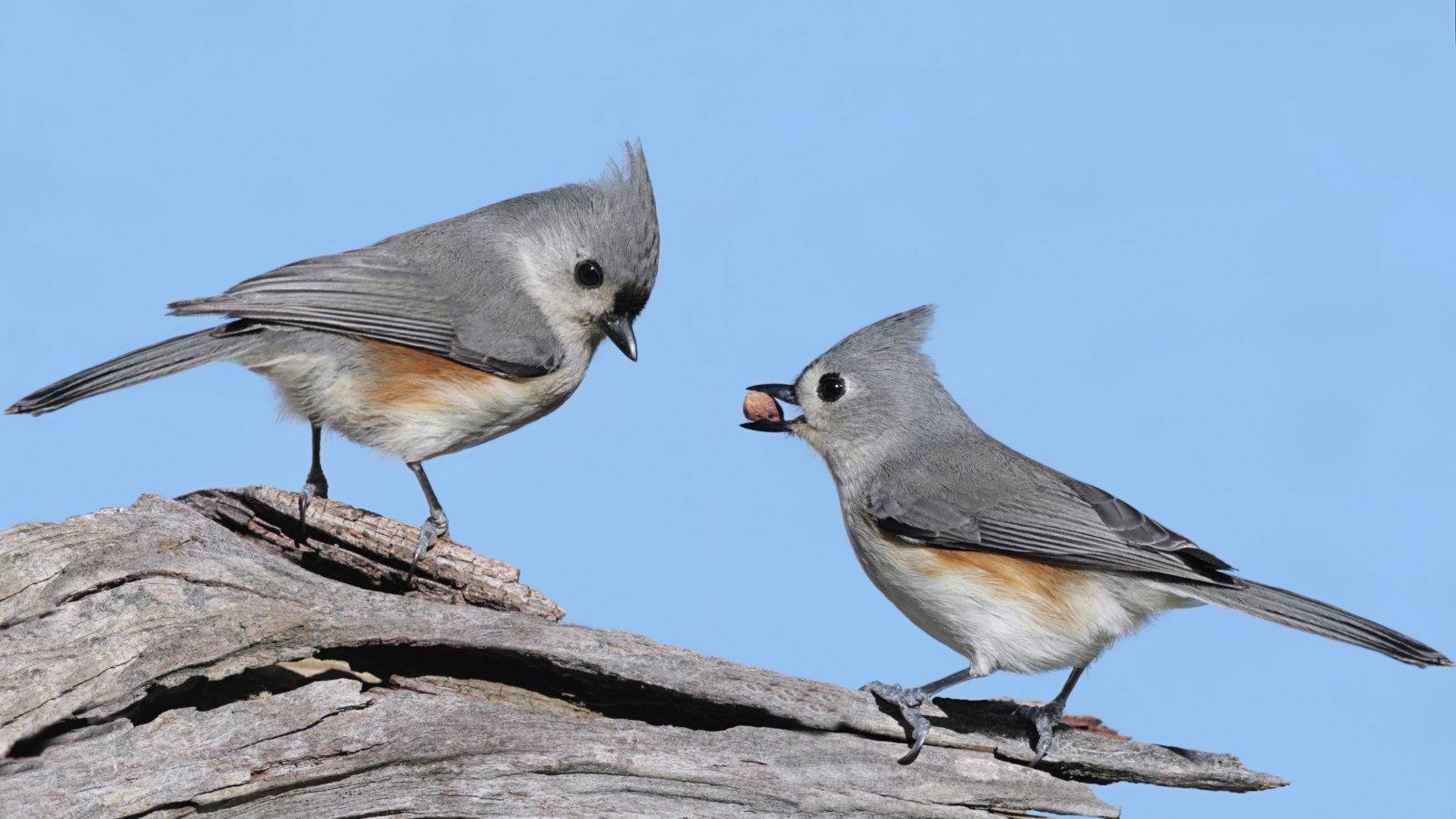
11. Tufted Titmouse
tufted titmouse birds
The thing about the Tufted Titmouse is if someone asked you what it was, and you were not already aware that it was a species of bird, there is no way you would guess that it was a bird. Everything about the name screams ‘mouse’ of some sort. Alas, it’s a bird.
They are stunners, to be sure. Members of the chickadee family, they’re tiny and beautiful. They can be found throughout the eastern portion of our country and can be spotted by the iconic black forehead.
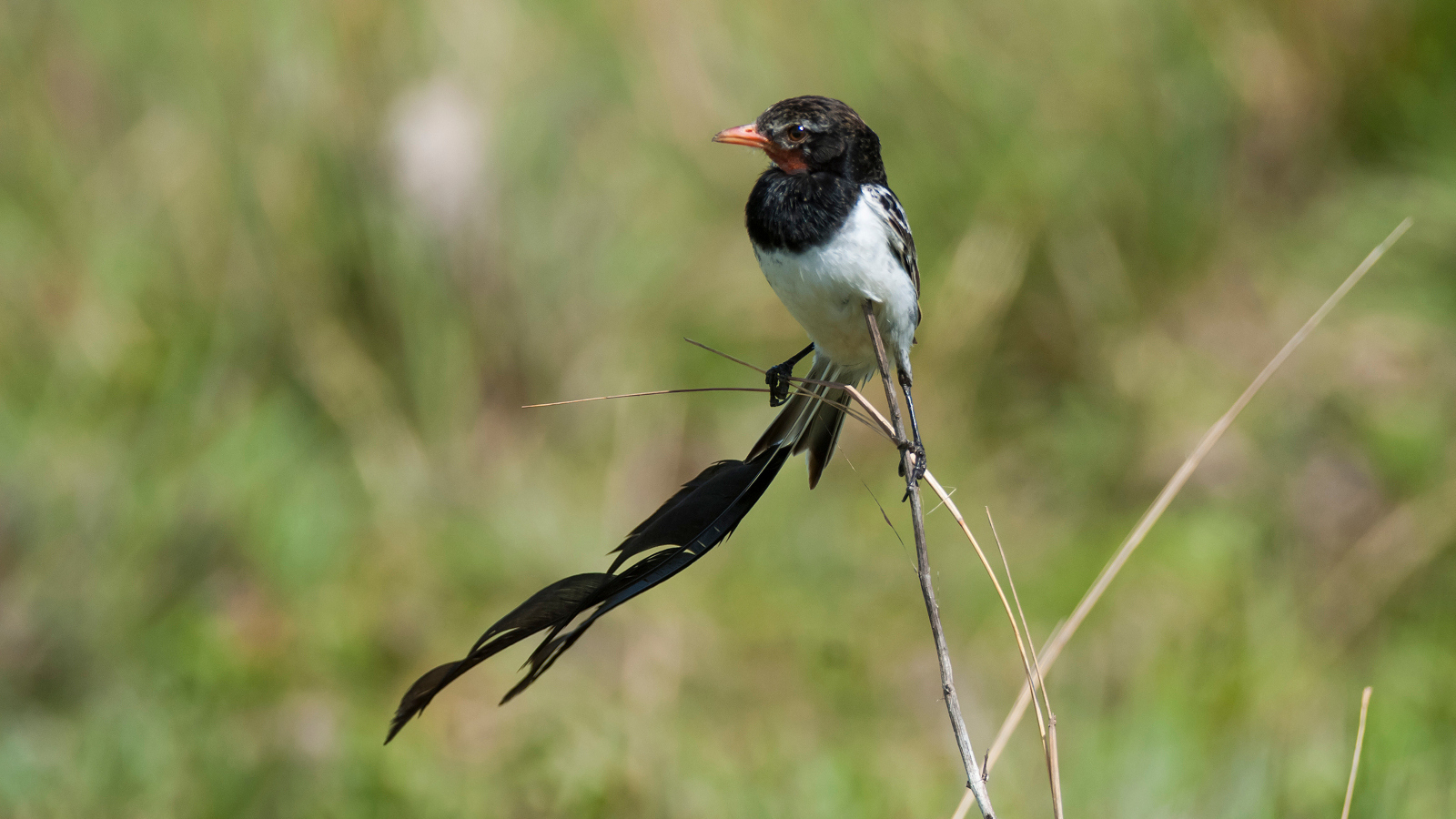
12. Strange-tailed Tyrant
strange tailed tyrant bird
Someone saw the Alectrurus risora and did them dirty when they named it the strange-tailed tyrant. It was first documented by Louis Pierre Vieillot in 1824 so we at least know who to blame for this.
The strange-tailed tyrant shares a genus with the cock-tailed tyrant, because of course it does. And they are found throughout parts of Argentina and Paraguay where they are excellent fly catchers.
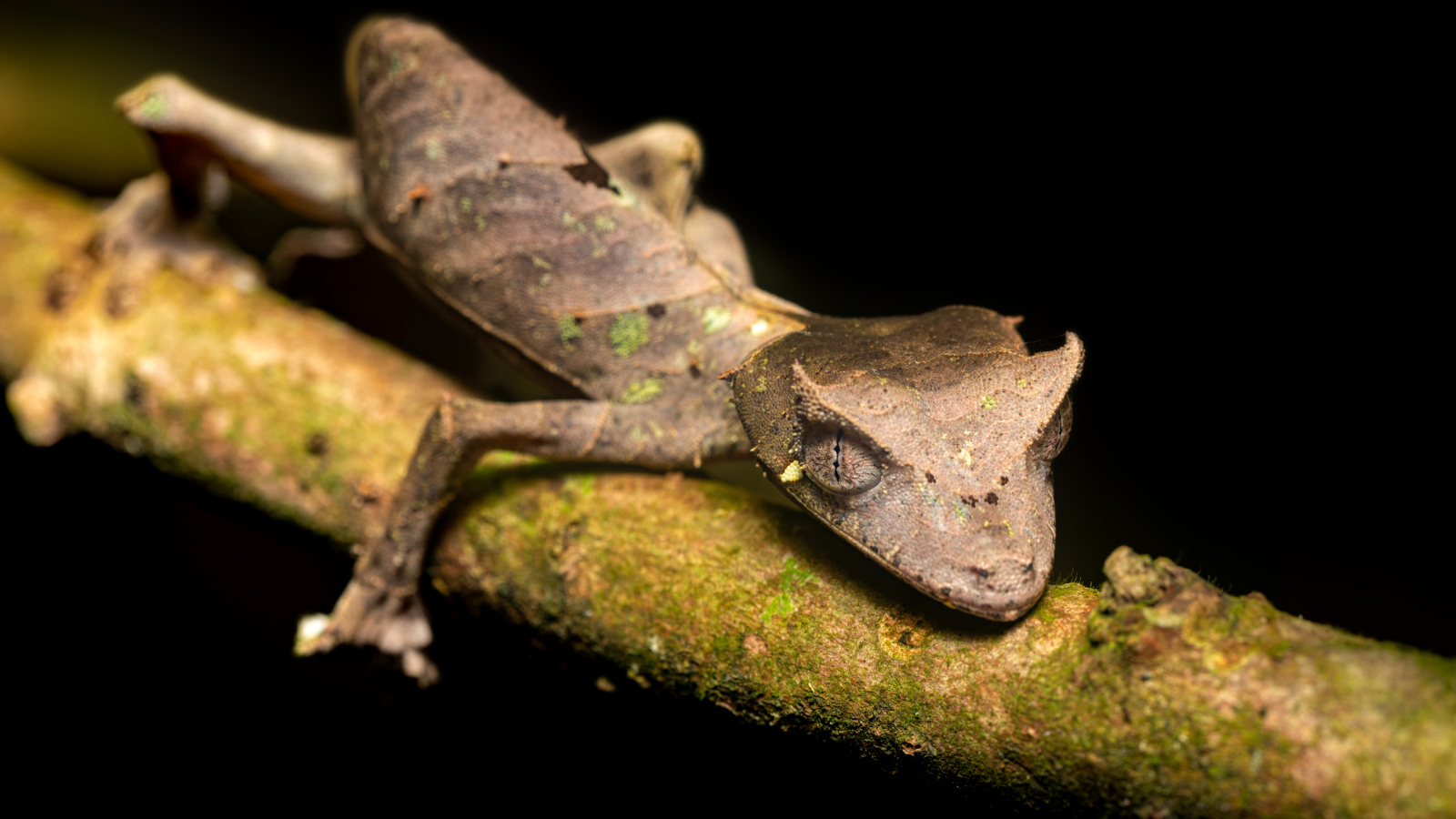
13. Satanic Leaf-Tailed Gecko
rare satanic leaf tailed gecko
George Albert Boulenger must have hated geckos. That is the only explanation for why he would name such a majestic creature ‘satanic’ when he became the first person to document it back in 1888.
The satanic leaf-tailed gecko is also known as the eyelash leaf-tailed gecko or the phantastic leaf-tailed gecko, and they have some of the best camouflage around. They are native to the tropical forests of Madagascar.
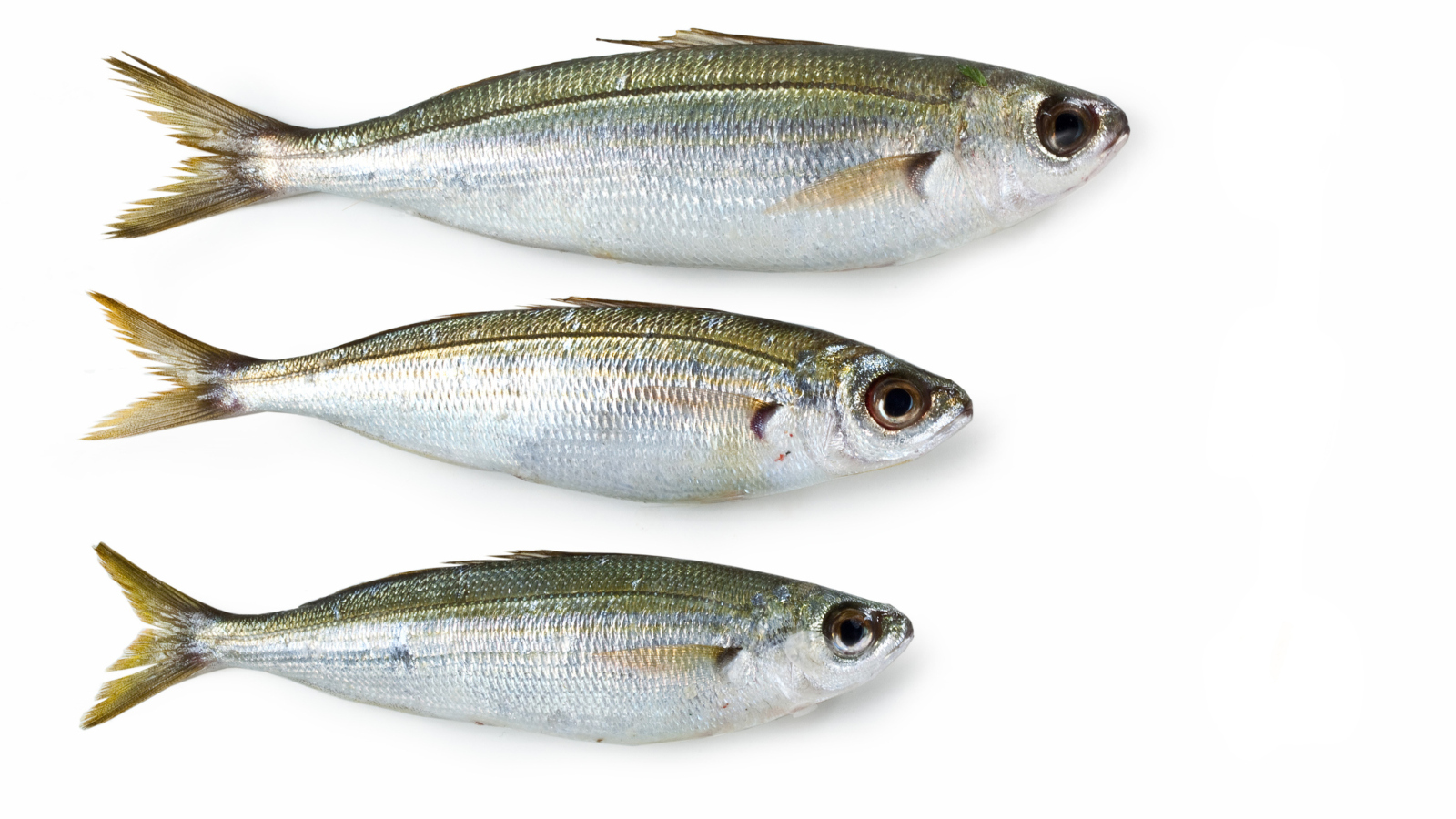
14. Boops boops
boops boops fish
I’ve seen this fish a thousand times over the year in the James Bond meme where the text goes something like ‘My name is Bond, James Bond. And you are?… Boops, Boops Boops.’ Or something like that.
The Boops boops is a subspecies of seabream found in the eastern Atlantic with characteristically large eyeballs. Found throughout European waters, they are often pan-fried, broiled, or baked but only when caught fresh because if they are caught and stored the taste turns foul quickly.
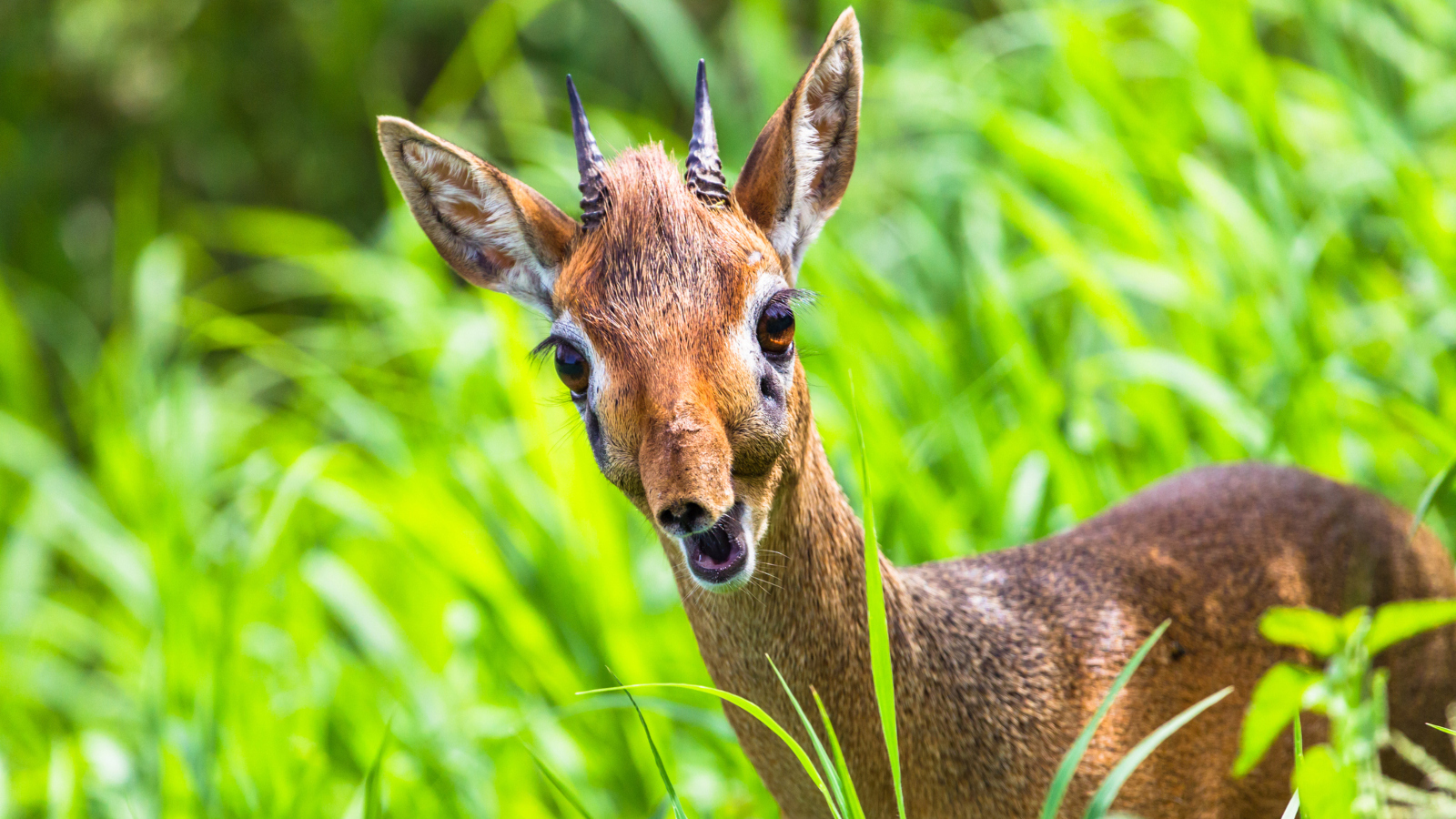
15. Dik-Dik
dik dik deer in the wild
What a name! The dik-dik is a small species of antelope found in southern Africa that is absolutely adorable.
They are famous for making a shrill whistling sound because of course they are. It is used to alert other dik-diks and animals when there are predators around.
16. Sparklemuffin
The Sparklemuffin (Maratus jactatus) feels like it got its name from a 1st grader. They are an Australian jumping spider with stunning coloration and the ability to jump more than 50x the length of their bodies.
They are tiny, only measuring around 4-6mm in length, but a leap of 50x that distance is still concerning. Of course they’re in Australia too where every animal is wild in its own way.
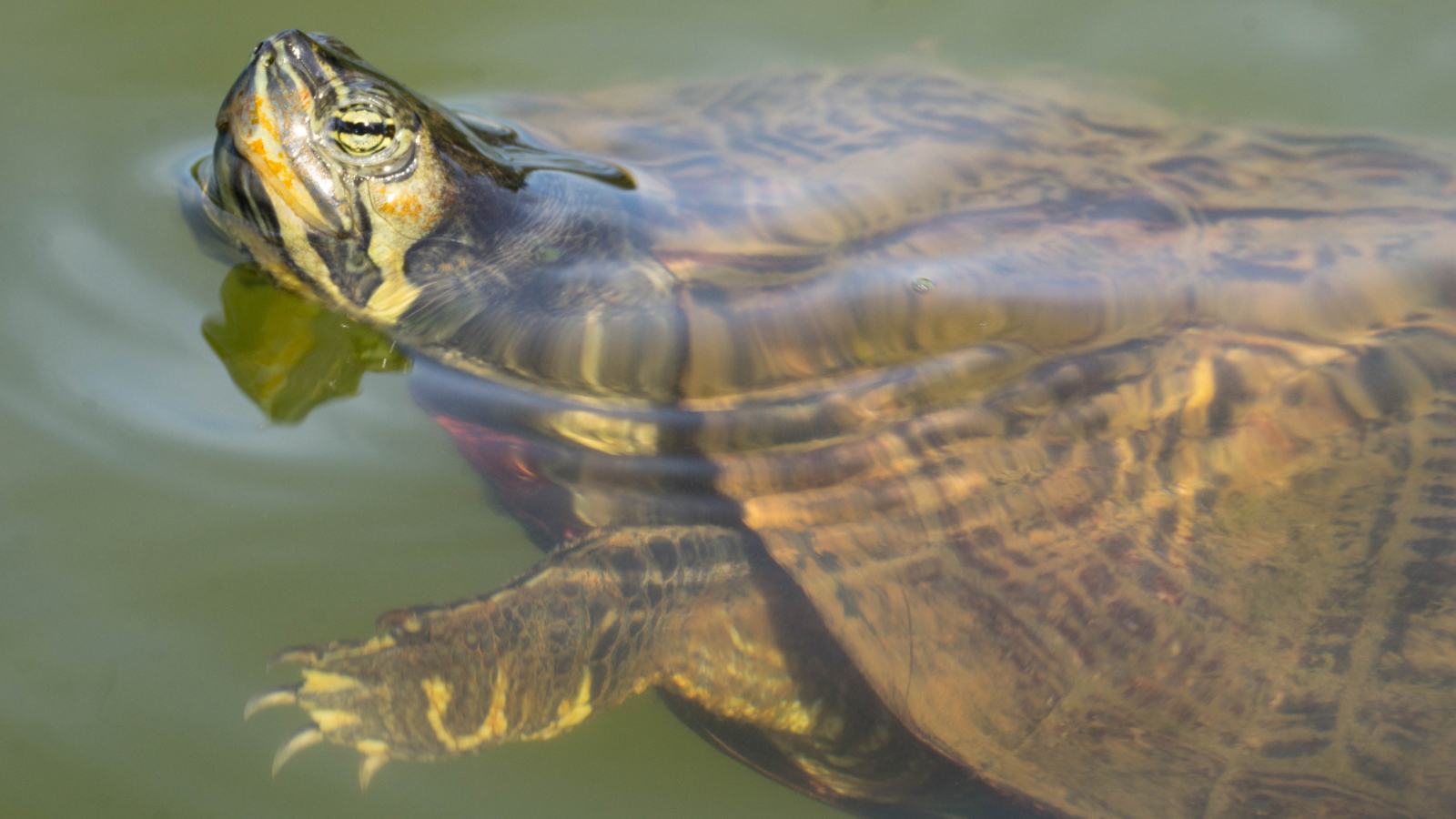
17. Chicken Turtle
eastern chicken turtle
Someone in the Southeastern United States got real lazy when they named the Chicken Turtle. They were probably eating chicken roasted over a spit and saw a turtle, pointed at it, and said ‘chicken turtle.’
In actuality, the chicken turtle was first named by two French zoologists back in 1801, Pierre André Latreille and François Marie Daudin, who each published their findings in separate journals after having first observed it near Charleston, South Carolina. If you’ve ever been to the Southeast then chances are you have seen one of these turtles.
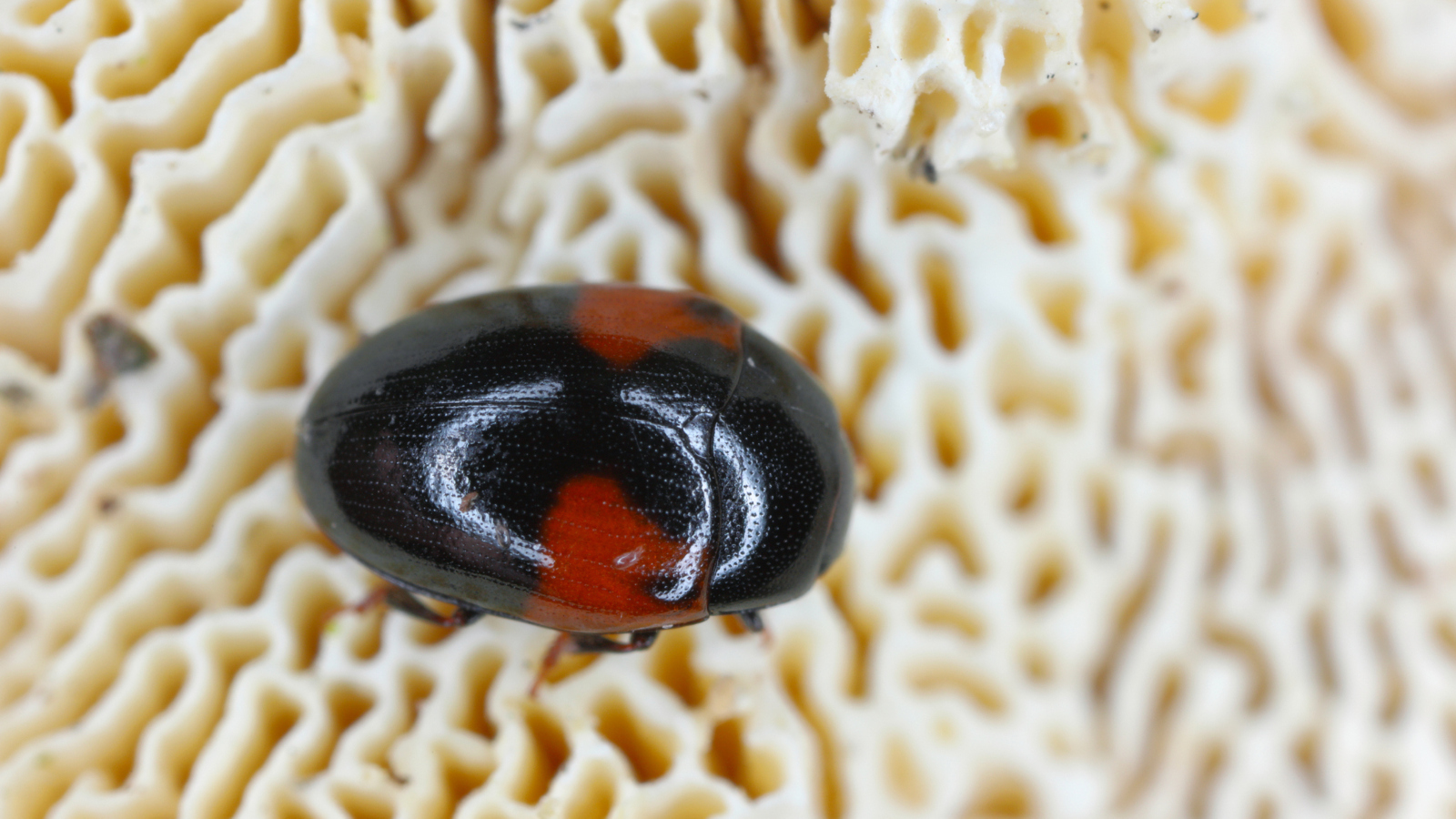
18. Pleasing Fungus Beetle
pleasing fungus beetle
This is one of those ‘make your mind up’ names. The pleasing fungus beetle actually encompasses a whole family of beetles. I’m no entomologist but I fail to find anything pleasing about the fungus beetle.
19. Hummingbird Hawk-Moth
hummingbird hawk moth flying
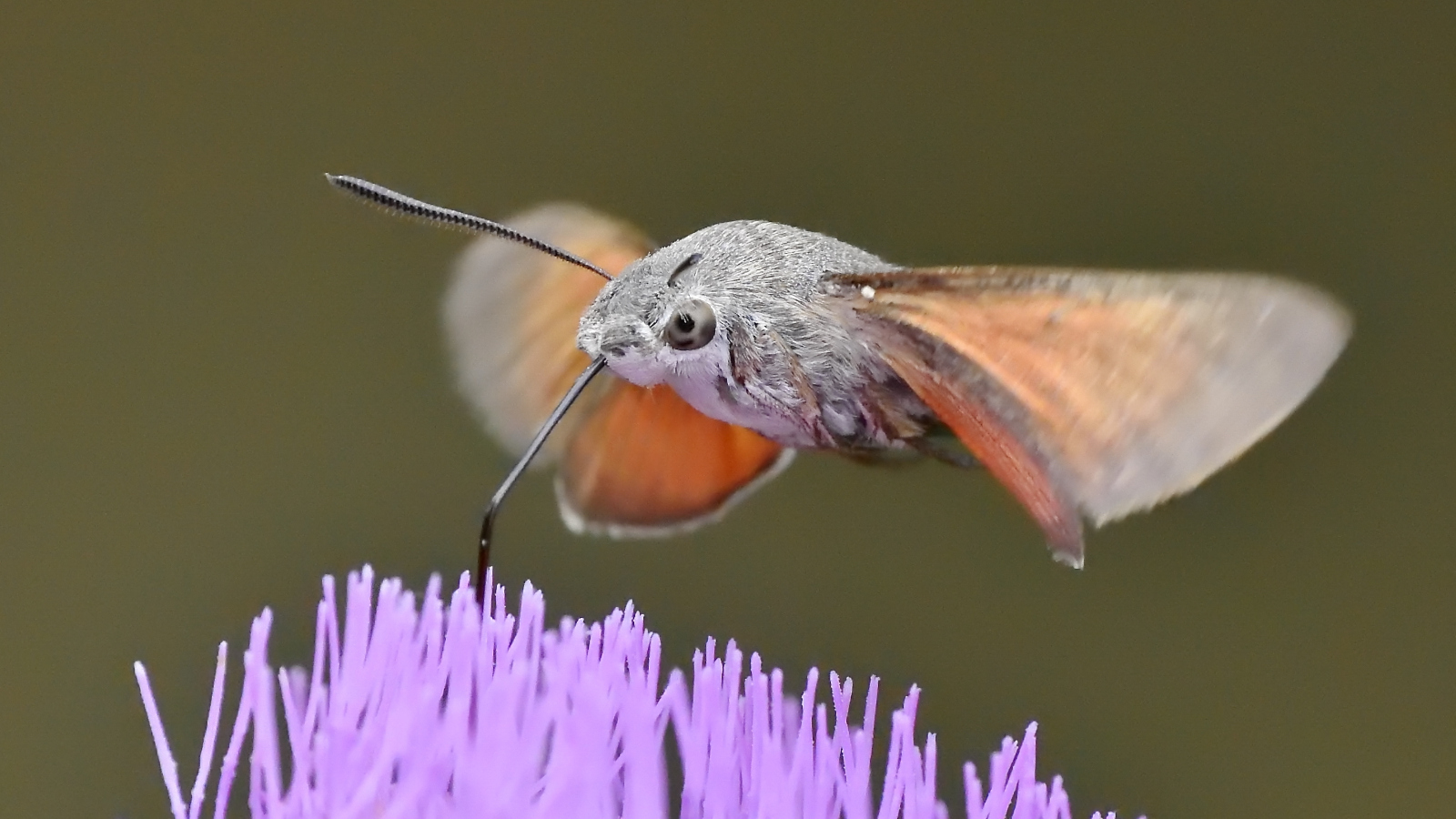
My theory with the Hummingbird Hawk-Moth is three people spotted it at the same time. One swore they saw a hummingbird, another swore it was a mini hawk, and the third was confident it was a moth. When the Hummingbird Hawk-Moth turned out to be a moth that looked like all three they just squished the name together.
They are found from Portugal to Japan and were first described by Carl Linnaeus in 1758. As caterpillars, they are rather unremarkable but as fully grown Hummingbird Hawk-Moths they are stunning.
20. Ice Cream Cone Worm
Ice Cream Cone Worms or trumpet worms measure around 2″ long. Do they look like ice cream cones? In my opinion, absolutely not. But maybe ice cream cones looked like dirty scabs back in the day. They were first documented in the early 1800s so maybe they primarily went by ‘trumpet worms’ early on until ice cream cones hit the market in 1896.
21. Hellbender
eastern Hellbender in the water
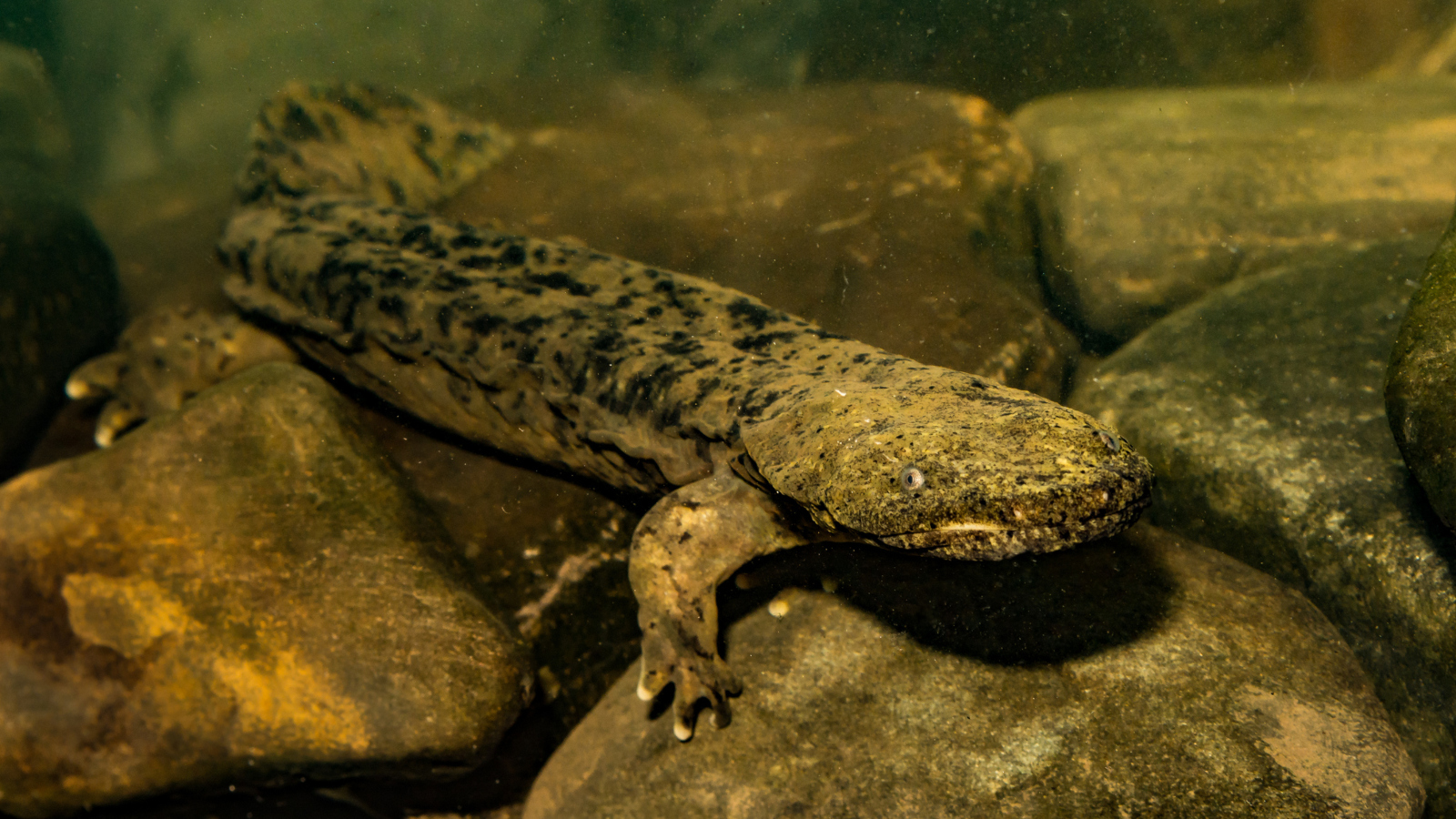
The Eastern Hellbender is an iconic species of giant salamander. I have wanted to see one in the wild my whole life but have yet to spot one.
As for having one of the funniest names among animals, the Maryland Department of Natural Resources says “The name ‘hellbender’ probably comes from the animal’s odd look. One theory claims the hellbender was named by settlers who thought “it was a creature from hell where it’s bent on returning.” Another rendition says the undulating skin of a hellbender reminded observers of “horrible tortu”res of the infernal regions.” In reality, it’s a harmless aquatic salamander.”
22. Jackass Penguin
The African Penguin is also known as the ‘Jackass Penguin’ and are endemic to the Old World. Also known as the Cape penguin or the South African penguin, the Jackass Penguin was not, in fact, named for Johnny Knoxville.
23. Hotwheels sisyphus
This name feels like an elaborate prank. Hotwheels sisyphus is a species of Chinese ground spider and the genus is Hotwheels. They were first documented in 2024 which makes the ‘Hotwheels’ designation all the stranger. Didn’t those toys fall off decades ago?
24. E.T. sponge
It is wild how some creature that has existed for untold millennia gets spotted by humans one day and they are like ‘you kind of reminded me of an overrated 80s movie and I’m going to name you after that forever.’ That is basically how the E.T. Sponge, Advhena magnifica, got its name back in 2016 when it was first observed in the Mariana Trench at a depth of 2,028 meters.
25. Mountain Chicken Frog
The Mountain Chicken Frog, Leptodactylus fallax, is critically endangered and found throughout the Caribbean islands of Montserrat and Dominica. Population numbers plummeted by 80% between 1995 and 2004.
The name, Mountain Chicken, comes from the locals hunting them down as a delicacy and the chicken-like flavor.
Fresh insights into the ecological devastation caused by onshore wind turbines around the world are contained in a shocking new paper published last month by a group of ecologists in Nature. The paper is paywalled and has attracted little mainstream media interest, but it highlights research that illustrates that the effect of utility-scale wind energy production “can be far reaching and sometimes have large and unexpected consequences for biodiversity”. An annual figure of around one million bats are killed in the countries with the highest number of turbines, but harmful effects are seen in many other parts of the ecosystem. The number of top predators such as jaguars, jungle cats and golden jackals can be changed by turbines in tropical forest gaps leading to the “possibility for cascading effects” along similar latitudinal levels.
In short, the science team notes that turbines can kill birds, bats and insects, change animal behaviour, physiology and demography and alter ecosystems. The installation of wind turbines invariably results in habitat degradation, but it is regions rich in biodiversity with minimal existing infrastructure that suffer the most. The authors state that wind facilities “are recognised as an important driver for losses and degradation of irreplaceable habitats that are important for conservation.” Such areas, of course, can be found in the windy highlands of Scotland. For City-dwelling eco zealots, it is a case of out of sight, out of mind. Net Zero is all about money and power – bats and eagles have neither.
The Nature paper is a wake-up call about the increasing damage that is being inflicted on natural habitats by wind turbines that are steadily increasing in size and destructive potential. It is a summary of the latest findings about the effect of turbines and it is not sanguine about the future. “Perhaps the greatest unknown in predicting future effects of wind power on biodiversity lies in the scope of the potential expansion of the technology and the cumulative consequences of this expansion for species and ecosystems”. A 2021 USA report on the potential pathways to Net Zero emissions is noted and this suggests using up to 13% of the land area for wind farms. The new Trump Administration is likely to put a stop to this madness which the scientists observe could have “dramatic consequences for biodiversity”.
The BP Deepwater Horizon accident is generally considered the worse US offshore oil spill. Estimates vary but it is thought to have led to the deaths of around 600,000 sea birds and the incident led to widespread condemnation by environmentalists that continues to this day. Slightly less publicity is given to the 500,000 bats killed onshore in the US by wind turbines every single year. In the UK, 30,000 is the estimated annual kill number, with Canada at 50,000 and 200,000 in Germany.
Many bird species are also at risk, with large raptors a conspicuous example. It is admitted that limited information is available on population-level consequences, but available evidence suggests the turbines could threaten certain species with local extinction, particularly those at risk with low reproduction rates. Possible population collapse has been predicted for cinereous and griffon vultures in Europe and the Eurasian skylark in Portugal. Other predictions suggest population declines for hoary bats in North America, lesser kestrel in France and black harriers in South Africa. Population declines have been reported in central Europe for animals with high-collision risk such as the noctule bat, while nearly 50% of bird species evaluated in one study in California were said to be subject to turbine-induced population decline. Meanwhile, the mortality of golden eagles at Altamont Pass Wind Resource in California is said to be so frequent that local populations are sustained by immigrants. Finally, the authors report that the globally endangered Egyptian vulture in Spain has a lower survival rate, population growth rate and size in the presence of wind facilities.
Who really cares? The UK Bat Conservation Trust states that climate change poses a “significant threat” to UK bat populations. “We need energy-efficient housing and renewable energy to help mitigate for climate change for the benefit of bats, people and the wider environment”, it adds. It is fair to say that similar understanding is not extended to developers encountering the presence of bats other than ‘Green’ entrepreneurs.
The giant turbines regularly sweep the countryside of insects, and the report notes that fatalities can be great enough to contribute substantially to the build-up of debris on blades. In fact, one of the report’s authors, Professor Christian Voigt, has stated in earlier work that it was necessary to evaluate if fatalities added to the decline of insect populations “and potentially the extinction of species”. In a 2022 paper, Voigt reported that turbines can change the nearby microclimate, while vibrational noise may reduce earthworm abundance with likely cascading effects on soil quality and vegetation.
Mass slaughter of bats and raptors is already known, but this new report casts fresh light on the cascading effects on the natural world of increasing numbers of giant wind turbines. That said, the report admits that biodiversity impacts have been documented for only a few small taxa, but the impacts are “not negligible”. Proponents of wind power often claim that wind energy’s impacts on biodiversity will be less than climate change, it is noted. The authors find this “plausible”, but the assumption is said to be “untested”.
Yet another untested assumption driving the destructive madness of Net Zero, others may conclude.
Seriously, what is in the water over there? Maybe this is what is rotten in Denmark.
There is no way I’m sending my pet to get euthanized and eaten. I’m not a savage. Maybe they couldn’t hold back that Viking gene and had to kill something to feed it to the predators. Anyway, there is no way this was going to turn out good the minute some pissed off girl sends her ex’s pet to the zoo for lunch.
A zoo in Denmark is asking for donations of small pets as food for its predators.
The Aalborg zoo said it is trying to mimic the natural food chain of the animals housed there “for the sake of both animal welfare and professional integrity” and offers assurances the pets will be “gently euthanized” by trained staff.
The zoo in northern Denmark explained in a Facebook post that “if you have a healthy animal that needs to be given away for various reasons, feel free to donate it to us.”
The zoo points to guinea pigs, rabbits, and chickens as possible donations. After being euthanized, the animals will be used as fodder, the zoo said.
“That way, nothing goes to waste — and we ensure natural behavior, nutrition and well-being of our predators,” the zoo said.
The online call for pet donations is accompanied by a picture of a wildcat baring its teeth with its mouth wide open and a link to the zoo’s website, noting the facility also is interested in receiving horses.
My dog of course. He’s the one I spend the most time with. Being an introvert, having him is better than most other people I encounter. When I go to someone’s house, I almost always gravitate to the pets if there are a lot of people. Introverts will relate to that one.
Next, most other dogs. I spent the weekend dog-sitting for my son and had fun with both of them.
Way out of that thought pattern came Cheetah. I like how fast it is and since I’m a big F1 fan, I thought of that.
Completely unrelated though are people that mistreat animals. They should be punished way worse than they are to stop this behavior. From building wind farms and killing whales to being cruel like tying a dog to a post and leaving it during Hurricane Helene (I’m not going to link to it because it pissed me off so much).
I hope someone has a good animal story or one about a really unusual animal.
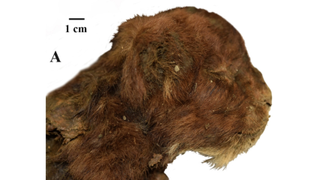
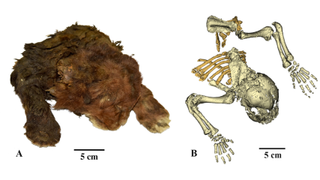
Researchers have analyzed mummified remains pulled from Siberia’s permafrost in 2020 and determined they belong to a 3-week-old saber-toothed kitten that died at least 35,000 years ago.
Researchers have pulled the mummy of a newborn saber-toothed cat that died at least 35,000 years ago from Siberia’s permafrost — and the kitten still has its whiskers and claws attached.
A new analysis of the kitten’s stunningly-preserved head and upper body shows it was just 3 weeks old when it died in what is now Russia’s northeastern Sakha Republic, also known as Yakutia. Scientists found pelvic bones, a femur and shin bones encased in a block of ice together with the mummy. The circumstances of the animal’s death are unknown.
It is extremely rare to find well-preserved remains of saber-toothed cats, and this one belongs to the species Homotherium latidens, according to a study published Thursday (Nov. 14) in the journal Scientific Reports. Saber-toothed cats of the extinct genus Homotherium lived across the globe during the Pliocene (5.3 million to 2.6 million years ago) and early Pleistocene (2.6 million to 11,700 years ago) epochs, but evidence suggests this group became less widespread toward the end of the Pleistocene (also known as the last ice age).
“For a long time, the latest presence of Homotherium in Eurasia was recorded in the Middle Pleistocene [770,000 to 126,000 years ago],” researchers wrote in the study. “The discovery of H. latidens mummy in Yakutia radically expands the understanding of the distribution of the genus and confirms its presence in the Late Pleistocene [126,000 to 11,700 years ago] of Asia.”
The small, deep-frozen mummy shows H. latidens was well-adapted to ice age conditions, according to the study. The researchers compared the carcass to that of a modern 3-week-old lion (Panthera leo) cub and found the saber-toothed kitten had wider paws and no carpal pads — pads on the wrist joint that act as shock absorbers in today’s felines. These adaptations enabled saber-toothed cats to walk with ease in snow, while thick, soft fur observed on the mummy shielded the predators against polar temperatures.
The comparison with the lion revealed that saber-toothed cats had a larger mouth, smaller ears, longer forelimbs, darker hair and a much thicker neck. Researchers already knew from studying the skeletons of adult Holotherium that these saber-toothed cats had short bodies and elongated limbs, but the new research shows these features were already present at the age of 3 weeks.
A female stingray (named Charlotte) is pregnant at an aquarium in North Carolina, but there’s a twist: There’s no males. And now the aquarium is determined to figure out … well … what the hell is going on.
Located 103 miles west of Charlotte, Hendersonville’s The Aquarium and Shark Lab by Team Ecco say that the stingray is expecting to give birth to pups, but they have no earthly idea how, which has them thinking: Could this be a result of a male shark? Wait, a shark?
Yeah, a shark. A white-spot bamboo shark to be exact.
With this rare pregnancy, there are two explanations to what’s going on, with one of them being the shark.
Animals, with stingrays being one of the top ones, are able to reproduce asexually when that species is lacking reproduction, according to research, per the USA Today.
Originally, the stingray’s swelling alerted the Hendersonville aquarium into believing she might have had cancer, they told FOX Carolina. To further investigate, they took her in for an ultrasound, eventually being revealed that her swelling were actually eggs — Charlotte is pregnant!
But how?
Besides the asexual reproduction explanation, the aquarium believes that a shark might have gotten the stingray pregnant because of bite marks that were found on Charlotte — bite marks are a common sign of mating sharks. Two young white-spot bamboo sharks were placed into the stingray’s tank back in July 2023.
“We have definitive video of the most current ultrasound showing two if not three pups,” the aquarium told FOX Carolina. “DNA will need to be done after the pups’ birth — unless we have visual cues about a mixed breed.”
Note: I have nothing against them, except they always tell you and complain about what I’m eating. I never mention how they are missing out on the joy of bacon.
Compassion for animals is intimately associated with goodness of character, and it may be confidently asserted that he who is cruel to animals cannot be a good man.
It may not be the ultimate test of a person’s character, but you can easily observe much about a person by their interaction with animals.
I often see how people’s pets behave and you can gather a lot about a the owner. Pets look to us for care and compassion and give back way more than we give them a lot of the time. Most of what we call a bad animal is really a bad owner.