
1

2
3

4

5

6

7
8

9
10

11

12

13

14
15
16
ByEllie Matama December 19, 2025

I have no problem socializing with my family or close friends. I am comfortable doing so because I have known them for a long time, and I interact with them just a few at a time. There’s no having-to-get-to-know-you period.
But it’s an entirely different matter to attend big, crowded gatherings where almost everyone is a stranger (hello, holiday parties or awkward job-related networking events). Sure, for a short amount of time, I can make small talk. Of course, I need to recharge my energy afterward.
Yet, in everyday life, social interactions are required. The good news is there are plenty of things you can do to maintain your energy as an introvert when you have to attend a crowded event.
One study found that about 20 percent of employees regularly arrive late to work. If you are an introvert, you can’t afford to be late for an event because people will notice your tardiness (hello, suddenly being the center of attention!). In addition, you may have to engage in unnecessary awkward interactions as you make your way to an available seat. Plus, you may have to explain your lateness later, which will further drain whatever energy you have left.
So arrive early and be prepared to stay for a while. When you arrive early, you can choose the best seat or standing spot for your needs. That way, you can still be alone among the crowd.
For example, find a seat or table on the fringes or near the back, which will enable you to move freely without having to ask people to move whenever you need to get out (i.e., escape to the bathroom). You could also choose a spot near the exit for the same purpose.
As an introvert, you may find it challenging to interact with many people at once. But some people you know may actually like doing so. Your family members, friends, or your significant other may be more outgoing — and they may thrive in crowded situations. See if they’re willing to go to the event with you. This will enable you to talk less, since they will happily do most of the talking for you.
Or, you can go to the event with a colleague who enjoys socializing. There’s no shame in using them as a “human shield” while representing your company or department. While they schmooze with everyone, you can thoughtfully listen and pick up points for discussion later on (i.e., at the next company meeting).
And, speaking of talking less…
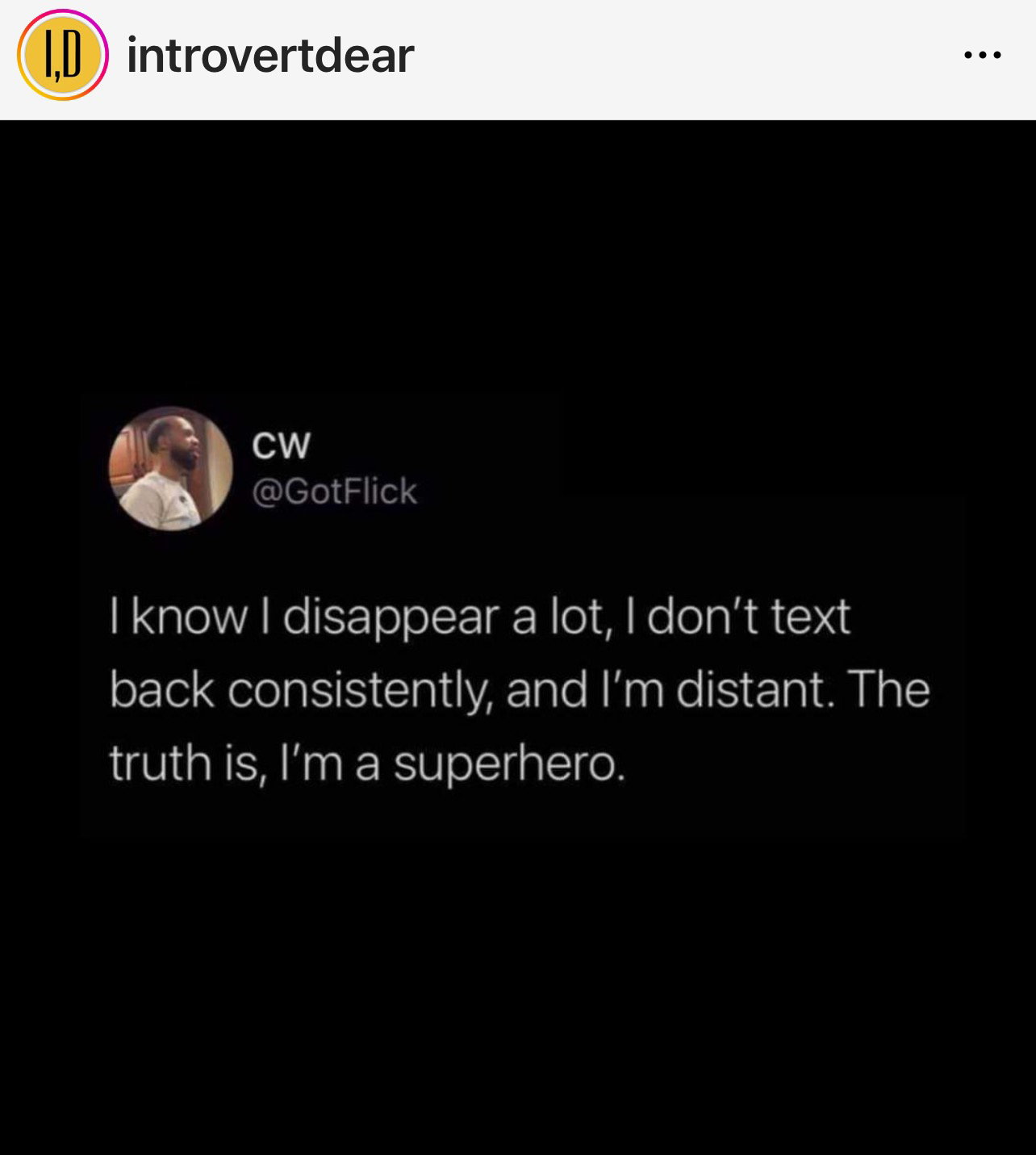
Remember: As an introvert, listening is one of your superpowers. We speak about 125 to 175 words a minute, but we’re able to listen to about 450 words a minute. Therefore, you’ll learn more by listening than by talking a lot. Also, when you aren’t talking, you can pay more attention to people’s body language, which can offer more information about their state of mind than what they actually say.
Plus, people feel understood and cared for when someone listens to them. So you may make a great first impression just by listening!
Once you’ve absorbed everything they’ve said, take the time to process it before adding your thoughts. That way, you’ll have something valuable to say based on all your gathered information.
Discover the secrets to enjoying fun, meaningful conversations. Know exactly what to say — even if you’re introverted, shy, or socially anxious. Feel less drained and have more energy while socializing.
Even at the most crowded events, small groups tend to form because people with similar interests gravitate toward one another. That’s great news for introverts, as you’ll feel more at home if the topic is one you’re passionate about. Even if the group is talking about something similar to a topic you want to bring up, now’s your chance to change the subject to that one instead. And, when interacting in a small group, you won’t get socially burned out as quickly.
As an introvert, there may be times when you can’t take all the noise, small talk, or all the people anymore. But you also can’t leave the event… yet. In that case, you need a way to block out the noise.
You can do this in many ways: Listen to music or an audiobook (or just put on your earbuds to make it look like you’re listening to something or on a call; they’ll still help tune out some of the noise!); make an actual call; or excuse yourself to “step outside for a moment.” If you’re worried that these things will make you seem aloof or antisocial, remember that most people aren’t looking at you, anyway, and won’t even notice.
Yes, I know, having to attend crowded events and make small talk can be a nightmare for introverts. However, the more prepared you are, the more you’ll preserve your energy.
Here’s my bonus: say no and don’t go. You won’t miss much, and your life will be better for it
What’s the best piece of advice you’ve ever received?
Be honest. That way, you don’t have to remember which story you told to whom.
Many preppers getting ready for possible threats like natural disasters, economic downturns and other emergencies are also worried about the threat of an electromagnetic pulse (EMP) attack. This silent, invisible menace could unravel modern society in an instant.
Unlike storms or economic collapses, an EMP strike is a high-impact event that can cripple electronics, fry infrastructure and leave cities and towns in chaos.
While you may have stockpiled food and reinforced your shelter, are you aware of the worst places to be when an EMP hits? Below are danger zones that you should avoid, along with essential survival tips.
As a counselor, I see many introverts come to my office struggling to set healthy boundaries. This doesn’t mean they’ve failed in some way because, let’s be honest, most of us have never been taught how to do this — and it’s not easy. I often help by showing them a few simple strategies.
To be clear, both introverts and extroverts can struggle with setting boundaries, so it’s certainly not just an introvert issue. Yet, in my experience, they struggle for different reasons. There are typically two main roadblocks for us “quiet ones”:
Many introverts — especially highly sensitive ones — are naturally inclined to take care of others due to their strong sense of empathy. For more on this, see my article The Science Behind Why We Absorb Others’ Emotions (and How to Deal).
Introverts, many of whom are compassionate and eager to help, often see boundaries as walls rather than healthy limits.
Over the course of our sessions, I help my introverted clients understand that boundaries aren’t barriers or dividers. They are guidelines, rules, or limits that define reasonable, safe, and mentally healthy ways for others to treat them — and how they will respond when those limits are crossed.
Simply put, personal boundaries are a list of what is and isn’t okay.
Again, to be very clear, not every introvert struggles with setting boundaries. But in general, because of their empathy, introspection, and compassion, some introverts tend to see boundaries as obstacles to relationships. They may view saying no as unkind, and setting boundaries may even feel wrong.
In reality, boundaries are the foundation of an empathetic, compassionate relationship. As Brené Brown writes in Rising Strong, “Compassionate people ask for what they need. They say no when they need to, and when they say yes, they mean it. They’re compassionate because their boundaries keep them out of resentment.”
Sometimes, introverts come to me feeling upset or frustrated about a friend or loved one who isn’t meeting their expectations. One young woman, an introvert, was desperately trying to help her depressed friend. She repeatedly came to me with feelings of resentment and anger, saying, “No matter what I do, she isn’t getting better.”
This woman was so empathetic that she was pouring everything she had into trying to pull her friend out of depression. When we looked deeper, we realized she had an unspoken expectation — that her friend would get better because of her efforts. She believed she could heal her friend, and when that didn’t happen, she took it as a personal failure.
Instead of setting boundaries about when she would offer support and when she needed to take time for herself, she kept investing more energy, time, and effort into making her friend meet an expectation that wasn’t hers to control.
The more we talked, the more she realized that this wasn’t true empathy or compassion — it was actually harmful to both of them.
Brené Brown captures it beautifully in The Gifts of Imperfection: “When we fail to set boundaries and hold people accountable, we feel used and mistreated. This is why we sometimes attack who they are, which is far more hurtful than addressing a behavior or a choice.”
My client began setting boundaries with her friend. She still offered support with kindness, but she no longer felt responsible for fixing the problem. She allowed herself to take breaks, spend time with other friends, and prioritize her own well-being. As a result, she became more present and compassionate with her struggling friend, and her own stress significantly decreased.
This is the life-changing power of setting boundaries.
Do you struggle to set healthy boundaries? Here are three key steps I share with my clients that can help you, too:
Start by reflecting on your values. Who are you? What matters most to you? Your boundaries are about you, so take the time to identify what you truly need from others. For example, as an introvert, you likely value alone time — your boundaries should reflect that.
Pay attention to your emotions, as they often signal where boundaries are needed. Do certain situations leave you feeling frustrated or resentful? Is there someone you frequently complain about? Do you feel suffocated, taken advantage of, or even unsafe in a particular relationship? Emotions are like warning flags, waving to get your attention and reveal areas in your life that may need stronger boundaries.
For introverts, who often prioritize their inner world over external interactions, expressing boundaries can feel daunting —especially if it’s your first time. Here are some tips to help:
If I’d only learned this earlier in life, it would have made a big difference. I just didn’t know how important this was
What is one question you hate to be asked? Explain.
What do you do during the day? It seems innocuous, but here’s why it isn’t for me. (the real answer is that I mind my own damn business and get done what needs doing).
I retired early and being a good introvert, I stay to myself, don’t bother others (especially with personal questions). I do normal introvert things like read and write a lot. I go about my business, get exercise usually for hours, do house repairs, help others, go to bible studies or other events, etc.
The point is that I don’t keep detailed records of what I do. I go about my business and try to stay out of other people’s business.
This question started with a relative I nicknamed Flounder from Animal House, for all the reasons Dean Wormer described about how not to go through life. Flounder went between high paying jobs to bankruptcy due to money mismanagement (spent like a drunken sailor). We’ve never been particularly close because we are so different and shit like this makes me not want to try very hard.
It should be noted that if I give someone a nickname in life, it’s not a good sign of how I feel about them.
Every conversation was, “What do you do all day, sweep the floors?” In fact, it was one of the things I did because I like a clean house. It was a shitty question though and it became monotonos. I’d just rather not have a conversation than discuss that. I finally turned it on him by saying most people ask me that because they wonder what they’ll be doing when they retire. He had no real answer as he defined himself by his job his wife told me.
Nevertheless, the condescending attitude was not even masked. I, the consummate introvert couldn’t defend the question on cue. I’d think of what I wrote above in the hours after the discussion when it didn’t matter.
Still, I hate the idea of anyone 1) intruding on my life and what I do unless I choose to talk about it and 2) getting this condescending attitude because I was able to retire early and it was a part of my life plan. (note: I saved, invested, and paid off all of my debt early to be able to do it. Flounder was in debt above his head and lost millions on houses and valuables he borrowed to get. He had to work until almost 70 and thought he was a big shot until his next firing.
Now, I’m still retired and set for the rest of my days. Flounder lives with one of his kids as he lost both of his houses. Do I ask what do you do all day? Hell no. I don’t want to know what he does, but it’s an intruding question.
Note: I got this question from one of my wife’s friends Randi when I said I was going to retire early. What are you going to do was the very next statement. I answered and got, and then what are you going to do.
Randi isn’t a part of our life anymore because of her shitty attitude. I couldn’t stand to be around her either. She was snarky when saying it and those things don’t get past me easily.
Hey Randi, I’m retired early and am loving life, doing what I want. That’s what I do all day. I go about my business.
This ends with the story about the kid eating all of his candy. A man said that isn’t good for you to which the kid said my uncle lived to be 120. The man asked if it was eating so much candy and the boy responded no, it was because he minded his own business.
Which activities make you lose track of time?
Writing. Note, I want to hear from my reader nicknamed bocopro who has great comments every time. It turns out that he’s a better writer than me and his stuff is funny to read. He has a lifetime of experience to draw upon and I like hearing from the readers.
While I do a lot of physical activities, I’m able to stay in the present about what is going on around me or in life. When I start writing, especially in a personal journal where I pour out my heart on my feelings or memories, I can get lost for a long time.
Occasionally, if I go back to read those words, I can relive that time of the actual occurrence and the time when I wrote it. I feel those feelings deeply and once in a while I am proud of what I wrote.
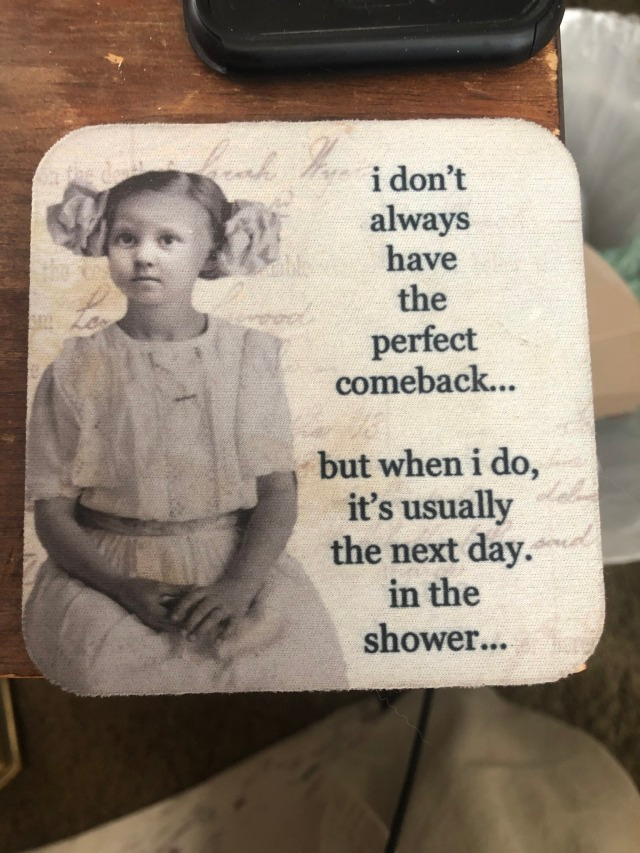
I win almost every argument, hours after it happened. Most people I know can come back with a line that cuts you off at the knees and I can’t think of mine. I’ve given up on the childish retorts and name calling.
It’s always clear to me after the fact what I should have said, and more often than not, I was right, just not in time.
It was the same on the schoolyard. I won very few verbal confrontations.
What have I learned. Don’t play in games that you can’t win. I refuse to talk until I’m ready. I have learned to at least comment that the other person’s retort was mean, uncalled for and at least wrong. After I spend the time dissecting the other person’s points, they have usually forgotten the discussion.
There has been a rare occasion or two in my life when I said the right thing at the right time and surprised the heck out of everyone present. It’s not as satisfying as it would seem because you never know how much you’ve actually won.
Don’t embarrass yourself if you don’t come back. It’s a child’s game usually.
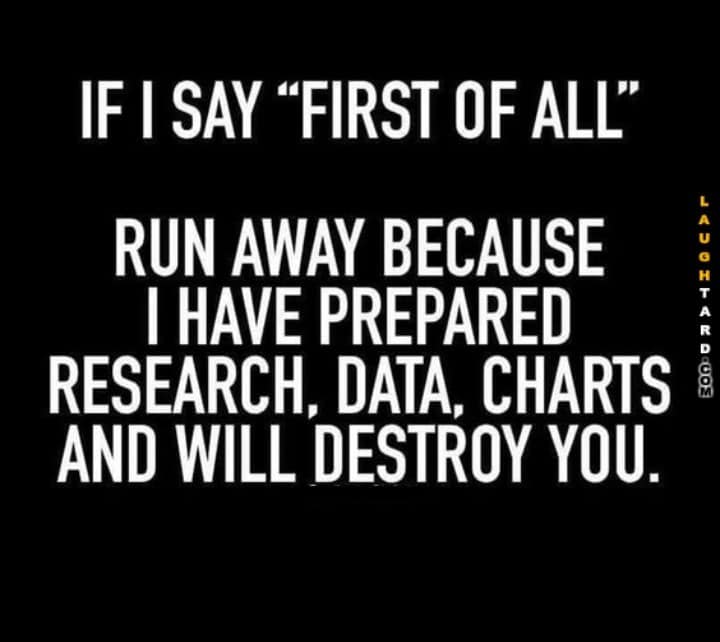
When I do unload though, stay out of the way as I’ve brought enough ammunition to destroy a college debate team.
Mostly, I’ve learned to walk away and realize that it isn’t that important.
My favorite is to get them to realize they were wrong by bringing it up in another conversation, usually days later because I couldn’t think of it at the time.
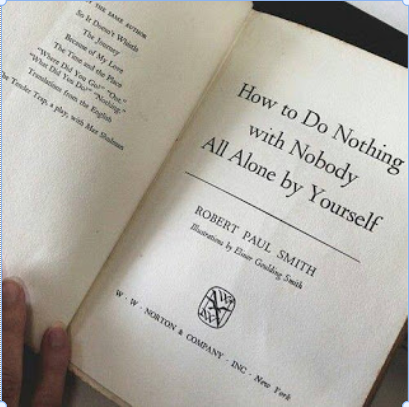
Once you can handle being alone, the rest of life isn’t a problem and you are free from the grips of other people ruining/ruling your life.
I am the president of the being alone club.

Because of my personality, being loyal was a trait that overrode protecting myself. I did a lot of stuff that while during it, was a terrible chore. I did my duty because I thought it was my responsibility. I gave myself completely to friendships when all of the effort was for naught. Afterwards, I frequently felt betrayed by others. They didn’t do any share of the relationship or a joint project.
This first happened to me at single digits of age and continued through my work career and hobbies like biking.
I recall the feeling of being betrayed by others and realized they were self-centered. I didn’t understand this concept and had to learn about it the hard way. I had extended myself only to have my minimal expectations (some sense of returned loyalty) ignored or rebuffed.

Being a pattern person, I recognized what was going on and finally started withdrawing my full commitment. This bothered me as I hate giving less than 100% to a friendship or a task, and it gave me no satisfaction. In fact I felt I was selling myself short. The outcome was predictable every time.
Finally, after realizing that guarding myself was more important than worrying about what others might think, I started saying no. I didn’t want to anymore. I didn’t want to go through what I knew would be a one sided effort that left me disappointed again and again. I was tired of being hurt or betrayed. Others do it easily without concern for anyone. I had to learn to say no.
This was tough to do at first, but I had to protect myself or life would continue to be tough on me. I was tough on myself more than others.
I found that there is some initial pain on both sides of the relationship, but mostly mine. It has saved me in the long run. I now don’t do a lot of things that I know are just not going to be worth it. I’m much more careful as to what I’m going to commit to, either in tasks or relationships.
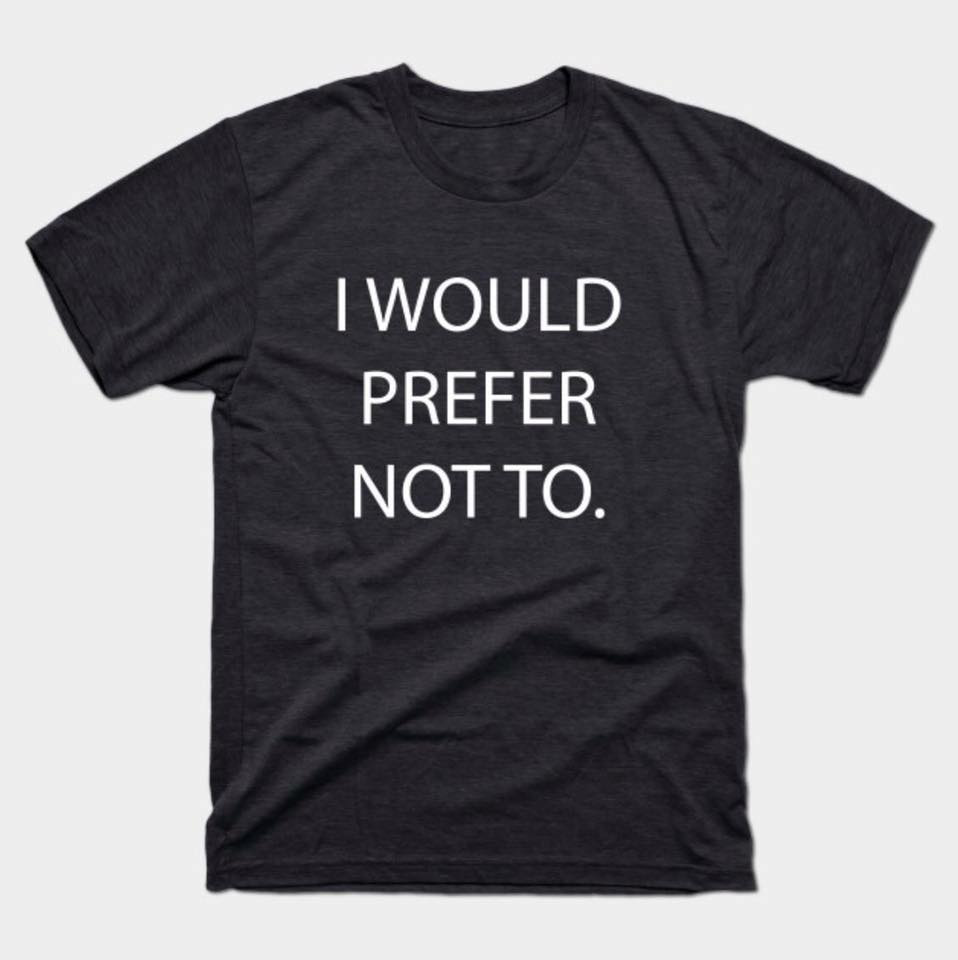
I’ve found some peace once I realized that others don’t give a shit usually other than about themselves. They quickly forget about it and me. I don’t get over it near as quickly, feeling that I’ve let someone down, but it passes and I realize that I’ve prioritized myself rather than others because it was necessary. It’s not selfish, rather a means of self-protection for me.
Of course, I thought I “suffered” from Mauerbauertraurigheit, but then it became my friend and I’ve eliminated a lot of grief. I used to give and give until I was overwhelmed to the point that I completely withdrew and couldn’t control doing so. Now, I recognize it in advance and purposely do it when I know it’s not going to be worth it.
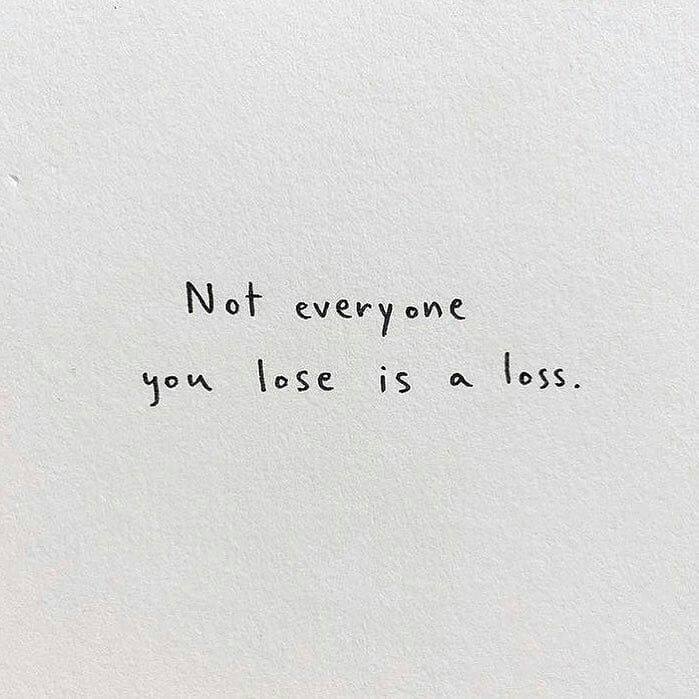
I weigh the benefit against the cost and don’t do a “duty” or what I perceive as an expectation. There is a price for my loyalty, it is at least some in return. Otherwise, you don’t see me anymore.

This is too easy. Why are they cramming the vaxx down our throats?
Oh, you know the reason, power and control.
Don’t worry, I’ll get to Bill Gates and population control at some point.
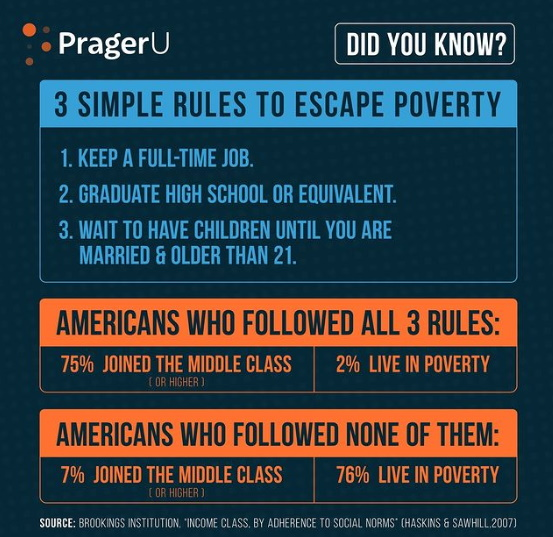
I post this to try and help someone who might listen. I paid attention as did a lot of people who didn’t wind up in poverty.
I’ve known others that didn’t make it. Without disclosing personal facts, you can just look at the graphic and know what happened to them.
I get that nothing is full proof, but this will help the majority I hope.
If you want to know the road ahead, ask someone who has been there.
Throughout my life, I’ve always asked people for what advice helped them the most, either good or bad. Sometimes, knowing what to avoid is just as, if not more helpful. I stumbled on this by accident when I realized that I didn’t know everything there was to know as an adolescent, even though I thought I did.
Not knowing the outcome is good if you don’t want to spoil a surprise. Knowing the right path in life to take is never a bad thing.
One thing I’ve learned is that most wise people have also learned that a lot of people don’t listen, so their knowledge remains with them because they are tired of offering to help, only to see it rebuffed or not taken. The same mistakes that experience already taught someone is then a lesson never learned or passed on.
It’s up to you. Ask what is the meaning of life, what helped the most, what is your biggest mistake, I have 2 paths in life to take but don’t know which to choose.
The only courage that matters is the kind that gets you from one moment to the next. – Mignon McLaughlin
People familiar with addiction will recognize this. Sometimes you just have to make it to the next goal in front of you because the whole view of what is going on in life can be overwhelming at times.
You can make this little accomplishment and then the next. You build on these small steps and you’ve made it through whatever you’re going through, even if it is the election
“In truth, the degree of anyone’s success depends on how often they can say the word yes and hear the word no.” – Chuck Palanuik
Some people stop at no. Not me. If you want to succeed, you have to just look at that as a stepping stone to overcome. Life is about overcoming. That gives us the greatest satisfaction. It’s not likes on social media. It’s when we dig deep, think clearly, seek help and pull ourselves up to victory from the jaws of defeat that gives us the greatest sense of accomplishment.
They’ll say yes sooner or later if you don’t take no for an answer.
All of life is peaks and valleys. Don’t let the peaks get too high and the valleys too low.
John Wooden
Wooden was perhaps the greatest college basketball coach ever. I think the fans at Duke, UNC and Kentucky may argue, but would still accept his legacy.
My mother told me something similar. Life is about overcoming problems. She said it is a series of hurdles that you have to overcome and there will always be another one.
One will always be on one of 3 sides of a situation. You will be approaching it, enduring it or having just overcome it. How you deal with it defines you.
With respect to Wooden, it does make life easier when you don’t go too overboard on any of the peaks and valleys. They all pass and there will always be another one.
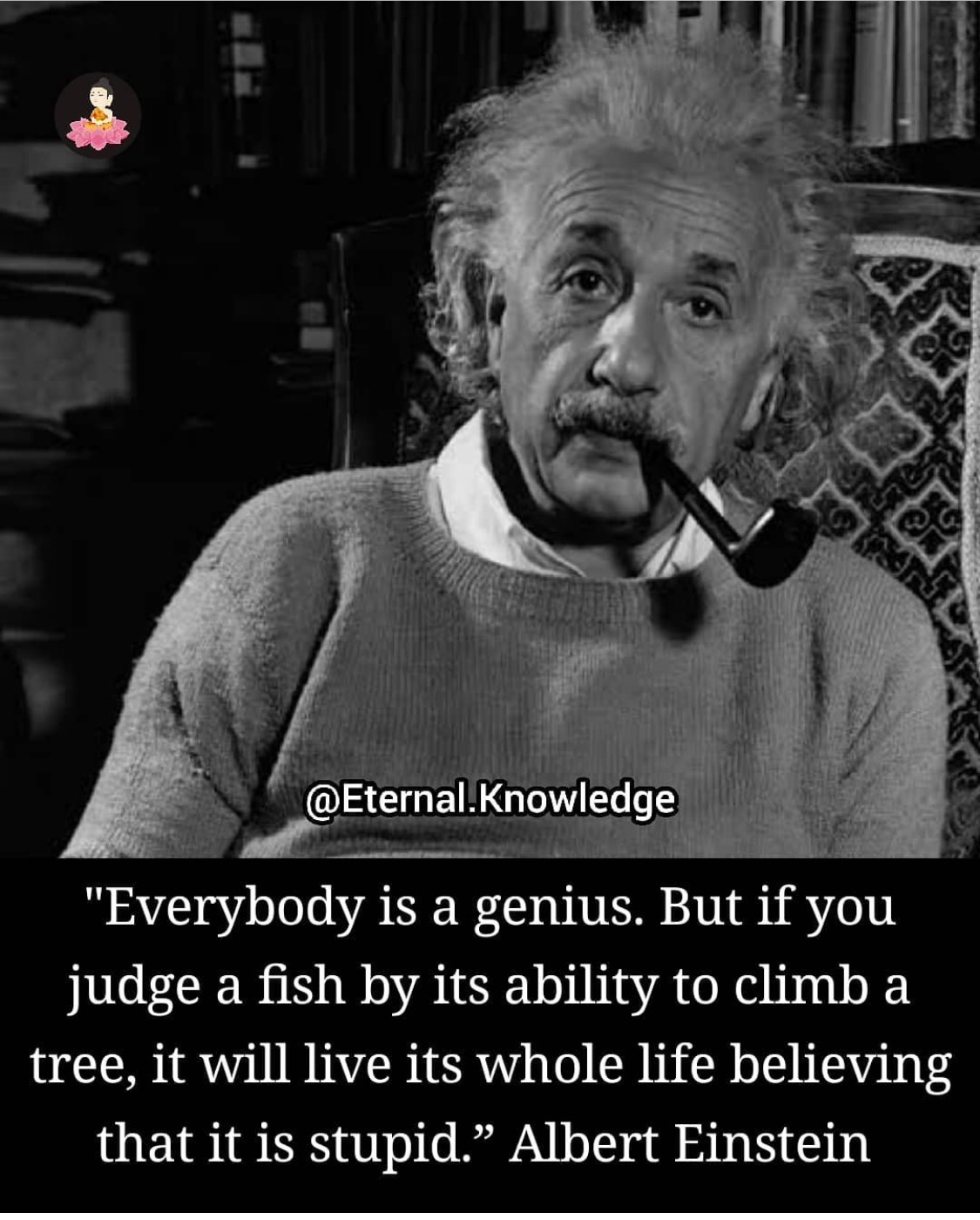
Don’t let others get you down. Don’t live your life by others version of what you should be. It’s hard to buck social peer pressure and be yourself, but that’s what it can take sometimes to find the real you.
Stop wasting your life on social media to define yourself by others. In fact it looks like staying off of social media except for family and a few actual friends looks like it makes your life better anyway.
It’s hard to seek your dreams. You have to pay the bills and raise the kids, so sometimes your dreams or reaching your capabilities doesn’t come in your 20’s like it did for Albert.
That doesn’t give anyone a free pass for not trying their hardest to do their best.
We know what we are, but know not what we may be. – Shakespeare
Another version of this goes – You miss 100% of the shots you don’t take. That was either Gretzky or Jordan.
Some don’t try for fear of failure, some don’t try because they lack courage. Both lose because there is a reward for winning and a reward for learning if you fail. I heard Michael Jordan say that he took over 30 shots to win games and missed, but it didn’t stop him the next time. He said when asked if he was worried he might miss and he answered that why would worry about something that hasn’t happened yet?
Don’t let your inhibitions keep you from excelling. You never know what is inside you until you try. Many times I haven’t felt well for an activity that I needed to be well conditioned for, yet wound up killing it because all I needed was a warmup.
Go after it today, then go after it tomorrow. Keep going after it until you can go. The reward is not a trophy, it is the sense of accomplishment that will help you try again the next time.
Finally, let it be the judge of who you are, not social media. That is turning into a cesspool of being a time suck and dragging you down because you think something is different than it is. Don’t be a sheeple.
Again, these are not my answers, but are an interesting read on people. It will offend some, but God is number one for me. The rest of the lists below should offend someone or many.
1. Human psychology. It’s a young field, and no one has all the answers yet. But you can get a better understanding of why other people do what they do — and how to thread your way through life’s complexities — by studying at least a little of this field.
2. The basics of accounting. This will greatly reduce your chances of being swindled in life. It also will make it much easier for you to do some systematic planning, while keeping track of how you’re doing vis a vis your plans.
3. Music. It will calm you. It will inspire you. It will build bridges to a more interesting set of friends.
4. Your own family’s story. Where did your parents grow up, and how did that shape who they are? What are the formal or informal communities that help define your identity? (“We are athletes … we are Irish … we are restless spirits who move from city to city.”) Having an enduring sense of identity that goes beyond the ups and downs of your own life will be a source of comfort and motivation all your life.
5. The way your government really works. Find out why some laws are tightly enforced and others aren’t. Learn the best ways of influencing your government — whether it’s on matters of national significance or something as personal as winning a zoning variance for the cafe you run. Finally, gain some non-bitter insights about why society doesn’t always work the way you’d like.
6. Good nutrition and how to incorporate it into your life. Mike Leary is right. In a poor society, this is the difference between life and death. In a rich society, it’s — surprise! — the difference between a long, robust future and chronic illness that can turn deadly far too soon.
7. Different cultural values. If you’re going to be effective outside a small cluster of people like you, you’ll need to understand and appreciate how other tribes work, too.
8. How to communicate your ideas to the wider world. Justin Freeman is right. Learn how to speak clearly and persuasively. Or to write well. Or to create useful and appealing computer code, video, music, etc. Pick the medium that works best for you, and make sure you don’t go through life being mute.
9. Effective parenting. Just because your parents didn’t quite get it right (no one ever does!) doesn’t mean that you can’t do better. Find your own style, stick with what works … but keep refining your approach as you learn from others. You owe it to the species.
10. Quora. It’s one-stop shopping for biased crap! Be aware of what’s on Quora, and you’ll know what not to believe.
Here’s another:
Go to the link above, there is more.
Add more in comments if you have a better suggestion than these.
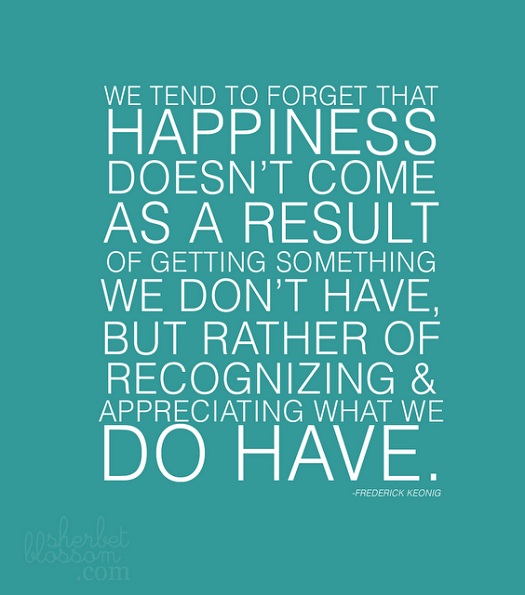
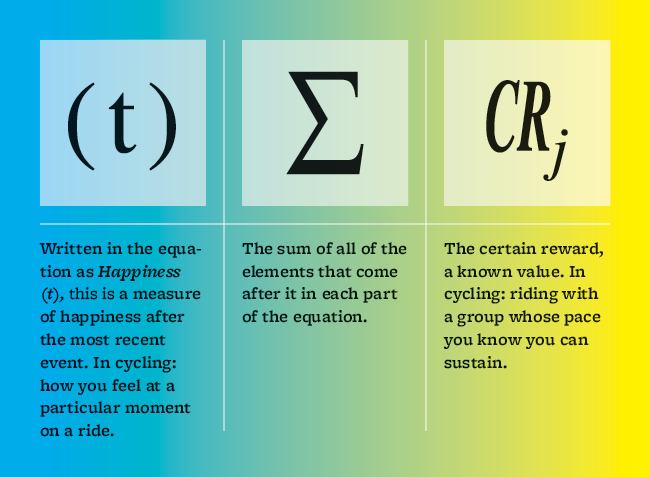
Happiness has a lot of definitions depending on who you are. Here is one that is not the only answer, just a good thought.
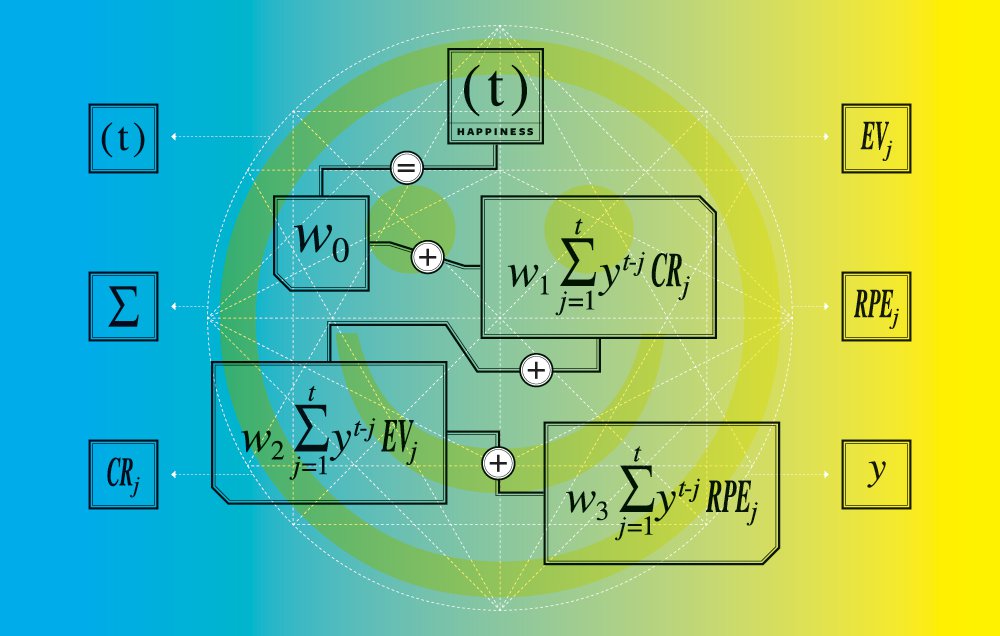
Mathematically speaking, it looks like this….
This is the Background for my Facebook page, the reason I thought this article was so interesting. Perhaps you will also. Even the person some regard as the smartest surely forgot some things, especially on his desk.
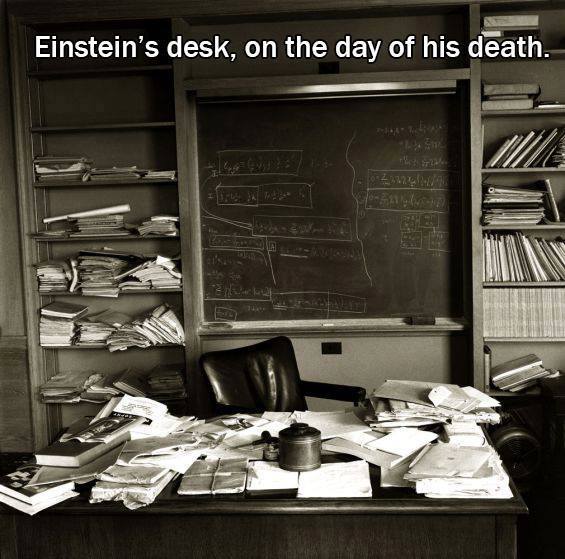
Even the smartest people out there sometimes forget some of those obvious concepts:
1. Not feeling ready can be a good thing
Opportunities rarely come when we are 100% ready to seize them. They are more likely to knock on your door when you feel insecure with your preparation, knowledge and skills. But that doesn’t mean you should be ignoring them until you feel ready. Most of our lifetime opportunities force us to grow both emotionally and intellectually. They push us to give the best of ourselves, even if that means getting out of our comfort zones. But sacrificing our comfort can give us the chance for personal growth. If you want to change your life for the better, you should open yourself to the opportunities that arise, even if you don’t feel 100% ready.
2. Success and failure go hand in hand
Often times people tend to misinterpret the meaning of the word “failure”. Why are we so afraid of failure? It is just as natural as succeeding. Failure doesn’t mean not succeeding. It is actually a part of the circle of success. And success itself shouldn’t be measured by the achievement of a particular goal. Success is a state of being and therefore everyone can feel successful.
3. Action is the key for all success
We often hear that knowledge is power. But it only is power if you use it. Knowing how to do something and actually doing it are two completely different things. It doesn’t matter if ,for example, you read books and articles on fighting procrastination, and take no particular action to overcome that problem. Knowledge and intelligence are useless without action.
4. Even mistakes mean progress
If you look back in your life, maybe you will realize that the mistakes you have done in the past have taught you valuable lessons. So why should we be scared of making mistakes, if they help us grow stronger and wiser? Every mistake you make on the way to a particular goal brings you one step closer to achieving it. It is highly possible that the mistake you will regret the most in your life is not taking action because of the fear of making mistakes. This way you will always be wondering what could have happened, if you hadn’t been so scared. And most importantly- you wouldn’t have made any progress. So don’t be afraid of feeling uncertain about something- give it a try and see what happens.
5. Making decisions is impeded when there are too many options
We live in times when there are so many opportunities for us to choose from when it comes to determining our career and life paths. But when we have so many choices before us, we can often times get confused and indecisive. Business and marketing studies prove that when a consumer has more product choices, he’s predisposed to buy less. If you think about it, choosing one product out of three product choices feels much easier than choosing one out of three hundred. Most people will give up easily, if the buying decision process is tough.
6. Success doesn’t necessarily mean happiness
Many people believe that they can only be happy if they accomplish a particular goal. In my opinion, we can choose to be happy every day, no matter where on the path to our goals we are at the moment. “The monk who sold his Ferrari” by Robin Sharma is one of the most inspiring books I have ever read. One of the main ideas shared by the author is that you don’t have to wait to accomplish your dreams to be happy. The main character was one of the most successful layers in the country but even though he had everything he ever wanted, he wasn’t a happy person. The most important thing is to cherish every moment of every day and to be thankful for who you are and what you have now.
7. You can be the best at something even if you don’t like doing it
Some people say that in order to be good at doing something, you should love doing this thing. In my opinion, this isn’t necessarily true. If a person devotes their time and effort to learn a particular skill, they can become excellent at it. How they feel about the activity doesn’t determine their success in it.
8. What we see in others exists in us
When we have a problem with someone, this can actually help us learn more about ourselves. It can help us learn why we see that problem in the other person, and the reason can be that we hold it inside of us, too, and seeing it exposed before us can be frustrating. But acknowledging that what we see in others is a reflection of ourselves, can help us overcome our unsolved issues.
Hat tip to Intelligence.com
This is not only very inspiring, it is some of the best advice on the Interweb. For those in a good way, it will make you better, for those in a bad way it will show you how to begin to pick yourself up. If you are young, it is a good lesson in how to live your life.

AP Photo/The University of Texas at Austin, Marsha Miller
UT alum Adm. William H. McRaven gives students the “hook ’em horns” at the university’s commencement last week.
U.S. Navy admiral and University of Texas, Austin, alumnus William H. McRaven returned to his alma mater last week to give seniors 10 lessons from basic SEAL training when he spoke at the school’s commencement.
McRaven, the commander of the U.S. Special Operations Command who organized the raid that killed Osama bin Laden, stressed the importance of making your bed every morning, taking on obstacles headfirst, and realizing that it’s OK to be a “sugar cookie.”
All of his lessons were supported by personal stories from McRaven’s many years as a Navy SEAL.
“While these lessons were learned during my time in the military, I can assure you that it matters not whether you ever served a day in uniform,” McRaven told students. “It matters not your gender, your ethnic or religious background, your orientation, or your social status.”
Not all of these are my idea, rather they were gathered from a collection of many, many others as I’ve run across them. Nevertheless, they are interesting to ponder. I’m sure there a thousands more, but they are here for you to share:
Don’t stop learning: If you start coasting through life, you’re gonna lose. Always stretch your intellect.
Don’t always try to be original: Just tell the story or paint the canvas or whatever.
Focusing on “fairness” will lead to stagnation.
If you’re not failing, you’re doing it wrong. (It’s OK to make mistakes.)
Don’t try to reason with mindless, irrational people.
Don’t stress yourself out with news and “staying informed” too much.
Do something that’s not for money.
The key to happiness is BUILDING stuff, not GETTING stuff.
Time passes by a lot faster than you’d think. This effect accelerates with age.
Wealth is relatively unimportant.
Some things can’t be learned; they can only be experienced.
Figure out who you are, then ACCEPT that person, and then BE that person.
Don’t wait for permission. Give yourself the okay.
Don’t lie to yourself.
Forgive as much as possible. Grudges achieve little.
Be humble (especially to the “little” people).
You and you alone control how happy you allow yourself to be.
Find a mentor and BE a mentor.
Find what you like and let it kill you.
You don’t have to eat everything that’s on your plate.
You don’t have to pick up a phone that’s ringing.
Always take action on things. People regret inaction more than action.
The past is something you learn from. It is not something you live in.
Wealth is measured by your happiness and not by your financial statement.
Your mind decides what is hopeless. Your circumstances do not.
More things will happen to you that you have absolutely no control over than things you do have control over. You ALWAYS Have the power to choose how you will react.
Remember that their is a God and don’t stop seeking him.
Do one thing at a time. All that huzzah about multi-tasking? BS
Don’t compare yourself with others. It’s an inaccurate measuring stick. It is more accurate to compare from within. Compare yourself with yourself. How much progress have you made? How have you changed? What negative behavior have you stopped engaging in? That’s what matters.
Don’t believe what you think. Never make up stories in your head about what other people are thinking or why they do certain things. Your made-up stories are making you miserable. You’re often wrong about other people are thinking anyway (I cannot count the number of times I’ve overhead “I think x hates me.”) Quit it. Remember, people are by nature benevolent). The criticism you hear about you is only ever one person’s opinion about you. If it becomes a pattern, then you can re-evaluate course and improve. More power to you.
Learn to handle criticism. Don’t take it personally. Criticism of an idea or project is not criticism of the creator as a person. Everything can always be improved; criticism is the vehicle to allow you to improve. Only apply remedial measures if the criticism has value. ”Criticism is something we can avoid easily by saying nothing, doing nothing, and being nothing.” – Aristotle
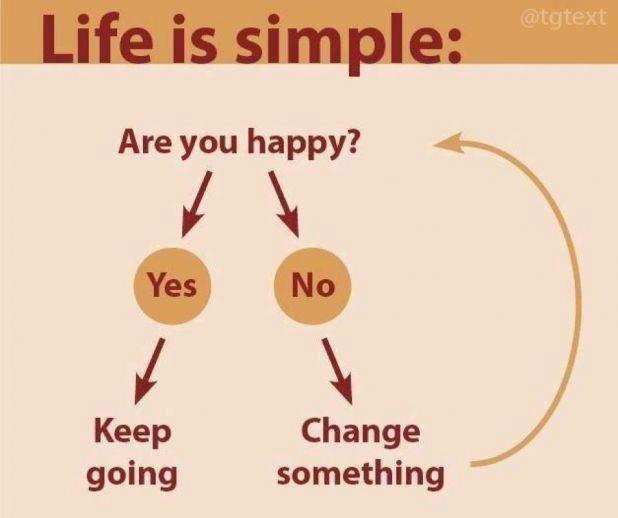
“Not everything that counts can be counted, and not everything that can be counted counts.” (Sign hanging in Einstein’s office at Princeton)
“Inaction breeds doubt and fear. Action breeds confidence and courage. If you want to conquer fear, do not sit home and think about it. Go out and get busy.” – Dale Carnegie
Robert Frost – “In three words I can sum up everything I’ve learned about life: it goes on.”
arrêtez de ramer, tu attaques la falaise. (You can stop rowing now, you’re on the beach)
It is easy to lose one’s perspective in a mass of details. – Bible Study Fellowship
Failure is but a paragraph in the book of each human life. It is the pages that follow that ultimately define us
Laurence J. Peter – “An economist is an expert who will know tomorrow why the things he predicted yesterday didn’t happen today.”
“Racing is Life. Everything before and after is just waiting.” Steve McQueen from the movie LeMans
Albert Einstein open original article “Only two things are infinite, the universe and human stupidity, and I’m not sure about the former
Joseph Heller -“The enemy is anybody who’s going to get you killed, no matter which side he’s on.”
Sidney J. Harris – “A cynic is not merely one who reads bitter lessons from the past, he is one who is prematurely disappointed in the future.”
Abba Eban-“History teaches us that men and nations behave wisely once they have exhausted all other alternatives.”
When you win, say nothing, when you lose, say less. -Paul Brown
You have to expect things of yourself before you can do them. -Michael Jordan
Every game is an opportunity to measure yourself against your own potential. -Bud Wilkinson
Excellence is not a singular act but a habit. You are what you do repeatedly. -Shaquille O’Neal
“Socialism is a philosophy of failure, the creed of ignorance, and the gospel of envy, its inherent virtue is the equal sharing of misery.” Winston Churchill, as quoted in The New American Newspeak Dictionary (2005) by Adrian Krieg, p. 96
Rudeness is a weak person’s imitation of strength
Oscar Wilde
“What is a cynic? A man who knows the price of everything and the value of nothing.”
Losers quit when they’re tired. Winners quit when they’ve won
370H-SSV-0773H – read upside down
I returned, and saw under the sun, that the race [is] not to the swift, nor the battle to the strong, neither yet bread to the wise, nor yet riches to men of understanding, nor yet favour to men of skill; but time and chance happeneth to them all.
For man also knoweth not his time: as the fishes that are taken in an evil net, and as the birds that are caught in the snare; so [are] the sons of men snared in an evil time, when it falleth suddenly upon them.– Ecclesiastes 9:11,12 —
“Meetings are indispensable when you don’t want to do anything.” – John Kenneth Galbraith
If guns kill people, then pens misspell words, cars make people drive drunk, forks make you fat, and TVs make you watch porn.
Listen to people. If they are worth talking to, they are worth listening to first.
You can’t change what happens to you in life. All you can change is how you deal with it.
I think I’m emotionally constipated because I haven’t given a Rats Rump in days.
Liberalism: Moochers electing looters to steal from producers
Political Correctness – A term used by whiny wussies that need stuff sugar coated
“The difference between stupidity and genius is that genius has its limits.” -Albert Einstein
“I like to see a man proud of the place in which he lives. I like to see a man live so that his place will be proud of him.” Abraham Lincoln
A great civilization is not conquered from without until it has destroyed itself from within – Ariel Durant
“Blessed is the man who, having nothing to say, abstains from giving wordy evidence of the fact.” – George Eliot
But isn’t it always that way with liberals? The only time they seem to make any sense at all is when they’re drunk or you are.
-Burt Prelutsky
Ya gotta be tough if your gonna be stupid.
“Political correctness is a doctrine, fostered by a delusional, illogical minority, and rapidly promoted by mainstream media, which holds forth the proposition that it is entirely possible to pick up a piece of crap by the clean end.”
Laurence J. Peteropen
“Against logic there is no armor like ignorance.”
“Never judge a book by its movie.”
“Liberals are very broadminded: they are always willing to give careful consideration to both sides of the same side.”
Ronald Reagan – “The government’s view of the economy could be summed up in a few short phrases: If it moves, tax it. If it keeps moving, regulate it. And if it stops moving, subsidize it.”
Douglas Adams – “Human beings, who are almost unique in having the ability to learn from the experience of others, are also remarkable for their apparent disinclination to do so.”
Ronald Reagan – “The nine most terrifying words in the English language are, ‘I’m from the government and I’m here to help.'”
Mark Twain – “Suppose you were an idiot and suppose you were a member of Congress. But I repeat myself.”
Frank Zappa – “Communism doesn’t work because people like to own stuff.”
Peter Drucker – “So much of what we call management consists in making it difficult for people to work.”
Michael Crichton – “Whenever you hear the consensus of scientists agrees on something or other, reach for your wallet, because you’re being had.”
Thomas Sowell – “Much of the social history of the Western world over the past three decades has involved replacing what worked with what sounded good.”
Vince Lombardi – “If winning isn’t everything, why do they keep score?”
Ronald Reagan – “Politics is supposed to be the second oldest profession. I have come to realize that it bears a very close resemblance to the first.”
“Thanking Obama for killing Osama bin Laden is like going into McDonald’s and thanking Clown Ronald McDonald for the hamburger. The person cooking the burger should get the credit, not the Clown. It was the intelligence gained by the previous administration that found him.”
And you sir are weak! Unwilling and unable to look evil in the eye and deal with it! – Jack Bauer
“If one does not fail at times, then one has not challenged himself.” -Ferdinand Porsche
What I’m after are essentially business ideas that anyone can go out and pursue as a startup if they wanted to.
We’ve found, in our work with executives at dozens of organizations, that it’s possible to build any given skill or capacity in the same systematic way we do a muscle: push past your comfort zone, and then rest. Aristotle Will Durant*, commenting on Aristotle, pointed out that the philosopher had it exactly right 2000 years ago: “We are what we repeatedly do.” By relying on highly specific practices, we’ve seen our clients dramatically improve skills ranging from empathy, to focus, to creativity, to summoning positive emotions, to deeply relaxing.
Like everyone who studies performance, I’m indebted to the extraordinary Anders Ericsson, arguably the world’s leading researcher into high performance. For more than two decades, Ericsson has been making the case that it’s not inherited talent which determines how good we become at something, but rather how hard we’re willing to work — something he calls “deliberate practice.” Numerous researchers now agree that 10,000 hours of such practice is the minimum necessary to achieve expertise in any complex domain.
That notion is wonderfully empowering. It suggests we have remarkable capacity to influence our own outcomes. But that’s also daunting. One of Ericsson’s central findings is that practice is not only the most important ingredient in achieving excellence, but also the most difficult and the least intrinsically enjoyable.
If you want to be really good at something, it’s going to involve relentlessly pushing past your comfort zone, as well as frustration, struggle, setbacks and failures. That’s true as long as you want to continue to improve, or even maintain a high level of excellence. The reward is that being really good at something you’ve earned through your own hard work can be immensely satisfying.
Here, then, are the six keys to achieving excellence we’ve found are most effective for our clients:
And now a note from me, work harder than the next guy but do it smarter. The above will help guide you but I’ve found that if you can figure out your passion, the resolve to do the rest falls easier into place. Concentrate and focus on what you and your competition are doing, that way you know what the playing field is. Learn the un-written rules of the game as well as any politics that will serve you better than your competition.



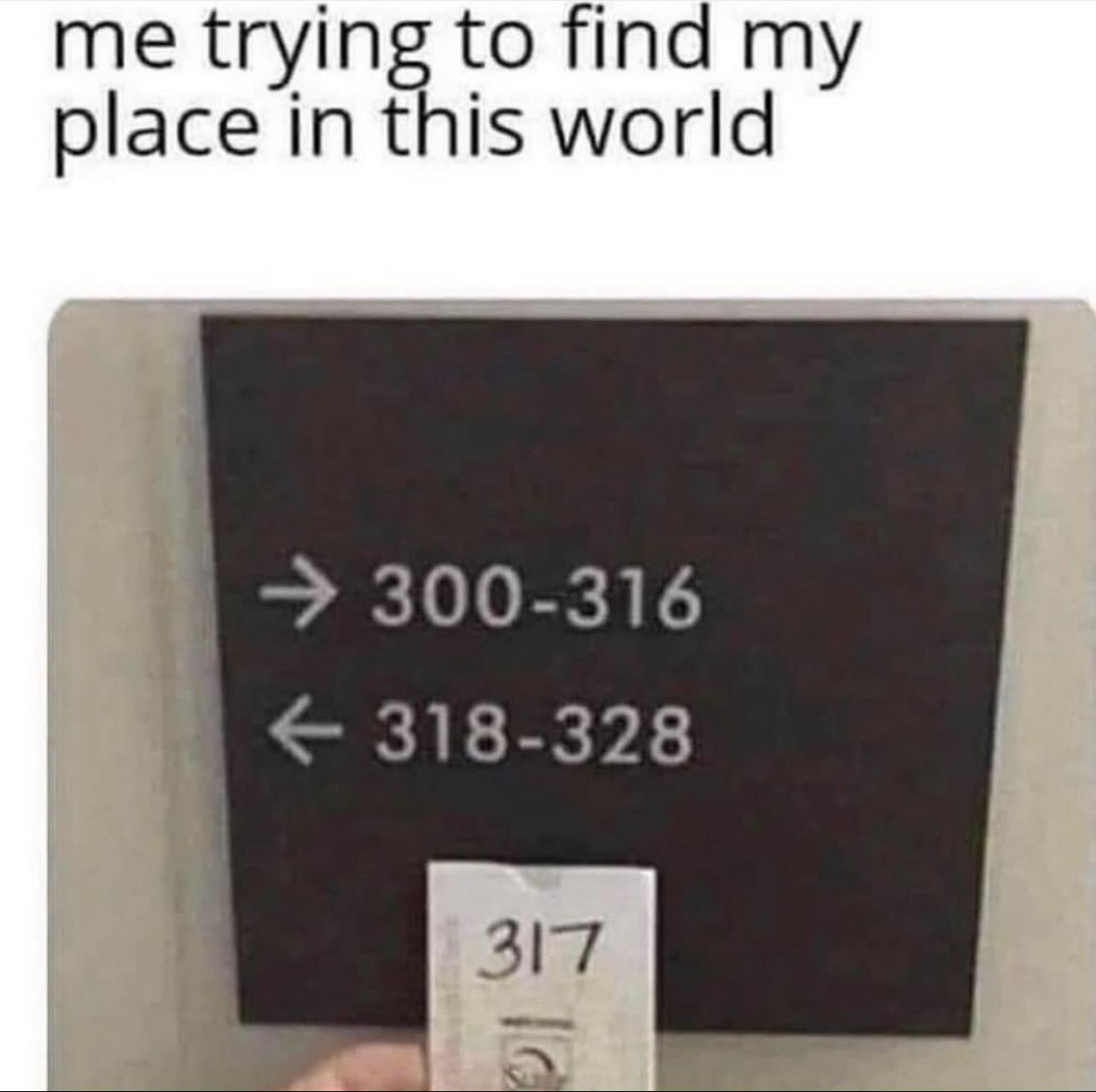





 Delusions of Adequacy