
1
2
3
4
5
6
7

8

9

10
11
12
Turkey. Pumpkin pie. Awkwardly chatting with Great Aunt Gladys. If you live in the U.S., you’re probably celebrating Thanksgiving. Inevitably, at some point, you’ll be asked to name something you’re thankful for. With that spirit in mind, here are 23 things introverts are generally thankful for — anytime of the year. What would you add to this list?
1. Coming home and finding the house unexpectedly empty. There’s nothing better than sneaking in a few hours (or even minutes) of unexpected solitude. Time to relax. Time to decompress. No obligatory, “How was your day?” Just space and freedom to be yourself. Ahhhh…
2. When your friend cancels on you at the last minute, and you kind of wanted to stay home anyway. This is just like #1: unexpected solitude.
3. Getting a Saturday afternoon to yourself. Perhaps even better than a few moments of unexpected solitude is knowing that you have hours and hours of alone time ahead of you.
4. Finding out that the party/event/meeting is ending earlier than you thought. Sure, introverts can socialize and even be leaders in the workplace. But for many of us, those things don’t come naturally. “Peopling” is a skill we’ve had to learn — kind of like learning a foreign language. And we all know how mentally exhausting it can be to speak a language you’re not entirely comfortable with. Any time spent away from the group (and in our natural inward “habitat”) is something we’re thankful for.
5. Discovering a good book that you can’t put down. Books (along with movies, music, and art) transport introverts to the place we love the most: the energizing world of ideas and imagination.
6. Having a meaningful conversation. How are you a different person today than you were five years ago? What’s on your mind lately? Do aliens exist? In our fast-paced society that values polite chitchat over substance, deep conversations don’t happen often. Yet it’s these meaningful interactions that nourish introverts and provide us with an antidote to social burnout. Something to be thankful for, indeed.
7. Meeting a fellow introvert who “gets” it. Or an extrovert who “gets” it by respecting your need for space and solitude. Feeling understood by another human being is about as magical as it gets.
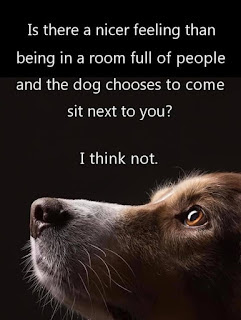
8. When there’s a dog or cat at the party. Saved! (From small talk with humans, that is.)
9. Headphones. Pop on a pair when you’re in a public space — like a bus, airplane, coffee shop, or at your desk — and you signal to others that you’re not in the mood to chat. Hallelujah!
10. Arriving on your own to a party so you can leave whenever you want. For introverts, hell is being trapped somewhere surrounded by noise and people. Having an escape mechanism is key.
11. When someone says, “How are you?” and really means it. See #6.
12. When you don’t have to make awkward small talk. For some reason, people find silence awkward. So we strike up conversations about the weather with strangers in elevators. Or we erupt with a cheery, “How’s it going?” when we pass someone we barely know in the hallway at work. When introverts can get through the day with minimal chitchat, we’re thankful.
13. Waking up early or staying up late, when no one else is around. Peace. Silence. Bliss.
14. Downtime after a busy day. Socializing isn’t the only thing that drains introverts. Any kind of incoming stimulation, such as noise, time pressure, or activity, gets tiring. After a busy day, when we don’t have to do one more thing, we’re thankful.
15. A weekend with no social plans. But that doesn’t mean we won’t be doing anything. We’ll make our own plans. Introvert plans. Plans to read in bed. To binge watch our favorite show. To lounge around the house.
16. Self-checkout lanes, drive-throughs, food delivery, and online shopping. No, introverts don’t hate people. But we do try to minimize our “people” intake, because each interaction drains our limited social energy — especially the kind of surface-level interactions that usually take place in restaurants and stores.
17. Having to go to a store but unexpectedly finding it not busy. If you can’t do #16, this is the next best thing.
18. Time to think before responding. Many introverts struggle with word retrieval, because our brains may rely more on long-term memory than short-term memory (extroverts do the opposite). For this reason, we may have a hard time putting our thoughts into words, especially when we’re put on the spot in a meeting, on a first date, or when called on in class. We’re thankful for people who give us a few pressure-free moments to collect our thoughts before demanding an answer.
19. Texting. Similar to #18, introverts tend to feel more comfortable expressing themselves in writing than speaking. That’s because writing uses different pathways in the brain, which seem to flow more fluently for introverts. We’re thankful for every time we can send a text message instead of making a phone call.
20. Public spaces that are actually quiet. When parks, restaurants, coffee shops, bars, buses, and trains are chill, we’re thankful.
21. When you get to do your thing, uninterrupted. Alone time isn’t just about being alone. For many introverts, it’s a way to reconnect with our passions, hobbies, and artistic pursuits. It’s when we do deep, concentrated work. When our alone time is fragmented by other obligations (or interruptions from loved ones), introverts can get stressed. A long stretch of unbroken time to do our thing is something we’re immensely thankful for.
22. Your favorite beverage, a cozy blanket, and your favorite show. Alone.
23. “Me” time. Doing whatever relaxes you, energizes you, and brings you joy. 
Enhanced Games
Enhanced Games Suffers Major Legal Setback; $800 Million Lawsuit Dismissed By Judge – We get to see how fast and strong they are on drugs. People will watch that.
How Brutal Communism is
Holodomor Memorial Day – Killing fields, Stalin’s purges, the truth about Socialism the left is trying to hide. It just shows how stupid the liberal women in NY were to vote in their own demise.
Miss Universe
Miss Jamaica Recovering After Faceplanting Off Stage, Being Carted Away On Stretcher During Miss Universe Pageant – She’s got some good ganga mon.
Piss off
Bartenders
‘Shut Up And Drink Your Beer’: Texas Bartender Shares The Single Worst Thing You Can Tell A Bartender—Especially If You’re A Regular – Obviously an introvert. Small talk sucks.
Basketball
9 Richest Head Coaches In College Basketball – John Wooden is turning over in his grave
Nature
12-Foot Burmese Python Caught In SW Florida Makes Kaa From ‘The Jungle Book’ Look Like A Tiny Worm – Big ass snake
“He Was Running for His Life”: 11 Injured When Grizzly Attacks School Children, Teachers
Football
The 11 College Football Teams That Have Won The Most Conference Championships
Rice University Asks For Trouble With Dangerous (And Awesome) Student Beer Promotion – This won’t turn out well. Hold my beer.
Vaccines
Pfizer’s Promising mRNA Flu Shot vs. Americans’ Bad Memories – Don’t be a dumbass, stay away from this, very far away.
Climate Hoax (COP30)
US & Qatar Force EU Climate Policy U-Turn – End of the ESG Era? – ‘The beginning of the end of European climate socialism’ – The damage is done in the EU, though. They are now behind the rest of the world in energy for a lie.
Fraud
Lindsey Halligan reveals a ton of new evidence relating to Letitia James’s alleged mortgage fraud… – NBADJT, all the cases were attempts to get him not to run and to cause interference. He swatted them away and now all the prosecutors are in legal hot water.
Rapper Gets 14 Years in Prison for Funneling Millions of Dollars in Illegal Campaign Contributions to Obama in 2012 – so Obama cheated, who’s shocked?
Soros
Musk Calls Out Soros’ Radical Son: ‘Can You Stop Trying to Destroy Civilization?’ – Hungary banned them, why can’t we?
5th Column
127 Democrats Refuse to Vote to Condemn ‘Horrors of Socialism’ – America is the only country that can destroy America, and some are trying hard.
Minnesota Somalis Are Funding Terrorists – get rid of traitors
Liberal Women Role Play as Illegal Immigrants and Teach Volunteers How to Resist ICE – liberal white women, the scourge of the country right now.
Climate Scam
so another lie debunked. I wonder what emergency scare they’ll come up now that the climate hoax is falling apart?
Google Spying on you
Gmail is spying on you, like Google hasn’t been for years anyway.
Masculinity
Actor Anthony Mackie: “We’ve Been Living Through Death of American Male for Twenty Years” – The world needs men, real men who act like men. The downfall started with Metrosexuals, or as I call them, pussies. Act like men. If woke women don’t want that, they can have the weak beta males who will disappoint them the rest of their lives, or until they breakup, whichever comes first.
Air Travel (sucks)
FAA Reports 400% Surge of In-Flight Outbursts, DoT Launches Civility Campaign – why I hate traveling. People being assholes
Cars
Revology 1969 Boss 429 Mustang Is a Frankensteinian Work of Art – one of the best Mustangs (not counting specials like Rousch or Shelby). My ex-brother-in-law was able to burn rubber in 4th gear in his. He had to put in a slower transmission as the speed scared him so much.
Christmas Shooting In Concord NC
Almost 30K kids skipped school because they were illegals and got tipped off in next door Charlotte. Criminals are not going to be afraid of those fat donut eating girl cops. No wonder they picked this place to strike.
Insurance
Obamacare Is a Disaster, Just as Expected – not affordable, not any thing they promised and you didn’t get to keep your doctor or your existing plan. One of the biggest lies ever told.
Does anyone actually enjoy chatting at length about the weather? Unless you’re a meteorologist, probably not.
More often than not, small talk becomes the go-to conversation when we’re at a loss for words. It fills awkward silences, it eases tension during initial meetings, and it can help steer clear of controversial topics.
But it gets old fast.
Now, if you’re an introvert like me, you might hate the small talk ritual. Jon Baker, a business coach for introverts, found that 74 percent of introverts said they dislike small talk, as opposed to only 23 percent of extroverts who said they dislike it.
Why do the majority of introverts hate small talk?
By definition, introverts are people who feel drained by socializing and recharge their energy by spending time alone. Because small talk is neither emotionally nor intellectually stimulating, it can feel like an inefficient use of their limited social energy. In other words, if introverts are going to use up their energy, they want to spend it in ways that really count.
(Not sure if you’re an introvert? Here are 21 signs that confirm you’re an introvert.)
Also introverts tend to enjoy delving deep into topics and exploring ideas on a meaningful level. It’s more energizing to talk about things that feel important and relevant to them. Small talk, by its very nature, remains at a surface level.
But those aren’t the real reasons introverts might hate small talk.
It’s not that introverts hate socializing or people. Even though we’re introverts, we still need close, healthy relationships to thrive.
As my friend Dr. Laurie Helgoe points out in her fascinating book, Introvert Power, “Introverts do not hate small talk because we dislike people. We hate small talk because we hate the barrier it creates between people.”
Small talk doesn’t bring people closer. Quite the opposite — it can create a barrier that prevents the kind of genuine, intimate connections we all crave.
Think about it. When two people get stuck in small-talk mode, discussing only “safe” and polite topics like the weather, they don’t really learn anything new about each other. They don’t get to know the other person or understand who they are. They miss discovering that their conversation partner, for example, wakes up early to go birdwatching, hates the color yellow, or grew up on a family farm.
As a result, the relationship doesn’t grow in a satisfying way. In general, introverts are interested in understanding people’s thoughts, feelings, life lessons, and experiences, which isn’t usually achieved through small talk.
The key is to transform small talk into meaningful conversation. Here are some tips from my upcoming course, Easy Conversation, designed to help introverts and those who are shy or socially anxious feel at ease in social situations and enjoy more fun, meaningful conversations.
Small talk has its place. Patrick King, in his book Better Small Talk, explains that socializing and cultivating relationships happen by degrees, not all at once. “Zoom out, and you can see where small talk fits in and why it’s so important — it’s the first of many steps in closing the distance between you and another person,” he writes. Small talk allows us to warm up to each other, but it’s not where we want to stay.
The secret to not just surviving, but also enjoying small talk, lies in transforming it into a meaningful conversation. If you’re an introvert, meaningful conversation will give you a much-needed energy boost. When you’re immersed in an interesting or thoughtful conversation, you might just end up chatting the night away!
So, here are four tips to turn small talk into more meaningful conversations.
One powerful tool to make conversations more meaningful is to encourage the other person to share a story. To do this, avoid closed-ended questions, those that can be answered with a simple yes or no, or just a few words. Closed-ended questions like, “How are you?” or “Did you have a good day?” limit the depth of the response and can often end the conversation before it even starts.
Instead, ask open-ended questions. For example, instead of asking, “How was your day?,” try, “What was something interesting that happened today?” or “What did you do today that made you feel accomplished?” Questions like these invite the other person to tell a story.
Here are more ideas from Chris Colin and Rob Baedeker, authors of What to Talk About:
Instead of…
Try…
Here’s a twist on asking open-ended questions: Instead of asking only about the facts, the what, probe deeper into the why. This strategy, suggested by The Date Report, pushes the conversation beyond surface-level information and delves into the person’s motivations and values.
For example, after asking, “What college did you go to?,” ask a follow-up question like, “Why did you choose that college?” The second question will reveal much more about the person. Their answer might shed light on their passions, their decision-making process, or even their personal history.
Similarly, if someone shares that they recently watched a particular movie, rather than just asking, “What was the movie about?,” you could ask, “Why did you pick that movie?” or “What about that movie appealed to you?” You might get some insight into their taste in cinema, their interests, or what kind of narratives or themes resonate with them.
In essence, asking why nudges the person to share more personal information, which can lead to a more meaningful conversation.
This can be a hard one for us introverts, because we tend to dislike talking about ourselves. It places the spotlight directly on us, which might make us feel vulnerable and exposed. As a result, we may not open up for people unless we know them well. Unfortunately, this tendency can lead to a repetitive cycle of tedious small talk.
As I explain in my book, The Secret Lives of Introverts, a good strategy to break out of this cycle is to sprinkle a few personal details into your conversations and observe what resonates with the other person. For example, when faced with routine questions like, “How’s it going?” or “How are you?,” instead of responding with the standard, “I’m fine, how are you?,” try to expand on your answer by sharing a bit about your day. You could say, “I’m doing great! I woke up early this morning to jog along my favorite trail. It really invigorated me!” Or, “I’m feeling tired because my two-year-old woke me up in the middle of the night, and I couldn’t fall back asleep.”
When you share details about yourself, notice how the other person reacts. Do they show genuine interest and continue the conversation with a follow-up question like, “That sounds great! Where’s your favorite trail?” Or do they give a disinterested nod? If the other person doesn’t seem interested, try revealing another detail about yourself until you hit on a topic that gets the two of you talking.
This strategy is like throwing a few conversational lines into the water and waiting to see what bites. It might feel uncomfortable at first, but with practice, it can become a natural and effective way to transform small talk into meaningful conversations. Remember, it’s not just about finding common ground; it’s about revealing the unique layers of your personality and allowing others to connect with you on a deeper level.
And, if you’re an introvert, this approach allows you to control the depth of self-disclosure, making the whole interaction more enjoyable.
We often sacrifice expressing our true thoughts and feelings for the sake of politeness. But there’s something very authentic — and surprisingly charming — about being completely honest. In her book, The Irresistible Introvert, Michaela Chung encourages us to elevate conversations by voicing our honest feelings and thoughts, which can be surprisingly captivating. For instance, instead of nodding along and pretending to agree, try saying things like:
Such candid admissions might seem intimidating to share, but when done tactfully, it strengthens the bond between you and the other person. By sharing your preferences, feelings, and thoughts directly, you give the other person a chance to know you better. It also signals that you trust them enough to share your true feelings, which can make them feel more comfortable doing the same.
Remember, honesty isn’t about being blunt or rude; it’s about expressing your authentic self in a respectful manner. For introverts, these honest exchanges can make socializing more enjoyable and less draining, because they transform superficial small talk into meaningful, authentic conversation.
Are you an introvert who feels like your social battery is constantly low? Do you find yourself trapped in conversations you don’t want to be in — or just feeling misunderstood?
There’s a good chance the problem isn’t you. In fact, the problem might be that our extrovert-oriented culture encourages a lot of not-so-introvert-friendly behaviors — things that drive us up a wall (or send us retreating to our quiet homes) and make us wish the world had a mute button.
Here are some things we introverts wish other people would stop doing. I can’t speak for all introverts, but I believe these 11 things are common introvert pet peeves.
I will never, ever understand why holding an open book isn’t the universal symbol for “don’t talk to me.” To me, the mere sight of a person reading a book implies a bright, neon Shh! Quiet, please! library sign floating in the air above them.
Instead, open a book in a public place, and you can practically hear the eyes swiveling toward you as every extroverted or bored person within a mile realizes, Ooh! Someone who doesn’t have anybody to talk to! They must be waiting for me to come wow them with my brilliant repartee!
No. We’re not. We are merely — and I swear this is true, as shocking as it may seem — trying to read. Please respect that.
(That said, if you ask what book we’re reading because you can’t see the cover, that’s fine. Just please leave the ball in our court as to whether the conversation continues.)
I don’t want to be rude (or even appear rude). I want to be a nice person, who has a nice exchange with you, and then we nicely wrap it up after a moment and go our separate ways.
But if you want the Nice Introvert on my end, you have to give me the Conscientious Extrovert on your end — the one who can read subtle, polite cues and body language. (No shade to my neurodivergent friends, especially those on the autism spectrum — this doesn’t apply to you!)
To spell it out: If someone is glancing back at their laptop, book, or activity that you interrupted, or toward their vehicle or the exit, or if they say, “Well…” and trail off, or say, “It was nice meeting you,” they’re nicely telling you that your time is up. Let ‘em go.
Because if you don’t, Nice Introvert has to go away — and you’re going to get Uncomfortably Direct Introvert. And yes, I will walk away in the middle of your sentence.
(Most introverts, though, will suffer in silence to be polite. And that, honestly, is an even worse outcome. Don’t make them do that.)
I would love to be able to follow the labyrinth trail through an extrovert’s mind that leads from “I’m only inviting a few people” to “Hello, One-Hundredth Person to Arrive, come on in, there are drinks in the kitchen — just past the people playing Who Can Yell Words the Loudest, to the left of the 8,000-Decibel Sound System from Hell. Nope, you didn’t miss the Clown Car Full of People We Don’t Know Who Will Somehow Still Be Here; they should be arriving soon!”
However it happens, please stop.
It’s totally fine if you want a big house party — but just say that. If you tell us it’ll be small, quiet, and/or that not many people will be there, please understand that we are expecting a total of four to six people (or maybe a dozen if the word “party” was involved).
Keep in mind: To introverts, once a gathering is too big for everyone to be involved in the same conversation together, it’s no longer “small” — and it won’t make us happy.
Okay, pop quiz: When is an introvert joke appropriate?
Answer: When an introvert is the one making it. Period. That’s all, folks.
Look, I get it — introverts are “a thing” in pop culture now, and the jokes are usually good-natured. (“Oh, you’re an introvert? You must hate being here!” Ba-dum-dum.)
Introvert jokes are, at best, a mild annoyance. But they’re also tedious, they reinforce inaccurate ideas about introversion, and honestly, they’re overused. (You’re not the first extrovert to come up with that line, I promise.)
Discover the secrets to enjoying fun, meaningful conversations. Know exactly what to say — even if you’re introverted, shy, or socially anxious. Feel less drained and have more energy while socializing.
Be the first to hear when Jenn Granneman’s new book is released — and get two FREE gifts to help you feel more comfortable in conversations right now:
❤️ 7 easy tips from the book
❤️ 15 simple phrases you can use to keep the conversation going
Click here to sign up and get your free gifts.
Just about every article about introverts says we’re “great at listening.” Are we? Or are we bored out of our minds and desperately looking for a way out while someone goes on and on about problems at their workplace — talking about people we don’t even know?
Look, I’m an introvert, and even I know that conversation is all about give and take. It’s about passing the torch. I tell a story or make a point, and then I give space for you to tell a story or make a point. We talk about my thing for a while, and then we talk about your thing. Sometimes this back-and-forth happens naturally; other times, you can prompt it by simply asking the other person a question.
But if you don’t pass the ball, the entire conversation becomes unpleasant.
The issue is, many introverts have softer voices or don’t jump in and start talking over someone else — which, to be clear, means we are being good conversation partners. But some extroverts (or clueless people of all stripes) take that to mean we’re riveted, and they just keep on going.
So stop. Ask me about myself. I promise I’ll do the same for you. (Or, at a minimum, I’ll take the opening to excuse myself and run in the opposite direction.)
This goes hand-in-hand with the previous point. We all know pauses in conversation are natural, right?
Sure, in a large group, if one person pauses, it’s a nice chance for someone else to add something. But introverts often need a few moments to formulate their thoughts before they start talking. Unfortunately, that doesn’t jibe with our species’ rapidly shrinking attention span, and people assume they can just jump in over us.
This is especially a problem in one-on-one conversations. For introverts, these are the perfect convos — the ones where both people can go a little deeper. If you ask us a question, or we open our mouths to talk and then pause, please, give us a beat. Let a few seconds go by. I guarantee you’ll become one of the few conversations we actually enjoyed that day — and it’ll probably be more interesting for you, too.
Yeah, I get it. Lots of introverts don’t like public speaking. Lots of introverts hate the spotlight. Lots of introverts dislike parties. And some introverts are shy, feel socially awkward, or have social anxiety.
But guess what? Not all introverts check every single one of those boxes — and some don’t check any at all.
Personally, I love being in the spotlight, and lots of introverts are performers, public speakers, or otherwise stand in front of people for a living. (Some are even A-list celebrities — including Taylor Swift!)
Likewise, although I used to be very socially awkward, I spent a lot of years practicing my social skills, and now I feel comfortable talking to strangers at parties or networking events, or making conversation overall. And I might even enjoy a party for an hour or two — just not all night.
Really, the only thing all introverts have in common is that we get tired quickly from social interactions. That’s it. Whether we’re good or bad at any particular social skill — or whether we enjoy socializing up to a certain point — varies from person to person.
So, please, stop lumping us together.
Say it with me: Introverts need time to mentally prepare.
That means we do not want to be handed the mic, called out in a group, asked to perform an impromptu song, or anything else that involves being put on the spot.
Here are some things you can try saying instead:
Of course, the introvert may still decline — but by giving them some time to think about it and prepare, you’ll make for a much better experience for everyone.
Okayyyyyyy, so I don’t know when this became a thing, but it seems like people treat shows and movies as background noise now — chit-chatting instead of, I don’t know, watching the show. Is it because there are subtitles on almost everything? Is it because the endless binge of episodes isn’t very satisfying, so you need something more?
To this, I daresay most introverts are more interested in following the plotline than we are in bantering about your workday.
To be clear: Once a show or movie is turned on, you have two options — either zip it and watch, or pause the show when you have something important to say. (But don’t overuse the pausing privileges.)
Introverts can be deep and thoughtful. We can also come across as wise — sometimes by accident — because we think first and talk later. Despite what I said before, introverts can be attentive listeners with the right person or in the right situation.
But none of that gives us an endless well of emotional energy, and none of it makes us a trained therapist. (Except for the introverts who are, in fact, trained and licensed therapists.)
So if you’re close friends with an introvert whose opinions you respect, by all means, let them know when you’ve got something heavy on your mind and ask if you can talk to them about it. That’s what friends are for.
But that quiet, soulful, soft-spoken, patient individual you just met literally 30 seconds ago? That is not your therapist. That is a random introvert who is internally panicking at your awkward overshare while desperately trying to save even one ounce of the energy you’re sucking out of their social battery.
Don’t. Just don’t.
Seriously. Don’t.
There are a lot more, I promise
I like to make jokes about how much I hate people. As an introvert, it’s easy to do. The stereotype of the misanthropic introvert is backed by countless memes and pop culture references. Think of the animated character Daria with her oversized glasses and a book in her hand, or that catchy quote from Charles Bukowski, “I don’t hate people, I just feel better when they aren’t around.”
These memes and quotes exist for a reason. They’re funny and relatable, and I’ve enjoyed sharing them just as much as anyone else. But there’s a darker side to them. They can also serve as a coping mechanism — something to hide behind. Let me explain.
It’s the whole “I’m too cool for school” persona. It’s easy for me to say I spent the majority of the party playing with the host’s cat because the people there weren’t half as interesting as the books I have at home. It’s harder for me to admit that getting past the barrier of small talk ranges from somewhat daunting to downright terrifying. So I oversimplify and say I don’t like people, when what I actually dislike are the surface-level interactions of most social gatherings.
We’ve all been to those parties where the sole purpose of the event is for everyone to break into small groups and talk about sports, the weather, or where the host’s second cousin got her hair done. It’s moments like these when it suddenly becomes very important to find out if there’s a pet you can play with — or, when all else fails, perhaps a large potted plant to hide behind. If there’s a drink to be fetched or a bowl of chips to be refilled, this task will instantly become the sole purpose of my existence, because literally anything is better than small talk.
However, despite appearances, I don’t hate people. I just hate shallow socializing.
And therein lies the problem that has kept thousands of introverts awake until all hours of the night. Because being an introvert doesn’t mean you want to be alone all the time. But unfortunately, in order to meet people to share your inner world with, it’s necessary to go out and socialize. In order to get to those coveted discussions about life goals, creative passions, and the existence of the universe, you sometimes have to start with some small talk — no matter how painful it might be.
As an introvert, I view socializing much like I view other aspects of my life that I know are good for me in the long run but really aren’t very enjoyable in the moment. Do I really want to go to the gym when I could just go home and watch Netflix? No. Do I really want a salad for lunch when I could have a hamburger? No. Do I really want to go to a party when I could curl up in bed with a book and a cup of tea? It’s a no-brainer.
However, to reap the rewards, you have to put in the work.
It’s all about balance. Just like I might treat myself to a piece of chocolate cake as a reward for all those days at the gym last week, I’ll spend a quiet Saturday night at home because I know I already put in a night of socializing and interacting with people outside of my comfort zone on Friday.
The reward of staying in is so much sweeter when it’s saved as its own unique event to look forward to — whereas staying home with a book feels a whole lot less special when you’re doing it for the tenth night in a row. Sometimes you have to go out to fully appreciate staying in, and vice versa.
I never would’ve met some of my closest friends if I had chosen to stay home and read all the time. The relationships I have now were worth the anxiety and apprehension I felt upon venturing out of my comfort zone to establish them.
Unfortunately, finding those kinds of relationships is rare, because socializing doesn’t always have tangible rewards. Sometimes I leave an event feeling drained and wishing I’d never left the house. Other times, I might feel that it went okay, but I know the surface-level conversations I held all evening probably won’t lead to any life-altering friendships. But that’s okay, because not every conversation or evening out has to be life-altering.
As an introvert, it’s my natural tendency to always want every interaction to be about establishing a lifelong deep connection, but I’ve learned that can put too much pressure on the average casual conversation. Sometimes it’s just about staying in practice with my (albeit limited) people skills until the day when someone suddenly wants to talk about their dreams and goals and all the things that make them tick. It’s impossible to know where a conversation will lead unless you try.
I’m aware of just how ridiculous my socializing philosophy might sound to extroverts. To them, socializing itself is the end goal. My extroverted friends are always looking for something to do on the weekend, during the holidays, and even on work nights. They pursue socializing for the in-the-moment excitement that it brings. For me, attempting to socialize is a long-term goal — one that I carefully craft and balance so I don’t get mentally or emotionally overwhelmed.
“Going out” is rarely exciting for me in the moment. But I always have hope when attending a party or trying a new networking event that I’ll make a friend who is also dying for a quiet cup of coffee while chatting about life, or who wants to take a trip to the beach just so we can lie side by side and read in complete silence.
When I socialize, I’m not looking for a way just to pass the time. I already have a full list of hobbies and interests and not enough hours in the day to enjoy them all. But I’m always looking for a new person with whom I can share my passions and my world. Sometimes meeting that one new person can be worth the agony of socializing. I like to think I’m the kind of person worth socializing for, and I know I’m not the only one of my kind.
Have you always felt different? Were you the quiet one in school? Did people ask you, “Why don’t you talk more?” Do they still ask you that today?
If so, you might be an introvert like me.
Being an introvert means you lose energy from socializing and gain energy by spending time alone. That’s it. Introversion is not a flaw, a disorder, or a diagnosis. It’s a healthy personality trait that comes with many strengths.
Keep in mind, that nobody is completely introverted or extroverted — we all show both traits at different times, though we tend to lean more in one direction or the other.
To help you determine where you fall, here are 21 signs of an introvert from the book, The Secret Lives of Introverts. The more signs you relate to, the more introverted you are.
You have no problem staying home on a Saturday night. In fact, you look forward to it. To you, Netflix and chill really means watching Netflix and relaxing. Or maybe your thing is reading, playing video games, drawing, cooking, writing, knitting tiny hats for cats, or just putzing around the house. Whatever your preferred solo activity is, you do it as much as your schedule allows.
If you’re an introvert, you feel good when you’re alone. In your alone time, you’re free.
(Read the science behind why introverts love spending time alone here.)
Your alone time isn’t just about indulging in your favorite hobbies. It’s about giving your mind time to decompress. When you’re with other people, it might feel like your brain is too overloaded to really work the way it should. In solitude, you’re free to tune into your own thoughts and feelings. You might be more creative and/or have deeper insights when you’re alone.
You have a distinct inner voice that’s always running in the back of your mind — and it’s hard to shut off. Sometimes you can’t sleep at night because your mind is still going. Anxious thoughts from your past might haunt you. “I can’t believe I said that stupid thing… five years ago!” Introverts tend to be somewhat more prone to anxiety and depression than extroverts.
There’s something about being with a group of people that makes you feel disconnected from yourself. Maybe it’s because it’s hard to hear your inner voice when there’s so much noise around you. Whatever the reason, as an introvert, you crave intimate moments and deep connections — and those usually aren’t found in a crowd.
Walking up to strangers and introducing yourself? You’d rather stick tiny needles under your fingernails. But you know there’s value in it, so you might do it anyway — except you feel like a phony the entire time.
If you’re like me, you had to teach yourself how to do it. I tell myself to activate my “public persona.” I say silly things to myself like, “Smile, make eye contact, and use your loud-confident voice!” Then, when I’m finished, I feel beat and need downtime to recharge. Like me, you might wonder if other people have to try this hard when meeting new people.
At work, you’d rather pull your boss aside after a meeting and have a one-on-one conversation (or email your ideas) than explain them to a room full of people. The exception is when you feel passionate about something. You might risk overstimulation when you think speaking up will truly make a difference.
You’d rather text your friend than call her or email your coworkers than sit down for a staff meeting. Writing gives you time to reflect on what to say and how to say it. It allows you to edit your thoughts and craft your message just so. Plus there’s less pressure when you’re typing your words into your phone alone than when you’re saying them to someone in real time. You may even be drawn to writing as a career.
(Here’s the science behind why writing is typically easier than speaking for introverts.)
One of my extroverted friends is always calling me when she’s alone in her car. She figures that although her eyes, hands, and feet are currently occupied, her mouth is not. Plus, there are no people around — how boring! So she reaches for her phone.
However, this is not the case for me. When I have a few spare minutes of silence and solitude, I have no desire to fill that time with chitchat.
When a coworker is walking down the hall toward you, have you ever turned into another room in order to avoid having a “Hey, what’s up?” conversation with him? Or have you ever waited a few minutes in your apartment when you heard your neighbors in the hallway so you didn’t have to chat? If so, you might be an introvert. It’s not that introverts are afraid of making small talk, it’s just that we’d rather not do it.
This might stem from your dislike of small talk or the way your introverted mind goes deep. If it were up to you, mindless chitchat would be banished and interesting philosophical discussions and personal stories about life lessons would be the norm. You’d much rather sit down with someone and discuss the mysteries of life — or at the very least, exchange some real, honest thoughts about what’s going on in each other’s lives. Meaningful interactions are the introvert’s antidote to social burnout.
(Speaking of chitchat, here are four hacks for introverts to turn small talk into meaningful conversation.)
Sure, maybe you party every once in a while. But when you do, you usually don’t go to events with the intention of making new friends. You’re content with the few close friendships you already have.
Recent research shows that everyone gets drained from socializing eventually, even extroverts. That’s because socializing expends energy. But introverts likely tire faster than extroverts and experience social burnout with more intensity. If you’re an introvert, you may even experience something called the “introvert hangover,” which is when you feel extremely fatigued and perhaps even physically unwell after lots of socializing.
Introverts (especially highly sensitive ones) can get overwhelmed by too much stimuli. But there’s an upside to our sensitivity — we notice details that others might miss. For example, you might notice a subtle change in your friend’s demeanor that signals that she’s upset (but oddly, no one else in the room sees it). Or, you might be highly tuned into color, space, and texture, making you an incredible visual artist.
(Speaking of highly sensitive people, here are 27 “strange” things highly sensitive people do.)
I can write for hours. I get in the zone, and I just keep going. If you’re an introvert, you likely have your own hobby or pet project that you can work on for practically forever. That’s because introverts are great at focusing alone for long periods of time.
You might daydream so much that people tell you to “get out of your head” or “come back down to earth.” That’s because your inner world is almost as alive and vivid as the outer one.
Actually, you just like to observe in general, whether it’s people, nature, etc. Introverts are natural observers.
You don’t mind giving the stage to someone else for a bit and listening. You’re not clamoring to get every thought out there, and you don’t need to “talk to think” like many extroverts do.
You’re close with just one, two, or three people, and you consider everyone else to be an acquaintance. That’s because introverts only have so much “people” energy to spend, so we choose our relationships carefully. It’s about budgeting.
There’s a reason big parties aren’t your thing: Introverts and extroverts differ in how their brains process experiences through “reward” centers. You can read more about these brain differences here.
Introverts tend to observe, take in a lot of information, and think before they speak. We’re analytical and reflective, and we’re often interested in discovering the deeper meaning or underlying pattern behind events. Because of this, introverts can seem wise, even from a young age.
Introverts relish being alone. In our solitude, we have the freedom to tune into our inner voice and tune out the noise of the world.
But introverts don’t always want to be alone. As human beings, we’re wired to connect with others, and as introverts, we long to interact meaningfully. So introverts live in two worlds: We visit the world of people, but solitude and the inner world will always be our home.
yes, most of these for me
I had to ask
I thought number 8 was about Friday the 13th.
The fear of Friday the 13th is known as friggatriskaidekaphobia. It combines the word ‘Frigga’, which is the name of the Norse goddess after whom Friday is named, and ‘triskaidekaphobia’, which is the fear of the number 13.
I added these:
The fear of having houseguests is called “domatophobia”. It is derived from the Latin word “domus” which means house and “phobos” which means fear. This phobia can cause intense anxiety and discomfort for individuals when they have to host guests in their home.
The fear of small talk is known as “homilophobia”. It comes from the Greek word “homilia” which means conversation and “phobos” which means fear. This phobia can cause individuals to feel extremely anxious and uncomfortable when they have to engage in casual, superficial conversation.
What are your biggest challenges?
Look, I’m an introvert. While I’d like to say that curing cancer, ending world hunger, or overcoming a life threatening disease were my macro challenges, it’s not my daily struggle.
Avoiding people and small talk constantly raise their heads to dog me. I can’t expect most other than fellow introverts to get this, but it’s a struggle for me to face a crowded room of people. Having to engage in meaningless talk about stuff I know doesn’t matter is difficult also. It’s mentally draining for introverts. We are not built for it and when it comes up, it’s like being in a tunnel with the train light headed directly for you. It’s like having a grains of sand in your eye constantly and you can’t remove it.
I can do it, but with less and less enthusiasm and I have to work myself up to face it. My extroverted other has put me in situations I wish I weren’t in a lot of times in my life. I’ve finally fought that off. I find myself wanting to withdraw more and nothing pleases me more than canceled plans now.
I’m not going to be on my deathbed and wish I was more outgoing. I have a lot of other regrets that are more meaningful than small talk.
What could you do less of?
This one is a layup for me. It’s small talk.
I’m at the point where if it’s a deep subject or means something, I can go deep and listen and discuss until the subject is exhausted.
When I hear about shopping, what other people said, and the various examples of small talk, not only do I tune out, my social battery starts draining immediately.
Other introverts will relate to this one. It’s when the extroverts get going and talking is sort of a competition, where they wait for a break so that they can get in their point or part of the story that may or may not have anything relevant to what is being discussed.
Pathological talkers are like that. They wake up and their mouth starts going. I literally hide in my own house sometimes to make it stop
In a world that often sings the praises of an extroverted lifestyle and the constant whirlwind of social activities, we introverts prefer to walk a quieter path — one that values solitude, introspection, and a select few meaningful connections. For us, solitude isn’t just a preference; it’s a sanctuary — a place where we find the clarity and peace we need to thrive.
When I entered my twenties — a decade traditionally associated with socializing and expanding your circle of friends — my introverted journey took a refreshingly different route. Instead of a jam-packed social calendar or always being surrounded by people who were the life of the party, I found solace in solitude and the company of a select few cherished friends. If you’re an introvert, I’m sure you can relate.
Here are 10 reasons why introverts often prefer having fewer friends.
When we have fewer friends, we have more time and energy to nurture the relationships that matter most. These friendships are built on trust and shared experiences, creating bonds that grow stronger with time. They not only withstand the test of time but also offer unwavering support and comfort during life’s highs and lows.
In a world often obsessed with the quantity of connections, we understand that it’s the quality of these relationships that truly enrich our lives. We don’t consider everyone a friend, which makes each interaction a treasured moment of shared understanding and genuine care.
In her book Quiet, Susan Cain points out that introverts often thrive in more intimate, one-on-one interactions. Having fewer friends allows us to focus on building meaningful connections with those who truly “get” us and accept us for who we are. These authentic friendships are like warm, cozy blankets on a chilly night, providing comfort and genuine support when we need it most.
For us introverts, having a smaller circle of friends can be a blessing. With fewer social obligations and less influence from a large social circle, we have the time and space to deeply invest in the friendships that truly matter. I find that with just a few close friends, I can truly invest in understanding them on a deeper level and being there for them when they need support.
Like many introverts, I am not one for small talk. I don’t want to just talk about the weather or what you saw on TV last night. I want to hear about your childhood and life experiences — the lessons you’ve learned that have made you the person you are today. I want to hear about your hopes, dreams, and goals. I want to know how your relationship is truly going — not just the surface-level “It’s good” you might tell others when that’s not the whole story. The busyness of a big social network doesn’t allow for that kind of deep connection.
Plus, as a result, we can focus on understanding ourselves better and on what truly makes our hearts sing and souls dance. This journey of self-discovery is a precious gift that can guide us toward a more fulfilling path in life.
As we grow older, we become more independent, exploring the world on our own terms and savoring the freedom and solitude that come with it. Alone time recharges our batteries, giving us the energy to spread our wings and pursue the adventures that resonate with our souls.
Having fewer friends creates space for us to develop our individuality. In a world that often pushes for constant social interaction, this independence becomes a sanctuary — a place where we can fully embrace who we are.
In busy social environments, we introverts often experience sensory overload — loud music, crowded rooms, and constant conversations drain us. We start to feel overstimulated and unable to focus as external stimuli compete for our attention.
Having fewer friends translates to more peace and quiet, giving us the calm we need to recharge. We retreat into the soothing sanctuary of solitude, embracing the silence that stills our thoughts and relaxes our spirit. The chatter and noise of constant social interactions are replaced by tranquil moments of reading, reflecting, or simply being. This quiet space becomes our safe haven amid life’s chaos.
For us introverts, peace and quiet are not just luxuries — they’re necessities. We thrive when we can turn down the volume of the outside world and tune into our inner landscape. With fewer friends and obligations, we create space to hear our thoughts, reconnect with ourselves, and let stillness restore our energy. The silence nourishes us deeply.
With fewer social distractions, we can channel our energy into pursuing our passions and goals, turning what might seem like “alone time” into a wellspring of productivity and creativity. The result? We often emerge as high achievers in various aspects of life, including career and personal growth.
Our alone time — or creative space — becomes the launchpad we need to reach for the stars at our own pace. It allows us to develop our talents, chase our dreams, and make a meaningful impact on the world.
Smaller social circles mean less conflict and drama. There’s less politics, gossip, jealousy, and fewer fallouts to manage. My energy goes toward nurturing a few intimate friendships, not maintaining a large roster of dramatic relationships.
As introverts, we strongly dislike confrontation and arguments; we prefer peace and harmony. Navigating friend drama can be exhausting. I’ve come to value friendships that are drama-free, where my friends and I can support each other and communicate openly. This kind of acceptance is incredibly refreshing.
When we do choose to socialize, we introverts treasure meaningful conversations and deep connections with our friends. With fewer friends, we can dedicate more time to truly enjoying their company — sharing heart-to-heart chats that leave lasting impressions. These moments of genuine connection nourish our souls, reminding us that when it comes to friendship, less truly can be more.
Difficult times have shown me that I don’t need constant external validation or a large support network. Instead, I rely on a few close friends who provide perspective when I’m overthinking and need clarity.
Over the years, the advice and support I’ve received from them have helped me tap into my own inner strength, process emotions through reflection, and grow through life’s ups and downs.
This emotional strength becomes an invaluable companion as we move through life, helping us weather storms with grace. We introverts don’t depend entirely on others for comfort or reassurance — we carry a quiet confidence in our ability to cope and thrive, even when facing tough times alone. We understand that our worth comes from within, not from the size of our social circle.
While we introverts aren’t fans of constant socializing, there are days when we crave a change of scenery or the chance to connect. We might want to chat with a friend over coffee or catch up over lunch. However, having a smaller circle of friends means they’re not always available when we’re looking for company. As a result, we learn to embrace solitude and use it as an opportunity for self-discovery.
Learning to be alone has been a blessing for me as an introvert. I’ve discovered that it’s where I find true happiness, independent of others. Whether it’s reading, writing, journaling, or simply enjoying nature, I’ve come to cherish and embrace my own space.
Basing self-esteem on friendships and social approval is fragile. As introverts comfortable with solitude, our sense of self-worth comes from within. We understand that our value isn’t measured by the size of our social network or the number of likes and followers on social media.
This inner confidence allows us to form authentic connections without relying on external validation. The older I get, the more I realize that my worth isn’t defined by others — it comes from loving and accepting myself first.
Having a few close friends who truly see and appreciate me has shown me that I don’t need a big circle to feel fulfilled. I now carry a quiet confidence that comes from embracing my introverted journey. This realization has been one of the greatest gifts of my introverted life.
This couldn’t be any more true for me. Every single point. Especially number 6 that I’m already planning on using at the family Thanksgiving dinner.
Many introverts are hardcore animal lovers (like me!). Why? Because animals fulfill a specific role for introverts that people just can’t. When we’re drained of energy and desperately need recharge time, the calming presence of a pet can provide exactly what we need as we recover.
Personally, I’ve had a variety of pets throughout my life, including cats, dogs, fish, hermit crabs, and ferrets. Each of them, of course, has had unique needs and personalities, but they’ve all shared the same purpose: being a constant source of friendship and positivity in my life. They offer so much and ask very little in return.
While not all introverts are animal lovers, I think many of us “quiet ones” would agree that pets make the perfect companions. Here’s why.
Even in casual gatherings — like watching a movie or joining a group hike — someone inevitably feels the need to fill every silence with chatter. Some people will say anything to break an “awkward” silence, which often only compounds an introvert’s dislike of small talk. This tendency can even lead us to make a quick excuse and head out.
But animals don’t do small talk.
It may sound silly, but it’s incredibly comforting to just sit with another creature in complete silence. There’s no expectation to talk or do anything; you get to simply exist. And you can relax, knowing your cat, dog, rabbit, or any other pet will never ask your opinion on the weather.
Animals ask very little of us. All they want is food, love, and perhaps the occasional trip outdoors. That’s it.
Even the nicest people come with expectations and inevitably want something from you. They may want you to talk when you don’t feel like it, go out when you’ve already reached your “people limit” for the day, or listen as they vent about their problems. With animals, there’s no pressure — just a simple, unconditional companionship.
I have to admit — I spend a lot of time in my pajamas. On days when I’m not working or don’t have important plans, you’ll most likely find me in comfy clothes all day.
That doesn’t necessarily mean I’m lounging in bed. I’m up, reading, cleaning, cooking, or handling other life things. I just prefer staying in the most comfortable clothes I own because, well, they’re comfortable.
Even the kindest people might find it odd if I showed up to hang out in my pajamas. But my cats and dog don’t care at all about what I’m wearing, whether my hair is styled, or if I’m wearing makeup. They accept me just as I am.
Many introverts thrive on routine and consistency. We’re often not big fans of surprises, as they can catch us off guard and overwhelm us while we try to process the sudden shift. Being prepared helps reduce some of the anxiety and overstimulation that social events or large gatherings often bring.
But life, of course, is unpredictable. Some days go exactly as planned, while others take unexpected turns, with new things popping up constantly. On those days, our introverted souls need something comforting to recharge us — and a pet is perfect for this. After a tough day, it’s comforting to know you can come home to a snuggle and a furry face that loves you unconditionally.
Believe it or not, there are times when introverts actually want to socialize. But figuring out how to get a meaningful conversation started can be tricky for us “quiet ones.”
The good news is that your pet can be a perfect icebreaker, especially if the other person loves animals, too. Talking about your pet is a great way to ease into conversation without the focus being on you (since many introverts dislike talking about themselves with people they don’t know well).
And if you find a fellow pet lover? That’s as close to instant friendship as it gets! Prepare to spend the next half hour exchanging pet stories — a fun conversation that’s worlds better than small talk.
What’s that? An evening get-together after a full day of work? Sorry, but my dog has been crossing his legs all day, and I promised to feed my cat precisely at 6:30 p.m. Looks like I’ll have to skip!
It may sound a bit silly, but for introverts who don’t have a spouse or kids at home “needing” them, a pet provides the perfect excuse to head straight home after work or make an early exit from a party.
Sure, pets require cleaning up after and sometimes get noisy at night, but I still stand by this: Introverts and pets make the perfect companions.
The dreaded icebreaker. Is there anything worse? Introverts might rather face a masked figure wielding a chainsaw than endure that awkward moment.
Whether it’s a party, work event, or family gathering, introverts prefer to be where the crowds are not. It’s not about hating people or having enochlophobia — they’re just wired to be more sensitive to all kinds of stimulation. For an introvert, few things are scarier than the looming threat of an introvert hangover.
Can we… not? When asked to reveal personal details to people they barely know, introverts might feel as uncomfortable as a kid who’s eaten too much Halloween candy. Ironically, they’d probably feel more at ease discussing something deeper — like how a career setback helped them grow as a person or the physics of time travel — than making small talk about what they did over the weekend.
Friends are coming… to my home? My sacred space? The one place where I can truly relax and be myself? For introverts, last-minute guests mean no time to mentally prepare to be “on,” which is a truly terrifying prospect.
Small talk — those pointless exchanges designed to fill awkward silences. For introverts who crave meaningful interaction, empty chitchat is the worst. No wonder introverts hide in their apartments like a serial killer’s on the loose when they hear that neighbor in the hall — the one who talks so much, you’re not sure they’re getting enough oxygen.
You forgot. You made the plans. And now every hope of a peaceful, relaxing night at home has vanished, like a nightmare fading upon waking.
Introverts thrive when they can focus deeply without interruptions. Unlike extroverts, they usually don’t “think out loud” but process thoughts, emotions, and ideas internally. For introverts, group projects at work or school feel like juggling multiple costume changes in one night — managing group dynamics, personality clashes, and the actual project itself, all while feeling mentally and physically drained. So. Much. Socializing.
The rest are at this link, but suck for introverts just as much
You’ll find the team building exercises, open office, and other hate speech towards introverts in this excellent article
Why do the majority of introverts hate small talk?
By definition, introverts are people who feel drained by socializing and recharge their energy by spending time alone. Because small talk is neither emotionally nor intellectually stimulating, it can feel like an inefficient use of their limited social energy. In other words, if introverts are going to use up their energy, they want to spend it in ways that really count.
(Not sure if you’re an introvert? Here are 21 signs that confirm you’re an introvert.)
Also introverts tend to enjoy delving deep into topics and exploring ideas on a meaningful level. It’s more energizing to talk about things that feel important and relevant to them. Small talk, by its very nature, remains at a surface level.
It’s not that introverts hate socializing or people. Even though we’re introverts, we still need close, healthy relationships to thrive.
As my friend Dr. Laurie Helgoe points out in her fascinating book, Introvert Power, “Introverts do not hate small talk because we dislike people. We hate small talk because we hate the barrier it creates between people.”
Small talk doesn’t bring people closer. Quite the opposite — it can create a barrier that prevents the kind of genuine, intimate connections we all crave.
Think about it. When two people get stuck in small-talk mode, discussing only “safe” and polite topics like the weather, they don’t really learn anything new about each other. They don’t get to know the other person or understand who they are. They miss discovering that their conversation partner, for example, wakes up early to go birdwatching, hates the color yellow, or grew up on a family farm.
As a result, the relationship doesn’t grow in a satisfying way. In general, introverts are interested in understanding people’s thoughts, feelings, life lessons, and experiences, which isn’t usually achieved through small talk.
If you’re an introvert, you’re probably well aware that we live in an extroverted world. As Susan Cain pointed out in her bestselling book, Quiet, Western culture is shaped by the extrovert ideal — the belief that the “best” person is outgoing, highly sociable, and thrives in the spotlight.
However, introverts make up 30-50 percent of the U.S. population, and many of them find certain “extroverted” behaviors quite annoying. So, I asked the introverts who follow me on Facebook to share which behaviors bother them the most — and here’s what they had to say. The good news? If you can relate, you’re not alone!
Click here if you want to see the list
What’s your favorite time of day?
When I am alone. I need this time to recharge my social batteries and recover from small talk.
When I was hunting and fishing, I’d get up early. So early that not even the dog would get up with me. No one was yapping at me and I could get things done.
Now, I’ve retired and my outdoor activities are different, but the common element is that they are things I do by myself.
You can take the introvert out of the country, but you can’t change his human nature.
Being an introvert, I’d put small talk when you talk at someone instead of talking to them, or being interesting. Don’t narrate your day and expect me to want to engage
What bothers you and why?
This goes like the line, how do I love you, let me count the ways. The list is endless and sometimes I feel like Clint Eastwood with, get off my lawn.

Rather than make a list, I’ll stick to my introverted life and go with small talk. Introverts have a low tolerance for conversation that isn’t meaningful or that isn’t going anywhere. When you are young, you might put up with it for a longer time or if there is a worthwhile reward (employment, sex, etc.). That reward is less as you move on in life.
Conversely, I love deep and engaging conversation, that is intellectually stimulating. Even then, there is a time limit and I need to recover.
I’ve learned to say yes, good, right, fine, good point, and anything that could end the conversation and not leave it open-ended.
Again, this comes from Introvert Dear, a resource that helps me understand me. The link is at the end
When writing my book, I spoke with Colin DeYoung, a psychology professor at the University of Minnesota who had recently published a paper on introversion. He explained that one reason introverts need alone time is related to how we respond to rewards.
No, I’m not referring to the gold foil stars you might have earned in grade school (though it could be argued that stickers are indeed a reward for kids). For adults, rewards can be things like money, social status, social connections, sex, and food. When you get promoted at work or convince an attractive stranger to give you their phone number, you’re receiving a reward. Hurray!
Of course, introverts also value things like money, relationships, and food. However, researchers believe that introverts are wired to respond differently to rewards than extroverts. Compared to our more outgoing counterparts, we “quiet ones” are simply less motivated and energized by these same rewards. It’s as if extroverts see big, juicy steaks everywhere, while introverts often see overcooked hamburgers.
In fact, as any introvert can confirm, sometimes those “rewards” aren’t just less appealing — they can actually be tiring and annoying, like a big party. This brings me to another reason why introverts need alone time: We react differently to stimulation.
Take, for example, two friends at a house party — one an extrovert, the other an introvert. They’re crammed into a crowded room where loud music blares from huge speakers. Everyone is practically shouting to be heard over the din. There are a dozen conversations happening simultaneously, with just as many things demanding their attention.
For the extrovert, this level of stimulation might feel just right. He sees potential rewards everywhere — an attractive stranger across the room, opportunities to deepen old relationships, and the chance to make new friends. Most importantly, tonight offers a chance to boost his social status within his friend group, especially if he navigates the evening skillfully.
So, the extrovert feels energized and excited to be at the party. In fact, he’s so motivated that he stays late into the night. He’s exhausted the next day and needs time to recover — after all, partying is hard work. But to him, the energy spent was well worth it.
Now, back to our introvert. See him over there, hunkered down in the corner? For him, the environment feels overwhelming. It’s too loud, there are too many things happening at once, and the crowd creates a dizzying buzz of activity. Sure, he wants to make friends, fit in, and be liked, but these rewards just aren’t as tantalizing to him. It feels like he would have to expend a lot of energy for something he’s only mildly interested in to begin with.
So, the introvert heads home early to watch a movie with his roommate. In his own apartment, with just one other person, the level of stimulation feels just right. He exchanges some texts with a woman he met a few weeks ago in one of his classes. Like the extrovert, he too wants friends and a romantic partner. However, he finds it too tiring to deal with the noise and socializing at a big party to make those connections.
Chemically, there’s a good reason the introvert in the above scenario feels overwhelmed, and it relates to a neurotransmitter called dopamine. This chemical, found in the brain, is often referred to as the “feel good” chemical because it regulates our pleasure and reward centers.
One of its roles is to make us notice potential rewards and motivate us to pursue them. For example, dopamine alerts the extrovert to the attractive stranger at the party and fuels his motivation to come up with a cheesy pick-up line.
Another important function of dopamine is reducing our cost of effort. Socializing requires energy because it involves paying attention, listening, thinking, speaking, and moderating our emotional reactions. Technically, socializing is tiring for everyone, including extroverts. However, dopamine helps make it less exhausting for them.
According to DeYoung, extroverts have a more active dopamine reward system. As a result, they can better tolerate — and often push through — the tiredness that inevitably comes with socializing. Much of the time, they don’t experience the same level of mental and physical fatigue that introverts do, thanks to this dopamine boost.
It’s called the “introvert” hangover, not the “extrovert” hangover for a reason.
Dr. Marti Olsen Laney explains the difference between introverts and extroverts in her 2002 book, The Introvert Advantage. She states that introverts are more sensitive to the effects of dopamine, requiring less of it to feel its pleasant effects. Too much dopamine, she notes, can lead us “quiet ones” to feel overstimulated — another reason why introverts need alone time
Extroverts, in contrast, may have a low sensitivity to dopamine, meaning they need more of it to feel happy. Social activities and stimulating environments increase dopamine production, which helps explain why extroverts relish socializing and “being on the go” more than introverts.

Interestingly, Dr. Laney explains that introverts may prefer to use a different brain pathway, one activated by acetylcholine. This neurotransmitter is linked to long-term memory, perceptual learning, and the ability to stay calm and alert, among other functions.
Introverts might enjoy spending time alone partly because of acetylcholine. According to Laney, this neurotransmitter can produce a sense of happiness for introverts when they engage in inward-focused activities, such as quietly reflecting or enjoying hobbies.
Finally, a study found that extroverts might simply find humans more interesting than introverts do. This finding aligns with the idea that introverts are less motivated to seek social rewards.
In this study, researchers observed a diverse group of individuals and recorded their brain’s electrical activity using an EEG. As participants were shown pictures of both objects and people, the researchers measured their brains’ P300 activity. This activity happens quickly in response to sudden changes around us and gets its name because it occurs within 300 milliseconds.
Interestingly, researchers found that extroverts showed the P300 response primarily when viewing images of faces, whereas introverts only exhibited this response after viewing objects. Essentially, extroverts’ brains became more active when looking at people.
This doesn’t mean that introverts hate people (though, admittedly, the human race can get on my nerves occasionally). Researchers still don’t fully understand introversion. However, these findings suggest that extroverts might simply place more importance on social interactions than introverts do.
So, the next time an introvert in your life needs alone time, remember that it’s not personal. Introverts need alone time because their brains are wired that way. It isn’t necessarily a reflection of how they feel about you or your relationship.
As for me, you can find me at home tonight. Preferably with the whole place to myself, that is.
I sign up for a lot of these. Once again an excellent article from Introvert Dear.
Yes, we introverts need downtime after things like parties and networking events. But we also need downtime after “little” things, too. Because we’re wired to process experiences deeply, introverts may get very drained by a stressful day at work, running errands, or a heated conversation with a significant other. Time to unwind allows us to fully comprehend what we just experienced and lower our stimulation level to one that’s more comfortable and sustainable. Without downtime, we’ll feel brain-dead, irritable, and even physically unwell or tired. This state is called the introvert hangover.
How was your weekend? What’s new with you? We “quiet ones” can do small talk (it’s a skill many of us have forced ourselves to learn), but that doesn’t mean we enjoy it. Introverts crave diving deep, both in our interests and in our relationships. We need something more: What’s something new you’ve learned lately? How are you a different person today than you were ten years ago? Does God exist?
Not every conversation has to be soul-searchingly deep. Sometimes introverts really do just want to talk about the weather or what you did this weekend. But if we’re only fed a diet of small talk, we’ll leave the table still feeling like we’re still hungry. Without those intimate, raw, big-idea moments, we’ll be unhappy.
(Speaking of chitchat, here’s the real reason introverts hate small talk.)
It may seem contrary to #2, but introverts also need people in their lives who are content with quiet. We need friends or partners who can sit in the same room with us, not talking, each of us doing our own thing. People who won’t nervously jump to fill a pause in the conversation but will let thoughts linger, waiting until ideas have been fully digested. Without periods of companionable silence, introverts just won’t be happy.
17th-century horror novels. Celtic mythology. Restoring old cars. Gardening, painting, cooking, or writing. If it’s out there, introverts are diving deep into it. Having time alone to focus on our hobbies and interests recharges us because, while absorbed in them, we likely enter an energizing state of flow. According to the famed psychologist Mihály Csíkszentmihályi, “flow” is a mental state in which a person is fully immersed in an activity and enjoying the process. A flow state comes naturally to many introverts, and without it, we won’t feel happy.
(Speaking of hobbies, here’s why introverts should take up new, random hobbies.)
Admittedly, this is something I don’t have right now because my toddler is the ultimate space-invader. However, introverts ideally need a private, quiet space to retreat to when the world is too loud. It could be a room that they can arrange, decorate, and have full control over — a true introvert sanctuary. Or it might be just a special corner, couch, or chair. Being fully alone, without fear of intrusion or interruption, is invigorating on a near-spiritual level for introverts.
According to Dr. Marti Olsen Laney in The Introvert Advantage, introverts might rely more on long-term memory than working memory (for extroverts, it’s the opposite). This might explain why we introverts struggle to put our thoughts into words. While words seem to flow effortlessly for extroverts, introverts often need an extra beat to think before responding — or much longer to consider a bigger issue. Without time to process and reflect, introverts will feel stressed.
(Want to learn more? Here’s the science behind why writing tends to be easier than speaking for introverts.)
For introverts, socializing is all about dosage. We need friends and loved ones who understand that sometimes we just can’t “people” — and they accept this without giving us a guilt trip. It’s not that we don’t value their company; we simply need time to recharge. Having people in our lives who respect our need for solitude helps us maintain our energy and emotional health. This understanding allows us to show up more fully when we do spend time together.
Everyone needs to pay their bills, and for many of us, that’s why we go to work, even if we have to drag ourselves kicking and screaming. Some people are content with this arrangement, or at least tolerate it. However, for many introverts, it’s not enough — we crave work that’s purposeful and meaningful. We want to do more than just earn a paycheck and put a roof over our heads. Without meaning and purpose in our lives — whether it comes from our job, a relationship, a hobby, or something else — introverts will feel deeply unhappy.
Sometimes we just don’t have the energy to interact. We might be turned inward, doing what introverts do best — reflecting on and analyzing ideas and experiences. Pointing out, “You’re so quiet!” or prodding us to talk only makes us feel self-conscious. At these times, let us remain quiet — it might be what we need to be happy. After we’ve had time to process and recharge, we’ll likely return with plenty to say.
Unique and independent, introverts are more inclined to let their own inner resources guide them than follow the crowd. We often do our best work — and are our happiest — when we have the freedom to explore ideas, spend time alone, and be self-directed. Independence allows us to tap into our creativity and inner wisdom, setting our own pace and making the decisions that are best for us. Without this autonomy, we might feel stifled.
I have an extroverted friend who seems to do it all— volunteering at her son’s school, caring for her family, planning get-togethers for our friends, and holding down a full-time job. As an introvert, I’d never survive that same schedule; besides, the simple life is good enough for me. A good book, a lazy weekend, a meaningful conversation with a friend, and some snuggles from my animal companions are what make me happy.
We’re never going to be the most popular person in the room. In fact, in a large group, you might not even notice us at all, as we tend to remain in the background. Nevertheless, just like anyone else, we introverts need people in our lives who see our value and love us despite our quirks. We know that at times we can be difficult to deal with — nobody’s perfect. When you love and accept us as we are, even when our weird introvert behavior don’t make sense to you, you make our lives profoundly happier.
Now, if you’re an introvert like me, you might hate the small talk ritual. Jon Baker, a business coach for introverts, found that 74 percent of introverts said they dislike small talk, as opposed to only 23 percent of extroverts who said they dislike it.
Why do the majority of introverts hate small talk?
By definition, introverts are people who feel drained by socializing and recharge their energy by spending time alone. Because small talk is neither emotionally nor intellectually stimulating, it can feel like an inefficient use of their limited social energy. In other words, if introverts are going to use up their energy, they want to spend it in ways that really count.
(Not sure if you’re an introvert? Here are 21 signs that confirm you’re an introvert.)
Also introverts tend to enjoy delving deep into topics and exploring ideas on a meaningful level. It’s more energizing to talk about things that feel important and relevant to them. Small talk, by its very nature, remains at a surface level.
But those aren’t the real reasons introverts might hate small talk.
It’s not that introverts hate socializing or people. Even though we’re introverts, we still need close, healthy relationships to thrive.
As my friend Dr. Laurie Helgoe points out in her fascinating book, Introvert Power, “Introverts do not hate small talk because we dislike people. We hate small talk because we hate the barrier it creates between people.”
Small talk doesn’t bring people closer. Quite the opposite — it can create a barrier that prevents the kind of genuine, intimate connections we all crave.
Think about it. When two people get stuck in small-talk mode, discussing only “safe” and polite topics like the weather, they don’t really learn anything new about each other. They don’t get to know the other person or understand who they are. They miss discovering that their conversation partner, for example, wakes up early to go birdwatching, hates the color yellow, or grew up on a family farm.
As a result, the relationship doesn’t grow in a satisfying way. In general, introverts are interested in understanding people’s thoughts, feelings, life lessons, and experiences, which isn’t usually achieved through small talk.
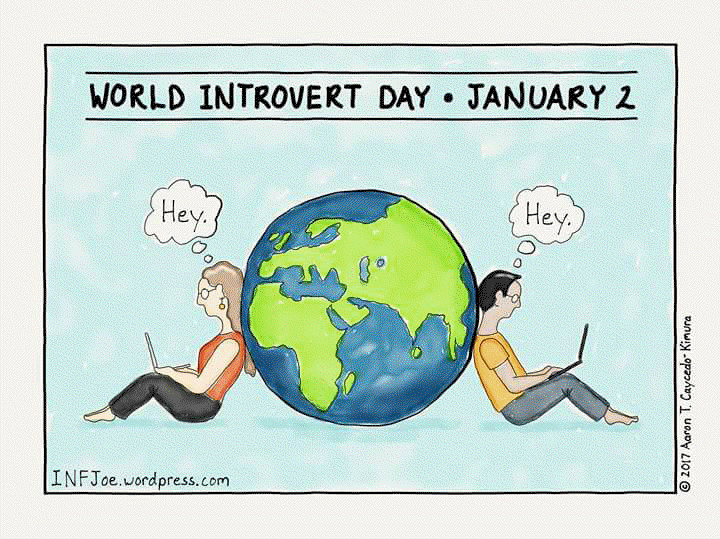
May we celebrate together, but alone and separately. Talk to you tomorrow because I’m not talking today.
It’s my favorite holiday after just suffering through Christmas and New Years. I can be alone today. Somewhere out there (although probably quiet) my fellow souls finally have some joy. It’s doubtful others will hear about it as we don’t boast, and other times you can’t get a word in edge wise for all the yapping.
I know and so do others.
PS, I’m not an INFJ.
This next one is me. I’m always in the back, next to the door so I can leave if I need to escape or panic
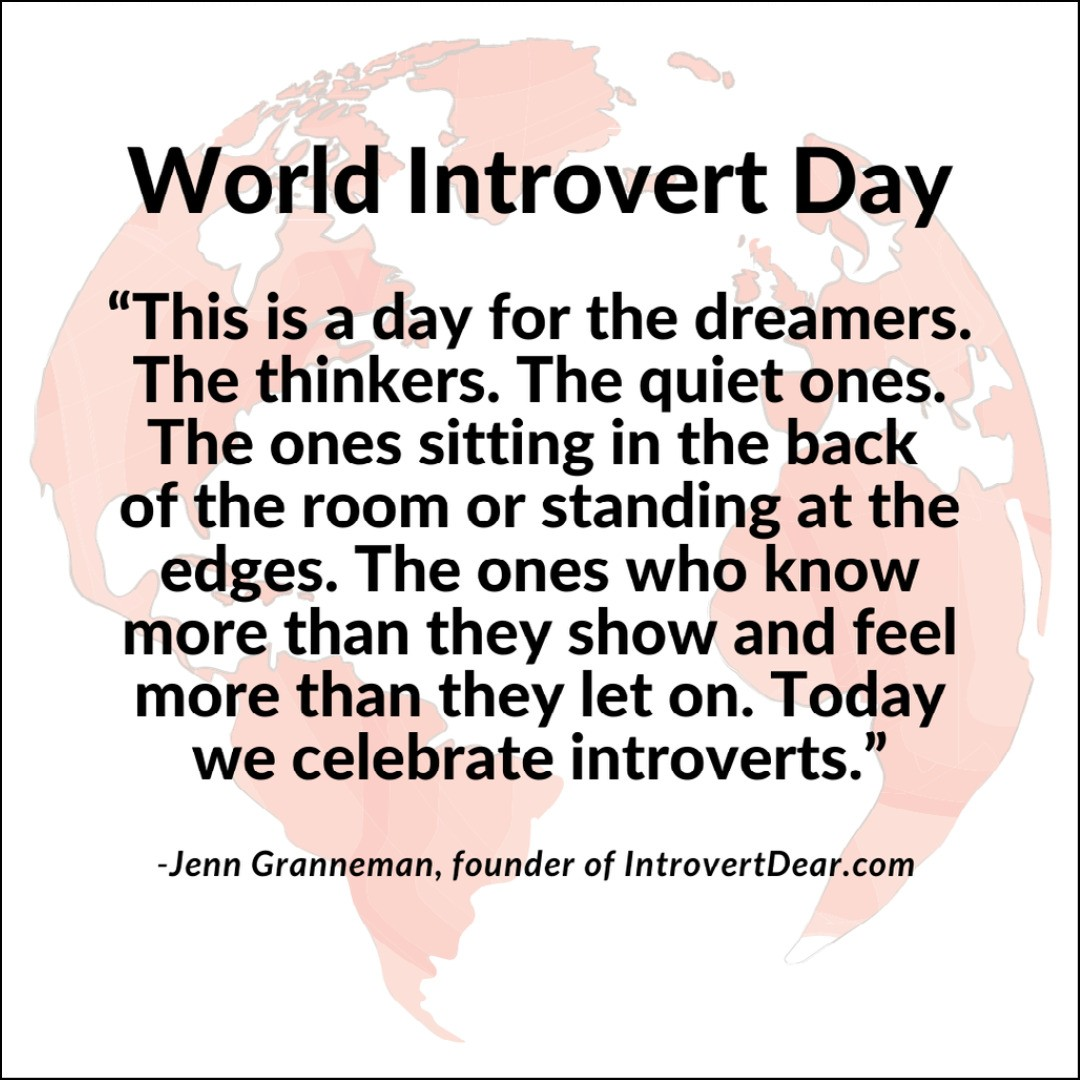
I had to learn how to do this to get by in life. I never liked it.

I listen to girls of all ages talk about food, shopping, clothes and just about anything and anybody. I have watched my wife’s relatives in Denmark deal in Janteloven. It’s where they talk about anything to not go below the surface which might “upset someone’s feelings” for being different. It is tedious. The lack of depth is a waste of time for me.
I ran out of gas to put up with that in life, that or patience. Jenn is right. I don’t have the energy for it anymore.
The other side is also right though. If it is deep conversation about an actual topic with depth and I can talk for a long time. The problem usually is finding someone with my interests or interest level. Even then, I run out of gas a lot sooner than an extrovert.
I tried to keep up with extroverts when I had to get by in life. Now that I’m retired and don’t have to work, find a wife or any of the young person problems, I bail on these conversations. I’ll listen, shake my head and say yes, no, great, sure or other comments, but mostly I just want it to stop. I don’t want to open the door to it going on any longer than it has to.
Me when we have company, or when I have to go somewhere. Where is the escape hatch.
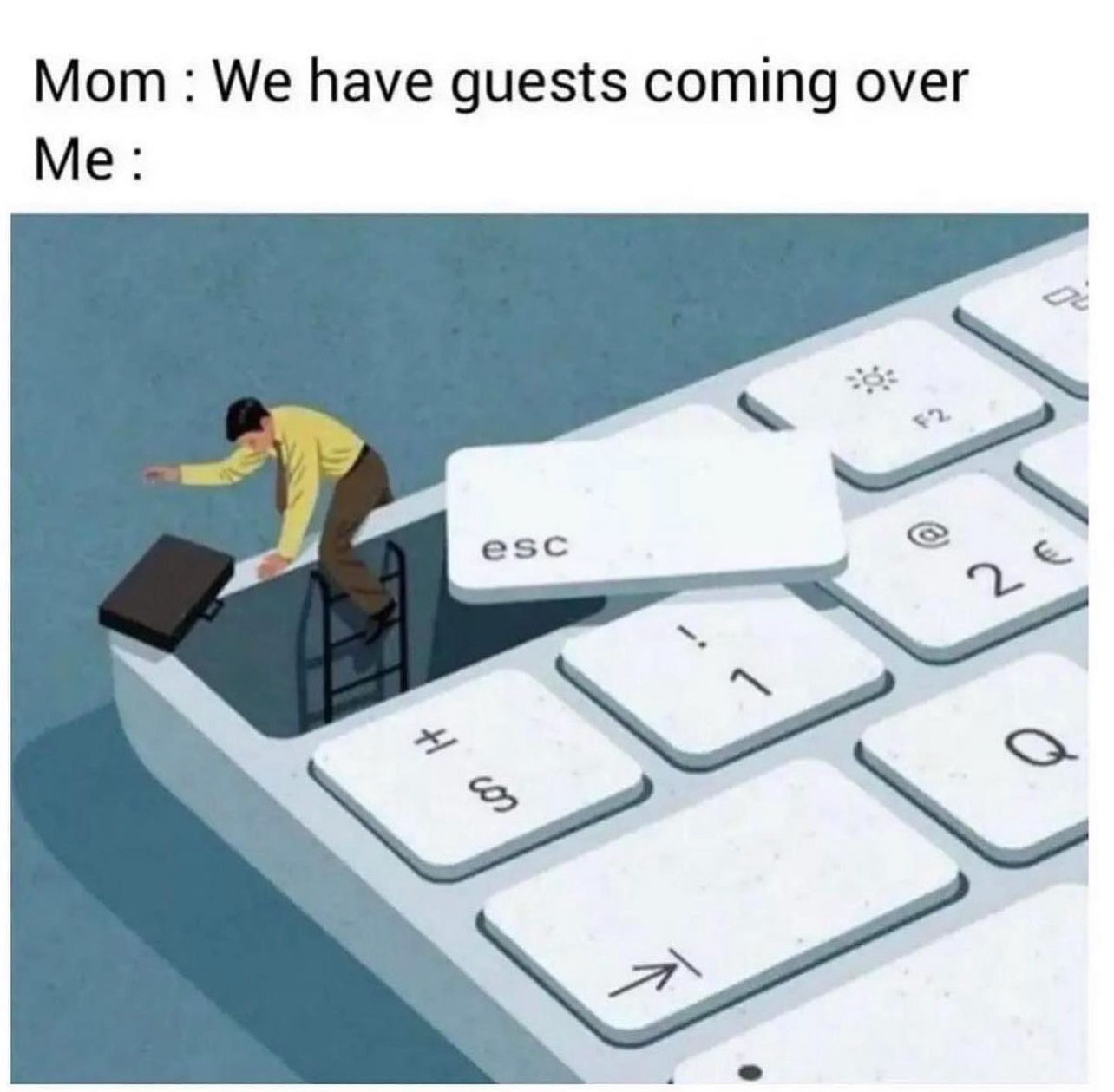
Here’s how I deal with small talk
And unfortunately, how my mind beats me up for good and bad memories. The good never seems to make as much of an impression as the bad.


If I can’t get out of going to a social event (forget parties), this is my next best option.

I’ve done it on dates also.
I hit on a girl in one of my classes in college because she was kind of cute and noticeably large casaba’s. To this day, it was the most boring date of my life. I thought she didn’t like me, but I found out she was just uninteresting. We went to dinner where I thought we could at least talk about the class we just finished.
She appeared in the school magazine 40 years later doing turtle research and guess what? She never got married. Others must have found out what I did.
I didn’t take her for being a switch hitter, so she just didn’t try. I can’t even call her an introvert as I saw her talk in class for a whole semester.
I didn’t have a hard time carrying on back then as those were my drinking years. I tried to keep it going and had other plans (dancing I believe) later that night but took her home. It was going nowhere and I was tired of trying. I dated a lot and was in my prime so a lot of others at least did their part in trying to keep it going.
After going home, I went out with my friends to a bar later to brag that I got out of one of the worst dates of my life.
Now, I don’t drink anymore and I get out of banal socializing as often as I can before it happens. I like this method best.
By chance I have to go, I know where the bathroom is and play with the pets.
Still, leaving is usually my favorite part of going to these.
A close second is not talking, or on the phone.

I’m way happier when plans cancel than when they are made. It seems my social batter starts draining the minute I have to make them.
I get a turbo boost if they get cancelled and I get the time back.
It’s getting to where you don’t have to talk much on the phone. I’ve got 3 spam blockers so I don’t even have to suffer through that anymore.
Still, if you have to make the call, leaving a message is the best outcome.
See me for more help.
(hat tip woosterman)
I may not say it (all the time) out loud, but you can bet I say it in my head.


I don’t really have social anxiety, I just don’t want to small talk and waste time. Hello is a perfectly good conversation.
I’ve seen people I like at the store and still went either to the next aisle, the other side of the store or just out. I’m not there to talk. I usually have music going in my ears anyway.
If I actually wanted to talk, I or the other person would have already texted.
The worst is chatty girls who talk to you like you were their girlfriend. If you understood men, you wouldn’t do this. We’d appreciate that more that a lot of things.
This is the opposite of a hall meeting at work. I didn’t always avoid them as you could get done in 5 minutes what normally took an hour out of your day. It’s the lesser of 2 evil’s if you have to see someone. Do it for the minimal time possible. I didn’t want to see them either, but this kept it to a minimum.
Sometimes I like them and just can’t stand to be around them. It’s the way it is. People I don’t speak with don’t think about this, but here is the answer in case you stumble on this post.
No one is exempt, past friends, relatives, schools, you name it. If we were friends, we would be and you’d know it. I won’t say anything or be mean, I just won’t spend time pretending on social banter because everyone is supposed to.
I was reading a few years back and saw this gem. It was around Christmas time of year and I was fatiguing from the festivities.
For me, that is one of the worst times of the year. The fake happy from people who’s true nature I know is difficult to take. I see it anywhere I go
As I thought about it, I realized that it is so true. It’s really why I don’t go to many social events, especially Christmas parties.
I got tired of pretending to be social and/or having a good time, all they while wishing I could leave. Hell, I usually plan leaving before I go.
Most socials are like fakebook posts. Tell as much as you can about yourself to get likes.
Conversation should be about asking others about them and what is important that they would like to talk about. What I watch is people waiting for a response so that they can talk again. I don’t even try and a lot of time. I’ll just see how long people will talk about themselves and see if I can not say anything. They rarely notice. I won’t offer any information unless I think someone truly cares, but that’s only if I had to go and I’ve already got my exit plan in place.

Being an introvert, I get along well with pets, especially dogs, and surprisingly little kids.
The kids thing is they haven’t been ruined by adults yet, and are sort of like pets.
It’s people I have the most trouble with. Most of that trouble is just not wanting to be around them or small talk if I don’t have to.
Pets are great and we understand each other.
I start planning my escape the minute I hear that I can’t get out of an event. I just want to minimize the pain of small talk and social crap. This even if I like the people.
It has nothing to do with Covid. My social energy battery starts draining as soon as I hear I have to go.
I can spend endless time however one on one with someone that I can have a deep conversation with, or a dog.
There are a lot of jokes about extroverts adopting introverts and so forth, but the answer on really how to get to know one is less obvious to the world. It is clear as a bright sunshine day to introverts.
I know I have little patience for small talk. I don’t want to hear about surface level nonsense that is mostly irrelevant. It becomes a Facebook discussion on saying anything you can to get the most likes in the conversation.
That is a social rule that was written by extroverts because they are louder and dominate the discussions. When the yapping starts, I watch the introverts shutting down. It is mentally draining. It takes me days to recover from having to listen to this.
I’d rather just not talk and I don’t go to a lot of things just to not to have to hear it. I like the people, but the energy draining isn’t worth it.
On the other hand, if you want to talk about something meaningful, watch me open up. We don’t have to talk about derivative equations, but cut the shit and meaningless banter. I have a great depth of knowledge on many subjects and enjoy the conversation that is intellectually stimulating.
Fortunately, I am not bound by whether someone likes me for what I say or comply to. There are a lot of times I’m grateful that someone thinks I may be anti-social because I don’t want to listen to gossip. It’s usually a hate fest anyway.
I had an oncologist tell me that girls will tell other girls how good they look when it is awful, just so they will wear it and look bad. How effed up is that? They hate each other and I don’t want to hear about it.
So get to know me. That is two fold. Don’t gossip or try to keep the conversation going for the sake of talking. The other is try to go below the surface and show that you have thoughts about something sincere, really anything. Try pets for example. How tough is that?
I’ll do my part and even put up with the introductory small talk to get to know you, but if it doesn’t go past that very soon and you start repeating the same thing, or if it’s just trashing someone else, I’m out.
I develop Mauerbauertraurigheit (definition and discussion here) quickly and am gone.

I’m busy researching something else to write about the Covid Jab ingredients and why they created the formula a certain way, so I’m somewhat apathetic about being clever today. Enjoy this one for now.
I will say this is how I feel about small talk though. Introverts will get that.
I have to talk to someone from my past soon. I hope to clear the BS out of the way and have an actual conversation, but it will depend on them. Otherwise, I’m shutting it down and giving them best wishes, also known as I’ll let you go now.
“The time to stop talking is when the other person nods his head affirmatively but says nothing.” – Henry S. Haskins
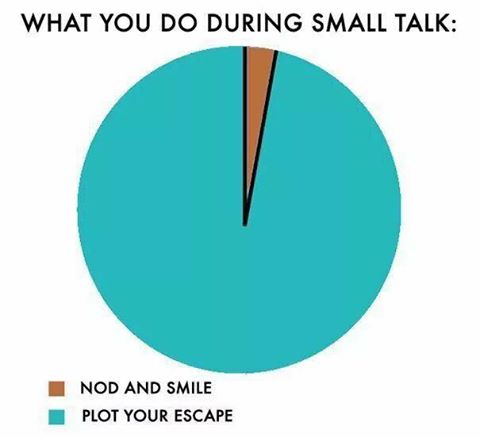
Actually, this is a daily double because Mark Twain quoted the title. I can’t count the times in my life that I wish I hadn’t said what came out.
This will serve you well in negotiations. At the time to close the sale, any sales person will tell you the first person to talk loses. The sale could be a business plan, a product or yourself to a company or a promotion.
This is the most obvious thing possible for introverts. As others drone on in mindless small talk, they have already begun a new adventure in their minds. Yes, they nod and perhaps might give a monosyllabic answer to the conversation but it is likely they left a while ago.
It is a matter of politeness, not what the other person is doing by talking too much and too long. Note: it is not being mean, it is how minds work. It happens unintentionally. It is why one should take this saying to heart. Read the last sentence.
Of course introverts will talk endlessly on a deep subject or something of importance, when we find someone who cares. The difference is that when others are nodding or giving one word answers, the conversation is over because we can read body language better than most.
The biggest benefit of not always talking is you never have to take back something you said.
Others won’t avoid you if you read their signals and stop talking. I’ve seen it too many times at work, at school and in social outings.
This eventually includes everyone, not just the introverts.
I have noticed that nothing I never said ever did me any harm. – Calvin Coolidge
I heard another version that went never miss a good opportunity to shut up.
I liked how Coolidge spoke after he thought. That way, he didn’t have to say that much and got right to the point. Others knew he wasn’t going to waste their time with BS so when he talked, they listened.
Still, most of you, cut the crap and the small talk. It’s a waste of time and is annoying.
You can’t build a reputation on what you are going to do.” – Henry Ford
It’s true, you can really only promise to do something once and get fully believed, unless you do what you promised.
The bane of Introverts is small talk and inevitably, during small talk comes promises or boasting of things one will absolutely do. I’m more surprised when they actually do what is promised than by the cheap words now.
Yes, you are being judged by what you do, and probably fairly. Don’t make a promise you can’t keep. Better yet, keep your mouth shut unless you’ve already delivered on the promise.



















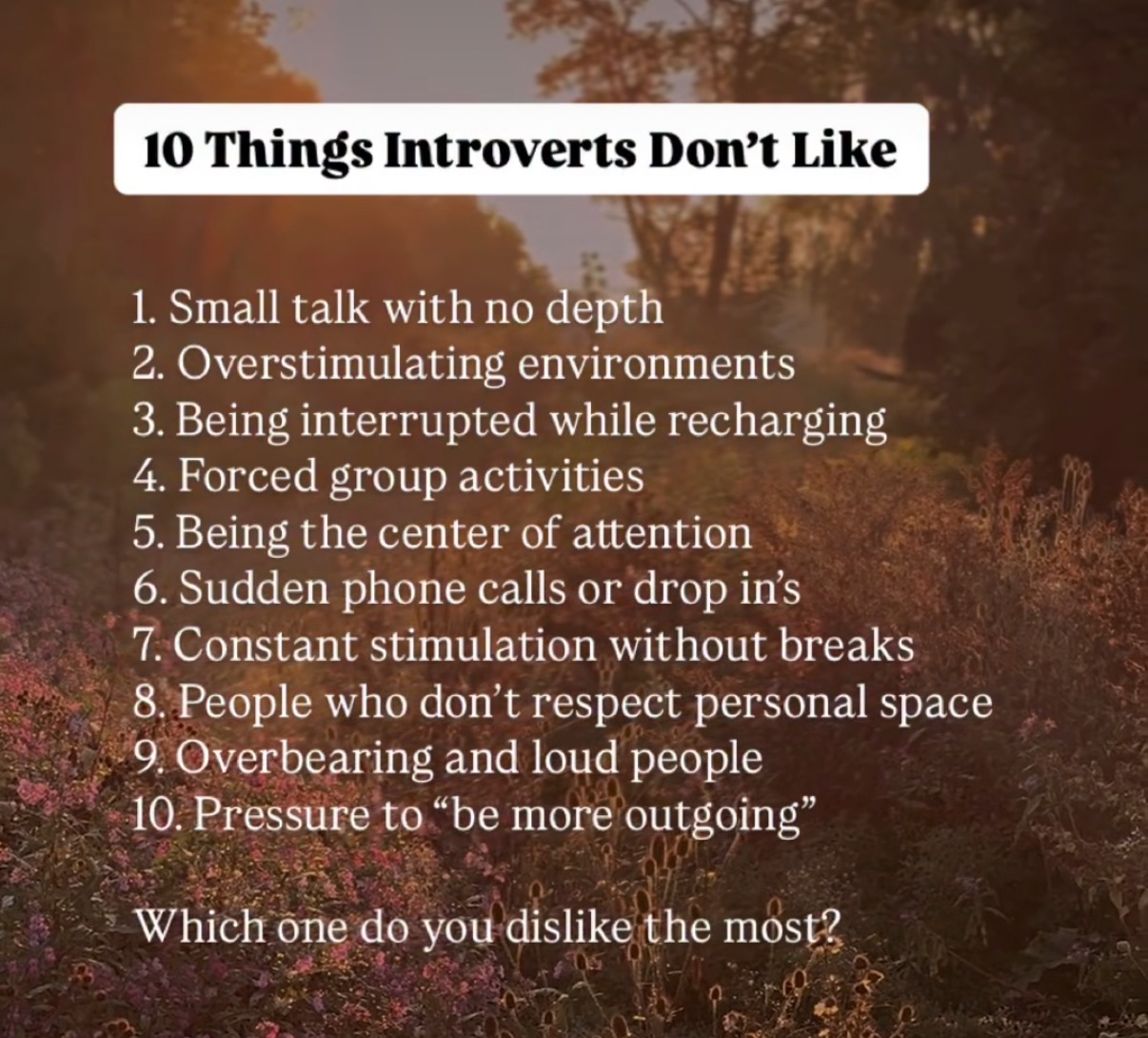












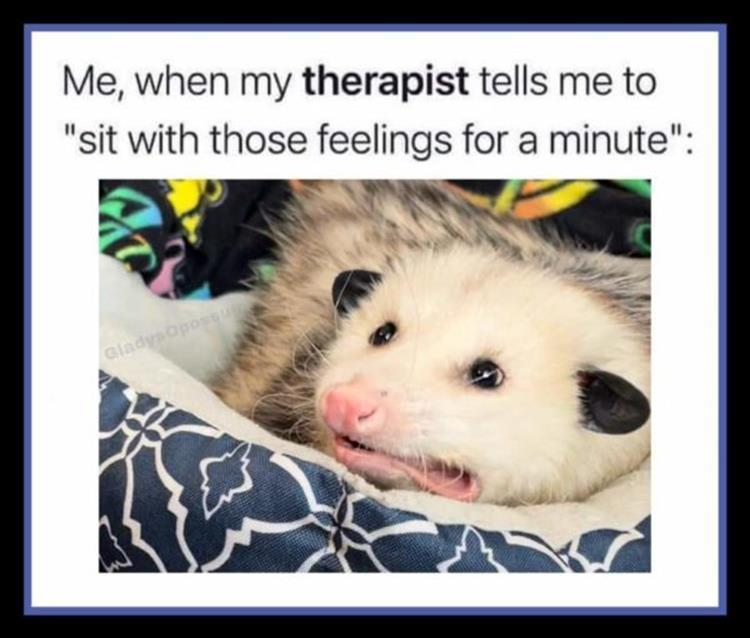
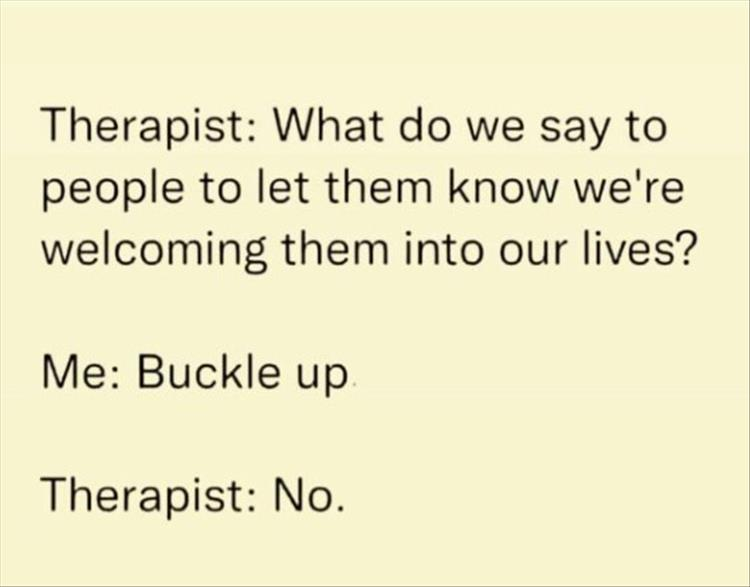


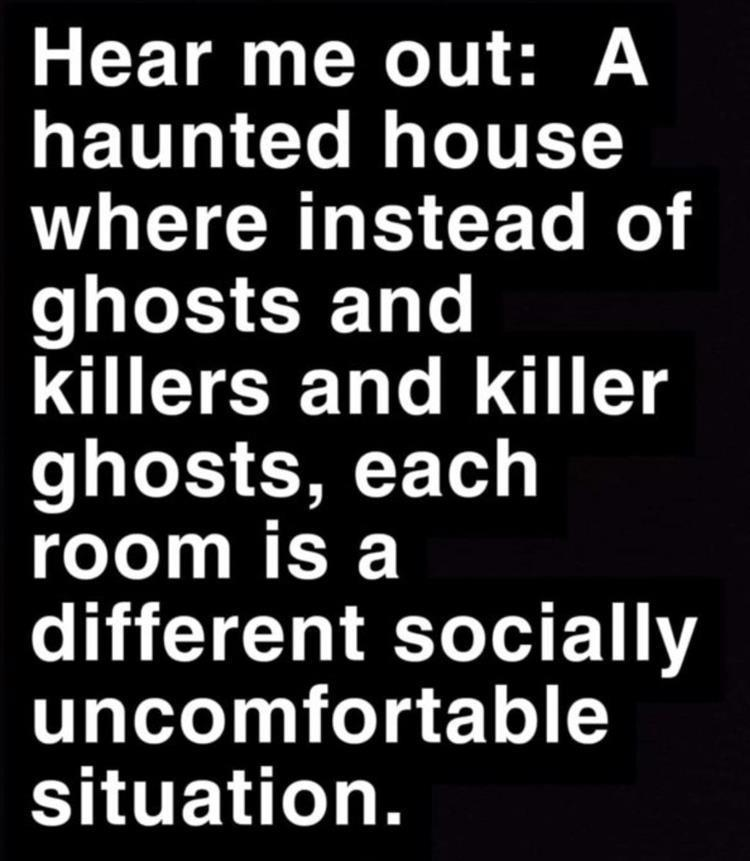




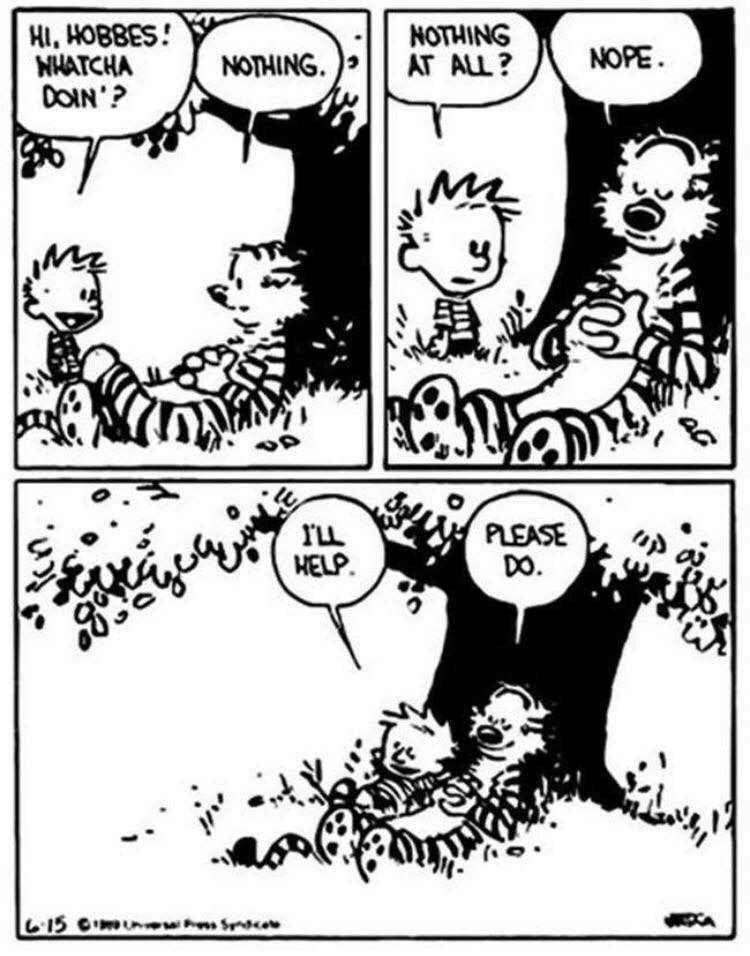

 Delusions of Adequacy