Like Most Of Covid, The PCR Test Proved To Be Wrong And Inaccurate For Testing Results

They lied about Gain of Function. They lied about the vaccine being safe and effective for preventing Covid-19. They lied that it would prevent the spread. They lied that masks would work. They lied that you had to be jabbed to keep your job.

Now, the test results show that the PCR test to detect Covid-19 was just as big of a lie. The results were fake and mostly wrong.


We all remember mid-2020 through all of 2021 when every news channel, it seemed, had a running scoreboard with the daily infections and daily deaths allegedly caused by COVID-19, remaining pinned as a sidebar even when the stories being covered were wholly independent from the ‘pandemic’.

The entire COVID-19 hysteria was exacerbated by widespread testing at the urging of global non-profits and non-governmental organizations and at the U.S. taxpayers’ expense.  So long as the Mockingbird Media could increment those “Daily Infected” numbers each night for primetime television.

Scientific organizations such as Science.org criticized the U.S. for inadequate testing in late February 2020, comparing the 1.6 million tests-per-week capability of China with just “459 tests since the epidemic began” in the United States.

That publication went as far as quoting an In-Q-Tel employee, Luciana Borio, saying that the “CDC normally ‘gets the ball rolling’ with diagnostics because it has the expertise and the biosafety laboratories to handle dangerous novel level pathogens.  In-Q-Tel was the “first government-sponsored venture capital firm” chartered by the Central Intelligence Agency.

A PubMed editorial in December 2020 stated that, “The number of positive molecular diagnostic tests, which are largely based on real-time (RT) PCR assays that detect genetic material of the causative agent severe acute respiratory syndrome coronavirus 2 (SARS-CoV-2), still forms the basis for reporting both symptomatic and asymptomatic cases worldwide.”

The Nobel Prize-winning biochemist who invented the polymerase chain reaction (PCR) in 1983 had previously warned several times that PCR “can find almost anything in anybody”.  Of course these statements were quickly “fact-checked” and “debunked” by outlets like USAToday and The Journal, mainly claiming the cited quotes were “missing context” and that Mullis was specifically referring to the HIV virus and that “health experts say PCR tests are accurate and reliable in detecting COVID-19.”

But a new study out of Germany suggests the testing and dramatic sidebar counters were (mostly) wrong.

Last month, Frontiers in Epidemiology released a peer-reviewed study that obliterated the COVID-19 infection claims that were promulgated to the masses via mainstream news ‘sidebars’ and daily reports on new infections.

According to the report:

We analyzed the ALM-observed week-resolved time courses of test-positive fractions of PCR and IgG tests… Specifically, we show that scaling and shifting the cumulative sum of previous PCR-positive fractions effectively reproduces the time course of the IgG-positive fraction. The value of 0.14 found for the fitted scaling parameter means that only 14% of those who were tested PCR-positively actually became infected with SARS-CoV-2. This parameter fit further implies that a quarter of the German population already carried IgG antibodies from natural infections in their blood at the turn of the year from 2020 to 2021.

The Summary and Conclusion states that:

The principal finding from our analysis of ALM data on both nucleic acid amplification (PCR from mucosal swabs) and IgG antibody (serological) testing for SARS-CoV-2 in Germany between mid-March 2020 and summer 2021 is this: only 14%—and possibly even fewer, down to 10%—of individuals identified as SARS-CoV-2-positive via PCR testing were actually infected, as evidenced by detectable IgG antibodies.

…This evidence-based and representative serological signal was disregarded in favor of relying on the weekly absolute number of positive PCR tests—the so-called “7-day incidence” (“Sieben-Tage-Inzidenz”). Unequivocally, this definition of incidence yields a scientifically meaningless figure in the context of infection dynamics, as it depends entirely on the arbitrary (or imposed) number of PCR tests performed. It is therefore not an objective indicator of epidemiological reality, but an administratively imposed figure—more reflective of political will than scientific rigor. Yet, incomprehensibly, this 7-day incidence metric was even incorporated into the German Infection Protection Act (“Infektionsschutzgesetz”) as the quantitative foundation for imposing highly restrictive public health measures. The methodological shortcomings and institutional processes that enabled its elevation to policy status demand critical re-evaluation—not only to prevent similar errors in the future, but to restore trust in evidence-based public health governance.

This German study tears apart the force-fed narrative.  The PCR numbers were as fake.  They were used to scare people and justify draconian lockdowns that greatly increased the financial gaps in society, hammering down the middle and lower class while creating exorbitant wealth for the top corporate oligarchs.

More

None of us who didn’t take it regret that we aren’t jabbed.

Mid-Day Headlines: Naked Bike Rides, Drone Wars, The Cast Of Ferris Bueller Today, Digital ID Card Psyop…..and more

War

US Spy Jet Circles Russia Amid Drone War Fears

World War II-Era German Bunker Found Beneath Couple’s Home

Literacy

The dawn of the post-literate society…An Intellectual Tragedy

Entertainment

The Cast of ‘Ferris Bueller’s Day Off,’ Then and Now…

Pets

‘Where’s Your Mama?’: Dog Steps In After Deputy Launches Search For Missing Elderly Woman

Europe

Everything Is Going Wrong For Europe’s Liberal Darling President

BMW Shares Post Sharpest Drop In Year After Profit Warning; Citi Flags China Troubles As Potentially “Irreversible” – I’d rather drive a Porsche anyway.

UK

The BritCard Digital ID PsyOp – Covid lockdowns were just a trial run I guess

Health

Americans Want COVID-19-Era Policies to Sunset, Poll Finds – We didn’t want them to start

Terrorism

Another leftist-terrorist arrested for trying to blow up a church in DC where SCOTUS justices were planning to attend – Who’s causing the violence, despite the rhetoric?

Artificial Intelligence

Could AI’s Growing Thirst For Water Usher In Localized Resource Wars 

Antifa

Portland to Deploy Naked Bike Ride Against National Guard – Oh that’s going to scare them, but then I’ve been to Portland, it actually might scare them

Architect of COVID Policy Deborah Birx Now Admits Covid “Vaccines” Not Only Did Not Prevent Infections, But Were Never Even Designed to Prevent Infections; Admits “Vaccine” Only Should Have Been Given to Older/High-Risk People

The Vigilant Fox
@VigilantFox

NEW: Dr. Deborah Birx admits the COVID shots were pushed on the wrong people, saying the rollout on young people ignored the science.

Now, she tells us.

“The messenger RNA vaccine should have been rolled out for the people that were at risk for severe disease because that’s what the vaccine was developed for,” Birx said.

She also confessed the COVID shot was never “designed” to prevent infection:

“That is not what the COVID vaccine was designed to do. It wasn’t designed against infection.”

People lost their jobs under the lie that no one was safe until everyone was vaccinated.

Now, four years later, they admit young people never really needed it–and it wasn’t even designed to prevent infection.

The incredible — meaning, completely predictable — thing here is that she seems to be blaming other people for what she herself did.

For example, she says that when we say “we believe in The Science (TM)” we must actually follow the science and not just say that as a public relations tagline.

But she’s the one who pumped out a ton of lies while claiming “we believe in The Science (TM).” She is scolding us — “we” erred, she says — when she was the architect of the scheme of constant, remorseless lies and propaganda about the non-vaccines.

I didn’t lie about the non-vaccines. Why am I part of the “we” that must do better, and must tell the truth about what the science actually is instead of corrupting it into yet another Democrat Party moral blackmail propaganda point?

Note that she has already previously admitted that when Trump would give her an order to change the guidelines for “re-opening” and ending lockdowns, she would deliberately write the guidelines in such a way as to require further lockdowns, while lying to Trump to claim that she had obeyed his orders. She also admitted that she would call state and local authorities on the phone to tell them that no matter what the guidelines said, they should ignore them and continue imposing lockdowns.

story

Because They Acted Like The Sheep In Germany In the 1930’s

If you lined up to get jabbed because of what the Government lied to you about or discriminated against someone who didn’t comply, it was you.

It was a thought experiment to see how much the masses would do and comply with.

Here’s the sign at Dauchau

Here’s how the government got people to think one way about it.

Mom wanted a return to the late ’90s … and Trump, to me, seems like a return to the late ’90s. I want inappropriate jokes. I want fun.”

A Connecticut mother explained on Thursday why she voted for President Donald Trump in 2024 after casting ballots for independent candidates in 2016 and 2020.

In an appearance on journalist Mark Halperin’s “2WAY Tonight” Axios’ Trump White House reporter Marc Caputo asked a woman identified as Alex when she decided she had to vote for Trump rather than an independent candidate in the 2024 election. She cited the treatment of children and parents under former President Joe Biden’s administration as the main motivator. 

“There’s a lot of reasons, but I would say the biggest reason was what was done to my children during the Biden years regarding masks and vaccines and coming after parents,” Alex said. “A lot of what was going on in the schools. And I basically wanted a return to the late ’90s … and Trump, to me, seems like a return to the late ’90s. I want inappropriate jokes. I want fun.”

story

The COVID Cover-Up: 19 Questions We Must Answer

So here’s the deal – remember when “experts” kept telling us what to do during COVID?

Turns out they got pretty much everything wrong. Like, spectacularly wrong.

We’re talking 19 major things they completely screwed up, from how the virus spreads to whether masks actually work (spoiler alert: those cloth masks were basically fashion accessories).

Dr. Fauci is the patron saint of TERRIBLE COVID policies.

He was wrong on SO MANY POINTS. It’s time to set the record straight…

Did he get anything right?

  1. Origin of the disease—wrong
  2. Transmission—wrong
  3. Asymptomatic spread—wrong
  4. PCR testing—wrong
  5. Fatality rate—wrong
  6. Lockdowns—wrong
  7. Community triggers—wrong
  8. Business closures—wrong
  9. School closures—wrong
  10. Quarantining the healthy—wrong
  11. Impact on youth—wrong
  12. Hospital overload—wrong
  13. Plexiglass barriers—wrong
  14. Social distancing—wrong
  15. Outdoor spread—wrong
  16. Masks—wrong
  17. Variant impact—wrong
  18. Natural immunity—wrong
  19. Vaccine efficacy—wrong
  20. Vaccine injury—wrong

Last year the Norfolk Group just dropped a bomb of a document laying out all these failures. And it’s not just Monday morning quarterbacking – they’ve got the receipts. Real studies showing how natural immunity was actually legit (while Fauci pretended it didn’t exist), data proving schools could’ve stayed open (looking at you, Sweden), and evidence that maybe, just maybe, locking healthy people in their homes wasn’t the brilliant strategy they claimed.

Listen, I’m not here to say “I told you so” (okay, maybe a little), but we need to talk about this. Because if we don’t learn from how badly our “experts” messed up, we’re just asking for a repeat performance next time around. And honestly? I don’t think any of us can handle another round of plexiglass theater and double masking.

Let’s break down exactly how they got it wrong, and more importantly, why they kept doubling down even when the evidence said otherwise. Buckle up – this is gonna be a wild ride through the greatest public health face-plant in modern history.

These are the questions WE want answered!

Story and much more here

And End The War By The FDA On America

All we needed was the HCQ and Ivermectin and the Covid Jab would have never been necessary. Oh, and Covid wouldn’t have been a problem either, or masks, or lockdowns.

Let’s get rid of the EPA next

I Didn’t See This One Coming – Spiciest one-minute take on entire COVID sham: it was all about hysterical female energy…

It’s odd that a woman wrote this instead of protecting her sex, but the reality discussed here is remarkably accurate.

It kind of makes sense when you read it, but I never put the pattern together until this. Thinking with emotion rather than fact. Short term knee jerk reaction without considering the long term ramifications.

There’s an intriguing argument being made about the COVID-19 pandemic response, and it’s coming from a rather unexpected source—a woman. She suggests, in about one minute, that the entire reaction to the virus was driven by a distinctly female worldview. Honestly, this is the spiciest and best take we’ve ever seen.

Instead of a measured, data-driven approach, we saw a wave of panic wash over the entire globe, pushing us into lockdowns, school closures, and economic chaos—all based on worst-case scenarios and the inability to see beyond the immediate threat. Sadly, this is the very essence of the female reaction: focusing on the here and now without pausing to consider the bigger ramifications. It’s like the entire world was thrown into the arms of a frantic, overly protective helicopter mother who was desperate to shield her children from danger and ended up causing more harm than good.

But, instead of assessing the situation with calm and reason, the response was sheer hysteria. We shut down entire economies, isolated people from their loved ones, and wreaked havoc on children’s social, mental, and physical development—all for what? A fear-driven, knee-jerk reaction that had “hysterical woman” written all over it.

You could argue that the “woman’s worldview” is rooted in a Karen mentality that suffocates and bullies people into submission. It’s that anxious helicopters need to control everyone and everything, no matter the cost or consequences. That’s exactly what we saw unfold with COVID. And the saddest part? The men who should have known better, who should have been stronger stewards of leadership, were steamrolled by this hyper-emotional, controlling mindset, allowing the entire world to spiral into chaos and despair.

full story

How Long Until People Are Willing to Hear That Lockdown Wasn’t Worth It?

Most except the real sheep now know what a farce the lockdown, masks, and the jab were. We have Sweden which didn’t lock down and got over it quickly to compare to. The media won’t tie it to the election, but the evidence remains.

Well, some are waking up, like this:

On March 27th 1913, the population of Columbus, Ohio, started running. Afterwards, nobody was exactly sure why or when. James Thurber, the comic novelist, was a schoolboy in the town and recalled the incident in a famous article some years later. He said that perhaps it was simply someone suddenly remembering an appointment to meet his wife, and then a paperboy in high spirits joined in, and then perhaps a portly man of affairs broke into a trot, and before you knew it, the entire high street, from the union depot to the courthouse, was running. After the run had begun, people began to look for a justification, and the hubbub, the noise, eventually formed into one word: the dam had burst. Nobody stopped to point out that there was zero evidence of it having burst and that, anyway, even if it had, it could not have possibly reached Columbus, Ohio. People ran on for several more miles and then, eventually, sheepishly returned to the town. Here is the point: Thurber said that years passed before anyone dared mention it. Everyone carried on with their business as usual — and woe betide you if you made some jokey remark about the day the dam did not break.

It seems to me that we are in a very similar place with the lockdowns. Then, too, we saw herd instinct at its worst: people joining in one after another without stopping to think. It is an interesting counterfactual to ask what would have happened if the first sign of the pandemic had not been in autocratic China but in a country where lockdowns, the confinement of the entire population, would have been unthinkable — let us say if it had started in the Netherlands or Canada or somewhere. It started in China; then there was the attempt by the Italian Government to stop people moving from north to south; and then, suddenly, lockdowns, which had never been foreseen in any previous planning document, were considered a standard tool of public policy overnight. We were panicked into a response that no one had foreseen prior to those days — by shrieking broadcasters such as Piers Morgan, night after night, saying, “Why aren’t we copying these other countries?”, and all the signs up saying, “Covidiots go home” — and, rather like the people of Columbus, Ohio, we did not stop to think, and we still do not want to go back and ask whether it was justified or proportionate.

story

I like the part about Covidiots, those were the sheep who lined up like it was 1930 in Germany to do what they were told. Maybe we are finally waking up

Former NIH Director Admits No Science Behind Social Distancing

Of Course there wasn’t. It was about pushing people to see how long they would act like sheep.

(Matthew Doarnberger, Headline USA) A transcript released last week by the Select Subcommittee on the Coronavirus Pandemic revealed that scientific evidence was not behind the 6 feet of “social distancing” guideline that was issued by the National Institutes of Health during the COVID-19 pandemic.

Subcommittee chairman Brad Wenstrup, R-Ohio, released the transcript from the testimony of former NIH Director Francis Collins in which GOP lawmakers grilled him over whether there was a scientific basis to support the policy, which forced many businesses and other public facilities to make major accommodations in order to remain open.

Majority Counsel: “Do you recall science or evidence that supported the six-feet distance?”

Dr. Collins: “I do not.”

Majority Counsel: “Is that I do not recall or I do not see any evidence supporting six feet?”

Dr. Collins: “I did not see evidence, but I’m not sure I would have been shown evidence at that point.”

Majority Counsel: “Since then, it has been an awfully large topic. Have you seen any evidence since then supporting six feet?”

Dr. Collins: “No.”

more

The Insane Flip-Flops Over Vaccines, Masks And Ivermectin

This week AstraZeneca recalled its COVID-19 vaccine after admitting that it caused a ‘rare but serious’ clotting.

Then we find that former CNN host Chris Cuomo has been taking Ivermectin, after mocking people for taking ‘dewoming medication,’ leading one to wonder how many dead Americans were dissuaded from taking it during the pandemic.

And in the fullness of time, we’ve learned that vaccine maker Moderna employed a former FBI analyst to secretly police ‘vaccine misinformation,’ while the Biden White House directed virtually every social media platform to censor those questioning vaccinations. Hell, the NY Times suggested ZeroHedge was spreading misinformation for suggesting, in December of 2020, that vaccine cards would be used to track people and limit their freedom.

And now people like former NY Governor Andrew Cuomo (D) are playing the whole thing off like he wasn’t a complete iron-fisted authoritarian during the pandemic – suggesting that masks were optional.

Or Deborah Birx, who admitted she and Dr. Anthony Fauci pulled all sorts of pandemic-era lockdown protocols out of their asses, and has now remade herself into some sort of vaccine freedom advocate.

more

COVID-19 Lockdowns Linked To Memory, Cognitive Decline

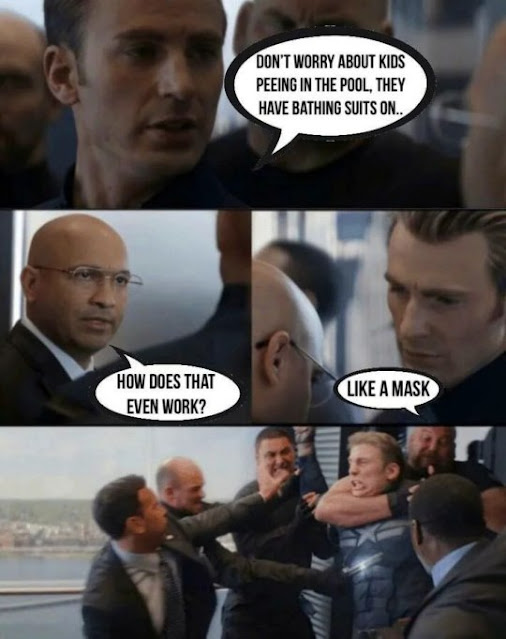
Great, wearing a mask made us even more stupid. The social media Karen’s and Chad’s are struggling for a triple digit IQ as it is. The Covid particle is so small anyway that a mask preventing Covid is as effective as a chain link fence is stopping mosquitos.

It was about controlling the masses anyway

Excerpt:

Findings from the study showed a substantial decline in executive function, which refers to higher-level cognitive skills governing control and coordination. Alongside this, the study’s cohort showed a marked decline in working memory, which is crucial for short-term memory storage and various cognitive processes.

“Significant worsening of executive function and working memory was observed in the first year of the pandemic across the whole cohort, in people with mild cognitive impairment, and in people with a history of COVID-19,” the authors wrote.

The negative impact on cognitive function persisted into the second year, notably concerning executive function across the entire cohort and working memory within specific subgroups.

Cognitive Decline

Key factors for this cognitive decline were identified via regression analyses. Those factors included the fact that, amid lockdowns, people were exercising less and consuming more alcohol across the entire cohort. These factors also contributed to more people experiencing loneliness and depression.

The authors noted that concerns were expressed about the neuropsychological effects of the pandemic social restrictions, with particular respect to the context of potentially increased dementia risk in older adults.

Story here

The Top 10 Lies Told About Covid-19

Here are the 10 biggest falsehoods—known for years to be false, not recently learned or proven to be so—promoted by America’s public health leaders, elected and unelected officials, and now-discredited academics:

1. SARS-CoV-2 coronavirus has a far higher fatality rate than the flu by several orders of magnitude.

2. Everyone is at significant risk to die from this virus.

3. No one has any immunological protection, because this virus is completely new.

4. Asymptomatic people are major drivers of the spread.

5. Locking down—closing schools and businesses, confining people to their homes, stopping non-COVID medical care, and eliminating travel—will stop or eliminate the virus.

6. Masks will protect everyone and stop the spread.

7. The virus is known to be naturally occurring, and claiming it originated in a lab is a conspiracy theory.

8. Teachers are at especially high risk.

9. COVID vaccines stop the spread of the infection.

10. Immune protection only comes from a vaccine.

Source

What if embedded in all of this is perhaps one more lie?

The greatest lie. 

The one lie to rule them all. 

This is the one that will come back to haunt us over and over if we do not call it out by name and lay plain its resounding lack of basis in fact. 

It’s the lie they have been trying to sell for decades and failing (or at least having only moderate success and thus wreaking only moderate havoc).

It’s the one lie to rule them all. The one lie to rule us all. The truly big lie constituting a forest that has been lost for the trees and perversely therefore winds up being reinforced by the very debate about the little lies. And that lie is this:

Pandemics are dangerous to modern societies.

Because the fact is that they are not. 

As was the case with the Spanish flu, perhaps the last truly high excess death global pandemic to bedevil humanity, much of the damage was done by horrible reactions. and the parallels may be more poignant than people realize.

One of the enduring causes of fear during the 1918 flu was the way that it seemed to be killing otherwise young and healthy people (especially soldiers) in a matter of days. They would be a bit, sick then suddenly die of massive organ failure and “wet hemorrhagic lungs.” The progression was incredibly fast, seemingly irreversible, and was stacking people who really ought to have been low risk in mortuaries like cordwood. This made risk, CFR, and IFR look horrifying and fear near universal. 

If it could do this to a solider in his prime in a matter of days, every last one of us should be terrified.

But this is simply not a realistic outcome. In a modern society (even pre-antibiotics) it basically doesn’t happen. These are not the pre-sanitation/most people do not get enough calories days of the Black Death. 

Diseases that kill at high percentages tend not to spread because killing the host is evolutionarily maladaptive. It’s like trying to conquer the world by burning down your own house and car. Even the really nasty historical killers like smallpox were only infecting ~400k people a year by the late 1800s and excursions above 1 death/year per 1,000 population during outbreaks were very rare not in spite of, but because the fatality rate was so high. 

But respiratory diseases are different and tend to spread far more. Fatality rates are low. The claimed Spanish flu CFR was always suspicious in this regard. And there may be a reason:

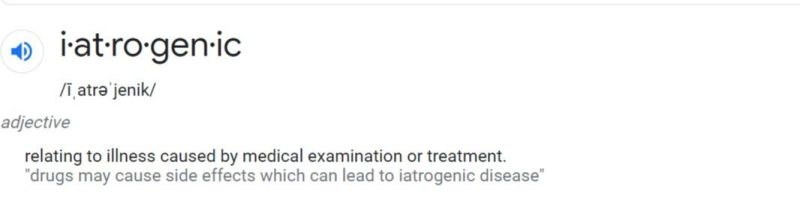
There is actually quite a lot of convincing evidence that many of the “young, healthy deaths” in Spanish flu were iatrogenic. This is a word that’s going to come up a lot and a topic that’s going to be the big field of debate around covid going forward. It’s probably one of the most important scientific questions in the world right now. So let’s define it:

iatrogenic

Loosely put, iatrogenic death is when the doctor kills you. And there is a long and unpleasant history on that one from Benjamin Rush bleeding George Washington to death to killing “witchy” cats to stop a plague carried by the fleas of the very rats they were eating to (and especially) new “wonder drugs” that are poorly understood but that rapidly go into widespread use. 

And one of those drugs was aspirin.

Aspirin had just come into widespread availability in 1918 (and Bayer was rushing it to market for the pandemic). It was the new wowie-zowie drug and doctors (and especially militaries) all over the world fell in love with it. They prescribed it widely to those with Spanish flu. In doses ranging from 8 to 31 grams per day. Oopsie.

A typical aspirin today is 325mg and max dosing per day is ~4 grams. 

A toxic dose is 200-300mg/kg of weight. That’s about 20g for a 180 pound person. 

So 31g is “You’re going to die really, really fast and there is not a damn thing anyone can do to stop it once you take that dose.”

This is why incredible caution should be exercised around large departures from tested and true medical practice and new pharma modalities and products.

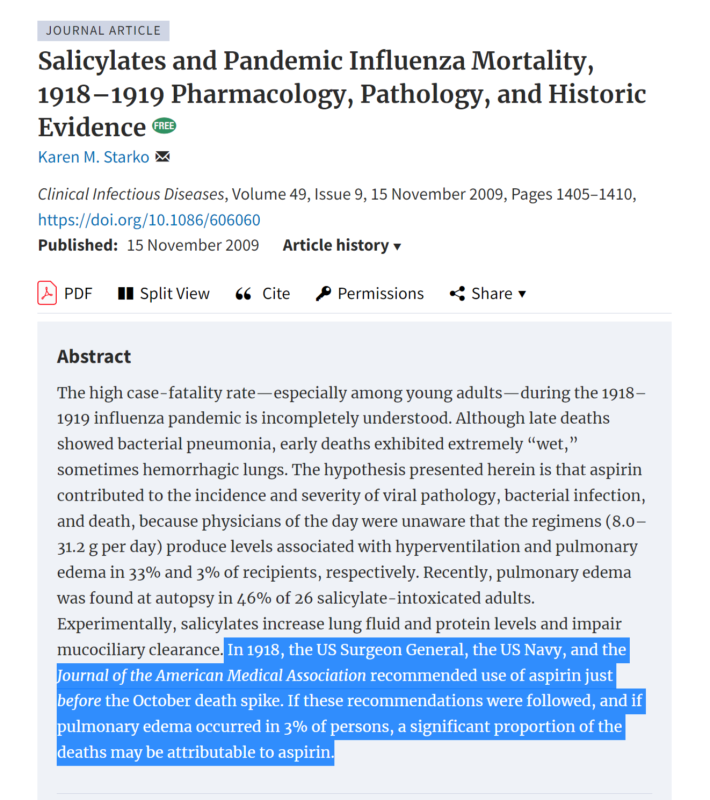
Stop me if any of this starts to sound familiar. (study HERE)

Salicylates

The unprecedented overall mortality and the mortality rate among young adults during the 1918–1919 influenza pandemic are incompletely understood. Deaths in the United States peaked with a sudden spike in October 1918. Later, Wade Hampton Frost [2] studied surveys of 8 US cities and found that, for every 1000 persons aged 25–29 years, ∼30% were infected with influenza virus, and 1% died of pneumonia or influenza. This 3% case-fatality rate has been called, “perhaps the most important unsolved mystery of the pandemic” [3, p 1022]

This case fatality rate has never looked even remotely plausible for flu. You simply do not get a respiratory disease like that in a modern (or possibly any) society, especially not in young, healthy people. It’s just not a thing. 

But widespread poisoning by well-meaning medical professionals who have no idea how dangerous the products and procedures they are playing with is.

Official recommendations for aspirin were issued on 13 September 1918 by the US Surgeon General [64], who stated aspirin had been used in foreign countries “apparently with much success in the relief of symptoms” (p 13), on 26 September 1918 by the US Navy [29], and on 5 October 1918 by The Journal of the American Medical Association [31]. Recommendations often suggested dose regimens that predispose to toxicity as noted above. At the US Army camp with the highest mortality rate, doctors followed Osler’s treatment recommendations, which included aspirin [48], ordering 100,000 tablets [65]. Aspirin sales more than doubled between 1918 and 1920 [66].Again, anyone starting to pick up a bit of a rhyme in the history here?

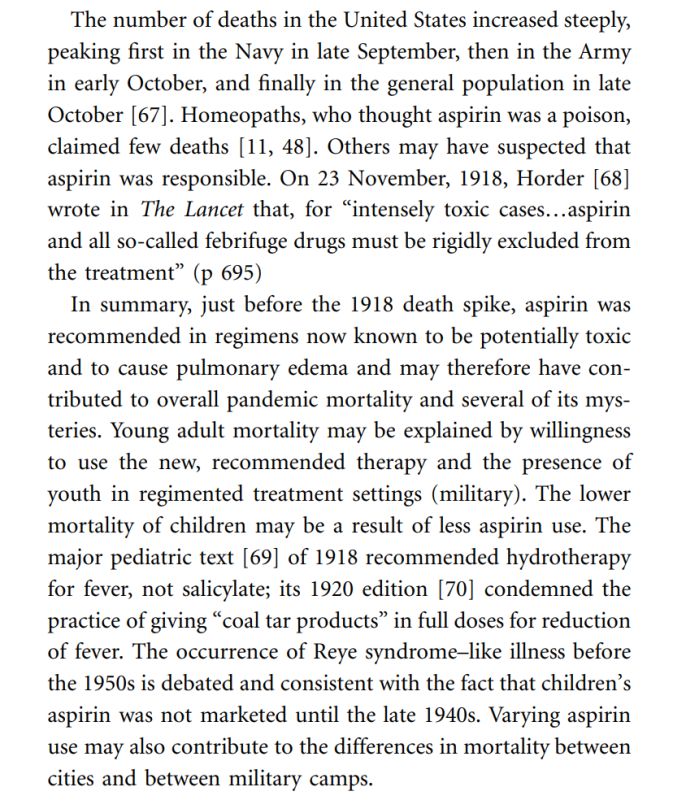
Navy Army

The similarities to recent events are more than a little striking. (Bold mine)

Autopsy reports by pathologists of the day describe extremely wet, sometimes hemorrhagic lungs in early deaths. On 23 September 1918 at Camp Devens in Massachusetts, 12,604 soldiers had influenza, and 727 had pneumonia; after examining the lungs of a dead soldier, Colonel Welch concluded, “This must be some new kind of infection or plague” [48, p 190]. What struck E. R. Le Count [49], consulting pathologist to the US Public Health Service, as most unusual was the amount of lung tissue actually “pneumonic” seemed “too little in many cases to explain death by pneumonia.” He saw a thin, watery, bloody liquid in the lung tissue, “like the lungs of the drowned,”

And as ever, bigger hammer theory tends to rise to the fore and the terrible tenet of “it’s not working so do it harder” comes into play. 

GRTWT

Forking Iceholes

Covid brought out the worst in some people. I got yelled at for riding bikes with a group of people by a Karen in a car. I said thank you out loud and fork you to myself.

Pro-Science Means Anti-Mask, The Landmark Cochrane study shows that the mask skeptics were right

More facts continue to come out about the farce that was forced on the world, the abandonment of the Scientific method and the willingness of people to become sheep.

I don’t even wonder now if what they are saying is right. I start off by assuming that if it comes from a government or media source, it is a lie, a dissembling statement about science or is a smoke screen for something else as a distraction

Here goes, by Jennifer Sey

Are you anti-mask?” “Are you anti-vax?” “Are you anti-science?”

Employees of Levi Strauss & Co repeatedly pummeled me with these questions during 2020-2022, when I was the company’s brand president. Why? I advocated in defense of children: against the masking of toddlers, against closed playgrounds and youth sports, for open public schools.

I’m not exactly sure what an anti-science person is. But that’s not me. I’m pro-science. And that’s why I’m anti-mask.

Given the findings from the recent Cochrane study, a meta-analysis summarizing seventy-eight studies including a million people, the science is now clear: “Face coverings make little to no difference” in Covid infection and fatality rates. Even when the hallowed N95 is worn.

The analysis acknowledges that “adherence” to mask-wearing was low in many studies. Harms were poorly measured and reported, but discomfort wearing medical/surgical masks or N95 respirators was mentioned in several studies.

If an intervention does not work in the real world, it doesn’t work, even if models and lab tests on mannequins say it does. Think of it this way: if a cancer drug shrinks tumors, but the side effects are so grave that no one will take it, it doesn’t work. Likewise, whatever masks may or may not do to protect inanimate mannequins in a lab, if real people in the real world don’t wear them “correctly” because they interfere with everyday interactions, they don’t work. Period.

I believe in the scientific method: make an observation. Ask a question. Form a hypothesis. Test the hypothesis. Listen to the answer. Insisting on the answer before pursuing this methodological approach is not science, it is propaganda.

And “masks work” was never more than propaganda — rooted in mechanical plausibility, not actual science — furthered by public health officials, left-leaning government leaders, the press and the party faithful starting in 2020 and continuing to the present day.

The left is holding fast to the idea that masks do work, despite all the evidence to the contrary. In fact, as of February 6, mask mandates have been reinstated at four elementary schools in Marin County, California.

And, on February 8, CDC director Rochelle Walensky explained to Congress why no random controlled trials (RCTs — the gold standard of scientific inquiry and evidence) were conducted to determine if masks prevent Covid:

I’m not sure anybody would have proposed a clinical trial because, in fact, there wasn’t equipoise to the question anymore.

Walensky’s view: we didn’t conduct any scientific inquiries because it was obvious that masks work.

This is not only circular logic, it is the antithesis of the scientific method. Belief in the effectiveness of masks has never been scientific, it was always religious in nature. It is true because I believe it is so. This religious fanaticism can be seen by the response to the Cochrane study.

The best science we have says that masks and mask mandates do not work. Nevertheless, public health officials continue to push this unscientific requirement. Most disturbingly, these true believers continue to push these “interventions” on very young children, those most at risk of harm from this policy.

Will there be redemption for those who had the audacity to challenge authoritarian public health bureaucrats? No, it seems. Will there be a change in policy now that the science is clear? Again, no, it seems.

Will there be a doubling down, with the self-proclaimed pro-“science” crowd continuing to insist masking works despite the scientific evidence showing us that they don’t? Yes. It appears so.

At Levi’s, I was forced to answer the “anti-mask, anti-vax, anti-science” questions directly in a virtual town-hall-style “apology tour” in the spring of 2021. In preparation for the session, I was told by a colleague that I needed to demonstrate to employees that I was “one of us” rather than “one of them.” I was told my views (aka questions about mask effectiveness) were in conflict with “the good-bad world we are living in.”

The “bad” people in the “bad” world think that masks might not be effective and that public school students should get to go to in-person school just like their wealthy peers attending in-person private school.

As one of “them” I was smeared as a racist, fat-phobic, unemployable villain, and was ultimately ousted from my job. After being told that there was no longer a place for me at Levi’s in January 2022, I publicly resigned. Since then, the company has justified their action by claiming that I undermined the safety of employees because I dared to challenge public health officials by asking: “Does masking young children do more harm than good?”

Here is the company statement:

When Jen went beyond calling for schools reopenings and began using her platform to criticize public health guidelines… it undermined the company’s health and safety policies.

I was billed as a public health threat and Democratic Party (“us”) infidel because I had the audacity to ask about the efficacy and possible adverse impacts of a universal masking policy for toddlers in pre-school, many of whom are just learning to talk.

Can young children even mask correctly when they still wear diapers and can’t even put on their own shoes? It is, and always was, a fair question, one rooted in both common sense and science.

As far as undermining the company’s health and safety policies, as far as I know, there are no toddlers working at Levi’s. Whose safety was being undermined by asking this very reasonable question?

What seems clear is that the enthusiastic, religious devotion to the dogma — “masks work” — signified adherence to a set of beliefs: I mask therefore I am good. I mask my children therefore I am loyal to the Democratic Party and public health diktats. I mask therefore I care. I am a loyal follower of “the Science.” My faith is unwavering.

Those who claim to be on the side of “the Science” will continue to push unscientific policies in order to prove that they were right all along. This is the sunk cost fallacy writ large. Don’t admit mistakes. Ignore the actual science in favor of “the Science.” And continue to punish those who challenge. As well as those most vulnerable who simply aren’t in a position to challenge at all.

“Science” has apparently been rebranded by the left. It is now a slogan — a tagline — shouted at heretics to signify one’s moral superiority and loyalty to the party. What we have now is “science” that ignores the scientific method, which means “the science” is a cult. And a dangerous one at that.

More Covid Mask Lies

Care of the Cochrine Library

Do physical measures such as hand‐washing or wearing masks stop or slow down the spread of respiratory viruses?

Key messages
We are uncertain whether wearing masks or N95/P2 respirators helps to slow the spread of respiratory viruses based on the studies we assessed.

Hand hygiene programmes may help to slow the spread of respiratory viruses.

How do respiratory viruses spread?
Respiratory viruses are viruses that infect the cells in your airways: nose, throat, and lungs. These infections can cause serious problems and affect normal breathing. They can cause flu (influenza), severe acute respiratory syndrome (SARS), and COVID‐19.

People infected with a respiratory virus spread virus particles into the air when they cough or sneeze. Other people become infected if they come into contact with these virus particles in the air or on surfaces on which they land. Respiratory viruses can spread quickly through a community, through populations and countries (causing epidemics), and around the world (causing pandemics).

Physical measures to try to prevent respiratory viruses spreading between people include:

· washing hands often;

· not touching your eyes, nose, or mouth;

· sneezing or coughing into your elbow;

· wiping surfaces with disinfectant;

· wearing masks, eye protection, gloves, and protective gowns;

· avoiding contact with other people (isolation or quarantine);

· keeping a certain distance away from other people (distancing); and

· examining people entering a country for signs of infection (screening).

What did we want to find out?
We wanted to find out whether physical measures stop or slow the spread of respiratory viruses from well‐controlled studies in which one intervention is compared to another, known as randomised controlled trials.

What did we do?
We searched for randomised controlled studies that looked at physical measures to stop people acquiring a respiratory virus infection.

We were interested in how many people in the studies caught a respiratory virus infection, and whether the physical measures had any unwanted effects. 

What did we find?
We identified 78 relevant studies. They took place in low‐, middle‐, and high‐income countries worldwide: in hospitals, schools, homes, offices, childcare centres, and communities during non‐epidemic influenza periods, the global H1N1 influenza pandemic in 2009, epidemic influenza seasons up to 2016, and during the COVID‐19 pandemic. We identified five ongoing, unpublished studies; two of them evaluate masks in COVID‐19. Five trials were funded by government and pharmaceutical companies, and nine trials were funded by pharmaceutical companies.

No studies looked at face shields, gowns and gloves, or screening people when they entered a country.

We assessed the effects of:

· medical or surgical masks;

· N95/P2 respirators (close‐fitting masks that filter the air breathed in, more commonly used by healthcare workers than the general public); and

· hand hygiene (hand‐washing and using hand sanitiser). 

We obtained the following results:

Medical or surgical masks

Ten studies took place in the community, and two studies in healthcare workers. Compared with wearing no mask in the community studies only, wearing a mask may make little to no difference in how many people caught a flu‐like illness/COVID‐like illness (9 studies; 276,917 people); and probably makes little or no difference in how many people have flu/COVID confirmed by a laboratory test (6 studies; 13,919 people). Unwanted effects were rarely reported; discomfort was mentioned.

N95/P2 respirators

Four studies were in healthcare workers, and one small study was in the community. Compared with wearing medical or surgical masks, wearing N95/P2 respirators probably makes little to no difference in how many people have confirmed flu (5 studies; 8407 people); and may make little to no difference in how many people catch a flu‐like illness (5 studies; 8407 people), or respiratory illness (3 studies; 7799 people). Unwanted effects were not well‐reported; discomfort was mentioned.

Hand hygiene

Following a hand hygiene programme may reduce the number of people who catch a respiratory or flu‐like illness, or have confirmed flu, compared with people not following such a programme (19 studies; 71,210 people), although this effect was not confirmed as statistically significant reduction when ILI and laboratory‐confirmed ILI were analysed separately. Few studies measured unwanted effects; skin irritation in people using hand sanitiser was mentioned.

What are the limitations of the evidence?
Our confidence in these results is generally low to moderate for the subjective outcomes related to respiratory illness, but moderate for the more precisely defined laboratory‐confirmed respiratory virus infection, related to masks and N95/P2 respirators. The results might change when further evidence becomes available. Relatively low numbers of people followed the guidance about wearing masks or about hand hygiene, which may have affected the results of the studies. 

How up to date is this evidence?
We included evidence published up to October 2022.

Authors’ conclusions

Implications for practice

The evidence summarised in this review on the use of masks is largely based on studies conducted during traditional peak respiratory virus infection seasons up until 2016. Two relevant randomised trials conducted during the COVID‐19 pandemic have been published, but their addition had minimal impact on the overall pooled estimate of effect. The observed lack of effect of mask wearing in interrupting the spread of influenza‐like illness (ILI) or influenza/COVID‐19 in our review has many potential reasons, including: poor study design; insufficiently powered studies arising from low viral circulation in some studies; lower adherence with mask wearing, especially amongst children; quality of the masks used; self‐contamination of the mask by hands; lack of protection from eye exposure from respiratory droplets (allowing a route of entry of respiratory viruses into the nose via the lacrimal duct); saturation of masks with saliva from extended use (promoting virus survival in proteinaceous material); and possible risk compensation behaviour leading to an exaggerated sense of security (Ammann 2022Brosseau 2020; Byambasuren 2021Canini 2010Cassell 2006Coroiu 2021MacIntyre 2015Rengasamy 2010Zamora 2006).

Our findings show that hand hygiene has a modest effect as a physical intervention to interrupt the spread of respiratory viruses, but several questions remain. First, the high heterogeneity between studies may suggest that there are differences in the effect of different interventions. The poor reporting limited our ability to extract the information needed to assess any ‘dose response’ relationship, and there are few head‐to‐head trials comparing hand hygiene materials (such as alcohol‐based sanitiser or soap and water). Second, the sustainability of hand hygiene is unclear where participants in some studies achieved 5 to 10 hand‐washings per day, but adherence may have diminished with time as motivation decreased, or due to adverse effects from frequent hand‐washing. Third, there is little evidence about the effectiveness of combinations of hand hygiene with other interventions, and how those are best introduced and sustained. Finally, some interventions were intensively implemented within small organisations, and involved education or training as a component, and the ability to scale these up to broader interventions is unclear. 

Our findings with respect to hand hygiene should be considered generally relevant to all viral respiratory infections, given the diverse populations where transmission of viral respiratory infections occurs. The participants were adults, children and families, and multiple congregation settings including schools, childcare centres, homes, and offices. Most respiratory viruses, including the pandemic SARS‐CoV‐2, are considered to be predominantly spread via respiratory particles of varying size or contact routes, or both (WHO 2020c). Data from studies of SARS‐CoV‐2 contamination of the environment based on the presence of viral ribonucleic acid and infectious virus suggest significant fomite contamination (Lin 2022Onakpoya 2022bOng 2020Wu 2020). Hand hygiene would be expected to be beneficial in reducing the spread of SARS‐CoV‐2 similar to other beta coronaviruses (SARS‐CoV‐1, Middle East respiratory syndrome (MERS), and human coronaviruses), which are very susceptible to the concentrations of alcohol commonly found in most hand‐sanitiser preparations (Rabenau 2005WHO 2020c). Support for this effect is the finding that poor hand hygiene, despite the use of full personal protective equipment (PPE), was independently associated with an increased risk of SARS‐CoV‐2 transmission to healthcare workers in a retrospective cohort study in Wuhan, China in both a high‐risk and low‐risk clinical unit for patients infected with COVID‐19 (Ran 2020). The practice of hand hygiene appears to have a consistent effect in all settings, and should be an essential component of other interventions.

The highest‐quality cluster‐RCTs indicate that the most effect on preventing respiratory virus spread from hygienic measures occurs in younger children. This may be because younger children are least capable of hygienic behaviour themselves (Roberts 2000), and have longer‐lived infections and greater social contact, thereby acting as portals of infection into the household (Monto 1969). Additional benefit from reduced transmission from them to other members of the household is broadly supported by the results of other study designs where the potential for confounding is greater.

Routine long‐term implementation of some of the interventions covered in this review may be problematic, particularly maintaining strict hygiene and barrier routines for long periods of time. This would probably only be feasible in highly motivated environments, such as hospitals. Many of the trial authors commented on the major logistical burdens that barrier routines imposed at the community level. However, the threat of a looming epidemic may provide stimulus for their inception.

Implications for research

Public health measures and physical interventions can be highly effective to interrupt the spread of respiratory viral infections, especially when they are part of a structured and co‐ordinated programme that includes instruction and education, and when they are delivered together and with high adherence. Our review has provided important insights into research gaps that need to be addressed with respect to these physical interventions and their implementation and have been brought into a sharper focus as a result of the COVID‐19 pandemic. The 2014 WHO document ‘Infection prevention and control of epidemic ‐ and pandemic‐prone acute respiratory infections in health care’ identified several research gaps as part of their GRADE assessment of their infection prevention and control recommendations, which remain very relevant (WHO 2014). Research gaps identified during the course of our review and the WHO 2014 document may be considered from the perspective of both general and specific themes.

A general theme identified was the need to provide outcomes with explicitly defined clinical criteria for acute respiratory infections (ARIs) and discrete laboratory‐confirmed outcomes of viral ARIs using molecular diagnostic tools which are now widely available. Our review found large disparities between studies with respect to the clinical outcome events, which were imprecisely defined in several studies, and there were differences in the extent to which laboratory‐confirmed viruses were included in the studies that assessed them. Another general theme identified was the lack of consideration of sociocultural factors that might affect adherence with the interventions, especially those employed in the community setting. A prime example of this latter point was illustrated by the observations of the use of masks versus mask mandates during the COVID‐19 pandemic. In addition, the cost and resource implications of the physical interventions employed in different settings would have important relevance for low‐ to middle‐income countries. Resources have been a major issue with the COVID‐19 pandemic, with global shortages of several components of PPE. Several specific research gaps related to physical interventions were identified within the WHO 2014 document and are congruent with many of the findings of this 2022 update, including the following: transmission dynamics of respiratory viruses from patients to healthcare workers during aerosol‐generating procedures; a continued lack of precision with regards to defining aerosol‐generating procedures; the safety of cohorting of patients with the same suspected but unconfirmed diagnosis in a common unit or ward with patients infected with the same known pathogen in healthcare settings; the optimal duration of the use of physical interruptions to prevent spread of ARI viruses; use of spatial separation or physical distancing (in healthcare and community settings, respectively) alone versus spatial separation or physical distancing with the use of other added physical interventions coupled with examining discrete distance parameters (e.g. one metre, two metres, or > two metres); the effectiveness of respiratory etiquette (i.e. coughing/sneezing into tissues or a sleeved bent elbow); the effectiveness of triage and early identification of infected individuals with an ARI in both hospital and community settings; the utility of entrance screening to healthcare facilities; use of frequent disinfection techniques appropriate to the setting (high‐touch surfaces in the environment, gargling with oral disinfectants, and virucidal tissues or clothing) alone or in combination with facial masks and hand hygiene; the use of visors, goggles or other eyewear; the use of ultraviolet light germicidal irradiation for disinfection of air in healthcare and selected community settings; the use of air scrubbers and /or high‐efficiency particulate absorbing filters and the use of widespread adherence with effective vaccination strategies.

There is a clear requirement to conduct large, pragmatic trials to evaluate the best combinations in the community and in healthcare settings with multiple respiratory viruses and in different sociocultural settings. Randomised controlled trials (RCTs) with a pragmatic design, similar to the Luby 2005 trial or the Bundgaard 2020 trial, should be conducted whenever possible. Similar to what has been observed in pharmaceutical interventions where multiple RCTs were rapidly and successfully completed during the COVID‐19 pandemic, proving they can be accomplished, there should be a deliberate emphasis and directed funding opportunities provided to conduct well‐designed RCTs to address the effectiveness of many of the physical interventions in multiple settings and populations, especially in those most at risk, and in very specific well‐defined populations with monitoring of the adherence to the interventions. 

Several specific research gaps deserve expedited attention and may be highlighted within the context of the COVID‐19 pandemic. The use of face masks in the community setting represents one of the most pressing needs to address, given the polarised opinions around the world, and the increasing concerns over widespread microplastic pollution from the discarding of masks (Shen 2021). Both broad‐based ecological studies, adjusting for confounding and high quality RCTs, may be necessary to determine if there is an independent contribution to their use as a physical intervention, and how they may best be deployed to optimise their contribution. The type of fabric and weave used in the face mask is an equally pressing concern, given that surgical masks with their cotton‐polypropylene fabric appear to be effective in the healthcare setting, but there are questions about the effectiveness of simple cotton masks. In addition, any masking intervention studies should focus on measuring not only benefits but also adherence, harms, and risk compensation if the latter may lead to a lower protective effect. In addition, although the use of medical/surgical masks versus N95 respirators demonstrates no differences in clinical effectiveness to date, their use needs to be further studied within the context of a well‐designed RCT in the setting of COVID‐19, and with concomitant measurement of harms, which to date have been poorly studied. The recently published Loeb RCT conducted over a prolonged course in the current pandemic has provided the only evidence to date in this area (Loeb 2022).

Physical distancing represents another major research gap which needs to be addressed expediently, especially within the context of the COVID‐19 pandemic setting as well as in future epidemic settings. The use of quarantine and screening at entry ports needs to be investigated in well‐designed, high‐quality RCTs given the controversies related to airports and travel restrictions which emerged during the COVID‐19 pandemic. We found only one RCT investigating quarantine, and no trials of screening at entry ports or physical distancing. Given that these and other physical interventions are some of the primary strategies applied globally in the face of the COVID‐19 pandemic, future trials of high quality should be a major global priority to be  conducted within the context of this pandemic, as well as in future epidemics with other respiratory viruses of less virulence.

The variable quality and small scale of some studies is known from descriptive studies (Aiello 2002Fung 2006WHO 2006b), and systematic reviews of selected interventions (Meadows 2004). In summary, more high‐quality RCTs are needed to evaluate the most effective strategies to implement successful physical interventions in practice, both on a small scale and at a population level. It is very unfortunate that more rigorous planning, effort and funding was not provided during the current COVID‐19 pandemic towards high‐quality RCTs of the basic public health measures. Finally, we emphasise that more attention should be paid to describing and quantifying the harms of the interventions assessed in this review, and their relationship with adherence.

Study, Masks Don’t Work For Covid, Stuff We Already Knew

The COVID pandemic is in the rear view mirror. We have plenty of data about it, including studies telling us how well our countermeasures worked.

A dozen scientists from around the world conducted a massive metastudy of our efforts to fight COVID, as well as similar efforts to fight the flu, and they published the results in the Cochrane Database of Systematic Reviews.

The authors examined 78 different studies on the efficacy of different mitigation efforts such as masking, distancing, screening, quarantining, and hand-washing. How did these interventions affect the spread of the flu, COVID, or similar viruses?

The studies included were diverse. They covered epidemics as well as periods of low transmission. They covered rich countries and poor countries, suburban schools and inner-city neighborhoods, hospitals and villages.

Most important was what they had in common: They were all randomized controlled trials or at least cluster-RCTs. These are the gold standard for studies because they have the greatest chance of avoiding confounding factors. Non-randomized, non-controlled trials — for example, observational studies — can be compromised if, say, people become more likely to wear masks at times or places that already have higher rates of spread, or if people who wore masks were also more fastidious hand-washers.

So, what did the studies find?

For starters, hand-washing was effective in stopping the spread of these illnesses. That’s not surprising.

But here’s the most eye-opening finding: “Wearing masks in the community probably makes little or no difference to the outcome of influenza‐like illness/COVID‐19-like illness compared to not wearing masks.” In other words, masks didn’t do much — if anything.

It’s possible that a community could drive down spread if everyone wore well-fitted high-quality masks such as N-95s or respirators, but there is no conclusive evidence that it does.

With that in mind, think back to late 2020 to mid-2022, when mayors, governors, school districts, and even the U.S. Department of Transportation and Joe Biden were forcing masks on unwilling people — especially children — even when viral transmission was very low.

Early on, when public-health officials told us to wear masks, they were simply playing it safe. But as time went on, even as the efficacy of masks became more doubtful, the officials switched from asking to mandating.

They went beyond mandating, of course, and attacked everyone who resisted their mandates as selfish grandma-killers. The mayors and county executives who required masks knew they didn’t work, obviously, because these same mayors and county executives personally refused to wear these masks in exactly the situations where they were mandating the masks.

What happened in the past happened in the past. The mask mandaters in 2020 had an excuse. The mandaters in 2023 don’t. Today, they should all personally and publicly fess up and explain why they made the mistakes they did.

If the mask mandaters don’t explain the source of their error, they are immolating whatever authority and credibility they have left.

If Face Masks Would Have Worked……They Would Have Been Banned, Like Hydroxychloroquine (and Ivermectin)

Masking was always Political Science

See the documents for yourself:

They stop Covid as well as a soccer net stops a bullet

Covidiot Stuff, Happening Here

I’m back in hippie town for a while. The masks are on and I saw this very thing back in the stores after being gone for months.

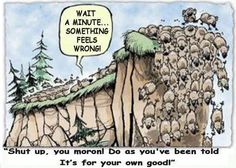
Both scientifically proven not to stop Covid, but yet the sheep are still willing to follow and jump off the cliff.

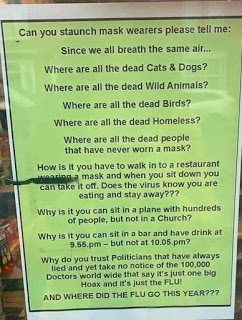
Covid/China/Wuhan Mask Update, Rhetorical Questions That Should Be Asked

Yes once again I posted it as China and Wuhan Virus. I am testing the limits of censorship to see what they will do, at the risk of some meaningless banishment. I’m so afraid.

People who don’t wear masks are called mask-holes. I wonder sometimes if it’s not the other way around.