
Every time I get reminded to recycle, I show articles like this and remind the other person that it is socialist behavior and how bad it is for our health. Since I’m related by marriage to a bunch of socialists in Scandinavia, it sort of stops them from their favorite sport, trashing America.
Well, here are the facts, it doesn’t work and it’s been a first class hoax since inception.
The industry knew decades ago that recycling was never viable in the long term, and now we’re all being poisoned by its product.
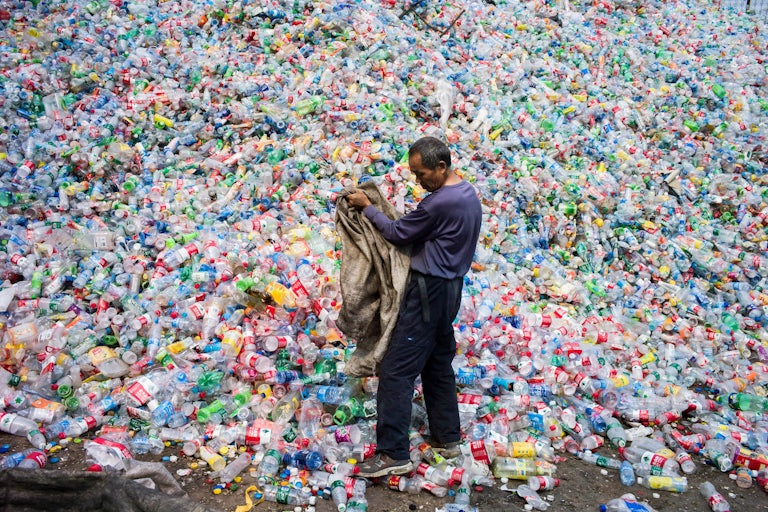
Hardly any plastics can be recycled. You’d be forgiven for not knowing that, given how much messaging Americans receive about the convenience of recycling old bottles and food containers—from the weekly curbside collections to the “chasing arrows” markings on food and beverage packaging. But here’s the reality: Between 1990 and 2015, some 90 percent of plastics either ended up in a landfill, were burned, or leaked into the environment. Another recent study estimates that just 5 to 6 percent are successfully recycled.
While those numbers may surprise you, these sorts of statistics aren’t news to the companies that produce plastics. For more than 30 years, the industry knew precisely how impractical it is to recycle them, according to a new report from the Center for Climate Integrity. A trade association called the Vinyl Institute concluded in a 1986 report that “recycling cannot be considered a permanent solid waste solution” to plastics, as it merely prolongs the time until an item is disposed of.” Still, facing public backlash over the growing amount of plastics being incinerated and piling up in landfills, manufacturers and their lobbyists sold recycling as an easy solution, warding off potential legislation to ban or limit plastics.
This, of course, has echoes of Big Tobacco and Big Oil, both of which withheld crucial information from the public for decades—causing untold damage to human health and the planet, respectively. Both industries are paying dearly for it. Is Big Plastic due for a similar reckoning?
In some sense, a reckoning is already happening—just not (yet) because of the industry’s decades of alleged deception, disastrous environmental justice record, and mass proliferation of microplastics into human bloodstreams. At the beginning of this year, S&P Global found that the petrochemicals industry—responsible for producing the suite of typically oil- and gas-derived compounds known as plastics, as well as pesticides and industrial chemicals—faces uncertain prospects over the coming years. “Overall, global petrochemicals prices appear to have reached a peak in October and are forecast to grind lower into early-2024 following energy and feedstock prices lower,” the consultancy found, forecasting a “supply-drive surplus” through 2026.
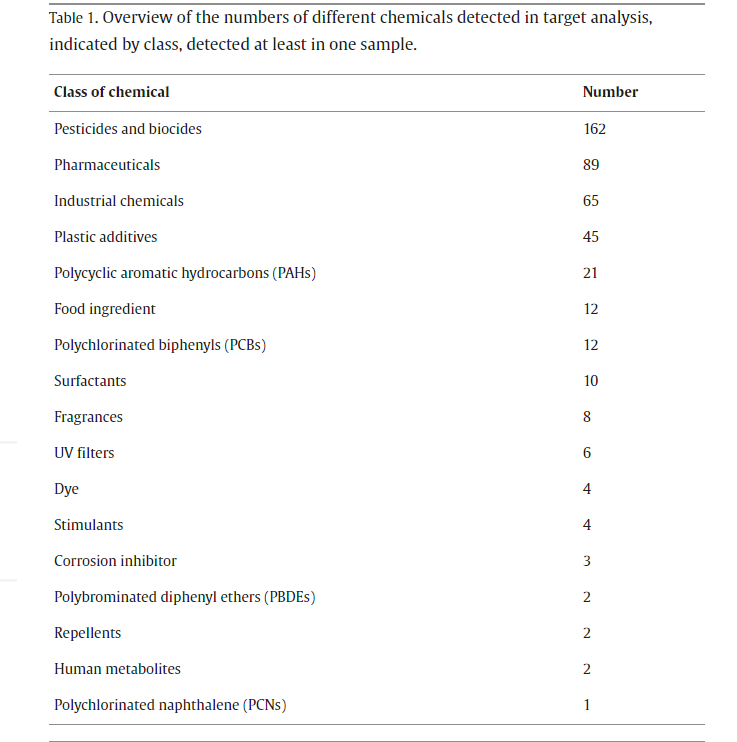
Researchers tested plastic pellets from recycling plants in 13 different plants across the world. They found 491 readily identifiable organic compounds, with a further 170 tentatively identified. As you can see from the table below, they span a wide variety of chemical classes.


 Delusions of Adequacy