Wildlife Photographs of the Year

There are some pretty cool photos here and a good video if you go to the link. There is the usual save the planet mumbo jumbo, but like Playboy, I looked at the pictures.

The Natural History Museum in London is previewing some of the more than 60,000 photographs entered for this year’s “Wildfire Photographer of the Year” competition.

A record-breaking 60,636 photographs entered this year’s competition. The exhibition will open Oct. 17, featuring 100 powerful images that captured Earth’s most compelling wildlife stories, the Natural History Museum said in a press release.

An international panel of wildlife experts, photographers and scientists are selecting the winning images in secret, judging each photo on creativity and technical skill. The competition will celebrate its 61st year as the world’s premier showcase for nature photography.

TV presenters and conservationists Chris Packham and Megan McCubbin will announce the Grand Title winners at an Oct. 14 ceremony, which will stream live on the museum’s YouTube channel. The exhibition will pair striking artistry with scientific data, including the museum’s Biodiversity Intactness Index, to help visitors understand and advocate for endangered ecosystems, the museum said.

Here are some photos from the exhibition:
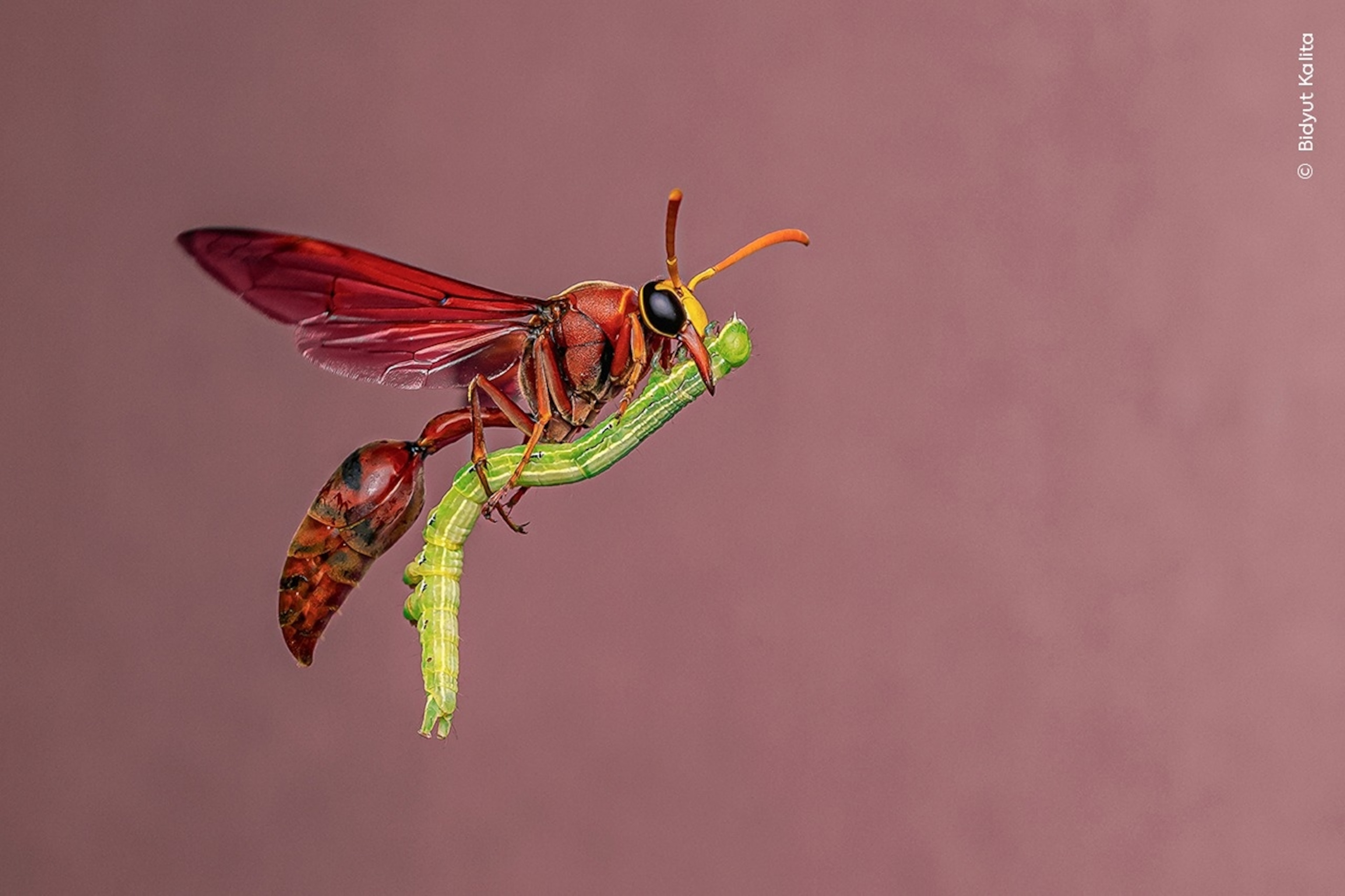
PHOTO: 2025 Wildlife Photographer of the Year
Bidyut Kalita (India) photographs a hard-working potter wasp mid-flight with caterpillar prey for its young.Bidyut Kalita/Wildlife Photographer of the Year

A potter wasp turned Bidyut Kalita’s home in northeast India into an unexpected wildlife studio. The determined insect caught Kalita’s eye as it built a mud nest on his picture frame, prompting him to prop open his door and wait. His patience paid off when he snapped the wasp mid-flight, carrying a paralyzed caterpillar that would feed its future offspring.
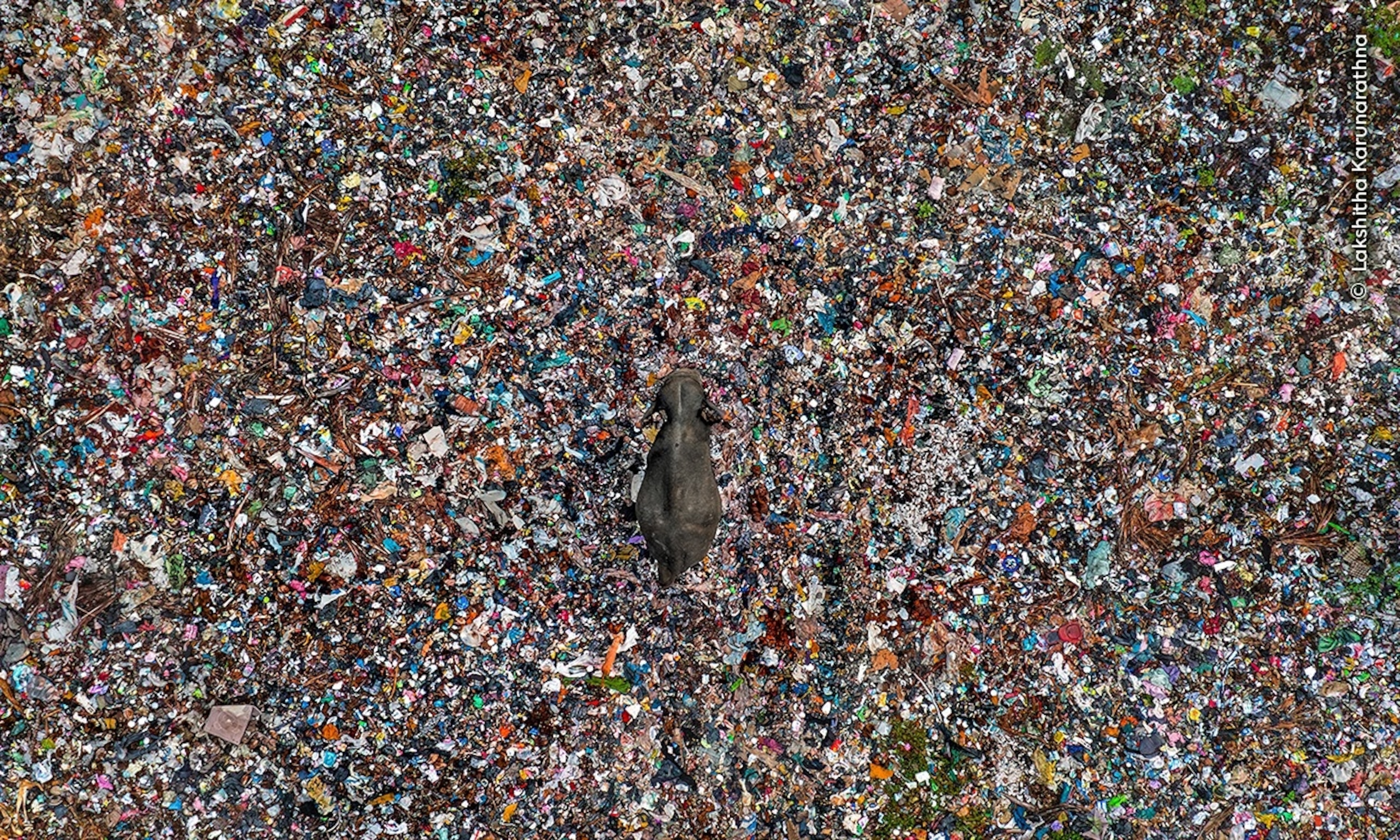
PHOTO: 2025 Wildlife Photographer of the Year
Lakshitha Karunarathna (Sri Lanka) reveals a solitary Asian elephant navigating a waste disposal site in Sri Lanka.Lakshitha Karunarathna/Wildlife Photographer of the Year

For three years, Lakshitha Karunarathna tracked a heartbreaking scene in Sri Lanka – elephants scavenging for food in garbage dumps. His drone captured a lone elephant picking through mounds of trash in Ampara, where plastic waste proved deadly. Twenty elephants lost their lives at this single site after eating indigestible wrappers.

PHOTO: 2025 Wildlife Photographer of the Year
Jassen Todorov (USA) depicts the clouds reflected in salt ponds that span San Francisco Bay.Jassen Todorov/Wildlife Photographer of the Year

Pilot Jassen Todorov found unexpected beauty while landing at San Francisco International Airport. His aerial shot of sunset-lit salt ponds tells environmental success story, where 6,000 hectares of industrial salt flats are being transformed back into thriving wetlands. The restoration project tears down old dikes, letting nature reclaim what industry once took.
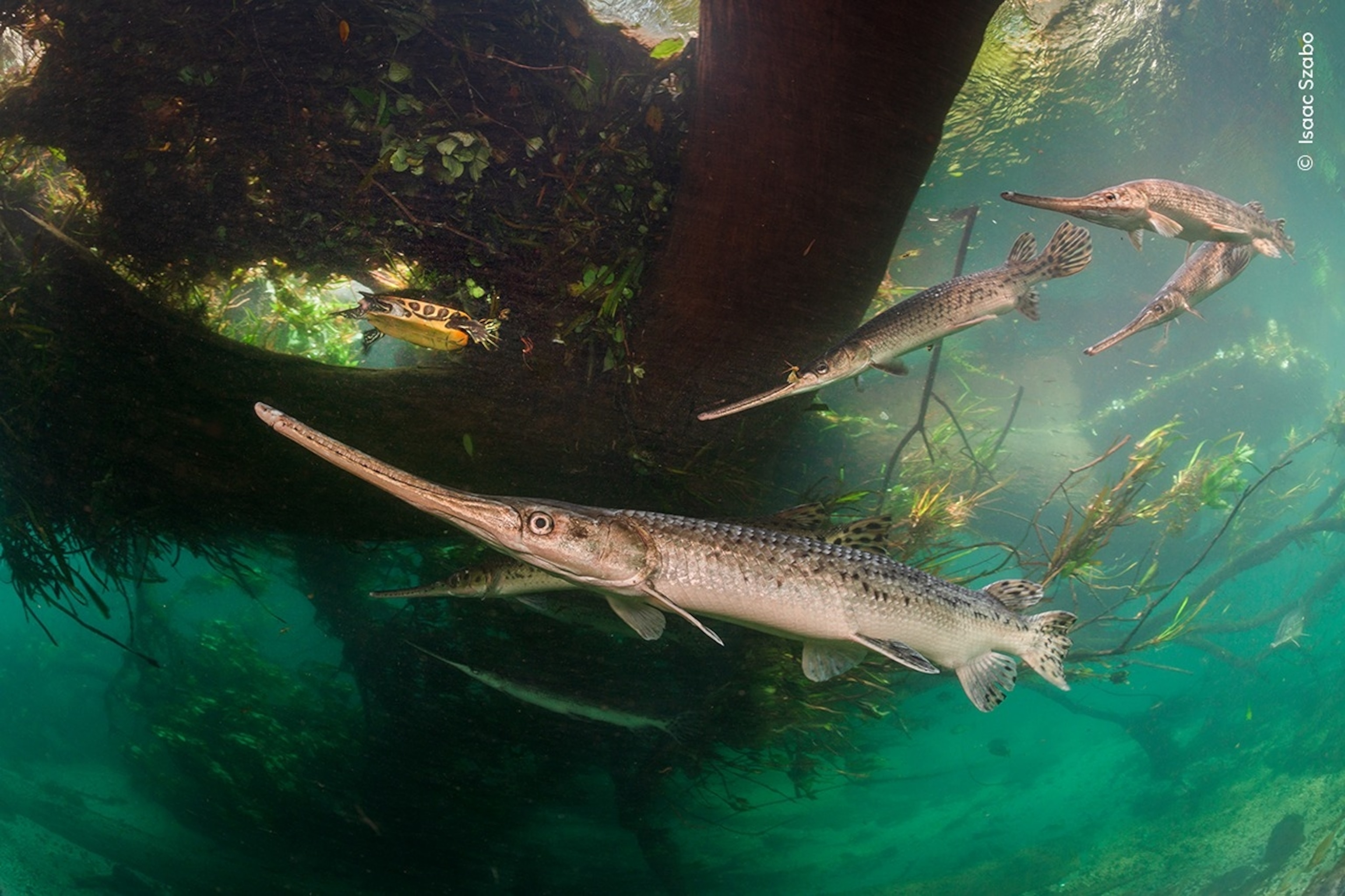
PHOTO: 2025 Wildlife Photographer of the Year
Isaac Szabo (USA) watches longnose gars spawn in a crystal-clear Florida river.Isaac Szabo/Wildlife Photographer of the Year

Deep in a crystal-clear Florida river, Isaac Szabo Wrapped his feet around a drowned tree to capture an intimate glimpse of longnose gar courtship. His underwater shot caught more than just the spawning fish – a passing turtle completed the scene, showcasing the diversity of Florida’s waterways.
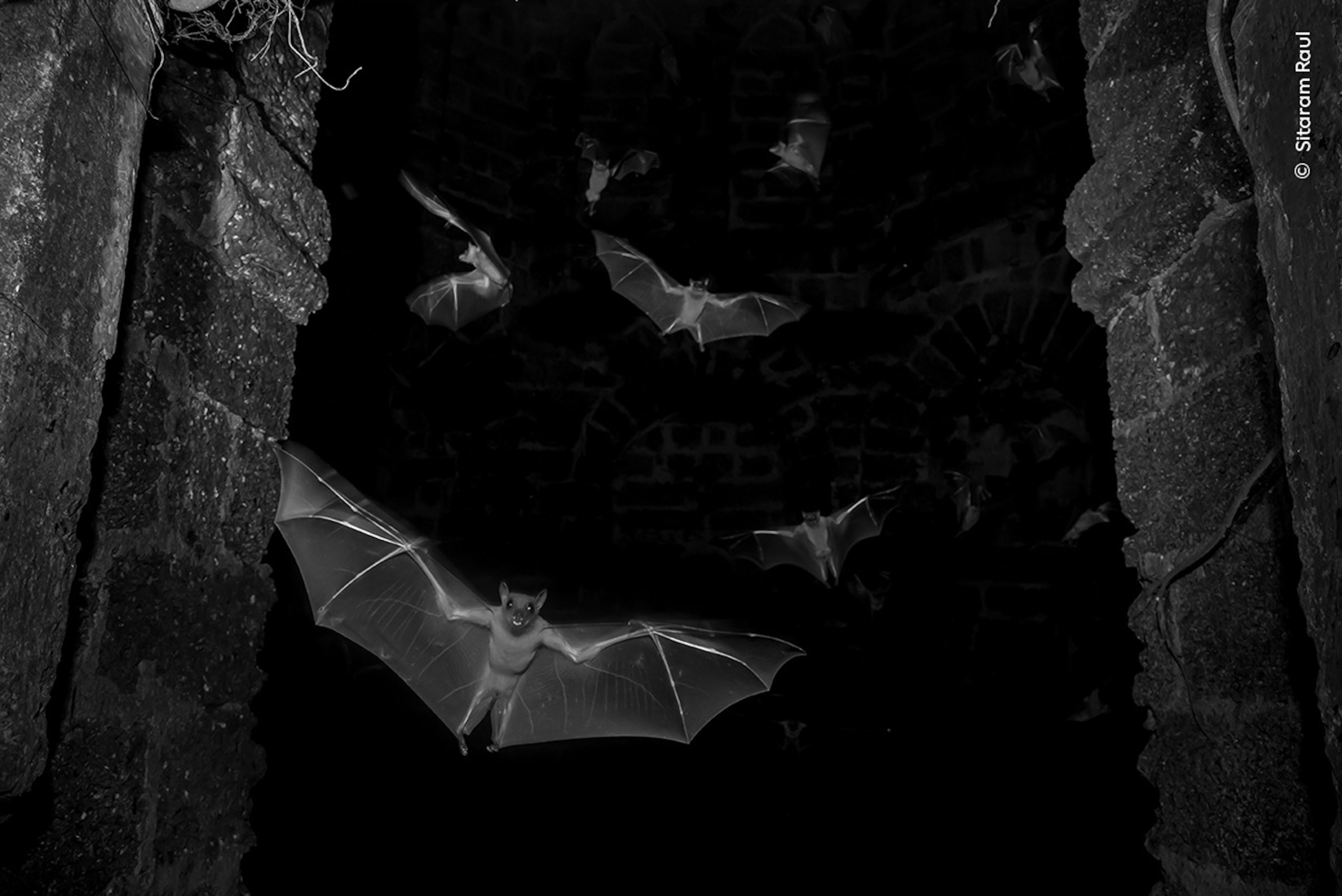
PHOTO: 2025 Wildlife Photographer of the Year
Sitaram Raul (India) is among the chaos as fruit bats leave their roost in the ruins of a historical monument.Sitaram Raul/Wildlife Photographer of the Year

In the ruins of an ancient Indian monument, Sitaram Raul endured an unusual hazard to photograph fruit bats flying. Working in complete darkness, he focused his camera where he thought the bats might appear, all while dodging what he called their “random pooping.”

More

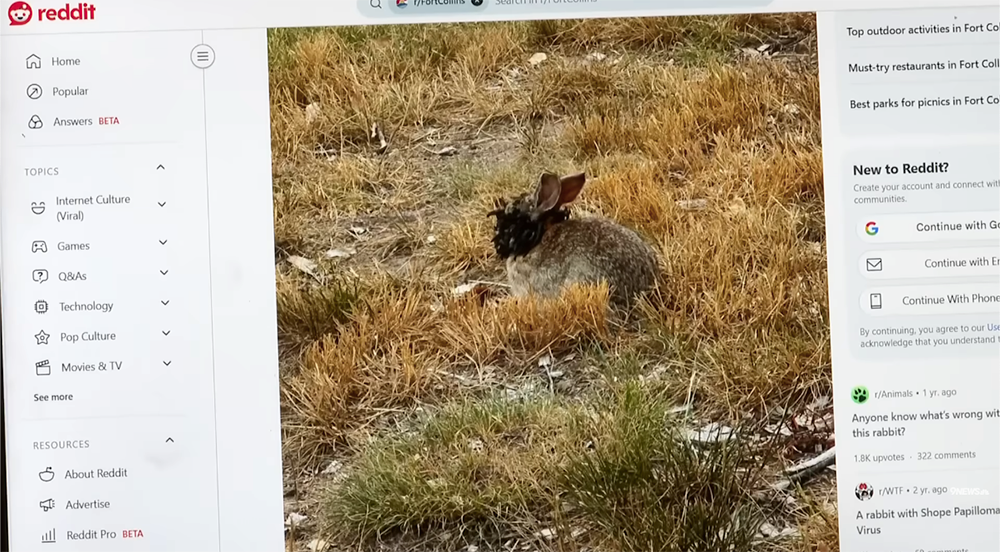
Rabbits With Black Tentacles? Definitely Off The Menu

Residents of Fort Collins, Colorado, are on edge following reports of cuddly neighborhood rabbits harboring black tentacles and horn-like protrusions.

It looks “like a scabby-ish looking kind of growth over your face,” one resident detailed to NBC affiliate 9News.com.

story

The Special Joys Of Living In Canada – Polar Bear Fighting

A man in Canada’s far north leapt on to a polar bear to protect his wife from being mauled, police say.

The unnamed man suffered serious injuries but is expected to recover, according to the Nishnawbe Aski Police Service.

The couple left their house at around 05:00 local time (11:00 GMT) on Tuesday to find their dogs, when a bear – which was in the driveway of their home – lunged at the woman.

The incident happened in Fort Severn First Nation, a small community of about 400 people in the far north of Ontario.

“The woman slipped to ground as her husband leapt on to the animal to prevent its attack,” police said in a statement. “The bear then attacked the male, causing serious but non-life-threatening injuries to his arm and legs.”

A neighbour arrived with a gun and shot the bear several times. It retreated into nearby woods where it died of its injuries.

The man was transported to a community nursing station where he was treated for his injuries.

Nishnawbe Aski police said they “continued to patrol the area to ensure no other bears were roaming the community”.

Alysa McCall, a scientist at Polar Bear International, told the Canadian Broadcasting Corporation (CBC) that polar bears rarely attack humans.

When an attack occurs, the bear is often hungry, young and unwell, she said.

Normally the bears are far from human settlements, instead preferring to spend their time at sea hunting ice seals. But climate change has led to temperature fluctuations, breaking up ice and in some cases driving bears inland to look for food.

“If you’re attacked by a polar bear, definitely do not play dead — that is a myth,” she told CBC. “Fight as long as you can.”

story