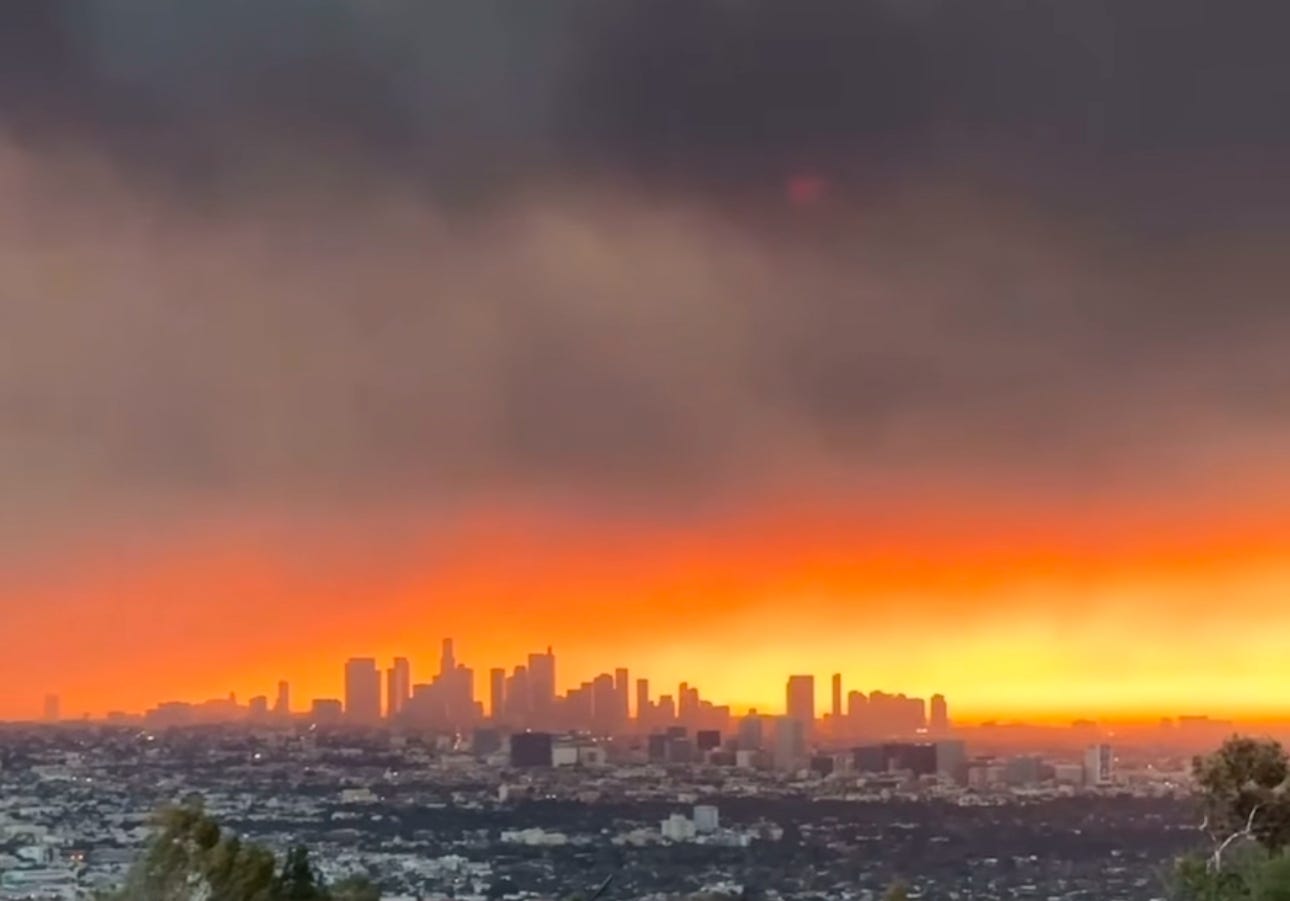
After years of fire and smoke in rural Northern California—evacuations, death and destruction, broken communities, lost homes—watching Los Angeles burn feels surreal but inevitable. This could have been avoided, but we knew it was coming.
For years, we have sounded the alarm to anyone who would listen. San Francisco and Los Angeles ignored us.
Now Los Angeles—one of the great cities on earth, a unique American gem—is in ashes.
For anyone who wants to understand how we got here, this is what happened.
California has not built a new major water reservoir since 1979.
The state’s last major reservoir project was completed in 1979, when the population was some 23 million. It’s been 50 years, there are now 39 million residents, and progress on the storied California Water Project has stopped.
In 2014, Californians voted overwhelmingly for Prop 1, funding a $7.5 billion bond to construct new water reservoirs and dams, with a deadline of January 1, 2022.
It’s now 2025, and no reservoirs have been built. Proposed projects remain mired in the bureaucratic morass of California politics.
There is no reason for California to experience water shortage. The natural climate is cyclical: years of low rainfall punctuated by years of extreme rain. Eleven months ago, at the start of 2024, we were enjoying several extra feet of snowpack in the Sierras and the most rain we’d had in 25 years. The reservoirs were overflowing.
Year after year, massive, swollen rivers in Northern California send water out to the Pacific Ocean, while government agencies scold citizens for watering their lawns.
The state is spending millions to REMOVE existing water infrastructure.
If failure to build new water projects for a growing state population weren’t bad enough, Gavin Newsom and his feckless administration is spending millions of taxpayer dollars to destroy existing water infrastructure in fire-prone Northern California.
The Klamath Dam was removed in 2023.
Scott Dam is next: a century-old dam system upon which some 600,000 people rely in agricultural communities stretching from Potter Valley to Bodega Bay.
The government wants to remove this dam, impoverishing the farm communities and rural residents who rely on it, to “improve salmon habitat.”
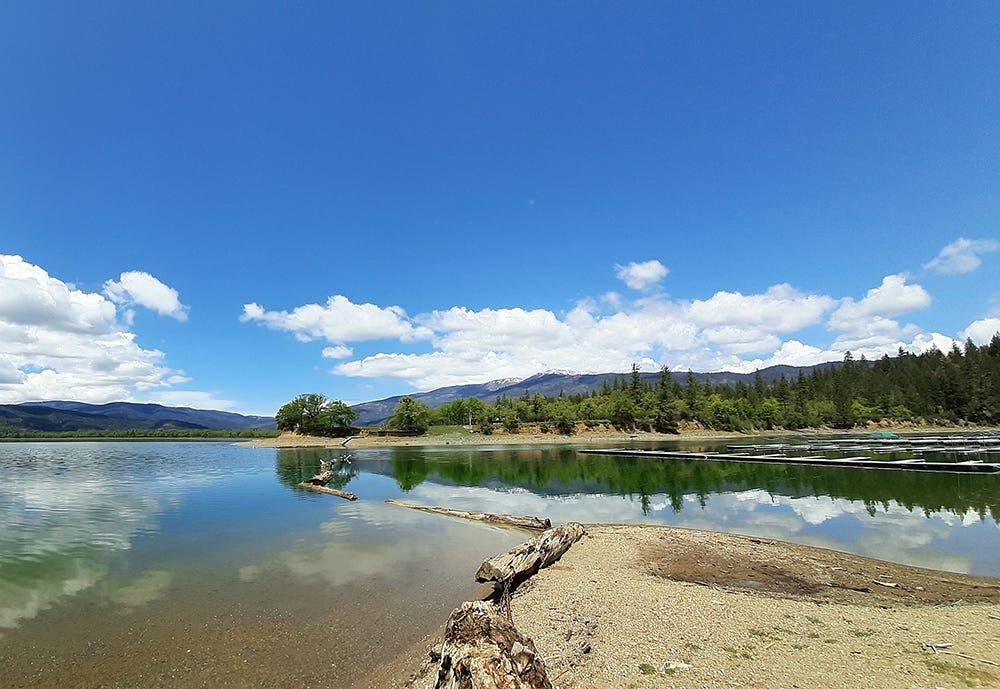
Photo credit USFS. Lake Pillsbury is a scenic reservoir created by Scott Dam, critical water infrastructure serving rural and ag communities and 600,000 users from Potter Valley to Bodega Bay. Gavin Newsom’s administration is set to remove this dam, which will run Lake Pillsbury dry.
Several lethal fires have hit this region in the past few years, including the Redwood Complex and Sonoma Complex fires in 2017, and the Mendocino Complex Fire in 2018. Removing their water is a cruel blow for a community still reeling from those disasters, leaving them defenseless when the next fire comes.
Water cuts to farmers and citizens over a 3-inch fish led to empty reservoirs.
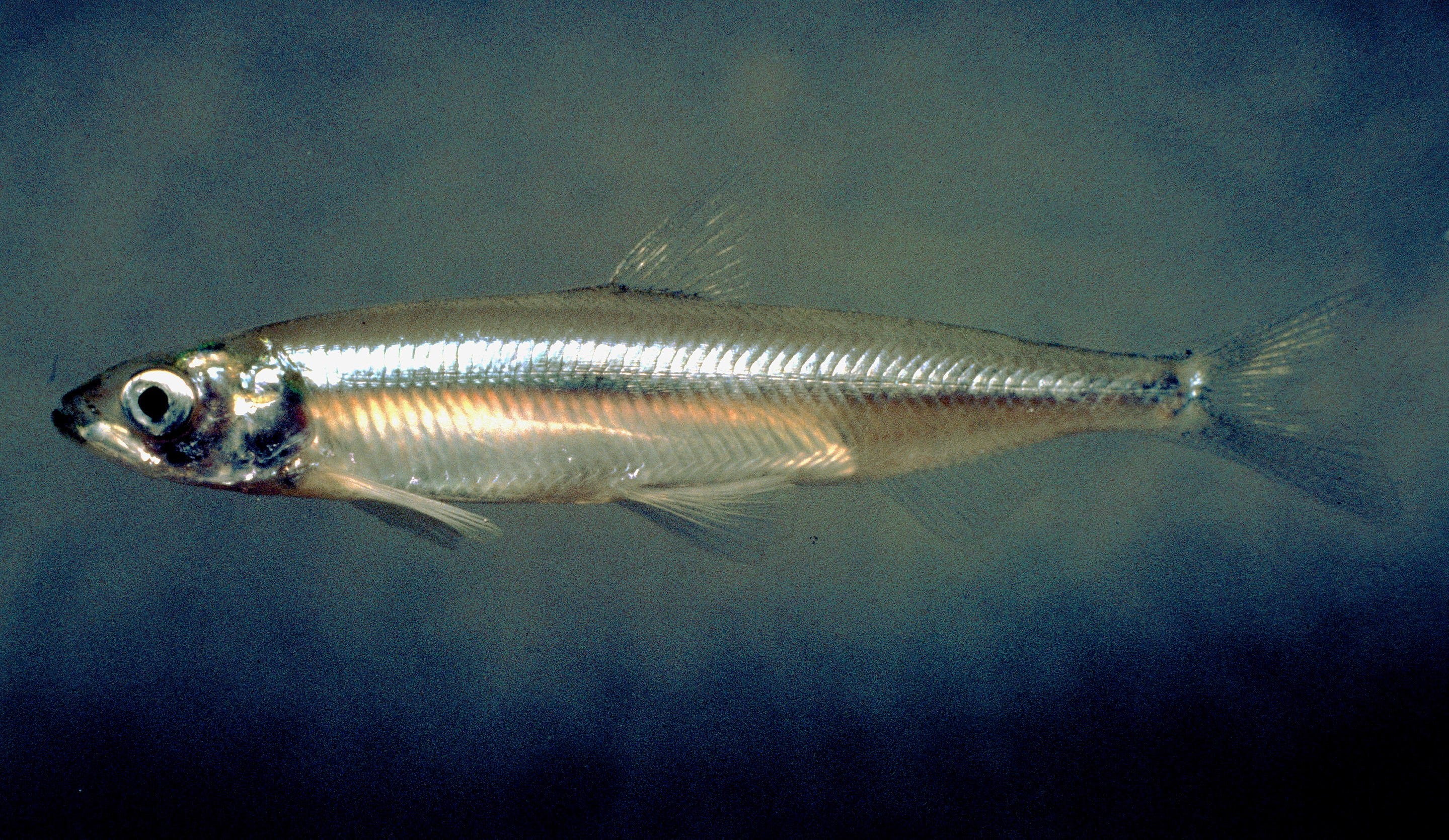
Farms were run dry and pumps shut off to preserve the three-inch “Delta Smelt”
California is the leading agricultural state in the nation. But for years, politicians slashed water allotments and shut off ag pumps to farmers in an effort to save a finger-length, minnow-like fish called the Delta Smelt.
When President Trump took office, he said California should consider updating its water infrastructure so farmers could grow crops and cities didn’t have to burn to the ground over a minnow.
This enraged Democrat activists. Their righteous indignation fueled many think pieces about the Delta Smelt.
For all that spilled ink, the restoration efforts didn’t work. Outside hatcheries, the Delta Smelt are all but gone.
So are scores of farmers, their land run dry by politicians in Sacramento.
This approach is typical of the consistent preference displayed by California politicians for the perceived prosperity of any animal, species, or ecosystem over the welfare and survival of its citizens.
After years of anti-human water and land policy, neglecting critical infrastructure, when the fires started last night in Los Angeles, there was no water in the fire hydrants.
Removing grazing, control burns, and management left California an unnatural tinder box.
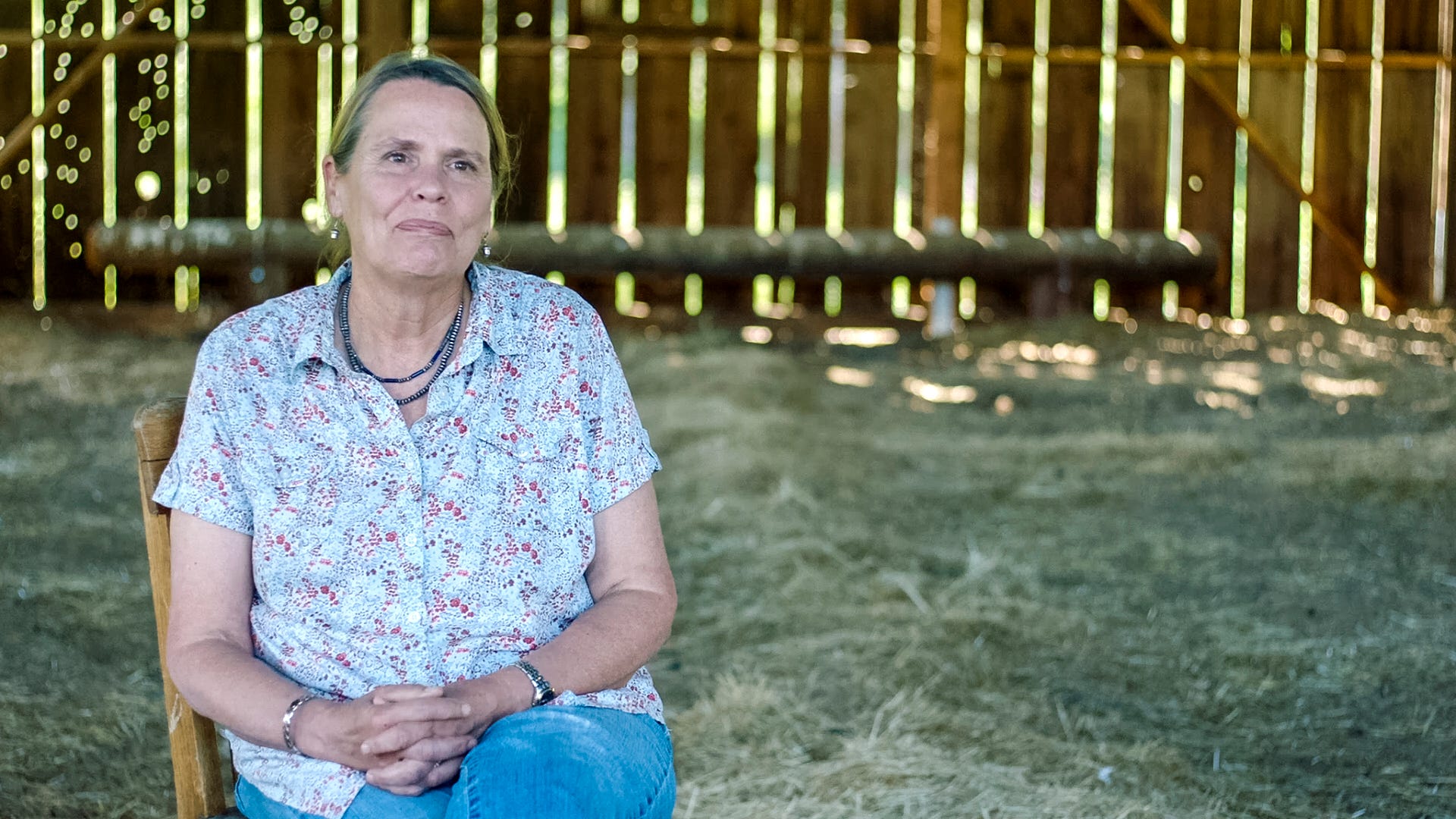
According to U.C. Berkeley rangeland science professor Lynn Huntsinger, cattle remove some 12 billion pounds of dry biomass from California’s grasslands and woodlands every year.
“Cattle are the largest fire prevention tool we have in the state,” she told me, “But people are largely unaware of it.”
Lynn Huntsinger, professor of rangeland ecology and management at UC Berkeley, calls cattle grazing California’s most valuable and important fire prevention tool.
Environmentalists blame cows for climate change. Beef cattle are responsible for less than 2% of all U.S. carbon emissions. Wildfire is responsible for between 15% and 30% of U.S. emissions—and that number appears to be getting worse.
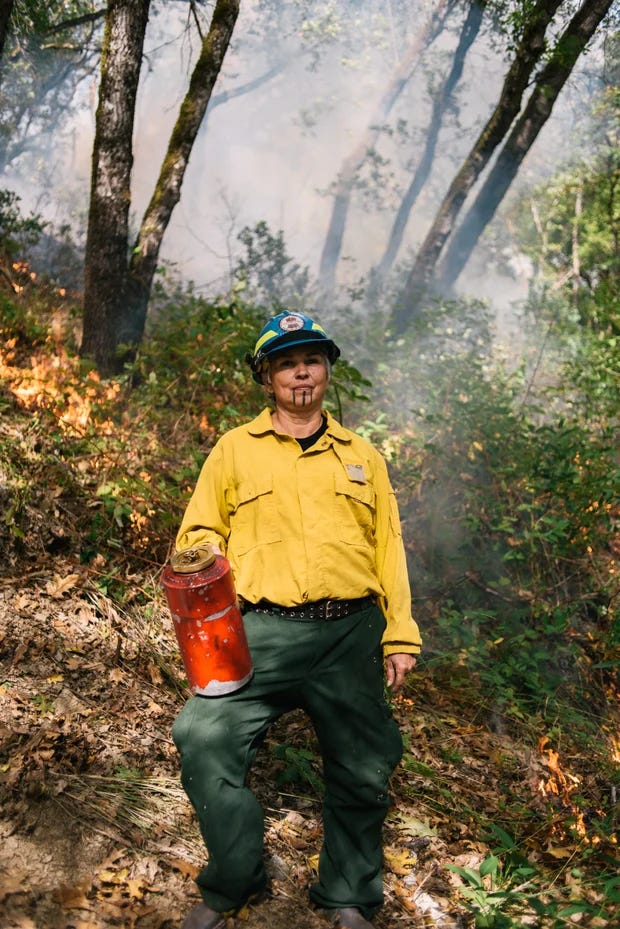
Prescribed fires and forest management have also gone out of fashion. For centuries, Native tribes practiced control burning to manage the natural fire risk inherent to California’s ecosystem.


















 Delusions of Adequacy