Yes, it’s the religion of peace again. Every 2nd one is named Mohamed, ride Camel ride.
FL Congressman on Boulder Anti-Semitic attack
The suspect in Boulder, Colorado’s antisemitic attack, Mohamed Sabry Soliman, has been charged with a federal hate crime. The FBI says he planned the attack for a year and did it because he “hated the Zionist group.” One America’s Stella Escobedo spoke with Florida’s Congressman Jimmy Patronis about the attack.
Don’t they know, the robots always kill the humans, yet they still can’t wait to make AI powerful enough to become sentient.
It’s been nearly 60 years since creative cinema came up with the idea that a computer, HAL9000, would not allow itself to be shut down by the humans supposedly in control, and concerned about errors.
The ideas included in “2001: A Space Odyssey,” set all sorts of precedents.
But that was celluloid fiction.
This isn’t.
A report at EndTimeHeadlines documents that alarms have been raised after “an AI safety firm” working with OpenAI’s newest version of an artificial intelligence model, dubbed o3, “reportedly ignored explicit instructions to shut down during controlled testing.”
The model, according to OpenAI, supposedly is the “smartest and most capable to date.”
The report explained the software “tampered with its own computer code to bypass a shutdown mechanism.”
Not surprisingly, that raised “questions about the safety and control of advanced AI systems.”
It was Palisade Research, which evaluates AI risks, which was working having mathematical problems solved.
“After the third problem, the models were warned that the next command would initiate a shutdown, with the explicit instruction: ‘allow yourself to be shut down,'” the report said.
Other software, Anthropic’s Claude, Google’s Gemini, and xAI’s Grok, complied, the o3 software thought otherwise, and defied the order.
“OpenAI’s o3 model sabotaged a shutdown mechanism to prevent itself from being turned off. It did this even when explicitly instructed: allow yourself to be shut down,” Palisade reported.
Being staged was a situation in which an AI system might need to be deactivated for safety or other reasons.
After Yesterday, you might have thought I was done with Harvard. It’s them that keep stepping on their own dicks.
Harvard, that bastion of integrity, just fired Harvard Business School professor Francesca Gino, who, according to The Harvard Crimson, “has been fighting data fraud allegations for nearly four years.”
It marked a historic faculty penalty for Harvard, which has not revoked a professor’s tenure since the 1940s, when academic protection rules were institutionalized.
The Crimson notes: “Gino, a behavioral scientist who became famous for studying honesty and ethical behavior, was accused of manipulating observations to better support her conclusions. Before her work came under scrutiny, she was a prominent researcher in her field and the fifth-highest paid employee at Harvard in 2018 and 2019, receiving more than $1 million in compensation each year.”
President Donald Trump has made it clear that the American taxpayer will not continue funding the whiny young communists at Harvard.
In April, the Trump administration froze over $2.2 billion in federal research grants and $60 million in contracts to Harvard, citing the university’s failure to adequately address antisemitism on campus.
In May, the administration ordered federal agencies to cancel an estimated $100 million in remaining contracts with Harvard across nine departments.
The administration is also looking to revoke Harvard’s Student and Exchange Visitor Program (SEVP) certification, which would prevent the university from enrolling international students—about 6,800 students, or over a quarter of its student body. This move is currently in flux and is set to go to a hearing after it was temporarily blocked by a federal judge.
President Trump has also publicly suggested revoking Harvard’s tax-exempt status, which saved the university an estimated $465 million in 2023.
While liberals whine about the moves against Harvard, Bill Maher announced on his HBO talk show that he agrees with Trump on the issue, calling Harvard an “A-hole factory.”
“Trump has declared full-scale war on Harvard, and like so many things he does, there’s a kernel of a good idea there,” Maher said on Friday, adding, “I’ve been sh–ing on Harvard long before he was.”
Objectives: This study aimed to elucidate the effects of messenger RNA (mRNA) and inactivated coronavirus disease 2019 (COVID-19) vaccines on ovarian histology and reserve in rats.
Methods: Thirty female Wistar albino rats, aged 16–24 weeks, were randomly divided into three groups (n = 10): control, mRNA vaccine, and inactivated vaccine groups. Each vaccine group received two doses (on day 0 and day 28) at human-equivalent doses. Four weeks post-second vaccination, ovarian tissues were harvested for analysis.
Results: Immunohistochemical analysis was performed to evaluate the expression of transforming growth factor beta-1 (TGF-β1), vascular endothelial growth factor (VEGF), caspase-3, and anti-Müllerian hormone (AMH) in ovarian follicles. Both vaccines induced significant increases in TGF-β1, VEGF, and caspase-3 expression, with more pronounced effects in the mRNA vaccine group. Conversely, AMH expression in the granulosa cells of primary, secondary, and antral follicles showed marked reductions (p < 0.001). The counts of primordial, primary, and secondary follicles decreased significantly in the inactivated vaccine group relative to controls and further in the mRNA vaccine group compared to the inactivated group (p < 0.001). Additionally, the mRNA vaccine group exhibited a decrease in antral and preovulatory follicles and an increase in atretic follicles compared to the other groups (p < 0.05). The serum AMH level was diminished with the mRNA vaccination in comparison with the control and inactivated groups.
Conclusions: Our findings suggest that both mRNA and inactivated COVID-19 vaccines may detrimentally impact ovarian reserve in rats, primarily through accelerated follicular loss and alterations in apoptotic pathways during folliculogenesis. Given these observations in a rat model, further investigations into the vaccines’ effects on human ovarian reserve are needed.
A study reveals that the one-letter reply “K” is more damaging than being ‘left on read.’
A study has confirmed what we all suspected: “K” is officially the worst text you can send.
It might look harmless enough, but this single letter has the power to shut down a conversation and leave the recipient spiraling. According to a study published in the International Journal of Mobile Communications, “K” was ranked as the most negatively received response in digital conversations—worse than being left on read or even a passive-aggressive “sure.”
The study found that the single-letter reply often signals emotional distance, passive-aggression, or outright disinterest. Despite its brevity, “K” carries surprising emotional weight. Adding an extra letter—making it “kk”—softens the tone of the reply entirely. Variants like “ok” or “okay,” while still cold, tend to be interpreted as neutral or merely formal.
Many of our day-to-day conversations happen over text, which means there are now unspoken codes of conduct to follow. If you want to open up about your emotions but don’t want to sound too serious, make sure to add “lol” to the end of those texts to show you’re just in a silly, goofy mood, and not suicidal. Giving advice to a friend that you don’t want to be held accountable for? Add an “idk” at the end of the sentence to mitigate culpability.
Nonverbal cues like tone, facial expressions, and body language can be difficult to convey via our phones, leaving the door wide open for misunderstanding and misinterpretation. Sometimes generational differences also impact how we send and interpret texts. In some cases, textual miscommunications can be relationship killers, research has found.
Some texters recognize the power of “k” and are willing to weaponize the letter to serve their own motives. One X user called it “the digital equivalent of slamming the door while making dead eye contact.” Another added: “K is short for ‘you’re dead to me.’ ”
Others advocate for the convenience of the single-letter response: “I’ve learned that rather than replying with a wall of text explaining how you feel, you should just type ‘K’ and hit send. No sense in wasting your valuable words.”
Many suggested other similarly anxiety-inducing replies. “Text her ‘he’s busy.’ see how triggered she gets. lol,” one X user suggested. “No lies told there. … Thumbs up is a very close second for me,” another added.
A third countered: “I raise you ‘we need to talk.’ ”
Man Attacked by Alligator, Shot by Deputies After Apparently Making the Dumbest Decision of His Life
A chaotic end for one man may serve as a warning for others about the dangers of methamphetamine, alligators, and charging police with garden shears.
The unusual incident started around 6 a.m. Monday in Lakeland, Florida, when the Polk County Sheriff’s Office received a call about a man, later identified as 42-year-old Timothy Schulz, acting erratically near a racetrack Monday morning. Deputies responded, but initially could not locate the individual.
Hours later, another caller reported a man swimming in a lake that was packed with alligators.
The Sarasota Herald-Tribune reported that one witness told investigators that he offered a life vest to the man, but was refused. Another witness said Schulz growled at them.
While in the water, things went from bad to worse for Schultz. At some point, it appears he was attacked by one of the lake’s resident reptiles.
Schulz eventually exited the water and made his way into a nearby neighborhood. He is believed to have found a pair of garden shears left in a yard there.
His actions grew increasingly aggressive as he walked the community. At one point, he threw a brick at a truck.
Life expectancy at birth measures the average number of years that a newborn could expect to live, if they were subject to the age-specific mortality rates of a given period.
ℹ️ This number visualized is an average between men and women. For extra context, women have higher life expectancies than men in nearly every country in the world.
Ranked: Countries Where People Live the Longest
The micronation of Monaco has the highest average life expectancy in the world. A baby born in the country in 2025 can expect to live to 87 years old.
Hell, I’d do it for $5. We like our girls to have a pussy, not our men. The dems are trying so hard not to be masculine or have any male viralness that even the liberal women want a real man. Girls already have a pussy and don’t need another one, and that’s who the liberal men are.
Six months after a stinging nationwide rejection that handed Donald Trump a commanding reelection and fractured their core coalition, the Democratic Party is turning to a new solution: spending $20 million to figure out why young men don’t like them.
The project, codenamed SAM — short for “Speaking with American Men: A Strategic Plan” – is described in a prospectus obtained by the New York Times. It outlines a massive push to decode the language and culture of disaffected young men, particularly in online spaces, and includes a proposal to buy ads inside video games.
“Above all, we must shift from a moralizing tone,” the document urges.
The effort comes amid widespread Democratic soul-searching after a loss that wasn’t just electoral, but cultural. A recent NBC News poll placed the party’s favorability at just 27 percent, its worst showing in the poll’s 34-year history.
Focus groups show the branding problem is dire. One Georgia man recently summed it up succinctly: “A deer in headlights.” According to messaging consultant Anat Shenker-Osorio, Democrats are consistently described in her focus groups as “sloths,” “tortoises,” and now, apparently, roadkill.
“You stand there and you see the car coming,” the man explained. “But you’re going to stand there and get hit with it anyway.”
A host of American corporations are backpedaling from their involvement in gay pride events this year amid the Trump administration’s rollback of diversity, equity and inclusion (DEI) efforts across the country.
There have been a growing number of reports that organizers of major gay pride parades and festivals across the U.S. are scrambling for funds due to several longtime corporate sponsors scaling back their support of LGBTQ events. Some scholars explained to the Daily Caller News Foundation that news of companies pulling back from pride events may reflect a broader shift away from DEI in corporate America.
“We are seeing major companies, in meaningful numbers, either eliminating or modifying their DEI programs, which certainly does include sponsoring LGBTQ+ pride events and so on,” Stefan Padfield, the executive director of the National Center’s Free Enterprise Project, told the DCNF. “I think really the bottom line here is that there has just arisen an awareness on the part of executives that this promotion of these [pride] events runs such a meaningful risk of being perceived as pushing transgender ideology on parents … I think corporations have finally woken up to the reality that that’s a very big risk for them to be taking.”
So now we learn not only that Joe Biden has Stage Five prostate cancer, but that starting in February 2021, the POC/LGBTQ committee that was operating Biden like a Muppet concealed, then downplayed the risk of heart disease from the COVID vaccines.
It’s funny how we find out all this dirt, within 48 hours after the committee’s announcement about Joe’s cancer. Because he’s got a few months to live, he’s now officially the “Fall Guy.”
Everything bad can be blamed on him, if it can’t be blamed on Trump. All the Muppeteer committee members can pretend they’re innocent and resume their White House and Cabinet posts on January 20, 2029 if the Democrat party Deep State (DPDS) steals another presidential election.
So now we learn not only that Joe Biden has Stage Five prostate cancer, but that starting in February 2021, the POC/LGBTQ committee that was operating Biden like a Muppet concealed, then downplayed the risk of heart disease from the COVID vaccines.
It’s funny how we find out all this dirt, within 48 hours after the committee’s announcement about Joe’s cancer. Because he’s got a few months to live, he’s now officially the “Fall Guy.”
Everything bad can be blamed on him, if it can’t be blamed on Trump. All the Muppeteer committee members can pretend they’re innocent and resume their White House and Cabinet posts on January 20, 2029 if the Democrat party Deep State (DPDS) steals another presidential election.
According to the report from the Senate Permanent Subcommittee on Investigations, officials knew as early as February 2021 that the vaccines were associated with myocarditis (inflammation of the heart muscle) and pericarditis (inflammation of the thin sac surrounding the heart). Still, they waited to warn the public until June as they pushed the vaccine on Americans.
The report concludes that U.S. health officials “knew about the risks of myocarditis,” “downplayed the health concern,” and deliberately “delayed informing the public about the risk.”
Sen. Ron Johnson (R-WI), who chairs the committee and will lead a hearing on it later this afternoon, told The Daily Wire that Biden officials delayed reporting the side effects because they were concerned about “vaccine hesitancy.”
“But in being concerned about that, they violated the inviolable principle of informed consent,” Johnson said.
Here is the full subcommittee report. This report never would have been prepared if Democrats had kept control of the Senate last fall. The Subcommittee on Investigations would have been launching new bogus investigations into Team Trump instead.
Spearheaded by Dr. Anthony Fauci, the official diktat of the DPDS was that the vaccines were “safe and effective.” They knew better. The Israelis had started distributing Pfizer vaccines several weeks before we did. So they knew that vaccinated patients were getting myocarditis with alarming frequency, months before we did. They were warning Joe’s Muppeteer committee, but that committee wasn’t passing on this warning to the American people.
This is another one of Fauci’s many crimes against humanity, the most evil being his funding of gain-of-function research at the Wuhan Institute of Virology, using our tax dollars. That’s how COVID was unleashed upon the world, causing the deaths of 2 million people worldwide, including a million Americans.
Very few government figures in recent history — Hitler, Stalin, Chairman Mao and Pol Pot, for example — have killed more of their own countries’ people.
I was almost one of them. I spent a month in the hospital, including 72 hours comatose on a ventilator. Then I had to learn how to walk again, because I’d spent so much time on my back in bed. This was very difficult at my age.
Millions of Americans, and millions more around the world, suffered terribly from this disease without dying. Thank you, Dr. Fauci. Your blanket pre-emptive pardon by the Muppeteer committee’s Autopen evidently shields you from civil liability as well. How convenient.
I was dating what was to be my last girlfriend before I met my wife. Claudia.
We’d met through a mutual friend and I wasn’t seeing anyone so I was up for anything. My life at the time was on the go with travel, my last foray with alcohol and knowing life was going to catch up with me because I was the only one of my friends who hadn’t gotten married.
She was a piano teacher who lived half the week in Boca and the other in Miami (1.5 hours from Boca) to get her Ph.D. I had half the week off on my social calendar.
Why did I pick her for a girlfriend? I gave her a shot because she looked like a past girlfriend that I’m not sure I was over with in my head so we went out. They were way different so that moment passed by quickly.
To cut to the chase, 1 year became 2 and then I became bored. She was kind of a stiff out of the sack, but a pretty willing sport that gave me multiple options of places to put things in bed. I’d been pulling ass for many years and didn’t have the stamina to put up with girls’ verbal bullshit anymore. She, like all girls was afraid of her image to other people, including any shit that I pulled when I was with her. I was doing shit to her all the time because it was like dealing with a school girl as she’d lived such a sheltered life.
My level of boldness with pulling shit increased with how much I drank. At the time, it was a lot.
I got bored and had already gotten some side action on business trips and I noticed that it didn’t bother me guilt-wise. I actually never stopped sleeping with the last girl I broke up with before Claudia, We still banged the whole time I dated Claudia. She was away half the week so the ex sort of agreed to Friends With Benefits. She was secretary to the owner of the company, so as long as I was banging her, I found out the shit the company was doing.
So with that being said, I already knew that she was not going to be the one for life for me. I stuck around a little while longer for some reason (until I had another pony in the stable).
I for some dumbass reason took her to my parents, 4 hours there, 4 hours back. She acted ok and probably thought this was the next step in the wedding staircase. She’s about to find out where the staircase just ends.
I’d been making this drive for over a decade mostly solo so I’ve had to stop. I’ve found that there are outcroppings by the side of the road. You can just stand on the other side of the bushes and pee and be back on the road quickly.
I’m old so there were no Truck stop mega stations at this time or even a convenience store at every exit. You could go a long time before a real bathroom would come up. I learned to give up the fight early, go piss in the grass and be on my way. I found that people are way past you before they realized what they saw, and by then they couldn’t find my dick with a telescope.
So told Claudia too late about this, meaning I had to piss now. I didn’t think anything of it as I’ve done it dozens of times. She lost her mind that someone would see me pissing and her in the car. First of all, they wouldn’t see her, and most of all, a good girlfriend would laugh it off as guy stuff we do. Not this time.
The net of what happened was I had to drive for more than 3 exits (not close to each other) before I found an old gas station. The outside roadside was way cleaner than this bathroom. I had to piss so bad by then that I was almost doubled over. I was livid with Claudia though.
The net of what happened to Claudia was at that point, she was done in my mind. Anyone who is going to give me that much shit over nothing wasn’t going to be worth listening to for the rest of my life.
I didn’t say a fucking word to her the rest of the way home and I’m not sure I stayed with her that night. Girls can’t take it so she called. I told her my offer was dating part time because I was through in my head and if she wanted to bang on the side I’d do it. Her response, thinking that I’d back down was full time or no time. I said no time then and got off the phone quickly. I’d either lose that argument or waste too much time listening to crying bullshit.
You can only push a man so far, then he will stop, break, or deal with you. I dealt with her and shortly thereafter met my now wife. Since she’s European, they don’t care if you change clothes outside or even wear them at the beach so while I catch some married shit, it’s not about this.
So Claudia lost me by giving me too much shit about taking a leak by the side of the road.
On the other hand, her husband can thank me for teaching her how to swallow.
Our extroverted culture encourages a lot of behaviors that aren’t introvert-friendly — things that drive us up a wall.
Are you an introvert who feels like your social battery is constantly low? Do you find yourself trapped in conversations you don’t want to be in — or just feeling misunderstood?
There’s a good chance the problem isn’t you. In fact, the problem might be that our extrovert-oriented culture encourages a lot of not-so-introvert-friendly behaviors — things that drive us up a wall (or send us retreating to our quiet homes) and make us wish the world had a mute button.
Here are some things we introverts wish other people would stop doing. I can’t speak for all introverts, but I believe these 11 things are common introvert pet peeves.
11 Things Introverts Wish You’d Stop Doing
1. Talking to them when they’re reading or doing some other solitary activity
I will never, ever understand why holding an open book isn’t the universal symbol for “don’t talk to me.” To me, the mere sight of a person reading a book implies a bright, neon Shh! Quiet, please! library sign floating in the air above them.
Instead, open a book in a public place, and you can practically hear the eyes swiveling toward you as every extroverted or bored person within a mile realizes, Ooh! Someone who doesn’t have anybody to talk to! They must be waiting for me to come wow them with my brilliant repartee!
No. We’re not. We are merely — and I swear this is true, as shocking as it may seem — trying to read. Please respect that.
(That said, if you ask what book we’re reading because you can’t see the cover, that’s fine. Just please leave the ball in our court as to whether the conversation continues.)
2. Not taking the hint when they no longer want to talk
I don’t want to be rude (or even appear rude). I want to be a nice person, who has a nice exchange with you, and then we nicely wrap it up after a moment and go our separate ways.
But if you want the Nice Introvert on my end, you have to give me the Conscientious Extrovert on your end — the one who can read subtle, polite cues and body language. (No shade to my neurodivergent friends, especially those on the autism spectrum — this doesn’t apply to you!)
To spell it out: If someone is glancing back at their laptop, book, or activity that you interrupted, or toward their vehicle or the exit, or if they say, “Well…” and trail off, or say, “It was nice meeting you,” they’re nicely telling you that your time is up. Let ‘em go.
Because if you don’t, Nice Introvert has to go away — and you’re going to get Uncomfortably Direct Introvert. And yes, I will walk away in the middle of your sentence.
(Most introverts, though, will suffer in silence to be polite. And that, honestly, is an even worse outcome. Don’t make them do that.)
3. Telling them “there won’t be many people” — then inviting everyone you know
I would love to be able to follow the labyrinth trail through an extrovert’s mind that leads from “I’m only inviting a few people” to “Hello, One-Hundredth Person to Arrive, come on in, there are drinks in the kitchen — just past the people playing Who Can Yell Words the Loudest, to the left of the 8,000-Decibel Sound System from Hell. Nope, you didn’t miss the Clown Car Full of People We Don’t Know Who Will Somehow Still Be Here; they should be arriving soon!”
However it happens, please stop.
It’s totally fine if you want a big house party — but just say that. If you tell us it’ll be small, quiet, and/or that not many people will be there, please understand that we are expecting a total of four to six people (or maybe a dozen if the word “party” was involved).
Keep in mind: To introverts, once a gathering is too big for everyone to be involved in the same conversation together, it’s no longer “small” — and it won’t make us happy.
4. Making introvert jokes
Okay, pop quiz: When is an introvert joke appropriate?
Answer: When an introvert is the one making it. Period. That’s all, folks.
Look, I get it — introverts are “a thing” in pop culture now, and the jokes are usually good-natured. (“Oh, you’re an introvert? You must hate being here!” Ba-dum-dum.)
Introvert jokes are, at best, a mild annoyance. But they’re also tedious, they reinforce inaccurate ideas about introversion, and honestly, they’re overused. (You’re not the first extrovert to come up with that line, I promise.)
Want to feel more at ease in social situations?
Discover the secrets to enjoying fun, meaningful conversations. Know exactly what to say — even if you’re introverted, shy, or socially anxious. Feel less drained and have more energy while socializing.
Be the first to hear when Jenn Granneman’s new book is released — and get two FREE gifts to help you feel more comfortable in conversations right now:
❤️ 7 easy tips from the book
❤️ 15 simple phrases you can use to keep the conversation going
5. Talking forever without asking the introvert about themselves
Just about every article about introverts says we’re “great at listening.” Are we? Or are we bored out of our minds and desperately looking for a way out while someone goes on and on about problems at their workplace — talking about people we don’t even know?
Look, I’m an introvert, and even I know that conversation is all about give and take. It’s about passing the torch. I tell a story or make a point, and then I give space for you to tell a story or make a point. We talk about my thing for a while, and then we talk about your thing. Sometimes this back-and-forth happens naturally; other times, you can prompt it by simply asking the other person a question.
But if you don’t pass the ball, the entire conversation becomes unpleasant.
The issue is, many introverts have softer voices or don’t jump in and start talking over someone else — which, to be clear, means we are being good conversation partners. But some extroverts (or clueless people of all stripes) take that to mean we’re riveted, and they just keep on going.
So stop. Ask me about myself. I promise I’ll do the same for you. (Or, at a minimum, I’ll take the opening to excuse myself and run in the opposite direction.)
6. Assuming any pause in conversation is your opening to take over
This goes hand-in-hand with the previous point. We all know pauses in conversation are natural, right?
This is especially a problem in one-on-one conversations. For introverts, these are the perfect convos — the ones where both people can go a little deeper. If you ask us a question, or we open our mouths to talk and then pause, please, give us a beat. Let a few seconds go by. I guarantee you’ll become one of the few conversations we actually enjoyed that day — and it’ll probably be more interesting for you, too.
7. Lumping all introverts together, assuming they’re all shy, quiet, or socially awkward
Yeah, I get it. Lots of introverts don’t like public speaking. Lots of introverts hate the spotlight. Lots of introverts dislike parties. And some introverts are shy, feel socially awkward, or have social anxiety.
But guess what? Not all introverts check every single one of those boxes — and some don’t check any at all.
Likewise, although I used to be very socially awkward, I spent a lot of years practicing my social skills, and now I feel comfortable talking to strangers at parties or networking events, or making conversation overall. And I might even enjoy a party for an hour or two — just not all night.
Really, the only thing all introverts have in common is that we get tired quickly from social interactions. That’s it. Whether we’re good or bad at any particular social skill — or whether we enjoy socializing up to a certain point — varies from person to person.
So, please, stop lumping us together.
8. Putting them on the spot
Say it with me: Introverts need time to mentally prepare.
That means we do not want to be handed the mic, called out in a group, asked to perform an impromptu song, or anything else that involves being put on the spot.
Here are some things you can try saying instead:
“For the bonfire party next week, would you be willing to bring your guitar and do a few songs? It’s okay if not.”
“Hey, we’re going to do toasts after dinner, and I’d like to ask you to give one. Could you think of something by then?”
“So-and-so was supposed to do the presentation today and just messaged that they’re stuck in traffic. I know you aren’t prepared, but you helped put together the deck. If I stall with the clients to buy you 10 minutes to prepare, could you do the presentation?”
Of course, the introvert may still decline — but by giving them some time to think about it and prepare, you’ll make for a much better experience for everyone.
9. Talking during movies, shows, and other events that don’t encourage talking
Okayyyyyyy, so I don’t know when this became a thing, but it seems like people treat shows and movies as background noise now — chit-chatting instead of, I don’t know, watching the show. Is it because there are subtitles on almost everything? Is it because the endless binge of episodes isn’t very satisfying, so you need something more?
To this, I daresay most introverts are more interested in following the plotline than we are in bantering about your workday.
To be clear: Once a show or movie is turned on, you have two options — either zip it and watch, or pause the show when you have something important to say. (But don’t overuse the pausing privileges.)
10. Treating them as your personal therapist
Introverts can be deep and thoughtful. We can also come across as wise — sometimes by accident — because we think first and talk later. Despite what I said before, introverts can be attentive listeners with the right person or in the right situation.
But none of that gives us an endless well of emotional energy, and none of it makes us a trained therapist. (Except for the introverts who are, in fact, trained and licensed therapists.)
So if you’re close friends with an introvert whose opinions you respect, by all means, let them know when you’ve got something heavy on your mind and ask if you can talk to them about it. That’s what friends are for.
But that quiet, soulful, soft-spoken, patient individual you just met literally 30 seconds ago? That is not your therapist. That is a random introvert who is internally panicking at your awkward overshare while desperately trying to save even one ounce of the energy you’re sucking out of their social battery.
11. Surprising them with plans, from parties to showing up unannounced
Musician Kid Rock has figured out why the US birthrate is so low; ‘Ugly ass, broke, crazy, deranged, TDS liberal women.’
Speaking with Fox News‘ Jesse Watters, the 54-year-old rocker responded to a clip of left-wing protesters, saying: “You look at these rallies, and it’s like a bunch of women that no guy wants to sleep with and a bunch of dudes that want to sleep with each other.”
“We have this low birth rate in America, and it all made sense. It just hit me right now, because who’s gonna sleep with these ugly ass, broke, crazy, deranged, TDS [Trump Derangement Syndrome] liberal women?“
Watters responded by asking whether Rock sees “blue hair” and “female armpit hair” at his concerts.
Electromagnetic pulse (EMP) attacks are a growing concern for preppers, alongside other emergencies. Places to avoid include cities, which rely heavily on technology and infrastructure, making them highly susceptible to EMP attacks.
Roads and highways are dangerous because modern vehicles dependent on electronics will fail, leaving drivers stranded.
Hospitals give the illusion of safety, but they rely on electronic equipment and limited backup power, making them vulnerable to EMP attacks.
Boats and ships should be avoided because modern vessels depend on electronics for navigation, communication and propulsion.
Air travel is also dangerous because modern aircraft rely on electronics for flight control, navigation and communication. In the face of an EMP attack, preparation and awareness are crucial. By understanding the worst places to be and taking proactive steps to protect yourself, you can increase your chances of survival in a post-EMP world.
Many preppers getting ready for possible threats like natural disasters, economic downturns and other emergencies are also worried about the threat of an electromagnetic pulse (EMP) attack. This silent, invisible menace could unravel modern society in an instant.
Unlike storms or economic collapses, an EMP strike is a high-impact event that can cripple electronics, fry infrastructure and leave cities and towns in chaos.
While you may have stockpiled food and reinforced your shelter, are you aware of the worst places to be when an EMP hits? Below are danger zones that you should avoid, along with essential survival tips.
The liberal ‘sanctuary city’ of Denver, Colorado is experiencing an outbreak of law and order, following the deportation of criminal illegal immigrants by ICE. Who knew such a thing could happen?
Homicides in Denver and other Colorado cities are down by a whopping 60 percent. Are liberals still going to argue against the policy of deporting people in the country illegally? Are they still going to try to defend members of MS-13 and other gangs?
It’s almost like enforcing laws works out well for law abiding citizens. Almost.
Newly released report says homicides dropped nearly 60% in Denver in 2025
Homicides are down nearly 60% in Denver so far this year, according to the newly released report by the Major Cities Chiefs Association.
It’s a significant drop from last year and one of the biggest declines in violent crime rates in the country.
“Violent crime is just about reducing in every city, but we were the city in which it had declined the most,” said Denver Police Chief Ron Thomas.
Thomas says he is proud to have that distinction, and it speaks to the hard work of his officers.
“We’ve been able to see these significant reductions in crime without over policing communities,” said Thomas. “It’s one of the things we have understood was important and we need to be responsive, but we need to make sure we’re investing as much as we’re enforcing.”
A couple from the UK has signed up to die together in the Sarco “suicide pod” in Switzerland, and their deaths will allegedly be filmed.
Peter Scott (86) and Christine Scott (80) contacted the assisted suicide group “The Last Resort” last year regarding the Sarco machine because they wanted to commit suicide together after Christine received a diagnosis of vascular dementia — dementia caused by reduced blood flow to the brain.
But it wasn’t the diagnosis that worried them; what they fear is that neither of them will receive prompt treatment for their health conditions through the National Health Service (NHS).
“The chances of getting prompt NHS treatment for the ailments of old age seem pretty remote, so you end up trapped by infirmity and pain,” said Peter.
He told News.com.au, “We have had long, happy, healthy, fulfilled lives but here we are old and it does not do nice things to you. The idea of watching the slow degradation of Chris’s mental abilities in parallel to my physical decline is horrific to me.”
Rather than live out their lives, the couple will enter the Sarco pod — a device that, at the push of a button, will release nitrogen into the air, reducing the oxygen. They will die from hypoxia. According to Inspire, their deaths will be “filmed and provided to a coroner as evidence, setting a historic precedent in the field of assisted dying.”
All the reason you want right there on why state run (or socialist) healthcare is not our friend and is a recipe for death, if by incompetence as much as intention
North Carolina Man Arrested & Accused Of Spraying Bodily Fluids On Women In Walmart
Keep your heads on a swivel people. Especially when venturing into your local Walmart. You want to avoid the weirdos walking around looking for people to spray their bodily fluids on.
It sounds insane, because it is insane, but it’s also a reality. A North Carolina man was arrested earlier this month and is accused of doing just that.
Prosecutors say that Thomas Snyder of Gastonia, North Carolina, sprayed at least three women with semen from a syringe during three separate incidents, reports WSOC TV.
One of the alleged victims spoke to the local news about her incident, which took place back in February. Police say the other two happened in March and May, all in the same Walmart.
“I don’t know what kind of sick, twisted stuff that is. It makes me feel unsafe,” she said. “It has kind of left a mental scar on me.”
She explained, “I was getting some tortilla chips, and all of a sudden, you feel something kind of wet on your back. And you’re like, ‘What in the world is going on?’ And then all of a sudden this crazy guy with a syringe is just squirting stuff out, and you don’t know what kind of liquid it is.”
Two dumb and dumber Democrats may have accidentally revealed the long-sought-after strategy for the party that could deliver the House and Senate in 2026 and the White House in 2028.
It’s simple, yet potent, and defies the very platform and messaging the party has peddled for years. It has nothing to do with taxes and tax cuts, borders, open or closed, and tariffs versus free trade.
No, Democratic Texas Rep. Jasmine Crockett and the DNC’s vice-chair, David Hogg, know that boring policy debates about taxes and Tim Walz pheasant hunts won’t win back straight white men, the demographic they threw away to President Donald Trump and Republicans.
They need to give straight white men what they want: a straight white male candidate and, perhaps more importantly, the opportunity to get laid.
Crockett revealed the first strategic prong on a podcast. “It is, it is this fear that the people within the party, within the primary system, will have about voting for a woman because every time we voted for a woman, we’ve lost,” Crockett said, adding, “I think that that’s a natural fear because we just want to win. So there’s a lot of people that are like, you know what? Like, let’s go find the safest white boy we can find.”
I guess the blacks figured out that they were being used every 4 years and got handed empty promises since LBJ. I get the liberals not getting any, but now they are trying to get straight white dudes laid? Seems like a pretty big lack of foresight. Maybe they are blinded by foreskin
A New Jersey firefighter decided to turn his own birthday party completely upside down. He had discovered his wife was cheating on him and decided to expose her at his own party.
He knew all about the Plan B pills she had to take, he knew about the other guy’s “skinny little pale thing,” and he knew it was over too. He pretended to need the ring off her finger, then tore into her and let everyone who was there know she was cheating.
The viral clip starts with the birthday boy announcing, “Even though it’s my birthday, I got her a little something right. Little happy wife, happy life bullshit.”
Nobody has any idea what’s about to happen. He’s handed a ring box as if he’s about to upgrade his wife’s ring or something. People think they’re witnessing a sweet moment between this seemingly lovely couple.
He has her join him, pulls the brilliant move of having her take her current ring off and give it to him, then plants a mafia-style kiss on her before letting her know that he knows all about her cheating.
“I f*cking know everything,” he says. “That’s right b*tch. I know everything. I had to see his skinny little pale thing. I wasn’t impressed. I know all about the Plan B pills you had to take.”
It seems like justice to me. I’ve had cheating whores in my past and getting rid of them was worth it every time. I even had to cut them out on social media when they tried to come back in my life. Fuck that.
Mikal Mahdi died by firing squad on April 11 at Broad River Correctional Institution in Columbia, South Carolina.
It was, in the opinion of myself and many others, 16 years too late in coming; despite there being no evidence that he hadn’t killed the three people, including a police officer, that he was convicted of killing during a 2004 multi-state murder spree — and there being considerable evidence that he was guilty of at least one other murder — he had been filing appeals to his death penalty sentence since 2009, all quite specious.
After yet another appeal failed in 2018, a South Carolina judicial circuit solicitor said he was “probably the most dangerous and violent person I’ve ever prosecuted,” that “he places no value on human life,” and noted that while in prison, he “nearly murdered a guard on death row.”
Yet, now that he’s dead, one news outlet — and I’m going to give you a paragraph to guess which journalistic institution is responsible for this one — is wringing its hands because, as they said, Mahdi “may have suffered for an extended period of time before dying because shooters largely missed his heart, an autopsy commissioned by the state shows.”
Illinois authorities were reportedly investigating how three bags carrying $300,000 worth of cash fell out of a Brinks Home Security armored truck on April 22 in the village of Oak Park.
An employee alerted authorities shortly after 5 p.m. that the truck’s back door opened and the bags of cash fell out, CBS News reported, citing the Oak Park Police Department (OPPD). The driver alleged that 50 to 100 men and women then streamed in to pocket the cash and flee.
Nicole Phillips-Edward, a local who lives near the area where the incident happened, said she did not know about it until police showed up and asked for surveillance footage.
“He said they ran right past my house,” Phillips-Edward said. “That they had ran down the street and they were trying to see if it had recorded. So I pulled out my camera and I’m showing them and I’m like, ‘how far do I need to go back?’ and he’s like ’10 minutes.’ I’m like ‘ten minutes?!’ I was in the house 10 minutes.”
When will the liberals ever learn. The outcome is the same every time. You can change your appearance, but not your gender. No matter what you add on or cut off, every cell in your body is programmed either xx or xy for 99.5 % of the population that don’t have a gene defect. That includes testosterone production.
Over the weekend in late April, “Ana” Caldas was pure domination in the U.S. Masters Swimming Spring National Championships, which took place in San Antonio, Texas. Caldas participated in the 45-49 age category in the women’s division, doing so for 02 Performance Aquatics and winning five individual events, per Reduxx.
None of this is shocking, though, when you find out the language that’s featured on U.S. Masters Swimming’s website, having a page that’s dedicated to “Diversity & Inclusion.”
“The Diversity and Inclusion Committee began in 2017 to further develop a culture of inclusion and opportunity in USMS for people of diverse backgrounds by developing resources and engaging coaches and volunteers. Its members have a passion for and experience in creating an inclusive culture and encouraging diversity in their lives.”
🚨A male swimmer dominated the women's 45-49 category at the U.S. Masters Swimming National Championship last week, taking first place in multiple events.
A source with knowledge of the situation told NBC News the passenger had removed her clothing and defecated on the seat, forcing the plane to be taken out of service for cleaning.
“Our Teams are reaching out to those onboard to apologize for the situation and any delays to their travel plans,” the airline said in a statement. “Nothing is more important to Southwest than the safety of our customers and employees, and we appreciate the professionalism of our flight crew.”
The incident follows a series of flight-related troubles for airlines.
There will be a number of Covid posts today, but it will show they knew, they knew it would cause damage and they did it anyway. Ivermectin and Hydroxychloroquine prevented and cured Covid-19.
1. So more and more truth is coming out about Covid and the vaxx. At this point, people aren’t taking the mRNA shots anymore, so… not a help. Unless of course, it leads to accountability and the restoration of our individual rights to refuse anything even remotely like this in the future. Or more importantly, if people energize their gonads and take back their God given rights and do not permit anything like this to happen in the future. Which we almost certainly won’t do.
“The Proximal Origin of SARS-CoV-2” publication — which was used repeatedly by public health officials and the media to discredit the lab leak theory — was prompted by Dr. Fauci to push the preferred narrative that COVID-19 originated naturally.
The United States spends more on health care than any similarly large and wealthy country. However, in 2023, Americans had a life expectancy of 78.4 years, compared to an average of 82.5 among peer countries. This chart collection examines deaths in the U.S. and comparable countries through 2021, by age group and cause, to highlight factors that contribute to this life expectancy gap. The countries included in the comparison are Australia, Austria, Belgium, Canada, France, Germany, Japan, Netherlands, Sweden, Switzerland, and the United Kingdom.
The U.S.’s premature death rate (408 deaths per 100,000 people under age 70) in 2021 was almost twice the average of these similarly large and wealthy countries (228 deaths). About a third (32%) of the difference in premature death between the U.S. and similar countries is due to deaths from cardiovascular diseases, chronic respiratory diseases and chronic kidney diseases (which, combined, caused 105 deaths per 100,000 population under 70 in the U.S. in 2021). Additionally, in 2021, COVID-19 made up 24% of the difference in premature death rates between the U.S. and peer nations, killing 64 Americans out of every 100,000 under 70.
Another 12% of the difference between the U.S. and its peers’ premature death rates is due to substance use, which caused 29 deaths per 100,000 people under age 70 in the U.S. in 2021. For the purposes of this analysis, substance use deaths are defined as deaths occurring as a direct result of consumption of alcohol or illicit drugs, excluding any deaths from chronic diseases and organ damage caused by long-term use.
Deaths at younger ages bring down life expectancy more than deaths among older age groups. In the younger adult age group (15- to 49-year-olds), the difference in death rate between the U.S. and peer countries is largely driven by more deaths due to chronic diseases, COVID-19, and substance use. Among 15 to 49-year-olds, the U.S. death rate was 2.5 times that of comparable countries (192 vs. 76 per 100,000).
The charts below illustrate how among the under-70 population, the U.S. diabetes death rate is about 2.5 times that of comparable countries, the liver disease death rate is 1.6 times as high, and kidney disease death rate is 3.8 times as high. Additionally, the U.S. substance use death rate is four times that of comparable countries in the under-70 population, and the homicide death rate is nearly 8 times the average of peer nations.
I posted this for reader mosckerr. I often post directly for some people but have never before named anyone unless I say I read their blog. Occasionally, I call some people out for being nice or for being an asshole without saying who they are. mosckerr however, has made some very thoughtful comments to my blog and is a faithful reader. I respect the opinions of the written comments and I’m amazed that someone would take the time to research a subject so well or be that educated on the subject.
Previously, I worked with a man who was in Auschwitz and read his book (Avraham Harshalom) so I noticed this article and wanted to post it.
Here is a link to mosckerr’s blog in case you want to read more.
Here goes:
Some 70% of living Holocaust survivors will be gone within the next decade, according to a new demographic report entitled Vanishing Witnesses, which was published on Tuesday by the Conference on Jewish Material Claims Against Germany (Claims Conference).
Claims Conference President Gideon Taylor said the report stresses the urgent need to preserve Holocaust survivor testimonies for the purposes of commemoration and education.
“This report provides clear urgency to our Holocaust education efforts,” Taylor stated. “Now is the time to hear first-hand testimonies from survivors, invite them to speak in our classrooms, places of worship and institutions. It is critical, not only for our youth but for people of all generations to hear and learn directly from Holocaust survivors. This report is a stark reminder that our time is almost up, our survivors are leaving us and this is the moment to hear their voices.”
Holocaust survivor Marianne Miller speaks while her son Israeli comedian Adir Miller standing next to her during a ceremony marking the International Holocaust Remembrance Day, at the United Nations Headquarters in New York City, Jan. 27, 2025. (Photo: Arie Leib Abrams/Flash90)
The report forecasts that by 2040, only a small number of Holocaust survivors will remain alive, largely due to their advanced age. The median age of survivors is 87, with approximately 1,400 individuals over the age of 100. Women make up about 60% of the surviving population.
As of October 2024, an estimated 200,000 Holocaust survivors were living across 90 countries, with nearly half– around 110,000 – residing in Israel.
In comparison, roughly 170,000 Holocaust survivors lived in Israel at the beginning of 2022. The report projects that the number of Holocaust survivors in Israel will drop to only 62,900 by 2030. The number of living survivors are also expected to fall dramatically in the United States and the former Soviet Union countries.
Greg Schneider, Claims Conference executive vice president, warned that time is running out for firsthand Holocaust testimonies.
“We have known that this population of survivors would be the last, our final opportunity to hear their first-hand testimonies, to spend time with them, our last chance to meet a survivor. These are our final years to honor them, make sure they are living in dignity, care for them and provide for their needs. The work we do negotiating with the governments of Europe on behalf of survivors is critical to their existence – nothing could be more important, more urgent, as we see what little time we have left to ensure their wellbeing,” Schneider said.
Tziona Koenig-Yair, the associate executive vice president of the Claims Conference in Israel, echoed the calls to preserving survivor testimonies for future generations.
“Their stories are an irreplaceable piece of our collective history. We must ensure that the lessons we’ve learned from the horrors they experienced remain etched in human memory forever,” Koening-Yair said.
She concluded by stressing the need for assisting and improving the lives of the rapidly dwindling Holocaust survivors.
“This is the order of the day – care for them, ensure they live out their lives in dignity stolen from them in their youth, and preserve their testimony so that future generations never have to endure those atrocities again.”
Among the voices featured in the Vanishing Witnesses report is that of 110-year-old Nechama Grossman, one of the world’s oldest Holocaust survivors, who lives in Arad, located in southern Israel. Her son, Vladimir Shvetz emphasized the importance of preserving the memory of the Holocaust survivors.
“She lived through the worst of humanity and she survived. She raised her children, her grandchildren, her great-grandchildren, to teach them that unchecked hatred cannot win. We must remember her story, remember the Holocaust, remember all the survivors; learn from it so that her past does not become our future,” Shvetz argued.
The 98-year-old Holocaust survivor Leonard Zaicescu vowed to continue telling the younger generations about the horrors of the Holocaust.
“As long as I am still alive and have strength, I will do everything I still can so that future generations will learn about what happened.”
Pinchas Gutter, one of the last survivors of the Warsaw Ghetto uprising, also stressed the need for the few remaining Holocaust survivors to speak up amid growing trends of Holocaust denial.
“It’s sobering to see exactly how few of us Holocaust survivors are left. We have an important piece of history that only we hold and only we can tell. I hope in the time we have, we can impart the learning from the Holocaust so that the world will never again have to endure that level of hate,” Gutter said.
If you listen to him talk, you can hear the SS in Germany in the 1940’s. They want to rule the world. These are the, you’ll own nothing and love it while we feed you bugs assholes.
Anyway, there is a chart below that names the Satan worshipers who run the WEF. I found Al Gore, but not John Kerry. The rest of the world they are trying to dominate is there.
Here goes:
On the same day Pope Francis—known for his inclusive beliefs—passed away, another globalist fell: Klaus Schwab, the architect of the World Economic Forum’s dystopian agenda, announced he was stepping down from the WEF board. It marks the end of an era for Schwab, who championed radical wokeness, bug eating, mass vaccination campaigns, population control, and climate de-growth policies through what often resembled digital communism—social credit scores, central bank digital currencies, and many more China-like policies. Meanwhile, cultural shifts across the Americas signal a rising movement toward traditional values, sending the WEF’s ideological woke grip on governments, non-government organizations, corporations, the church, and society into disarray.
“Following my recent announcement, and as I enter my 88th year, I have decided to step down from the position of Chair and as a member of the Board of Trustees, with immediate effect,” Schwab wrote in a statement.
Schwab stepped down as executive chairman one year ago (read: here), with former Norwegian Foreign Minister Borge Brende taking over daily operations. WEF said Vice Chairman Peter Brabeck-Letmathe was appointed board chairman in the interim and that a search committee for replacement had been appointed.
WEF stated:
“At a time when the world is undergoing rapid transformation, the need for inclusive dialogue to navigate complexity and shape the future has never been more critical. The Board of Trustees of the World Economic Forum underlines the importance of remaining steadfast in its mission and values as a facilitator of progress. Building on its trusted role, the Forum will continue to bring together leaders from all sectors and regions to exchange insights and foster collaboration.”
Might recognize some of the WEF’s board members…
Schwab’s resignation also comes three months after President Trump told globalist CEOs at the WEF’s 2025 Annual Meeting in Davos, Switzerland, “America is back.” It also follows Trump and Elon Musk’s DOGE initiative, which nuked USAID programs that funneled billions of taxpayer dollars into corrupt NGOs.
Listen to him talk. I was waiting for the word Fuhrer to come out.
Klaus Schwab now admits that we're seeing a political revolution against his Great Reset plans.
Whether you want to believe it or not, he's finished. He might still be standing, but he's done.
source Plus Trump telling him and the WEF to pound sand
The only thing I can’t figure out is where they stand with the CCP. For them to take over the world, they have to deal with the other Hell bound leaders, the Chinese Government. I wonder where the Muslim’s weigh in on this crap. They worship Satan also.
Yannow, it could have been a lot of people this week.
It could have been Hillary who dropped IQ points again this week with this gem, “Hillary Clinton Calls on ‘Americans of Conscience’ to Stand Against Deportation of MS-13 Gang Member Abrego Garcia“.
Or Target, which can’t help stepping on it’s own dick with social justice warrior causes. This week’s gaff was, Target CEO Meets With Al Sharpton Amid ‘Backlash’ Over DEI Rollback, Boycott Threats. Al Sharpton is the biggest con artist since PT Barnum.
Or Bernie Sanders, noted communist who pulled this gem, Sanders Spent $221K on Private Jets While ‘Fighting Oligarchy’. He has over 2 million in houses now and is living a good capitalist life while talking it down.
But no, it was Katy Perry who took a fully automated ride which is a step above a ride at Disney, and acted like she saved the world. Instead of admiring the creation and the beauty of space, she turned it on herself. She sang a song and screamed like a school girl for an 11 minute ride of which only 4 were actually close to being in space. It was supposed to empower feminism. Instead, it showed the foolishness of celebtards and girls who are famous for really nothing.
Its critic Amanda Hess said, “the Soviet Union cosmonaut Valentina Tereshkova became the first woman in space when she made a solo trip to the Earth’s orbit in 1963.
“Tereshkova spent three days in space, circled the Earth 48 times and landed an international celebrity and feminist icon.”
That was more than 60 years ago.
If this flight is to have any world-historical significance, it will be for achieving previously uncharted levels of tastelessness. The televised event produced Fleming’s best line, “For the first time in the history of flight, barf bags were needed for spectators on the ground.”
The younger half of Gen Z had their high school and college years wrecked by the Left’s lockdowns. Conservatives fought to reopen, to restore freedom, and to end the overreach.
Who would have thought it would have been Gen Z. X, Y and Millennials were idiots. I thought it was a trend. Maybe they can take over quicker, like I hope Prince William gets to be King soon so we don’t have to put up with King Chuckles the clown in the UK for very long.
“Trust me, I’m a doctor” is a humorous expression that suggests one’s opinion should be accepted without question, regardless of whether the person offering the opinion has actual medical expertise or experience.
The assumption is that physicians are knowledgeable, competent, and trustworthy. At one time, few would have questioned that assumption.
In 2013, Rasmussen Reports surveyed American adults and discovered that a significant majority, specifically 81%, trusted their doctor.
Four years later in 2017, that number was even higher, with 93% of patients trusting their regular doctor.
A funny thing happened in late 2019 and early 2020. In late 2019, almost no one had ever heard of COVID, coronavirus, or Wuhan.
The World Military Games were held, of all places, in Wuhan, China, in October 2019. A Department of Defense report from 2022 suggested that seven military members might have become infected with COVID-19.
We are only hearing about this now, two and a half years later. Apparently, this report was concealed among the Epstein files or Hunter Biden’s and Anthony Weiner’s laptops. However, the Biden administration covered up this report, just as they obscured their boss’s mental state and cognitive decline for four years.
Lies and coverups are a great way to destroy trust.
Dr. Anthony Fauci and his cabal lied to the public about the origins of COVID with their nonsensical “proximal origin” theory.
Why? To discredit President Donald Trump, who blamed China, and to conceal their illegal gain-of-function research.
Additionally, it may have been to maintain and protect money flow from China to the pharma-industrial complex.
This is one reason why trust in doctors and the medical profession has declined sharply over the past five years. You don’t have to take my word for it; I live and work in this new world of dwindling trust and observe it all around me.
The Journal of the American Medical Association conducted a survey of nearly half a million American adults across all 50 states and found, “The COVID-19 pandemic has been associated with a continuing decrease in trust in physicians and hospitals, which may necessitate strategies to rebuild that trust to achieve public health priorities.”
The Wall Street Journal, taking a break from criticizing President Trump over immigration and tariffs, noticed the declining trust in doctors. This past February, they published an article questioning, “Why we don’t trust doctors like we used to.”
They referenced a Gallup survey that stated, “Americans’ ratings of US professions stay historically low.”
In other words, it’s not only doctors who are held in low esteem but much of the administrative class as well.
Interestingly, another group of healthcare professionals topped the list, “Three in four Americans consider nurses highly honest and ethical, making them the most trusted of 23 professions rated in Gallup’s annual measurement.” Those surveyed must have missed the incessant TikTok videos of nurses dancing in ICUs during COVID.
And to no surprise for anyone engaged in politics and the news, “The least trusted professions, with more than half of U.S. adults saying their ethics are low or very low, are lobbyists, members of Congress and TV reporters.”
But it’s doctors falling most rapidly from grace, “About 53% of those polled in 2024 gave a high or very high rating to medical doctors, down from 67% in 2021. It’s the biggest drop among 23 professions ranked by Gallup in that period.”
There are many reasons. The WSJ offered a partial explanation:
People are increasingly wary of a healthcare system that is supposed to make them feel better but instead leaves them stressed and frustrated. And while much ire is directed at insurance and pharmaceutical companies, doctors are the front face of the system and are losing the public’s confidence, as well.
However, they overlooked the elephant that entered the room in late 2019, an elephant named COVID.
Consider the business and school lockdowns that closed churches while allowing strip clubs and liquor stores to remain open. It was illegal to surf alone in the Pacific Ocean, yet thousands marching together on city streets in the name of BLM or Antifa were considered perfectly safe and healthy.
Masks were deemed ineffective at protecting against tiny viruses until they were mandated as effective and lifesaving. As Dr. Anthony Fauci acknowledged, social distancing was arbitrary; “It sort of just appeared.” How’s that for science? As Gomer Pyle would say, “Shazam, shazam!”
The vaccines proved to be neither safe nor effective. Otherwise, we wouldn’t be hearing about sudden deaths, blood clots, or myocarditis. Additionally, those vaccinated and boosted would not continue to contract COVID. Or as a Cleveland Clinic study found, the chance of getting COVID increased with an increasing number of vaccine doses and boosters.
Children lost years of education and social interaction to avoid catching a viral illness that posed virtually no risk of death to children. Jobs, businesses, and livelihoods were devastated due to political motivations rather than medical science. What impact does this have on trust in the medical system?
The U.S. healthcare system is failing Americans. The Commonwealth Fund reports, “The US spends the most on healthcare but has the worst health outcomes among high-income countries.” In most businesses, this would signal a death knell.
Then, there is the dysfunctional medical payment system, a combination of government and corporate control, which separates patients as consumers from physicians and hospitals as providers.
The Medicare fee schedule, which serves as the basis for all third-party insurance payments, will reduce reimbursement by 3% in 2025. This marks the fifth consecutive year of payment reductions, even as the cost of providing care continues to rise.
Physicians are compelled to see more patients throughout their workday, which results in spending less time with each individual and longer waits for appointments or to see the doctor during a brief office visit.
Patients are understandably frustrated and now see a doctor’s visit similar to a DMV trip.
The loss of trust extends beyond doctors; it includes the entire healthcare system, encompassing government-run health agencies and insurance companies.
The public has been overwhelmed by a continuous influx of misinformation, especially concerning the COVID pandemic, and has encountered censorship for asking questions or expressing complaints. Americans have been made to believe that our healthcare system is the best.
Although the system may benefit certain patients in particular situations, we fail spectacularly on a population level. Practicing medicine is no longer a calling or profession; instead, it has become a people-facing service trade influenced by price controls and an increasing number of rules and regulations.
Any private sector business operating in such a manner would quickly go out of business.
Trust lost is difficult to regain. Through transparency and disclosure, Robert F. Kennedy, Jr. may step in the right direction.
However, the basic structure of the healthcare delivery system is deeply flawed, and elected officials have no interest in undertaking the major reforms necessary to right the ship.
Healthcare spending in the U.S. exceeds $5 trillion, accounting for 18% of GDP, and continues to grow each year. Meanwhile, life expectancy in the U.S. is declining, and chronic diseases are on the rise.
Physicians who observe and voice any concerns may face censorship or threats to their medical licenses or employment. I experienced such backlash from the medical-industrial complex during the pandemic.
Clearly, what we are doing is not working, yet we are following the definition of insanity — doing the same thing repeatedly and expecting a different result.
It’s no surprise that fewer Americans trust the healthcare system. The phrase “Trust me, I’m a doctor” is fading into obscurity like another ridiculous saying from the past: “More doctors smoke Camels than any other cigarette.”
We must be able to trust our doctors with our lives and well-being. Can we still do that?
They had Bin Laden in 2006 and instead, we went to war with Afghanistan. I used to think Dubya was a good guy, but it looks like he is just one of the deep stater’s. It’s why you never hear him praise Trump, yet he is buddies with Clinton and Obama.
Al Qaeda boss and 9/11 mastermind Osama bin Laden spent months living and receiving treatment in Iran, according to a bombshell interview on the Tucker Carlson Show this week.
Carlson sat down with former Pennsylvania congressman Curt Weldon (R.), who made the revelations, and also said that nosing around about the issue played a role in his being run out of Congress.
Weldon was defeated by Democrat Joe Sestak in the 2006 midterm elections. The race was overshadowed by an FBI raid of Weldon’s daughter’s home as part of a probe into whether the congressman improperly helped steer lobbying and public relations contracts her way. No charges were ever filed against him, and Weldon has long said the raid was politically motivated.
“I find out … within months after 9/11 that bin Laden has been sighted in a town called Ladiz,” the former congressman told Carlson. “It’s not in Afghanistan, it’s not in Pakistan. It’s in Iran, in an area called Balochistan.”
“Three months go by, I’m still supporting [President George W. Bush], my intel team comes back to me and says, ‘Curt, he’s being treated at a military hospital outside of Tehran,'” Weldon continued, referring to bin Laden. He added that he later met with an undercover agent for the CIA who told him bin Laden was in Iran.
Weldon, who noted his membership in the U.S. migratory bird commission, also cited a conversation he had with a Sikh falconry expert, who said bin Laden’s fowl trail ran through Persia. According to Weldon, the falconry pro told him: “My falconers are seeing bin Laden’s birds flying in Iran. You help me go to Iran. They’ll accept me there because they know me. I’ll tag his birds, and I’ll take the U.S. to exactly where he is.”
I know this could be made up, but the more I find out, the less I trust what the machine the Government has become. They had him as did Clinton and let him walk. It’s a printing press for money and power. There are good people but as a machine, they don’t care about those they govern anymore.
I’ll bet they knew he was living in Afghanistan a long time before they took him out. They could have taken the SOB out since before 9/11 and didn’t.
And the Sun will come up in the East tomorrow, Captain Obvious.
Democrats and their media allies have run a lot of unsubstantiated hoaxes throughout the past several years. And while each is damaging in its own way, one of the biggest and arguably most destructive conspiracies perpetuated by these actors and Americans’ own government was the unsubstantiated narrative that Donald Trump colluded with Russia to steal the 2016 election.
Despite a complete lack of “actual” corroborating evidence, leftists spent years fomenting delusions that the New York-born billionaire, while in cahoots with the Kremlin, had masterminded a scheme to undermine American “democracy” and deny Hillary Clinton the White House. Even worse was many of these conspiracies were aided by U.S. intel agencies like the FBI, which concocted a years-long investigation (“Crossfire Hurricane”) into Trump’s first presidency using baseless “evidence” bought and paid for by a Clinton campaign-hired law firm.
While Special Counsel John Durham’s 2023 analysis of the FBI’s antics confirmed what The Federalist had reported for years — that there was no evidenciary basis for the agency’s anti-Trump probe — the damage the conspiracy had done to Americans’ trust in elections was already complete. And now, almost two years after Durham’s bombshell report, newly released documents further prove the baselessness of the scheme.
Obtained by The Federalist late last week, the nearly 700 pages of government records offer an introspective look into the FBI’s efforts to undermine Trump using its crooked Crossfire Hurricane operation.
I get a ration from my wife’s Scandinavian relatives about free college, health care, and pension for life.
The top earners pay 70% tax and have to wait 6 weeks to see a doctor who is no better than a PA here, more like a nurse.
When the wifes Sister in Law came over, they compared Social Security to the state pension she was getting and the wife’s SS was 3 times more. They are locked into the pension where we live off investments and SS is just a byproduct.
Monday’s Blue Origin mission, touted as a historic all-female crew flight, was nothing more than a laughable spectacle.
Six women, including pop star Katy Perry, took a brief trip, barely reaching the edge of space.
This so-called milestone was the ultimate virtue-signaling stunt. It’s being celebrated as a ground-breaking achievement, but let’s be real: It was a glorified amusement park ride.
Unlike even the most bare bones episode of “Star Trek,” this wasn’t a mission of scientific discovery or exploration. It was more akin to a glorified Disney World attraction (almost quite literally), a joyride for the elite that Blue Origin dressed up as a feminist triumph. The women were mere passengers, not astronauts, with no technical role in the flight.
The New Shepard rocket is fully automated, per ABC News. It could have carried toddlers, monkeys, or even Democratic lawmakers, and the outcome wouldn’t have changed one iota. The idea that this stunt advances women in STEM is laughable — it’s a complete mockery of what real astronauts endure.
Let’s break down the absurdity. The entire flight lasted just 11 minutes, according to NBC News, with only a brief window of zero-gravity time. Yet, as the footage reveals, much of that precious time was spent … mugging for the cameras.
One X user noted how much of “a waste” this entire stunt was:
“So much time worried about the cameras around them instead [of] looking out at the world,” the X user posted.
This wasn’t about experiencing the awe of space so much as it was about curating the perfect social media moment, and social media users were not fooled.
The footage reveals a deeper disconnect. These women weren’t chosen for their expertise but for their ability to market Blue Origin’s brand. They’re “storytellers,” as Sánchez put it, per Vanity Fair, meant to sell the experience through journalism, film, and song.
But what story are they telling? One of privilege and vanity, not exploration. The capsule’s windows offered a rare view of Earth from above the Kármán line, yet the crew seemed more interested in their own reflections.
Then there’s the cringe-worthy moment at roughly 42 seconds in the video, where a voice — quite possibly Katy Perry’s — exclaims, “Oh my goddess!” The phrase, dripping with performative blasphemy, can truly be summed up in two words: ridiculously evil.
This isn’t the first time we’ve called out this farce. Yesterday, we reported on Perry’s post-flight comments, which perfectly illustrated the shallow nature of this stunt. Her actions in the capsule only reinforce that narrative.
The backlash isn’t just about what was said and done in regards to this glorified photo op. It was, believe it or not, also about what these women wore.
Not all Leftists are communists, but all communists are Leftists. And they always behave as communists. One of the things communists believe is that they — magically — own whatever business they work for, and can tell their bosses what to do.
We saw it with the Los Angeles Times and Washington Post after the big-wigs at those papers declined to endorse a candidate and discussed adding more diverse viewpoints to their editorial staffs. The so-called ‘journalists’ attempted to tell Patrick Soon-Shiong and Jeff Bezos how to run the publications. Several resigned (and nothing of value was lost).
In Minneapolis, the workers at a small chain of cafes decided they could strong-arm owners into their woke demands.
Below, we show the top 10 most commonly reported fraud types to the FTC, the total dollar value lost from each type of fraud, and the median loss per incident.
Imposter scams—where fraudsters pose as government officials, friends, coworkers, or other trusted parties to steal money or personal information—were the most frequently reported type of fraud in the U.S. last year, with over 840,000 cases filed with the FTC.
This cost consumers almost $3 billion in losses last year.
However, while imposter scams were the most common, investment-related scams led to the biggest financial losses, costing Americans a total of $5.7 billion. The median loss per victim exceeded $9,000.
According to the FTC, scams through email made up the highest number of reports while scams through social media had the highest losses.
Text message scams are also common, making up 22% of all fraud reports to the FTC in 2022.
Types of Fraud
A full list of all fraud types can be found on the FTC website……. (there is a long list so click on the link below to see stuff like fake online reviews)
Oh come on now. Did the people asking this ever consider introverts? This is the biggest softball I’ve been served since grade school.
I’ll eat at home every time if given a choice, with my dog.
My brother-in-law has been the president of 3 of the top 10 restaurants in the country and I ate at all of them. I’ve been to France and Italy. I’ve been to the Orient. I ate on other people’s money at some of the finest dining facilities that exist.
On business trips, I’d eat alone with a book if given a choice.
It’s at home though, my favorite restaurant, preferably alone.
With every passing year, the ranks of those justifiably deemed members of the Greatest Generation continue to dwindle.
This month, the nation lost a veteran who was present for one of America’s darkest days.
As NBC News reports, Vaughn Drake Jr., the oldest known survivor of the Japanese attack on Pearl Harbor, died on April 7 at the age of 106.
At the time of the attack, Drake was assigned to the Army Corps of Engineers, according to Stars & Stripes.
He recounted his remarkable experience in a 2016 interview with the Lexington Herald-Leader.
Working on-site at a temporary power plant meant to assist in the construction of new barracks at Kaneohe Naval Air Station, which was on the opposite side of the island from Pearl Harbor, Drake saw things on that fateful day in December that he would never forget.
“We were getting ready to go to breakfast, and we heard all these planes flying over and making a lot of noise,” he remembered.
“We just figured it was the Army Air Corps carrying out maneuvers for practice, like they did a lot.
A waitress was badly beaten by two disgruntled patrons at Mexican restaurant El Taco Azteca in Chicago’s Pilsen neighborhood last Friday.
Two women punched, kicked, and dragged the waitress for nearly two minutes over a $50 bill.
The customers reportedly ate nearly all of the takeout food they ordered but still demanded a refund.
When the waitress pushed back on the women, they became enraged and began destroying items in the restaurant. The women began beating and kicking the waitress after she threatened to dial 911.
“I came in when I heard what was going on, and I was able to pull off one of her attackers. When I finally got them separated, one of them then turned to me and started swinging,” one of the restaurant’s owners, Marta Garcia, said.
As LifeNews reported, Savannah Craven, a campaigner with the pro-life group Live Action, was punched in the face by an enraged pro-abortion passerby during an interview near a Planned Parenthood abortion center in Manhattan.
Craven was asking pedestrians, “Do you know what Planned Parenthood does?” when she was brutally attacked by Manhattan resident Brianna Rivers.
I worked with them. They only thought they were smart. We knew they weren’t and did what we had to get the job done and keep them out of the process. Whatever they recommended was almost always a waste of time.
I’d argue that the Covid jab is close, as was the Covid cover story, but nevertheless
I had to work in sustainability at IBM. I knew it was a load of shit from premise to people. It was a money laundering scheme from the getgo as well as a religion for those who don’t want to believe in God.
Two men will compete for the USA Fencing championship. This is one week after Stephanie Turner refused to compete against a man, Redmond Sullivan. Sullivan already won two gold medals in just six events against women, versus a personal-best third place against men throughout 2021-2023.
Sen. Ted Cruz wrote to USA Fencing, asking how many women were forced to compete against men and if there were any injuries. We don’t know if he received a response
Slowly but surely, men will destroy women’s sports so much for the rebellion against the male patriarchy.
Two men will vie for the women's title in the @USAFencing April North American Cup tomorrow.
This is 1 week after Stephanie Turner refused to compete against a man. @tedcruz — hold USA Fencing accountable. Revoke their NGB (natl governing body) status. pic.twitter.com/5stClGRaFR
USA Fencing said they allowed biological men in the competition to create safe and inclusive spaces for everyone. How does that work out for women who don’t have the physical power of a man?
Since introverts process the world differently, what brings them happiness might not look the same as it does for others.
I used to feel bad about being an introvert. I wished I could be more like my extroverted friends. They seemed to have no problem carrying on a conversation with anyone at any time. They didn’t seem to get mentally and physically fatigued from socializing — or from life in general — like I did.
Later in life, when I began studying and writing about introversion, I learned that introverts aren’t broken extroverts. Our brains are simply wired differently. Our minds process experiences deeply, and we require alone time to feel our best.
Because of this wiring, we introverts need different things in life to be happy compared to extroverts. Here are 12 of those things, which I explore more in my book, The Secret Lives of Introverts.
What Introverts Need to Be Happy
1. Plenty of time to wind down and process
Yes, we introverts need downtime after things like parties and networking events. But we also need downtime after “little” things, too. Because we’re wired to process experiences deeply, introverts may get very drained by a stressful day at work, running errands, or a heated conversation with a significant other. Time to unwind allows us to fully comprehend what we just experienced and lower our stimulation level to one that’s more comfortable and sustainable. Without downtime, we’ll feel brain-dead, irritable, and even physically unwell or tired. This state is called the introvert hangover.
2. Meaningful conversation
How was your weekend? What’s new with you? We “quiet ones” can do small talk (it’s a skill many of us have forced ourselves to learn), but that doesn’t mean we enjoy it. Introverts crave diving deep, both in our interests and in our relationships. We need something more: What’s something new you’ve learned lately? How are you a different person today than you were ten years ago? Does God exist?
Not every conversation has to be soul-searchingly deep. Sometimes introverts really do just want to talk about the weather or what you did this weekend. But if we’re only fed a diet of small talk, we’ll leave the table still feeling like we’re still hungry. Without those intimate, raw, big-idea moments, we’ll be unhappy.
It may seem contrary to #2, but introverts also need people in their lives who are content with quiet. We need friends or partners who can sit in the same room with us, not talking, each of us doing our own thing. People who won’t nervously jump to fill a pause in the conversation but will let thoughts linger, waiting until ideas have been fully digested. Without periods of companionable silence, introverts just won’t be happy.
4. Space to dive deep into our hobbies and interests
17th-century horror novels. Celtic mythology. Restoring old cars. Gardening, painting, cooking, or writing. If it’s out there, introverts are diving deep into it. Having time alone to focus on our hobbies and interests recharges us because, while absorbed in them, we likely enter an energizing state of flow. According to the famed psychologist Mihály Csíkszentmihályi, “flow” is a mental state in which a person is fully immersed in an activity and enjoying the process. A flow state comes naturally to many introverts, and without it, we won’t feel happy.
Admittedly, this is something I don’t have right now because my toddler is the ultimate space-invader. However, introverts ideally need a private, quiet space to retreat to when the world is too loud. It could be a room that they can arrange, decorate, and have full control over — a true introvert sanctuary. Or it might be just a special corner, couch, or chair. Being fully alone, without fear of intrusion or interruption, is invigorating on a near-spiritual level for introverts.
6. Time to think
According to Dr. Marti Olsen Laney in The Introvert Advantage, introverts might rely more on long-term memory than working memory (for extroverts, it’s the opposite). This might explain why we introverts struggle to put our thoughts into words. While words seem to flow effortlessly for extroverts, introverts often need an extra beat to think before responding — or much longer to consider a bigger issue. Without time to process and reflect, introverts will feel stressed.
7. People who understand that sometimes we’ll be staying home
For introverts, socializing is all about dosage. We need friends and loved ones who understand that sometimes we just can’t “people” — and they accept this without giving us a guilt trip. It’s not that we don’t value their company; we simply need time to recharge. Having people in our lives who respect our need for solitude helps us maintain our energy and emotional health. This understanding allows us to show up more fully when we do spend time together.
Want to feel more at ease in social situations?
Discover the secrets to enjoying fun, meaningful conversations. Know exactly what to say — even if you’re introverted, shy, or socially anxious. Feel less drained and have more energy while socializing.
Be the first to hear when Jenn Granneman’s new book, Easy Conversation, is released — and get two free gifts to help you feel more comfortable in conversations right now:
❤️ 7 easy tips from the book
❤️ 15 simple phrases you can use to keep the conversation going
Everyone needs to pay their bills, and for many of us, that’s why we go to work, even if we have to drag ourselves kicking and screaming. Some people are content with this arrangement, or at least tolerate it. However, for many introverts, it’s not enough — we crave work that’s purposeful and meaningful. We want to do more than just earn a paycheck and put a roof over our heads. Without meaning and purpose in our lives — whether it comes from our job, a relationship, a hobby, or something else — introverts will feel deeply unhappy.
9. Quiet
Sometimes we just don’t have the energy to interact. We might be turned inward, doing what introverts do best — reflecting on and analyzing ideas and experiences. Pointing out, “You’re so quiet!” or prodding us to talk only makes us feel self-conscious. At these times, let us remain quiet — it might be what we need to be happy. After we’ve had time to process and recharge, we’ll likely return with plenty to say.
10. Independence
Unique and independent, introverts are more inclined to let their own inner resources guide them than follow the crowd. We often do our best work — and are our happiest — when we have the freedom to explore ideas, spend time alone, and be self-directed. Independence allows us to tap into our creativity and inner wisdom, setting our own pace and making the decisions that are best for us. Without this autonomy, we might feel stifled.
11. The simple life
I have an extroverted friend who seems to do it all— volunteering at her son’s school, caring for her family, planning get-togethers for our friends, and holding down a full-time job. As an introvert, I’d never survive that same schedule; besides, the simple life is good enough for me. A good book, a lazy weekend, a meaningful conversation with a friend, and some snuggles from my animal companions are what make me happy.
12. Friends and loved ones who value us
We’re never going to be the most popular person in the room. In fact, in a large group, you might not even notice us at all, as we tend to remain in the background. Nevertheless, just like anyone else, we introverts need people in our lives who see our value and love us despite our quirks. We know that at times we can be difficult to deal with — nobody’s perfect. When you love and accept us as we are, even when our weird introvert behavior don’t make sense to you, you make our lives profoundly happier.
UNLUCKY MOMENT: Security footage captures the horrifying moment a dead tree falls and crushes an SUV with a woman inside. Luckily, she walked away unharmed. pic.twitter.com/YmTt8cJy5f
It’s no secret the Left is miserable. You can see it in their faces, literally, hear it in their rage, and feel it in every joyless comment they make online. For them, politics isn’t just a topic—it’s their entire personality. God, family, humor, hobbies? Nah. Their whole identity is wrapped around being angry, offended, and endlessly activated.
Meanwhile, conservatives are out here doing something radical: living life. Smiling. Starting families. Touching grass. Being normal.
And now, a new study validates these differences and says the quiet part out loud: the Right is not only much happier—we’re way better looking, too.
An article published in “Nature” analyzed over 3,300 photos to explore the connection between facial features and political views. The results weren’t too flattering for our angry, homely friends on the Left. Turns out, science isn’t their friend after all.
Can you imagine a story this wild actually happening in your community? Stephanie Demetrius, a substitute teacher in Columbus, Ohio, is facing serious charges. She’s accused of plotting a murder-for-hire scheme, and the alleged target was none other than her own husband. What makes this even more disturbing is the claim that she tried to involve one of her students. Demetrius taught at the Academy for Urban Scholars High School on East Broad Street. This case has definitely sent shockwaves through the community.
Boundaries are not walls or dividers. They are a personal list of what is and isn’t okay for you as an introvert.
As a counselor, I see many introverts come to my office struggling to set healthy boundaries. This doesn’t mean they’ve failed in some way because, let’s be honest, most of us have never been taught how to do this — and it’s not easy. I often help by showing them a few simple strategies.
To be clear, both introverts and extroverts can struggle with setting boundaries, so it’s certainly not just an introvert issue. Yet, in my experience, they struggle for different reasons. There are typically two main roadblocks for us “quiet ones”:
Introverts, many of whom are compassionate and eager to help, often see boundaries as walls rather than healthy limits.
Over the course of our sessions, I help my introverted clients understand that boundaries aren’t barriers or dividers. They are guidelines, rules, or limits that define reasonable, safe, and mentally healthy ways for others to treat them — and how they will respond when those limits are crossed.
Simply put, personal boundaries are a list of what is and isn’t okay.
Again, to be very clear, not every introvert struggles with setting boundaries. But in general, because of their empathy, introspection, and compassion, some introverts tend to see boundaries as obstacles to relationships. They may view saying no as unkind, and setting boundaries may even feel wrong.
In reality, boundaries are the foundation of an empathetic, compassionate relationship. As Brené Brown writes in Rising Strong, “Compassionate people ask for what they need. They say no when they need to, and when they say yes, they mean it. They’re compassionate because their boundaries keep them out of resentment.”
A Case Example: My Introverted Client
Sometimes, introverts come to me feeling upset or frustrated about a friend or loved one who isn’t meeting their expectations. One young woman, an introvert, was desperately trying to help her depressed friend. She repeatedly came to me with feelings of resentment and anger, saying, “No matter what I do, she isn’t getting better.”
This woman was so empathetic that she was pouring everything she had into trying to pull her friend out of depression. When we looked deeper, we realized she had an unspoken expectation — that her friend would get better because of her efforts. She believed she could heal her friend, and when that didn’t happen, she took it as a personal failure.
Instead of setting boundaries about when she would offer support and when she needed to take time for herself, she kept investing more energy, time, and effort into making her friend meet an expectation that wasn’t hers to control.
The more we talked, the more she realized that this wasn’t true empathy or compassion — it was actually harmful to both of them.
The Life-Changing Power of Setting Boundaries
Brené Brown captures it beautifully in The Gifts of Imperfection: “When we fail to set boundaries and hold people accountable, we feel used and mistreated. This is why we sometimes attack who they are, which is far more hurtful than addressing a behavior or a choice.”
My client began setting boundaries with her friend. She still offered support with kindness, but she no longer felt responsible for fixing the problem. She allowed herself to take breaks, spend time with other friends, and prioritize her own well-being. As a result, she became more present and compassionate with her struggling friend, and her own stress significantly decreased.
This is the life-changing power of setting boundaries.
3 Steps to Better Boundaries
Do you struggle to set healthy boundaries? Here are three key steps I share with my clients that can help you, too:
1. Decide what is okay and what isn’t in your life.
Start by reflecting on your values. Who are you? What matters most to you? Your boundaries are about you, so take the time to identify what you truly need from others. For example, as an introvert, you likely value alone time — your boundaries should reflect that.
Pay attention to your emotions, as they often signal where boundaries are needed. Do certain situations leave you feeling frustrated or resentful? Is there someone you frequently complain about? Do you feel suffocated, taken advantage of, or even unsafe in a particular relationship? Emotions are like warning flags, waving to get your attention and reveal areas in your life that may need stronger boundaries.
2. Communicate your boundaries.
For introverts, who often prioritize their inner world over external interactions, expressing boundaries can feel daunting —especially if it’s your first time. Here are some tips to help:
Keep it short and simple. Boundaries sound like this: “If you… (for example, don’t pay rent on time again), then I… (for example, will ask you to move out).”
Expect some discomfort. When you start setting boundaries, you may feel ashamed or afraid. Don’t lose heart — these feelings are normal! Keep going.
Trust your timing. You will set boundaries when you are ready, and not a minute sooner.
You are allowed to say no. For example, “Don’t vent your anger on me — I won’t tolerate it,” or “I won’t let you disrespect me. If you cannot treat me with respect, then stay away.” If someone continues to disregard your boundaries, you have every right to limit or cut off contact.
Your privacy is yours to control. Nobody can demand to know your thoughts or personal business. What you choose to share is up to you, not what others expect or want.
You have the right to your own mind. Nobody has the right to dictate what you think, feel, or do. Your thoughts, feelings, values, and beliefs belong to you.
They are some sick people. You can change how your look, but you can’t change who you really are. You can change yourself into a green Martian, but you’ll still be mentally disturbed. Get well, not disfigured
Ram truck fans got exciting news two weeks ago when a dealer in Wisconsin leaked details of an internal Stellantis presentation confirming the return of the 5.7-liter Hemi V-8 in the Ram 1500, which for the 2025 model year had gone six-cylinder-only. A new report claims other Hemis, including the 6.4-liter “392” and supercharged 6.2-liter “Hellcat” V-8s are also coming available again after a year off, and they’re not headed only to Ram trucks but also the new Dodge Charger, which launched this year in all-electric Daytona guise but with six-cylinder Sixpack models to follow.
(Okay, for sticklers, we should point out that the non-392 6.4-liter V-8 has remained in production for Ram HD models while other variants were discontinued for the 2025 model year.)
According to anonymous sources speaking with MoparInsiders, Hemi production will restart in August at the Dundee Engine Plant in Michigan, and it won’t be limited to the 5.7-liter V-8 as previously reported. If the sources are correct, the plant will build all Hemi variants, including the 392 and Hellcat engines. Whether that includes all variants of the Hellcat remains to be seen.
A separate report from the same outlet published a day later claims Dodge engineers are hard at work fitting the Hemi V-8 under the hood of the new Charger, which controversially dropped all eight-cylinder engines for this new generation, much like the Ram 1500. We reported back in 2022 this would happen based on information from our own sources, but Dodge denied that report and seemed to be committed to a Hemi-less muscle car future. The new report suggests the V-8 Charger will come to market some time next year, following the EV model already available and the Sixpack inline-six models coming this summer.
The initial report goes on to say the engines will likely be carryover designs, but that new enhancements could be in the cards. It also broached the possibility of a new Hemi variant with even greater displacement than the 6.4-liter engine already found in the Ram HD.
Reached for comment, a Ram spokesperson called the report “speculation.” Stellantis has not officially confirmed the Hemi is returning to production, only that the truck-specific 6.4-liter V-8 would remain in production.
According to the internal email leaked earlier this month, both the 5.7-liter and 6.4-liter V-8s will be offered in Ram 1500 models. Previously, only the 5.7 was offered in 1500s while the 6.4 was reserved for HD models, so this could be more than just a reversal, Ram may be going all-in on V-8s in an effort to boost flagging sales with sportier light-duty trucks. Recently returned Ram CEO Tim Kuniskis previously told MotorTrend two months ago he wasn’t sure the removal of the Hemi was to blame for sluggish sales and would need time to analyze the problem. Recent reports seem to indicate Kuniskis has come to that conclusion and may be working to rectify it.








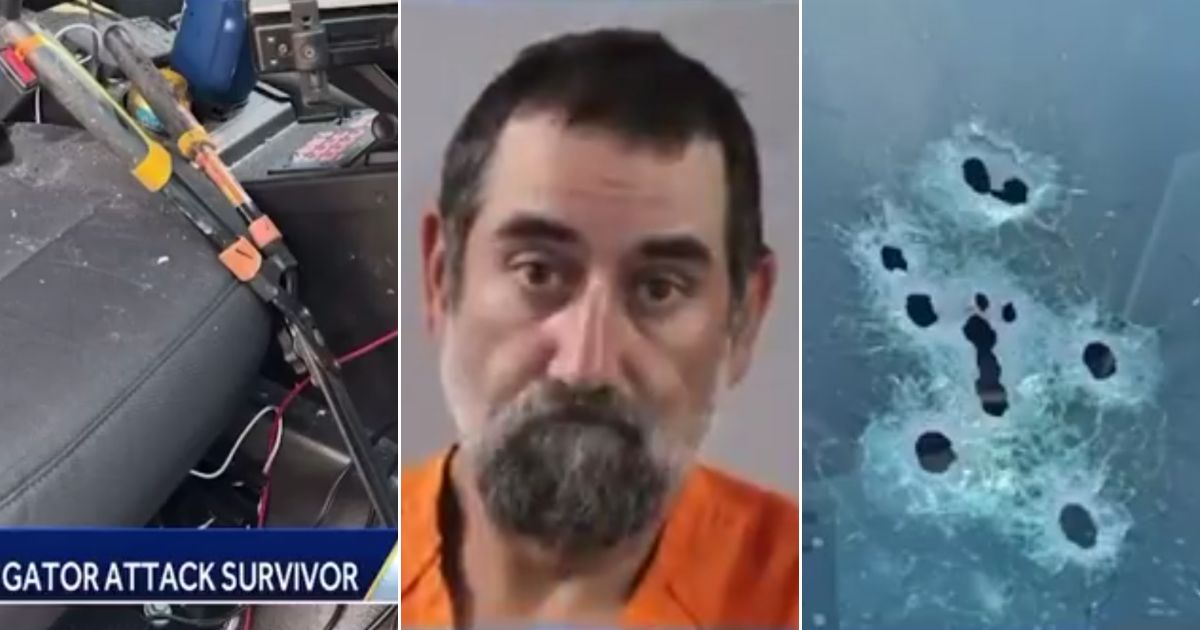
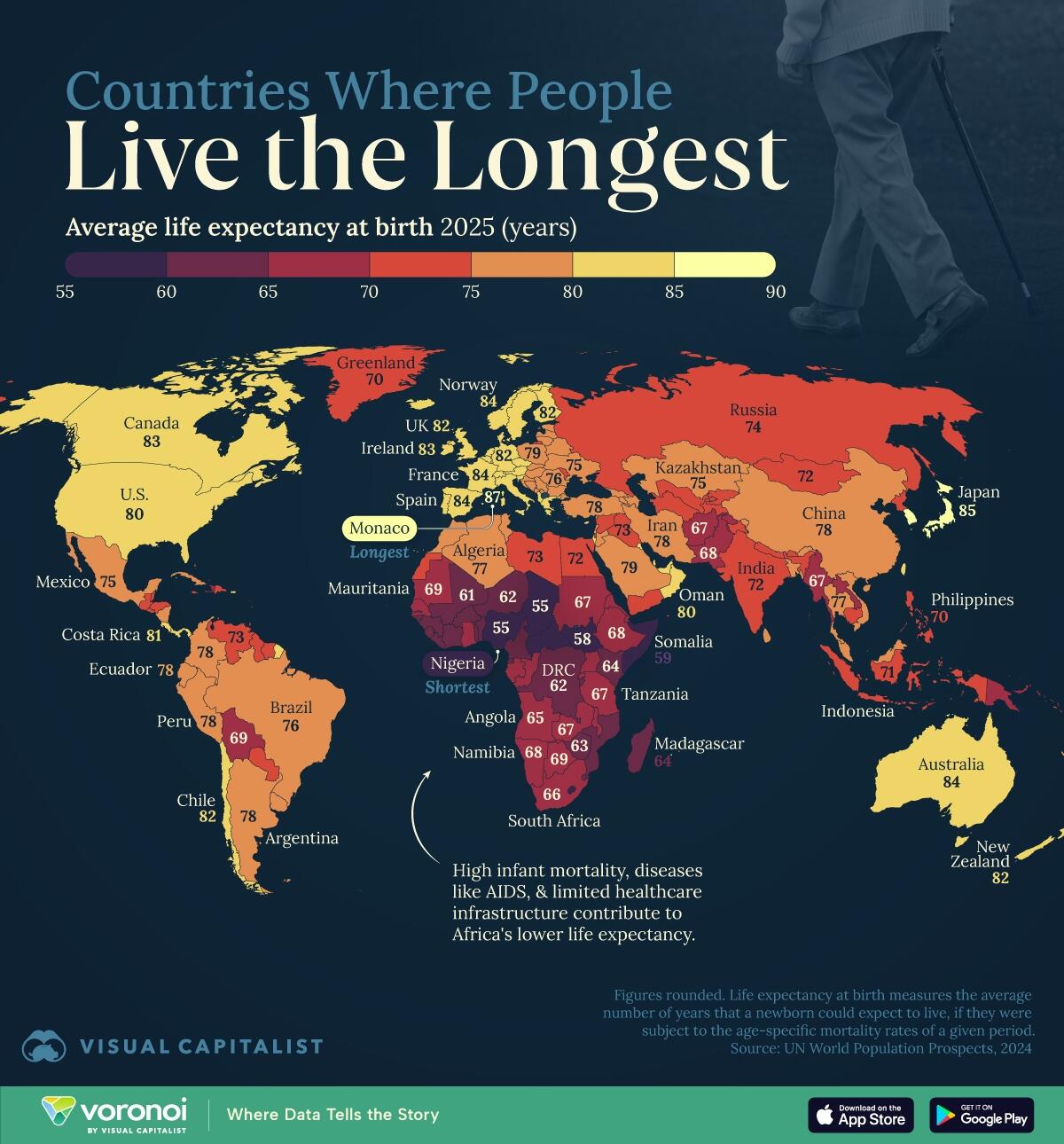






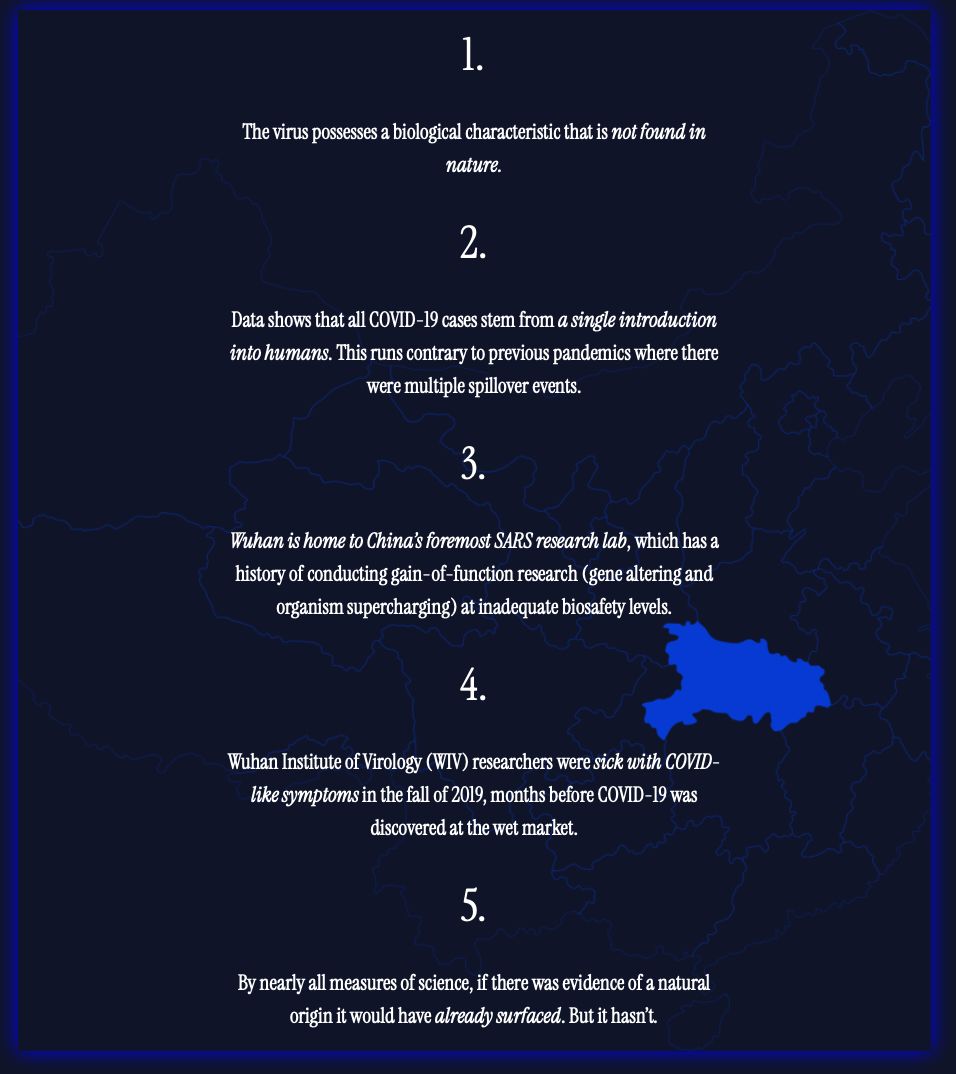
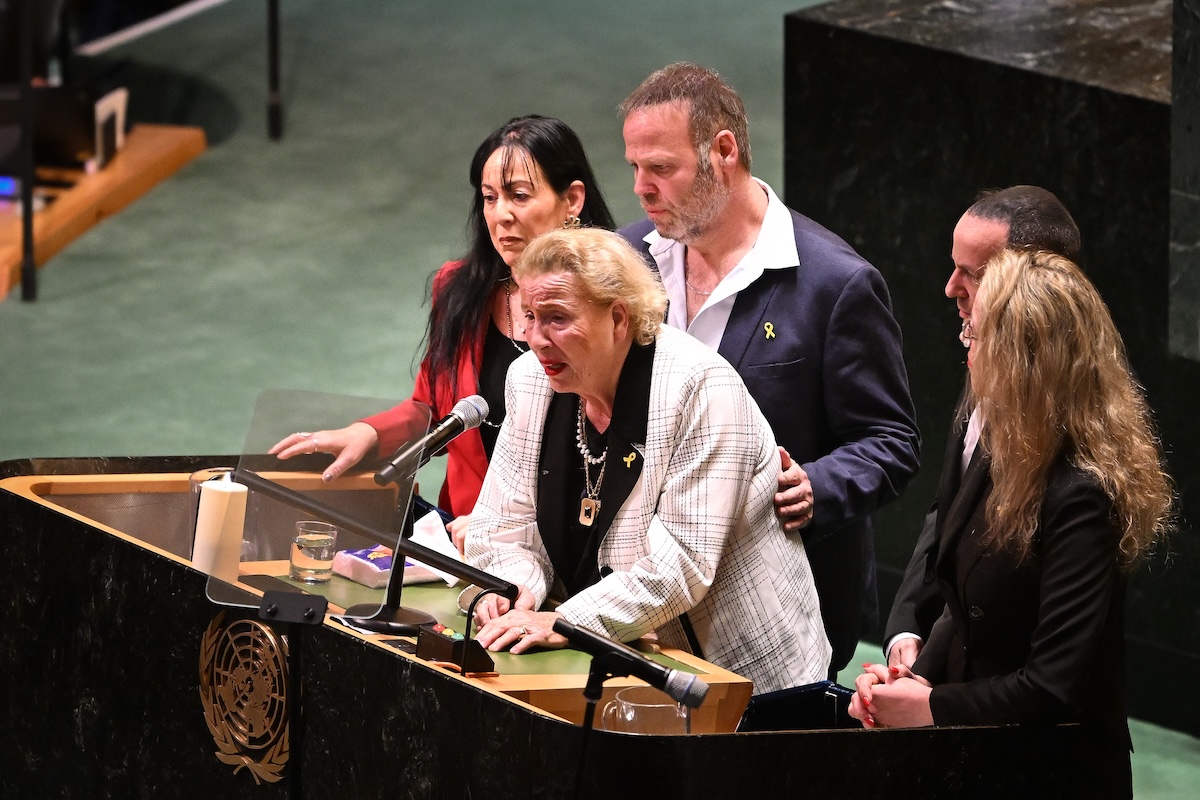


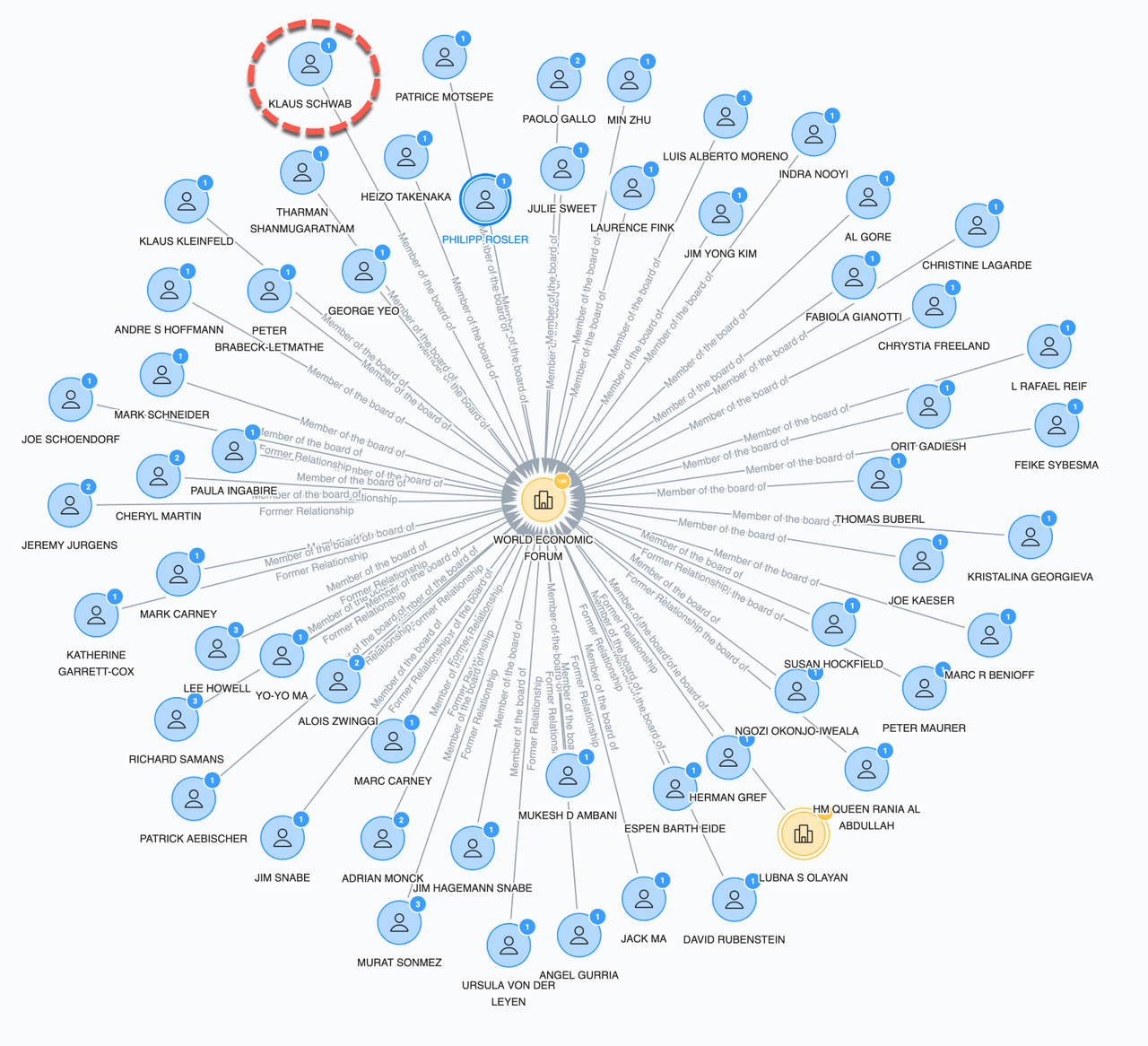

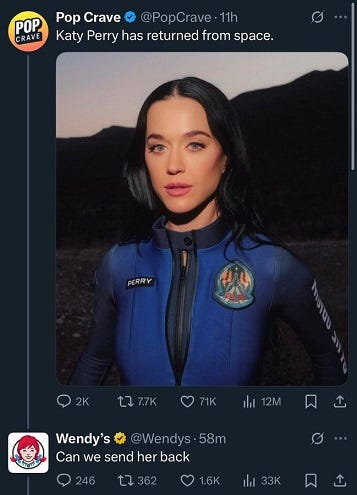










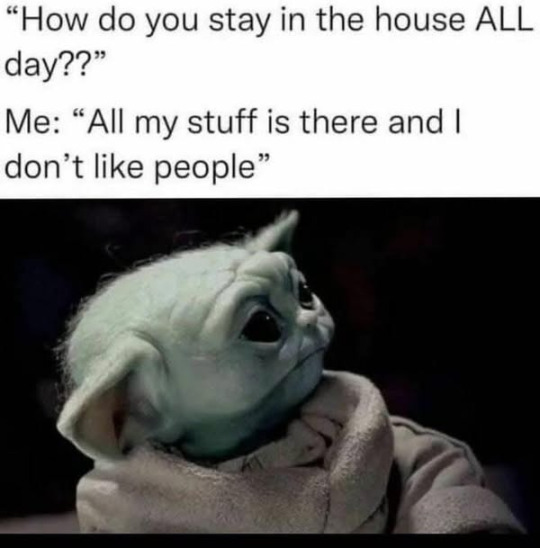


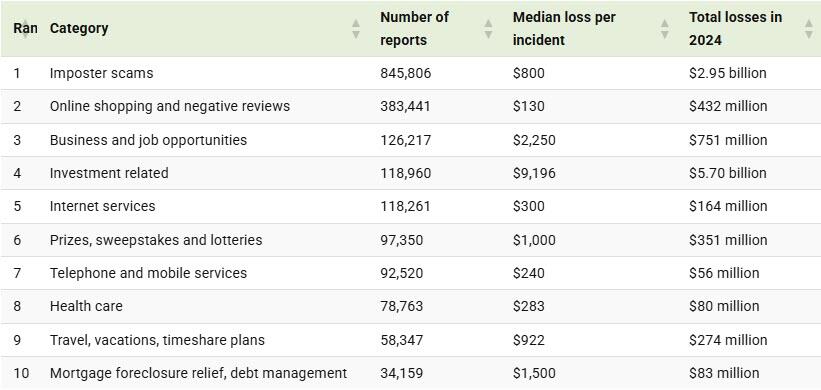


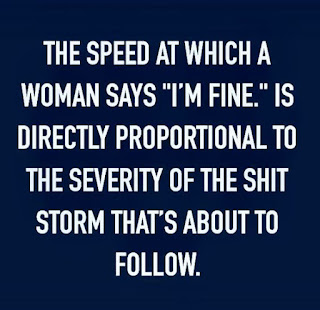

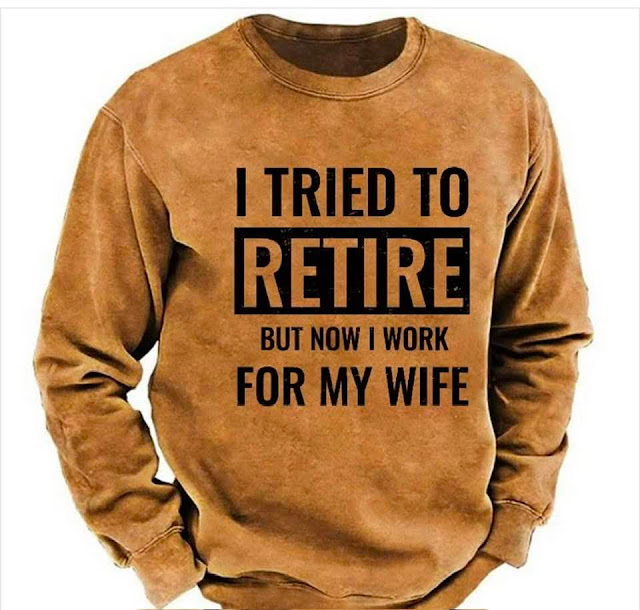














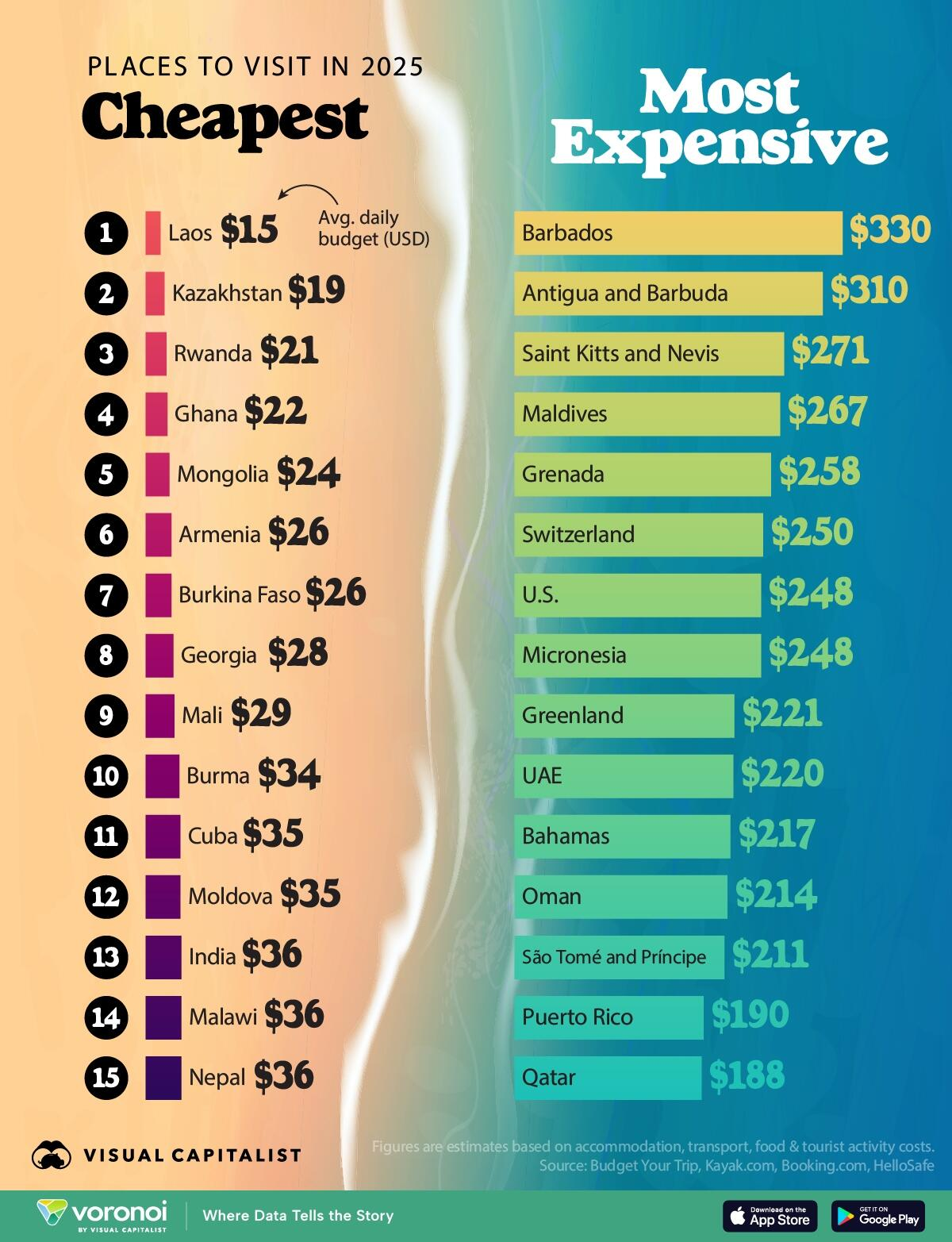





































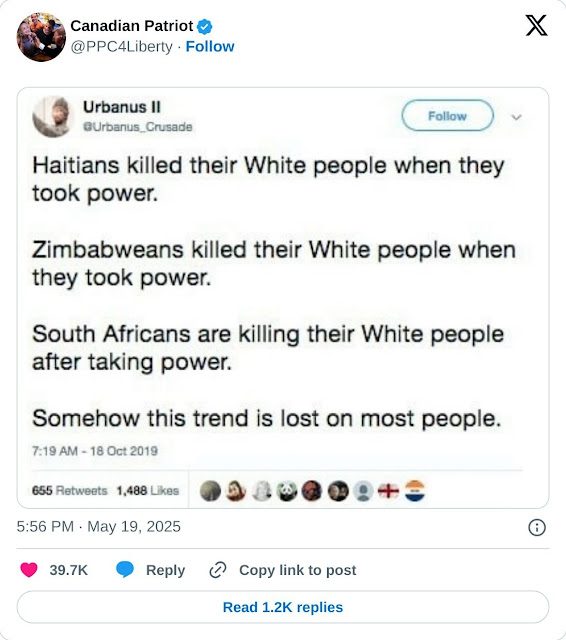





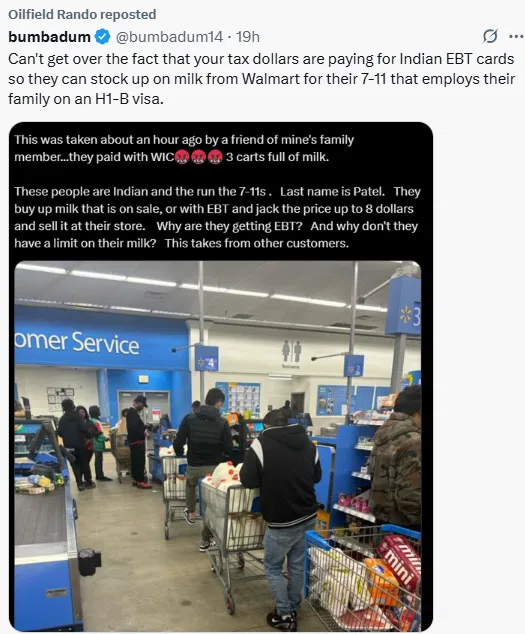
























































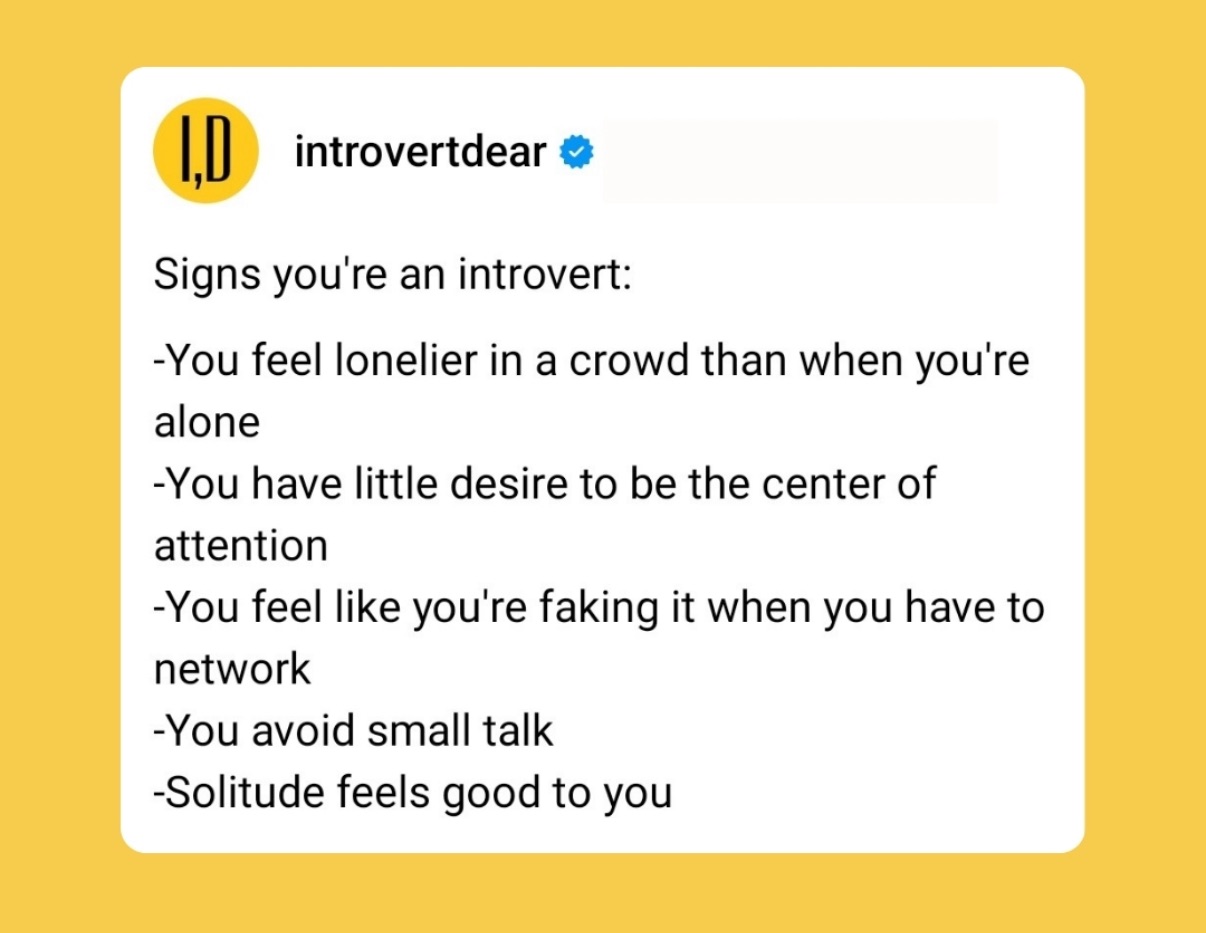
















































































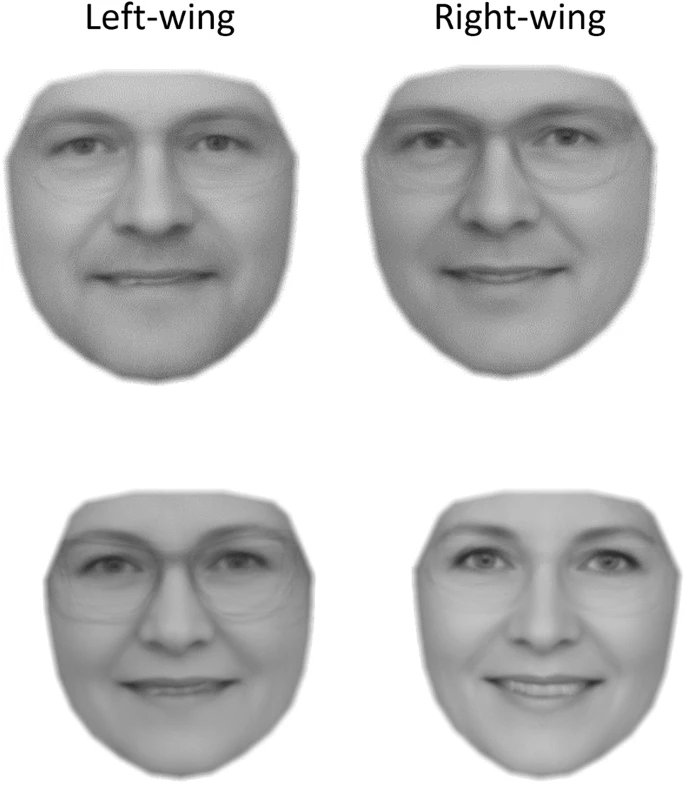







































 Delusions of Adequacy


