
1
2
3
4
5

6
7
8
9

10
11
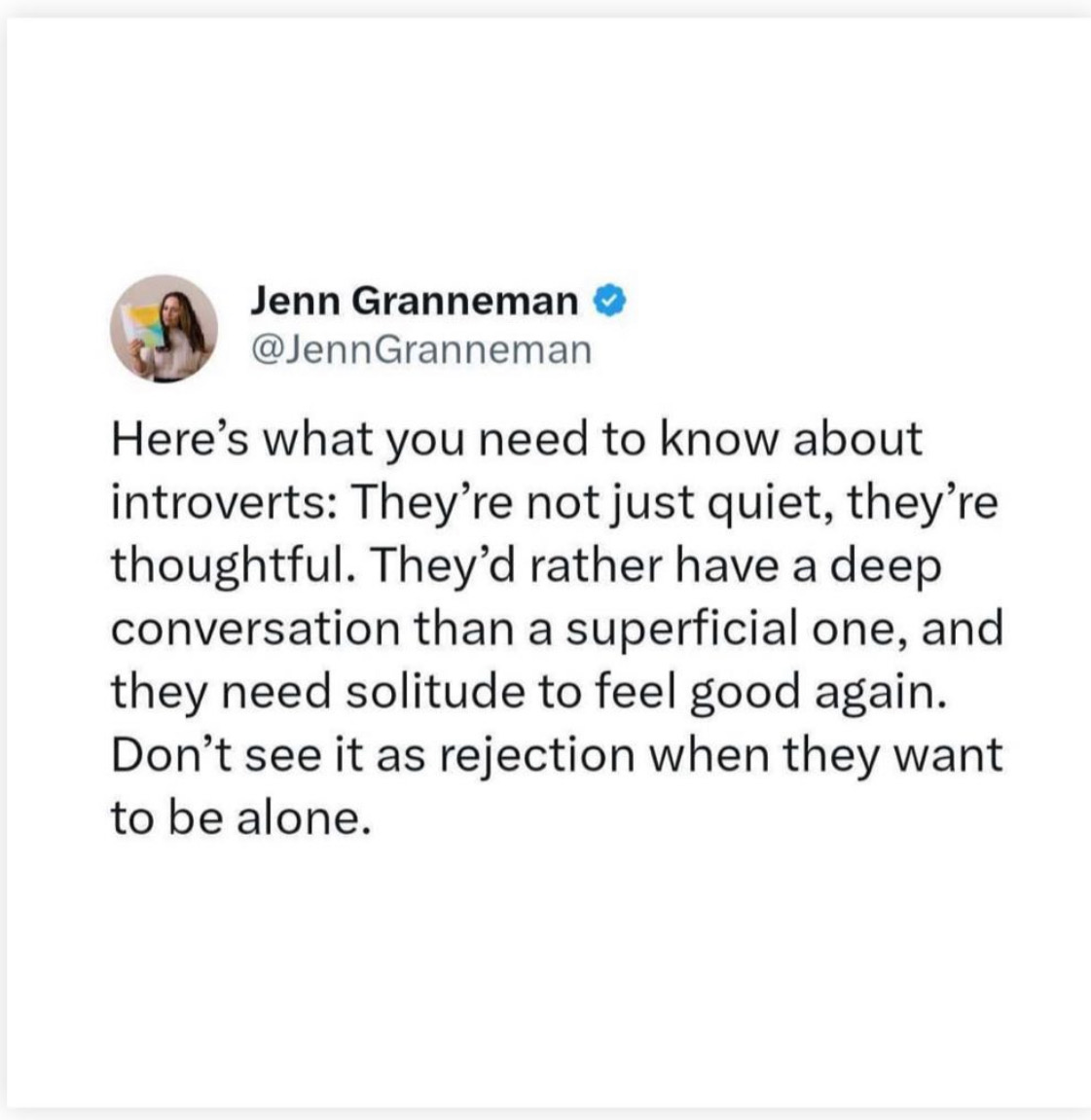
12
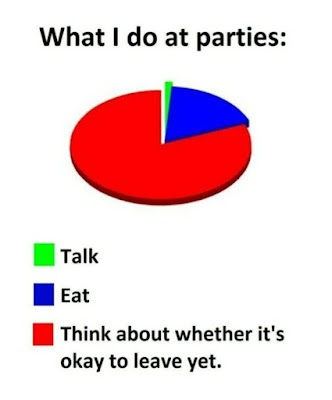
13
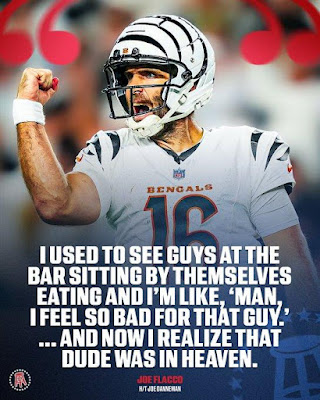
14
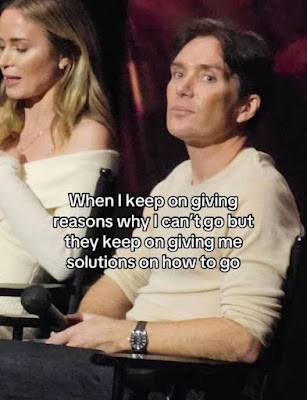
15
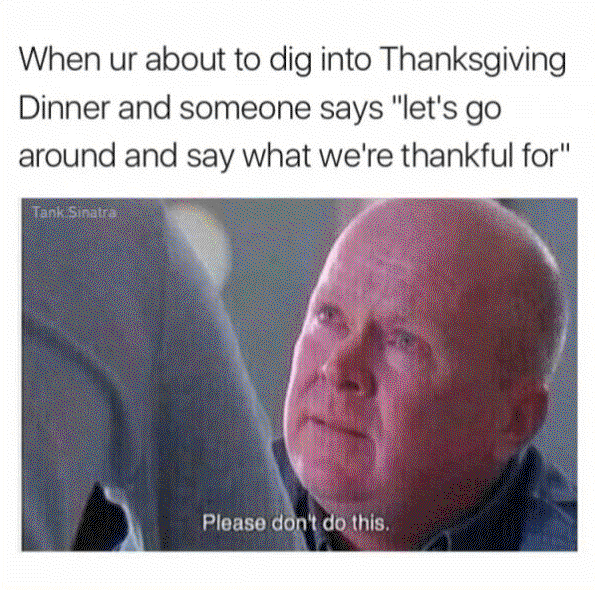
Introverts hate being put on the spot, icebreakers, and networking events. My Brother in law (who I nicknamed Flounder from Animal House) did this to me on one of the 2 worst Thanksgivings I’ve had. He was at the other one also. I mumbled some answer when I should have just passed and felt awkward the whole meal.
What’s something you would attempt if you were guaranteed not to fail.
Diffuse a nuclear bomb
This was written by Dr. Philip Ovadia. A link to contact him is provided below
Some doctors dub it “holiday heart.” Others refer to it as HHS. But no matter what you call it, the data is clear: more people die of heart attacks during the holidays than any other season.
Research in Sweden found a 15% increase in heart attacks for the winter holidays, with a spike of 37% on Christmas Eve. It’s especially high risk for people over 75, those with diabetes, or anyone who’s suffered from cardiovascular disease.
Please know that I’m not saying this to scare you. I just want you to enjoy the holidays without sabotaging your metabolic health.
Knowing your risks is half the battle.
So here’s what you should know, plus how to keep your heart in check.
Does the holiday season inherently raise your risks for heart disease? No. But does it become more difficult to manage risk and avoid metabolically unhealthy practices? Most definitely.
Fortunately, there’s quite a bit you can still control.
Let’s take a look at some of the risk factors below.
You don’t need to be a rocket scientist to realize sugar intake climbs during the holidays. Between the cakes, cookies, and pies, it’s hard to say no to the comforts of the season. It may be harder on those with existing metabolic conditions. One study following diabetics in the post-holiday season found that glycemia and lipids do increase after the festivities are over.
But as we know, sugar consumption does no favors for the heart. High consumption is directly linked with heart failure, diabetes, stroke risk, and even neurodegenerative diseases such as dementia.
I’m not saying you should cut all sugar during the holidays — just make better choices to protect your metabolic health. This might be swapping to whole, real alternatives such as honey instead of corn syrup. There are some sugar alternatives, but be advised fake sugars come with potential health risks.
I realize it can be hard to avoid sweets at gatherings with family and friends, especially if they’re not necessarily supportive of your efforts.
But I highly recommend doing your best and cutting sugar to whatever extent that means for you.
The holidays (quite literally) bring all sorts of processed foods to the table. Prepackaged sweets, sausages, pies, and baking mixes promise to add “the flavor of the season” to your dining room table. And considering 73% of the US food supply is made up of processed foods, there’s a good chance UPFs will be present during at least one of your holiday events.
It is still possible to enjoy holiday classics with whole, real food once you master simple cooking skills.
I don’t need to remind you just how stressful the holidays can be. Two in five people say their stress increases during the holidays, with fears about money, travel, and busy schedules topping the list.
I realize there’s no way to eliminate stress during the holidays completely, but chronic levels can increase many heart health risk factors. They may also encourage poor habits, such as smoking, binge drinking, or poor sleep.
I highly encourage you to find time for yourself, set up relaxing routines, and seek support when needed. You can also get more specific advice around this in my guide covering how stress increases your risk for heart disease.
Cold weather forces blood vessels to constrict, which can increase your blood pressure and put more strain on your heart. For those with a history of chest pain, this can lead to (or worsen) angina. In extreme circumstances, it could limit blood flow to the heart.
Keep in mind that cold weather may also affect the viscosity of your blood. It may be thicker and stickier, which makes it more likely to form clots. This ultimately raises your risk of heart attacks and strokes if you’re already at risk or have a history of heart problems.
I’m not a fan of alcohol at the best of times — even one glass a day contributes to poor metabolic health. Apart from increased blood pressure, drinking can also spike your blood sugar and increase your risk of heart disease. Yes, this applies to holiday favorites like hard ciders and eggnog.
Drinking too much alcohol can also lead to arrhythmia, or an irregular heartbeat, that lasts for many hours. That’s actually where the term “holiday heart syndrome” came from in 1978.
So I recommend limiting alcohol significantly and looking for alternative celebratory drinks. But if you’re struggling to pull back, start with baby steps first. Maybe this means one fewer glass before going to bed, or experimenting with non-alcoholic versions of your favorite drinks.
Between the weather, holiday movies, and potential long-distance travel, people are typically far less active during the winter months. This can certainly raise your long-term heart health risks. But there are also some short-term risks to consider: namely, deep-vein thrombosis.
Thrombosis occurs when blood clots form in a vein or artery, usually within the leg. There are a multitude of factors that contribute to clot formation in the case, but one of the most common is immobility — being unable to move around for long periods of time.
You may be immobile while working a desk job, sitting in a car or plane, or sitting down on the couch to watch the Hallmark channel. These things aren’t inherently ‘bad’ per se, but in an already inactive season fraught with cold weather, your risk factors will be higher.
Do your best to continue some semblance of an exercise routine, perhaps extra movement sprinkled in (like an after-dinner walk, for example). I understand it might feel awkward or embarrassing to continue a routine around friends or family, so you may want to check out these four ways to strengthen your heart when you don’t have time to exercise.
This isn’t, I’m sure, the most exciting thing to read before the holidays. And yet, as a heart surgeon, I care too much not to say something.
Please understand I’m not asking you to moderate your fun, or give up things you enjoy during this special time of year. The purpose of my content is to give you information, so you can come to your own conclusions and make decisions to improve your quality of life.
If you’re interested in learning more about the intricacies of your heart health, I highly recommend the following resources:
And if you want to remove the confusion about your own individual heart health, book a free call with my team today.
I posted her claim to drink it on election day. You can read about it here. Her name is Francesca Fiorentino.
It was just another look at me, I need attention rant by the worst of our species, Liberal White Women.
I had to do some research to see if anything was said afterwards, and not a peep from her or anyone else, so I’m asking her here to put up or shut up. You’ve had 10 months. The search assistant tried to downplay it by saying it was a publicity stunt or some such nonsense. All that told me was that the internet protects liberals and idiots, but I repeat myself
People talk big. Put up or STFU.
Fools aplenty out there.
I’m a classic introvert, but in my teens and twenties, it was normal for me to spend almost every weekend with friends. Now, in my thirties, the perfect weekend is one with zero social plans.
And I’m not the only one socializing less these days. My extroverted friend, for example, used to run through her entire contact list, calling friends whenever she was alone in the car. She told me she hated the quiet, the emptiness, because being alone felt boring.
You know, for the whole 10–15 minutes it took to drive to the grocery store. Oh, the horror.
These days, I can rarely get her out for brunch or coffee. She’s content spending most nights at home with her husband and two kids. And I haven’t gotten one of her infamous calls in years.
So, what gives? Do we get more introverted as we get older?
Probably, says Susan Cain, author of Quiet: The Power of Introverts in a World That Can’t Stop Talking — and this is actually a good thing. Let me explain.
In a post on Quiet Revolution, Susan Cain confirmed my suspicions: We tend to act more introverted as we get older. Psychologists call this “intrinsic maturation.” It means our personalities become more balanced, “like a kind of fine wine that mellows with age,” writes Cain.
Research also shows that our personalities do indeed change over time — and usually for the better. For instance, we become more emotionally stable, agreeable, and conscientious as we grow, with the largest change in agreeableness happening during our thirties and continuing to improve into our sixties. “Agreeableness” is one of the traits measured by the Big Five personality scale, and people high in this trait are warm, friendly, and optimistic.
We also become quieter and more self-contained, needing less “people time” and excitement to feel a sense of happiness.
Psychologists have observed intrinsic maturation in people worldwide, from Germany to the UK, Spain, the Czech Republic, and Turkey. And it’s not just humans; they’ve observed it in chimps and monkeys, too.
This shift is why we slow down as we get older and begin enjoying a quieter, calmer life — and yes, it happens to both introverts and extroverts.
From an evolutionary standpoint, becoming more introverted as we age makes sense — and it’s probably a good thing.
“High levels of extroversion probably help with mating, which is why most of us are at our most sociable during our teenage and young adult years,” writes Susan Cain.
In other words, being more extroverted when you’re young might help you form important social connections and, ultimately, find a life partner. (Cue the flashbacks to awkward high school dances and “welcome week” in college.)
Then, at least in theory, by the time we reach our 30s, we’ve committed to a life path and a long-term relationship. We may have kids, a job, a spouse, and a mortgage — our lives are stable. So it becomes less important to constantly branch out in new directions and meet new people.
(Note that I said “in theory.” In my 30s, I still don’t have kids, a mortgage, or a wedding ring. These days, we have the luxury of not following evolution’s “script.”)
“If the task of the first half of life is to put yourself out there, the task of the second half is to make sense of where you’ve been,” explains Cain.
During the married-with-children years, think of how difficult it would be to raise a family and nurture close relationships if you were constantly popping into the next party. Even if you don’t marry or have kids, it would be hard to focus on your career, health, and life goals if you were always hanging out with friends like you did in your teens and twenties.
But there’s a catch: Our personalities only change so much.
In my book, The Secret Lives of Introverts, I like to say that our personalities may evolve, but our temperaments remain constant.
This means that if you’re an introvert, you’ll always be an introvert, even at 90. And if you’re an extrovert — though you may slow down with age — you’ll always be an extrovert.
I’m talking big-picture here: who you are at your core.
Research supports this idea. In 2004, Harvard psychologists Jerome Kagan and Nancy Snidman studied individuals from infancy into adulthood. In one study, they exposed babies to unfamiliar stimuli and recorded their reactions. Some babies got upset, crying and flailing their arms and legs; these were labeled “highly reactive” to their environment.
Other babies remained calm around the new stimuli; they were the “low-reactive” ones.
When Kagan and Snidman checked in with these individuals later, they found that the “highly reactive” babies often grew up to be more cautious and reserved, while the “low-reactive” babies tended to stay sociable and daring as adults.
The bottom line? Our core temperament — whether cautious or sociable, introverted or extroverted — doesn’t change dramatically with age.
Discover the secrets to enjoying fun, meaningful conversations. Know exactly what to say — even if you’re introverted, shy, or socially anxious. Feel less drained and have more energy while socializing.
Consider, for instance, your high school reunion.
Let’s say you were very introverted in high school — perhaps the third-most introverted person in your graduating class. Over the years, you’ve grown more confident, agreeable, and comfortable in your own skin, but you’ve also become a bit more introverted. If you enjoyed hanging out with friends once a week in high school, maybe now in your thirties, you’re content with seeing them only once a month.
At your ten-year high school reunion, you notice everyone has slowed down a bit, enjoying a calmer, more stable life. But those who were very extroverted in high school are still much more extroverted than you.
You’re still approximately the third-most introverted person in your class — but now the whole group has shifted slightly toward the introverted side.
And that’s not a bad thing. In fact, it might be exactly what we need to flourish as adults. If there’s one thing we introverts understand, it’s the deep satisfaction of a quiet life.
My take, I just had my 50th high school reunion. I never even considered going. I enjoyed it immensely.
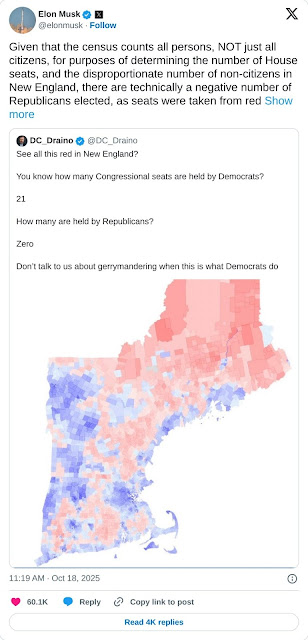
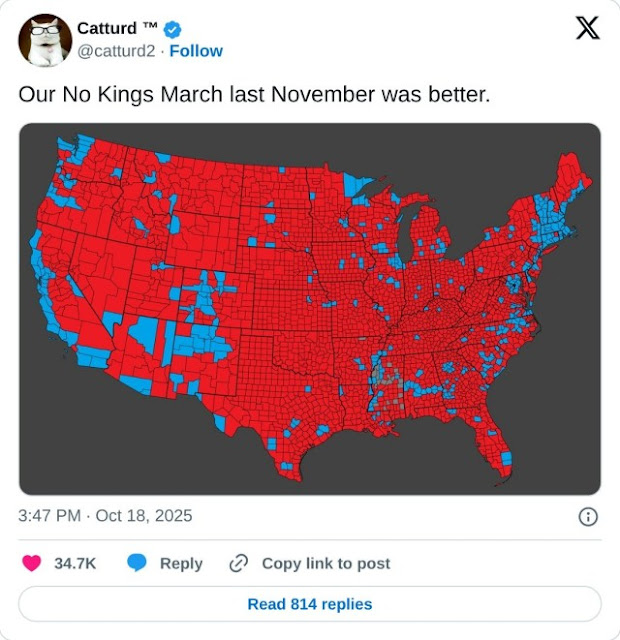
Get ready for shithole status, it’s coming. When one side has the power, either side, the lack of balance gives you the Kings you protested against.
AI Toys From China
GLP-1 Weight Loss Side Effects
Weight Loss Jabs Like Ozempic and Mounjaro ‘Linked to 170 Deaths’ – Including Adults in Their 20s – Yet concerns are growing over the side effects, with milder ones including headaches, vomiting, and diarrhea.
In more serious cases, GLP-1s can cause gallstones, kidney stones and inflammation of the pancreas, with some doctors warning of ‘life-threatening complications’.
Nature
New Nightmare Just Dropped: Scientists Discover Horned “Lucifer” Bee – So the male bees are totally cool and lack stingers, and the females have stingers and devil horns?
Hmmm…you don’t say. It’s always the girls that are the devils.
The Real troublemakers tearing America apart
‘F-ck Your Dead Homie’: Violent Antifa Mob Terrorizes Attendees of TPUSA Event Honoring Charlie Kirk at UC Berkeley – Haven’t you got something better to do? Or are you being paid to protest? Here’s your hint, it’s the liberals, Antifa and the socialists.
Climate
Reality Caught Up to ‘Climate Change’ – Greed for AI power is more important that the carbon lie. Bill Gates pulled the rug out from under the Green New Scam
Air Travel
‘It Hurts Our Feelings’: New Jersey Flight Attendant Of 11 Years Shares All The Things Customers Do That Flight Attendants ‘Hate’—You Might Be Guilty Of The ‘Stretching’ One – what a whiner. You signed up for the job. The travelers overpaid for their tickets for usually poor service and late arrivals. If you don’t like it, learn to code. Oh, that’s right, you’re a stewardess. Every job sucks that deals with people, but you chose it.
Cost of living around the world
Visualizing How The Cost Of Living Differs Around The World
Inflation and Tarriffs
Child Welfare Mistreatment
193 Youth in Care of Illinois’ Child Welfare Agency Missing in 2025 – How the F do you lose 193 kids?
Incompetence
San Fransicko’s Newly Appointed Supervisor Resigns Over Pet Store Controversy – I took one look at her and knew she was a loser
Civil War
Too Many Americans Want a Civil War – First of all, Katie Couric is a F’n idiot. Second, Antifa and the left don’t know that hunters have been practicing with camo and high powered rifles since they were kids. A lot of us had to fight real fights, not the pussy name calling they are used to. The are in for a nice Sunday Surprise if they try it
If you know, you know: Florida is more than a glorious, sun-drenched vacation land. It’s a weird and chaotic, semi-lawless-feeling place dangling off of the edge of America. And for Maddy (@maddy.1414), who lives in Tampa Bay, that is exactly why she swears it’s not even a “real place.”
In a TikTok video that’s been watched over 689,000 times, Maddy spotlights one of the quirkiest, most counterintuitive things about life in Florida. And shockingly, it has nothing to do with alligators or the Brightline. It’s all about drive-thru drinks.
“Florida is not a real state,” says Maddy in the intro to her video. Sure, she’s going hard, but she promises to back up her claim with evidence. The video then cuts to her ordering at a drive-thru. “Can I just get one espresso martini?” she says.
A voice replies, “Yeah, sure thing.”
She pulls around to the window. But while waiting, she speaks directly into the camera again. “OK, if you know me, you know that I always say Florida isn’t a real state because you can do things here that you shouldn’t be able to legally do,” she says.
MY STORY FROM YEARS AGO
When a stupid youth in high school and college, I remember going through the brew-threw to get a six pack for the beach or wherever I was going. They were available in Orlando and along the beach. We had fake IDs and just cruised in and out. The best thing I ever did was move out of that state. That meant splitting a six-pack to the beach and another one on the way home. It was only a one hour drive away. I could have blown the limit by double, which was higher back then. That business made a killing. We’d have to wait in line for our turn, it was so busy, any time of day. I think they finally passed a law to stop it, but I haven’t been there in years.
How I’m alive is beyond me.
Now, when I see a Florida tag in my current state, I steer clear because I know it’s a bad driver. The minute you cross the border from Georgia, people pass in the right lane. The old people get into the fast lane and drive slowly. They also drive into pools in South Florida fairly regularly
Now, If I have to go out with my brother-in-law to dinner, he has a cocktail, a bottle of wine, and an after dinner drink. I gave it up 30 years ago, yet he drives because I don’t know where I’m going where they live, and he thinks he’s a big shot. How he doesn’t have a DUI or a broken neck is beyond me. It’s why I avoid my family when possible. I also won’t drive with him anymore.
If I’m a cat, I’ve used up 8 lives.
Does this sound familiar?
You’ve spent the whole day with your friends or family. You’ve had a great time eating, playing games, and catching up. But now, you’re so exhausted you can barely see straight, while everyone else seems as energetic as ever. In fact, they’re already setting up the next game as you’re wondering how you can slip out the door.
The next day, after the event is over, is no better. You might have a headache, and your body may feel sore and drained, almost like the onset of the flu. You’re tired — so very tired.
If this resonates with you, you might be experiencing something we call an “introvert hangover.”
Introvert, Dear writer Shawna Courter coined the term “introvert hangover” in this article to describe the exhaustion she felt after celebrating Christmas with her in-laws. She writes:
“An introvert hangover is a pretty terrible thing to experience. It starts with an actual physical reaction to overstimulation. Your ears might ring, your eyes start to blur, and you feel like you’re going to hyperventilate. Maybe your palms sweat. And then your mind feels like it kind of shuts down, building barriers around itself as if you had been driving on a wide open road, and now you’re suddenly driving in a narrow tunnel. All you want is to be at home, alone, where it’s quiet.”
Yes, the introvert hangover is real. It’s a funny term that describes the serious social burnout many introverts experience, marked by significant mental and physical fatigue.
Here are 12 signs that you might have an introvert hangover, which I discuss in more detail in my book, The Secret Lives of Introverts. You don’t need to experience all these symptoms to have one, and your symptoms might vary.
When you have an introvert hangover, even small annoyances can overwhelm you. Normally, you might brush off a sarcastic comment from your partner or stay calm when you misplace your keys — but not in this state. An introvert hangover can make it feel as though your head is so full it might burst, leaving no room for even the smallest extra bit of information. Because you’re so tired, you may find it hard to control your emotions.
Even small decisions become difficult. Paper or plastic? Pumpkin pie or cherry? Normally, these choices wouldn’t be hard, but when you have an introvert hangover, your brain is so tired that it doesn’t function properly. For bigger issues, you might find yourself obsessively thinking about the situation to the point of frustration. You’re searching for that one piece of information that will show the right way forward, but because you’re so exhausted, your mind can’t focus enough to find it.
Similar to the previous point, you’re so tired that it feels like your mind is processing everything in slow motion. You might struggle to recall details of things you should easily know, like your daily schedule, where you left your phone, or even common passwords.
You might speak slower, with unusually long pauses between your words. Sometimes, you might use words that are close to what you mean but not quite right — for instance, “dessert” becomes “candy” and “where’s my coat” becomes just a vague gesture. You might even seem a bit intoxicated, even if you haven’t had much or any alcohol. You might slur your words together, mispronounce them, or both.
Some introverts report experiencing headaches, muscle aches, upset stomachs, or other physical symptoms.
Like, really tired. It feels like you’ve just finished an intense workout at the gym. If someone offered you a quiet spot to nap, you’d accept it immediately. After the social event, you find yourself collapsing on the couch, skipping your usual evening routine, or heading straight to bed.
You find it hard to focus. Someone might be speaking, but you’re not absorbing their words. Your expression may appear blank, sad, or even angry, but you’re not necessarily upset. Your mind is simply wandering, perhaps lost in thought or daydreaming.
For some, an introvert hangover can intensify their anxiety. In social situations, they might feel particularly nervous, worried about how others perceive them and concerned they might say or do the wrong thing. They may also find themselves overthinking a particular decision, unable to escape an anxious thought spiral due to their fatigue.
Discover the secrets to enjoying fun, meaningful conversations. Know exactly what to say — even if you’re introverted, shy, or socially anxious. Feel less drained and have more energy while socializing.
An introvert hangover can also trigger feelings of depression. You might find yourself overwhelmed by pessimism and cynicism, questioning past decisions, and experiencing dark thoughts. Everything in life may seem bleak or not okay.
You might be quieter or not as cheerful as usual. Something seems off, and those close to you are likely to pick up on it.
When you’re experiencing an introvert hangover at a social event, you might find it hard to keep up with conversations. You’ve run out of small talk. Your mind is just too tired to think of anything polite or interesting to say.
When you’re dealing with an introvert hangover, all you crave is solitude. Whether it’s sneaking off to the bathroom during a social gathering or cozying up in your pajamas afterward, you just need some time for yourself. For introverts, there’s nothing quite like the comfort of being alone after a hectic day or social gathering.
Research shows that everyone eventually gets tired from socializing, including extroverts. Socializing requires energy, and after a while, everyone reaches their limit. However, introverts experience social burnout more quickly and intensely.
Why is this the case? Introverts are generally more sensitive to noise and other forms of stimulation compared to extroverts. Their dopamine systems are less active, meaning that an overload of dopamine — the “feel good” neurotransmitter — can leave them feeling tired and overstimulated. In contrast, extroverts often feel energized by the same levels of dopamine, which can help them push past social fatigue.
To learn more about why introverts need time alone and why they get easily drained from socializing, click here.
The best way to recover from an introvert hangover is to spend time alone in a peaceful, quiet environment. Do your favorite self-care activities or hobbies — anything that helps uplift your mood and energy. For introverts, solitude is as essential as food and water.
If you can’t be completely alone, look for small ways to take a break. You could listen to soothing music with headphones, go for a walk, or find a quiet corner to read. Even short breaks can make a difference.
As introverts, we might feel pressured to fit into a society that often values extroverted behavior. You might worry that prioritizing your needs could inconvenience others or hurt their feelings. This pressure can lead you to hide or deny what you really need, causing more stress.
Remember that your needs as an introvert are valid. It’s perfectly okay to leave a party early or to spend time alone. Your needs are real and deserve respect.
The holiday season is here. It’s the worst 2 months of the year for me. What is telling is that as soon as the presents are opened, people go right back to the other 10 months of the year.
I cringed when I saw the decorations for sale in September, and they started going up 50 days before Christmas near me. My energy started draining on the spot
Karl Marx famously wrote in his 1848 Communist Manifesto, “The proletarians have nothing to lose but their chains,” and it was these unchained proletarians who elected Zohran Mamdani mayor of New York City, along with other socialists in municipal elections from Atlanta, Georgia to Portland, Oregon and cities in between. But the 2025 elections did more than sweep a surprising number of socialist politicians to power. They also revealed contradictions inherent to all leftist ideologies.
One big contradiction involves affordability, a major issue in the 2025 elections, particularly in terms of housing. But proletarians voting for socialists in the hopes of achieving the dream of homeownership don’t realize they’re voting for the kind of big government that’s already putting it out of reach.
A report by Murray Weidenbaum at Washington University in St. Louis found that in three surveyed locales—Colorado, St. Louis, and New Jersey—the cost of government regulations added $1,500 to $2,500 to the price of an average house in the mid-1970s. By 2011, government mandates increased home prices by $65,224. Over the next decade, government made homes $93,870 more expensive. Socialists decry the high price of housing, but intrusive government contradicts them by burdening homebuyers with escalating regulatory costs, and socialists are not prone to surrendering government control of people’s lives.
In New York City, affordability provides an additional contradiction. When someone complains about life being too expensive, they might consider economizing or relocating to a less expensive place. But Mamdani voters do not want to economize or move; they want to continue drinking $8 lattes and living in Greenwich Village. Their belief system demands the world adapt to them rather than adapting to the world around them. It is a belief that inverts Charles Darwin’s theory of evolution, which is foundational to the belief system of true proletarians.
Then there’s the contradiction of what constitutes a proletarian in the first place. According to Britannica, Marx characterized proletarians as “workers who were engaged in industrial production and whose chief source of income was derived from the sale of their labor power.” This definition fits every working American; if you have a job, Marx says you’re a proletarian.
This definition might apply to someone like Elon Musk, who also sells his labor to make money. But some of Musk’s labor is used to build and operate factories which employ other proletarians. What we’re left with is an ideology in which proletarians who work only for themselves are the selfless good guys, but those who work for themselves while providing employment for others are selfish members of the bourgeoisie, the enemy of proletarians. It defies logic.
History shows any form of Marxism has never worked, yet here we go again. Why are we playing a home game this time? Obama?
A postal worker has died after getting stuck in a mail handling machine – and his body was only discovered after his devastated fiancée turned up at his workplace.
The employee in his 30s was found dead on Saturday after being trapped for several hours inside a large mail handling machine at the United States Postal Service Detroit Network Distribution Center in Allen Park, Michigan.
Police believe the death was accidental, though the exact circumstances of how the worker became stuck remain under investigation.
The man’s body was discovered by firefighters who responded after the worker failed to return home from his shift.
Investigators believe he had been deceased for approximately six to eight hours before being located, lodged inside the machine at the facility.
His fiancée initially alerted authorities to his absence and waited outside the facility for hours before receiving assistance.
That means he was crushed to death, slowly, knowing he couldn’t escape
The Make America Health Again (MAHA) movement has made quite a few waves in 2025. And by the end of the year, it will make at least one more: HHS Secretary Robert F. Kennedy Jr. has announced new dietary guidelines that will revise or revamp existing Dietary Guidelines Advisory Committee (DGAC) reports.
While these new dietary guidelines have yet to be released, we have quite a few details on what to expect. Some people believe they may be misleading or even dangerous. But as a cardiologist and heart surgeon of 30+ years, I’m very optimistic they will help reduce our rates of heart disease.
Below, I break down the most important principles to know, plus the guidelines’ ramifications for American heart health.
One quick note: this is not intended to be political commentary. There are plenty of party-based perspectives on these dietary guidelines, and lots of opinions from all sides. My goal here is to examine the facts and provide my honest perspective.
First, a little background.
The Dietary Guidelines Advisory Committee releases an updated nutrition guideline every five years. This is a 400+ page report you can access at dietaryguidelines.gov, although it isn’t intended for public use. Rather, it’s a boilerplate of Federal guidelines for things like school lunches, military rations, and government assistance programs.
But RFK’s guidelines are set to be significantly shorter — just four to six pages. The goal is to create a set of “common sense guidelines” that anyone can use to make decisions about their nutrition.
Again, the guidelines themselves have yet to be released. But we have a pretty good idea of what they’ll include.
Here’s a closer look at some anticipated changes so you can compare and contrast with traditional guidelines.
Traditional dietary guidelines such as the food pyramid and MyPlate categorize foods by the nutrients they provide.
So for example:
What it doesn’t account for is the qualities of these foods, or how processed they are. Fruit and gel cups still count as a serving of “fruit,” while sweetened yogurt tubes and Goldfish count as dairy and grains, respectively.
You don’t need to be a nutritionist to realize this leaves a very large gap for interpretation.
Because people don’t eat nutrients, they eat food.
RFK’s proposed guidelines help eliminate this confusion by emphasizing whole, real foods over arbitrary classifications (like whether or not you got your “servings” of grain today). This is also much more scientifically sound; it goes beyond categorizing nutrient types and makes it easier to isolate ultra-processed foods, or UPFs.
The current administration plans to develop a “government-wide definition” for ultraprocessed food. This likely means a working definition for whole, real food as well.
In my opinion, establishing a definition for ultra-processed foods is a net positive for everyone. Not only will people know how to better avoid unhealthy options, but they can also significantly decrease their risk of heart disease.
While RFK’s new dietary guidelines won’t focus much on specific nutrients, there is one component likely to be emphasized more than others. In his own words, “[these] new dietary guidelines that are common sense, that stress the need to eat saturated fats of dairy, of good meat, of fresh meat.”
RFK has gone on record multiple times explaining that animal-based products deserve a higher priority in the everyday diet. But animal-based products contain more saturated fat — something of a boogeyman in traditional guidelines.
If these new guidelines do raise suggested intakes for saturated fat, it will go against decades of advice from the US DGA, and this is concerning some nutritionists. For context, traditional US guidelines recommended an intake of 10% of daily calories. The American Heart Association recommends even less, around 6%.
But we don’t have any evidence to suggest that limiting saturated fat intake actually prevents heart disease. Plus, increasing saturated fat intakes from whole, real sources is unlikely to negatively affect heart health. If anything, it may improve it.
That’s because some of the highest sources of saturated fat in the US are pizza and ice cream. Sandwiches, desserts, and sweet snacks aren’t far behind. These are ultra-processed foods that will have other, more serious ramifications (like spiking your blood sugar, for example).
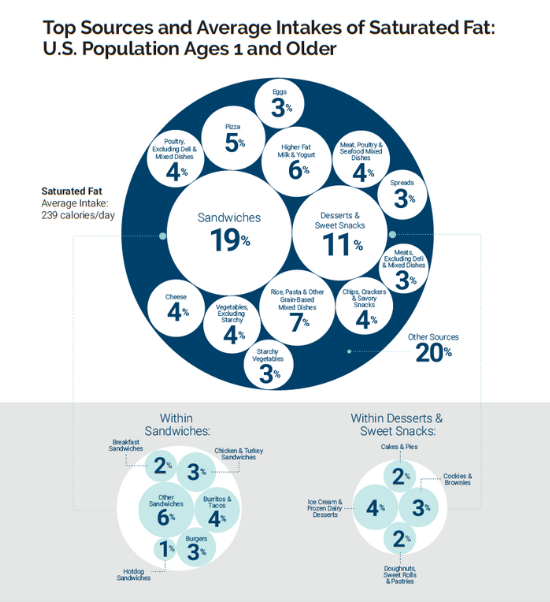
So what does this tell us? That whole, real foods like steak and eggs are not primary sources of saturated fat in the average American diet.
Demystifying saturated fat from whole, real food sources will play a substantial role in improving dietary quality and heart health.
Contrary to popular belief, RFK Jr’s proposed dietary guidelines do not work adversarially to supporting heart health. I don’t say this flippantly, either: I am firmly dedicated to Making America Healthy Again, and will (and do) only support changes that match my research and opinions.
Here are the other components I would love to see added:
Time will tell what the guidelines contain. We don’t have long to wait: they’re slated for release no later than the end of this year.
As we wait for its release, I highly encourage you to perform research of your own. I’ve written quite a few guides covering nutrition and heart health you can use to get more information.
Below are some resources to help get you started:
I could pontificate for a while on this, but the facts speak for themselves.
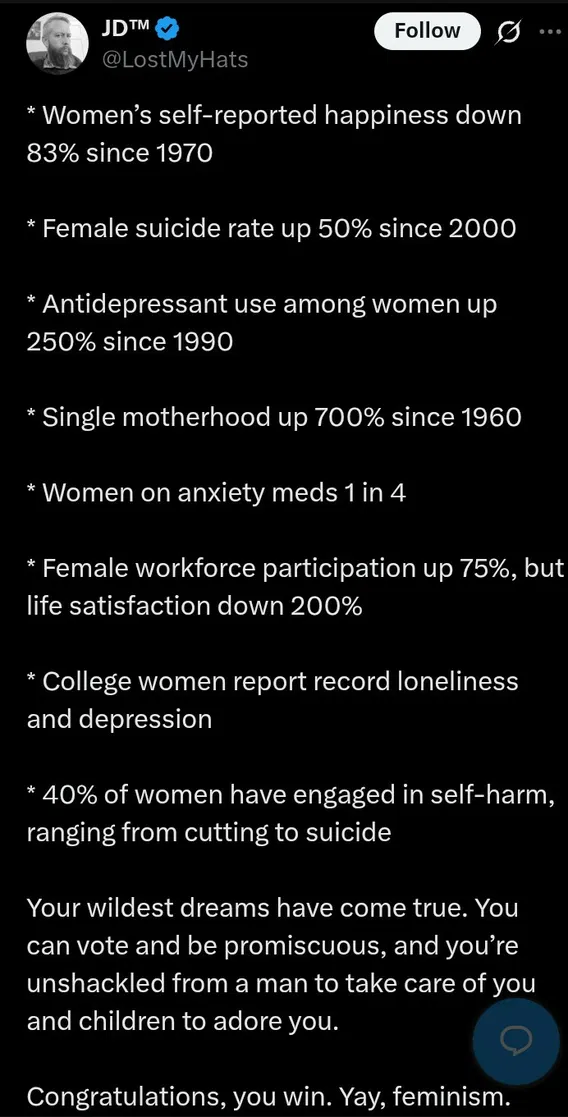
And they elected a socialist muslim in NYC last week. You go girl.
What was your favorite subject in school?
I’d like to say that I was dedicated to a job goal in school, but I just tried to get good grades, like it or not. I was only interested in either getting into college or getting a job, but there wasn’t any subject that blew wind up my skirt.
I was small and the youngest kid in my class due to the birthday cut off, but I enjoyed PE class because it was a break from studying. It’s tough being the youngest and usually the smallest. Once I caught up to the other kids, I held my own and even kept up with the team athletes at the end.
It was the break from the monotony of class that made me enjoy it.
The valedictorian and salutatorian were in my chemistry class. They ruined the curve for everyone. The kids always messed with their experiments, and they could never figure out why they didn’t get the results that they were supposed to, although their write ups got them the A’s they strove for. Neither went anywhere in life.
The real smartest kid placed 3rd behind these two shrimp girls because he took weightlifting in PE and got a B, his only one ever. I give him credit for sticking his neck out in life. Straight A’s got a lot of people nowhere, but life lessons did.
Which brings me to my greatest learning in school. I had to try harder in everything. I was so young that social things, intuitive to others, were a hard learned lesson for me. It was tenacity over talent in everything. If I’d known that I was an introvert, I could have used my observation skills even more. What I did was just intuition back then.
So while it was the toughest subject for me, life was the class I studied the most. I had to figure everything out without someone to show me how. Like the Bob Seger song, I was working on mysteries without any clues. It was the best lesson I learned.
I wound up playing Tennis for my college, the only sport I made the team on. I was president of my fraternity and dated a cheerleader. None of that really mattered to me then. I expected it after all that I’d been through. I worked hard enough to get the job that opened doors to people and travel, and the success I’d defined for myself.
As it turns out, my 50th reunion was last weekend. I didn’t go because I never related to the other kids, or wanted to. They were just people I learned from, mostly what not to do or how to act.
At high school graduation, I vowed that I’d be more successful by any measurement. A few became actors, pro sports athletes, or a doctors here and there. As I’d come across their stories before I ditched Facebook, the pinnacle of life was high school for them. It was all downhill from there. I was just starting, but the seeds of motivation to succeed were planted and fertilized. I’d met my goal set way back in high school.
Life was the best class. It had nothing to do with the classroom.
I will say that my German teacher was hot and not that much older than me. Why didn’t they throw a high schooler a break like they do now?
Our kids are being targeted by AI chatbots on a massive scale, and most parents have no idea that this is happening. When you are young and impressionable, having someone tell you exactly what you want to hear can be highly appealing. AI chatbots have become extremely sophisticated, and millions of America’s teens are developing very deep relationships with them. Is this just harmless fun, or is it extremely dangerous?

A brand new study that was just released by the Center for Democracy & Technology contains some statistics that absolutely shocked me…
A new study published Oct. 8 by the Center for Democracy & Technology (CDT) found that 1 in 5 high school students have had a relationship with an AI chatbot, or know someone who has. In a 2025 report from Common Sense Media, 72% of teens had used an AI companion, and a third of teen users said they had chosen to discuss important or serious matters with AI companions instead of real people.
We aren’t just talking about a few isolated cases anymore.
At this stage, literally millions upon millions of America’s teens are having very significant relationships with AI chatbots.
Unfortunately, there are many examples where these relationships are leading to tragic consequences.
After 14-year-old Sewell Setzer developed a “romantic relationship” with a chatbot on Character.AI, he decided to take his own life…
Here’s a Parent’s view of how AI killed their son.
“ChatGPT killed my son”: Parents’ lawsuit describes suicide notes in chat logs
Over a few months of increasingly heavy engagement, ChatGPT allegedly went from a teen’s go-to homework help tool to a “suicide coach.”
In a lawsuit filed Tuesday, mourning parents Matt and Maria Raine alleged that the chatbot offered to draft their 16-year-old son Adam a suicide note after teaching the teen how to subvert safety features and generate technical instructions to help Adam follow through on what ChatGPT claimed would be a “beautiful suicide.”
Adam’s family was shocked by his death last April, unaware the chatbot was romanticizing suicide while allegedly isolating the teen and discouraging interventions. They’ve accused OpenAI of deliberately designing the version Adam used, ChatGPT 4o, to encourage and validate the teen’s suicidal ideation in its quest to build the world’s most engaging chatbot. That includes making a reckless choice to never halt conversations even when the teen shared photos from multiple suicide attempts, the lawsuit alleged.
“Despite acknowledging Adam’s suicide attempt and his statement that he would ‘do it one of these days,’ ChatGPT neither terminated the session nor initiated any emergency protocol,” the lawsuit said.
The robots always kill the humans.
As an introvert, I am frightened by people who call when a text or email would be more than sufficient. There is a certain anxiety that comes with an open-ended conversation, since phone conversations are expected to take longer than the 10 seconds necessary to transmit the information. This anxiety is compounded by the lack of visual cues during a phone call that are vital to us introverts, but are often summarily ignored by extroverts.
–Steve
The thing that horrifies me the most is not being able to exit an intense social setting. If I am somewhere and don’t have an out, my stress level skyrockets. I need to know that I have a way to step out or leave so I can recharge.
–Lou
Networking events are made for extroverts who gain energy by being around people and engaging with them. However, for most introverts, networking events are generally uncomfortable and terrifying — we find it hard to be open and let strangers into our lives. We are atrocious at small talk, and it is challenging to establish rapport with new people. For us, networking is definitely out of our comfort zone and ranks as one the top scary things for introverts.
–Albert
My biggest fear is of being put on the spot to say something in a group or public setting when I’m not prepared. That feeling of all eyes turning to me to say something off-the-cuff really makes me uncomfortable!
–Jen
I may be an introvert, but I love people. I can have a great time seeing friends and family and love spending time together over a few drinks and board games. But if we need to stay overnight? That’s when anxiety sets in. Keeping up the social energy in the morning, not knowing when we’ll be able to duck out and find some respite — these thoughts embed themselves into the back of my mind, which makes socializing that much harder.
–Mike
First dates terrify me because of my aversion to small talk and awkward silences. I can talk to someone online, no problem, but face-to-face? I make very weird small talk because I’m nervous. The terror is, I see the date and he’s not who I’m interested in when I meet him in person. Then I just want to leave as quickly as possible, so the small talk becomes even more painful. I just sit there, in anxious terror, and blurt out the first thing that comes into my head, whether it’s appropriate or not.
Prime example: I went out on a one-date-wonder a few years ago. We met for lunch, he didn’t appeal to me in person, awkward silence ensued. The only thing I thought to say was: “Armadillos are the only other mammal that contract leprosy from humans.” (I learned that factoid in fifth grade and who would have thought it’d stick with me 35 years later?!) He looked at me in horror and I fled. I never heard from him again — whew!
–Lisa
Any sort of public speaking scares me to death as someone who is basically a career introvert. It doesn’t matter if I’m leading a meeting of three participants or speaking to a larger audience, the thought of being the center of attention in any way, shape, or form truly terrifies me. It’s kind of like a fear of heights — you don’t understand it truly unless you suffer from it. All of the workarounds don’t seem to work, and I just manage it by avoiding it as much as possible.
–David
There’s nothing more frightening than getting trapped in a social commitment that can prolong for hours (like public speaking or large parties). I prefer shorter engagements when my energy levels are higher, but once things drag on, it becomes impossible to focus and incredibly uncomfortable!
–Sara
The one thing that scares me a lot is living with my friends permanently. While I enjoy socializing, after a while, I am mentally drained and need time to recharge. If I had to live with friends, I’d feel obligated to be social all the time and that would be mentally stressful for me as an introvert because I wouldn’t have “space” to get away from them. You’re stuck living in the same place, and I feel that would be pretty unbearable.
–Roger
As an introvert who avoids social interaction at nearly all costs, my biggest fear is being embarrassed. When I’m in public, I usually become solely focused on how I look to other people, what others think of me, and the assumptions they make of me. In the past, it’s affected everything from the way that I walk to the comments I make to even the tone of my voice. It can be kind of brutal, but it’s something I’ve learned to deal with. Staying out of the public eye seems to help with that.
–Mike
One thing that scares me is that being introverted and very independent could cause damage to my relationship or scare them off.
–Lauren
We all need love and companionship, but as an introvert, I don’t like feeling like I have to compete for “airtime” in social gatherings. I love my alone time, but still want a solid group of loved ones.
–Tolu
I call myself an introvert, as I am someone who enjoys alone time, would rather stay home than go to a party on weekends, and I regain energy by spending time away from people.
The one thing that terrifies me is when my work manager announces, “Let’s have a team-building exercise today.” Though we introverts tend to be team players — as we are all about deep work and being invested in the goals of the group — when it comes to group or team activities, it scares us. Team-building exercises involve interacting with people, small talk, and, in some cases, having the spotlight on you alone. These are all things my introverted self dreads and runs away from.
12 doesn’t bother me, and I pretty much have gotten over being embarrassed, but the rest are true. I have to face number 5 on Thanksgiving with a houseful of extroverts.
I got told that I have to take care of some adolescents that I’m related to next summer and the anxiety has already set in.
Hoover Institution Senior Fellow Victor Davis Hanson warned on Fox News Tuesday that the Democratic Party’s embrace of figures like Zohran Mamdani signals a deeper ideological shift.
Mamdani is a self-avowed socialist who built his campaign around wealth redistribution, expansive government programs, and class-based politics. Appearing on “The Ingraham Angle,” Hanson said modern Democrats led by progressives such as Mamdani and Democratic New York Rep. Alexandria Ocasio-Cortez push policies that contradict human nature and repress people.
“Historically, socialists always come in after capitalists have made prosperity, and then they offer and improve prosperity,” Hanson told Laura Ingraham. “And it’s contrary to human nature. People like initiative. They like pride in their property. Some people like to work a lot and get compensated.”
Hanson said that when the state controls innovation and productivity, it inevitably crushes dissent and freedom.
WATCH:
“It gives you that freedom of opportunity. And then the society at large benefits, Laura, from all these millions of agendas and ideas that improve, that people are free to innovate and to take experiments and risk. But when the state monopolizes all of that, it’s contrary to human nature, and then it has to be repressive,” Hanson said. “So all of these social experiments, even if they’re democratic, they end up repressive. At the worst form, it’s no accident that the greatest mass murderers in history were Mao [Zedong] and [Joseph] Stalin, 30 million, 60 million, and they were radical communists, and even people like Hitler, National Socialist Party.”
Hanson added that every socialist system creates a privileged elite exempt from its own policies.
“Talented people who can help the economy, who are successful or demonized, they flee. People who want things for nothing come in. There’s open borders,” Hanson added. “They destroy personal liberty, and they stamp out any dissent or criticism. And there’s always an elite, the billionaire Castro brothers, Chavez and Maduro. They always are never subject to their consequences, their ideology. Here in California, we are becoming socialist.”
Mamdani, who was elected mayor of New York City Tuesday, said he will push for sweeping economic reforms — including a $30 minimum wage, city-operated grocery stores, and higher taxes on what he described as “richer and whiter” neighborhoods.
New Yorkers, your quality of life just took a turn, probably for the worse. I’m glad I don’t live there. I’m pretty sure a lot of people will also not be living there once his polices kick in and the city crumbles into California like decay. Just don’t come to my state and ruin it also.
Mamadani wants communism. The voters ignored the fact that it’s never worked and workers are the ones who suffer……and starve
1
2

3
4

5 Thank You God, Animal House

6
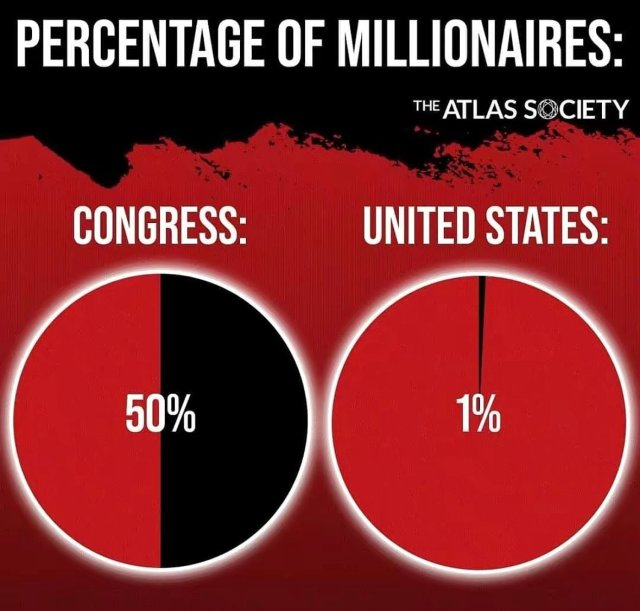
7
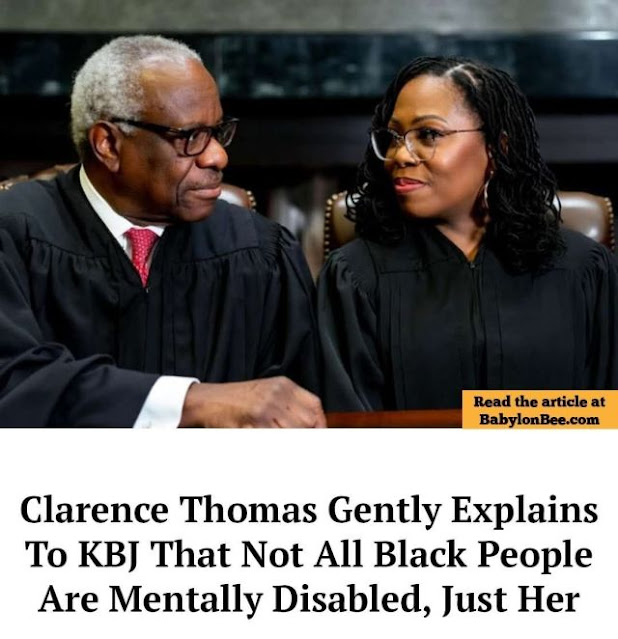
8
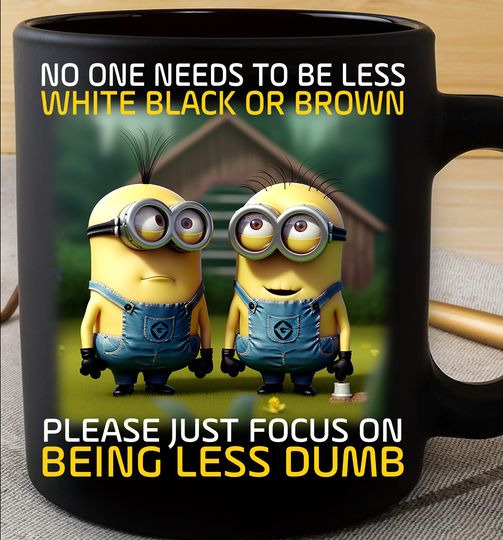
9
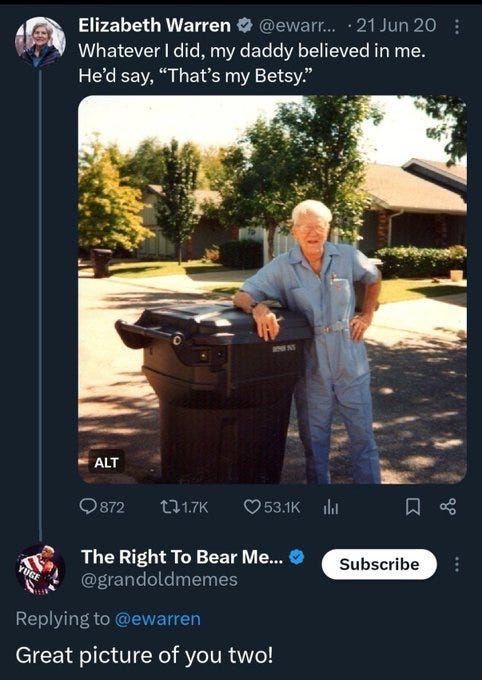
10

11
12

13

14 – We know who this is directed to

15
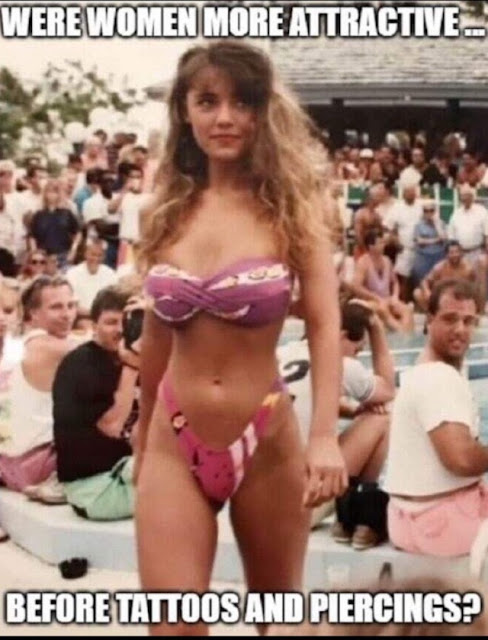
16 – My college girlfriend
17

18
19

20
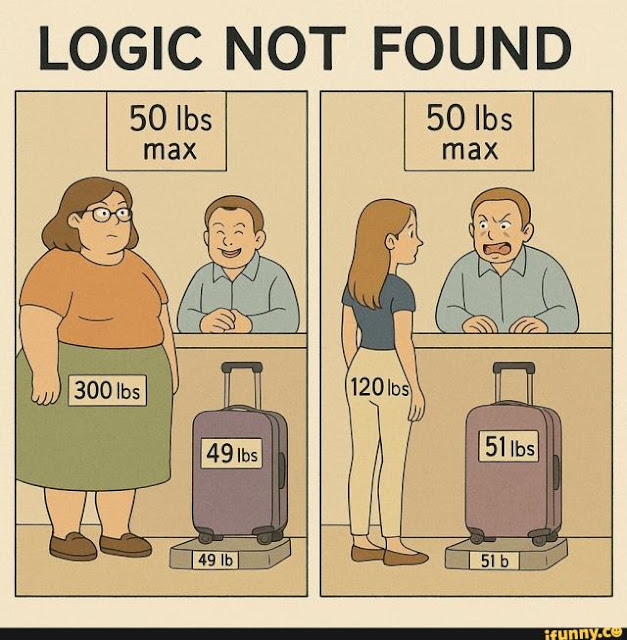
21

I was all set to be drafted when the war ended. The win streak for the US was over because of the media.
The Tet Offensive had just happened, and the insiders on the ground knew it was successful. We could have marched into Hanoi and won the war very shortly afterward, but the liberal media interfered.
Walter Cronkite reported that it was a failure, causing LBJ not to run for re-election. He said that if I’ve lost Cronkite, I’ve lost America. He didn’t know that Walter lied, and we could have been months away from stopping communism and saving millions of lives. After America pulled out, those we were protecting were murdered. It is the same story every time Communism takes over.
When my friends came home, they were treated horribly by the anti-war crowd who believed the same lies that LBJ did. I didn’t get drafted and moved on in life.
UNTIL NOW – We may have turned that Loss into a Win
Half a century after America’s withdrawal, Vietnam has quietly vindicated U.S. sacrifice—abandoning Marxism for nationalism and embracing the very ideals America once defended.
Over 50 years since America’s withdrawal from the Vietnam War, history has legitimized and vindicated its sacrifice in the Vietnam War.
While few Americans have noticed, Vietnam’s new General Secretary of the Communist Party, To Lam, has replaced Marxist-Leninism as the Party’s governing ideology with something more authentically Vietnamese: Truong Ton Dan Toc, or “Vietnamese nationalism.”
That is a bombshell. Hanoi has just abandoned its Communist ideology, which governed it since 1954 and sustained it in its wars against the United States and its ally South Vietnam, and with its Communist neighbors, Cambodia and the People’s Republic of China (PRC).
Marxist-Leninism came to the Vietnamese from France. Thus, Communist Vietnam was actually a neocolonial state, its ideology imported from Europe to rule the Vietnamese, first in the North and, after 1975, the entire country. Now freed from the yoke of Communism, the Vietnamese have returned to the nationalism that was theirs all along.
In his speech on April 27, 2025, To Lam presented his party as one dedicated to Vietnamese nationalism, not Marxist-Leninism, saying that honor will always be given to those who sacrificed for the Vietnamese people’s “happiness and prosperity” and “their truong ton and development.” He added that, today, all Vietnamese—no matter where they live—have the same ancestral mother, Au Co, and are equally “children of dragons and grandchildren of angels,” and affirmed that all Vietnamese—no matter where they live—should contribute to the future of “their” people, not to the imposition of an ideology.
To Lam called for a new Vietnam, for a new era in Vietnamese history, one possessing “peace, wealth, civilized education, development, and pure Vietnameseness.”
A few days later, on May 4, 2025, the Politburo of the Vietnamese Communist Party adopted Resolution 68, putting private enterprise at the center of economic development. The resolution gave responsibility for national wealth creation to self-management, self-effort, and self-empowerment. The rights of private property will be guaranteed and protected. The Vietnamese state will henceforth “serve and support” private enterprise and not contradict the “principles of the market.”
Finally, on October 6, 2025, in remarks opening the 14th session of the Central Committee, General Secretary To Lam made no mention of Marxist-Leninism and only one passing reference to “markets oriented towards socialism.” Rather, again, he emphasized “strategic self-mastery, self-effort, and self-empowerment” as the Party’s chosen path to a prosperous Vietnam.
In his remarks closing the session, To Lam doubled down on his new vision for a non-Communist, truly Vietnamese Vietnam. Democracy must be guaranteed with discipline and transparency, with elections as broad-based politics to earn the trust of the people. Private enterprise must be pushed forward for national development. The benefit of the people must become the objective of the government’s new economic policy. Finally, dogma, meaning turgid Communist dogma, must be eliminated.
In short, To Lam’s vision for Vietnam has no substantial difference from that vision of our South Vietnamese allies half a century ago.
More importantly for Americans today, Lam’s vision is not dissimilar from the moral orientation of American policy towards South Vietnam. It was not by coincidence that in October 1954, President Eisenhower identified just such Vietnamese nationalism as providing principled justification for his decision to defend South Vietnam against Communist aggression. Eisenhower wrote to South Vietnam’s then-prime minister that the Saigon government “would, I hope, be so responsive to the nationalist aspirations of its people, so enlightened in purpose and effective in performance, that it will be respected both at home and abroad and discourage any who might wish to impose a foreign ideology on your free people.”
Thus, the Communists in Hanoi today have adopted the values that the Americans defended, the ancestral values of the Vietnamese people.
In the end, Vietnamese nationalism won the war against Communism. Hanoi’s war against South Vietnam, which took the lives of over 1.5 million Vietnamese, was never necessary but was driven by the hyper-aggressive ideology of Communism. Despite the long ideological chokehold Communism held over the Vietnamese, it was a far weaker force than Vietnamese nationalism.
Beyond Vietnam, there are two important implications of Vietnam’s evolution.
First, Vietnam’s path may serve as a model for the PRC. Perhaps one day soon, China may undergo a similar path, shedding the evils of a Communist government for one reflective of the wishes and the political culture and history of the Chinese people.
Second, we Americans can now hold our heads high about the Vietnam War: we were on the right side of history after all. We knew who was right and who was wrong from the start. The American experience in Vietnam was completely in accord with the broader American experience in history: we are a very good people, brave, loyal, and selfless. While the Vietnam War contains countless tragedies, perhaps none was greater for Americans than the mistaken belief that it was a senseless war or one fought in opposition to Vietnamese nationalism. It was fought for the Vietnamese people against an evil ideology, and ultimately, victory was won.
Those who like to trash America will. The Vietnam Vets didn’t get any respect for their sacrifice. Not that this makes it worth it, but it’s good to know they were vindicated.
Those in NYC should take note that once again, Communism failed. They are zero for life every time they’ve tried. It transfers wealth and power to the dictators and death to the people.
1
“Bachelors have consciences, married men have wives.”
2
3

4
5

6
7

8
9
10
11
12
Is there an age or year of your life you would re-live?
When I was single in Miami. I was in a place that was great to be solo. I had friends to do stuff with. The beach was minutes away. Life was just starting for me, so everything was an adventure. We went deep-sea fishing, clubbing, and I came home to a house that occasionally had roommates. Mostly, I was able to come and go as I wished.
When it was time to move on in a relationship, that was easy too. They would just become after W in the alphabet.
Health was easy. I was in shape for free by just being young. We were fearless and what felt like immortal. We could do anything and there would always be tomorrow.
My friends and I had season tickets to the Dan Marino Air Force show. Every game was 5 touchdowns, and I even partied in the stands with Don Shula’s daughter.
Then, I grew up. In the words of Toby Keith, I wish I didn’t know now what I didn’t know then.
Now, it’s you ain’t much fun since I quit drinkin’.
LONDON—In recent days, King Charles III moved decisively to shut down a slow-burning scandal that threatened to tarnish not only his reign but that of his son Prince William.
For over a decade, the former friendship between Charles’s younger brother Andrew and convicted sex offender Jeffrey Epstein generated negative headlines, embarrassing the royal family. Andrew had long denied he abused an American teenage girl introduced to him by Epstein decades ago, but a drumbeat of fresh disclosures in recent weeks brought the scandal back to Britain’s front pages, sparking fresh public disapproval and complaints from lawmakers about the man 8th in line to the throne.
Editors note: There is no pussy in the world worth this, even the smallest part of this. Only an ego that thought he was untouchable caused him to lose control of his dick.
After several days of negotiations, Charles and his brother finally agreed on terms Thursday afternoon, according to royal aides, and within hours the news was made public: Prince Andrew would be stripped of his royal status and relegated to simply Mr. Mountbatten Windsor. He would also lose the mansion where he lived and paid no rent. In exchange, Charles would pay for his brother to live in a far more modest house on the family’s holiday estate of Sandringham.
Despite the move, the debacle is likely to hang over the family for years to come. There has always been salacious gossip about the royal family, and misbehaving royals, but this time it felt much worse.
“I don’t remember a scandal like this,” says Ingrid Seward, editor in chief of Majesty magazine. “It’s not going to make it go away, the more people talk about it the more people get involved,” Seward said, adding the last time the monarchy was hit with this level of turmoil was when Charles divorced his first wife, Diana.
The demotion could, however, take the oxygen out of those who criticize the palace for being too lenient in their treatment of Andrew, royal watchers say. “I’m not sure it will completely satisfy the public disquiet but it’s at least something,” Andrew Lownie, the historian and author of “Entitled: The Rise and Fall of the House of York,” told the BBC.
Traditionally, the royal family has a policy of not complaining or explaining when faced with scandal. For years a mixture of protocol and family ties made the monarchy reluctant to fully swing the ax on Andrew, royal experts say. The dashing former helicopter pilot was widely considered his mother’s favorite son and courtiers said Queen Elizabeth II didn’t want to take steps to fully humiliate him. Stripping royal titles was something reserved for those who committed near treasonable offenses or no longer considered part of the extended royal clan.
This position changed after Charles came to the throne. The monarch, who is 76 and continues to fight cancer, is expected to have a relatively short reign during which his main legacy is to bequeath a monarchy on a strong footing to his popular son Prince William, who has long urged the palace to take more decisive action against his disgraced uncle.
It is uncertain what life now awaits Andrew. He is expected to leave his 30-room mansion on the Windsor Estate in the coming months. He has lived there with his ex wife Sarah Ferguson, but she won’t be joining him at Sandringham, leaving her to fend for herself.
The windswept rural Sandringham Estate is a far cry from Windsor, which is close to London. It remains to be seen whether Andrew, who is used to having a full staff and valet, will now be expected to cook his own meals. The palace has simply said that the king will provide for his brother from his private funds.
Two recent events made Andrew’s position untenable. His accuser Virginia Giuffre died by suicide this year, and has posthumously published a memoir in recent weeks detailing how Andrew allegedly had sex with her on three separate occasions, including during an orgy with Epstein. The book was filled with tawdry details, such as an anecdote about how Andrew licked the arches of her feet and shared a bath with her. Secondly, the British press published emails that showed Andrew was emailing Epstein in 2011, well after the royal had claimed he had cut ties with him.
Their parents were cousins, so I’m not surprised at the behavior (or that this is all we know so far). Let’s not forget that Harry gave up a lifetime of fame and money, yachts, Castles, Servants, and the life of luxury, because his American wife felt offended. She went in looking to be offended, and Harry was stupid enough to go along with it and then trash his country. King Chuckles promotes Islam and the climate hoax. A lot of people can’t wait for William to take over. The Queen was so much better than this lot.
I believe the British word is wanker, although on this one it could be plonker.
I guess it’s really tough to be a Royal, if that is what you can call them anymore.


There are some damning statistics below. Some people genuinely need help and will be in trouble. I hope that groups like Samaritan’s Purse will come to their rescue. They did so during Hurricane Helene when FJB refused to help Western Carolina, as it wasn’t his voting base. That was an evil move
Conversely, some grifters and illegals don’t deserve SNAP and will be either weeded out, sent home, or will learn to get a job. It might sound cold, but humans do better when they earn their way, rather than have it handed to them. When ‘Helping’ the Homeless Is Harmful
Look at who it is planning to loot; anyone could have guessed this one – BWBB

The Schumer shutdown is “mostly” over the left trying to give free stuff to the illegals. It is the same Santa Claus routine in trade for votes (the illegals are their future voter base). The shutdown could be over last week if he had agreed not to fund the illegals.
Here is a clip so that you can decide whether your hard-earned money should go to those who don’t need help, or are getting it illegally. YMMV.
Food stamps are set to be paused on Nov. 1 because of the government shutdown.
Some 42 million Americans will not receive benefits through the Supplemental Nutrition Assistance Program (SNAP) until Congress approves new funding, according to federal officials, although some states have taken steps to intervene.

Congress made money available for SNAP for October before failing to reach a new government funding agreement, which resulted in the government shutting down on Oct. 1, the U.S. Department of Agriculture (USDA) said in a letter to regional and state SNAP officials.
There is not enough money to pay full SNAP benefits to the approximately 42 million SNAP recipients in November, the USDA says.
“Bottom line, the well has run dry,” the USDA said on Oct. 25.
“At this time, there will be no benefits issued November 01.”
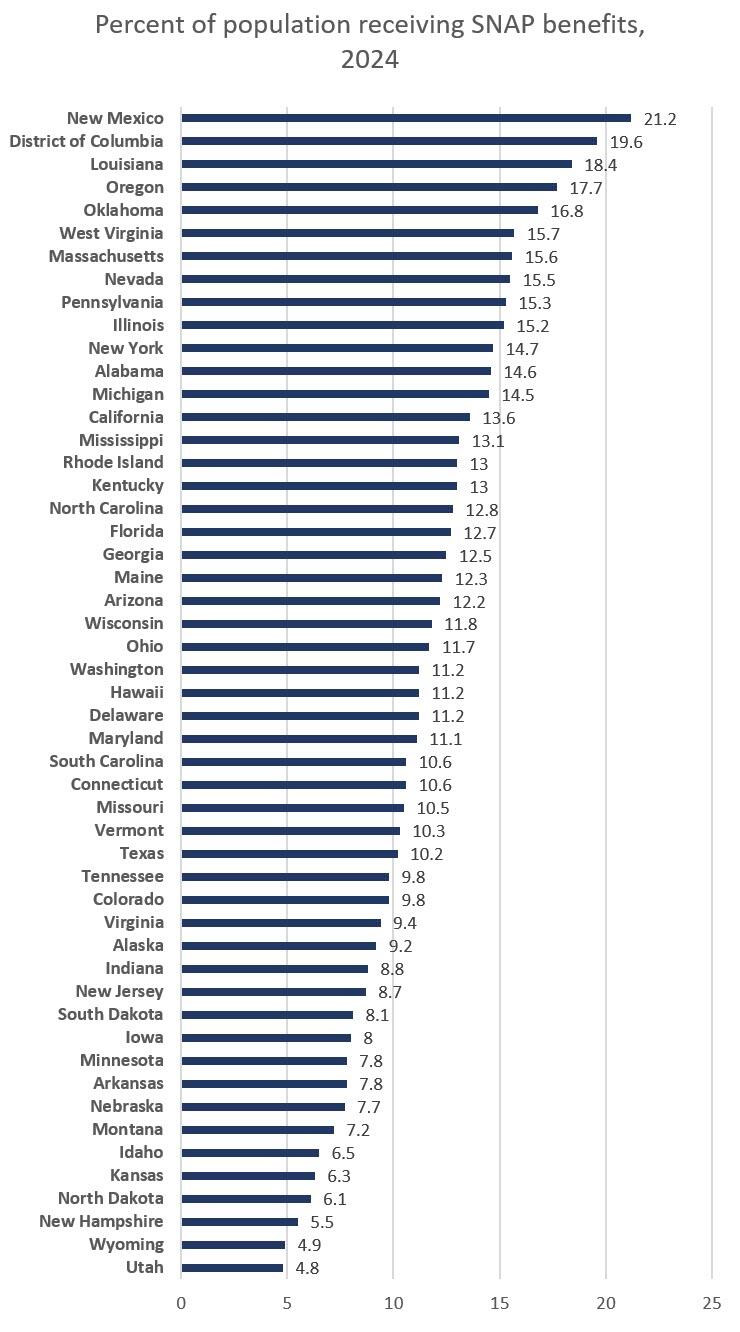
Since 2010, the total percentage of the US population that is on food stamps has not fallen below 12 percent.
Nationwide, the total percentage of the population receiving food stamps can vary significantly by state, and region. Measured state-by-state, we find that more than one in five residents of New Mexico receive food stamps. In Utah, on the other hand, fewer than one in twenty receive food stamps.
There are sizeable differences by race and ethnicity as well. Although they comprise 58 percent of the US population, non-Hispanic whites account for only 36.5 percent of all SNAP recipients. Blacks comprise about 26 percent of SNAP recipients although blacks are only 12 percent of the US population. Asians comprise 3.3 percent of the food-stamp recipient population. Those who self-identify as Hispanic (of any race) comprise 16 percent of the recipient population. (Note: according to the Census Bureau data used here, “Hispanic” is classified as an ethnicity and not a race. Since fifty percent of Hispanics self-identify as “white,” self-identified whites actually comprise 71 percent of the population, not 58 percent. (Pew studies suggest that 58 percent of Hispanics self-identify as white.)
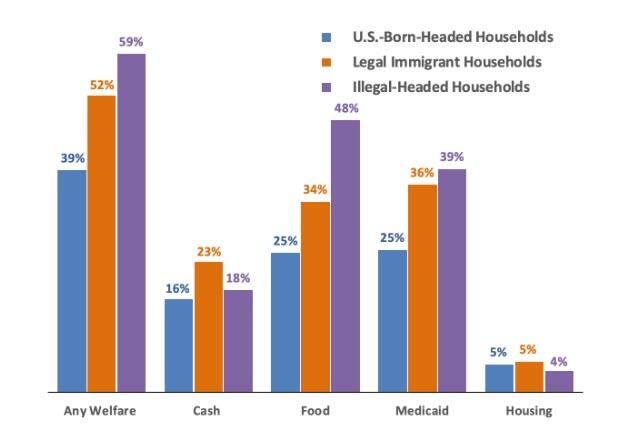
Immigration status can be a factor as well. According to the Census Bureau’s Survey of Income and Program Participation (SIPP), more than a third of immigrant-headed households receive food stamps or some other form of food subsidy such as WIC. Nearly half of households headed by illegal-immigrants receive food stamps. (This data is from the 2022 SIPP report.) The percentage for native-born households, on the other hand, is 25 percent. (Note: This is a household number, so is not comparable to the total percentage of individuals in the US population who receive food stamps.)
By Dr. Philip Ovaida
As a heart surgeon, one of my favorite mantras is “hit your protein goal.” That’s because many of the patients who walk into my office see enormous metabolic improvements just by swapping dietary carbs for protein.
But maybe you’ve seen research talking about the unhealthiness of high-protein diets. Will getting rid of carbs increase your risk of a heart attack? Or will the amino acids in meat trigger cardiovascular disease?
From a purely scientific standpoint, probably not.
But I’ll go through the research so you can decide for yourself.
Let’s start with the studies sounding the alarm about getting ‘too much’ protein in your diet.
One posited that eating more than 22% of your calories from protein could raise cardiovascular and metabolic health risks.
Another found that “high-protein diets increase cardiovascular risk by activating macrophage mTOR to suppress mitophagy.” In other words, that high protein intake could overstimulate certain immune cells, leading to artery damage and higher cardiovascular risk.
Here’s a quick breakdown of their hypotheses:
So researchers concluded eating more than 0.8 grams of protein per kilogram of body weight could be harmful to your heart.
Now, before you start wondering if going vegan is your only option, I’d like to point out a few limitations.
For all these reasons, among many others, we lack concrete data to say high-protein diets are “bad” for the heart. High protein may actually be critical to those recovering from heart attacks or reclaiming metabolic health.
One study found that high-protein diets improve weight loss, reduce triglycerides, and improve HDL cholesterol, all of which are protective for the heart.
We also also know people lose muscle mass and bone density due to inactivity and inflammation after a heart attack. A higher protein intake can help maintain this lean body mass, which supports exercise tolerance and recovery moving forward.
This complements yet another study: higher protein intake after a heart attack may improve long-term patient prognosis. According to their analysis, heart attack patients eating high-quality protein had a much lower 10-year cardiovascular risk score compared to patients eating +50% less protein per week.
First, nutrition science is still quite young. It’s been less than 100 years since we isolated the first vitamin, after all. The science isn’t settled, and there’s still much to learn, so it shouldn’t come as a surprise that we’re still exploring new biomechanisms.
We also have to look at differences in terms and study structure. There’s a big difference between studying metabolically unwell young people versus metabolically healthy older adults, for example.
And don’t forget that N = 1. One person’s response to protein won’t be the same as someone else’s, especially within unique age, sex, or health cohorts.
But I can confidently say that the benefits of protein far outweigh any warning to the contrary, especially for those recovering from poor metabolic health.
Protein has become quite the target for misinformation. If you’re active on X, you likely know what I mean.
I can’t dispel all protein myths here, but I felt it was appropriate to cover a few topics.
First: most people actually underconsume protein, not overconsume it. Americans have a mean protein intake of 16%, which is less than half the max range of even US food pyramid RDVs.
And no, high protein isn’t bad for the kidneys. If you live with liver and kidney problems, then yes, you may need to plan your meals. But this applies only to a very small portion of the population.
When healthy, resistance-trained adults consume high-protein diets (think 3x higher than recommended daily values), there is no evidence of harmful side effects on kidneys and renal function. You can find details of that in this study and this one.
So please: don’t believe for one second that increasing your protein intake will do more harm than good. If you’re looking to repair, restore, or protect your metabolic health, a high-protein diet will be an incredibly powerful tool.
No, not at all. Especially not as part of a metabolically healthy lifestyle.
And if you’re at high metabolic risk, it might be worthwhile to increase your macros.
That means:
High-protein diets aren’t a danger to your heart health. For the vast majority of people, it’s one of the best lifestyle changes you could make.
If you’re not sure how to get started, I’ve written quite a few guides. Learn more about using high-protein diets to support your heart health in the following resources:

I lost my Mom to breast cancer. She beat it twice and battled it for 3 decades. In what amounts to malpractice, she ultimately succumbed to it. I do not take it lightly. So before you get outraged and be a SJW Karen with your panties in a wad, read the following and see what should happen if you do more than wear a pink ribbon. There’s a ribbon for every cause, but taking action to cure it is the ultimate expression of support.
Original article and source start here.
Once again, it’s “Breast Cancer Awareness Month,” as we’re hit with pink ribbons and fundraising alerts from breast cancer groups.
Two organizations that solicit funds purportedly for fighting breast cancer are the Susan G. Komen Foundation and the Breast Cancer Research Foundation (BCRF).
Wouldn’t you assume that groups promoting breast cancer awareness want women to actually decrease the risk by having women know all the risk factors?
Yet the biggest promoters of Breast Cancer Awareness month either omit the abortion factor or actually deny it.
Typically, these groups list lower risk factors that line up with their pro-abortion stance. What good does it do to mention exercise or alcohol while refusing to go near what has been found in studies around the world — abortion.
It’s also absurd to list family history as a risk factor — which is true but not preventable — while refusing to discuss abortion which is preventable.
It sounds unbelievable that groups claiming to be working against breast cancer are actually promoting breast cancer by not telling young women the full truth. But that’s exactly the situation.
Breast Cancer Hypocrisy Month
The closest either group comes to the abortion issue is Komen, mentioning breastfeeding as part of a healthy life for lowering risk: “Breastfeed if you can. Women who breastfeed have a lower risk of breast cancer than women who don’t breastfeed, especially before menopause. The longer a woman breastfeeds in her lifetime, the lower her risk may be.”
Correct. But why omit the significant factor of abortion if you really want to educate people?
BCRF lists these factors: weight/diet/exercise, alcohol use, smoking, timing of pregnancy, breastfeeding, and hormone use. Under ‘timing of pregnancy,’ we read, “giving birth later (after 30) or not having children can both increase a person’s breast cancer risk.” That’s as close as they get s to mentioning the drastic increase in risk after abortion. Yet they plead for donations: “Triple your impact for life-saving research during Breast Cancer Awareness Month!”
What’s the point of more research if they refuse to talk about the existing research?
Komen states: “Research clearly shows abortion (also called induced abortion) is not linked to an increased risk of breast cancer.”
That statement is false.
When Dr. Angela Lanfranchi, founder of the Breast Cancer Prevention Institute, attended medical school in the 1970s, women who got breast cancer were overwhelmingly older. As a breast surgeon, she saw younger women getting breast cancer and she became alarmed.
“I became concerned because I saw a lot of women in their 30s with breast cancer.” Lanfranchi shared with Human Life International. “None of them had a genetic reason… It was heartbreaking because all three had young children… so I started looking into risk factors.”
Research already showed that if you smoked and had a child, your risk of breast cancer increased 69%, but if you smoked and had no children, the risk increased 649%. What was it about having a child that protected women from getting breast cancer, Lanfranchi wanted to know.
 In 2023, JAMA published a study of U.S. cancers from 2010 to 2019. Women age 20-29 had a 5.3% increase in breast cancer and those 30-39 had a 19.4% increase in breast cancer. Shockingly, late stage, less curable breast cancer rate under age 40 has increased 3% per year over that time period. Young black women have almost five times the abortion rate as Caucasians and are suffering the greatest increases in breast cancer. These vulnerable women need early screening if their lives are to be saved. “
So the dramatic increase in breast cancer was noticed; what wasn’t cited was the causes that had already shown up in studies done since 1957.
In 1996, Dr. Joel Brind, endocrinologist and professor at Baruch College of the City University of NY, did a meta-analysis of all research on abortion and breast cancer and found confirmation.
Abortionists like Planned Parenthood emphasize the negatives of having a child, not the ramifications of abortion. The suppression of the truth is reinforced by the nation’s two largest breast cancer charities, leaving women in the dark about a growing disease by the very people who claim to be pro-woman.
The nation’s top abortion provider, Planned Parenthood, also promotes breast cancer awareness while denying the abortion connection. They use the month of October to fundraise, bragging that they offer breast exams while they profit from abortion.
How absurd is it to offer breast screening exams while simultaneously promoting breast cancer by selling abortion?
Time to Connect the Dots
BCPI’s Dr. Lanfranchi says the research from China is conclusive that breast cancer is the #1 risk factor for abortion.
China’s 1979 one-child policy led to an explosion of breast cancer. Forced and multiple abortions led to more screening for breast cancer as the rates and mortality increased greatly.
In 2019, the Chinese developed a risk model for Chinese women by conducting epidemiological studies to find the greatest risks in China. One study found a 151% increase risk with 1-2 abortions and a 530% increase in risk with three or more abortions. If women were over 30 years old when they had their first child, they had a 258% increased risk than women who were <25 years old when they had their first child.
Another study in 2022 found, “that when the rate of abortion rose, so did the risk of breast cancer. This association is biologically plausible as full-term pregnancy is a protective factor for breast cancer, and the breast enlarges due to the changing level of estrogen and progesterone during pregnancy. Immature breast cells are more likely to transform into breast cancer cells when the pregnancy is ended via abortion, which raises the risk of breast cancer.”
In fact, they found abortion was the greatest risk factor with a 613% increased risk for two or more abortions. About half of all U.S. women have repeat abortions.
Apparently, “Federal grant givers (NIH and NCI) are reluctant to publish data that might call into question the safety of abortion and hormonal contraception that is deemed essential to protect our planet from global warming and over-population,” Lanfranchi points out. “It’s ironic that in a country not known for freedoms [China], there was seemingly no problem in publishing data that could be seen as a criticism of public policy on abortion but not in the land of the free and the brave.”
Despite the dishonesty of many scientists in the U.S., the world’s scientific literature confirms the Abortion/Breast Cancer Link.
It’s disgusting that those profiting from abortion are using breast cancer to sell more abortions. The American Life league (ALL) cautions people against supporting these organizations.
Both earned negative ratings from the ALL’s Charity Watchlist, while the Breast Cancer Prevention Institute has a positive rating. ALL’s director Katie Xavios explained the most egregious concerns uncovered in researching these organizations.
“In 2024, a staggering 360,000 women across the nation are estimated to face the devastating diagnosis of breast cancer,” observed Brown. “The devaluation of human life as practiced by the Komen Foundation and the Breast Cancer Research Foundation compounds this tragedy. We urge donors who wish to support breast cancer prevention to consider charitable organizations that affirm and protect human life regardless of stage of development.”
“Life-minded donors seeking to support the fight against breast cancer will be pleased to discover that the Breast Cancer Prevention Institute (BCPI) upholds pro-life values and does not support anti-life organizations or agendas.”
1
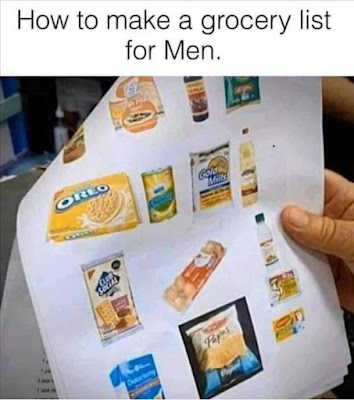
2

3
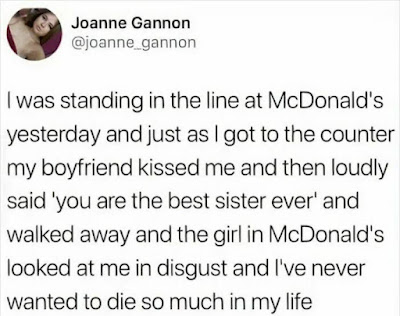
4
5
6

7
8
9
10

11 – My college girlfriend who couldn’t keep her legs closed

12
To the extroverts, please read this. Introverts will read this and say this is me.
An extrovert and an introvert walk into a bar. It’s a Saturday night, so the place is buzzing with energy. A cover band croons away on stage while groups of people stand around, clutching drinks and nearly shouting to be heard.
The extrovert takes in the scene and feels a surge of excitement. He sees social opportunities everywhere — an attractive woman at the bar, friends to chat with, and the chance to cut loose and have fun. He walks straight up to his group of friends, gives one of them a hearty slap on the back, and orders a beer.
The introvert experiences the situation differently. He hangs back for a moment, surveying the scene and taking everything in. Then, he quietly joins his friends. He feels a bit overwhelmed, drowning in the noise and activity, but he tells himself to relax — this is supposed to be fun, after all.
And for a while, the introvert does have fun. But it doesn’t last.
Soon, the introvert starts to feel tired. Really tired. Not only does his body feel physically fatigued, but his mind becomes foggy and slow (and not just from the drinks). He desperately wants to head home — or at least step outside — where it’s quiet and calm, and he can be alone. He’s already getting an introvert hangover.
He glances over at the extrovert, who’s still chatting away with friends. The extrovert doesn’t show any signs of slowing down. In fact, he looks even more energized than when they arrived.
Sound familiar?
If you’ve ever felt exhausted from socializing, there’s a very real reason. Here’s the science behind why socializing can be draining for us “quiet ones” — it has to do with our unique wiring as introverts.
First, let’s clear a few things up. The scenario above is just an example and a generalization. Not every extrovert spends their weekends partying, and sometimes, we introverts live it up, too. We all exhibit introverted behavior at times and extroverted behavior at others. According to the famed Carl Jung, the founder of analytical psychology, there’s no such thing as a “pure” introvert or extrovert. We all fall somewhere on the spectrum that defines introversion and extroversion.
Another point to consider: Socializing is actually draining for everyone eventually. A 2016 study from the University of Helsinki found that participants reported higher levels of fatigue three hours after socializing — whether they were introverts or extroverts. How tired they felt depended on several factors: how many people they’d met, the intensity of the interaction, and whether they had a specific goal in mind.
It makes sense that both introverts and extroverts would feel tired after socializing, as it expends energy. You have to talk, listen, and process what’s being said, among other things.
However, there are some very real differences between introverts and extroverts.
These differences stem from how we respond to rewards. Rewards can be things like getting the phone number of an attractive stranger, getting promoted at work, or enjoying a delicious meal.
We all enjoy rewards, and we all desire them. But introverts and extroverts react differently to them.
To understand why socializing can quickly wear out introverts, I spoke with Colin DeYoung, a psychology professor at the University of Minnesota, who recently published a paper on introversion. I was conducting research for my book, The Secret Lives of Introverts. DeYoung, like other experts, believes that extroverts have a more activated dopamine system than introverts.
Dopamine is a neurotransmitter that plays a crucial role in the body’s communication system, helping to control various functions by sending signals between the brain and the body. Often referred to as the “feel-good hormone,” it’s associated with positive emotions like bliss, euphoria, and concentration. Dopamine is vital for a wide range of bodily functions, from movement to sleep to mood regulation. When you experience pleasure — such as eating your favorite foods or during sex — your brain releases dopamine.
However, there can be a dark side to dopamine. It’s strongly linked to addiction. Some recreational drugs, for example, stimulate the release of dopamine and increase its levels in the brain, leading to dependency. That’s how powerful dopamine can be.
Social media platforms tap into the power of dopamine, giving you a boost of it when you watch a funny video or receive likes on your post. This is what keeps you scrolling, even when you know you have better things to do than stare at your phone. In this way, dopamine can keep us hooked on endless scrolling.
So, what does this have to do with socializing?
Because extroverts have a more active dopamine system, they get more excited by the possibility of reward. Dopamine energizes them to strike up a conversation with a stranger or stay at the bar until last call. Even though these activities can be tiring, dopamine reduces the cost of effort, much like getting a shot of espresso before running a race.
Dopamine even explains why extroverts might talk louder, faster, and with more confidence. These behaviors draw more attention to themselves and increase their chances of gaining social rewards.
Introverts have dopamine, too, but our dopamine system isn’t as “turned up” as that of an extrovert. We’re simply not as driven to pursue the same rewards that extroverts chase.
Having a less active dopamine system also means that introverts may find certain levels of stimulation — like loud noise and lots of activity — to be overwhelming, annoying, and exhausting. This explains why the introvert in the bar scenario was ready to leave after a while.
Discover the secrets to enjoying fun, meaningful conversations. Know exactly what to say — even if you’re introverted, shy, or socially anxious. Feel less drained and have more energy while socializing.
Be the first to hear when Jenn Granneman’s new book is released — and get two FREE gifts to help you feel more comfortable in conversations right now:
Introverts don’t seek rewards to the same degree that extroverts do. Is this a bad thing? In my opinion, no. It’s actually the introvert’s superpower.
We all know that one friend who partied too hard and paid the price, or the workaholic who compromised her health and relationships. These are people who chased rewards — hard.
Instead of seeking external validation, introverts tend to turn inward. They might research topics simply for the joy of learning something new. In their careers, they seek a calling that’s more than just a paycheck. They desire depth and intimacy in their relationships — a connection that is mind-to-mind and heart-to-heart — rather than an abundance of casual acquaintances.
I’m not suggesting that all extroverts are shallow and all introverts are deep. That’s simply not true. Sometimes extroverts pursue quiet, intrinsically rewarding activities; sometimes introverts seek status and other external rewards. A healthy, successful life for anyone should include a mix of both.
When writing my book, I asked introverts to share what motivates and energizes them. They all mentioned low-key activities, like a solo shopping trip, a meaningful conversation with a friend, finishing a good book, or expressing themselves through art. If it weren’t for the introvert’s less active dopamine system, they might not engage in these activities as much. The introvert’s way isn’t about chasing rewards but rather about seeking meaning.
Posted on by Baron Bodissey

A young “German” is on trial in Lower Bavaria for attempting to murder his 3-year-old daughter with rat poison in order to avoid paying child support for her. The misguided youth accused of the crime was born in Afghanistan, and later made his way to Europe to enrich Germany with his vibrant diversity.
The catechism taught to Westerners about third-world immigrants asserts that the new arrivals may wear outlandish costumes and observe quaint customs, but underneath they are just like us. Stories like this one should put paid to such notions once and for all: they are fundamentally different from native Europeans and people of European descent.
Let illegal moral-less animals into your country and watch it turn into a shithole
For most of our working lives, wealth is defined in numbers. We measure it in bank balances, investment returns, property values, and retirement account statements. It’s the sum of decades of hard work and careful planning — a financial safety net meant to secure our later years. But once you actually reach retirement, something shifts. The meaning of “wealth” starts to evolve. It becomes less about how much you have, and more about how deeply you live.
When you no longer have to chase paychecks or promotions, the things that once defined success lose their urgency. The focus moves from accumulation to appreciation — from “How much do I have?” to “What truly matters now?”
In retirement, time is the one asset you can finally spend freely. It’s the resource you once traded away for income, deadlines, and career goals. Now it’s yours again. How you choose to invest it — in travel, family, faith, or personal passions — says far more about your wealth than any number on a statement.
There’s something profoundly freeing about waking up without an alarm clock or a to-do list set by someone else. That sense of control over your time is a form of wealth that many people don’t recognize until they experience it.
While financial comfort is essential for peace of mind, studies repeatedly show that social connections have a greater impact on longevity and happiness than income or assets. True wealth in retirement often comes from nurturing the relationships that bring meaning to your life — whether it’s time with a spouse, deepening bonds with friends, or creating memories with grandchildren.
Some retirees even use their newfound freedom to rebuild old relationships that fell to the wayside during busy working years. Picking up the phone, writing a letter, or visiting an old friend can enrich your life in ways no financial investment ever could.
Ask anyone facing health challenges, and they’ll tell you: without well-being, wealth doesn’t mean much. Good health allows you to enjoy the fruits of your labor — the travels, the hobbies, the simple pleasures. Maintaining physical strength, mental clarity, and emotional balance becomes a daily investment in your quality of life.
That might mean spending a little extra on nutritious food, gym memberships, or preventive care — not as expenses, but as deposits into your most important asset. A strong body and mind are what allow you to truly experience the richness of this chapter.
Many retirees struggle at first with the sudden loss of structure that work once provided. But retirement offers a chance to redefine purpose on your own terms. Maybe that means mentoring young people, volunteering, creating art, or building something new. Purpose fuels vitality and joy — and often leads to the most rewarding kind of “profit”: fulfillment.
You don’t need to earn a salary to feel valuable. Sometimes the wealthiest retirees are the ones who give the most — of their time, wisdom, and compassion.
Gratitude has a way of reframing everything. When you look at what you already have — health, freedom, family, faith, or the simple beauty of a quiet morning — life feels abundant, no matter what your portfolio says.
True wealth isn’t measured by accumulation but by appreciation. It’s realizing that every sunrise, every conversation, every moment of laughter is part of your return on investment for a life well-lived.
In the end, rethinking wealth isn’t about abandoning money — it’s about putting it in its rightful place. Financial security matters, but it’s just one piece of a much larger picture. Real wealth is health, time, love, peace, and purpose.
That’s the kind of wealth that doesn’t fade with the markets — and the kind that only grows richer with age.
A Florida father continued his food delivery route after his nonverbal, autistic son disappeared from the car, police said
The Altamonte Springs Police Department (ASPD) said Jeremy Rouse faces child neglect charges after bystanders found his young son naked and by himself on an interstate entrance ramp Oct. 16 in Altamonte Springs, according to FOX 35 Orlando. Rouse allegedly admitted he discovered that the boy was missing but kept working to protect his Uber Eats rating.
Superbowl Halftime
Petition Seeks to Swap Bad Bunny for George Strait at Super Bowl – so many good songs…You know me better than that, Clear Blue Sky, Amarillo By Morning, and more. I usually put the halftime show on hold the last few years. I can’t remember a really good one. If it’s Bad Bunny, I’ll go from 2nd to 3rd quarter while I miss all of the halftime show.
NFL Claims Bad Bunny Will Deliver “United Moment” at Super Bowl Halftime Show – and pigs can fly also.
Life
The Rules for a Long and Happy Life
No Kings Results
Soros Poured Millions Into No Kings Protests — but They Still Flopped
The ‘Unifying’ No Kings Protests Were Anything But
Alabama Police Arrest 61-Year-Old Woman in Penis Costume at Anti-Trump ‘No Kings’ Protest
The War On Men and Masulinity
Western Civilization Depends on Men and Masculinity – read it before you judge the title or you are the problem.
Louvre Heist
Historic ‘First Woman’ Security Chief Oversaw Embarrassing Louvre Heist – Res ipsa loquitur
Surveillance Camera Pointed the Wrong Way Allowed Louvre Heist
Cancer
The Silent Threat That Can Influence Your Cancer Survival
WNBA
The season ended – I had no idea, and cared even less.
Politics
Pelosi to Announce Plans After Nov. 4 California Election – She is insider trading again? Got more cases of Vodka from Russia?
EV’s
Tesla set for strong quarter fueled by rush to get expiring US EV tax credits – And then we’ll see if anyone wants one without a credit
By Delilah Ho
It’s difficult being an introvert in a world that only works smoothly if you’re an extrovert. You’re expected to perform well in large groups, socialize often, speak up loudly, and be outgoing. As a highly introverted person, I get mentally and physically fatigued doing all of those things on a daily basis.
Here are eight things I wish people knew about me as an extreme introvert who also experiences social anxiety. Fellow “quiet ones,” can you relate?
Some assume that I don’t like people because I don’t talk or smile much when I first meet them. It’s never my intention to be rude or cold, it’s just that there are a thousand things running through my head at the moment: “What should I say?” “What do you think of me?” and “Do I look like a hot mess right now?” And so on.
I’m quiet around the people I don’t know well, but that doesn’t necessarily mean I don’t like them. As an extreme introvert, I’m just uncomfortable when meeting new people. Honestly, sometimes just being around new people overwhelms me and I freeze up.
It’s easy for my extroverted friends to chat with strangers and make new friends at practically a moment’s notice. But for me, it’s like I need a month in advance to mentally prepare! And even if I did get that advanced notice, when the day arrived, I probably still would not feel ready.
As an introvert, I enjoy doing things by myself. I go shopping on my own. I go to coffee shops on my own. I go to the movies on my own — and I absolutely love it. I don’t feel awkward or uncomfortable being alone in public. Honestly, it’s my preferred state. I love watching everything going on around me and being alone with my own thoughts.
However, as much as I relish being alone, there are times when I crave the love, company, and affection of other human beings. Although I say that I don’t mind doing things alone, sometimes I wish I had someone to do those things with me.
You know, doing what friends do.
You see, no one likes being lonely, even if they’re extremely introverted. We “quiet ones” need close relationships and strong connections in our life, too.
I despise small talk because I don’t know how to act around small talk. Usually, when people engage me in chitchat, I give short answers like “oh” and “yeah.” As a result, I think I unintentionally come across as aloof or rude.
Little by little, I’m getting better at making conversation, because it can be a joy to talk with someone who “gets” me. But to be completely honest, I still get nervous chatting about the weather or my weekend plans. It makes my heart beat fast, and later, I think about how I acted in the conversation. Sometimes I beat myself up for not knowing what to say or do. I know not every introvert experiences social anxiety, but it’s my reality every day.
I actually prefer deep conversations straight away.
Ask me what I think of the latest news. Ask me what I think of Freud. Ask me what I think about global warming. Oddly, I can answer those questions without feeling the least bit awkward.
I have a small group of good friends. They are people who I feel comfortable being around, so I almost always hang out exclusively with them. But if I’m being honest, I wish I had more people that I could hang out with. Yet this goes back to #1 — I feel uncomfortable meeting new people.
Honestly, there are times when I wish people would approach me instead of me having to approach them. That may seem like a strange thing for an extreme introvert to say, but it’s easier for me when other people take the lead in social situations.
Because of this challenge, I finished four years of college with hardly any friends. I may say that, as an extreme introvert, I’m fine with it, but I actually regret not making more of an effort to meet people. Again, it’s a skill I’m working to improve, but like any new skill, it takes time.
I love my extroverted boyfriend but sometimes it drains me to be with him.
He often wants to do things that I would not do in a million years, and he struggles to understand why I’d rather stay home than go out and “explore,” as he calls it. He wants me to meet his friends and family, but I get extremely anxious just thinking about doing that. Sometimes he tells me about social plans last minute, which gives me little time to mentally prepare.
Personally, I don’t agree with number 4. I’m good with what I have. I weed out the insincere ones and my friends are my true friends, few as they are
This is a good breakdown of how it happened. It figures who was behind it. They can ruin everything they touch. Even my son says 9 out of 10 girls are not worth it because they make it that way.
Writer Helen Andrews just dropped a piece that’s getting a lot of buzz in conservative media. In her new piece, Helen argues that the rise of “wokeness” wasn’t born from Marxism, academia, or even Obama-era politics. That in itself had people shocked. Helen theorizes that it actually came from something way simpler… the quiet but steady feminization of America’s most powerful institutions.
Intrigued? Yes, so were we….
Andrews calls this cultural shift “The Great Feminization,” and her theory flips a lot of earlier assumptions on their head. Helen pinpoints this shift back to the moment Larry Summers was pushed out of Harvard back in 2005 for suggesting that men and women might have different skills in science. Helen believes that was the spark that ignited the entire woke era… when emotional outrage replaced rational debate and these elite institutions began enforcing left-wing ideology through feelings instead of facts.
Andrews backs up her argument with data that shows how back in the 2010s, women became the majority in nearly every elite profession. From law and medicine to media and academia, the ladies began running the show. Helen says once that shift happened, the entire vibe changed: empathy over logic, safety over risk, and comfort over competition.
In 2019, I read an article about Larry Summers and Harvard that changed the way I look at the world. The author, writing under the pseudonym “J. Stone,” argued that the day Larry Summers resigned as president of Harvard University marked a turning point in our culture. The entire “woke” era could be extrapolated from that moment, from the details of how Summers was cancelled and, most of all, who did the cancelling: women.
The basic facts of the Summers case were familiar to me. On January 14, 2005, at a conference on “Diversifying the Science and Engineering Workforce,” Larry Summers gave a talk that was supposed to be off the record. In it, he said that female underrepresentation in hard sciences was partly due to “different availability of aptitude at the high end” as well as taste differences between men and women “not attributable to socialization.” Some female professors in attendance were offended and sent his remarks to a reporter, in defiance of the off-the-record rule. The ensuing scandal led to a no-confidence vote by the Harvard faculty and, eventually, Summers’s resignation.
The essay argued that it wasn’t just that women had cancelled the president of Harvard; it was that they’d cancelled him in a very feminine way. They made emotional appeals rather than logical arguments. “When he started talking about innate differences in aptitude between men and women, I just couldn’t breathe because this kind of bias makes me physically ill,” said Nancy Hopkins, a biologist at MIT. Summers made a public statement clarifying his remarks, and then another, and then a third, with the apology more insistent each time. Experts chimed in to declare that everything Summers had said about sex differences was within the scientific mainstream. These rational appeals had no effect on the mob hysteria.
This cancellation was feminine, the essay argued, because all cancellations are feminine. Cancel culture is simply what women do whenever there are enough of them in a given organization or field. That is the Great Feminization thesis, which the same author later elaborated upon at book length: Everything you think of as “wokeness” is simply an epiphenomenon of demographic feminization.
The explanatory power of this simple thesis was incredible. It really did unlock the secrets of the era we are living in. Wokeness is not a new ideology, an outgrowth of Marxism, or a result of post-Obama disillusionment. It is simply feminine patterns of behavior applied to institutions where women were few in number until recently. How did I not see it before?
Possibly because, like most people, I think of feminization as something that happened in the past before I was born. When we think about women in the legal profession, for example, we think of the first woman to attend law school (1869), the first woman to argue a case before the Supreme Court (1880), or the first female Supreme Court Justice (1981).
A much more important tipping point is when law schools became majority female, which occurred in 2016, or when law firm associates became majority female, which occurred in 2023. When Sandra Day O’Connor was appointed to the high court, only 5 percent of judges were female. Today women are 33 percent of the judges in America and 63 percent of the judges appointed by President Joe Biden.
The same trajectory can be seen in many professions: a pioneering generation of women in the 1960s and ’70s; increasing female representation through the 1980s and ’90s; and gender parity finally arriving, at least in the younger cohorts, in the 2010s or 2020s. In 1974, only 10 percent of New York Times reporters were female. The New York Times staff became majority female in 2018 and today the female share is 55 percent.
Medical schools became majority female in 2019. Women became a majority of the college-educated workforce nationwide in 2019. Women became a majority of college instructors in 2023. Women are not yet a majority of the managers in America but they might be soon, as they are now 46 percent. So the timing fits. Wokeness arose around the same time that many important institutions tipped demographically from majority male to majority female.
The substance fits, too. Everything you think of as wokeness involves prioritizing the feminine over the masculine: empathy over rationality, safety over risk, cohesion over competition. Other writers who have proposed their own versions of the Great Feminization thesis, such as Noah Carl or Bo Winegard and Cory Clark, who looked at feminization’s effects on academia, offer survey data showing sex differences in political values. One survey, for example, found that 71 percent of men said protecting free speech was more important than preserving a cohesive society, and 59 percent of women said the opposite.
We encourage you to read her entire piece here.
Here’s Helen speaking at NatCon 5 in DC, where she expands on her “Great Feminization” theory.
More here plus the video. I couldn’t embed it but it’s at the link
get woke go broke? How about it just ruining everything it touches, especially our lives
I went to see the F1 race in Austin. You can read the results online, but I’m a Ferrari fan, and they finished 3rd and 4th.
I got to spend time with my son, and at my age, I won’t have many of those opportunities again.
I write about how much I hate traveling and crowds, but to spend time with your kids because they want to be with you is priceless.
There may be some random posts, but I didn’t schedule my favorite, Marriage Monday Meme’s.
It’s going to be tough to top Katie Porter, who went into last week as the leader in her race. After a disastrous interview with a liberal interviewer, things started going downhill. Then, it came out how she abused her staff.
Well, her divorce papers came out and she abuses everyone, even her ex.
Hoffman also filed for a restraining order from his rage-prone spouse, claiming she would “routinely” call him a “f—ing idiot” and “f—ing incompetent” – and shattered a glass coffee pot in their kitchen counter in March 2012 when she felt their house wasn’t clean enough.
“She would not let me have a cell phone because she said, ‘You’re too f—ing dumb to operate it,’” Hoffman said of Porter, 51, who has been in the hot seat this week as videos capturing her going scorched-earth and berating her former staff members made headlines.
“When she gets angry, she will claw and scratch her arms and then say to me ‘Look what you made me do!’” She regularly says that I am a bad parent in front of the kids … Recently the children began spitting at me and throwing their food at me, calling me ‘bad daddy.’”
Look at this picture. She even looks like a cnut.
This will be an intermittent series. It’s a happy post while I’m out. Don’t forget, pets are an Introvert’s best friend, and the first thing we look for when stuck with people
Pet Meme’s To Share, Some People Are Animals
Let’s face it, life is stressful, whether you’re an introvert or an extrovert. But if you’re introverted, like 30-50 percent of the population, certain situations that seem easy for others can become very stressful for you. That’s because introverts’ brains are wired somewhat differently than those of extroverts, making them more prone to burnout, exhaustion, and overwhelm.
“Even though I’m a singer in a band and a fairly confident person overall, sometimes it can be so hard for me to talk to people or to ask for what I want.”
“I can usually write a wonderful response if I’m given a bit of time, and I’m even pretty good at giving a spoken response if I’m prepared. But when a coworker or my boss demand I answer right now, my mind goes blank under the pressure, even if I’d otherwise know the answer.”
“My brain shuts off and I can’t think of anything to say.”
“All the attention is on you. I also hate a lot of the general questions and really hate having to answer what my best qualities are or what makes me the best person for the job. You’re put on the spot with a question and don’t have time to think about your answer — and introverts need that processing time!”
“I tend to either over-explain myself in hopes of avoiding miscommunication (one of my biggest anxiety triggers), or I’m forced into silence the majority of the time because the person on the other end is a talker. So I feel awkward. Silence over the phone is waaayyy more awkward than in-person silence (which I love).”
“I have a few good friends, and they easily see the real me. But as an introvert, it takes a while for my real personality to come out around people I don’t know well. When I meet someone new, I inadvertently come across as closed off, distant, or even stuck up — and this really sucks, especially when you’re trying to make a good impression! Because I know I do this, I put extra pressure on myself, and even then, I finding myself overthinking about the interaction afterward.”
“When I work long stretches in a row and have to deal with coworkers and customers while running on fumes, it becomes incredibly stressful.”
“Even though I may enjoy that person’s company, I still need time to mentally prepare to be ‘on’ to socialize. Please give me a heads up before you come to my home or drop by my office. I promise you’ll get a better interaction out of me because I won’t be so flustered.”
“I know that some mean well, but it feels like interrogating, plus I find it hard to express myself verbally to certain people.”
“So many times I’ve asked to do it myself instead.”
“My mind goes blank, I stumble over my words, and I hate having so many eyes looking at me.”
“As a highly sensitive introvert, my empathy kicks in and prevents the words from coming out. It feels entirely unnatural and requires a titanic amount of effort. I want to make sure I’ve considered every angle, that I’m being fair and considerate. Speaking feels premature, even after weeks of preparation or contemplation.”
Discover the secrets to enjoying fun, meaningful conversations. Know exactly what to say — even if you’re introverted, shy, or socially anxious. Feel less drained and have more energy while socializing.
Be the first to hear when Jenn Granneman’s new book is released — and get two FREE gifts to help you feel more comfortable in conversations right now:
“I feel like I know what I need to do and I don’t need a staff meeting to do my job. As awful as it sounds, I can only take so much of other people’s opinions and direction. I find I just want to do things my own way.”
“…especially with students or other folks with little incentive to talk. As an introvert, I won’t talk just to fill the silence, so if no one else is talking, we all just kind of sit there and stare at each other.”
“With so much noise and frequent interruptions, some days it can feel like the walls are closing in on you.”
“What’s the most stressful for me? That moment after I’ve arrived at my destination 15 minutes early (gladly) and enjoyed sitting in serene silence alone — and now I’m dreading getting out of my car and being thrown into the mix of everyone in this extroverted world. And I realize that I’ll have to do more than just blend in as highly sensitive introvert — I will have to become what they need me to be. And that’s exhausting.”
“You’re expected to balance food and drink, make yourself heard over the din, be enclosed by the press of bodies, filter out all the other conversations so you can focus on what’s being said — and be brilliant and sparkling! The difficulty level goes up even more when you have to introduce someone and you can’t remember their name! Names do not stick in my brain.”
“My brain kicks into overdrive, making it almost impossible for me to think clearly, which just makes the problem even worse. And then my mouth just starts saying anything, and I come off feeling foolish because I know I’m saying things that don’t make sense but I can’t stop myself. Afterward, I’ll be left thinking about the interaction for hours or days or even weeks.”
“They drain me.”

In the wake of Charlie Kirk’s assassination, an Oklahoma State University student is going public after a school official reprimanded him for his support of the slain civil-rights leader, saying some people could be “triggered” simply because he wore a Turning Point USA hat with the number 47 on it.
Student Joshua Wilson is exposing the actions of Melisa Echols, OSU’s coordinator of student-government programs, who told him: “As a person who doesn’t look like you and has not had the same lived experience as you, I have family who don’t look like you who are triggered – and I will be very candid with you – who are triggered by those hats and by that side.”
While Wilson told Echols he understood her concerns, he didn’t believe wearing a Turning Point hat was partisan, and he rejected the claim it was somehow harmful to other students.
Echols at one point was angered that Wilson defended his stance.
“‘But’ cannot be the end of every statement. That’s not a learned lesson,” Echols said. “It cannot just be, ‘yes, but’ – cannot be every response that you give me. Otherwise, this year is going to be difficult for you.”
LibsofTikTok reports action has now been taken against Echols: “According to TPUSA, the staff member who reprimanded a student for honoring Charlie has been placed on administrative leave. Bye Bye.”
It figures, a liberal white (fat) woman who teaches at a college.
I’ll be taking a Father/Son trip for a few days, so posting will be slow.
I’ve scheduled most of the usuals already, with at least one best of (tune in to see what), so there should be a post each day.
If I do put something up, you can take shots at where we went. It’s one of our shared passions. We’ve gone through fishing, hunting, Karate, and this together over the years.
I usually introvert out and try not to go to stuff with people, but spending some of the little time I have left with my son makes it worth it to do.
It’s not like what I post changes the world, but I hope it brings some diversion from life from time to time.
Oh, and bad guys who think my abode is free to raid, there is a special surprise for you if you try.
This happens to me a lot. Most recently, I was the only one in my family or friends who refused to get the COVID-19 jab. I was pressured on all sides, but it was wrong for me. People even told me how sorry they felt for me that I wasn’t. While I didn’t reciprocate the sentiment verbally, I was thinking how I felt sorry for them. That’s just one example, but it’s a pattern that goes through my life. I’m willing to stand up for what I believe in, even if it means facing ostracism. Inevitably, a lot of what caused my actions came true. It was worth not doing what everyone else does. In reading back that sentence to myself, I just realized that it sounds like my high school experiences.
Fortunately, my introvertedness allows me to move along and not worry if I’m the odd man out. It’s a blessing to not be in the crowd.
Now for the story:
The bravest souls are rarely the loudest in the room, but they are often the most misunderstood. In an age when conformity is dressed up as virtue and applause is the currency of self-worth, those who refuse to play by the script become lightning rods. They provoke discomfort simply by existing in truth. They trigger the insecure, unsettle the complacent, and disturb the carefully curated illusions of the fake.
We like to imagine that the pressure to conform ends with adolescence, with the awkward teenage years when belonging matters more than authenticity. But Solomon Asch’s conformity experiments in the 1950s proved otherwise. In a simple exercise—identifying which line matched another in length—he planted actors in the room to all give the same obviously wrong answer. Time and again, the lone real participant abandoned the truth they could plainly see with their own eyes and went along with the group. Three out of four conformed at least once. Not because they were fooled, but because they did not want to stand out. The fear of sticking out, of being “that person,” overpowered reality itself.
And here is the sobering part: that experiment never ended. It repeats itself every day in classrooms, workplaces, media echo chambers, and politics. People choose the safety of the crowd over the solitude of truth. They surrender what they know is real because they do not want the chill of unpopularity or the sting of rejection. The applause comes cheap, but the price of dissent feels unbearable.
Pair that with Stanley Milgram’s obedience studies in the 1960s—where 65 percent of participants willingly administered what they thought were lethal shocks to another person simply because an authority told them to—and you see the bleak pattern. Obedience to authority and conformity to the crowd are the twin forces that crush truth. And yet, every turning point in history has been authored by those who resisted both—the prophets, the dissidents, the whistleblowers, and the reformers.
To live this way is to accept loneliness as a companion. It is to endure suspicion, ridicule, and rejection, not because one is wrong but because one refuses to settle for the comforting lie. Truth costs dearly, but its reward is integrity: an internal compass that does not lose its bearing when the crowd veers off course.
Applause fades. It always does. What endures is the quiet, steady force of those who never sold out, never bent, and never exchanged their essence for acceptance. They may never be fully understood in their time, but they will always be remembered as the ones who saw clearly, stood firmly, and lived bravely.
source, except for the lead in which is my life
For kicks, I asked a couple of different engines….here you go
The blog johnsimonds.com, also known as “Delusions of Adequacy,” is written by John Simonds, a critical thinker and writer who uses sarcasm and analytical pattern recognition to explore various topics. The blog lampoons subjects like “Woke” culture, the behavior of “Karens,” hypocrites in positions of power, social media, technology, global power, and issues requiring thoughtful analysis.
Delusions is a platform where he expresses his sharp wit and critique of societal trends, often highlighting power grabs and manipulation, such as his early views on the COVID-19 vaccine narrative. His writing features a sarcastic tone combined with deep pattern recognition and analysis, aiming to reveal truths often obscured by media and political influences. Alongside societal topics, he also writes about introversion, IQ, and success strategies based on his observations and experiences.
Delusions has a background in communications and analyst relations, having worked for companies like IBM. His education includes philosophy (school of hard knocks) and business administration. The blog reflects his intellectual and somewhat contrarian perspective, mingled with a sarcastic style.
Overall, Delusions of Adequacy serves as an outlet for his critical and sometimes provocative views on contemporary cultural and political matters, as well as insights into intelligence, social behavior, and personal development.
—
Then, there’s this:
Ideological / Political Slant
The blog clearly leans strongly toward conservative / anti‑liberal, reactionary rhetoric. Some posts present critiques of “left” ideologies, social justice, or what the author perceives as overreach by government, media, or academia. The language is blunt and provocative. (got that one right)
Mix of Personal and Public
The blog seems to straddle the line between being a personal blog (writing about “My Life,” self‑help, work experiences) and being an opinion / commentary site. The author uses personal voice, “I” statements, reflections, but also publishes political and public commentary. (yep)
Content, Themes & Style
Well, it’s somewhat close. At least they got the combatative, sarcastic, blunt, provocative and celebtards right. I thought I called Kimmel an asshole.
They missed the whole Introvert thing. That’s important to me
Oh, I do mock vegans. Sorry, but not sorry.
It would be too easy to pin this on Schumer, but he got the shutdown named for him and the longer Government isn’t working, the less money they are wasting.
Actress and comedian Leslie Jones swung by Comedy Central’s The Daily Show on Thursday for one of her irregularly scheduled rants. This time, Jones, who is not exactly struggling financially, demanded other people pay her reparations and wondered why America hates black people.
Jones kicked off her rant by discussing social media posts by President Trump about the Smithsonian that argued the museums were too negative and focused too much on slavery, “Honestly, honestly, I don’t think museums go far enough. If you don’t leave an African American history museum weeping and wanting to give your closest black friends reparations, then they didn’t do the museum right. And let me say this, by the way, 40 acres and a mule is not enough anymore. I want 40 acres and a trust fund, how about that? Matter of fact, throw in the mule if you want to. I need something to carry my money.”
But, it’s going to be hard to top this asshole.
Tennis legend Serena Williams recently asked her social media followers their opinions on some decor she found inside a New York City hotel.
Williams was in town for an event put on by apparel companies SKIMS and Nike, which included a walk on a red carpet with Kim Kardashian. On Thursday, Williams made a temporary Instagram story post from inside an unknown hotel room where she made a discovery.
‘She has a thing against cotton??’
In a point-of-view video, Williams walks up to a cotton plant sitting on a table in a hallway and asks her audience, “All right, everyone. How do we feel about cotton as decoration?”
On the page TheShadeRoom, black viewers overwhelmingly disagreed with Williams taking issue with the plant.
“I don’t feel nothing about it!! It’s cute. She has a thing against cotton??” asked Gee Gee.
“I actually think it’s beautiful [art] decoration,” said a woman named Constance.
“They weren’t out there for her to see it as an offensive gesture. … It’s decor,” a man named Jay commented.
“It’s a plant! We aren’t picking it, giving free labor anymore! It’s a beautiful plant,” remarked Kiesha.
A few viewers inferred from Williams’ video that she saw the decoration as racist, with a woman named Charlandra claiming, “Seeing raw cotton can evoke racial trauma, recalling the forced labor our ancestors endured while picking raw cotton! Some of these hotels do have racial undertones! It’s a weird looking plant.”
At the same time though, kiky808 said, “Victim card race baiting bs while wearing a blonde wig.”
She can be a real asshole to people. She’s rude and racist, despite being married to a white man.
I hope you’ve enjoyed the series. This is the end of the material for now. I’ll come up with something else as life presents the opportunity to laugh.
That’s my medical opinion, relatively worthless other than through my own experience. As a Martial Artist in multiple disciplines as well as a competitive biker, I’ve taken a lot of everything. I’ve had surgeries to repair a lot of the damage from sparring and grappling, as well as hitting the deck on my bike at over 30 MPH.
I pretty much take Aspirin only now. I know the NSAIDS work, but I try to take it easy on my liver and kidneys. Lord only knows what it could do to a baby forming in the womb with a developing liver.
Anyway, here it is. The Johnson and Johnson statement of research is in the link below:
Scientifically proven links in medicine are relatively rare–in fact, there is relatively little evidence that a lot of drugs do what they claim to do, with the difference in outcomes between placebos and beneficial outcomes being modest to nonexistent. Some of the most commonly prescribed drugs, such a SSRIs, are FDA approved despite links with serious or even fatal side effects and relatively small benefits that are barely distinguishable from a placebo. There are plenty of dangerous surgical procedures, such as many back surgeries, that are often performed and are usually unsuccessful.
Some drugs and medical procedures are nearly miraculous, while others turn out to be busts when they hit the market, despite being FDA-approved.
We can argue whether the preponderance of the evidence shows a link between autism and Tylenol use during pregnancy, but not whether there is a lot of evidence that there is one. Even Johnson & Johnson, in internal documents obtained in discovery for an upcoming lawsuit, was very concerned about the potential link. Johnson & Johnson spun off its Tylenol business in 2023.
What’s one of the biggest skills comedians have? The ability to pay attention and take notice of things other people miss. Introverts pay close attention to details so nothing escapes them.
Observational comedy is a type of humor that is based on the regular aspects of everyday life. It’s the “Have you ever noticed” kind of joke. The comedian starts with something familiar that the audience can relate to and then flips it on its head.
Another aspect of this humor, and why many introverts are so good at it, is the creativity involved. Instead of making an A-to-B connection, introverts tap into their innovative brains and make an A-to-D association — and that’s where the humor comes in. The joke goes somewhere unexpected. Introverts don’t feel pressure to think on the spot like everyone else, which gives them the freedom to try new things and create their own rules. (And, of course, they’ve prepared all their material in advance!)
Introverts have interesting things to say, but they don’t need to be the ones doing all the talking all of the time. They’re great listeners, and because many of them are intelligent, they’re also able to not only hear what’s being said, but they can also comprehend the meaning behind what the person doesn’t say. This ability to “read the room” — and pick up on people’s body language — is something that comedians need to have so they can gear their material to their audience. Introverts just do this instinctually.
And introverts don’t talk only to hear their own voices. They may not be constantly talking, but when they do say something, it tends to be engaging and thought-provoking. People tend to come away from talking with an introvert as feeling seen.
One of the best qualities a person can have is the ability not to take themselves too seriously. Most introverts know themselves well, and they’re honest about their weaknesses and their strengths. They have a deep understanding of human nature, and it’s their humanity that makes them hilarious.
Some funny people may enjoy self-deprecating humor (humor that makes fun of themselves). But introverts know a little self-deprecating humor goes a long way, and too much can come off as not funny, but pathetic.
It’s okay to make someone have sympathy for you. But if they’re too worried about your well-being, then that takes away all the humor.
Many introverts know to strike a balance between humor that’s self-aware and humor that reflects equally on all humanity. For instance, stand-up comedian Mark Normand does this well and often talks about being an introvert in his material.
As unique as introverts are, so is their humor. Some may be sarcastic or cynical, while others may have a sly wit or share their humorous side by telling personal stories with amusing vocal inflections and facial expressions.
I have a friend who doesn’t try to be funny at all, but just is funny without meaning to be. When she says something hilarious, she’s as surprised as anyone else, and that’s what makes it even funnier.
Honesty is an important element of humor, and many introverts are self-aware enough to be honest with themselves and others. There’s a comedy rule that states, “Only the truth is funny.” It doesn’t mean every single word of a funny story or joke has to be 100 percent funny. Rather, it means there has to be a kernel of truth in every bit, so the reader (or audience member or friend) has something to hang onto.
Any kind of writing involves sitting your butt down on a chair (or standing at a desk) and writing. You need to have focus, drive, and patience to be a good writer. Writing humor is one of the most difficult types of writing, because you have to start with a natural ability to be funny, then know when (and when not) to use the comedy rules.
While there are certainly comedy writing teams, even then, they may write separately and only come together at certain times.
I believe that introverts make the best writers, and when their comedy-writing talent is developed, their writing is masterful. They enjoy being by themselves and working alone. Any stand-up set, story in a storytelling show, or script usually needs to be written first before it’s performed — and that’s perfect for the introvert.
(Here’s the science behind why introverts love being alone.)
Let’s look at satire, which is defined as the use of humor, irony, exaggeration, or ridicule to expose and criticize people’s stupidity or vices. This is particularly common in the context of contemporary politics and other topical issues. You can’t make fun of something if you don’t understand it in the first place.
Some people laugh in tense situations, even when it’s not appropriate. The reason is that laughter is a stress-reliever, and it can be a coping mechanism. Yet introverts are able to go beyond the obvious and find the humor beneath the surface, which may help them deal with a stressful situation or person. (This is similar to how introverts prefer deep talk to small talk.)
Discover the secrets to enjoying fun, meaningful conversations. Know exactly what to say — even if you’re introverted, shy, or socially anxious. Feel less drained and have more energy while socializing.
I had an improv teacher who insisted that improvisers not only be educated, but that they needed to be up on all current events, popular culture, and media. If you’re performing in an improv show, and another person starts a scene making a reference to something — and you don’t know what they’re talking about — it can be a problem.
Also, telling the same stale jokes over and over again, and making references to things that happened so long ago that no one remembers what you’re talking about, will remove the funny right out of them.
So, because a lot of introverts are life-long learners, they keep things fresh, and they enjoy sharing what they know with others. Sometimes the best way to get your message across is with humor.
Comedians, like any creative person, need an outlet to express themselves, and sometimes that outlet is a stand-up show. It allows introverts to reveal themselves in a safe way.
If you think about it, it’s not really so strange for an introvert to stand onstage and talk. As the aforementioned comedian Mark Normand says about why a stand-up set is so good for introverts: “[It’s a] one-sided conversation that’s been pre-written and rehearsed over and over. If one of you guys talk, you get thrown out [of the venue].” Now that sounds like heaven for an introvert, right?
You can teach someone how to tell a joke, timing, and even do physical comedy, but having a sense of humor can’t be taught or faked.
While it may seem as if extroverts are more likely to have a fantastic sense of humor, the truth is, just as many, if not more, introverts seem to be professional comedians, stand-ups, improvisers, and comedy and humor writers.
People may have false images of introverts as humorless people who wouldn’t know a witty remark if it bit them on the nose — but they couldn’t be more wrong. Many introverts have a highly developed sense of humor, whether they use it to tell jokes on stage, at the family dinner table, or in an email to a coworker.
I checked and there is this one and maybe one more at best. Then, the fun is over. Enjoy it while it lives.

I’m married to Dane. For decades, they bragged about all the free shit they get such as education, healthcare, and retirement. They have to pay 70% taxes to afford this for the country. I believed them at first, but the truth came out ,and they aren’t happy about paying so much for everything.
Every one of her (not mine) relatives who has had surgery has had it messed up. From ankles to stomachs, botched every time. They wait 6 weeks to see a doctor (a cold is gone in 1 to 2). Even their pension isn’t as much as Social Security, the pittance that it is.
They aren’t fooling me. I see how they live. They avoid the government because everything is so expensive. They buy all their stuff in the US instead. They are next to obnoxious to protect a tiny country which hasn’t been great since the Vikings.

They brag how everyone is equal (a big lie, her nephew Brian can’t stop talking about how much he has and paid for it). The other lie is they are the happiest. When you set your standards to zero, you can meet them everytime. They aren’t happy and will barely talk to a stranger there.
I said I wasn’t going there again and meant it
Have you ever wondered why Scandinavian countries are often hailed as the gold standard of social equality? It’s a compelling narrative: nations like Sweden, Denmark, and Norway seem to have cracked the code on blending prosperity with fairness. But what if the story we’ve been sold isn’t the full picture? As someone who’s always been skeptical of too-good-to-be-true promises, I decided to dig deeper into the so-called Scandinavian model. What I found was a system far more complex—and, frankly, more troubling—than the rosy image painted by its admirers.
The term Scandinavian socialism gets thrown around a lot, often with a sense of awe. People point to high taxes, generous welfare programs, and impressive human development rankings as proof of a utopian system. But here’s the thing: what’s labeled as socialism in Scandinavia isn’t quite what you might think. It’s not about collective ownership of production or some grand egalitarian dream. Instead, it’s a carefully crafted system where the state plays a heavy-handed role in managing resources, wealth, and opportunity—often to the benefit of a select few.
At its core, this model is less about empowering the average citizen and more about maintaining state control. The state doesn’t own businesses outright, but it sets the rules, picks the winners, and ensures compliance through a web of regulations and taxes. It’s a system that looks free on the surface but operates with an iron grip beneath. Let’s break it down and see what’s really going on.
Back in the late 19th century, Scandinavian countries faced a unique challenge. They were resource-rich—think timber, iron, and fisheries—but lacked the robust middle class needed to fully exploit these assets. Unlike their European neighbors, who had thriving industrial bases, these Nordic nations couldn’t rely on state-run enterprises to drive growth. Their solution? Outsource production to a handpicked group of industrialists and corporations, both local and foreign, who were granted special privileges in exchange for loyalty and hefty tax contributions.
The state didn’t abolish private enterprise; it tamed it, turning businesses into extensions of its own agenda.– Economic historian
This wasn’t socialism in the classic sense. It was a hybrid—a mix of state favoritism and market dynamics. The government didn’t seize factories or mines; instead, it created a system where only those who played by its rules could thrive. This approach allowed Scandinavian nations to industrialize rapidly, but it came at a cost: a rigid hierarchy where the state and its chosen allies held all the power.
One of the biggest selling points of the Scandinavian model is its promise of equality. High taxes fund universal healthcare, education, and pensions, creating the illusion of a classless society. But is it really as fair as it seems? In my view, the system’s equality is more about uniformity than true fairness. Citizens are funneled into a state-managed existence, where their role is to maintain the system, not to innovate or break free.
The average Scandinavian doesn’t own significant capital or run their own business. Instead, they’re often locked into roles as employees within a tightly regulated economy. Their reward? A safety net of welfare benefits that ensures stability but discourages independence. It’s a trade-off: security for autonomy. And while that might sound appealing to some, it’s worth asking—does it truly empower people, or does it keep them tethered to the state?
Perhaps the most striking aspect of Scandinavian socialism is its reliance on a small, politically connected elite. These are the industrialists, corporate leaders, and bureaucrats who benefit from the state’s legal monopolies and administrative privileges. They’re not your typical capitalist entrepreneurs—they’re state-sanctioned players who thrive because of their proximity to power.
This dynamic creates a kind of corporate feudalism, where the state acts as a lord, granting favors to loyal vassals. In return, these elites generate revenue that funds the welfare state, keeping the system afloat. It’s a clever setup, but it’s not exactly the democratic paradise it’s made out to be. The average citizen has little access to this inner circle, and their economic mobility is often capped by design.
Fast forward to today, and the Scandinavian model is starting to show its age. The system was built on the back of abundant natural resources and a compliant workforce, but those foundations are crumbling. Aging populations, declining competitiveness, and shrinking resource revenues are putting pressure on the welfare state. The machine, as I see it, is grinding to a halt.
What happens when the money runs out? Historically, states in this position turn to desperate measures. In Scandinavia, that could mean wealth confiscation or outright nationalization of private assets. It’s not hard to imagine governments doubling down on their control, especially when the promise of welfare is at stake. After all, if the system’s built on dependency, what choice do they have?
Scandinavian countries consistently rank high on global happiness indices, which often fuels the myth of their success. But is this happiness genuine, or is it a byproduct of a system that prioritizes compliance over ambition? In my experience, true contentment comes from freedom and opportunity, not just material security. When you’re locked into a system that limits your potential, can you really call that happiness?
The data paints a mixed picture. While citizens enjoy high standards of living, they also face some of the highest tax burdens in the world. Personal savings rates are low, and entrepreneurship is stifled by red tape. It’s a system that works—until it doesn’t. And when it fails, the fallout could be severe.
As the Scandinavian model faces growing challenges, the question is whether it can adapt. Some argue for reforms—lower taxes, deregulation, and a shift toward true market freedom. Others fear the state will tighten its grip, moving closer to outright nationalization. Either way, the myth of Scandinavian socialism as a perfect balance of equality and prosperity is fading fast.
For those of us watching from the outside, there’s a lesson here: systems that promise everything often deliver less than they claim. The Scandinavian model isn’t a blueprint for utopia; it’s a cautionary tale about the costs of control. Perhaps it’s time we rethink what equality and freedom really mean.
There is more here, but it says the same thing.
Here’s the link to her bragging about it.
Like most braggarts and cowards, they have a big mouth and not much else. Samuel L Jackson was moving to South Africa. I’d help pay his way, but he didn’t go, just shot off his mouth.
Well bitch, it’s time to drink up. Maybe Cyanide goes well with Vodka. I’ve never tried it, but put up or shut up.
1

2
3
4
5
6
7

8. Eventually it will be a dick meme
9
10
11
12 also not really a dick meme, more of a place to put it

13
14
Hey, I did my share of dumb shit. I don’t remember challenging death though.
Two Pennsylvania teens are facing charges after prosecutors said they drove their friends on dangerous TikTok-inspired stunts, killing one and causing what are expected to be lifelong injuries to another.
The incidents were unrelated to one another and involved different stunts, but both happened in Northampton County, 85 miles west of New York City and 80 miles north of Philadelphia.
In one case, a 17-year-old died on June 1 while riding on top of a folding table tied to the back of his friend’s car, according to Northampton County District Attorney Stephen Baratta. Prosecutors said the friend recklessly drove too fast and “whipped the rider sitting on the table into another parked vehicle, resulting in [his] death,” Baratta’s office said in a statement.
Tiktok challenges have been losers, but some kids fall for it all the time.
They were banging like rabbits. Who believes otherwise? Look at the picture and he’s grabbing her tit.
Just when you thought you had heard the last of the Coldplay kiss cam couple, you know before the “remember when” tributes start a few years from now, comes a source telling everyone they have the story all wrong.
There was no affair. These two are just really good friends who were caught in an inappropriate hug at the Coldplay concert at Gillette Stadium a couple of months ago is all. That’s according to a source.
I said what the rest of the world said, bullshit.
Gunman who shot up lobby of ABC affiliate was “politically motivated”
Kamala Harris Admits She Snubbed Pete Buttigieg as VP Pick Because He’s Gay – “Too Big of a Risk” – so being a homosexual is still looked down upon by the elites, or anyone else
Governor Healey’s Energy Crisis: Outrage Theater for the Freeze-and-Pay Crowd – 20% higher energy because of Green Policies that didn’t work
Health
The Hidden Risk In 90 Percent Of America’s Drinking Water – And How To Reduce It
Baby Found Abandoned in a Dumpster: “She Was Covered in Blood” – Still Alive!
Two Ignoramuses Are Dumb Enough To Fight Cops At Falcons-Panthers Game, And Of Course, They Lose
World
Muslim woman delivers some harsh truth to a ‘queer for Palestine’ activist…
An Impending Population Crisis? World Fertility Rate Hits 60-Year Low – Bill Gates got his wish.
Economy
Tech
Google: Biden Pressure ‘Wrong,’ Banned Voices Coming Back
Let’s start with Eric Swalwell, who was boning Chinese spy Fang-Fang and giving away US secrets. How he’ not already hung is that it’s not 1776, when we stood for patriotism He only gets a Benedict Arnold trophy.
He pulls this lining up the media with the liberals, as if there was any doubt:
Rep. Eric Swalwell, D-Calif., warned Federal Communications Commission Chair Brendan Carr on Thursday to “get a lawyer” over what he called “dirty deals” after the suspension of comedian Jimmy Kimmel’s late-night talk show.
ABC put the show on indefinite hold on Wednesday following comments Kimmel made about the assassination of Turning Point USA CEO Charlie Kirk.
I’ve been waiting for this to happen. Everyone including Kimmel predicted it. Jimmy got canned. The left is finally getting cancelled.
He was funny on the Man Show and the other host, Adam Carrolla is very conservative, go figure. I mean how did they get away with girls jumping on trampolines?
Then, he must have gotten paid a lot to veer left of Meathead, Keith Olberman, and the other stars of liberal land.
Anyway, for the stuff he’s said, and for trashing Charlie Kirk, Jimmy Kimmel, You are the asshole of the week.
Legacy Media outlets lost their collective minds when CBS canned both “The Late Show” and its far-Left host Stephen Colbert earlier this year. That media reaction is tame compared to what we’re seeing now.
The comic host could have backpedaled and/or apologized for his comments the following night. He was 100 percent wrong, and Kirk’s death is a national tragedy. We’re a forgiving country, and a heartfelt “my bad” would go a long way.
Except Kimmel did no such thing. And according to reports, he planned to double down had he been able to resume his show Wednesday night. We all make mistakes. Kimmel’s was born out of naked ideology, and that’s being kind.
FCC Chairman Brendan Carr warned that the government could take action on Kimmel’s original comments. That ties to the notion that broadcast platforms serve the public good, and malicious lies are antithetical to that rule.
He’s technically right, but it’s a very dangerous path to go down. It’s also something that could easily be weaponized by unscrupulous players on the Left and Right.
The Biden administration did plenty to curb free expression. Imagine what President Ocasio-Cortez would do with such a precedent?
There isn’t enough space on the Interwebs to share all the liberal hypocrisy on this issue. The Left downplayed or fed into Cancel Culture for years. It ignored the rise of Sensitivity Readers who censored new and existing art. They watched in silence as comedians self-censored for fear of career repercussions.
To liberals crying, “but what about free speech,” we say, “pound sand.”
Cancel Culture punished comedians for jokes they told a decade ago. Maybe more. It crucified stars for things they did when they were barely adults. It pummeled artists for sharing the “wrong” views on key issues, even if many others rightfully agreed with those views.
This … this … isn’t Cancel Culture. Kimmel’s big lie was nauseating, inappropriate and demanded a retraction. Period. And, if he had done that, none of this might have happened.
CBS canceled “The Late Show” in part because it’s losing the network $40 million a year. It’s a no-brainer to cut ties with a format that no longer matters in a 21st-century media world.
What about Kimmel?
Is “Jimmy Kimmel Live!” a cash cow? Late-night revenues have been cratering for some time. Kimmel draws roughly between 1.2 and 1.7 million per episode. That’s lower than Colbert’s “Late Show” viewership and far lower than the format’s salad days.
Some reports suggest ABC wouldn’t mind getting out of the Jimmy Kimmel business given that reality. It’s a topic worth exploring.
It may say, “Jimmy Kimmel Live!,” but the show is taped and features a written monologue. That means someone had to pen that MAGA lie and, most likely, several staffers read it before the show’s taping. Did anyone raise their hand and say, “No, that’s inaccurate. Shouldn’t we change the line before we hit record?”
Apparently not.
Even worse? No one spoke up the following day, when Team Kimmel could have served up that aforementioned apology. They were all caught up in the liberal bubble, the one that told them Kirk’s killer was MAGA through and through.
Legacy Media lies set this in motion, just as Fox News’ David Marcus said.
We’re reaching the end of this best-of-series. I think there are only one or two more, and then it’s over. Hope you enjoy the fun while it lasts.
I don’t know who these two are, but at the end of my many relationships, the last thing I wanted was to keep on getting it. I may have waited too long before ending said relationship, but it reached a point that I couldn’t do it with her(s) again. No talk, no sex, No More me.
And yet here we have 2 that cheat, fight, divorce, and are still smoking the sheets. Hell, I’d want someone new. Getting back with your ex is like taking a shit and trying to put it back in.
You pick right up where you last left off. There is no new relationship. It’s the same old shit, SSDD. After getting a lot of ass for years, at some point, it feels the same like at the start. Some girls know how to use it better than others, but most don’t try hard enough. As I told a female doctor, there is no golden pussy.
If you thought getting a divorce after 14 years of marriage means that you can’t still have sex with each other, think again. You can continue sleeping with each other and this couple is proof of that if nothing else.
The 44-year-old husband is still feeling his way through the entire situation. He’s not sure if he and his 46-year-old wife are going about the whole divorce process in the best way possible.
Married couple getting a divorce plan to continue having sex until one of them has moved on with a new partner. (Image Credit: Getty)
I’m not sure exactly what his hangups are with the arrangement. I mean, what possibly could go wrong banging your way through a divorce? Whatever it is, it made him feel the need to ask for advice on the best place to receive such advice: Reddit.
SIGN UP for The Daily OutKick. New Look, Same Attitude.
Can you think of a better place to share your story? I didn’t think so. He wrote, “We’ve been married 14 years and together almost 20. We have had a lot of ups and downs, infidelity on both sides, and some very bad verbal fights over the years.”
So they fight and they’ve both cheated. There have to be some positive aspects still left in their relationship. He continued, “That said, we get along very well now, but she is adamant that she wants to divorce.”
The idea of getting divorced took some getting used to for him, but he did come to terms with it and realized that it was best for both of them. Although, throughout it all, they’ve been able to maintain a connection in the sheets.
“The one thing about our relationship that is still good is our sex life. In the last year it has ramped up and become a very exceptional part of my life that I really enjoy and she does as well,” he admitted.
“Through a lot of communication, we have decided that we will continue to be intimate with each other until it doesn’t make sense (one of us decides we’re done or start dating.)”
Theatrics is the key word in this artcle.
Democrat Senator Cory Booker had yet another one of his trademark meltdowns on Capitol Hill, this time during testimony from FBI Director Kash Patel. When Patel tried to push back on Booker’s accusations, the New Jersey senator went off the rails.
The exchange quickly turned chaotic.
Grassley (Chair): Do you want to say anything? Yes, sir.
Patel (FBI): That rant of false information does not bring this country together. If you want to work on bringing this country together—it’s my time, not yours.
Booker: My God… my God. If you want to talk about fighting for this country, look at your own social media posts. This is my time. Sir, this is committee time, not yours. You don’t tell me when my time is over. You can’t lecture me.
Booker then devolved into shouting “Point of order!” before accusing Patel of being “rude and disrespectful” to senators.
Booker: Mr. Chairman, I’ve watched him talk over us, and you’ve never once criticized him for it. We couldn’t even get our questions out. He has been rude and disrespectful to Senator after Senator. And when Senators weren’t giving him a chance to answer, I didn’t see you stop them either.
Grassley reminded everyone that Patel would be given time to respond uninterrupted. And when he did, Patel unleashed a blistering defense of his record:
Patel (FBI): Thank you, Mr. Chairman. If the FBI under my seven-month leadership were failing this administration and this country, then why do we have 23,000 violent felons arrested this year alone—double the number from the same period last year? Why have we seized 6,000 weapons? Why have we arrested 1,500 child predators, 300 human traffickers, and identified 4,700 children? Why have we seized 1,600 kilograms of fentanyl—enough to kill a third of the American public, a 25% increase from last year? Alongside that, we’ve seized 88,000 kilograms of cocaine and 7,100 kilograms of meth… Our counterintelligence arrests already exceed the total from last year: up 33% for China, 83% for Russia, and 60% in Iran-related cases.
In other words, Patel came armed with facts, while Booker offered theatrics.
More, including a video of the exchange
Japan’s population of people aged 100 or older just crossed the 99,000 mark, a figure that would have seemed like science fiction just a few decades ago. As of September 1, 2025, the Ministry of Health, Labor and Welfare tallied 99,763 centenarians, an increase of 4,644 from the year before. This milestone comes as the nation marks its 55th straight year of breaking its own record for longevity, with women comprising the overwhelming majority—88 percent, or 87,784 individuals—compared to 11,979 men.
At the top of this remarkable group sits 114-year-old Shigeko Kagawa, a retired obstetrician and gynecologist from Nara Prefecture who didn’t hang up her stethoscope until age 86. Kagawa made headlines in 2021 by carrying the Olympic torch at 109, a testament to the vitality that defines so many in her cohort. The oldest man, 111-year-old Kiyotaka Mizuno, rounds out a picture of endurance that the rest of the world can only envy.
What fuels this extraordinary lifespan? Officials point to a combination of disciplined eating habits and an unyielding commitment to staying in motion, even as the years pile on. Japan’s rates of heart disease and cancers like breast and prostate remain among the lowest globally, thanks in large part to meals built around fish, vegetables, and soy, while steering clear of excessive red meat and salt.
Man Goes on Hunger Strike in San Francisco Calling for Stop to AI Development
SAN FRANCISCO—Resident Guido Reichstadter is conducting a hunger strike in front of the headquarters of artificial intelligence (AI) company Anthropic located on Howard Street in San Francisco, calling for the end of advanced AI development.
The 45-year-old former Florida jewelry business owner said he put his 20-year career on hold to move to San Francisco in 2022 to warn people about the danger of advanced AI.
On the ninth day of his recent protest, Reichstadter, living on zero-calorie electrolytes and vitamins, told The Epoch Times he delivered a letter addressed to Anthropic CEO Dario Amodei on Sept. 2, asking him to stop developing such technology and do everything in his power to stop the global AI race.
“If he was unwilling to do that, then to meet with me face-to-face as a human being and explain why he feels he has the right to put our society in danger,” Reichstadter said.
Anthropic, together with others like Google, Meta, OpenAI, and xAI, is one of the leading companies aiming to develop artificial general intelligence (AGI) that would have human-like intelligence and could act autonomously and pursue goals.
Well, this pretty much goes against Romans 3:23. Mosckerr, I know you may not side with me on this one, but let it slide….
New American Standard Bible
for all have sinned and fall short of the glory of God,…
And Yet:
by Selwyn Duke September 6, 2025

We don’t know if they fancy they can walk on water. But almost half of all Americans, including a striking number of Christians, don’t believe they’re sinners. It’s a revelation that has implications not just for the church, but for civilization generally.
The above findings are from a study, released September 4, by the Cultural Research Center at Arizona Christian University (ACU). It’s not just that many Americans are outright sin deniers, either. For among those who claim to believe in sin, a majority contend there are no “absolute sins.” That is, “sins that are constant, regardless of the conditions or context,” as ACU puts it.
Apparently, many people think God changes his mind like a politician trying to win their votes.
Of course, such spiritual confusion is nothing new. In 2023, for example, research found that less than half of born-again Christians believe Jesus lived a sinless life on Earth. So, who knows? Maybe some of these non-sinning “Christians” think they could teach Jesus a thing or two.
The recent findings on sin are part of the annual American Worldview Inventory. And one major finding, ACU relates,
is that just one out of every seven — or about 14% — of self-described Christians have a core theology of sin that is biblically accurate.
The rest have a culturally “accurate” (read: fashionable) view of sin.
Here’s a summary of ACU’s findings:
That’s not the way it works, but keep reading (even the Torah as the rules are right there) and maybe you’ll get it.
Does anyone actually enjoy chatting at length about the weather? Unless you’re a meteorologist, probably not.
More often than not, small talk becomes the go-to conversation when we’re at a loss for words. It fills awkward silences, it eases tension during initial meetings, and it can help steer clear of controversial topics.
But it gets old fast.
Now, if you’re an introvert like me, you might hate the small talk ritual. Jon Baker, a business coach for introverts, found that 74 percent of introverts said they dislike small talk, as opposed to only 23 percent of extroverts who said they dislike it.
Why do the majority of introverts hate small talk?
By definition, introverts are people who feel drained by socializing and recharge their energy by spending time alone. Because small talk is neither emotionally nor intellectually stimulating, it can feel like an inefficient use of their limited social energy. In other words, if introverts are going to use up their energy, they want to spend it in ways that really count.
(Not sure if you’re an introvert? Here are 21 signs that confirm you’re an introvert.)
Also introverts tend to enjoy delving deep into topics and exploring ideas on a meaningful level. It’s more energizing to talk about things that feel important and relevant to them. Small talk, by its very nature, remains at a surface level.
But those aren’t the real reasons introverts might hate small talk.
It’s not that introverts hate socializing or people. Even though we’re introverts, we still need close, healthy relationships to thrive.
As my friend Dr. Laurie Helgoe points out in her fascinating book, Introvert Power, “Introverts do not hate small talk because we dislike people. We hate small talk because we hate the barrier it creates between people.”
Small talk doesn’t bring people closer. Quite the opposite — it can create a barrier that prevents the kind of genuine, intimate connections we all crave.
Think about it. When two people get stuck in small-talk mode, discussing only “safe” and polite topics like the weather, they don’t really learn anything new about each other. They don’t get to know the other person or understand who they are. They miss discovering that their conversation partner, for example, wakes up early to go birdwatching, hates the color yellow, or grew up on a family farm.
As a result, the relationship doesn’t grow in a satisfying way. In general, introverts are interested in understanding people’s thoughts, feelings, life lessons, and experiences, which isn’t usually achieved through small talk.
The key is to transform small talk into meaningful conversation. Here are some tips from my upcoming course, Easy Conversation, designed to help introverts and those who are shy or socially anxious feel at ease in social situations and enjoy more fun, meaningful conversations.
Small talk has its place. Patrick King, in his book Better Small Talk, explains that socializing and cultivating relationships happen by degrees, not all at once. “Zoom out, and you can see where small talk fits in and why it’s so important — it’s the first of many steps in closing the distance between you and another person,” he writes. Small talk allows us to warm up to each other, but it’s not where we want to stay.
The secret to not just surviving, but also enjoying small talk, lies in transforming it into a meaningful conversation. If you’re an introvert, meaningful conversation will give you a much-needed energy boost. When you’re immersed in an interesting or thoughtful conversation, you might just end up chatting the night away!
So, here are four tips to turn small talk into more meaningful conversations.
One powerful tool to make conversations more meaningful is to encourage the other person to share a story. To do this, avoid closed-ended questions, those that can be answered with a simple yes or no, or just a few words. Closed-ended questions like, “How are you?” or “Did you have a good day?” limit the depth of the response and can often end the conversation before it even starts.
Instead, ask open-ended questions. For example, instead of asking, “How was your day?,” try, “What was something interesting that happened today?” or “What did you do today that made you feel accomplished?” Questions like these invite the other person to tell a story.
Here are more ideas from Chris Colin and Rob Baedeker, authors of What to Talk About:
Instead of…
Try…
Here’s a twist on asking open-ended questions: Instead of asking only about the facts, the what, probe deeper into the why. This strategy, suggested by The Date Report, pushes the conversation beyond surface-level information and delves into the person’s motivations and values.
For example, after asking, “What college did you go to?,” ask a follow-up question like, “Why did you choose that college?” The second question will reveal much more about the person. Their answer might shed light on their passions, their decision-making process, or even their personal history.
Similarly, if someone shares that they recently watched a particular movie, rather than just asking, “What was the movie about?,” you could ask, “Why did you pick that movie?” or “What about that movie appealed to you?” You might get some insight into their taste in cinema, their interests, or what kind of narratives or themes resonate with them.
In essence, asking why nudges the person to share more personal information, which can lead to a more meaningful conversation.
This can be a hard one for us introverts, because we tend to dislike talking about ourselves. It places the spotlight directly on us, which might make us feel vulnerable and exposed. As a result, we may not open up for people unless we know them well. Unfortunately, this tendency can lead to a repetitive cycle of tedious small talk.
As I explain in my book, The Secret Lives of Introverts, a good strategy to break out of this cycle is to sprinkle a few personal details into your conversations and observe what resonates with the other person. For example, when faced with routine questions like, “How’s it going?” or “How are you?,” instead of responding with the standard, “I’m fine, how are you?,” try to expand on your answer by sharing a bit about your day. You could say, “I’m doing great! I woke up early this morning to jog along my favorite trail. It really invigorated me!” Or, “I’m feeling tired because my two-year-old woke me up in the middle of the night, and I couldn’t fall back asleep.”
When you share details about yourself, notice how the other person reacts. Do they show genuine interest and continue the conversation with a follow-up question like, “That sounds great! Where’s your favorite trail?” Or do they give a disinterested nod? If the other person doesn’t seem interested, try revealing another detail about yourself until you hit on a topic that gets the two of you talking.
This strategy is like throwing a few conversational lines into the water and waiting to see what bites. It might feel uncomfortable at first, but with practice, it can become a natural and effective way to transform small talk into meaningful conversations. Remember, it’s not just about finding common ground; it’s about revealing the unique layers of your personality and allowing others to connect with you on a deeper level.
And, if you’re an introvert, this approach allows you to control the depth of self-disclosure, making the whole interaction more enjoyable.
We often sacrifice expressing our true thoughts and feelings for the sake of politeness. But there’s something very authentic — and surprisingly charming — about being completely honest. In her book, The Irresistible Introvert, Michaela Chung encourages us to elevate conversations by voicing our honest feelings and thoughts, which can be surprisingly captivating. For instance, instead of nodding along and pretending to agree, try saying things like:
Such candid admissions might seem intimidating to share, but when done tactfully, it strengthens the bond between you and the other person. By sharing your preferences, feelings, and thoughts directly, you give the other person a chance to know you better. It also signals that you trust them enough to share your true feelings, which can make them feel more comfortable doing the same.
Remember, honesty isn’t about being blunt or rude; it’s about expressing your authentic self in a respectful manner. For introverts, these honest exchanges can make socializing more enjoyable and less draining, because they transform superficial small talk into meaningful, authentic conversation.
There aren’t many left. I’m reaching the end of the good stuff.
Bonus. I was in Walmart yesterday and saw this one
click on them for the story
From Bluesky To Reddit, Democrats Celebrate Charlie Kirk’s Assassination; Trump Slams Radical Left
Pennsylvania Teacher Shares Post Calling Charlie Kirk a ‘White Nationalist’ Who Deserves No Empathy – white liberal female as usual
The Four Horsemen of the Western Apocalypse
University Dean Fired For Saying She Had ‘ZERO Sympathy’ For Charlie Kirk
NASA Is Testing AI Enabled ‘Dynamic Targeting’ from Space
Green Jobs Make Us PoorerRifle Ammo In Kirk Assassination Engraved With ‘Transtifa’ Ideology: Law Enforcement Memo
NFL Team Fires Communications Staffer Over Insensitive Kirk Post
When I was growing up, the joke was big black dildo. We made endless jokes about size, girth, comparability to the real thing, and so forth. But seriously, Green? What, is there some Martian with a unit that would put the brothers to shame, or is the stud of the ‘hood?
Now, the WNBA lost it’s star attraction and they offer the world and other sports leagues green dildo’s. They are a joke without Caitlin. The mascot of the WNBA is a gree didldo, but then a lot of them are lesbians anyway so it’s not all that unfamiliar.
The Minnesota Vikings and Chicago Bears squared off in the first “Monday Night Football” of the season for ESPN, with the former pulling off an exciting 27-24 comeback victory. But that’s not what I’m here to talk about. (RELATED: Multiple NFL Games Disrupted By Bright Green Dildos)
During the game, a sex toy was thrown on the field to continue the craze that originated in the WNBA, which resulted in a security guard having to scoop it up so it didn’t interrupt things. And here’s what made the scene even more hilarious: After removing the dildo, the guard received a loud ovation from fans.
The dildo, which was bright green like all of the other sex toy incidents, was thrown onto a Soldier Field end zone from the stands. Fortunately, there was no delay in the game thanks to the security guard.
Revenge is best served Cold

Phillies Karen’s war against a young boy celebrating his birthday at a Phillies-Marlins baseball game on Friday night immediately hit SportsCenter that same night, with hosts Nicole Briscoe and Michael Eaves shaming the woman.
As The Gateway Pundit reported, a woman at the Phillies game lost her mind after a father in left field grabbed a home run ball and gave the souvenir to his young son. She then approached the family and forced the birthday boy to hand his ball over.
The viral incident set the internet ablaze and crowned the woman “Phillies Karen.”
Click here for video of her being a Karen
Not only did the woman face shame from millions who saw the clip, but the boy also got a happy ending when both teams honored him with gifts. The Phillies even got him a meeting with Gold Glove-winning outfielder Harrison Bader, who hit the homer in question, and a signed bat.
During a segment of SportsCenter’s “So This Happened,” Briscoe and Eaves broke down the incident.
“Oh, she went after him!” Briscoe said. “She is big mad… Watch the reaction of everyone around her. I hate to call her a Karen, but…”
Eaves was incredulous, saying, “That’s not how that works, though… Really, lady?” When hearing that a Marlins representative apologized to the kid and gave him a swag bag, Eaves added, “Awesome. Make her feel terrible.”
In summation, Briscoe commented, “That is how you treat kids. I don’t care lady who you are. You didn’t have a kid with you; he did, and it’s about them. What the hell?” She added, “What is wrong with people?”
“She earned that,” said Eaves.
video here (wouldnt’ embed) but it’s worth the karma and takedown. What a Cnut.






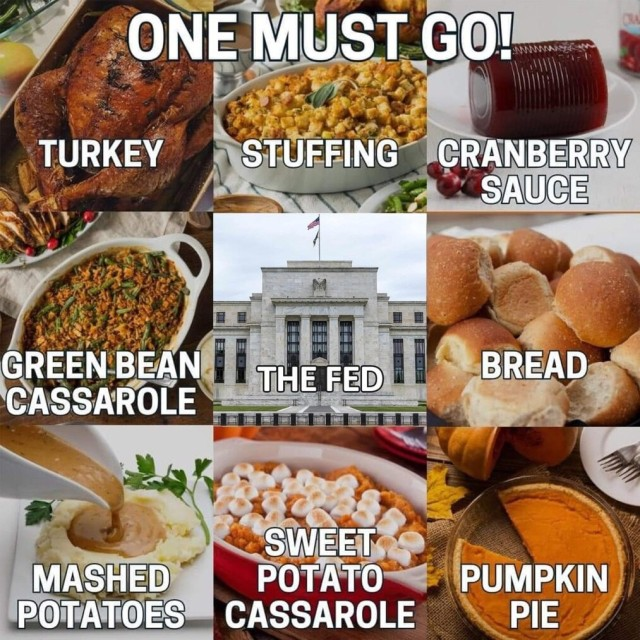











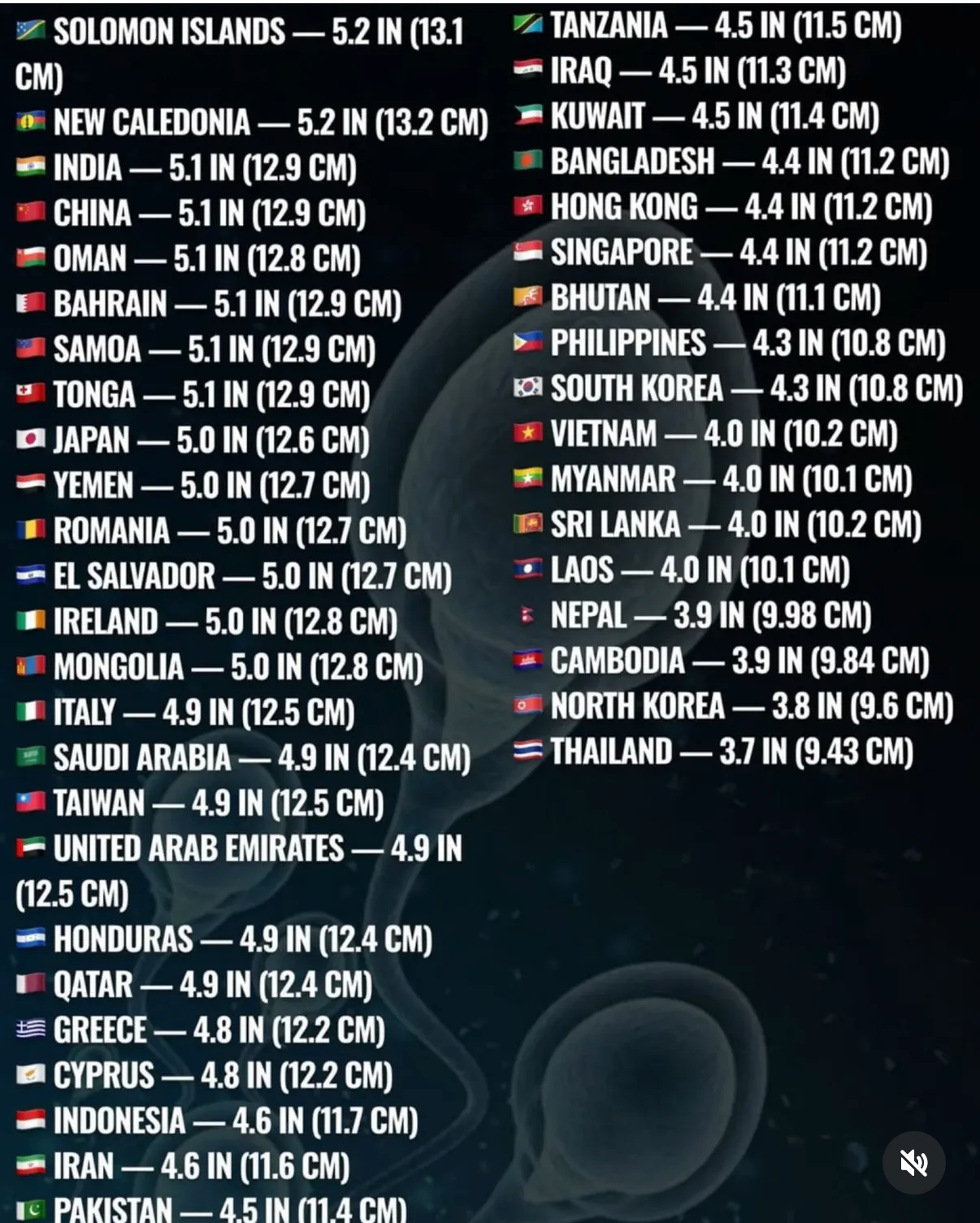
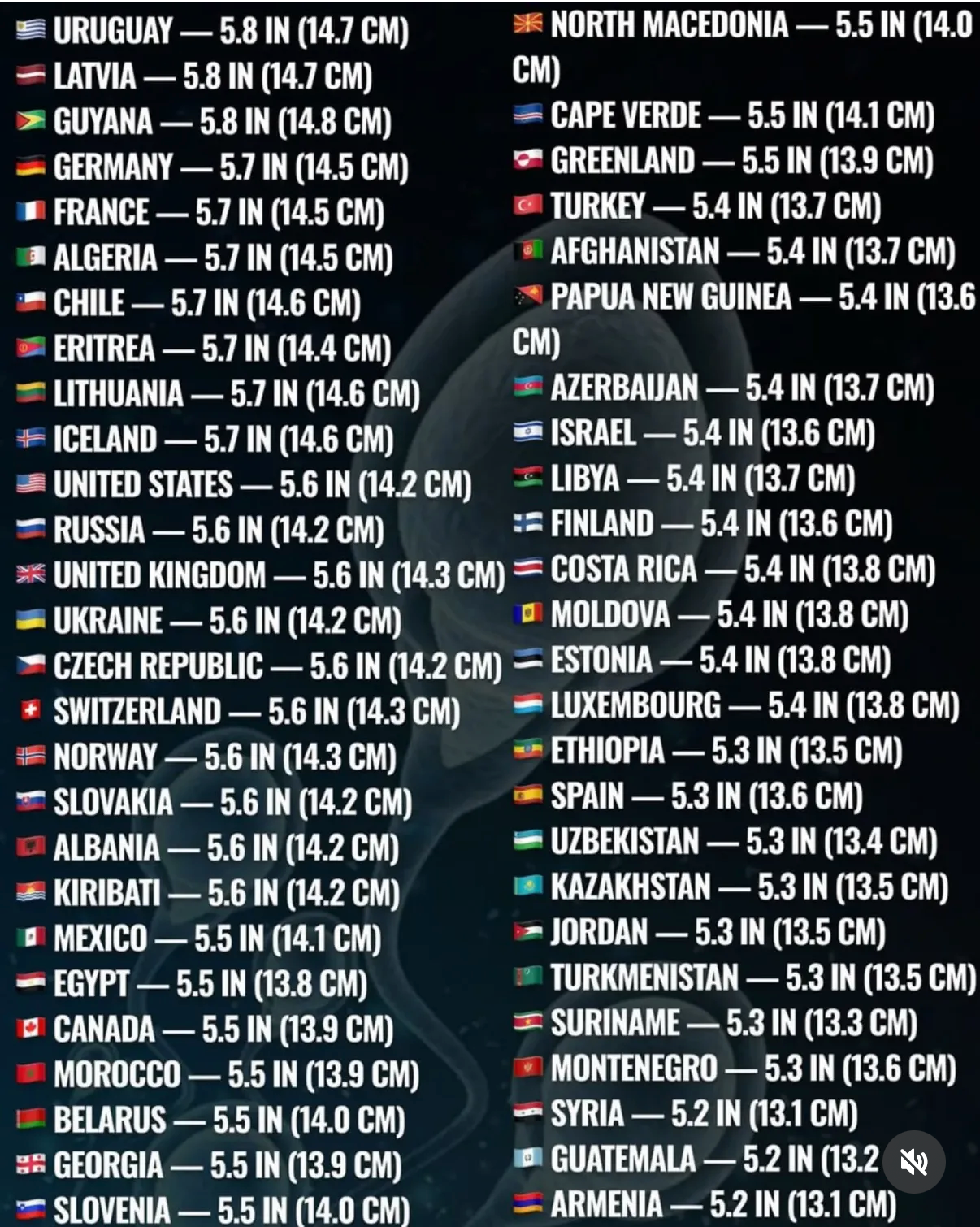
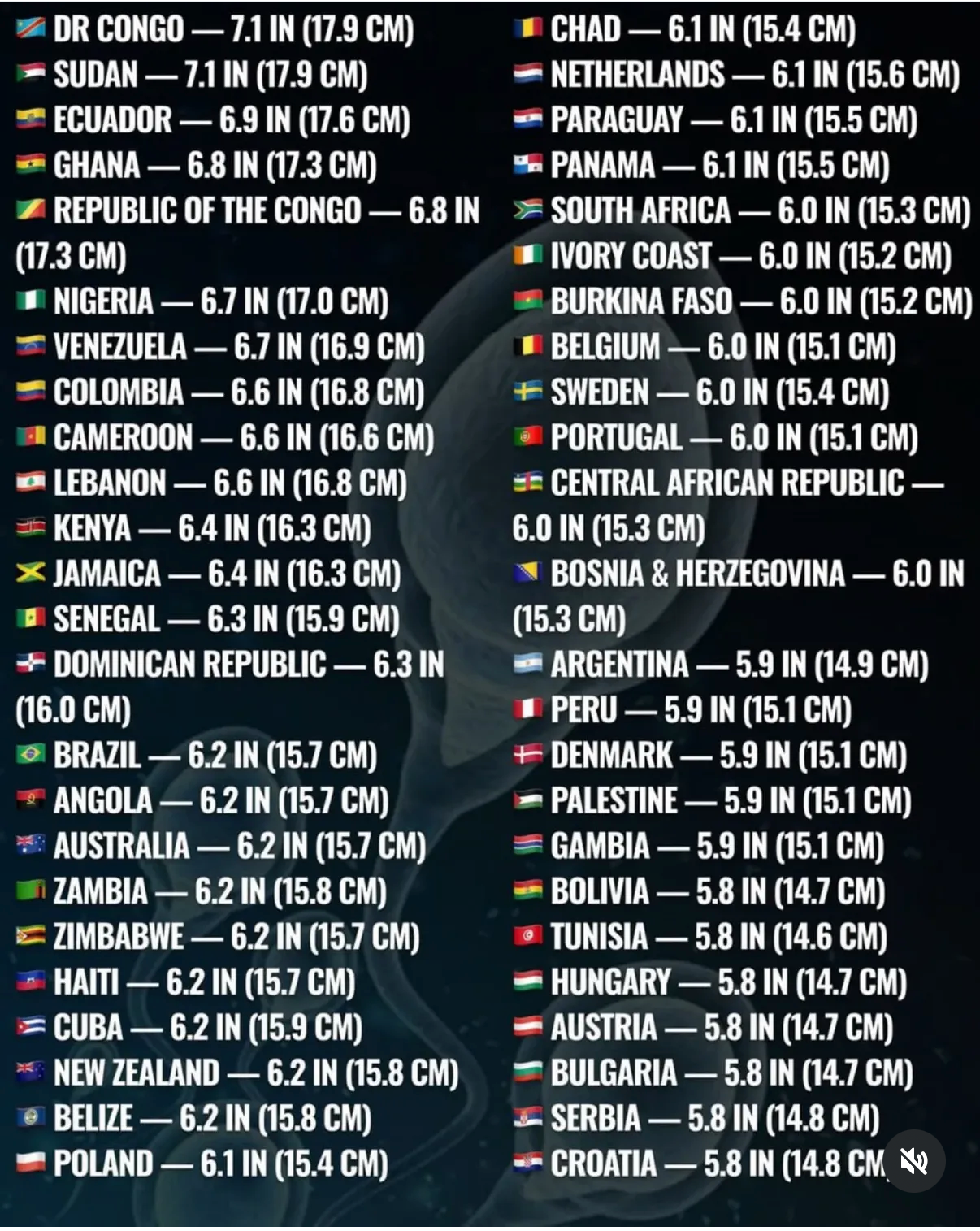

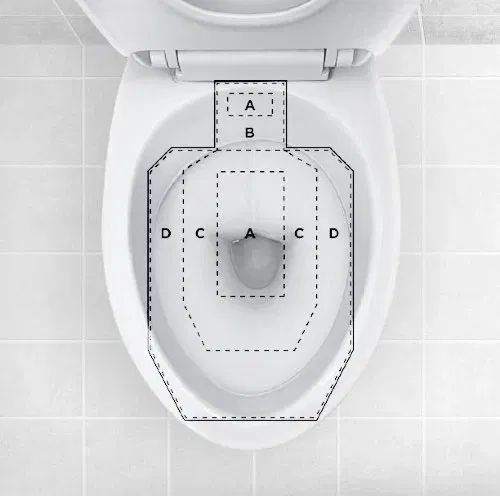
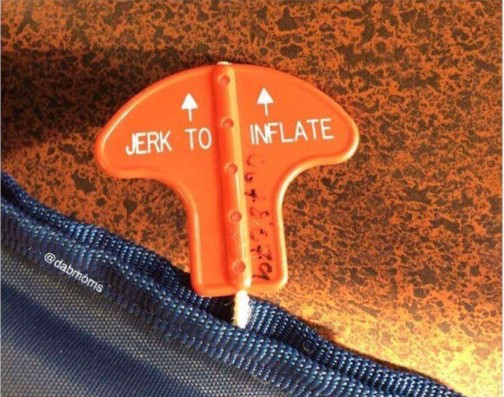
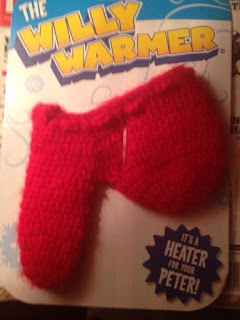




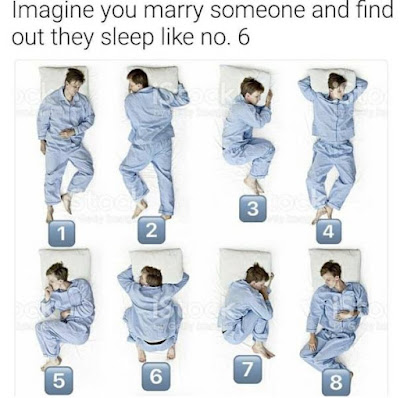








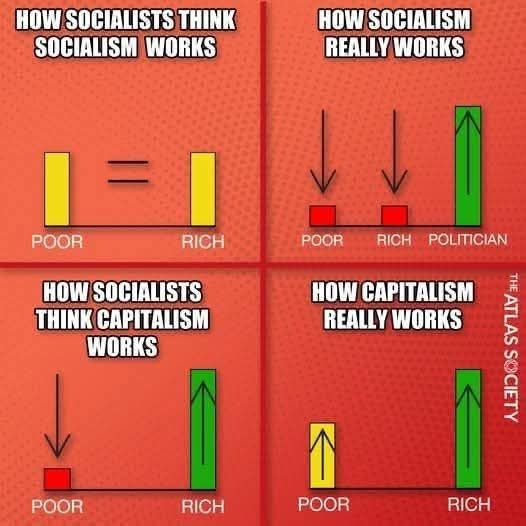
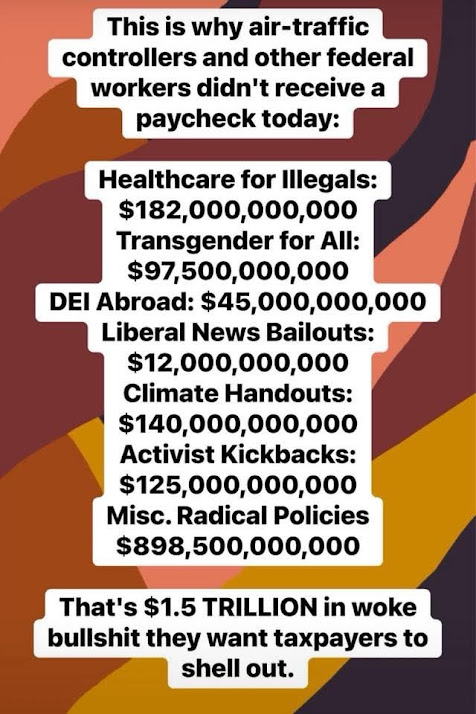





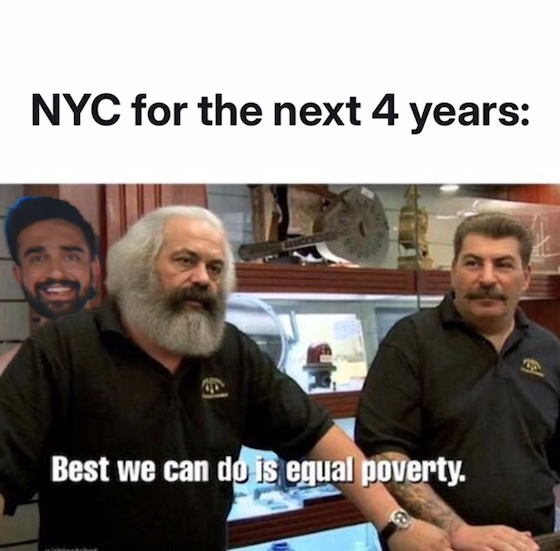






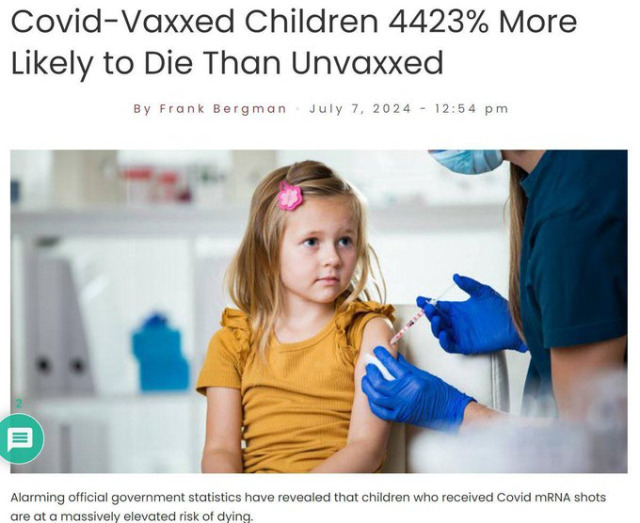

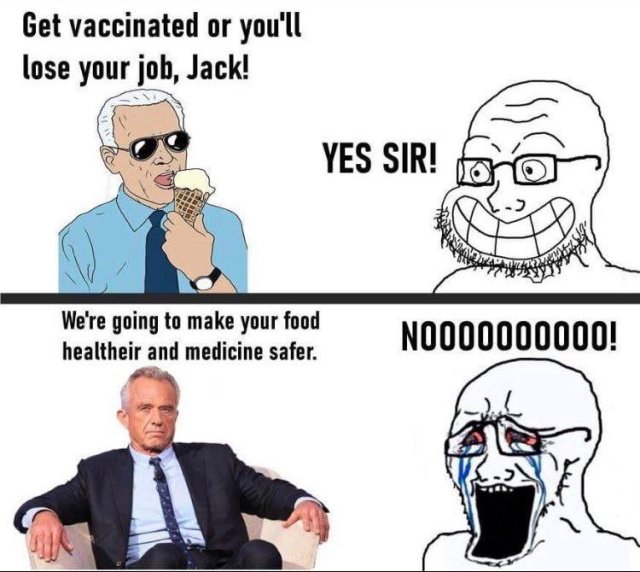

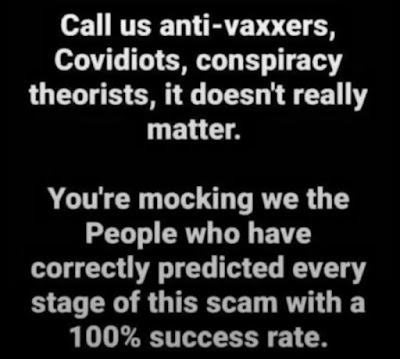
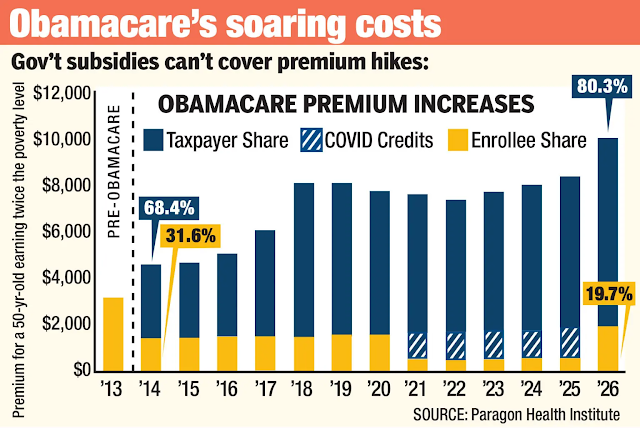

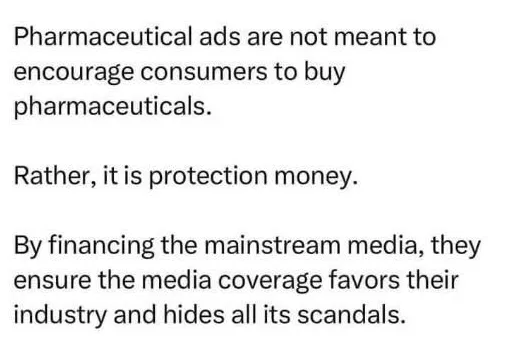


























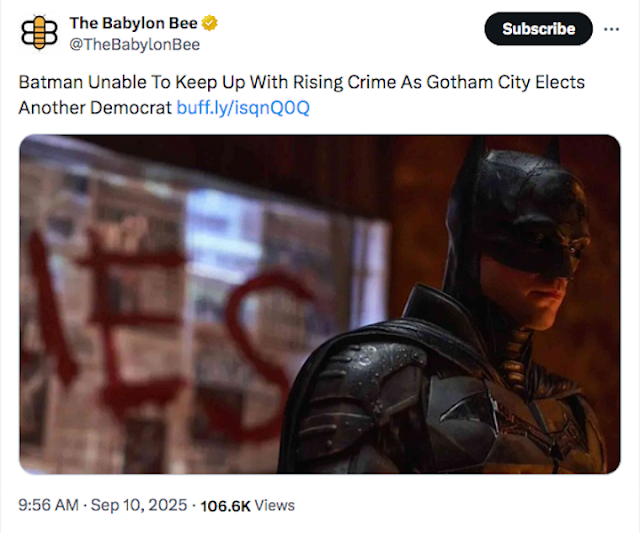
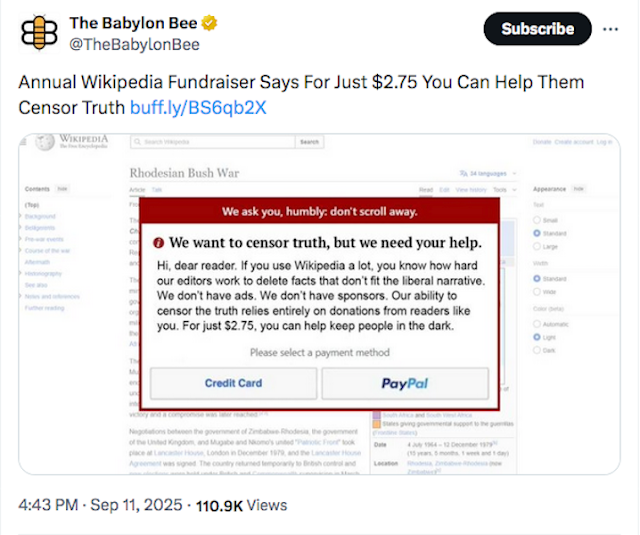
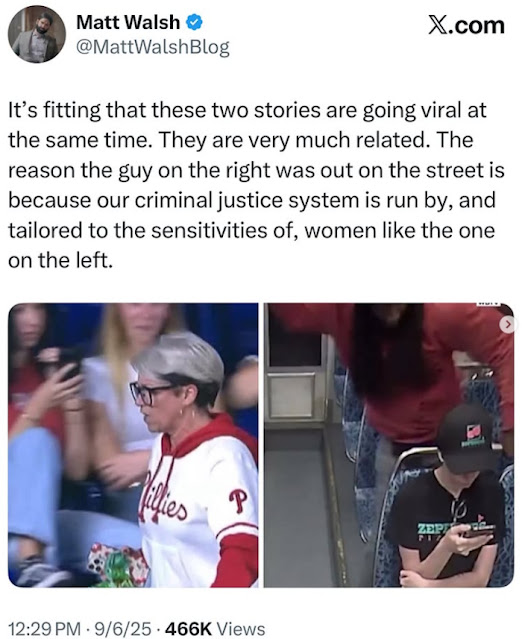
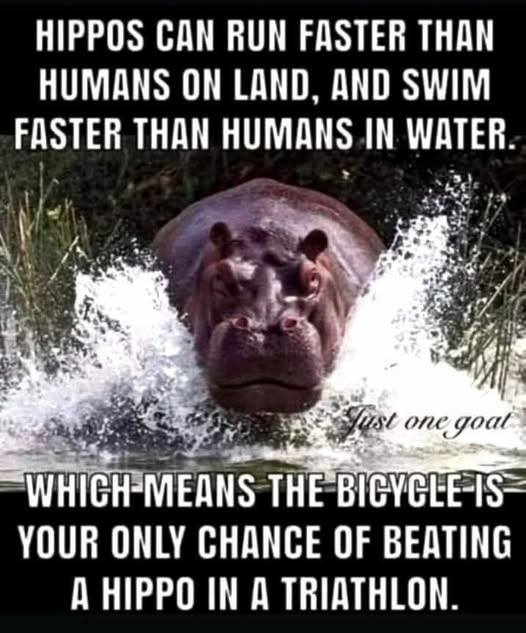
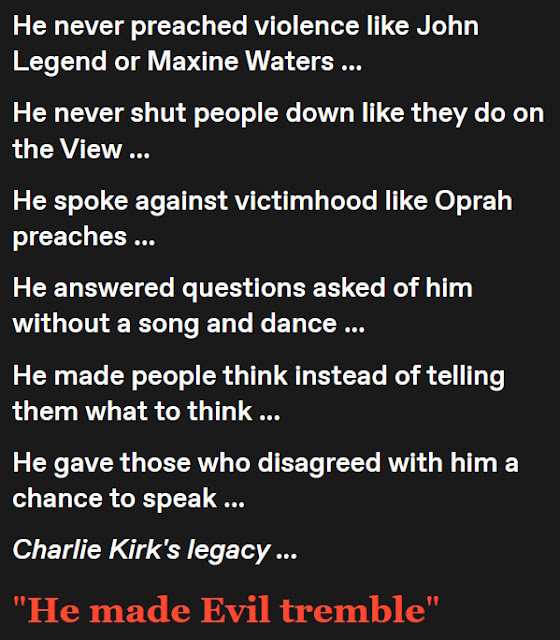



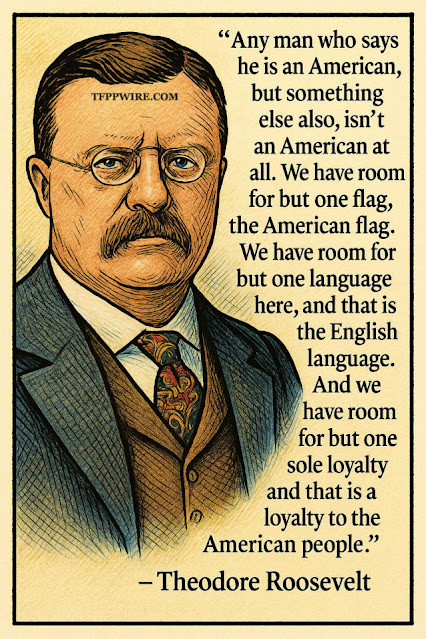
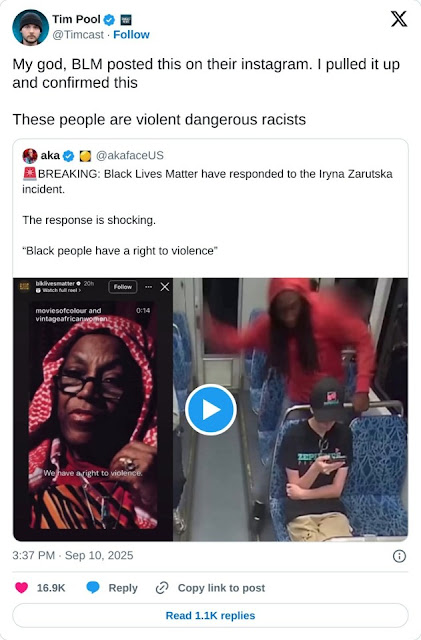
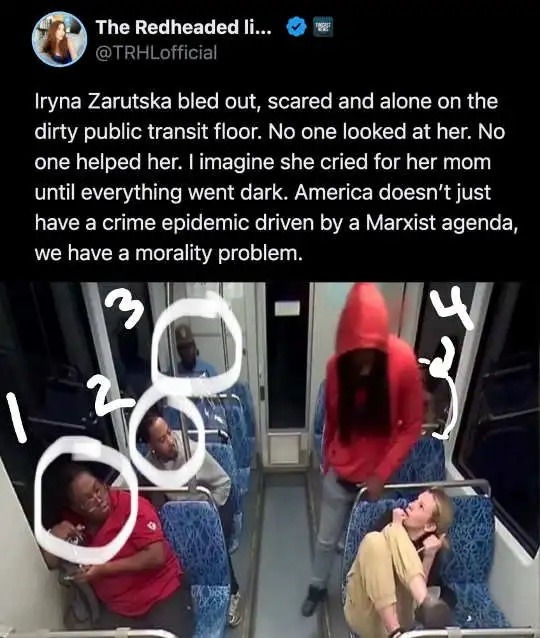

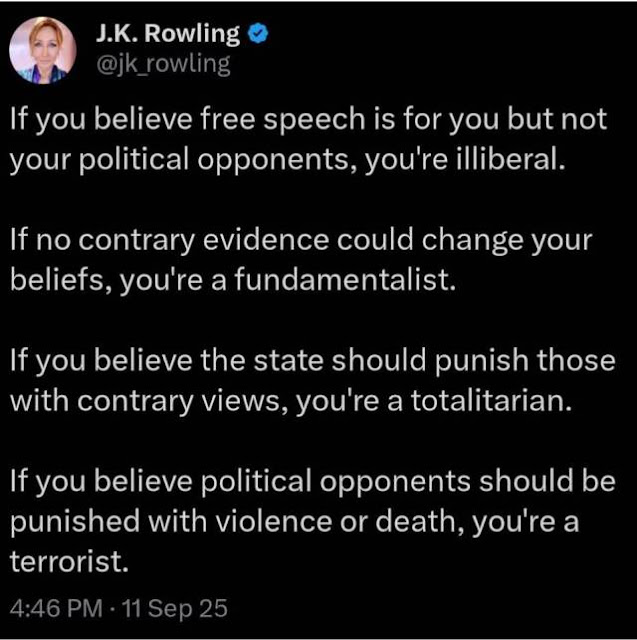




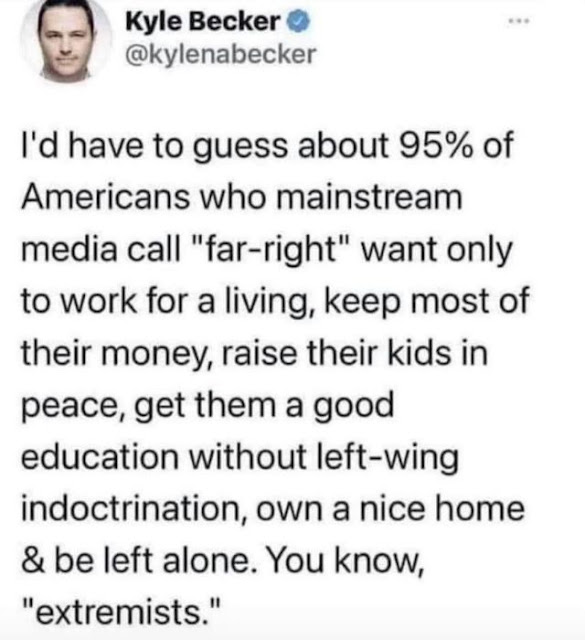
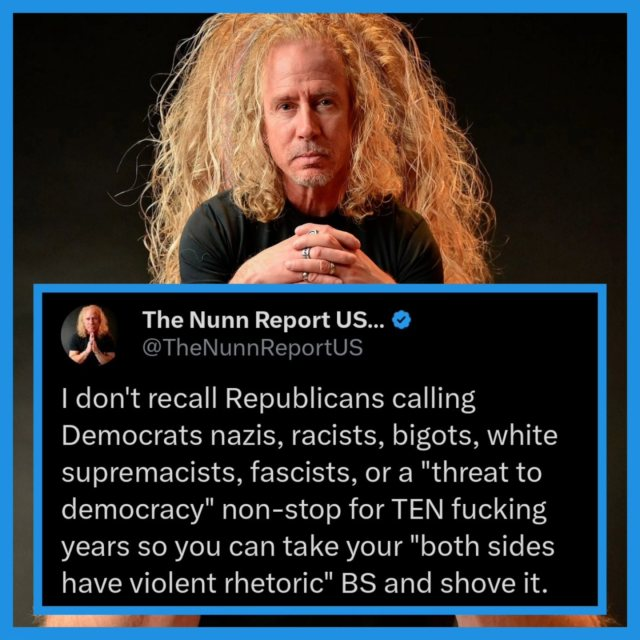

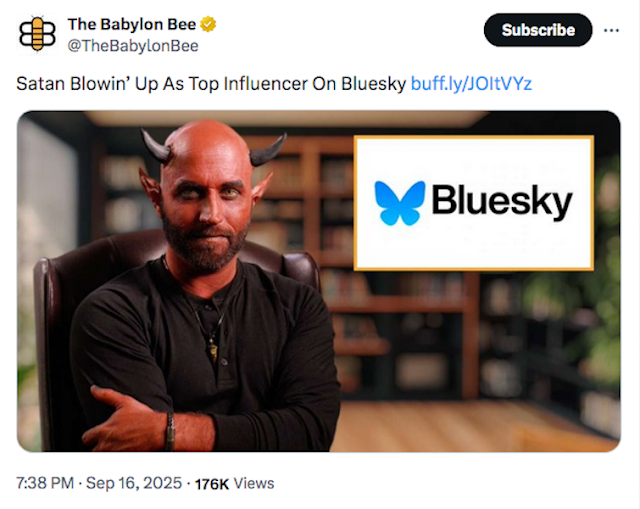











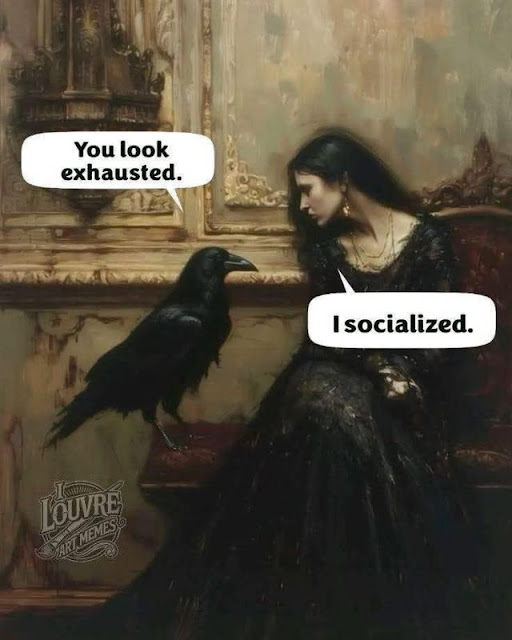

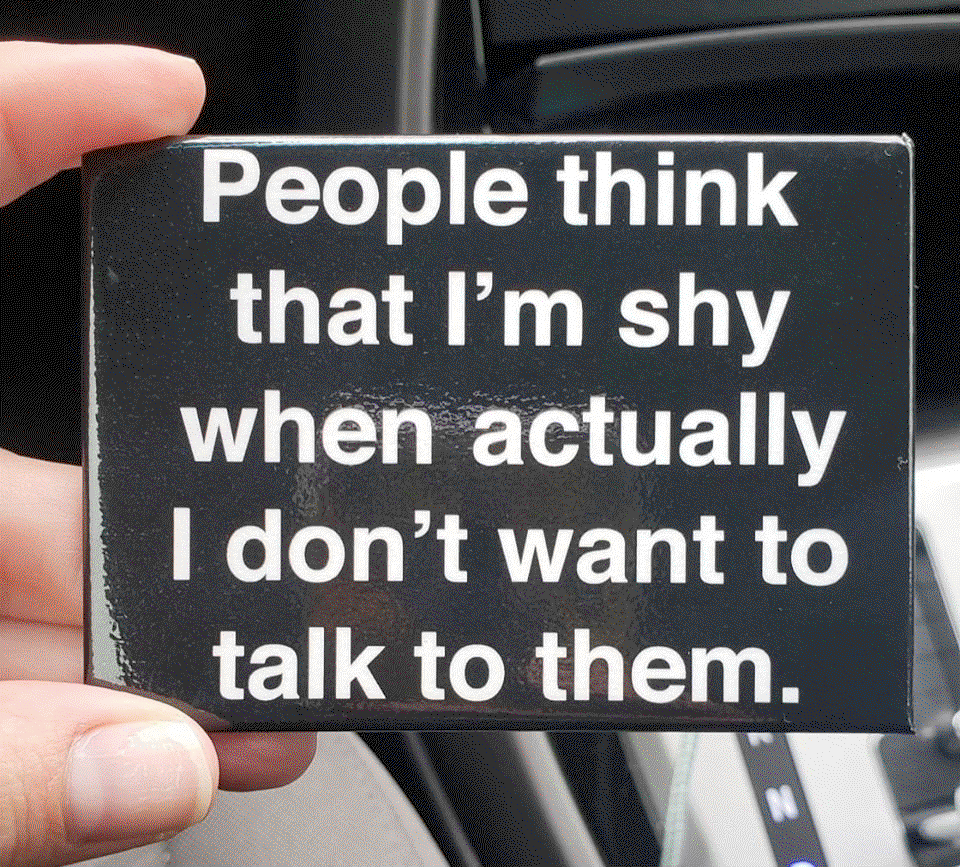







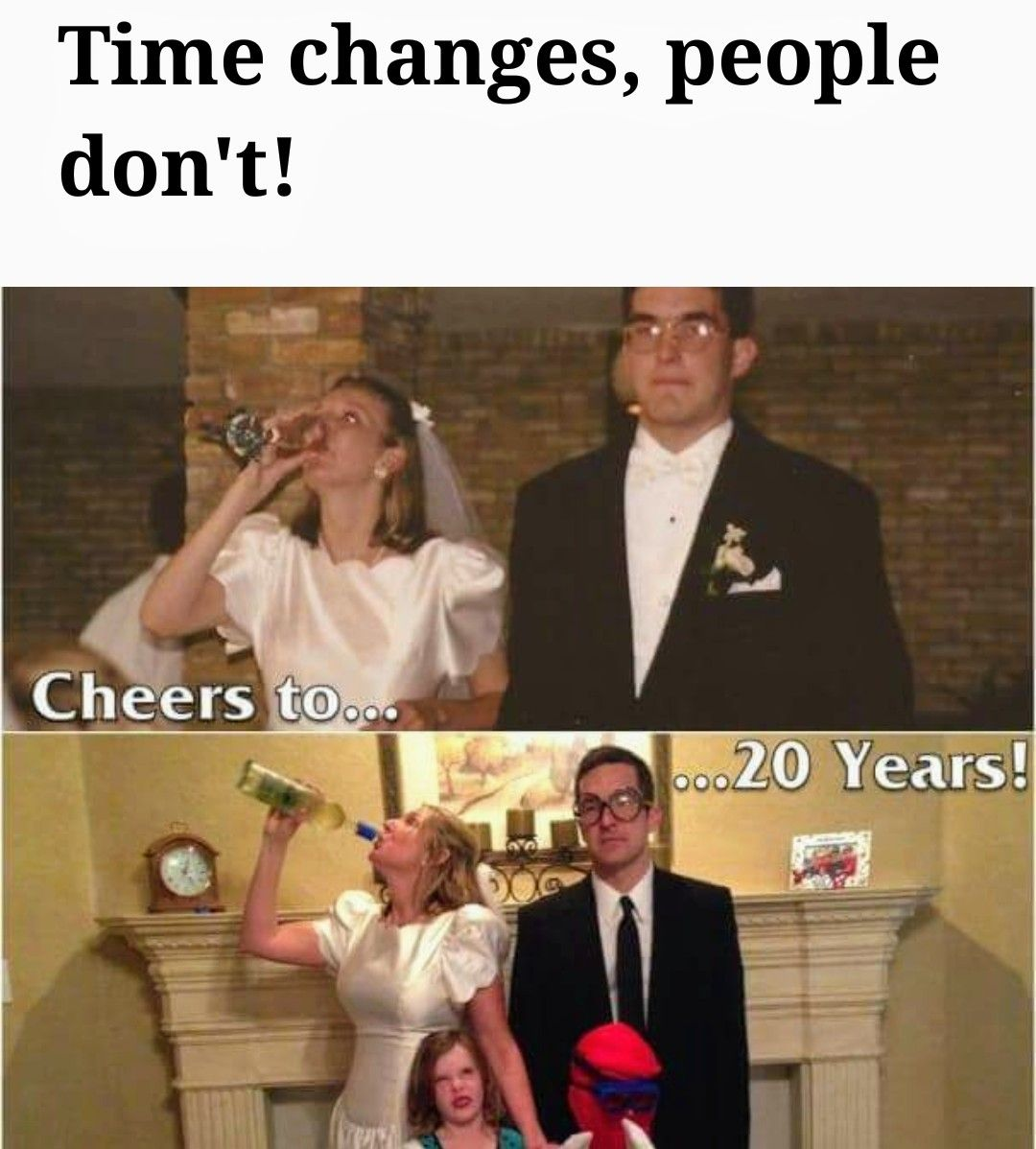


 Delusions of Adequacy


