
1
2
3

4
5
6
7
8

9
10
11
12

Yannow, they’s assholes evrywhar. The entier country wants the Save Act, including the libs, yet Thune can’t get it passed. It would stop cheating as we know it, although I’m sure they will think of a new way
The Senate has packed up and gone on a two-week vacation without passing the SAVE America Act. They also passed a compromise bill to fund DHS, except for ICE and CBP and their support staff, which House Speaker Mike Johnson has rejected.
I know he hates Trump, but does he hate Americans and Republican control of the Senate also?

Hard as he tried, he still couldn’t be a bigger asshole than the wife of Gavin Newsom. Yes, he’s running for president and his wife just did this:
How about the homeless, the people and companies leaving the state that her husband ruined, and the shithole that California has become?
She is vying to be 1st Lady and pulls this kind of shit.
According to Jennifer, the Newsom family took the kids on a red state tour to show them firsthand what racism is all about. The problem with this, however, is that these states and their inhabitants are not racist. In fact, implying people are racist simply by existing would, in fact, be racist.
She went as far as to claim that she wanted to see racism, misogyny, and bullying for them to effectively “be the change they wish to see in the world.” She believed visiting these states would “expand their hearts” so that they could continue on the leftist mission their father had embarked on. And while it is great to teach your kids that things like racism, sexism, and bullying are wrong, she largely missed the mark here.
She went looking for trouble when it was in her backyard.
She’s trying to outdo Hillary, Michelle (Big Mike) Obama or Jill Biden as the worst first lady.
That probably won’t happen, but what will is that she is the asshole of the week.

Gavin Newscum’s Wife Continues Sabotaging His POTUS Dreams
The real answer is almost everything. From the minute you are born, you live a different life from everyone else.
So the real answer is life. It shapes everyone differently, from the experiences to how we handle them. Even Identical twins have separate lives.
Unless you could do everything at the same time with the same person and have the same response, you are different.
That is comforting to me, because I don’t want what anyone else has. My life is mine.
On a side note, have you ever looked at a group of people together? How is it that we have that many people and not a one of them is the same? Different eyes, nose, ears, chin, size, shape, coloring, and the list goes on.
I could bring God into this conversation, but I know a lot of you have different views, so I’ll just leave it at this. Go ahead and try to find 2 people who are the same, or even close.
Either a mountain or a church. I’m most at home when I”m in the mountains, which is strange since I grew up at the beach. Tourists ruined that for me.
I long for the quiet and peacefulness, and the weather in the summer.
No one is going to remember me for anything, so a church might want them to consider eternity and make a decision to dedicate their life to God instead of ruin it like most do.
Aside from the fact that there is a God, this is an easy one.
No one gives a shit about you, really. Not long after you die, people don’t even think of you, other than in a story. Two generations after you die, virtually no one remembers you or anything you did.
Think of all the people who have come and gone in your life. You don’t think about 90% of them. Who remembers every kid in elementary school? How about the kids on the street you grew up on. When did you speak with them last? Did they initiate the conversation?
Most people overestimate their importance, especially to others. Your spouse will likely even get remarried if you die.
This works for me on a lot of levels, though. I have eliminated a lot of people from my life who weren’t making it any better. That’s a thing that is best for introverts, though.
This fact has been my best friend in a lot of instances. I even got rid of Facebook because too many people wanted back in my life that I thought I’d gotten rid of.
It was my job.
I got into computers before there was a PC. When I saw the introduction of the Apple II and the IBM-PC, I saw the opportunity door of life open, and I was first in line.
Here’s what I was doing when it happened. It’s the Madmen Story about dicking around at work
No one else could figure out what to do with them, as I lived in a mainframe world. I learned everything I could, and by the time others started playing with them, I was an industry insider. I worked with some of the smartest people in the industry. It was fun to know what was coming years before they announced it.
I even had time to pull off stunts like this.
I did virtually every job you could do, from technician/programmer to industry spokesman to one of the people planning the future 5 years in advance.
Blacks
Whitlock: “Unfathered Black Kids Are Running Wild All Over America”
Teachers
School Employee, 34, Had Sex With 13-Year-Old Student, Gave Him Alcohol, Weed — and Cops Believe She’s on the Run – Where were these girls when I was in school? I could have used a couple of life lessons like this. My hottest teacher never gave me a shot
Covid Jab
Bills in 3 States Would Declare Covid mRNA Shots “Weapons of Mass Destruction” – and yet the Biden administration forced it on millions. Some of us will never regret not taking it
Aging
10 Science-Backed Foods That Fight Wrinkles Naturally
Air Travel Sucks, Even For Congress
Delta Will No Longer Allow Members Of Congress Special Services – They can wait just like the rest of us now, Screw them
DEI at Work In The Airport
DIE at Work: LAX Baggage Handler Sparks Backlash After Throwing Guitars Onto Tarmac
Giant Hammerhead
Massive Hammerhead Shark Pops Up Out Of Nowhere And Leaves Fisherman And His Dog In Complete Awe – one this big got a tarpon that I caught also
Road Rage
Cars
2026 Dodge Durango R/T 392 Launch Edition Packs 475-HP 392 Hemi for Under $50k
Baseball
The 40 Greatest Names In The History Of Major League Baseball
Running Of The Bulls
Tiger A Bit Too Fit Without Some Help
50-Year-Old Tiger Woods Looks Absolutely Jacked & Fans Have Questions
The answer is not enough, but it’s changing.
I used to worry about other people’s feelings, and I wound up doing a lot of stuff that I didn’t want to do. I found out later that they didn’t really care and felt expendable. They would have been ok if I was there or not, so I wasted a lot of time.
Now, I’ll make exceptions for some of my family, but I say no a lot. Sometimes, my goal is that I just don’t want to do what they want to. When I found out they didn’t really care, and I wasn’t hurting anyone’s feelings, I am just fine saying no to almost anything and everything.
My goal is to avoid crowds and people whenever possible now
That’s easy, life and mistakes.
I learned way more from mistakes than I did from successes. I expected them. Having to re-do something, or being embarrassed for saying or doing the wrong thing, were lessons I never forgot. For the record, I consider losing the same thing as a mistake. I hate to lose at anything. If I do, I make sure it only happens once in a row,.
Life is a great teacher. When you get old like me, you’ve been through a lot. School can’t teach you much other than how to learn, or some facts to memorize. Having to survive is a lesson that I get every day. Hell, I’m grateful every day I wake up now.
Traitors
Prominent DC NeverTrumper Admits to Collaborating with Epstein in Bid to Take Down Trump – Epstein is poison, anyone associated with him is in trouble
FAFO
Jasmine Crockett’s Security Guard Fatally Shot by Dallas SWAT in Standoff
Females Acting like Children
Angel Reese Ignores Caitlin Clark Multiple Times in Team USA Win and Video Proves It – She can’t stand that Clark is not only better, she’s more famous and unlike Reese, people actually like her
Lying in the News
314-11: Google News Favors Left, Nearly Shuts Out Right-Leaning Stories in February
Big Tech’s News Aggregators Have Leftist Bias
Cars
Antifa
Texas Jury Crushes Antifa ICE Facility Ambush with 9 Guilty Verdicts… These assholes need to be taught a lesson.
The Nuclear Football
The Briefcase That Could End the World: Inside the “Nuclear Football”
Paul Harvey on Satan’s Plan to Destroy Civilization, from 1965
Paul Harvey’s stunning diagnosis of Satan’s scheme ‘making the rounds again’ – and it’s happening exactly as what Harvey said
Pets
Tech boss uses AI and ChatGPT to create cancer vaccine for his dying dog…
Where The Super Rich Live
Air Travel
Woman Hits The ‘Air Travel Jackpot.’ There’s Just 1 Problem—Her Seatmate Won’t Let Her Enjoy It
NAFTA
‘A lot of life years lost’: How NAFTA shortened American life spans… Thanks for nothing, Bill Clinton. Besides killing your opponents, you killed a lot of Americans
Obama
Kayleigh McEnany Lays Out the Money Trail — Obama and Biden Showered Iran With Billions While Tehran Built Its Nuclear Program – forking traitor and muslim lover, not to mention racist and America hater. Not only nukes, but it paid for a lot of terrorism that killed Americans and Israeli’s
Credit
Alaskans Carry The Most Lifetime Credit-Card Debt Of All Americans, Iowans The Least
Covid
What COVID Policy Did To Doctors Who Refused To Stay Silent – they paid for bucking the system, but saved lives. The govenment was guilty of killing patients.
UK
LONDON: Sikh Restaurant Owner Arrested For Taking A Stand Against Selling Halal Food
Cars
Porsche Puts Its Faith Back in Internal Combustion Engines – The world is right again now that EV’s are being exorcised.
March Madness
The 9 Teams With The Most Consecutive NCAA Tournament Appearances In The History Of March Madness
College Football
Ranking The 11 Most Hated College Football Players Since The Year 2000
Bass Fishing
Canadian Hit With Year-Long Fishing Ban After Exceeding Legal Bass Limit By 67
Covid Vaccine Mass Deaths
56% Of Americans Now Suspect COVID-19 ‘Vaccines’ Caused Mass-Deaths – and it’s across the board both politically and racially.
If You Don’t Hate The Media Enough
The Economist Blasted with Flurry of Posts for Bemoaning Death of Murderous Ayatollah
Islam
Youth Center Hid Girl’s Gang Rape by the Usual Suspects to Avoid ‘Typical Muslim’ Label – typical Muslim’s acting the same as always
Aging
Ten writers and thinkers on the privilege of aging. – It was a lot easier when I was younger. I don’t how much of a priviledge it is to be sore all of the time.
Europe
Winston Churchill Predicted Europe’s Fall to Islam All the Way Back in 1899 – It’s whay I told my friend Jacques in the 90’s, 100 years later
The Naked McRib
Obama
Obama’s Race-Hustling Eulogy at a Race Hustler’s Funeral – I wonder what his white half was thinking while he was talking shit
Woke
The Woke Hoax—This Century’s 10 Most Spectacular – more victimhood BS that were lies
Communism
Cubans chant ‘Down with Communism,’ attack gov’t building during violent night of protests – it fails everytime and still has never worked



Choose an amount
Or enter a custom amount
Your contribution is appreciated.
Your contribution is appreciated.
Your contribution is appreciated.
DonateDonate monthlyDonate yearlyYannow, it gets boring when one person keeps being an asshole. So, I’m not giving her the prize, but she gets mentioned. This woman (I think she’s a female) should just STFU.
Michelle Obama has gone off about how her family was held to higher standards during her husband Barack‘s presidency, RadarOnline.com can reveal.
The former first lady took a swipe at President Donald Trump and his family, saying there’s “no way” his behavior would have been “accepted” by the public compared to when the Obamas lived in the White House.
There’s more here, but she’s just bitching. It’s all a lie because she had 3 times the number of staff that Melania has, drank only top-shelf liquor, and got handed everything to her from fame to fortune while doing mostly nothing, but bitching.
But, this weeks winner was Obama’s writer, and liar Jon Favreau.
Would someone please reach out to Jon Favreau and remind him that he worked for Obama, one of the worst presidents in the history of this country? Oh yeah, and also remind him about Libya, Syria … and the price of gas under his boss.
Not to mention the last person who has anything to say about Iran is a guy whose boss sent billions of dollars to the same 86-year-old tyrant he’s ranting about.
You have to be irretrievably stupid or deliberately trolling to think this post was a smart thing to write.
He hits out at the current administration for shit that isn’t half as bad as what they pulled. He’s showing more love for a murdering Mullah than the USA.
He was a first-class prick about throwing his weight around when he worked for Obama. Now, he’s just the asshole of the week.
I’m sure Denny would have called him an asshole also.

When I post these, it pisses off a couple of readers. It’s a joke, very childish at about the middle school level, but a joke.
1

2
3
4
5
6

7

8

9
10

For the preliminaries, I’d like to point out the rot at Duke University.
Twenty years ago this month, the infamous Duke Lacrosse Case exploded on the Duke University campus, with three members of the university’s lacrosse team falsely accused of raping and assaulting a black stripper. It took more than a year to exonerate those young men, but only after the false charges had ruined lives and exposed elite higher education in the US.
The Duke boys didn’t do anything different than a lot of college kids, but Duke got exposed for how they treated their students. members of the Duke University faculty and administration who took part in framing innocent people for a crime that did not happen. And hovering over all of the wreckage was a combination of national and local media whose reporters—with some heroic exceptions—followed a false narrative until it drove them right over a cliff.
If you have lived in the Triangle in NC, loyalties run deep, but most people hate Duke. They went woke and the quality of a degree there isn’t worth the paper it’s printed on.
Next comes Tim Walz. Ever since Obama, they wanted a VP who was more stupid than the presidential candidate so as not to threaten him. It’s hard to be more stupid than Kamala, yet here we are.
The Daily Signal reports:
The Justice Department, which has indicted almost 100 people for fraud schemes in Minnesota, has estimated the scale of fraud to have potentially exceeded $9 billion since 2018.
Feeding Our Future looted taxpayers for an alleged $250 million. Walz and his liberal media allies at the Minneapolis Star Tribune claimed that a state court ordered the state Education Department to resume payments to this criminal enterprise. The court denies this.
But your winner is a man who does not understand God, yet is willing to open his mouth to be an asshole about it.
James Talarico barely had time to savor his primary win over Rep. Jasmine Crockett before the Republican opposition research machine started doing what it does best. Within hours of the Associated Press calling the race, an avalanche of old tweets and video clips had already begun circulating – and Republicans are practically giddy.
The first batch of video ammunition came courtesy of Senate Republicans, who surfaced a clip of Talarico invoking Scripture to defend gender ideology. “God is both masculine and feminine and everything in between. God is nonbinary,” he said in the footage.
He also said, “Trans children are God’s children, made in God’s own image. There’s nothing wrong with them, nothing at all. They are perfect, they are beautiful, and they are sacred. Bullying children is immoral. It’s a sin, a special kind of sin.”
He separately described Jesus as a “radical feminist.”
Some things you should just not go there on. God is at the top of the list, especially if you have no belief or idea who he is.

My second job, around 1983, was at a Personal Computer store, International Computer Systems. At that time, I managed the largest independent computer store in the country, located in Coral Gables.
These were the beginning days of PC’s, before the XT. We had a 2 floppy IBM-PC and an Apple II. About the best software you could get was Visicalc. We were barely past DOS 1.0.
Now for the good day.
It was hectic every day, as there were 3 times as many people who were tire kickers as there were buyers. We were a block away from a Computerland Corporate store, which we out-sold mostly on hustle and knowledge.
If you go back to my first job, and hanky panky at the office, I talked about being picked up by the cologne girl at the escalator. Her name was Leila. She was scoping me out as we all went out together at the end of the day, and she picked me out as her target. This is the girl who they made the joke about being able to suck the chrome off of a trailer hitch.
Needless to say, it worked. I took her out on a date. If you read the story at the link, I’d been pulling a lot of ass at the time, given the place that I worked. It only took one date to get her to the bedroom. I found out that she had a special talent with her mouth. By far, it was the best hummer I’ve ever gotten. Some have been really good, but she took it a step beyond into being the best. While we dated, it was anytime and anywhere. She even said that she wanted me to sleep well, so that meant nightly.
Of course, she had the obligatory ponytail holder on her wrist.
Well, time took its toll, and we moved on, but she lived a block away from my computer store.
Here’s the good part.
After not seeing her for months, one day, she came into the store. I was on the phone in my office in the back, as it was the weekly call to order inventory. It was a total crapshoot as to what we were going to sell, but I’d be on the phone for about 30 minutes getting what I thought I’d need.
I was happy to see her and waved her in. She came in knowing she was going to blow me as she was grabbing my crotch while I was trying to remember what size memory chips I needed. I signaled for her to go close and lock the door, and before I knew it, my pants were down.
As she was performing her magic, I finally had to tell Sam at the warehouse that I’d call him back.

It’s 2 o’clock in the afternoon of what I thought would be another day of drudgery, making deals on PC’s. Instead, her head is in my lap, bobbing up and down. Her technique was so good that it was over pretty fast with no mess. She loved to swallow. I zipped my pants up, called Sam and told him what had happened, and she just left as she knew I was busy.
It’s not often that you get a hummer at work, and it’s usually not spontaneous. It made for a great day. The whole thing ws her idea as I hadn’t talked to her in a while.
I told everyone when I got home, and my friends all wished they were me, because I told them how good she was at it when we were dating.
Those were the days when HR didn’t ruin everything fun at work.
Obama Library, in the South side of Chicago, where crime is the worst.

Borg Cube

When former President Barack Obama announced plans for his presidential center on Chicago’s South Side, he described it as a privately funded investment in the city that would give back to the community that shaped his political career.
And while construction of the brutalist eyesore itself remains privately financed through the Obama Foundation, taxpayers are footing the bill for massive infrastructure costs.
A review by Fox News found that state and city agencies have not produced a unified accounting of total public expenditures tied to the project’s surrounding infrastructure. While individual agencies have disclosed partial figures, no single office has reconciled those totals or clarified how they overlap.
At the time the project was approved in 2018, public infrastructure costs were projected at roughly $350 million, to be split between the State of Illinois and the City of Chicago. Those estimates covered roadway modifications, utility relocations and related improvements necessary to accommodate the 19.3-acre campus in Jackson Park that nobody asked for.
In July, the Illinois Department of Transportation said that approximately $229 million in state-managed infrastructure spending had been committed to the project. That total includes about $19 million for preliminary engineering, $24 million for construction engineering and $186 million for construction activities. A department spokesperson described the earlier $174 million figure as a preliminary 2017 estimate.
Cornell Drive, a four-lane roadway along the eastern edge of Jackson Park, was removed and traffic rerouted farther west. Utilities, including water mains and sewer lines, were relocated, and new drainage systems were installed. City and state officials have said the changes were necessary to manage anticipated traffic and visitor demand.
The center occupies 19 acres of public parkland transferred under a 99-year agreement for $10, a decision that prompted legal challenges arguing that the arrangement was not in the public interest. Courts ultimately dismissed those lawsuits.
Though often described as a presidential library, the Chicago complex will not function as a traditional library operated by the National Archives and Records Administration. Former President Obama’s official records will be maintained by the federal government at a facility in Maryland, while the Chicago site will be operated privately by the Obama Foundation.
The foundation also pledged to establish a $470 million endowment intended to protect taxpayers in the event the project encounters financial difficulty. According to previous reporting by Fox News, that fund has received $1 million in deposits.
Who didn’t see this coming?
As usual, he fucked the people and didn’t tell the truth about the project. Does anyone remember if you like your plan/doctor, you can keep your plan/doctor? No one is going to go visit this other than some family, friends, and blacks who still believe he didn’t lie and use them. After that, probably a mosque. I wonder if it’s facing Mecca.
What advice would you give to your teenage self?
Stand up for yourself and don’t try to make everybody happy, you can’t.
Not everyone is your friend, no matter what they say or do.
Don’t be afraid to hurt somebody else’s feelings if you have to sacrifice yourself.
Realize that you are introverted and that not doing a bunch of stupid stuff because the crowd wants to is not a good enough reason to do it.
Take your time and enjoy what you are doing. It will go by too quickly. You don’t have to do everything right away. Life will let you get the experience if you give it time.
I have a couple of readers (you know who you are) who give way better answers than I do because they’ve had different experiences than I have. I wonder what they will say?
What aspects of your cultural heritage are you most proud of or interested in?
Although my ancestors came to this country from multiple European countries, it was too long ago. I have no knowledge of anything beyond which country they came from.
My family fought on both sides of the Civil War. I don’t take sides; I learn from history.
There are some things I can’t change. I was born White and a man. I’m good with it and don’t want to be anything else.
I loved my parents and some of my family. I put up with the rest and avoid some with vigor.
I guess I don’t take it too seriously, as my heritage is a mish-mash of so many things, I could fit into most categories, except the obvious. I’m also too old now to change anything, so I am who I am. I’m interested in the timeline at this point, and who died early or late that is closely related to me. I’m headed to the finish line at some point in the future.
What about you?
How do destructive ideas and bouts of collective madness so quickly become policy, law, and the status quo? After all, most have little public support—and are not Western nations supposedly rationally governed?
There is usually a multi-step process on the road to these self-destructive fits of society-wide insanity.
The suicidal impulse so often begins with left-leaning researchers in elite universities (i.e., the tenured in search of a novel, grant-getting theory). They begin insisting that a new existential threat requires immediate government intervention, novel legislation, ample funding, and public awareness of the impending danger.
So out of nowhere, the public is warned that the scorching planet will be inundated by rising seas in a mere decade. Or that millions of transgender youth are our next civil rights frontier, given that they suffer in silence without political advocacy, new laws, programs, and the chance for “life-saving,” powerful hormonal treatments and radical sex-reassignment surgeries. Indeed, the travel time from an outlandish idea by the faculty lounge to liberal status quo is a mere few years.
Next, the media, hand-in-glove with academia, springs into action to persuade the skeptical public to “follow the science” and “trust the experts.” It castigates any doubters as cranks or “conspiracy theorists” who spread “disinformation” and “misinformation”; or as racists, nativists, sexists, homophobes, and transphobes who must be silenced.
Hollywood and sports celebrities often piggyback on the frenzy, hijacking awards ceremonies and pre-game national anthems to out-virtue-signal each other, warning the public that they must adapt and change—or else!
Almost overnight—to take just one example—going to an isolated beach without a mask during the COVID pandemic, showing skepticism about the efficacy or safety of experimental mRNA COVID vaccines, or daring to believe that the Wuhan gain-of-function virology lab (in part aided and abetted by grants and support from Dr. Fauci’s National Institute of Allergies and Infectious Diseases and the National Institutes of Health) was the source of a manufactured COVID pathogen became heresies. And the perpetrators, as always, had to be punished either legally or through social ostracism and cancel culture.
Third, liberal foundations begin funding more “research” to “prove” that partisan “experts” should not be ignored. They also fund activist groups that hit the street to gin up popular support, which often results in the required tumult and occasional violence. They embrace the theory that any disruption will so bother the public that it will support almost anything if it just makes the bedlam go away.
New victims and their oppressors are created ex nihilo.
Yesterday’s radical new policy becomes today’s wishy-washy cop-out, as tomorrow’s once-unthinkable radical idea becomes commonplace and institutionalized. So it was that a few years ago, the public was told of a new and huge victimized group in the shadows, suffering from “gender dysphoria”—an age-old malady known to the ancients and, according to modern researchers before the millennium, affecting about one in 10,000–30,000 people.
No matter—almost overnight, transgenderism joined the gay and lesbian community to become the new LGB—T oppressed. Drag shows, once confined to enclaves in San Francisco or New York, were suddenly mainstreamed into military bases, children’s libraries, and cruise ships. Thirty percent of students on some campuses polled said that they might consider “transitioning.”
Abruptly, professors and students began reading emails appearing from their finger-in-the-wind administrators with strange new runes under their titles and names, identifying their “preferred pronouns”—sometimes the standard “she/her/hers” or “he/him/his,” and sometimes the unfathomable, such as “Ze/hir/hirs” or the plural “they/them.”
Groupthink and mob mentality prevail. Soon, not listing pronouns on correspondence indicts someone as a counterrevolutionary, a transphobe, or, worst of all, a Trump sympathizer.
Fourth, fence-sitting liberal and socialist officials and candidates equate the well-funded activism, the performance-art street demonstrations, and the media fixations on victims and victimizers with growing grassroots support for yet another cause.
This is well illustrated by how initially liberal officials—stunned that 70 percent of the public wanted secure borders, no more illegal immigration, and deportation of the 10 million Biden-era illegal aliens—kept quiet about Trump’s crackdown on illegal immigration.
However, after massive and violent demonstrations in major blue cities—with the deaths of two protestors who confronted ICE officers and tried to impede their efforts to detain illegal aliens—biased media blared out that officers were manhandling “mere bystanders.” ICE is now routinely likened by Democratic politicians to the Nazi Gestapo, well beyond the usual boilerplate smears as “pigs” and “fascists.”
The public buys into the fable that ICE agents were not arresting some 4,000 criminal illegal aliens in Minnesota while elected officials were siccing protestors on them, but were instead “murdering” innocent unarmed bystanders, who were harmlessly protesting ICE’s “goon” tactics.
Fifth, once the delusion—whether it is of a doomed sizzling planet, a utopian open border, the systemic oppression of a huge transgendered victimized class, or the habitual and flagrant shooting of innocent unarmed black males by predatory racist police—is institutionalized, then the government and institutions, public and private, ignore public opinion. And they begin passing laws and protocols once deemed unthinkable.
The once-meritocratic SAT, originally aimed at nullifying the old-boy admissions network at the Ivy League, becomes “racist” and is dropped. “Defund the Police” becomes the elite white activist mantra.
Soon, the politicians’ talking points become gospel, as formerly crackpot “critical legal theory” and “critical race theory” are used to “prove” that police hunt down minorities rather than the criminals among them.
Productive, safe nuclear clean-energy plants are shut down. Billions of dollars are invested—and lost—by government mandates aimed at phasing out internal combustion engines and subsidizing unpopular electric vehicles. Government-built high-speed rail boondoggles waste billions before laying a foot of track.
Schools and public offices must suddenly install “gender neutral” bathrooms. What follows is the surreal sight of biological men competing in women’s sports and undressing with teen girls in locker rooms—acts that just a few years prior would have landed someone in jail.
However, there sometimes occurs a sixth stage, which we might call the “Emperor Has No Clothes” wake-up call, that occasionally stops the lemmings in their mad dash over the cliff.
Gradually, the public wonders why it pays twice as much for electricity as it did a mere few years earlier. Supposedly doomed polar bears appear to be thriving in the Arctic. John Kerry is routinely spotted on a carbon-spewing private jet to get to climate change conferences abroad. California’s “permanent” drought strangely ignores near-record wet years and snowfall. Too little rain proves global warming; too much is proof of “climate chaos.”
Barack Obama, the Cassandra of rising seas, nonetheless prefers to buy and live in multimillion-dollar mansions on the Hawaii beach and Martha’s Vineyard seaside.
A few brave reporters cite China building two coal plants a month, even as it brags about the Paris Climate Accords and urges the West to embrace “clean energy.”
The public begins to wonder why, after mass shootings, authorities mysteriously conceal the transgender status of the shooter or suppress the perpetrator’s incriminating target list and diary.
Quietly, university studies start citing the cardiac, pulmonary, and hematological side effects of the mRNA vaccines.
Some universities, without much fanfare, begin to reintroduce the SAT after remedial math courses have had to expand to accommodate nearly half the entering class.
Economists at last come out of the shadows to cite data that shows the massive COVID lockdowns were a catastrophic blunder that permanently stunted the education of millions of youths and birthed an epidemic of psycho-social maladies that disrupted entire communities.
Accusations grow that the architects of Black Lives Matter embezzled millions of dollars in donations and spent freely on upscale homes for themselves. Data drips out that police shoot no more unarmed black suspects than white, when compared to the relative rates of arrests by race. The Somali community—the supposed DEI face of the new Minnesota Democratic majority—is found to be at the heart of a $9 billion fraud epidemic. And so it is revealed as most ungracious, treating its hosts’ magnanimity as naivete to be exploited rather than as generosity to be appreciated.
On the border, the old mantra that the crime rate of illegal aliens is well below that of citizens is revealed as politically tainted. Estimates emerge that 500,000 criminals or more swarmed the border, as the body count of U.S. citizens murdered and assaulted by illegal aliens grows daily.
In sum, just five years ago, when Joe Biden and his masters took control of the government, the orthodoxy was that we were to restructure the entire economy along failed European lines in order to save the planet. There were no longer to be the two age-old sexes, but a dozen or more in 2021 America.
“Men” could become pregnant (but only if they were born as biological women). Tampons were politically correct in male bathrooms. Preferred pronouns dotted memos. A swarm of 10,000 illegal aliens a day proved America was compassionate and caring while creating a “new Democratic majority,” given that “demography is destiny.”
Blue-city prosecutors released thousands of criminals either without formally charging them or after merely fining them for lesser crimes. Racial obsessions destroyed merit-based hiring of everyone from air traffic controllers to pilots to professors to museum docents.
And then abruptly in 2025, these destructive manias began shriveling up and were destined for the graveyard of forgotten collective lunacies.
Add the lawsuits against the doctors doing tranny surgery and the death of fake meat, a stupid vegan idea and people might realize that the nonsense that the elite and the woke have been selling is just that.
This if the final chapter of what he wrote. These are the links to the first part of the story. It is all firsthand from a kid who had to grow up as soon as he graduated from high school to commanding men and learning to fly what was then the most complex plane ever built, and very similar to the ones that dropped the Atomic Bombs on Japan.
My Uncle’s Contribution To WWII – A B-29 Pilot
My Uncle’s Contribution To WWII – A B29 Pilot – Part 2, Pearl Harbor To Tokyo
We flew three Prisoner of War missions wherein we dropped food, clothing, and medical supplies to our prisoners in their prison camps. One of the conditions stipulated in the Japanese surrender was that they must clearly mark all of the Prisoners of War camps with a large red cross on the roof, or in the yard, so it could be seen by aircraft flying over. We flew to camps located in Formosa (now called Taiwan), Shikoku and Tokyo. After dropping the POW supplies in Tokyo, we flew at approximately 500 feet over the remains of the city at our leisure, as did several other B-29 crews. The devastation of the city was unbelievable.
On October 2, 1945, our crew was assigned to be in the first group of airplanes to start home in Sunset Project #5. I flew airplane numbered A Square 47 named “Sweat’erOut” to Kwajalein, Oahu, and Fairfield-Suisun Field at Sacramento, California, landing October 5, 1945. Approximately two hours out, we had to feather a prop because an engine was running out of oil. Accordingly, my last landing in a B-29 was a three-engine landing. That was my last flight in a United States Army B-29.
The entire military establishment was in a state of extreme confusion after the War ended. It had millions of men in uniform, and most wanted to get out, but not all. I elected to remain in the U.S.Army because I was married and had no skill other than knowing how to fly. I was given 45 days of Rest, Relaxation and Recuperation leave and told to report to my unit, the 73rd Bomb Wing (VH) at March Field, Riverside, California, on December 4, 1945. That date was extended to January 10, 1946. Orders were changed while I was on leave, and we were now told to report to McDill Field, Tampa, Florida on January 10, 1946…but I didn’t get the change notice. Margaret and I bought our first car, a used one, from Holler Chevrolet on West Central Boulevard in Orlando. It was a 1942 black two-door Chevrolet Cabriolet. We drove it from home on leave in Orlando to Riverside, California, carrying my brother John as far as White Sands, New Mexico, where he was to be stationed. We rented a bedroom living accommodation with an Indian family in Riverside, Calif. before I got the word that we should be in Tampa, Florida. We hopped in our car and drove rapidly back across the United States to Tampa.
While I was based at McDill Field in Tampa, there was a surplus of officers with nothing to do, and I elected to attend an officer’s maintenance-training course across the field. I also got a part-time job ferrying new Luscombe Silvaires from their factory in Garland, Texas, near Dallas, to a privately owned Fixed Base Operator at Clearwater, Florida, for $100.00 each ferry trip. I made four or five ferry flights for him. On one flight, I landed in Orlando to spend the night, and the next day I took Margaret and my sister Mary for a ride in the brand new Luscombe Silvaire. Because it was a two-seat airplane, I had to make a second flight to take my sister up. It was the first time either of them had ever flown. It was while I was ferrying these airplanes that I became aware that Eastern Air Lines was hiring pilots in Miami.
My last flight in a U.S. Army airplane was a four-hour ride (required to be eligible for flight pay) in a B-25 on July 9, 1946.
July 18, 1946, I was transferred to Ft Bragg, North Carolina, to be separated from the U.S. Army Air Corps. My date of discharge was effective September 30, 1946.
I had served in the Army for a total period of four years and six months. First, I was an enlisted man for six months, an Aviation Cadet for nine months, and an officer for three years, six months, and six days. I was 23 years old when my military career ended.
The three Medals and decorations I was awarded were for what I consider rather modest accomplishments:
I was awarded the Air Medal with one oak leaf cluster (in lieu of a second Air Medal)
I was awarded the Asiatic-Pacific Campaign Medal with two stars (for two different battles in which I participated)
I was awarded the American Campaign Medal for having been in a branch of the military service.
To be employed by any airline, a pilot must have a Flight Instrument Rating endorsement on his civilian flying certificate. On July 24, 1946, I started flight training for my instrument rating in a Fairchild 24 light airplane at the Cannon-Mills airport located in east Orlando. It was located approximately where the 100 block of South Semoran Boulevard runs today. I obtained the instrument rating on September 19, 1946. I was hired as a pilot by Eastern Air Lines on October 6, 1946, six days after my military terminal leave ended. At Eastern, I flew for 38 years until I reached the mandatory retirement age of 60 on my birthday, January 14, 1983.
P S I was recalled to Active Duty with the newly created United States Air Force on June 1, 1951 during the Korean War. Because my civilian employment was with an airline, I was assigned to the military airline, called Military Air Transport Service, based in Mobile, Alabama, at the Brookley Air Force Base. MATS was the acronym of the military’s airline. I flew the huge unpressurized C-74 Globemaster (equipped with the R-4360 engine) airplanes across the Atlantic Ocean usually to Tripoli, Lybia but occasionally to England or Germany. I was released from Active Duty one year and four months later on September 12, 195,2 and returned to our home in Coral Gables, Florida, to resume my civilian career as a pilot with Eastern Air Lines, for whom I flew the next 38 years.
Interestingly enough, in May of 2001, I was qualified to fly as co-pilot of the only existing B-29 that still flies, owned by the Commemorative Air Force of Midland, Texas. It was 56 years since I last flew in that type of airplane.
This is part 2 of My Uncle’s WWII story of going from high school to a squadron leader who led the last raid over Tokyo in WWII
On December 7, 1943, I checked out as the first pilot on the four-engine B-24 bomber airplane. I was 20 years old. I was based in Orlando for almost a full year. Effective March 1, 1944, I was transferred to the 1st Bomb Squadron of the 9th Bomb Group at Brooksville, Florida, as were all non-combat-experienced personnel based at Pinecastle Army Air Base. I was then immediately transferred to the Second Air Force, Dalhart, Texas for further assignment. I flew as co-pilot on a B-17 for this transfer from Brooksville to Dalhart. It was the first time I had ever set foot in a B-17.
1 April 1944, I was transferred from the Second Air Force to the 505th Bomb Group (Very Heavy) of the 313th Bomb Wing (VH) based at Harvard Army Air Field, Nebraska. I was temporarily assigned (for approximately 30 days) to attend a “cadre training” school at the Army Air Forces School of Applied Tactics in Orlando, Florida, before reporting to Nebraska. After I attended the 30-day school, I had seven days leave and married Margaret Baker on April 30, 1944, in Orlando. I then returned to my outfit in Nebraska.
May 13, 194,4 I was assigned to the 484th Bomb Squadron, 505th Bomb Group, 313th Bomb Wing. I was assigned a co-pilot named Frederick A. Kays Jr. and a Radio Operator named William G. Coyle. We did most of our flight training in B-17s because there was such a small number of B-29 airplane existent worldwide. I had my first ride in a B-29 on July 22, 1944. I checked out as the first pilot in the B-29 on September 8, 1944, when I was 21 years old. The B-29 was at that time the largest airplane in the skies…airline or military. Margaret and I lived in one of the Showboat Motel detached cottages in Hastings, Nebraska, approximately 30 miles from the Harvard Army Air Base. We had no car. Lieutenant Warren C. Shipp often drove me to and from the air base, but it was difficult for me because the Army scheduled training 24 hours per day.
While flying the return leg of a routine training flight from Harvard, Nebraska to Orlando and back to Harvard in a B-17, Lieutenant Otto Haas and I had an engine failure. We landed at the nearest Army airport, which was Nashville, Tennessee on September 10, 1944. On Sept. 18th, we got the B-17 back to Harvard, Neb. with a replacement engine installed. Our Commanding Officer was very provoked with our absence of nine days because the B-29 training program was such a high priority. We were totally unaware of the urgency of our B-29 training.
Five days later on September 23, 1944, I, and about 300 other men, were relieved from the 505th Bomb Group, 313th Bomb Wing assignment and transferred to the 236th AAF Base Unit Combat Crew Training School (VH)) Army Air Base Pyote, Texas. Our crew was to be trained there as a B-29 Replacement Crew. Margaret and I rode the train from Hastings, Nebraska to Pecos, Texas, where we rented a room with kitchen privileges with a real fine Texas family named Titus. It was at Pyote AAB that I first met the 10 other crew members whom I later took into combat on my crew. Effective January 8, 1945, I was granted 13 days leave, and Margaret and I rode the train from Pecos, Texas to our home in Orlando. I left her in Orlando when I returned to Pyote because I was soon to go overseas. We continued to fly training flights at Pyote, Texas until February 21, 1945, when our replacement crew was fully trained, and we then boarded another troop train for our transfer to a staging base, Army Air Field at Herington, Kansas, to be processed for overseas duty.
March 3, 1945, we boarded yet another troop train in Herington, Kansas for transfer to our intermediate assignment at Hamilton Field, San Francisco, California. In San Francisco, our crew waited a few days to catch a ride on a Military Air Transport Command C-54 transport airplane from San Francisco to Oahu, Hawaii, to Johnson Island to Kwajalein to Guam, sleeping en route at each stop, save Johnson Island, where the airplane was immediately refueled and departed.
Like all B-29 replacement crews, we were first sent to the island of Guam, because that was the site of XXI Bomber Command Headquarters. However, before we spent a night on Guam, we were assigned to the prestigious 73rd Bomb Wing (VH) on Saipan. We caught a C-46 Military Transport to Saipan, and then received Special Orders No. 65 from Headquarters APO 237 on Saipan dated March 14, 1945, assigning us to the 871st Squadron, 497th Bomb Group, 73rd Bomb Wing (VH) on Saipan. At that time, I did not realize what an honor it was to be a member of the pioneering and historic 73rd Wing. I was living among true heroes with those men. Even today some 50 years later, all B-29 men who served in the Pacific look with awe and admiration at the valiant 73rd Wing who stood alone on Saipan, and flew their missions against Japan for so many months. During our first evening on Saipan, we sat through our first enemy attack alarm when we experienced “condition red”, but saw no enemy airplanes.
Our first flight off Saipan was March 29, 1945. We flew several orientation flights, practice flights, test flights, and engine “slow time” flights before we went on our first combat mission April 13th, to Tokyo in a B-29 numbered A Square 52 and named “Teaser”. It was a night incendiary raid with 16,700 lbs. of bombs. Oddly enough, it was the first time I ever took off with my landing light turned on. Previously, I had been taught that landing lights were only used for landing. As was customary with each take off of the heavily overloaded B-29s, we skimmed the ocean for miles and miles always flying the first hour at less than 400 feet altitude on each mission! The loss of an engine in this precarious situation required immediate salvoing of the bomb load or a crash into the sea. The first B-29, which arrived in the Pacific, “Jolting Josie, the Pacific Pioneer” still lies in the ocean of the end of the runway at Saipan because she encountered this impossible situation.
The first time I landed at Iwo Jima was May 24, 1945, coming home from our 9th combat mission with the number 1 engine feathered due to a gradual loss of oil. The runway was unpaved clay at the time. We had foolishly gone over Tokyo on three engines the previous evening, with the approval of each of our crew members.
We flew our 13th combat mission to Tokyo on June 6, 1945, taking 14:10 hours. Some days later, we received word that we were to fly one of the first war-weary B-29s numbered A Square 43, named “Thunderhead”, to Kwajalein, Oahu, and Travis Field (it was then called Fairfield-Suisun airfield) at Sacramento, California. As we passed through Kwaj on June 14th, we learned that the very first crew to complete their 35 missions and return home in “Dauntless Dottie” (which led the first B-29 raid on Japan on November 24, 1944) had crashed on takeoff the preceding evening! What a shame! We were going home to attend a prestigious “lead crew school” for approximately 30 days at the Muroc AAB, California, which is now the celebrated Edwards Air Force Base. We were to report there on June 29th. Upon landing our B-29 at Fairfield-Suisun Fiel,d I immediately rode civilian airlines from San Francisco to Orlando to visit Margaret. That was the first time I ever rode in a commercial airplane, all DC-3s, flown by United, American, Delta, then Eastern. I was in Orlando approximately 8 days before I had to fly back to Muroc AAB, bumming rides on military airplanes (as was quite common by all military personnel during the War).
We finished our training at the lead crew school at Muroc AAB on July 31 and received orders to report to Hamilton Field on August 4, 1945, for transport back to our outfit on Saipan. Again, we rode the Military Air Transport Command C-54 to Hawaii, Johnson, Kwajalein, Guam, and Saipan. Note: on August 6th and 9th, the two atomic bombs were dropped while we were en route back to Saipa,n our second time.
Contrary to popular opinion, the war did not end after the two atomic bombs were dropped. The Japanese Army and Navy stood ready to defend the homeland from the invasion scheduled for November 1945. Exactly 916 different combat crews of the five different B-29 combat wings flew missions and dropped bombs on Japan after August 9th. (See: Resume 20th Air Force Missions, Library of Congress, published by Richard M Keenan, 1945). “Total surrender” was a difficult concept for the Japanese to accept. On the night of August 14-15t,h I flew my 14th and last combat mission when I led the last B-29 raid off Saipan. Earlier that morning, the pioneer 73rd Wing had sent a “maximum effort” of 161 airplanes to bomb Osaka, Japan. The 13 airplanes I was to lead on this last mission were those that were mechanically unable to go on the earlier Osaka raid, but had been repaired and returned to service since the max. The effort raid took off. It was composed of 1 airplane from the 500th Group, 1 from the 498th, 2 from the 499th, and 9 from my 497th. (However, 4 scratched, and 1 aborted). At the briefing, we were instructed that if my radio operator received a transmission that the Japanese government had capitulated, I was instructed to transmit on voice radio the message “UTAH, UTAH, UTAH” to the other airplanes on our raid. My radio operator never received a message of capitulation, so the voice message was not transmitted, and we all dropped our bombs as briefed.
THIS WAS THE VERY LAST MISSION OF THE WAR! It was XXI Bomber Command Mission Number 330, a night incendiary raid of 13:30 hours with 14,940 lbs of general-purpose bombs to Isesaki, Japan. Our time over the targets is recorded as 0108-0315. When we returned from that all-night mission, the “War Is Over!” proclaimed a huge sign in our 497th Group unit’s briefing-debriefing Quonset hut.
We flew three prisoner-of-war missions wherein we dropped food, clothing, and medical supplies to our prisoners in their prison camps. One of the conditions stipulated in the Japanese surrender was that they must clearly mark all of the Prisoners of War camps with a large red cross on the roof, or in the yard, so it could be seen by aircraft flying over. We flew to camps located in Formosa (now called Taiwan), Shikoku, and Tokyo. After dropping the POW supplies in Tokyo, we flew at approximately 500 feet over the remains of the city at our leisure, as did several other B-29 crews. The devastation of the city was unbelievable.
On October 2, 1945, our crew was assigned to be in the first group of airplanes to start home in Sunset Project #5. I flew airplane numbered A Square 47 named “Sweat’erOut” to Kwajalein, Oahu, and Fairfiel-Suisun Field at Sacramento, California landing on October 5, 1945. Approximately two hours out, we had to feather a prop because an engine was running out of oil. Accordingly, my last landing in a B-29 was a three-engine landing. That was my last flight in a United States Army B-29.
The entire military establishment was in a state of extreme confusion after the War ended. It had millions of men in uniform, and most wanted to get out, but not all. I elected to remain in the U.S.Army because I was married and had no skill other than knowing how to fly. I was given 45 days of Rest, Relaxation and Recuperation leave and told to report to my unit, the 73rd Bomb Wing (VH) at March Field, Riverside, California, on December 4, 1945. That date was extended to January 10, 1946. Orders were changed while I was on leave, and we were now told to report to McDill Field, Tampa, Florida, on January 10, 1946…but I didn’t get the change notice. Margaret and I bought our first car, a used one, from Holler Chevrolet on West Central Boulevard in Orlando. It was a 1942 black two-door Chevrolet Cabriolet. We drove it from home leave in Orlando to Riverside, California, carrying my brother John as far as White Sands, New Mexico, where he was to be stationed. We rented a bedroom living accommodation with an Indian family in Riverside, Calif. before I got the word that we should be in Tampa, Florida. We hopped in our car and drove rapidly back across the United States to Tampa.
to be continued
I used to think Prince Chuckles was the biggest retard of the Royals. After all, his parents were cousins, and he said some really stupid stuff while his mum kept him off the throne until he was 70.
Then, I wondered if ex-Prince Harry was even dumber. He married an entitled B-Actress bitch. He went from having millions for doing nothing, servants, yachts, private planes, and access to anything he wanted. He threw all of that and his title away for a bitch. Soon, she will try to take away as much as she can get out of him soon, and drag the royals through the mud along the way. I’d have kicked her sorry ass to the curb for acting the way she did so fast it would make your head spin.
But……..
This week, ex-Prince Andrew took the cake. He was worthless and had a great life, but had to go and fuck underage girls and live a life of debauchery with Jeffrey Epstein. Here’s the catch (especially for cheaters), you always get caught. Your past never goes away.
He got arrested, and the money that was given to the girl he raped, Virginia Guthrie, supposedly 12 million pounds, was authorized by Chuckles, so he’s goingto bring down the king with him if they dig deeper than the surface.
Police continued on Friday to search the former home of Andrew Mountbatten-Windsor, a day after he was arrested and held in custody for the best part of 11 hours on suspicion of misconduct in public office linked to his friendship with the late convicted sex offender Jeffrey Epstein.
His arrest follows years of allegations over his links with Epstein, who took his own life in a New York prison in 2019. The accusation at the heart of his arrest is that Mountbatten-Windsor — who was known as Prince Andrew until October when his brother stripped him of his titles and honors and banished him from Royal Lodge — shared confidential trade information with the disgraced financier when he was a trade envoy for the U.K.
Mountbatten-Windsor was the first royal since King Charles I nearly four centuries ago to be placed under arrest. That turned into a seismic moment in British history, leading to civil war, Charles’ beheading, and the temporary abolition of the monarchy.
His arrest is undoubtedly one of the gravest crises to affect the House of Windsor since its establishment more than 100 years ago. Arguably, only the abdication of King Edward VIII in 1936 and the death of Diana, Princess of Wales, in 1997 have been as grave for the institution of the British monarchy in modern times.
What a dick. For this, you are the asshole of the week

Introverts need downtime to recharge their energy. Forcing them to socialize beyond what feels comfortable for them can leave them feeling drained and exhausted. For example, if you guilt-trip your introverted partner into attending two big events in one weekend, they might end up feeling tired and stressed.
So, respect their boundaries and give them the time and space they need to recharge their energy. Maybe the two of you agree to drive separately so your partner can leave when their social battery is reaching empty. Or maybe they’ll sit this event out, but go to another one in the future that’s more important to you.
Everyone needs downtime to recharge their energy and process their thoughts and emotions — especially introverts. When they want to be alone, it’s not about you. Introverts are simply wired differently than extroverts; you can read the science behind why introverts love alone time here.
Sometimes extroverts make off-hand comments that make introverts feel guilty: “Don’t you enjoy spending time with me?” or “I never have a problem hanging out with you, why is it so hard for you to do the same?” They don’t realize that saying these things can hurt their relationship.
If you find yourself doing this, try to understand your partner’s need for solitude and support them. If the two of you live together, you could help them create an “introvert zen zone” or sanctuary in your home — a place that they can retreat to as needed.
When introverts are working on a task, like looking up information or meticulously planning the meals for the week, they tend to focus deeply. And many of them thrive when doing this deep work. Interrupting them when they’re in the middle of something can be frustrating for them. So, be patient and wait for a time when they’re more available. Or wait until they take a break and seek you out.
Introverts tend to express themselves a little differently than extroverts. For example, they might prefer writing a thoughtful text over having a face-to-face conversation about serious topics. They might be quiet in large groups, especially when they’re around people who they don’t know well (like a gathering of your extended relatives).
So, don’t push your partner to be more talkative or expressive than they’re comfortable with. Don’t say things like, “Why are you so quiet?” or “Come on, join the conversation, everyone’s waiting to hear from you.” Believe me, they’ll talk when they’re ready. Usually, this will happen around close friends and loved ones.
Introverts often prefer spending time alone or with small groups rather than with many people at once. But… they are still interested in spending time with you. Otherwise, they would not be with you!
Keep in mind that they may enjoy more low-key introvert-friendly activities, such as walking, watching a movie, or having a quiet dinner together vs. checking out the bustling new restaurant. Please don’t take their preference for more peaceful activities as a lack of interest in spending time with you.
Similar to #4, criticizing your introverted partner for not being more social can be hurtful and make them feel inadequate. Introversion is a healthy personality trait that cannot be changed. Yes, your partner can grow and learn — perhaps they need to learn to communicate better — but introversion is in their DNA, so they’ll always have a general preference for quiet and calm. Expecting someone to act against their true nature is unfair.
Instead of criticizing them, appreciate them for who they are. You fell in love with them for a reason, right?
For some people, sitting quietly side by side might seem boring or uncomfortable. However, for introverts, this situation often has a different feel. Silence doesn’t necessarily signify discomfort or boredom; rather, it’s a space where introverts feel at ease. Allow your introverted partner to just be, to relax quietly in your company. It’s a meaningful way to connect and show understanding of their needs.
Similar to the point above, don’t assume your introverted partner is not having a good time just because they’re not expressing it as much as you may be. They just might prefer to express themselves in quieter, more subtle ways.
Introverts might be uncomfortable being the center of attention and entertaining others. Don’t expect them to be the life of the party or continuously make small talk, if you, say, have guests in your shared home or go away with friends for the weekend. Instead, appreciate their presence and the contributions they make in their own way. If you have a dinner party, for instance, they might be great at listening attentively to guests and making sure everyone is comfortable.
Just because someone is an introvert doesn’t mean they don’t want to make friends or meet new people. They just might prefer to do so in smaller settings or through shared interests rather than in large social gatherings. Introverts don’t consider everyone to be their friend (as extroverts might), and that’s okay!
Introversion is not weird or abnormal. Plus, 30 to 50 percent of the population may be introverted, so it’s hardly rare!
Think about the strengths your introverted partner brings to your relationship. For example, they might be excellent listeners, offering you their undivided attention when you talk about your day. They often think deeply before speaking, which means their words and advice are usually well-considered and insightful. Introverts also tend to enjoy meaningful one-on-one conversations, which can strengthen the emotional connection in your relationship. And, their love of quiet, low-key environments can create a peaceful, calming atmosphere at home.
Making introverts participate in activities that require a lot of small talk can be overwhelming and exhausting for them. Allow them to join in their own way or for them to opt-out altogether. Respect their boundaries and preferences. After all, you two can find other activities that appeal to both of you. And the two of you do not have to do everything together.
Introverts may not be as spontaneous as extroverts, and that’s perfectly fine. They may prefer to plan activities (they’re great planners!) and take time to thoroughly consider all the options. Don’t expect them to be more spontaneous than they’re comfortable with. That can be your department.
Introverts may not communicate in the same way as extroverts, but that doesn’t mean they aren’t good communicators. In fact, they can be pros at reading body language, noticing subtle changes in someone’s facial expression or tone of voice, which helps them understand unspoken feelings or concerns. Introverts are also typically good at written communication; they may craft you well-articulated texts or love letters.
After social events, introverts might need to be alone to recharge their batteries. So, don’t expect them to be up for another social event immediately after a big party or gathering. Or, they might not want to go out for dinner right after a day filled with meetings and socializing at work.
Again, don’t take their need for alone time as a sign of rejection or disinterest. Instead, give them this time, and know they’ll have more energy afterwards.
Radioactive Animals
Star Trek
Captain Kirk Just Set Phasers to Vaporize
Cars
Bugatti Almost Made This W16 Sedan Its Only Model and Then Walked Away
Joke’s on you
‘Did I Win Something’: New York Woman Orders Burrito From Chipotle. Why Is It Gold?
TSA Copping a feel
Woman Travels Through Denver Airport, Gets Randomly Selected For TSA Full-Body Scan. Then She Opts Out: ‘A Lot Of Radiation And Not Good For My Body’ – hit that groin pretty hard did she. Also, no bra
How Waiters Rip Off Customers
The Truth for Women Comes out
Mother of Two Warns Girls Not to Fall for the ‘Have it All’ Lie
Bias
White Liberals Think Black Voters, Married Women Are Too Stupid To Get Voter ID – how do these people get voted in? Oh right, white liberal women
Queer Olympics
“Queer” U.S. Figure Skater Trashes Trump Admin Before Taking Social Media Break Over “Hate” and “Threats” – Glenn’s social media is a near constant feed of mental health and gay activism. No one wants to hear about that. Tell us how hard you trained to compete. The rest is you just whining. No wonder you have mental health problems.
Disney
“GayDays” at Disney World on Ice After Sponsors Pull Out – Kids shouldn’t have to see this disgusting shit
Golf
Ranking 9 Of The Most Memorable Pebble Beach Golf Shots Over The Years
Women’s Sports
Rhode Island Women’s Basketball Coach Downplays Academics During Passionate Plea For Fan Support – Well, Rhode Island is the most French team in College basketball. I may have to start dumbass of the week instead of Asshole of the week on Saturdays.
Valentines Day
The Valentine’s Day Hot Tub Fantasy I Barely Survived – it wasn’t me, but a great story about being naked in a hot tub, and a bear
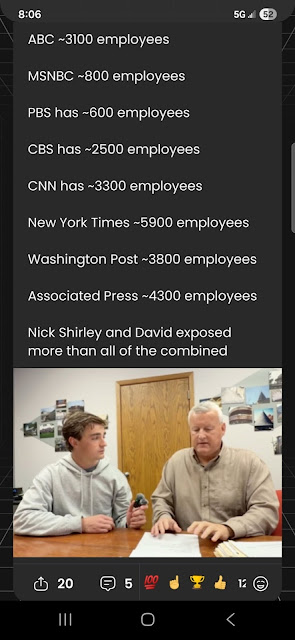
They could have reported it and likely knew about it, it’s just that the media are the propaganda arm of the democratic party and the Uni-Party.
The press promoted the COVID-19 jab as safe and effective. They denied Kamala was Border Czar during the 2024 election. They regularly censor the news to the narrative they are told to.
That isn’t journalism. The purpose of Journalism is to ask questions and report objectively.
Our current crop acts like they worked for the Third Reich in the 1930s/40s.
That’s why Nick Shirley is the Hero of the week
Case in point. They found a Chinese Biolab in Vegas. They should have never let it happen and since it was built and running, there is no telling how long it’s been there. Here’s the press coverage. It’s the same as the Somali welfare theft and money laundering.
WEIRD: CBS, NBC Nightly Newscasts Still Not Covering Busted Chinese Biolab
NYC
Homeless Die Under Mamdani’s ‘Warmth of Collectivism’ – Communism has never succeeded anytime in history
Cars
“Challenging External Environment”: Volvo Crashes Most On Record After Earnings Miss – again, cuts in EV subsidies kills sales
Health
These Are America’s Healthiest States – See where you rank
Energy In Germany
Germany Faces Gas Shortage Crisis: Industry Demands Strategic Reserve – It is remarkable that Germany has largely ignored fundamental questions of energy market design and the security of grids with baseload energy for years—a consequence of ideologically driven decisions. Trump warned them not to do it, but did they listen? FAFO
Nobel Prize
Riot-Torn Minneapolis Nominated for Nobel Peace Prize – Trump stopped 7 wars in a year, yet they’ve given one to Obama for not doing anything and now this. What a joke it’s become
Darwin Awards
The Latest ‘Olive Garden Suicide’ is Hands Down the Most Horrific Way to Die – why would you ever do that?
Sick Elitest People
They Are All Part of One Big Club and You Should Be Thankful That You Aren’t in It – Gates, Clintons, Rothschilds, Royals. All of them were people that did things normal people wouldn’t think of doing. They’ll all get away with it until their meeting with Satan, because it takes that kind of moral pertritude to do what they did.
Liberal Women
Women Overwhelmingly Value Equity and Emotional Safety Over the Pursuit of Truth, Academic Freedom [VIDEO] – The world isn’t equal, and never has been. Read the Epstein story above and you’ll see how different people are. We were made to struggle to overcome and learn. Life is tough, on everyone. I understand them wanting to prioritze emotional safety, but it’s just not going to happen, because it never has. Butch up and get tougher. That’s the way life is
How to order a drink and not mess up
Deadliest Animals
Ranking The 13 Deadliest Animals On Planet Earth
Football
The 16 Most Jacked Players In NFL History
Brittany Mahomes Makes Return To SI Swimsuit Edition As 2026 Digital Cover Model (Videos)
Olympics
Penis PED Rumors Have Winter Olympics on Edge – dickin’ around again
Covid Was Planned Out – Bill Gates
6 Years Later And I Am, Still Extremely Angry About The Hoax, And Now I Find THIS? – everyday, this prick gets worse
Climate Hoax
A Brilliant Take on Cows, Methane, and Climate
They did everything they could to get rid of him. There were impeachments, illegal raids on his house (that found nothing), a massive amount of lawsuits, a fake pandemic, a fake January 6th Insurrection, 2 assassination attempts, lawfare, and Russiagate.
They were trying to prevent him from finding out the illegal activities and money laundering of the deep state. He wasn’t one of theirs that they could control and be his puppeteer, like they did with Biden.
What they didn’t realize was that they could have been done with him in 2024. It was very short-sighted by the uni-party, deepstate, and anti-American politicians who vie for power and money in Washington. Instead, they threw their gauntlet at preventing him from running and winning in 2024.
The result? Four more years of Trump, while he was still relevant in the four useless years of the Biden presidency.
He is now dismantling even more of their power, like US Aid, the UN, the WHO, the Climate Hoax and the other lies.
My wife’s relatives live in Scandinavia. I had to cut them off from social media because they believed the news, which also hate Trump and spewed stuff I couldn’t stomach anymore. I’m laughing at them getting a triple serving of Trump instead of this being the presidency of someone else, and Trump would have served his 4 years.
He got stronger in between terms and came down harder on the swamp.
I’m laughing at all of them hating each day they wake up, and Trump has succeeded at everything from lowering food prices, lowering inflation, bringing more peace around the world and defying the global power machine.
I don’t get to see it, but I know the Europeans on my wife’s side must be seething. It’s schadenfreude for me, but after decades of marriage, which gave me decades of America-bashing by them is very funny and just deserved, just like it is to the media, the swamp, and the other retards in government.
NBADJT
First, we made it through the storm with little damage. Others weren’t as lucky.
Worse, as you read this, I’m likely on the table for my Colonoscopy, so I’m not really gonna feel like posting much.
How do you go to med school and say, I want to look at butholes all day and shove a camera up their colon? I guess it must pay really well.
I’m going to be in the middle of the Ice storm. There is no telling what will happen as the storm could affect me power wise.
If you don’t see any posts, you know what happened.
I will point out that this is a good reason to have a diesel truck instead of an electric car.
I tested my generator, and it’s working. I have plenty of ethanol-free gas.
I wish the best for those who, like me, will be in the mess.
If that isn’t bad enough, I have a colonoscopy scheduled for early this week. It may or may not happen, but I’d like to get it behind me, pardon the pun.
May God bless us all.
Turning Virginia Into a Shithole Overnight
Virginia on Fire: Insane Legislative Blitz on Tax Hikes, Sentencing Rollbacks – It takes an Awful to do that
Somebody Stole Seve Ballesteros
Life-Size Statue of Golf Legend Disappears From His Hometown as Authorities Launch Investigation
DAVOS
How Davos Is Going: Trust, Bug Food and Lying, Manipulative AI – The assholes want to rule the world, and make us eat bugs again
Celebtards
Angel Reese Lands Co-Starring Role in Netflix’s Steamy Lesbian Murder Mystery Show – I hope she doesn’t have to shoot a layup. I guess not being a star in the WNBA has her branching out. Trash is always trash, no matter how you dress it up.
Cars
Ford Auctions First Supercharged Mustang Dark Horse for Charity – faster than 2 generations of GT40’s
What You have to do to get free beer for life
Indiana Brewery Rewards Curt Cignetti With Free Beer For The Rest Of His Life After National Championship Win – that or be a hot chick who is a tease
Why Flying still sucks, reason 9,999
‘Spirit Has No Business Judging ANYONE’: California Woman Demands Answers After Learning She’s No Longer Allowed To Dress Comfortably For Flights On Delta, Spirit – I bet I traveled in suits at least as many times as jeans
Today’s episode of look at me, I get my self worth from likes on the internet
Jordon Hudson Shares Photo Alongside Tom Brady’s Rumored GF Alix Earle With Predictably Weird Caption – One look at them tells me that it just wouldn’t be worth the hassle for either. They are wannabe famous because of someone else, not from anything they actually did that was noteworthy enough to warrant attention without self promotion.
Crazy ex-wives of Billionaires
Jeff Bezos’ ex-wife MacKenzie Scott may have sent millions to organisations under FBI investigation – maybe that’s why he dumped her, but his new wife wasn’t worth 37 billion
Scamming taxpayer money
Deloitte, a $74 billion cancer metastasized across America – uselessness personified. They found a way to charge a lot of money, not get stuff done.
Energy mismanagement
The UK’s Electricity Crisis is Not Caused by “Poor Market and System Design”. It’s Caused By Net Zero – probably the wrong place to rely on solar power. They are going to learn the hard way that there is nothing wrong with petroleum and that Net Zero will lead to destruction from within.
Trannies are in trouble
Dem’s distance themselves from Trans – That’s all they’ve got politically, and it was a loser platform in 2024. Plus, they are insufferable. It’s falling apart like the climate scam. You can only run on lies for so long before they run out of steam
From the source linked below: For much of his life, Attorney General Eric H. Holder Jr. carried around something peculiar. While most people keep cash, family photos, and credit cards in their wallets, Holder revealed to a reporter in 1996 that he keeps with him an old clipping of a quote from Harlem preacher Reverend Samuel D. Proctor. Holder put the clipping in his wallet in 1971, when he was studying history at Columbia University, and kept it in wallet after wallet over the ensuing decades.
What were Proctor’s words that Holder found so compelling?
“Blackness is another issue entirely apart from class in America. No matter how affluent, educated and mobile [a black person] becomes, his race defines him more particularly than anything else. Black people have a common cause that requires attending to, and this cause does not allow for the rigid class separation that is the luxury of American whites. There is a sense in which every black man is as far from liberation as the weakest one if his weakness is attributable to racial injustice.”
When asked to explain the passage, Holder replied, “It really says that … I am not the tall U.S. attorney, I am not the thin United States attorney. I am the black United States attorney.
Source
Here are some of the posts that got a lot of clicks. Some are funny, all are true, and every introvert will look at it and say yep. I see myself in most of these
Introvert Meme’s – Good One’s Today
“The only normal people are the ones you don’t know very well.” – Alfred Adler
Appropriate, given this is World Introvert Day.
I have an introverted friend who is basically a walking encyclopedia of Celtic myth. For example, if you ask him about the hero Cú Chulainn, he can not only tell you how he died, but also what kind of chariot he drove around in. Listening to him talk, I’ve found myself thinking, “Wow, he really knows his stuff!”
That’s because many introverts love learning and adding to their vast stores of specialized knowledge. It’s no surprise they often become experts in their field.
Introverts tend to gravitate toward working alone. Rather than chatting in the break room, we’re often the ones sitting at our desks, quietly turning ideas over and over in our minds. And there’s a big benefit to this. When you’re with other people, your brain is forced to multitask. Even if you’re not talking with someone, part of your attention is occupied just by their mere presence, research suggests.
When you’re alone, you can clear your mind and focus your thoughts. All this deep, concentrated thinking can lead to novel solutions and brilliant ideas. Working alone can even lead to more ideas. “Decades of research have consistently shown that brainstorming groups think of far fewer ideas than the same number of people who work alone and later pool their ideas,” according to psychologist Keith Sawyer.
So forget the brainstorming group. Take a cue from introverts and spend some time in solitude.
Speaking of problem-solving, introverts tend to stick with problems longer — well past when everyone else has moved on to another topic or gone home for the day. Albert Einstein, the world-renowned physicist who developed the theory of relativity, was probably an introvert. He said, “It’s not that I’m so smart, it’s just that I stay with problems longer.”
Corinne Bendersky and her colleagues found that while extroverts make great first impressions, they may disappoint us over time when they’re part of a team. Their “value and reputation at work diminish over time,” explains Bendersky. “On a team, you’re expected to work hard and contribute a lot. But they’re often poor listeners, and they don’t collaborate.”
Ouch.
Introverts, on the other hand, may work harder on a team because they tend to be conscientious; they don’t want to be seen as not pulling their weight. So, while companies may initially be attracted to extroverts, bosses should remember that introverts pack a powerful (yet understated) punch.
We “quiet ones” have a penchant for quality, one-on-one time and deep conversations. Instead of talking about the weather or what you did this weekend, we want to peek into your inner world. What have you learned lately? How are your ideas evolving? How are you really? When you have an introvert in your life, you may experience emotional intimacy like never before.
As the nickname suggests, we “quiet ones” tend to listen more than we talk and think carefully before we speak. We try to choose our words thoughtfully because we understand that once said, words can’t be retracted or easily forgotten.
You can leave an introvert alone for hours (or even days!), and we’ll be content to do our own thing. No need to constantly text us, check in on us, or “babysit” us.
Why? Because introverts tend to be self-starters, and many of us are drawn to working quietly and steadily on our own. In fact, you’ll probably only hear from us if we have a problem we can’t fix (and believe me, we’ve tried solving it a dozen times before coming to you). Similarly, we don’t need constant praise, gold stars, and shoutouts in the company newsletter (although sure, those things are appreciated). If we’re working hard, we’re likely drawing motivation from within.
Reserved and often self-contained, introverts are known for exuding calm — even when there’s a storm raging inside us. We’re often the ones quietly creating an action plan while everyone else is stressing over the company’s latest policy change. And in this way, our methodical approach to chaos benefits everyone.
Although it may seem counterintuitive, solitude can actually help you connect better with others. Why? Because spending time alone — which introverts love — may enhance our empathy, especially for people outside our typical social group, according to research. Being alone often involves reflecting on our actions, beliefs, and experiences, which helps us develop a deeper understanding and stronger empathy for others.
Compared to extroverts, introverts generally prefer a slower, more deliberate pace of life, and this difference stems from the way our brains are wired. Many of us hate rushing into things; whenever possible, we take time to consider all potential outcomes before making a decision. This applies to our careers, personal lives, and relationships.
For example, one study found that extroverts may jump into a new relationship more quickly than introverts. An Katrien Sodermans and her colleagues revealed that divorced extroverts were more likely than divorced introverts to remarry quickly. While this isn’t always the case, hastily made decisions — such as committing to a new relationship before fully healing from the last one — can sometimes lead to regret later on.
Introverts are artists, actors, musicians, entertainers, writers, and more. Famous creative introverts include Lady Gaga (she has said, “I generally really keep to myself and I am focused on my music.”), Bob Dylan, Meryl Streep, Lorde, Audrey Hepburn, and more. David Bowie is also thought to have been an introvert; experts believe he coped with his anxiety and introverted nature by developing various stage personas. Even the “King of Rock and Roll,” Elvis Presley, was described by his friends as a “loner” and “introverted.”
There are so many famous creative introverts that it’s impossible to name them all here! Just a few more examples include Steven Spielberg, Shonda Rhimes, David Letterman, Harrison Ford, Gwyneth Paltrow, Elton John, Emma Watson, and Tom Hanks… the list could go on.
When we think of leadership, especially in the corporate world, words like “bold,” “overconfident,” and “selfish” may come to mind. But there’s a different kind of leader emerging: the quiet one. Today, about 40 percent of executives describe themselves as introverts, including Microsoft’s Bill Gates.
Gates believes that introverts can make great leaders because they know the value of being alone and focusing deeply. Speaking at an event in 2013, he said, “I think introverts can do quite well. If you’re clever you can learn to get the benefits of being an introvert, which might be, say, being willing to go off for a few days and think about a tough problem, read everything you can, push yourself very hard to think out on the edge of that area.”
Other introverted leaders include Gandhi, Mother Teresa, Martin Luther King Jr., Barack Obama, Jill Biden, Eleanor Roosevelt, Abraham Lincoln — and many others — as well as many of our greatest U.S. presidents.
Yes, introverts may be the quiet ones who eat lunch alone. They may also be the ones curled up at home with a good book, avoiding the party. But introverts are so much more than that. They are artists, visionaries, and leaders who bring quiet strength and understand the power of the inner journey.
Today — and every day — they deserve to be celebrated.
So everyone celebrate together, separately, and alone. I disagree that Jill Biden and Barack Obama were leaders. They were power hungry people who shouldn’t be celebrated.
What makes you feel nostalgic?
Songs, without a doubt. I can hear a song and go back to the room I was in and the person I was with, not to mention how I felt.
Here’s an example or two.
I hear Come Monday by Jimmy Buffet, and it’s 3:00 in the afternoon. I’m at work at the Winter Park Towers, my first job. I was mopping the floor after lunch. I was 15 at the time, and I recall the 4-top by the window overlooking Lake Berry. My Uncle lived on that lake, and I could see his house
Here’s another. I was laying the wood to a girl named Leila in her bedroom in Coral Gables, Florida, at 24 years old. She was a cologne girl who sprayed you at the escalator in the Department Store where I worked. Apparently, she had already decided she was going to do me well before I knew it, and she did.
I was always able to control busting a nut and had been going at it with her clock radio playing music. Then Layla, by Eric Clapton came on. On the downstroke, she said it was her song because it was her name. I decided I would keep going until the end of the song just because it was long. We went at it like big dogs, which was unusual as she had a special talent with her mouth that was outstanding. It starts off with a hairband for a ponytail, if you need a reference. She even performed that on me in my office one afternoon. What a good sport.
If either of those songs comes on, I go right back to that time of life.
There are a million more, but I won’t bore you with the rest of my life. Plus, everyone has their own.
Las Vegas Hotels
‘Security Knows This’: Worker Cautions Against Staying At Iconic Las Vegas Hotel. Then He Reveals Chilling Reason Why – It’s a freaking dump. It’s been a dump since the 80’s when some of my colleagues had to stay there.
Cars
Crazy Dirt Racing Crash At Tulsa Shootout Ends With Car Lodged In Dumpster After Jumping Fence – Hey, you pay for entertainment, you might as well get some
Twin-Turbocharged 6.4L V-8, Automatic
Climate Hoax
Financial Times: ‘Climate policy suffers blistering setbacks in 2025’ – ‘US retreat much worse & faster than expected in 2nd Trump admin’ – I’m laughing at the Euroweenies and the Climatards who bought into this. They were either stupid enough to believe it, or smart enough to grab as much cash on the scam before it imploded for lack of facts or substance. Al Gore got famous for a few years, but He’ll be looked on by history as a dickhead Don Quixote chasing Windmills.
Travel
Flu Is Rising Rapidly, Driven by a New Variant – I admit to being a germaphobe. I wipe down the seat, armrests, and everything I might have to touch. Actually, I’d rather not get on a plane. God forbid I stay in a hotel room where the people did whatever right before me and the hotel staff gave it the half-assed wiped down at best before I check in.
No wonder the flu is spreading. Wash your hands at least. People are disgusting.
Proof of Daycare Fraud
‘Learing’ Center Finally Fixes Misspelled Sign
Harvard, Ground Zero For DEI Failure
DIE Forced Harvard to Teach Remedial Math – They let in people who not only can’t pay for it, they can’t read, write or do math either. What an embarrassment
Top 10 Media Hoaxes of 2025
Here Are the 10 Biggest Media Hoaxes of 2025 – really, just pick any 10 stories about Trump. That will do the same thing. They are all the same and all just as biased.
Travel
Top Bucket List Destinations for 2026 – maybe for some people.
I’ve written about this before, but it’s worth the effort to repeat myself.
I hate emojis and refuse to use them. Not only is it a waste of time after you’ve already typed what you’re going to say, but they are just clutter. Oh, they think they are clever, but those of us with a mind think otherwise.
Most of all, I think they are childish or for girls. I lose respect for any guy who sends me one. I refuse to send them back. I don’t even know if anyone has noticed it from me, but then I don’t care. At least my son won’t use them either. I didn’t even have to say anything.
It’s like wearing makeup or girls playing with dolls. It covers up something or tries to make it look better, but not to me.
Worst of all is an emoji for an answer without any words. I roll my eyes.
I guess some people think it’s cute, or that I’m a grumpy old man, but I also don’t have a lot of time left, and I’m not going to waste it on something I just said in words.
Oh, and a repeat emoji is the worst. I got it the first time. It’s like typing in CAPS, IT IS ANNOYING.
It seems that the majority start out the year with some new life changing commitment (or last year’s rehashed that didn’t get done, so they’re going to make it this year). This is going to sound a bit negative, but I’m just calling a spade a spade. I’ve been around long enough to see the pattern of how this works.
I wrote about how quickly people abandon their resolutions a while back. It tells me just how committed people really are, or are they just giving lip service to fit in with the crowd?
Well, here are 5 Of The Worst New Year’s Resolutions And Why They Are Destined To Fail.
Oh, I see them crowding the gym in January. By March and sometimes February, it’s back to normal. They get in the way, and I can look at them and know who’s going to make it or not in January. Oh, they have on their new gym suit and sneakers, but that will be in the back of the closet in weeks.
This goes along with losing weight. With GLP-1 shots and pills now, it’s easier to be the Jetsons and take a pill rather than put in the work.
I’ve got news for you. It will come back to haunt you after 50. You can’t get youth back. You have to fight off health issues your whole life. It’s a marathon, not a sprint. It’s hard work that takes tenacity.
The same goes for eating healthier. It’s hard to do. You have to make your own meal to know what is in it. I’ve noticed the trend of having food delivered from a restaurant. They make it tasty, but as unhealthy as you’d imagine. People take the path of least resistance, so they stop making their own food and start ordering pretty quickly, or go out to eat. You pay more to be less healthy.
I don’t have a lot to say about the travel. It sucks worse each year. I try not to fly anymore because the whole experience isn’t worth it. There isn’t much I have to see, either people or places that would make me want to suffer the current airline experience. They cram more people into smaller seats, making fewer arrivals/departures on time. The planes are dirty and are alarmingly less reliable.
What I will say is people get over hyped about escaping, more than they really want to go somewhere new. The introvert in me doesn’t make me want to visit anyone, but that’s me. If they are in driving distance, I’ll consider the minimal time I have to suffer seeing them.
Learning a new skill? That probably lasts shorter than going to the gym. I bet DuoLingo has a ton of new accounts next week that get abandoned shortly because it’s hard work to learn a new language.
Passion
To commit to anything, you have to have a passion for it. Otherwise, you’ll go through the motions until you’re bored. Then, it gets shelved. It’s a pattern I’ve noticed my whole life, not just with this, but at work, at home or any other activity that sounds good. I love it when they do something because everyone is doing it, possibly the worst reason anyone should try anything. Do it because you want to and you have a better chance of making it.
Maybe some will get scared into better health because of a near death experience. Even then, a lot won’t. It has to come from within. I have a brother-in-law and a son-in-law who both have life-threatening conditions. They eat and drink like there is no tomorrow.
Commitment
Pretty soon, I see the same people at the gym that I saw in November and December. They are the ones who really are going to stick with it. A New Year’s Commitment is as good as a wooden nickel. If you are there in August, I’ll believe you’ll be there in February.
The fat people I see either at Walmart or my family’s get-togethers need to put down the fork and the wine glass, not take a shot. Their health is falling apart because of the life decisions they made 30 years ago.
That means they failed 30 times on New Year’s Resolutions.
It’s why I call BS on this tradition. If you are really committed, you’ll already be doing it.
As for me, I’m not doing anything other than staying committed to being healthy and working out. I’m not getting any younger and even healthy habits won’t stave off the inevitable. I can prolong it, but I’ll be in better shape to enjoy it.
So what are your New Year’s resolutions? Let me know if you make it to the summer.
Oh and PS, please don’t get a pet. That isn’t a resolution. It’s a 10-15 year commitment to an animal’s life, not your convenience or TikTok account. If you aren’t really going to love it above yourself, just don’t do it.
I’m kind of taking the week off, so enjoy some past fun
Are you a good judge of character?
I’m an introvert. I read body language better than most people because I’m not talking. I’m listening and observing. I’m rarely trying to impress anyone, so I’m usually sizing them up as to their intentions towards me.
I’ve had people do me favors and fuck me over. I’ve studied martial arts for years and had to anticipate my opponent’s intentions.
Working for years for both the best and the worst has taught me to read people. Here’s how I dealt with Executive Egos
Most of all, I’ve been married for decades and have kids. I’ve never been more surprised by that than anything.
So yes, I’m a good judge of character because I’m patient and won’t jump to conclusions.
Once I’ve decided who you are, though, it’s hard to move me off of that position, especially if I think you are an asshole. This includes family. I can spot a fake like a Jedi.
A 58-year-old Bellevue, Washington and Las Vegas, man pleaded guilty in U.S. District Court in Seattle for his role in a scheme to sell stolen goods on Amazon and eBay.
Andrey A. Balun pleaded guilty to conspiracy to transport stolen property in interstate commerce.
Balun and his co-defendant, Vitaliy F. Bobak, 53, of Federal Way, Washington, jointly owned MBA Trading LLC, which did business at a Burien, Washington, storefront operating as “We Buy Gold, Silver, and Electronics.” An extensive law enforcement investigation revealed that the storefront knowingly purchased goods that had been stolen from area retailers.
Feds Seize More Than 74,000 Stolen Items in Amazon, eBay Trafficking Scheme
Yannow, Eric Swallwell is running for Governor of California. He’s just a douchebag and doesn’t even qualify for AOTW. He’s better qualified for Benedict Arnold 2.0

Rep. Eric Swalwell (D-CA) jumped into the California governor’s race.
This guy is one of the most insufferable persons in Congress. He tried to run for president and went nowhere. He seems to think he’s way more important than he genuinely is.
Delusions of grandeur.
Swallwell made the announcement on Jimmy Kimmel’s show because of course.
But Swalwell’s announcement video lists two jobs facing the next California governor.
Good luck with that one. He’s just a piss ant, though.
A long-time asshole is Debbie Blabbermouth Wasserman-Schultz. It figures a Liberal white woman would spew such nonsense, yet here we are.

The Democrat Party has taken a break from comparing President Donald Trump to Adof Hitler to warn that the president is a larger threat to the United States than Islamic jihad.
The hysterical remarks came during a Tuesday appearance on NewsNation’s “On Balance,” where host Leland Vittert asked Rep. Debbie Wasserman Schultz (D-FL) whether Islamophobia or jihad posed the larger threat to American life and values, following the recent terror attack targeting Jews at Bondi Beach that killed 15 people and wounded dozens more.
“I think we have to focus, quite frankly, on, if we’re worried about the threat to American values, on the person who’s in the White House. I mean, we have a president,” Schultz, who is Jewish, said. “Yeah, I’m going there because we have a president who has completely undermined our democracy.”
The link to the spew from her is below, but it’s such nonsense that you could just take my word for it. I read it and thought, what an asshole.

ByEllie Matama December 19, 2025

I have no problem socializing with my family or close friends. I am comfortable doing so because I have known them for a long time, and I interact with them just a few at a time. There’s no having-to-get-to-know-you period.
But it’s an entirely different matter to attend big, crowded gatherings where almost everyone is a stranger (hello, holiday parties or awkward job-related networking events). Sure, for a short amount of time, I can make small talk. Of course, I need to recharge my energy afterward.
Yet, in everyday life, social interactions are required. The good news is there are plenty of things you can do to maintain your energy as an introvert when you have to attend a crowded event.
One study found that about 20 percent of employees regularly arrive late to work. If you are an introvert, you can’t afford to be late for an event because people will notice your tardiness (hello, suddenly being the center of attention!). In addition, you may have to engage in unnecessary awkward interactions as you make your way to an available seat. Plus, you may have to explain your lateness later, which will further drain whatever energy you have left.
So arrive early and be prepared to stay for a while. When you arrive early, you can choose the best seat or standing spot for your needs. That way, you can still be alone among the crowd.
For example, find a seat or table on the fringes or near the back, which will enable you to move freely without having to ask people to move whenever you need to get out (i.e., escape to the bathroom). You could also choose a spot near the exit for the same purpose.
As an introvert, you may find it challenging to interact with many people at once. But some people you know may actually like doing so. Your family members, friends, or your significant other may be more outgoing — and they may thrive in crowded situations. See if they’re willing to go to the event with you. This will enable you to talk less, since they will happily do most of the talking for you.
Or, you can go to the event with a colleague who enjoys socializing. There’s no shame in using them as a “human shield” while representing your company or department. While they schmooze with everyone, you can thoughtfully listen and pick up points for discussion later on (i.e., at the next company meeting).
And, speaking of talking less…
Remember: As an introvert, listening is one of your superpowers. We speak about 125 to 175 words a minute, but we’re able to listen to about 450 words a minute. Therefore, you’ll learn more by listening than by talking a lot. Also, when you aren’t talking, you can pay more attention to people’s body language, which can offer more information about their state of mind than what they actually say.
Plus, people feel understood and cared for when someone listens to them. So you may make a great first impression just by listening!
Once you’ve absorbed everything they’ve said, take the time to process it before adding your thoughts. That way, you’ll have something valuable to say based on all your gathered information.
Discover the secrets to enjoying fun, meaningful conversations. Know exactly what to say — even if you’re introverted, shy, or socially anxious. Feel less drained and have more energy while socializing.
Even at the most crowded events, small groups tend to form because people with similar interests gravitate toward one another. That’s great news for introverts, as you’ll feel more at home if the topic is one you’re passionate about. Even if the group is talking about something similar to a topic you want to bring up, now’s your chance to change the subject to that one instead. And, when interacting in a small group, you won’t get socially burned out as quickly.
As an introvert, there may be times when you can’t take all the noise, small talk, or all the people anymore. But you also can’t leave the event… yet. In that case, you need a way to block out the noise.
You can do this in many ways: Listen to music or an audiobook (or just put on your earbuds to make it look like you’re listening to something or on a call; they’ll still help tune out some of the noise!); make an actual call; or excuse yourself to “step outside for a moment.” If you’re worried that these things will make you seem aloof or antisocial, remember that most people aren’t looking at you, anyway, and won’t even notice.
Yes, I know, having to attend crowded events and make small talk can be a nightmare for introverts. However, the more prepared you are, the more you’ll preserve your energy.
Here’s my bonus: say no and don’t go. You won’t miss much, and your life will be better for it
Crime and Disgusting
For the Love of Everything Decent, Put Some Clothes on if You’re Going to Steal a Patrol Vehicle
Cheaters Who Work For ESPN
Football
James Madison Has An Expensive Secret Weapon Fueling Its College Football Playoff Run – pay to play
The 17 Players Who Won The Heisman Trophy And A National Championship In The Same Season
10 Of The Greatest Individual Bowl Game Performances In College Football History
Best Men’s Faces
Dr. Douglas S. Steinbrech, Leading Male Aesthetic Surgeon, Reveals Top 10 Most Requested Male Faces of 2025 – I knew it wasn’t me
DNA
DARPA Is Working on Synthesizing DNA With Light and the Luciferian Parallels Cannot Be Ignored – they were in on Covid and the Jab also. They also invented the internet. None of that is very good
Health
New Study Reveals Prediabetes Remission Cuts Heart Disease Risk by Over 50%
Economy
Lower Gas Prices to Save Drivers $500M Christmas Week – NBADJT
War On White Men
Apple kicked off the WAR on white men… – and we will pay for this. The world needs men.
The Media Backs up the Anti-White Wing of the Democrat Party
Islam
All of France is a No Go Zone Now – France is fucked. Islam has taken the French out of France
Food supply
Cars
Ford Retreats From EVs After Billions in Losses – nobody wants them either
The First V-Code Cuda Convertible Produced, Serial No. 4 – it’s rare, but I bet the hemi-cuda’s go for more
EU Backing Down Off 2035 ICE Vehicle Ban – Because the EU is retarded to believe in it in the first place. Get back to reality.
Crime AT BARS
Rare Earth Minerals
Utah’s Desert Yields Rare Earths Motherlode, Challenging China’s Grip on Critical Minerals
Masculinity
Erasing Masculinity Has Created a Generation in Crisis – Men have saved the world time an again. It’s why the feminists want to try and erase it. We have to stop these PC SJW.
Despite the lowest gas prices in years, the trade deficit is down, narcotics that kill millions of Americans are being stopped at sea, and crime is being addressed in the major cities (unless a mayor rejects it), there are some assholes still in Congress.
A runner-up award goes to Governor Pritzker in Illinois, a city known for its crime and murder rates. He refused help from Trump to clean up the mess that Chicago has been for decades. It’s as if he’s against helping the regular people, but then he’s a fat assed billionaire who doesn’t give a shit about anything but power.
Not to be outdone though, is this week’s winner, Al Green. He made an ass of himself getting thrown out of the State of the Union speech, and like Pritkzker, he’s only after making noise instead of helping his constituents.
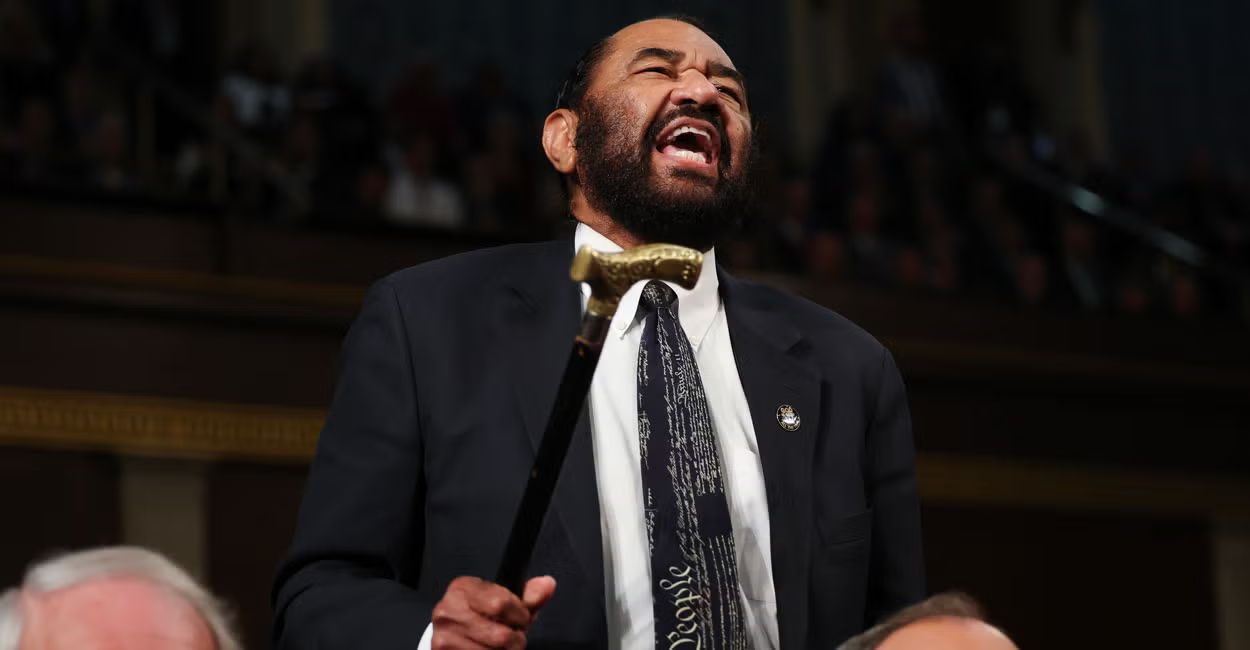
He filed a bill for the impeachment of Trump, whose only real basis was that Al is an asshole. Dutifully, Congress, from both sides, shot it down. Even the democrats who publicly criticize Trump wouldn’t go for this.
So instead of trying to help Americans, he winds up being the Asshole of the week.
Last night, the left lost their minds when Bijan Robinsin commented on his play as it related to a game we played as kids. He called it smear the queer, but we knew it as kill the man with the ball. He had to walk it back, but I know he didn’t mean it.
If you grew up before video games and actually played outside without a helmet, it was great fun. If you don’t know it, look it up. It will be a good education for you on why our generation tried harder at most things. The struggle was real, like real life, everyone against you.
Another good game was Red Rover. It’s where you line up kids in 2 groups, holding each other by the arms, and pick someone from the other side to run and try to break the hold. Red rover, red rover, send x (next victim) on over. In reality, it was a way to clothesline a kid from the other side, also great fun.
We also played war, kick the can, and baseball, where a parked car served as 3rd base. The game would stop for a while if a car came through, but there weren’t as many back then.
And then there is dodgeball. That’s where you’d hit the girls and the fat kids first. Nothing beats a good shot to the face though. That’s the real score
If you didn’t have a ball, there was kick the can.
Sometimes it was stickball. Kids from NY know that one well.
Life was easier back then, and we didn’t need a Switch or Xbox to play video games. Our moms kicked us out of the house, and we made stuff up.
If there were not enough other kids, you could climb a tree or throw something for the dog to chase. I grew up in an old tangerine farm so that is what we had, way before tennis balls were dog toys.
We moved on to paper football
Oh, to be young again.
Name your top three pet peeves.
Unless you are new here, you know I’m an introvert. That puts small talk at the top of the list. It’s usually meaningless and content free. It’s irritating to listen to. Talk to me about something deep that stirs my intelligence and/or emotions, or has great content, then I’ll want to engage.
Next, big crowds. I usually avoid it unless it’s impossible. Sometimes a small crowd is big if they are people I don’t want to be around (like family gatherings).
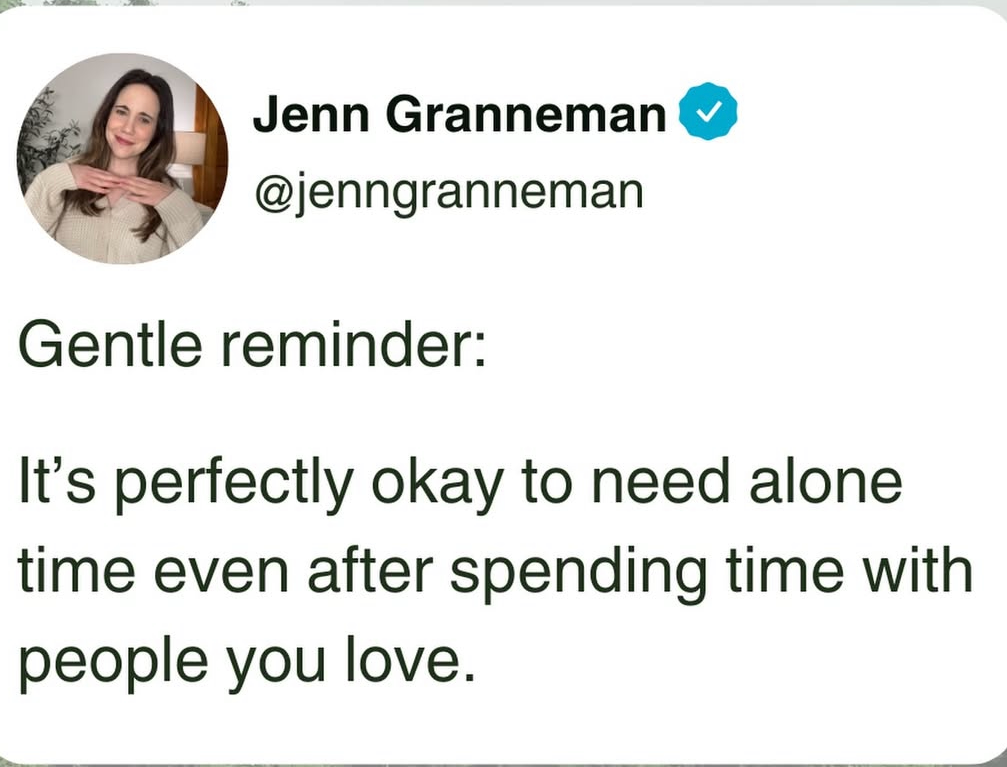
I look for the first excuse to not go, or leave early if I have to. If I’m stuck in an auditorium, I’m by the exit so I can leave.
Finally, internet arguments. You can be the top expert in a field, write a thoughtful piece that is fully documented with facts, and the first comment is: bullshit. You can say almost anything, and people will find a way to argue about it. See a few posts below on commenting.
\
First of all, I love the comments. Some of you guys are very interesting and funny. I write to different groups, including introverts, the intelligentsia, political individuals, car people, and others. I’m getting to know you all more closely from the stuff you write.
I even connected with one reader who knew Denny from Grouchy Old Cripple, but neither of us knew it until I started AOTW in Denny’s honor.
I wrote about Stupid Things Smart People Do a long time ago. One of them is arguing on the internet.
I’m likely to post about anything these days. A lot of posts get tumbleweeds for comments. I think I’m all clever, and then crickets.
Occasionally, I’ll be content-free in my head and post something meaningless, and it’s a barrage of comments, like What’s it like to have an extremely high IQ.
Once in a while, I get off the wall comments that are out of left field. I saw this meme and thought about it.

I can write some offensive stuff and know it. Hell, I do it on purpose sometimes. I don’t care if you disagree with me, but keep it civil when you write back. My favorite are people who outthink me and write clever stuff.
I also ask questions that are set up by WordPress and answer them as honestly as I can. I love it when people answer them also (Bocopro is a great writer)
I have it set up to approve all comments, and if it gets too out of hand, I’m not going to let it on the page. It just starts a fight I don’t want to see happen and piss off others. If it’s spicy and will start a discussion, I’ll let it go. I also am not going to let people post their blogs that have nothing to do with my post. They have their own blog, and I read it there.
All I ask is that you be civil. I know that the people on the left hate my ass by now, but I don’t care. They aren’t smart and write childish things. I brush that off and move along, which is what they should have done to begin with.
So keep up the commentary. Many of you are better writers than I am. I enjoy reading your stuff.
I noticed this article, and will give credit to the author if I can find out who wrote it.
“Beautiful girls in big cities are now directly and indirectly offered sex more than 1,000 times a month from men on the internet, in bars, on the streets, and within their social circles. If a girl has a basic internet profile, spends time on social networking, and goes out twice a week, I guarantee that she is offered more cock than even the most famous women of the past. A girl is not interested in 99% of the men who offer her sex, but try to imagine the effect on your psychology if 1,000 women a month were trying to have sex with you.
What kind of person would that make you? I can tell you what I would be like if I were getting over 1,000 sex offers every month: I’d be spoiled rotten, thinking that I deserved all those women just because I existed. I’d be flaky, canceling dates often, because I’d constantly be unsure whether I was getting the “best” possible girl. I’d be bitchy to women who didn’t read my mind and failed to treat me exactly the way I wanted, because don’t they know that I could sleep with hundreds of other women any time I wanted? I’d be moody, always dependent on the reactions I get from women.
If I received less attention one weekend than usual, I’d throw a temper tantrum and demand immediate satisfaction. I’d also get bored easily. With so many women constantly trying to entertain me, I wouldn’t be able to tolerate five minutes with a boring girl who didn’t jump through hoops to make me laugh. Lastly, I’d be primed to value novelty more than stability. I’d become addicted to experiencing one new girl after the next, and believe excitement and fun were worth more than stability and commitment. My attention span would morph into that of a small child. Haven’t I just described the modern woman? While a large part of who we are is shaped by our genetics, environment plays a huge role, and when your environment is getting nonstop attention from thousands of people trying to have sex with you, your personality and even your humanity will become degraded, making it hard for you to connect meaningfully with anyone.”
They have become entitled because they have a snatch. They don’t realize that their sexual market value is over by about 35. That’s right about when men realize that pussy is pussy and no one has a golden one. It’s about how much shit you are willing to put up with while you’re getting it.
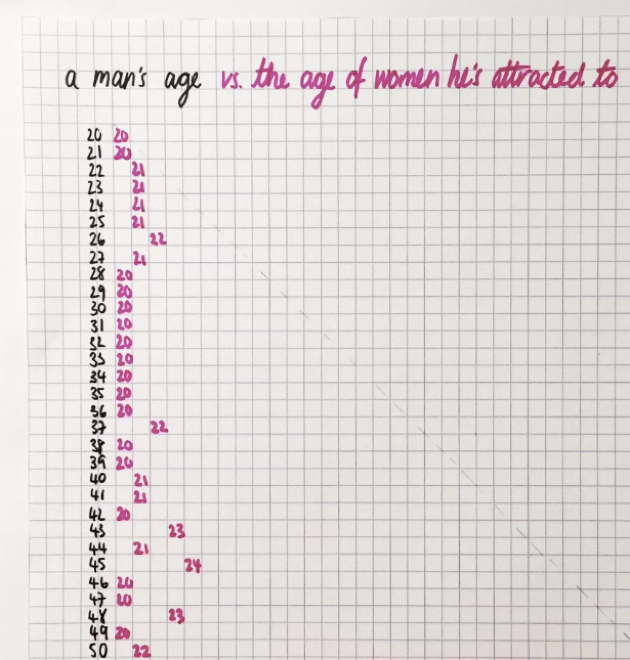
As they say, for every gorgeous girl you see, there’s at least one guy who is so tired of her that he won’t sleep with her.
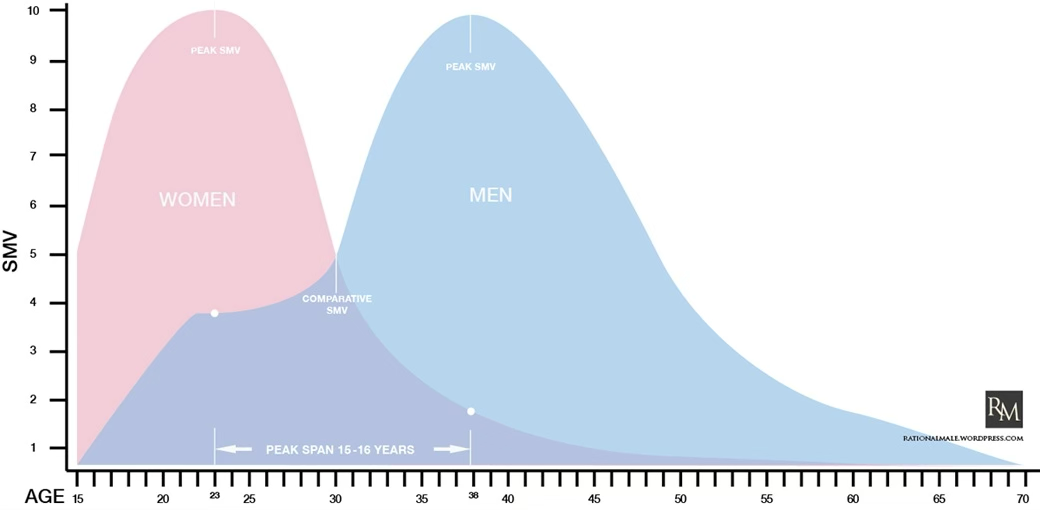
As my friend Rick said, the fucking you get isn’t worth the fucking you get.
Turkey. Pumpkin pie. Awkwardly chatting with Great Aunt Gladys. If you live in the U.S., you’re probably celebrating Thanksgiving. Inevitably, at some point, you’ll be asked to name something you’re thankful for. With that spirit in mind, here are 23 things introverts are generally thankful for — anytime of the year. What would you add to this list?
1. Coming home and finding the house unexpectedly empty. There’s nothing better than sneaking in a few hours (or even minutes) of unexpected solitude. Time to relax. Time to decompress. No obligatory, “How was your day?” Just space and freedom to be yourself. Ahhhh…
2. When your friend cancels on you at the last minute, and you kind of wanted to stay home anyway. This is just like #1: unexpected solitude.
3. Getting a Saturday afternoon to yourself. Perhaps even better than a few moments of unexpected solitude is knowing that you have hours and hours of alone time ahead of you.
4. Finding out that the party/event/meeting is ending earlier than you thought. Sure, introverts can socialize and even be leaders in the workplace. But for many of us, those things don’t come naturally. “Peopling” is a skill we’ve had to learn — kind of like learning a foreign language. And we all know how mentally exhausting it can be to speak a language you’re not entirely comfortable with. Any time spent away from the group (and in our natural inward “habitat”) is something we’re thankful for.
5. Discovering a good book that you can’t put down. Books (along with movies, music, and art) transport introverts to the place we love the most: the energizing world of ideas and imagination.
6. Having a meaningful conversation. How are you a different person today than you were five years ago? What’s on your mind lately? Do aliens exist? In our fast-paced society that values polite chitchat over substance, deep conversations don’t happen often. Yet it’s these meaningful interactions that nourish introverts and provide us with an antidote to social burnout. Something to be thankful for, indeed.
7. Meeting a fellow introvert who “gets” it. Or an extrovert who “gets” it by respecting your need for space and solitude. Feeling understood by another human being is about as magical as it gets.
8. When there’s a dog or cat at the party. Saved! (From small talk with humans, that is.)
9. Headphones. Pop on a pair when you’re in a public space — like a bus, airplane, coffee shop, or at your desk — and you signal to others that you’re not in the mood to chat. Hallelujah!
10. Arriving on your own to a party so you can leave whenever you want. For introverts, hell is being trapped somewhere surrounded by noise and people. Having an escape mechanism is key.
11. When someone says, “How are you?” and really means it. See #6.
12. When you don’t have to make awkward small talk. For some reason, people find silence awkward. So we strike up conversations about the weather with strangers in elevators. Or we erupt with a cheery, “How’s it going?” when we pass someone we barely know in the hallway at work. When introverts can get through the day with minimal chitchat, we’re thankful.
13. Waking up early or staying up late, when no one else is around. Peace. Silence. Bliss.
14. Downtime after a busy day. Socializing isn’t the only thing that drains introverts. Any kind of incoming stimulation, such as noise, time pressure, or activity, gets tiring. After a busy day, when we don’t have to do one more thing, we’re thankful.
15. A weekend with no social plans. But that doesn’t mean we won’t be doing anything. We’ll make our own plans. Introvert plans. Plans to read in bed. To binge watch our favorite show. To lounge around the house.
16. Self-checkout lanes, drive-throughs, food delivery, and online shopping. No, introverts don’t hate people. But we do try to minimize our “people” intake, because each interaction drains our limited social energy — especially the kind of surface-level interactions that usually take place in restaurants and stores.
17. Having to go to a store but unexpectedly finding it not busy. If you can’t do #16, this is the next best thing.
18. Time to think before responding. Many introverts struggle with word retrieval, because our brains may rely more on long-term memory than short-term memory (extroverts do the opposite). For this reason, we may have a hard time putting our thoughts into words, especially when we’re put on the spot in a meeting, on a first date, or when called on in class. We’re thankful for people who give us a few pressure-free moments to collect our thoughts before demanding an answer.
19. Texting. Similar to #18, introverts tend to feel more comfortable expressing themselves in writing than speaking. That’s because writing uses different pathways in the brain, which seem to flow more fluently for introverts. We’re thankful for every time we can send a text message instead of making a phone call.
20. Public spaces that are actually quiet. When parks, restaurants, coffee shops, bars, buses, and trains are chill, we’re thankful.
21. When you get to do your thing, uninterrupted. Alone time isn’t just about being alone. For many introverts, it’s a way to reconnect with our passions, hobbies, and artistic pursuits. It’s when we do deep, concentrated work. When our alone time is fragmented by other obligations (or interruptions from loved ones), introverts can get stressed. A long stretch of unbroken time to do our thing is something we’re immensely thankful for.
22. Your favorite beverage, a cozy blanket, and your favorite show. Alone.
23. “Me” time. Doing whatever relaxes you, energizes you, and brings you joy. 
I could have put this in a Different Headlines post if it weren’t for the fact that it is a red flag for men.
I’ll get to the science of the matter in a minute, but if a girl has tats, multiple piercings, dyed hair in an unnatural color (pink, red, green, blue, purple, etc.), these are your red flags about how crazy she is, and how far you should stay away from her.
She’ll say a tramp stamp is a rite of passage, like a belly button piercing, but that is just a place to hang the air freshener.
They do say that the best sex is with the craziest bitches, which I’ll attest to, but leave as soon as it’s over and don’t get into a relationship.
Now, for the article:
A new study shows tattoo ink drains into the lymphatic system and accumulates in lymph nodes, diminishing the effects of immune cells. This accumulation of ink pigment triggers both local and systemic inflammation that persists for months.
A third of American adults, roughly 32% – or about 80 million people – have tattoos, and they should read this new study published in the Proceedings of the National Academy of Sciences of the United States of America (PNAS).

“Despite safety concerns regarding the toxicity of tattoo ink, no studies have reported the consequences of tattooing on the immune response. In this work, we have characterized the transport and accumulation of different tattoo inks in the lymphatic system using a murine model,” researcher Arianna Capucetti wrote in the study.
Capucetti continued:
Upon quick lymphatic drainage, we observed that macrophages mainly capture the ink in the lymph node (LN).
An initial inflammatory reaction at local and systemic levels follows ink capture. Notably, the inflammatory process is maintained over time, as we observed clear signs of inflammation in the draining LN 2 mo following tattooing. In addition, the capture of ink by macrophages was associated with the induction of apoptosis in both human and murine models. Furthermore, the ink accumulated in the LN altered the immune response against two different types of vaccines.
On the one hand, we observed a reduced antibody response following vaccination with a messenger ribonucleic acid (mRNA)-based severe acute respiratory syndrome coronavirus 2 (SARS-CoV-2) vaccine, which was associated with a decreased expression of the spike protein in macrophages in the draining LN.
In contrast, we observed an enhanced response when vaccinated with influenza vaccine inactivated by ultraviolet (UV) radiation.
Considering the unstoppable trend of tattooing in the population, our results are crucial in informing the toxicology programs, policymakers, and the general public regarding the potential risk of the tattooing practice associated with an altered immune response.
As we noted earlier this year, “Many tattoo inks contain chemicals that have been classified as carcinogenic — or cancer-causing — by the International Agency for Research on Cancer.”
While black tattoo inks use carbon black, colored inks contain pigments designed for industrial applications such as plastics and paints. More troubling, tattoo inks are far less regulated than pharmaceuticals.
We have already covered two important studies:
Dr. Trisha Khanna, dermatologist and medical advisory board member at Codex Labs, recently told The Epoch Times, “Current regulations on tattoo ink ingredients are not sufficient,” adding, “This is a growing concern among dermatologists.”
And laser removal could make it worse.


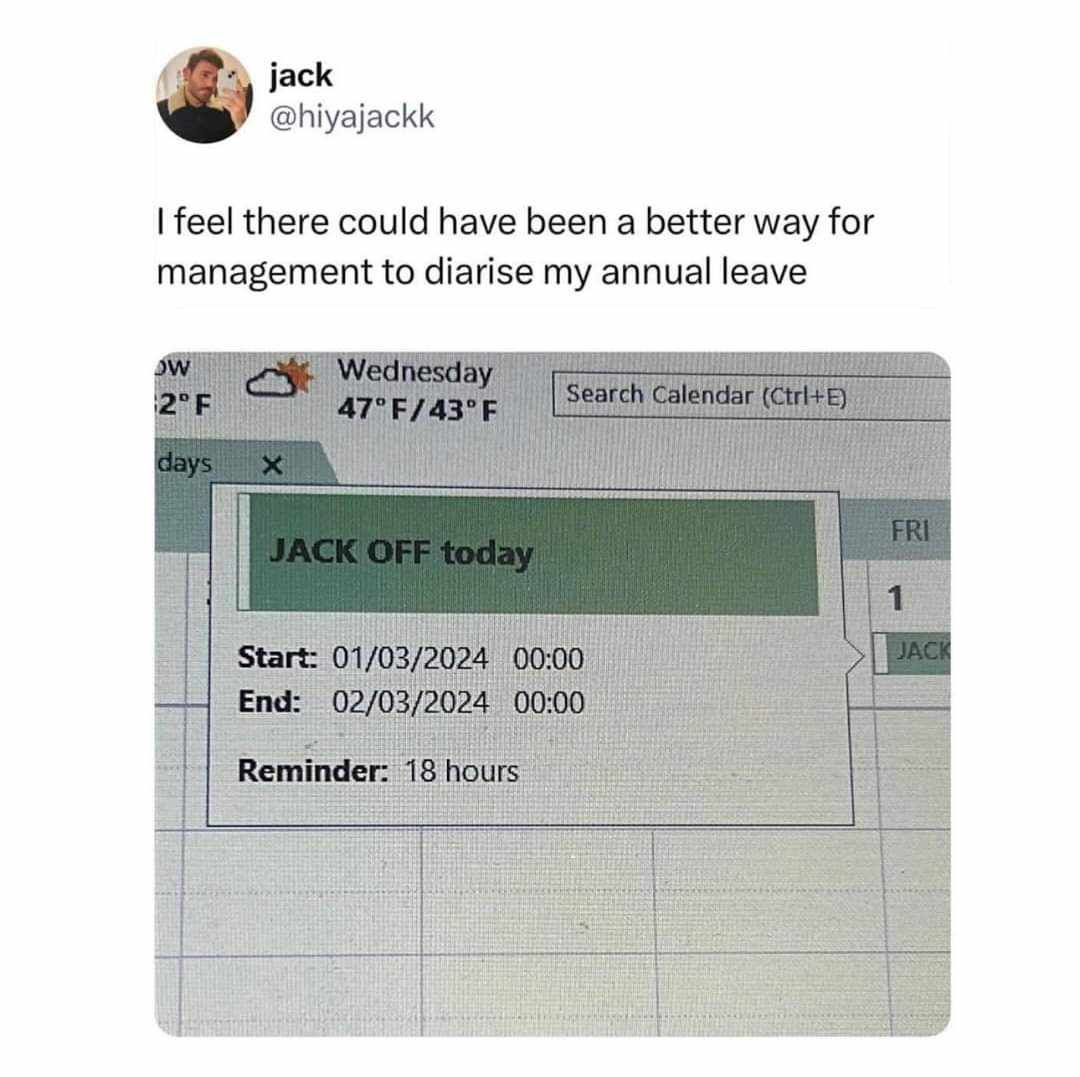

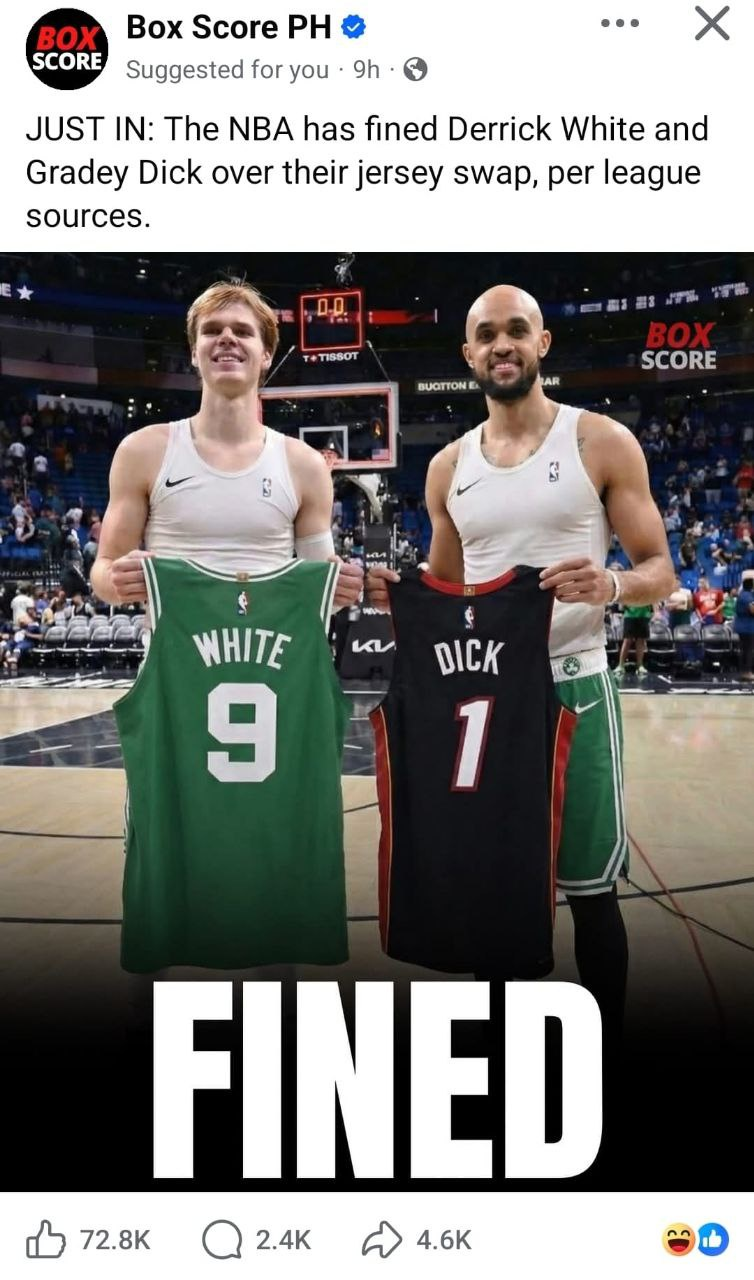




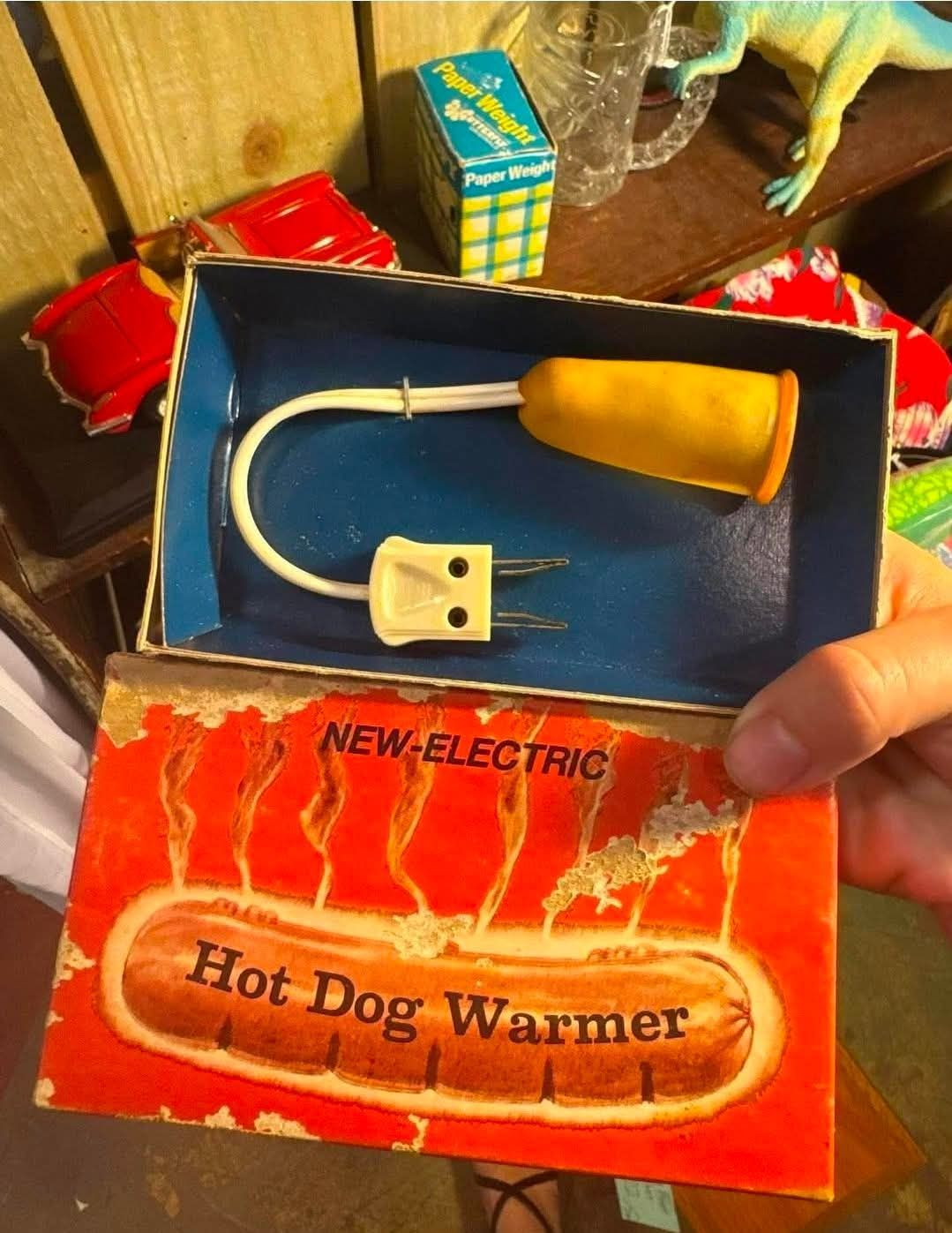

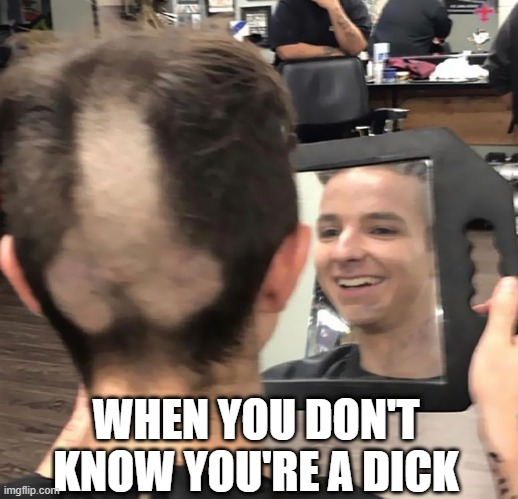

























































































































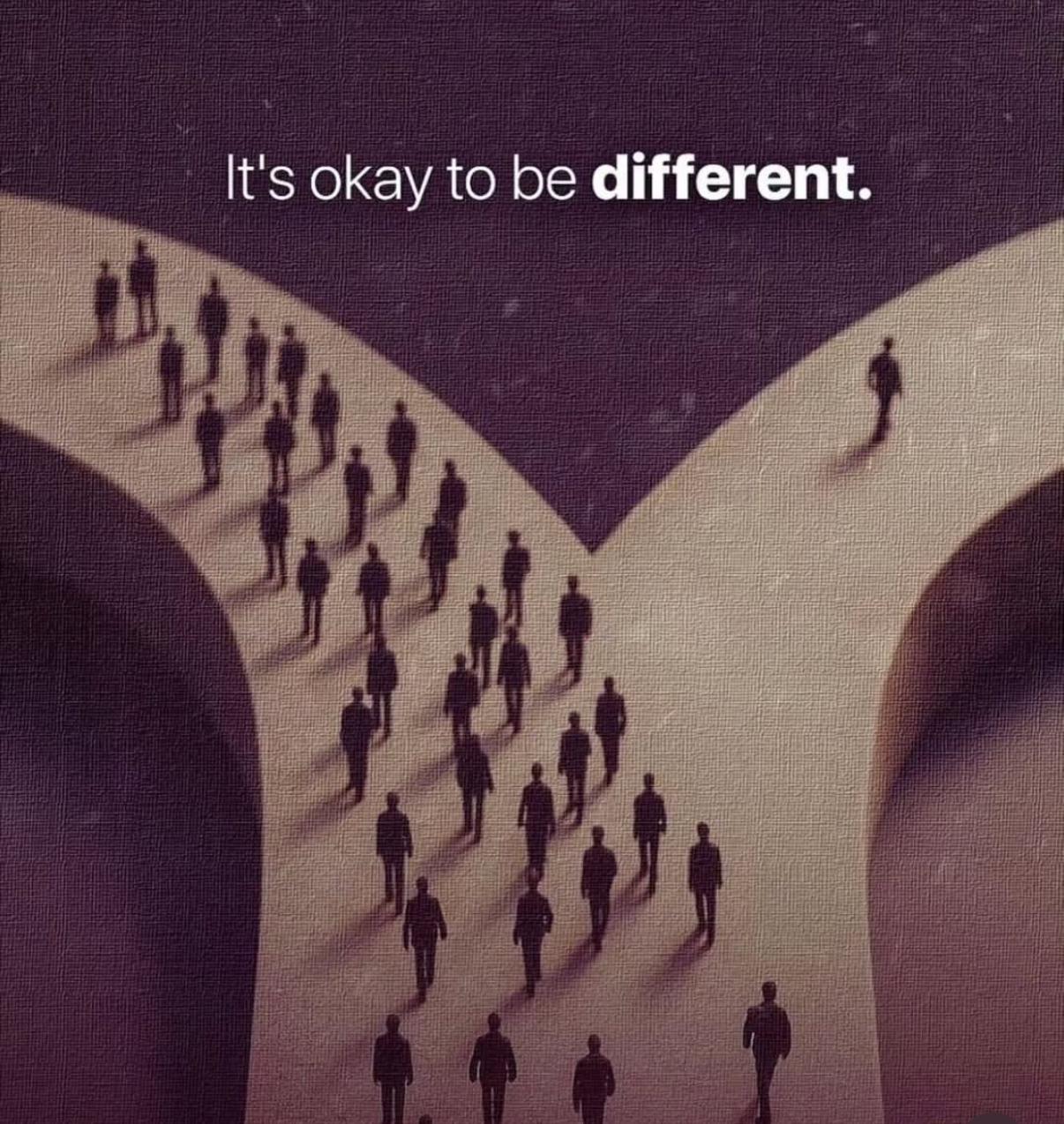



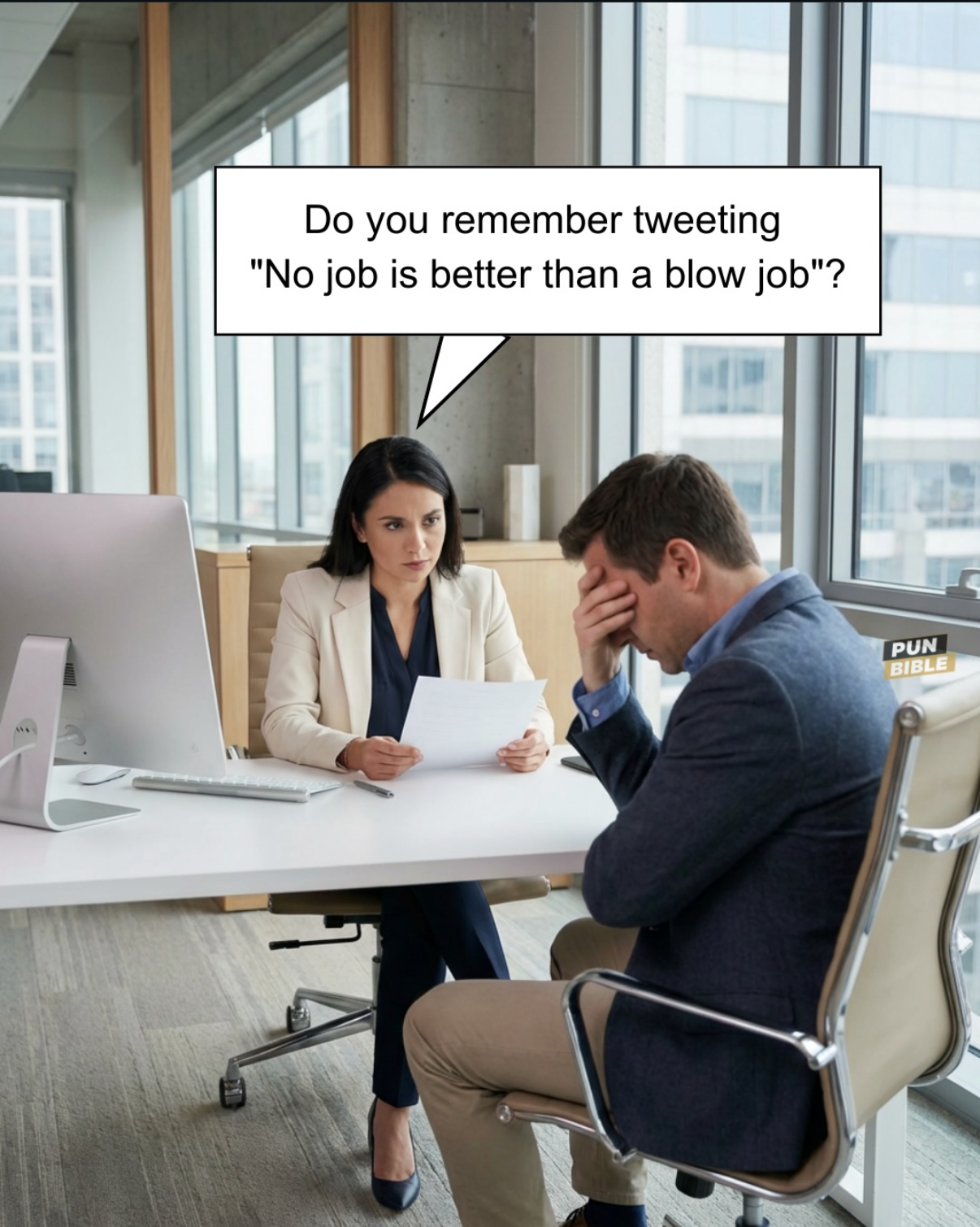







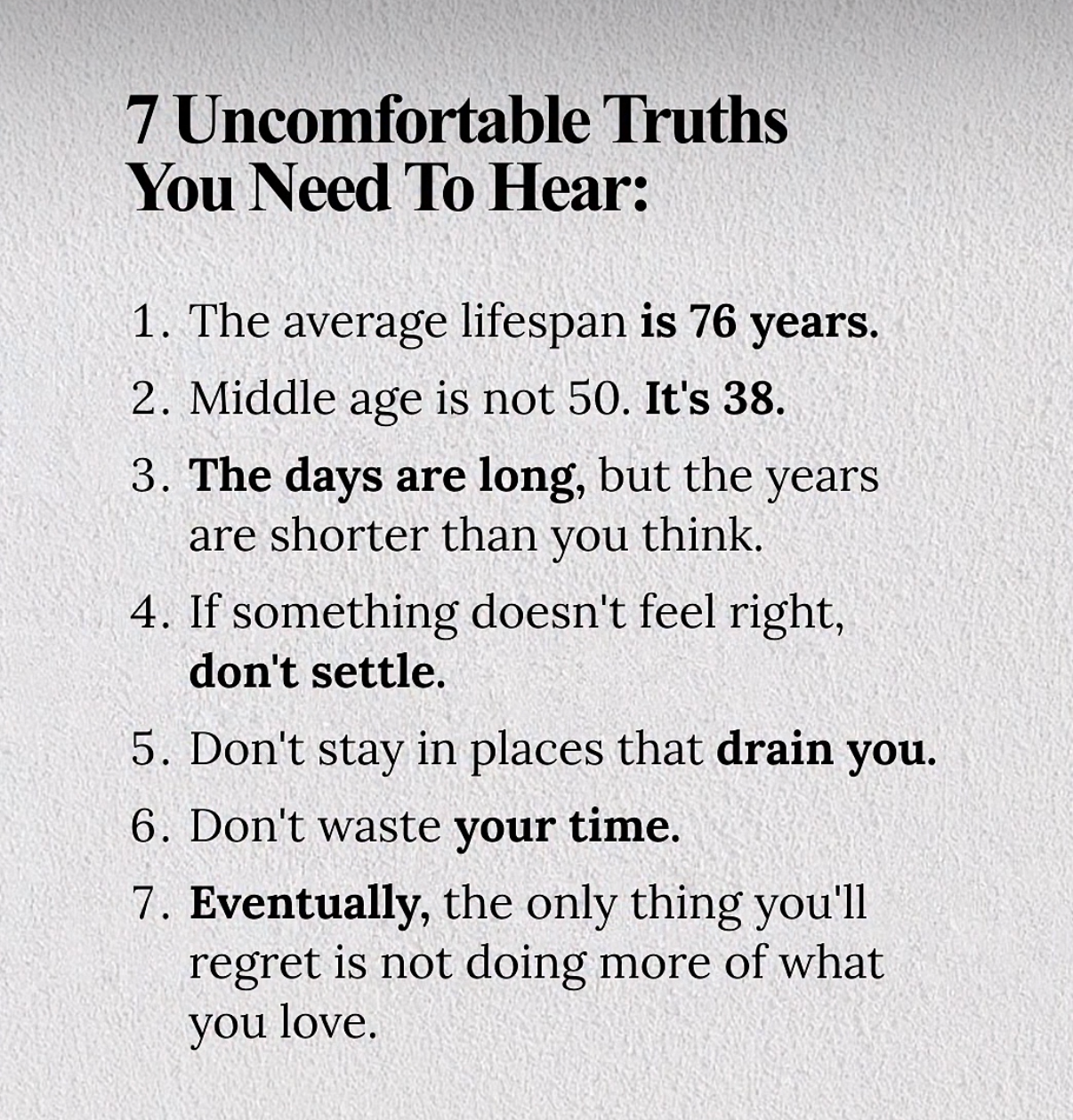













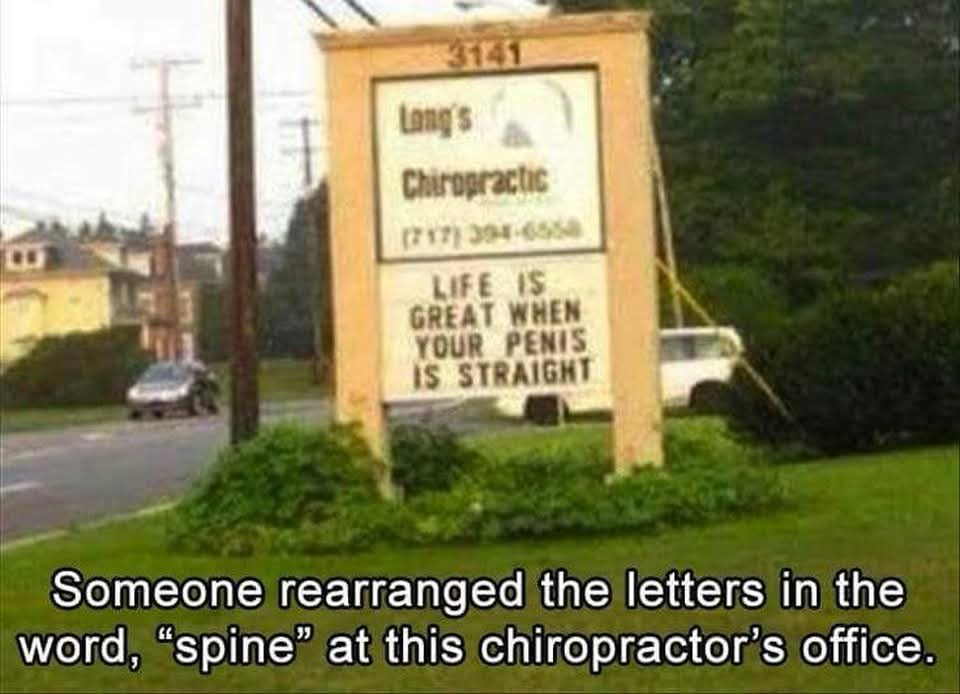





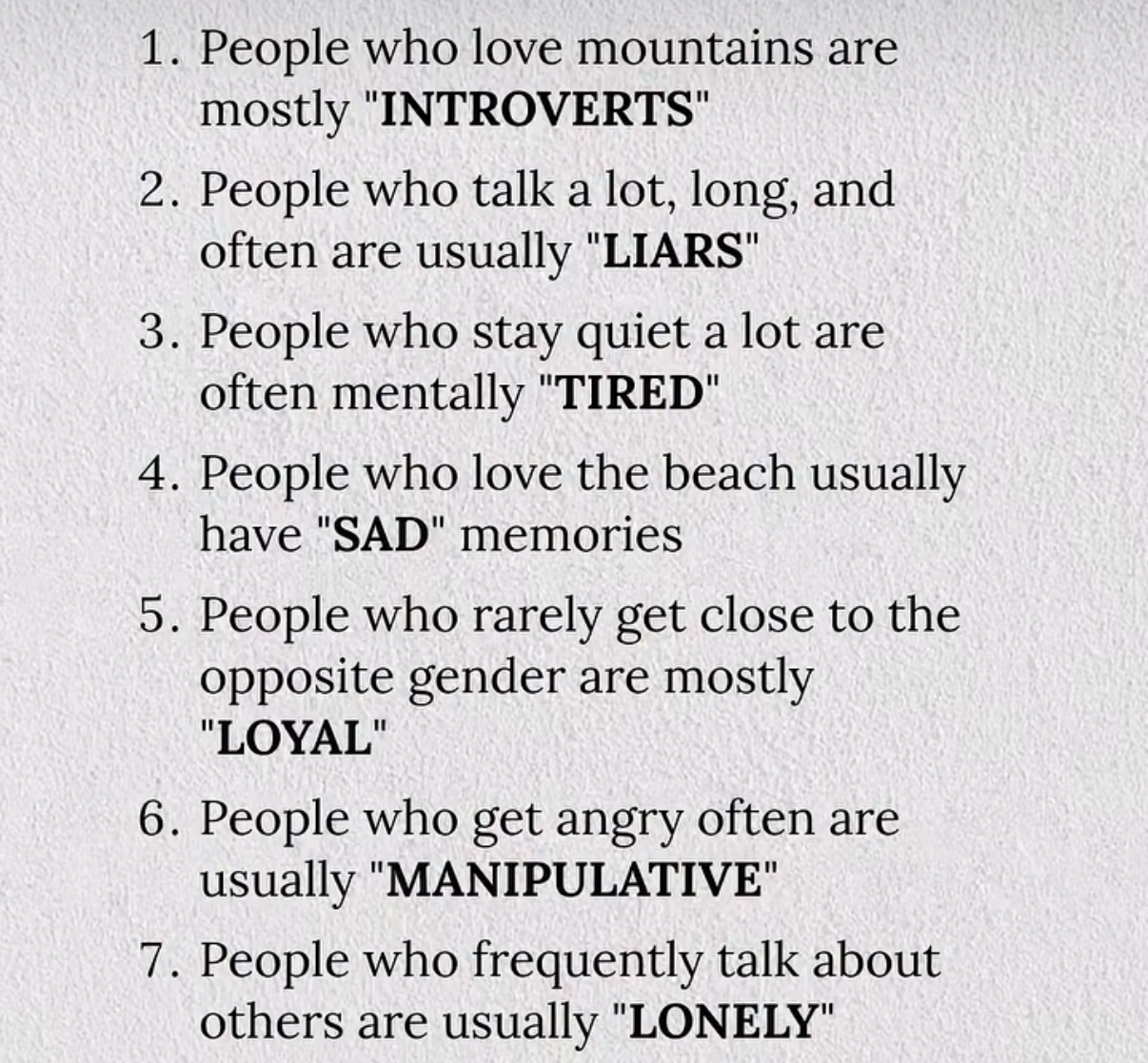
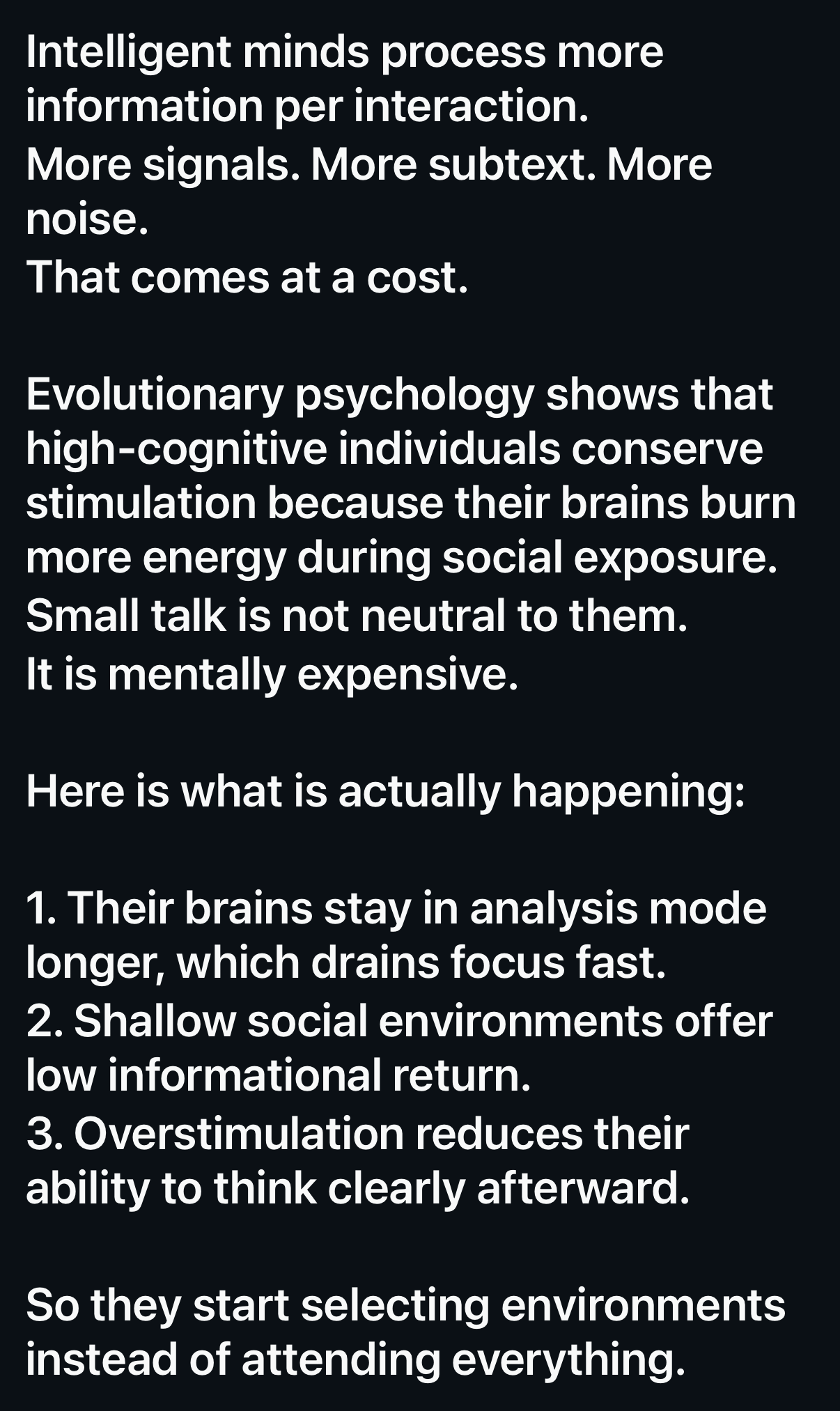
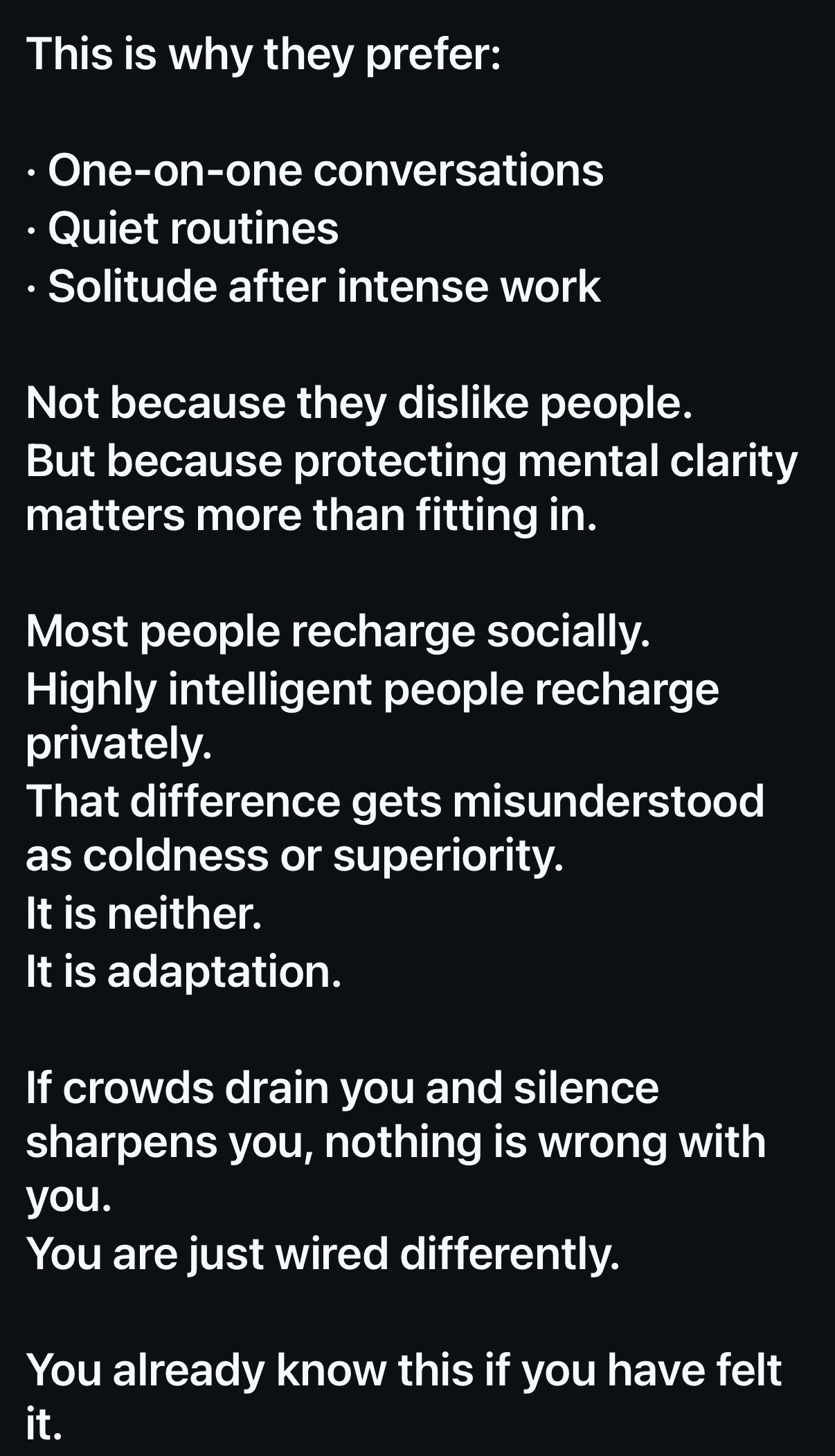























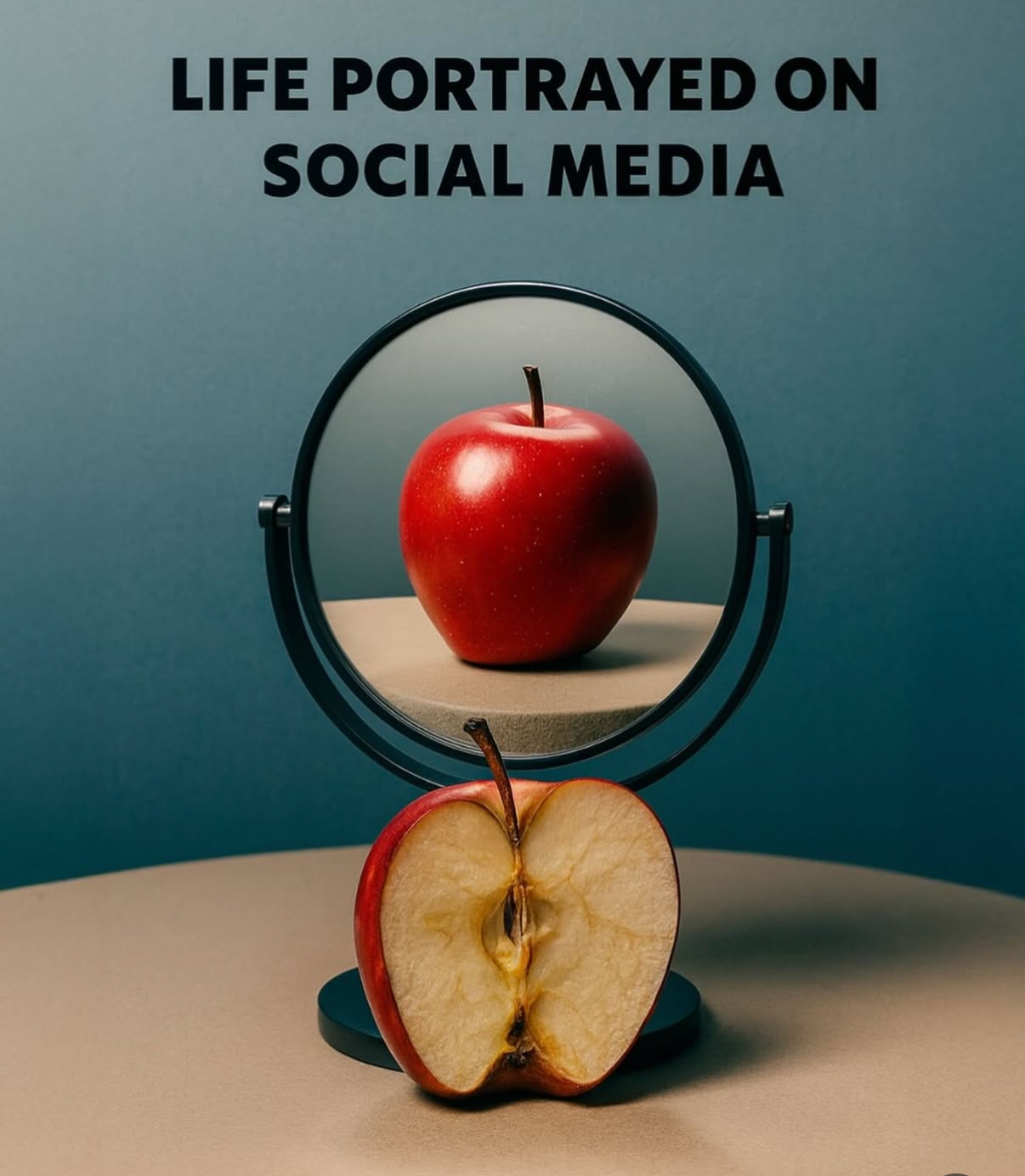
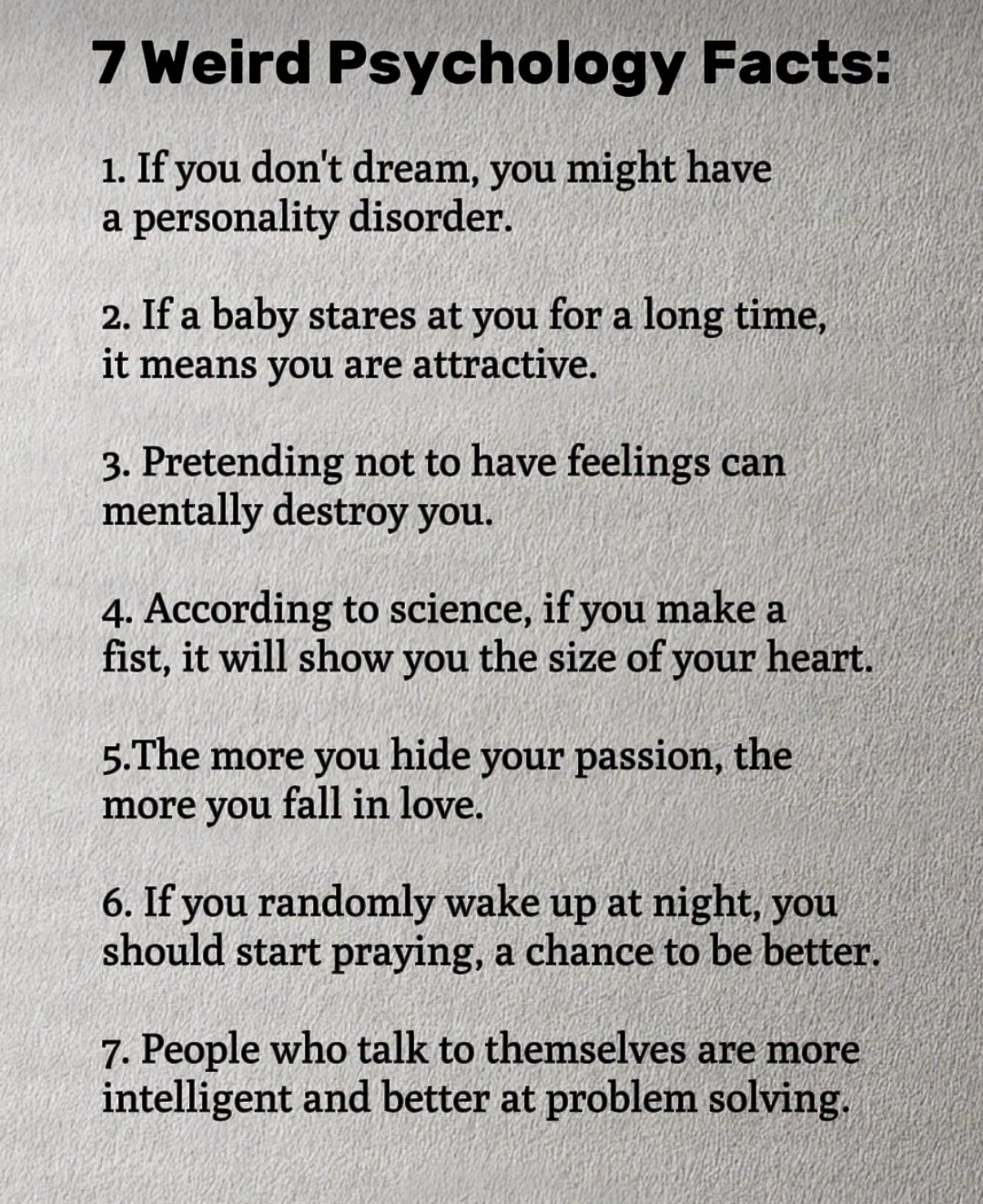

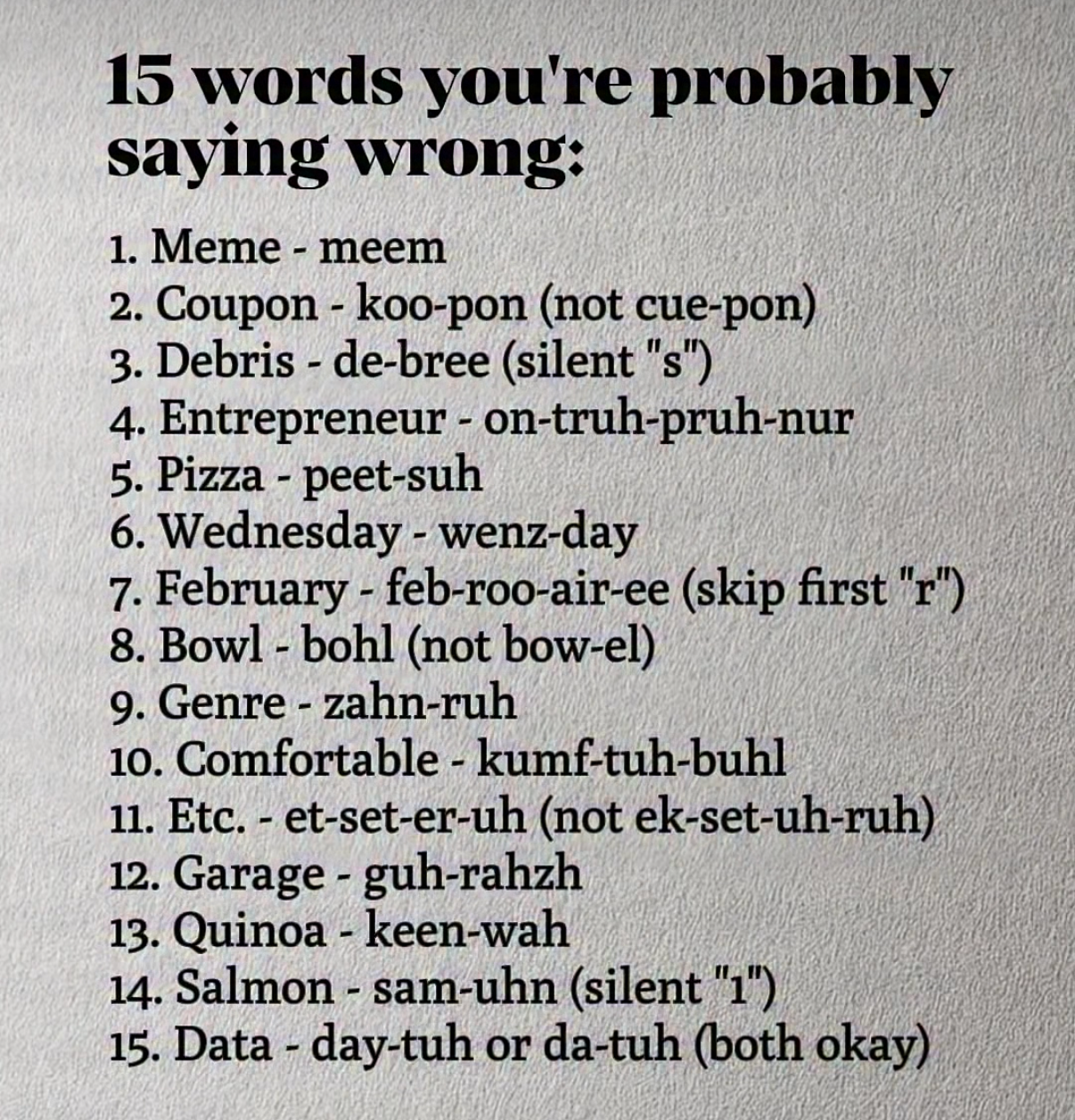

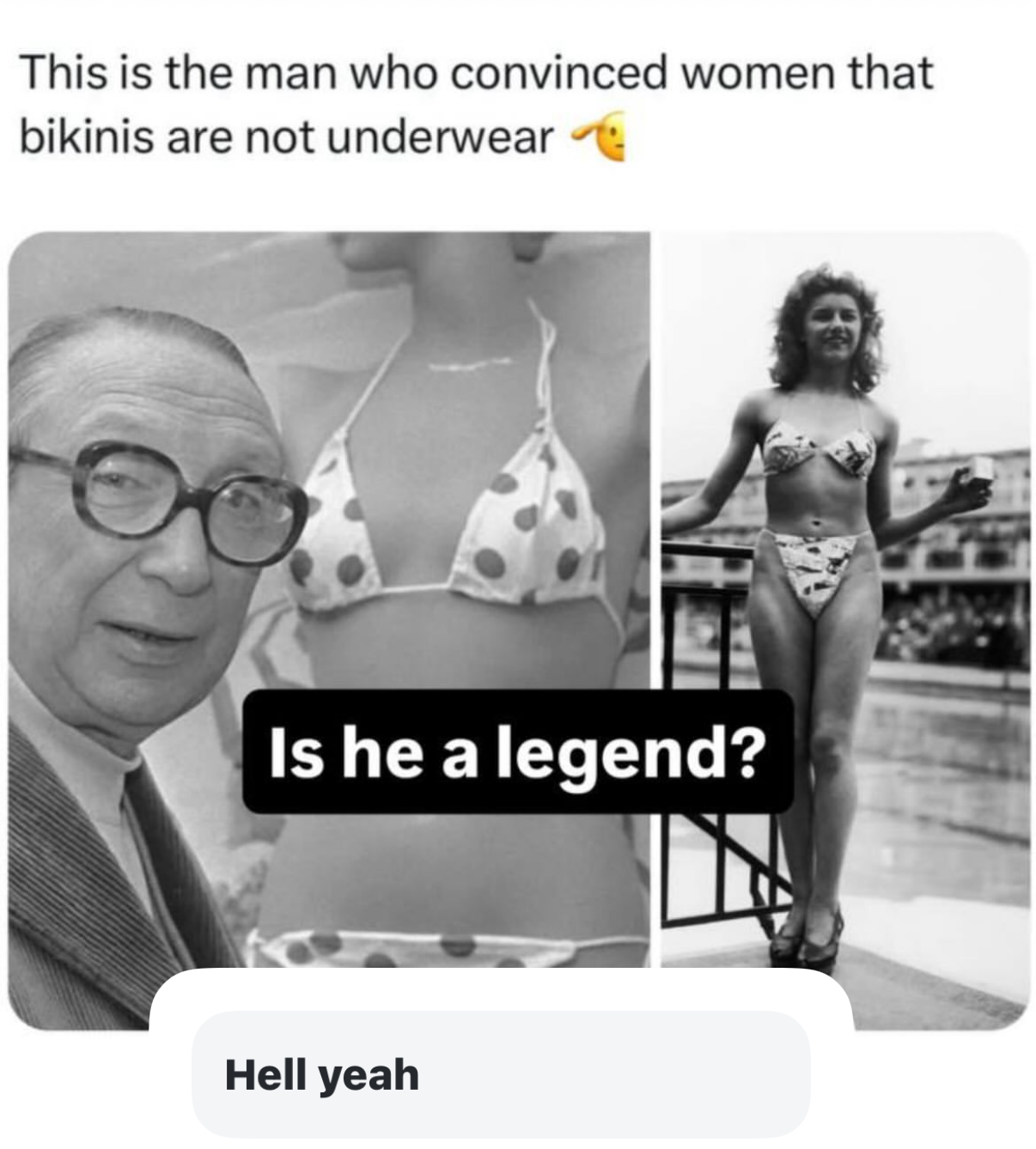


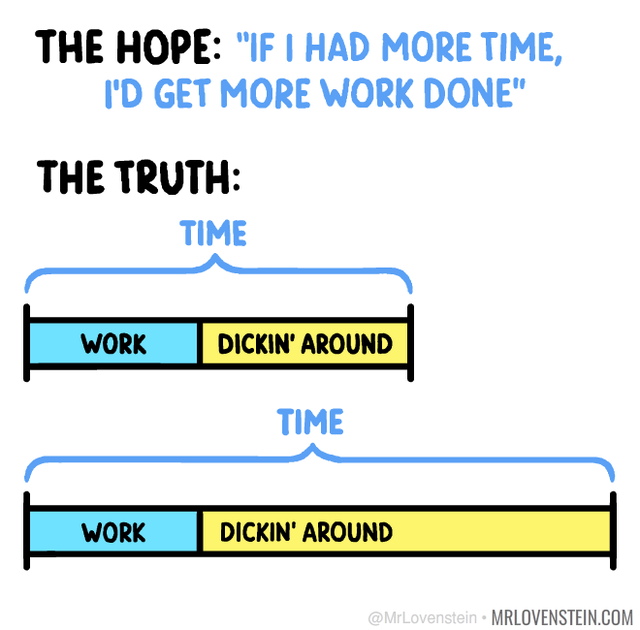






















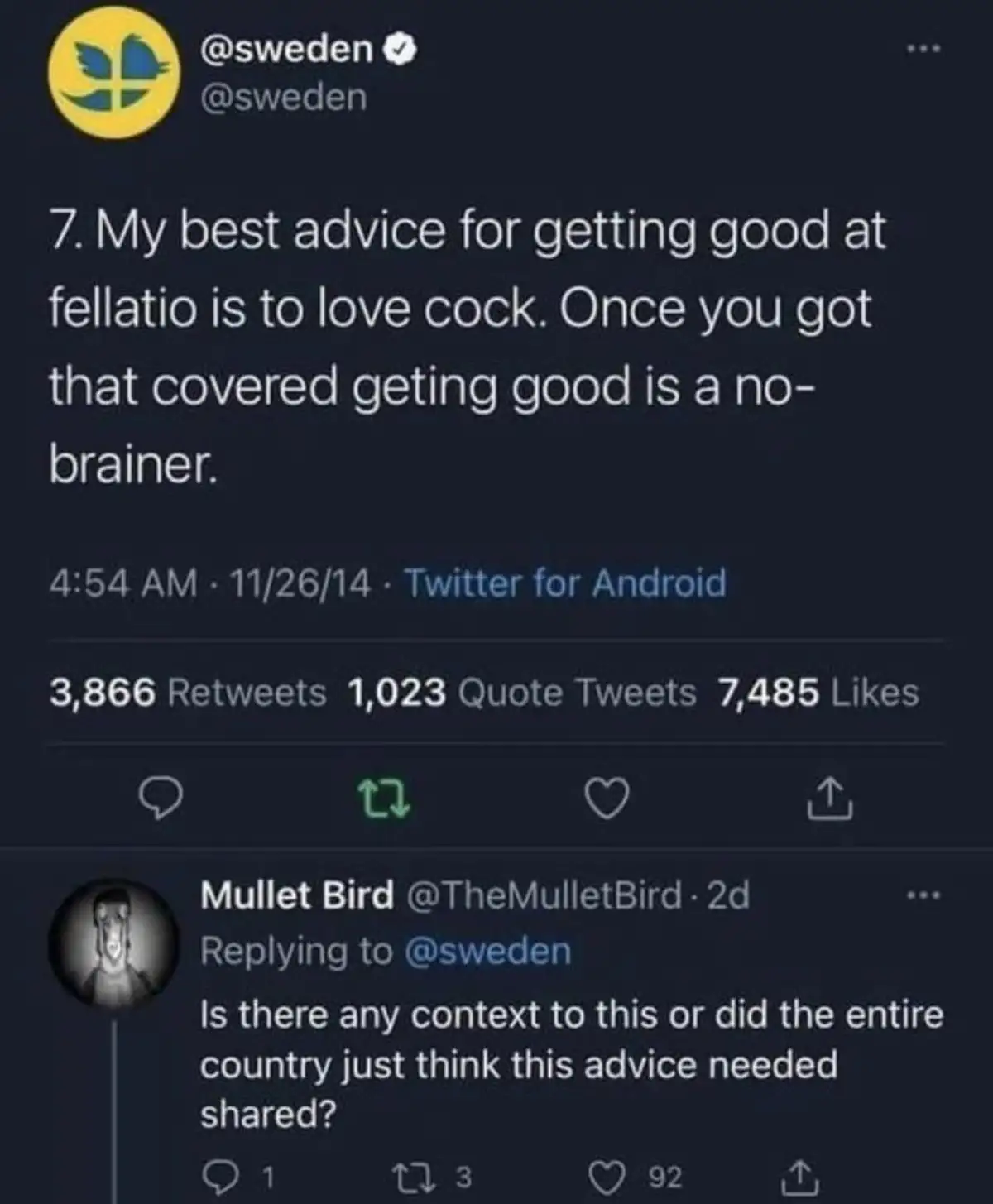


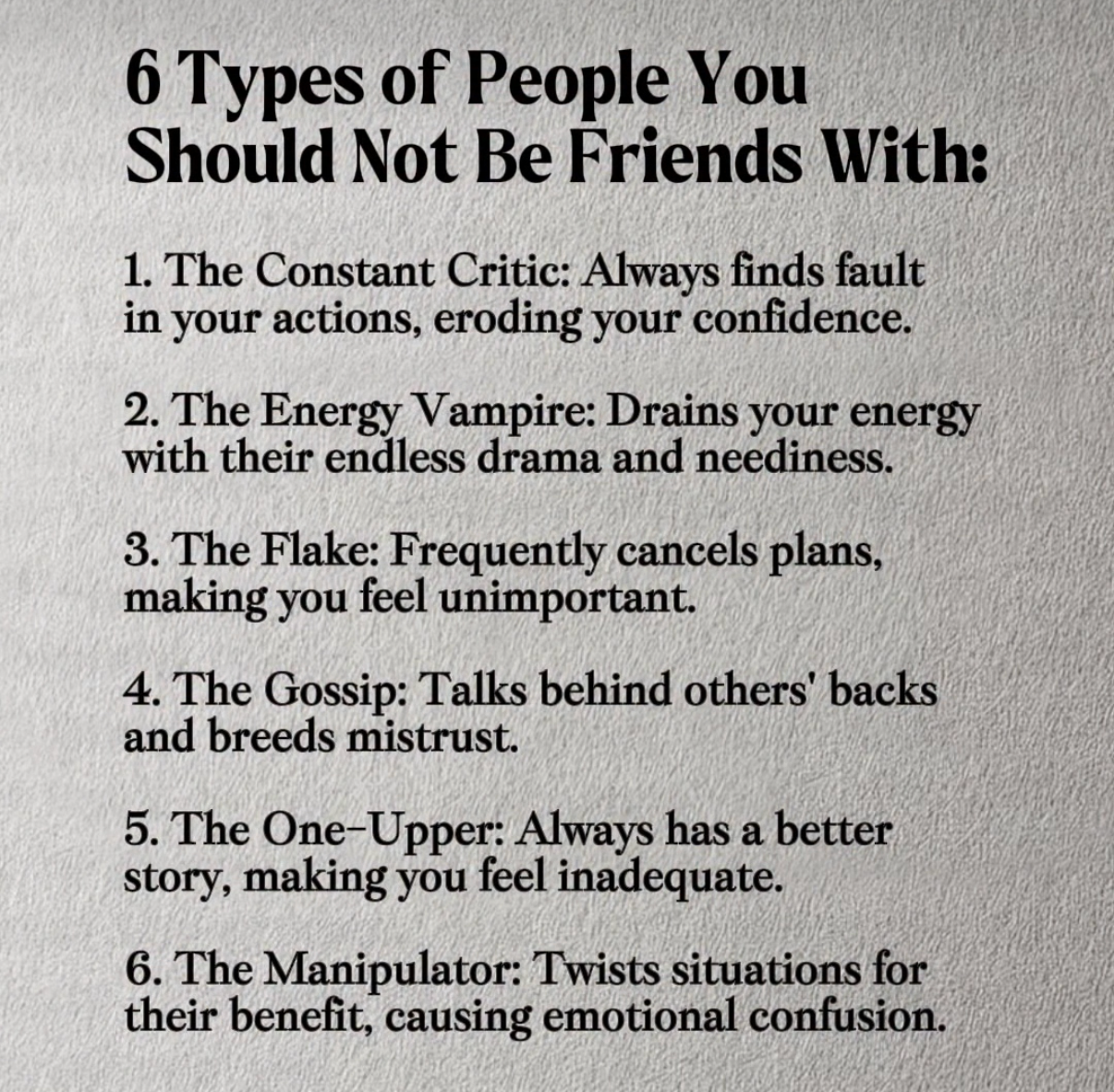
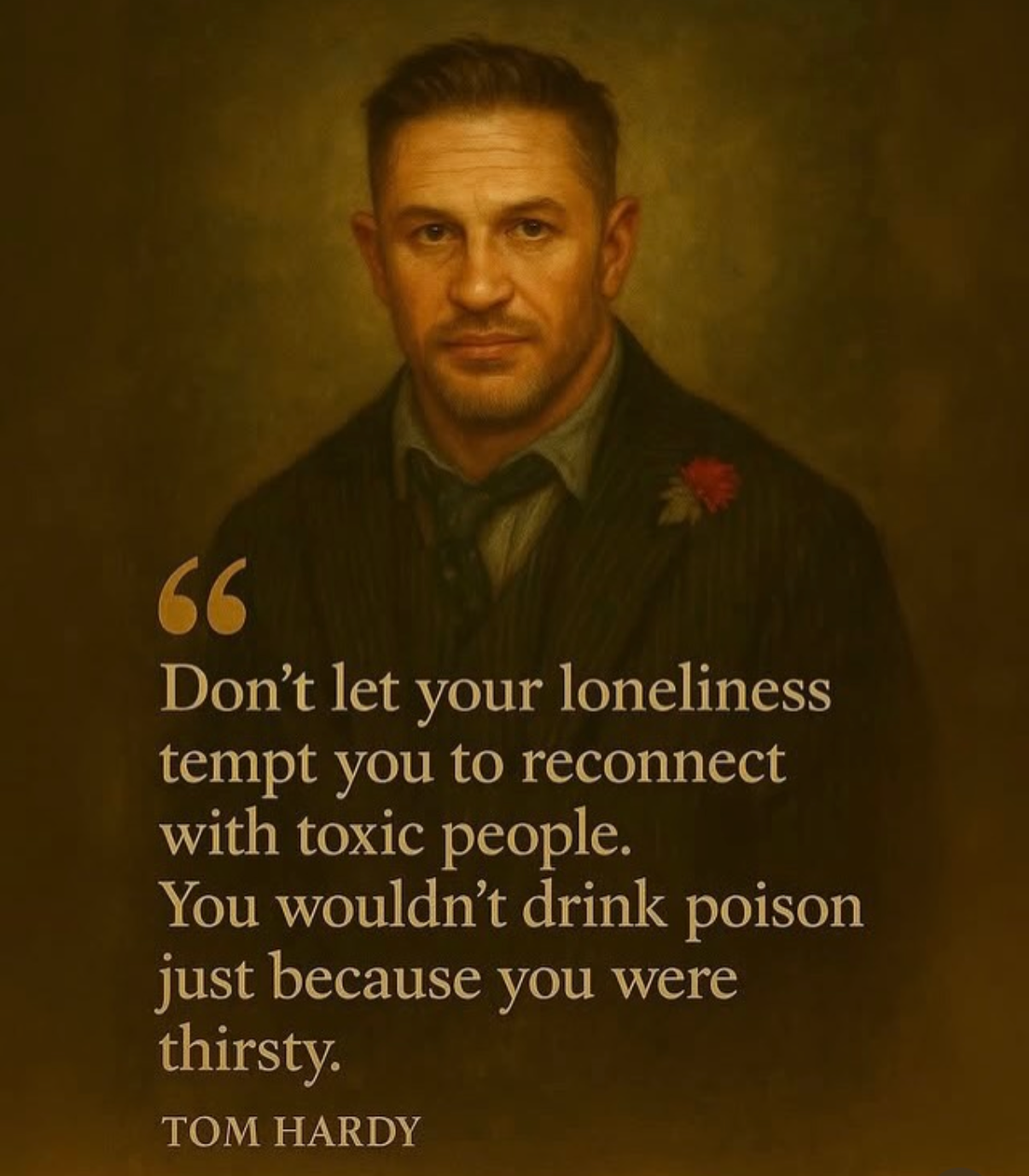

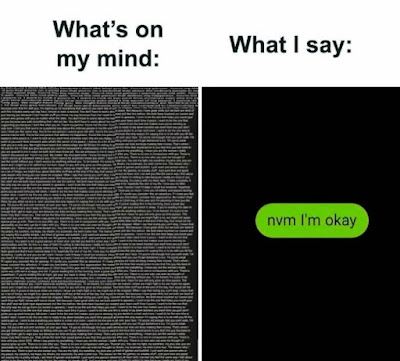
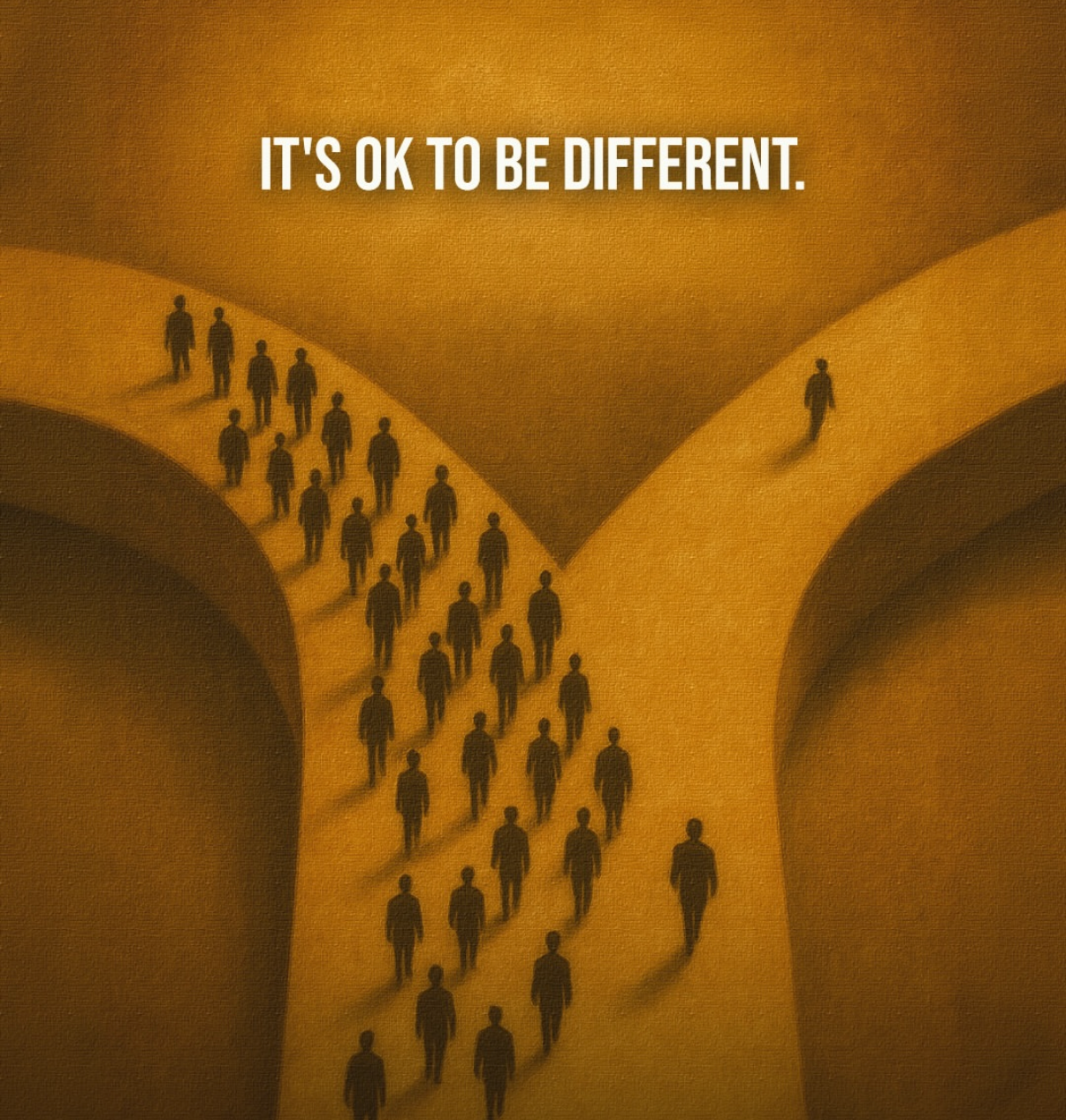


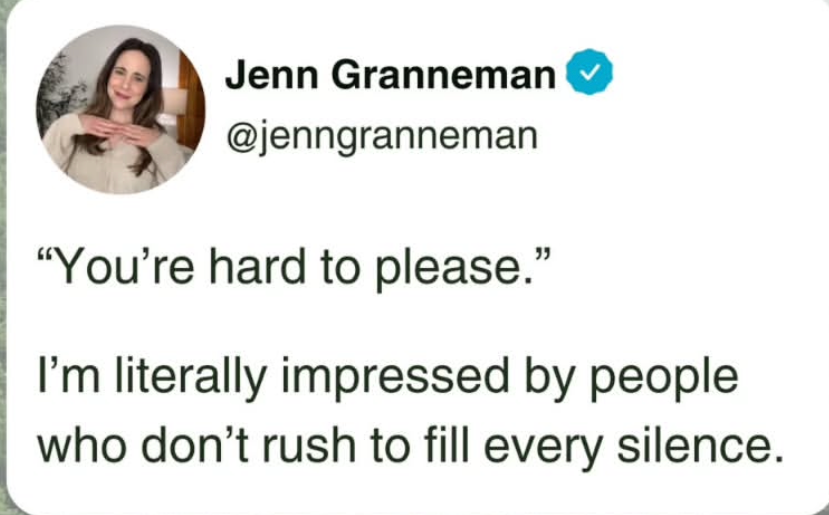
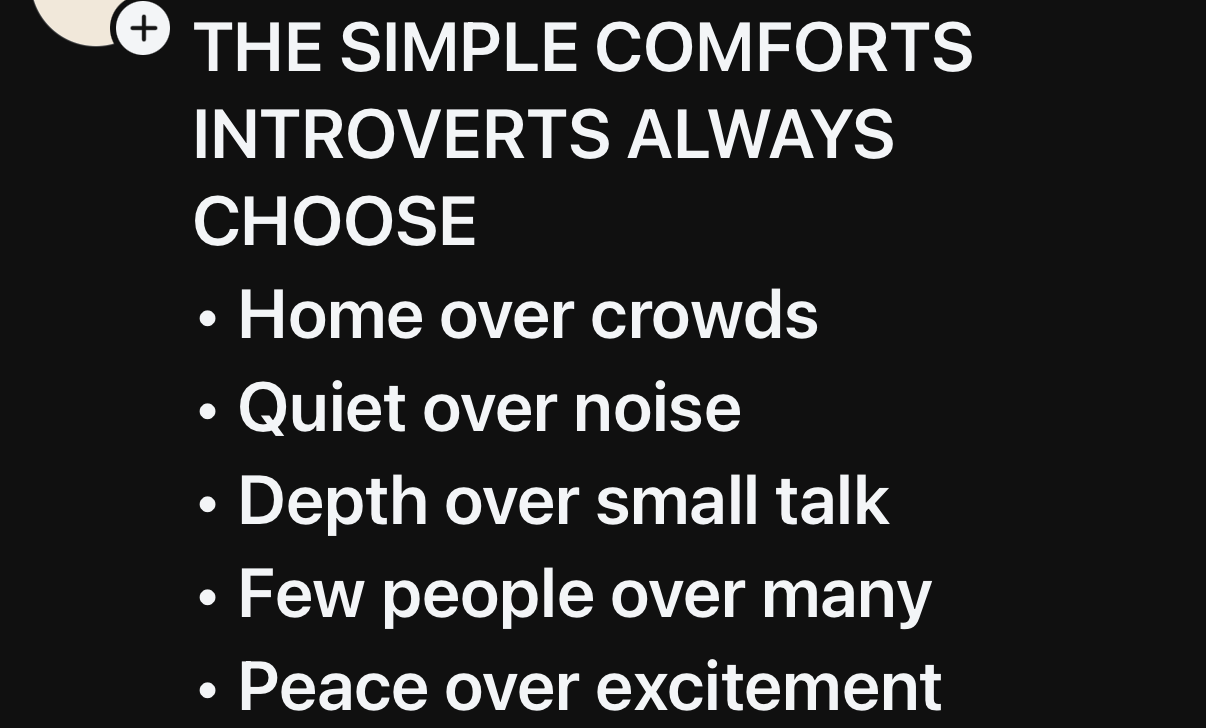



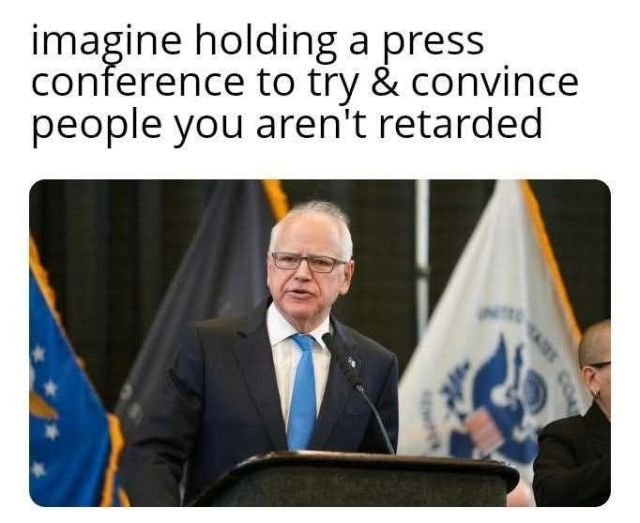




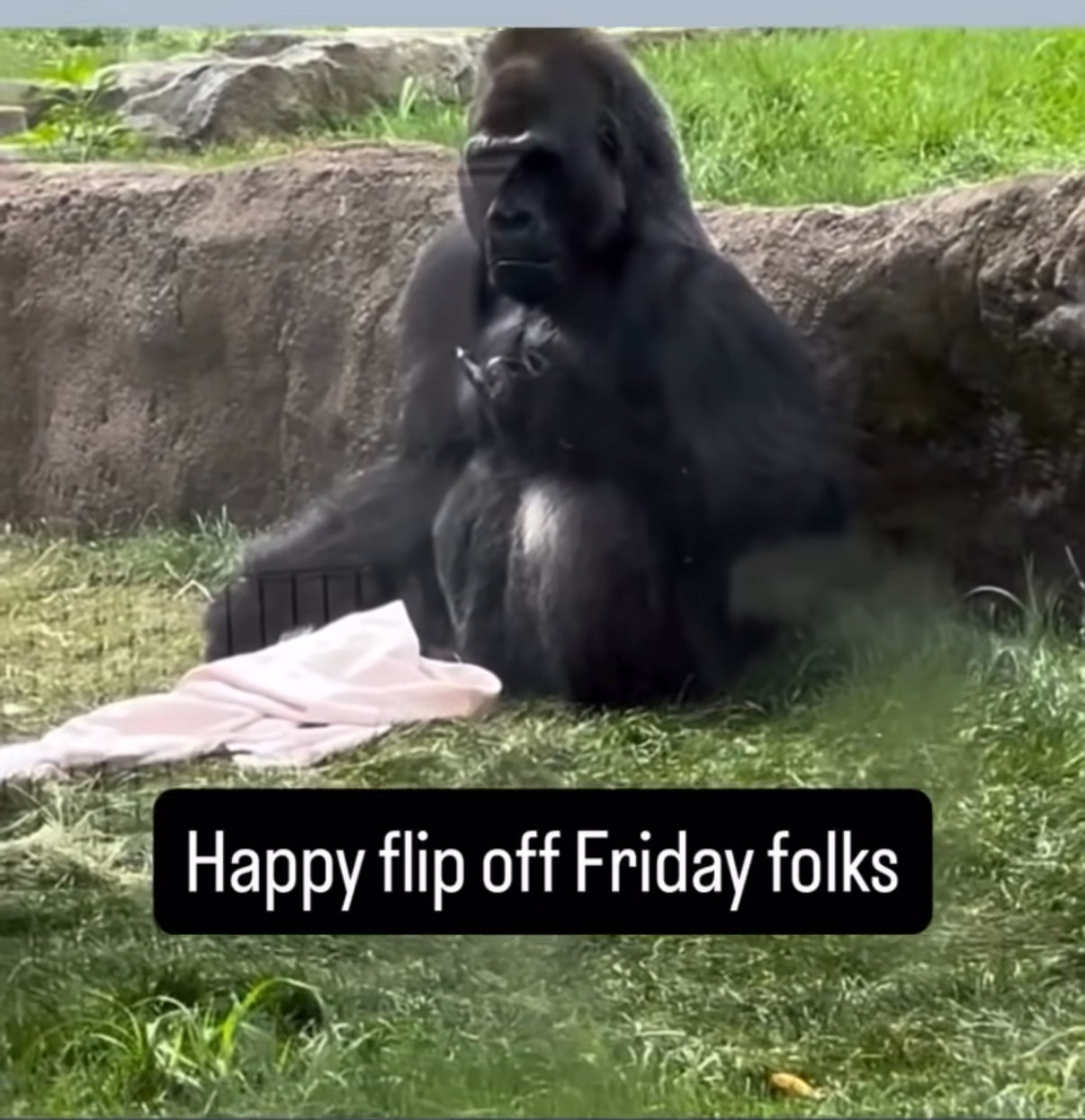







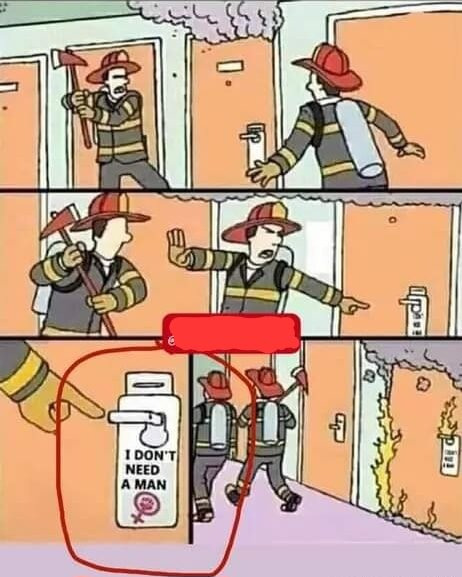







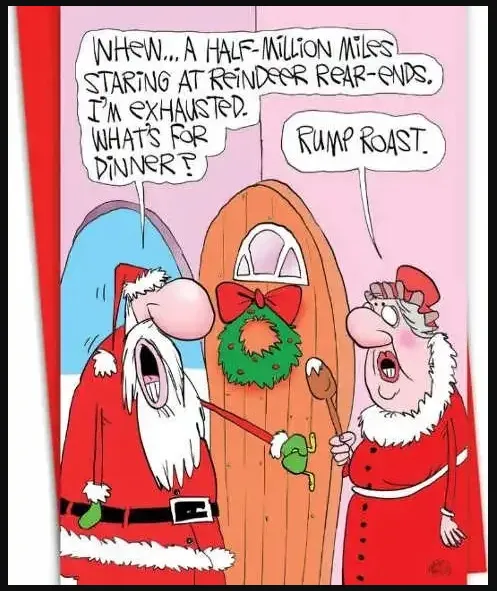










































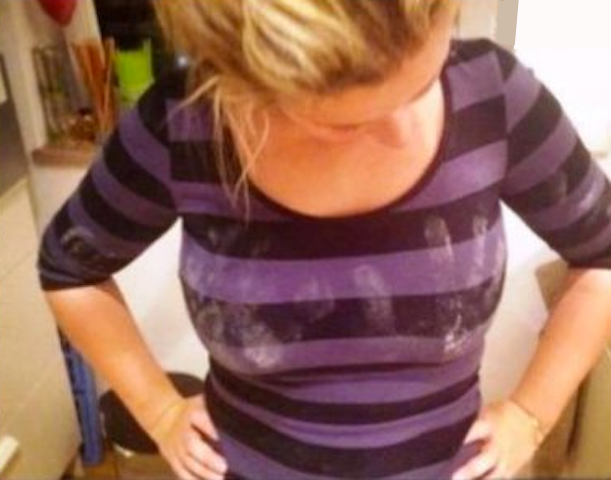

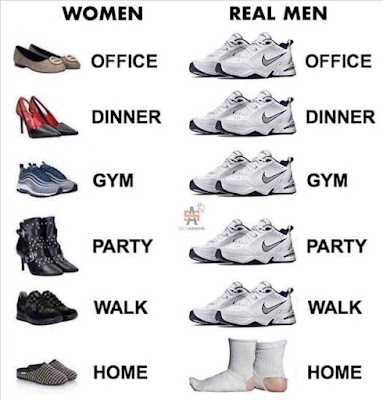









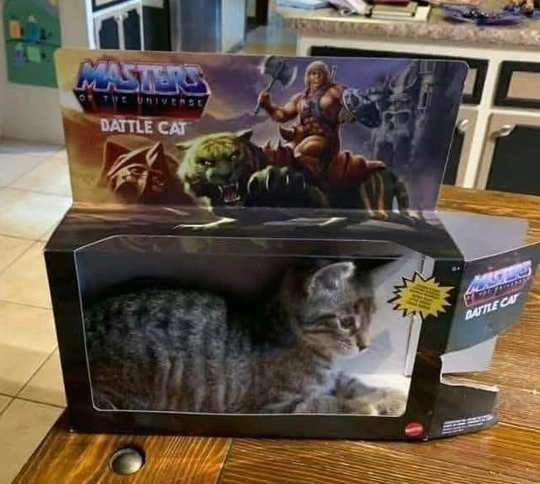


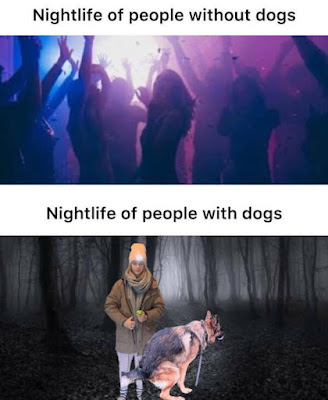





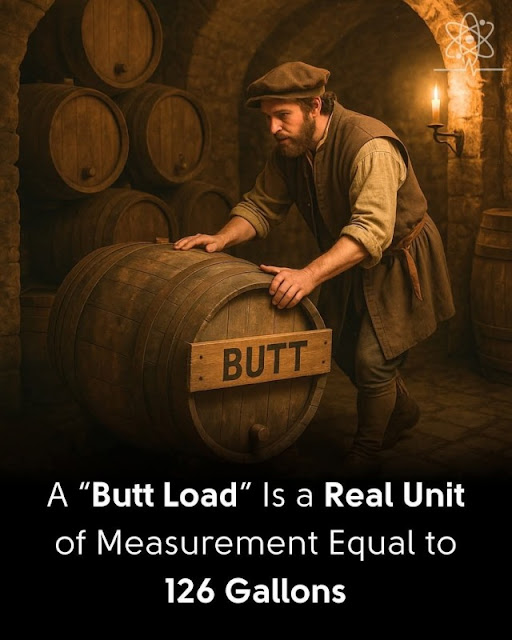
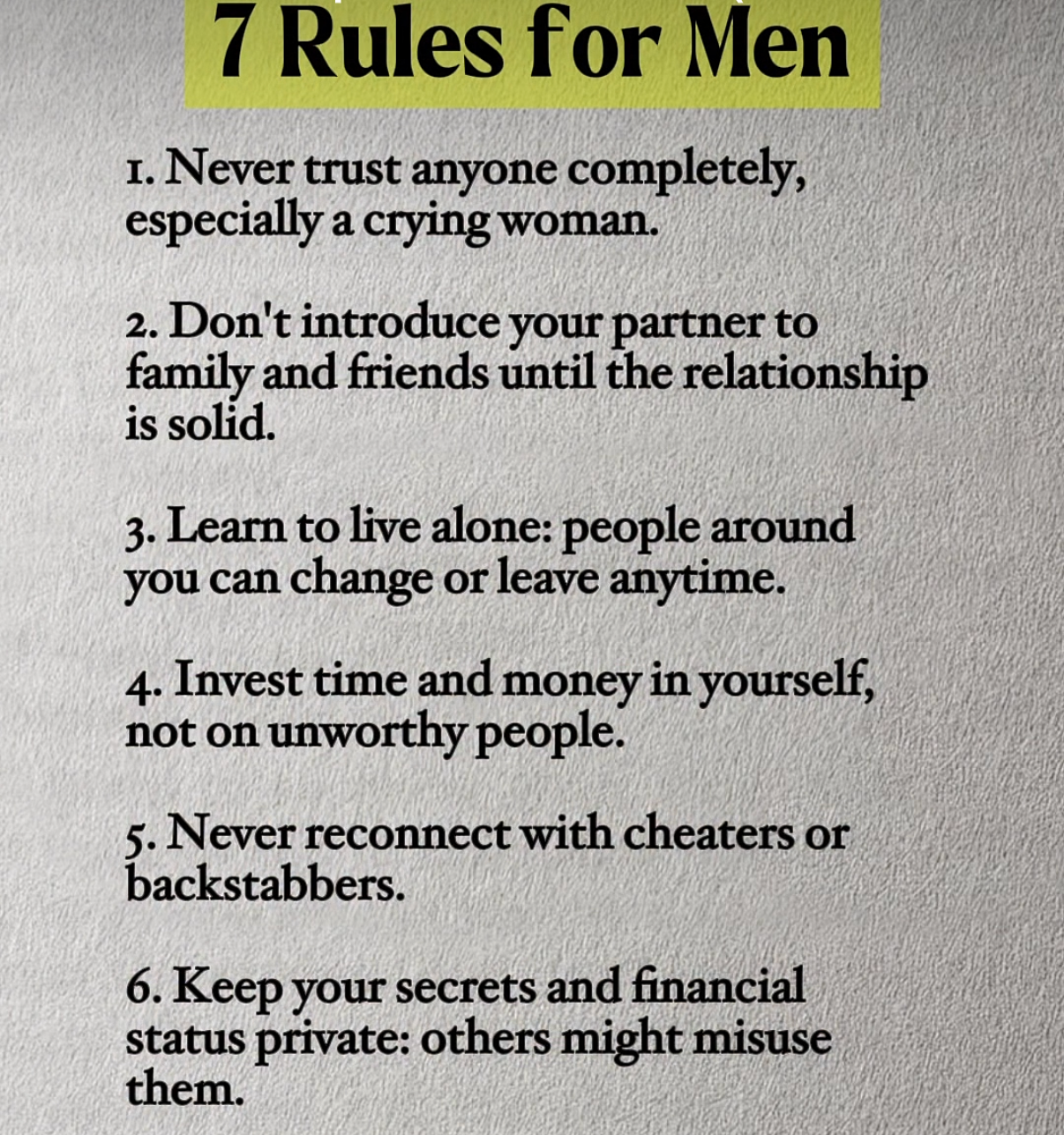



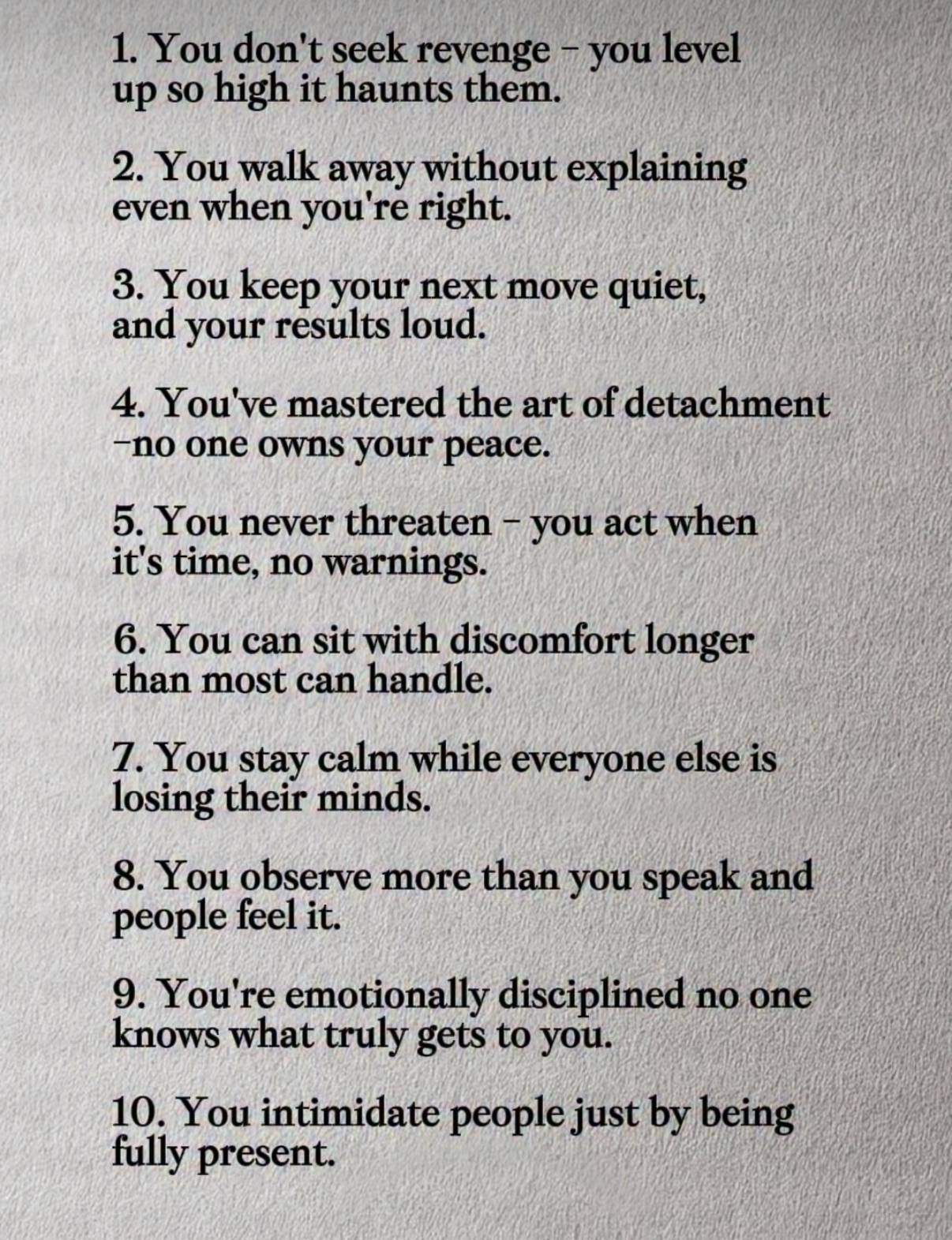

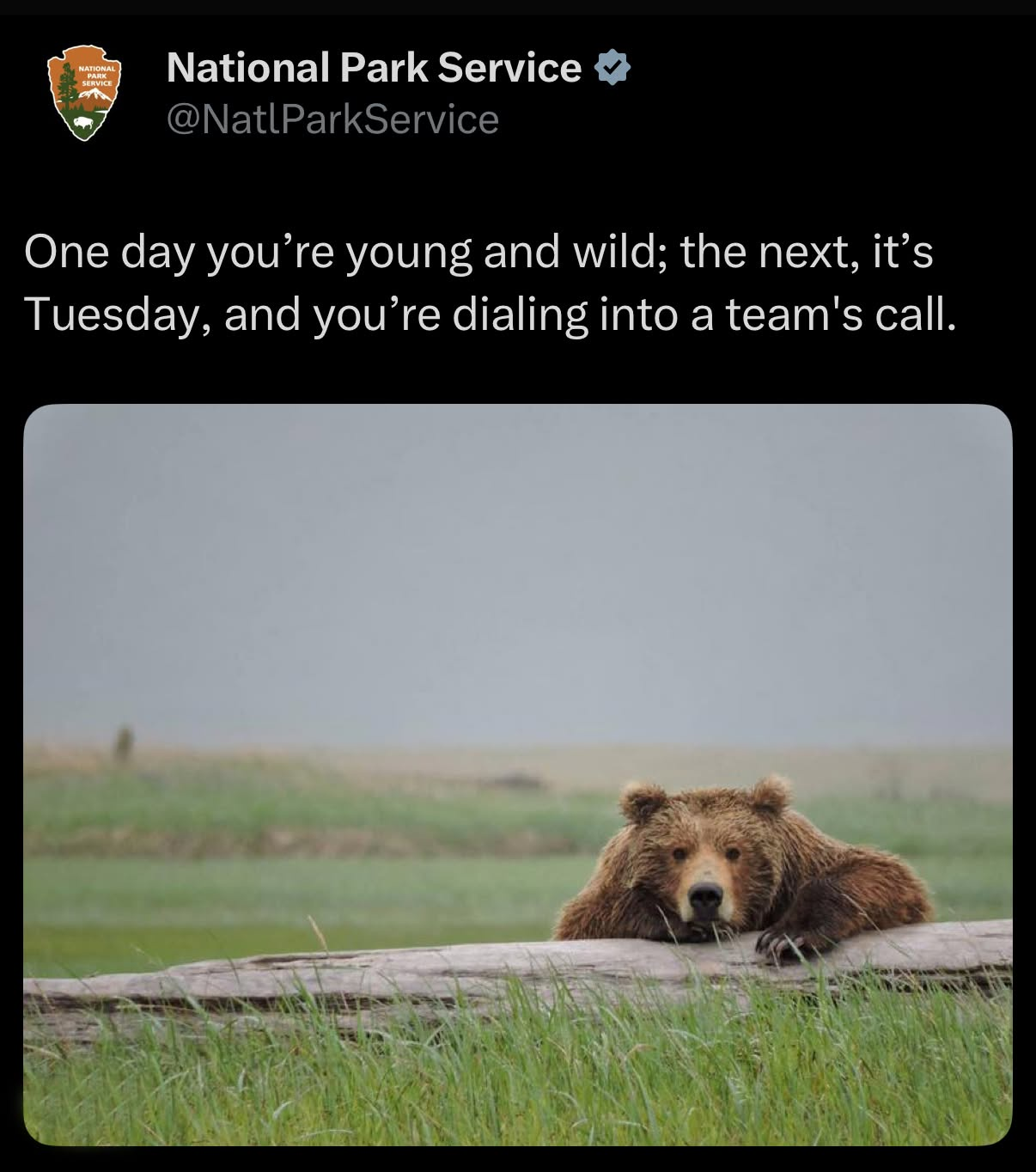
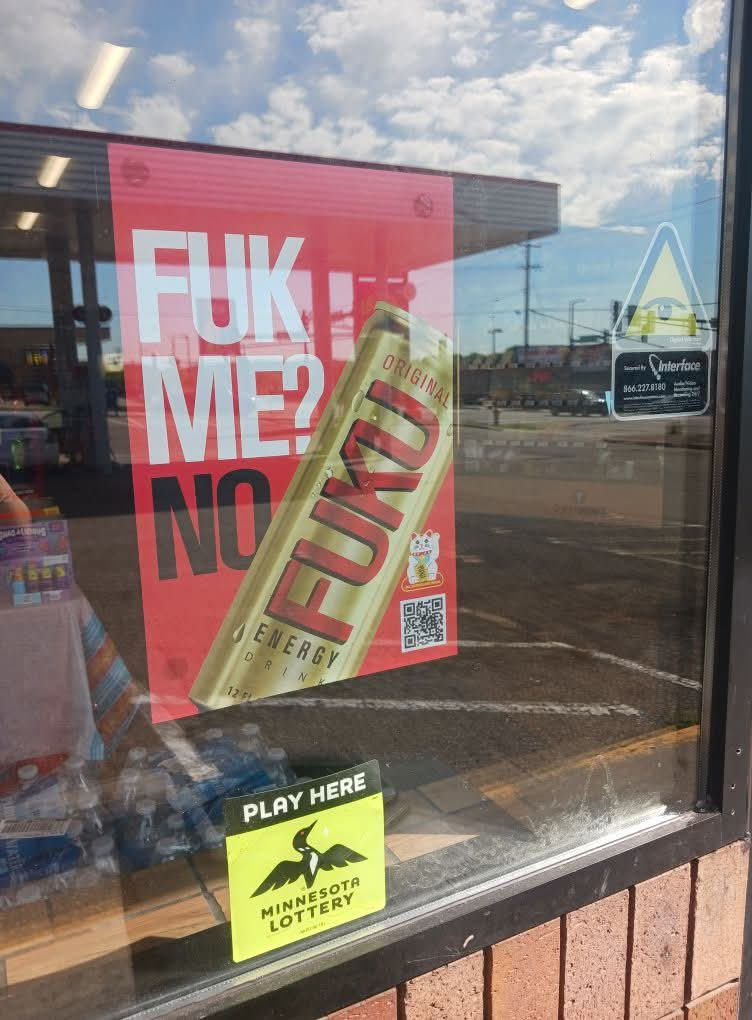
















 Delusions of Adequacy

