Wildlife Photographs of the Year

There are some pretty cool photos here and a good video if you go to the link. There is the usual save the planet mumbo jumbo, but like Playboy, I looked at the pictures.

The Natural History Museum in London is previewing some of the more than 60,000 photographs entered for this year’s “Wildfire Photographer of the Year” competition.

A record-breaking 60,636 photographs entered this year’s competition. The exhibition will open Oct. 17, featuring 100 powerful images that captured Earth’s most compelling wildlife stories, the Natural History Museum said in a press release.

An international panel of wildlife experts, photographers and scientists are selecting the winning images in secret, judging each photo on creativity and technical skill. The competition will celebrate its 61st year as the world’s premier showcase for nature photography.

TV presenters and conservationists Chris Packham and Megan McCubbin will announce the Grand Title winners at an Oct. 14 ceremony, which will stream live on the museum’s YouTube channel. The exhibition will pair striking artistry with scientific data, including the museum’s Biodiversity Intactness Index, to help visitors understand and advocate for endangered ecosystems, the museum said.

Here are some photos from the exhibition:
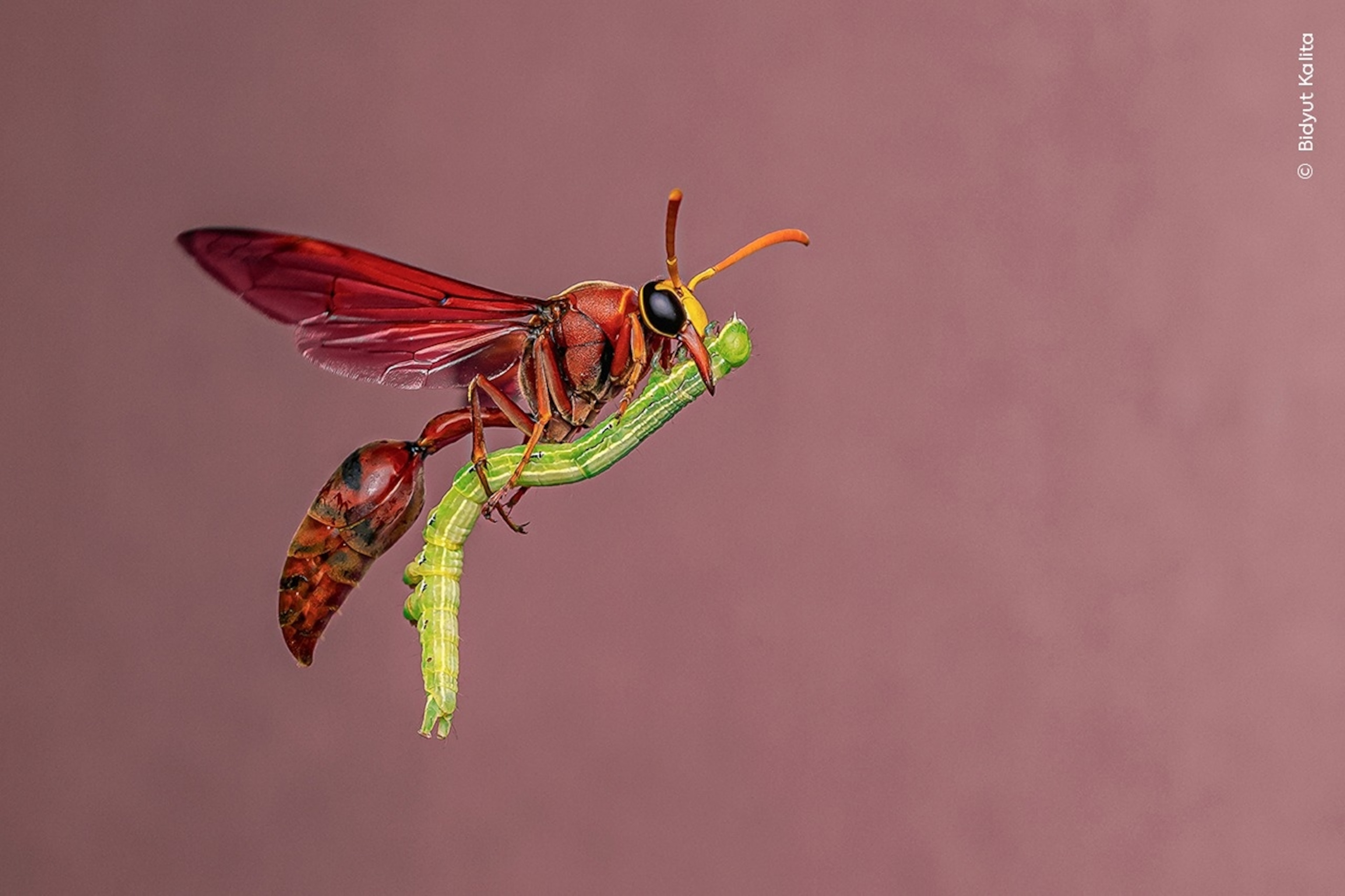
PHOTO: 2025 Wildlife Photographer of the Year
Bidyut Kalita (India) photographs a hard-working potter wasp mid-flight with caterpillar prey for its young.Bidyut Kalita/Wildlife Photographer of the Year

A potter wasp turned Bidyut Kalita’s home in northeast India into an unexpected wildlife studio. The determined insect caught Kalita’s eye as it built a mud nest on his picture frame, prompting him to prop open his door and wait. His patience paid off when he snapped the wasp mid-flight, carrying a paralyzed caterpillar that would feed its future offspring.
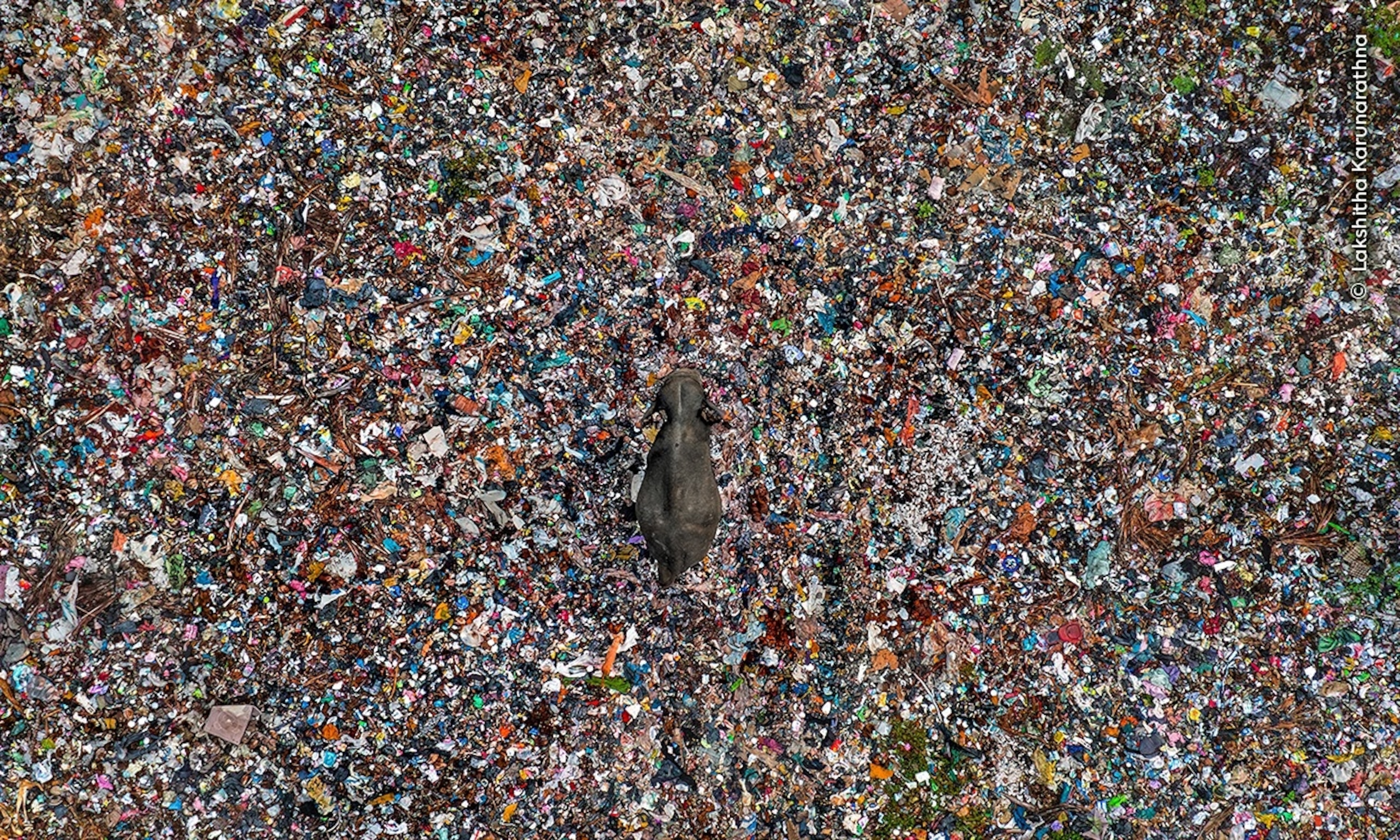
PHOTO: 2025 Wildlife Photographer of the Year
Lakshitha Karunarathna (Sri Lanka) reveals a solitary Asian elephant navigating a waste disposal site in Sri Lanka.Lakshitha Karunarathna/Wildlife Photographer of the Year

For three years, Lakshitha Karunarathna tracked a heartbreaking scene in Sri Lanka – elephants scavenging for food in garbage dumps. His drone captured a lone elephant picking through mounds of trash in Ampara, where plastic waste proved deadly. Twenty elephants lost their lives at this single site after eating indigestible wrappers.
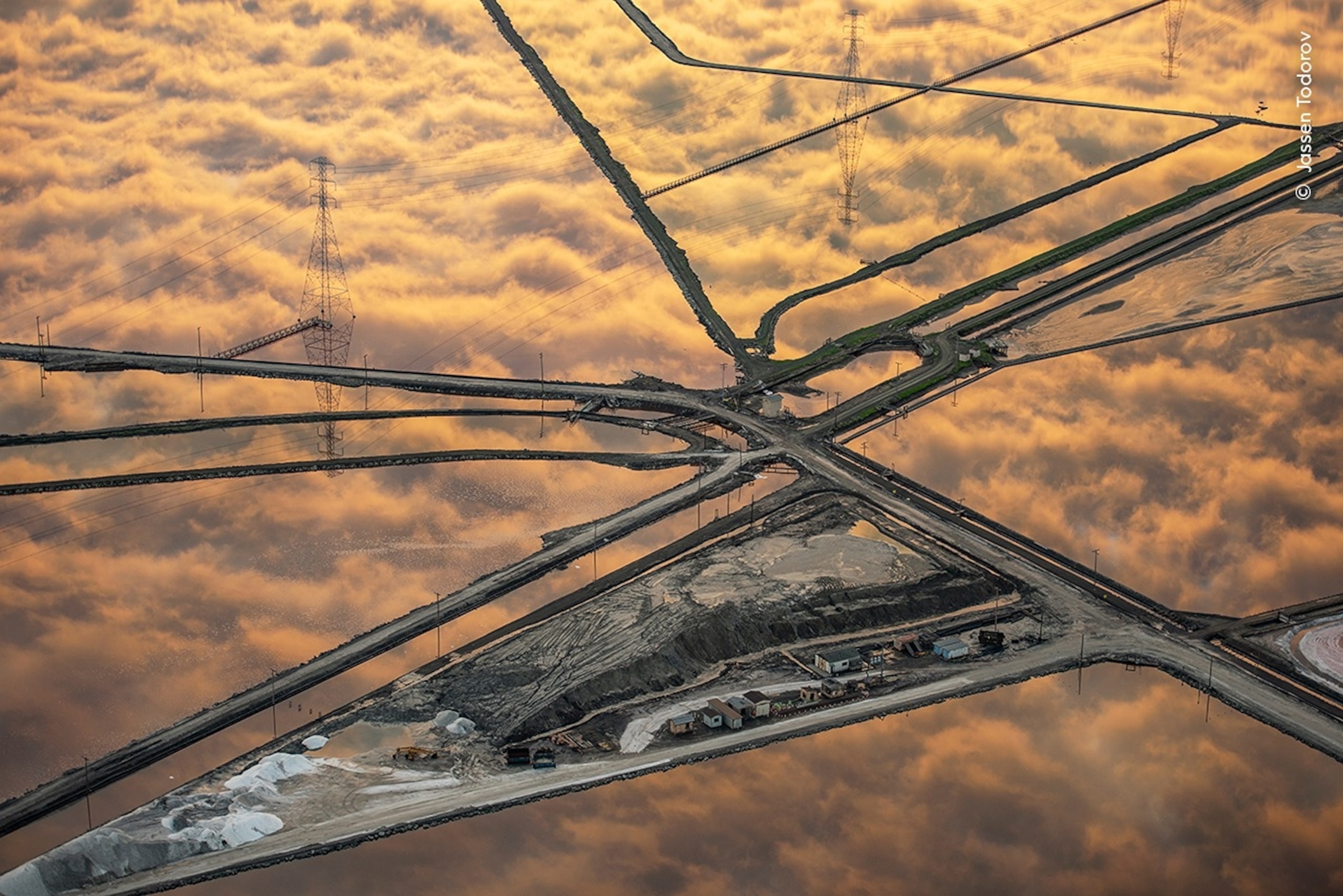
PHOTO: 2025 Wildlife Photographer of the Year
Jassen Todorov (USA) depicts the clouds reflected in salt ponds that span San Francisco Bay.Jassen Todorov/Wildlife Photographer of the Year

Pilot Jassen Todorov found unexpected beauty while landing at San Francisco International Airport. His aerial shot of sunset-lit salt ponds tells environmental success story, where 6,000 hectares of industrial salt flats are being transformed back into thriving wetlands. The restoration project tears down old dikes, letting nature reclaim what industry once took.
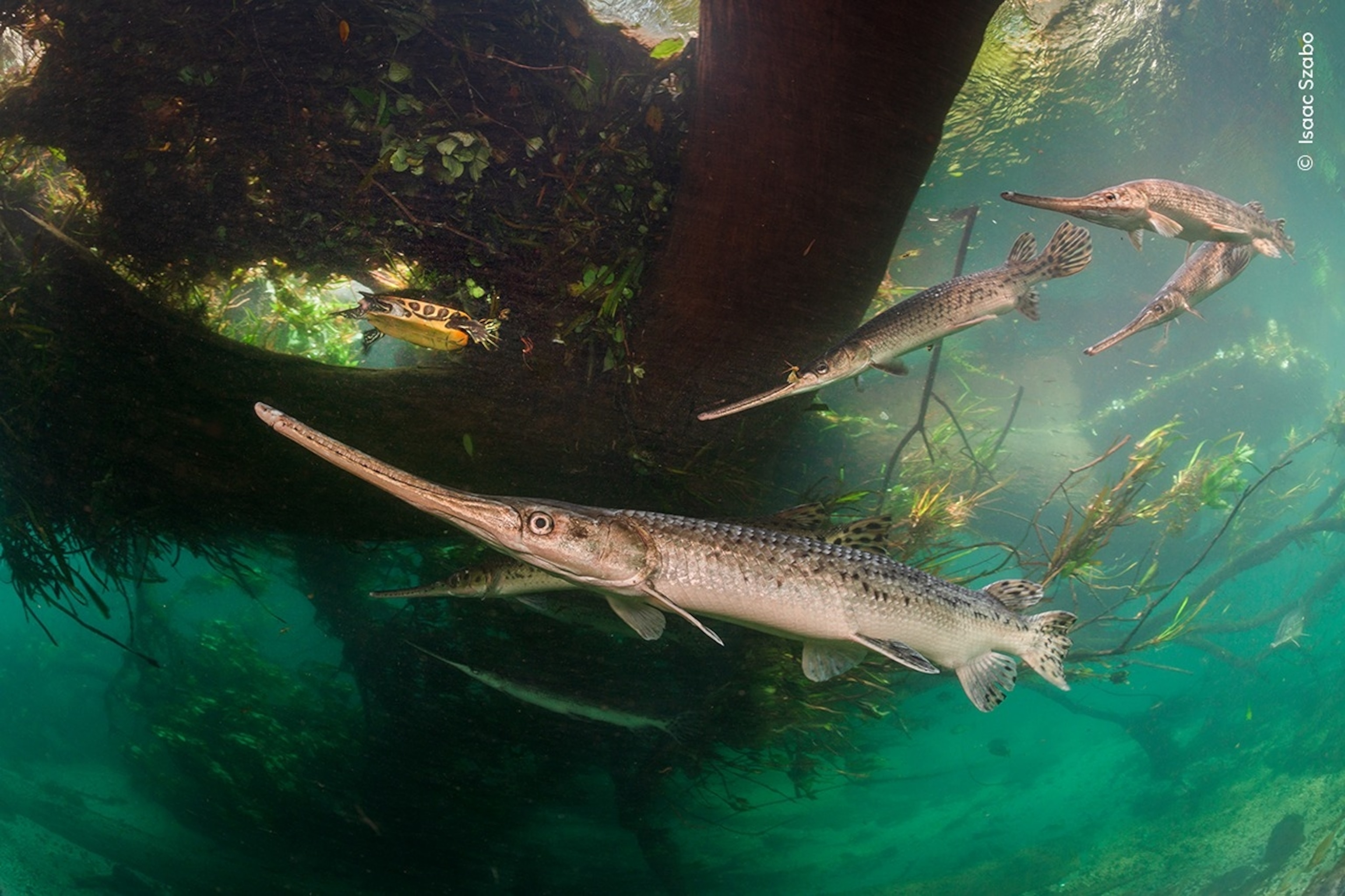
PHOTO: 2025 Wildlife Photographer of the Year
Isaac Szabo (USA) watches longnose gars spawn in a crystal-clear Florida river.Isaac Szabo/Wildlife Photographer of the Year

Deep in a crystal-clear Florida river, Isaac Szabo Wrapped his feet around a drowned tree to capture an intimate glimpse of longnose gar courtship. His underwater shot caught more than just the spawning fish – a passing turtle completed the scene, showcasing the diversity of Florida’s waterways.
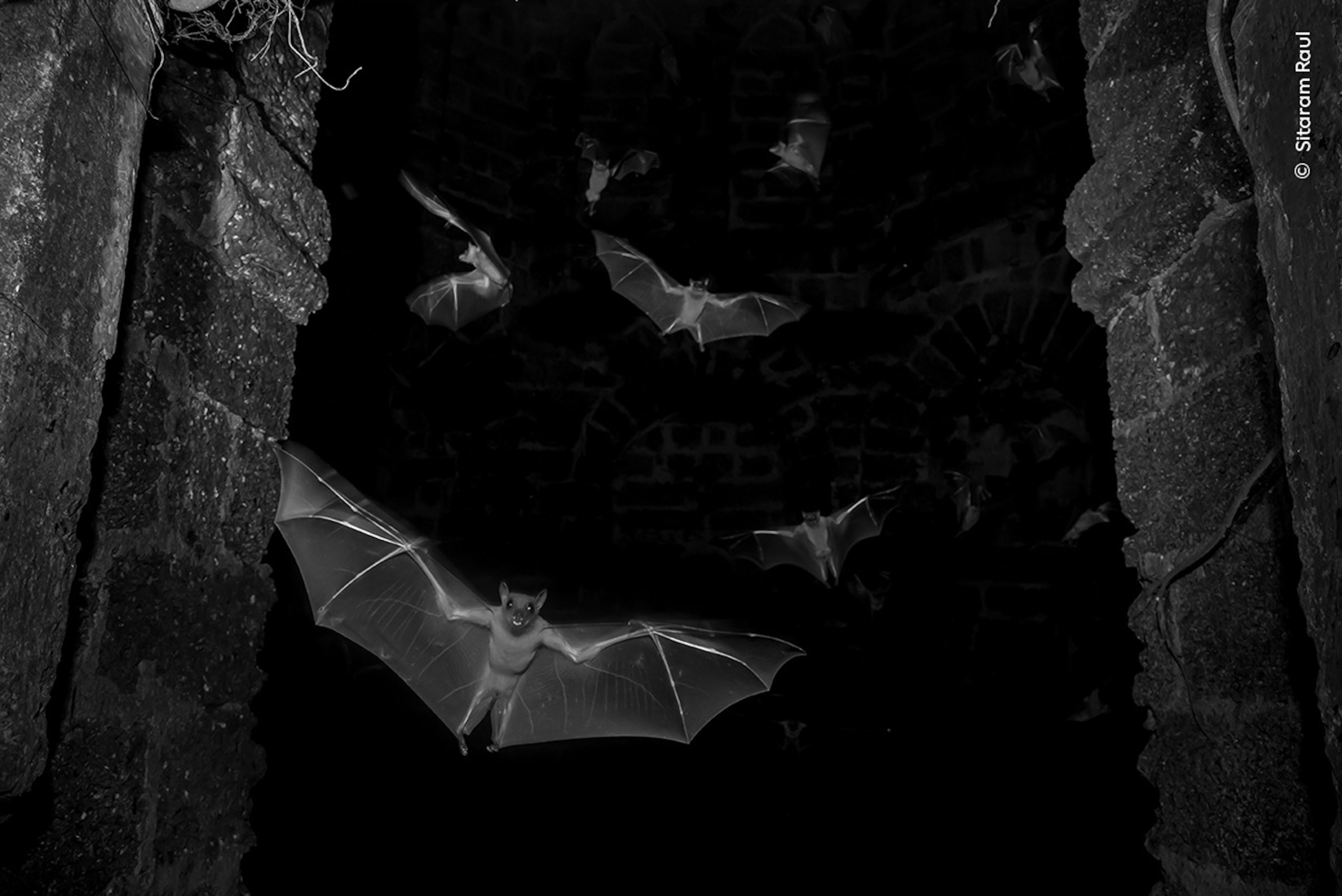
PHOTO: 2025 Wildlife Photographer of the Year
Sitaram Raul (India) is among the chaos as fruit bats leave their roost in the ruins of a historical monument.Sitaram Raul/Wildlife Photographer of the Year

In the ruins of an ancient Indian monument, Sitaram Raul endured an unusual hazard to photograph fruit bats flying. Working in complete darkness, he focused his camera where he thought the bats might appear, all while dodging what he called their “random pooping.”

More

I Want One, Somebody Actually Made A Star Wars Speeder Bike, That Works

I want a light saber too, but they shouldn’t give me one. I’d use it like Ben Kenobi in the Cantina bar at Mos Eisley.

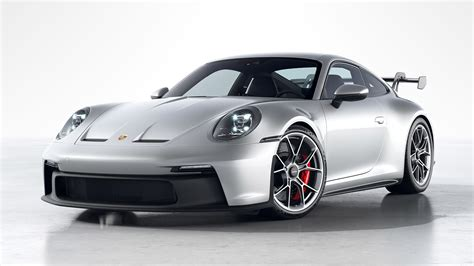
Because Who Wants An Electric Porsche 911 Or Ferrari?

I find this interesting because part of the thrill of one of these ultimate driving machines is the sensory overload. The sounds and smells are as much a part of the thrill as is the rush of being pushed back into the seat when you push down the loud pedal (accelerator for the under educated).

I’ve been to races for 6 decades now. You can smell the exhaust, tires and hear it before you get to the track. You don’t get that from a station wagon or an SUV.

Even if I lost my vision, I’d only not be able to see how sleek and fast they look. My other senses would say it’s a real car.

Fortunately, even though it is ridiculous E-Fuels, at least they aren’t going to plug in a 911.

I still open the window of my car just to hear them drive away.

Story:

With many automakers transitioning from petrol-powered vehicles to electrified ones, Porsche and Ferrari are pursuing a new strategy by concentrating on the advancement of eFuels to preserve gas-powered engines. This decision follows the European Commission’s delay last week of the proposed 2035 ban on new internal combustion engine vehicles as the commission prepares to carve out a role for eFuels after 2035.

“Porsche and Ferrari’s status as national icons was enough to move their governments to challenge the EU plan last week just days before a scheduled vote,” Bloomberg wrote. 

Germany’s Transport Minister Volker Wissing told the European Commission that he would withhold support for the approval of the new engine standards to end the sale of new combustion engine cars unless there were a plan for eFuels post-2035. Italy also threatened to fight the reforms.

European Commission President Ursula von der Leyen met with German Chancellor Olaf Scholz on Sunday, discussing a comprise that would likely involve eFuels. 

Germany and Italy are home to the world’s top sportscar manufacturers. There has been growing opposition against Brussels’ plan to ban petrol-powered engines. That’s because who in their right mind would purchase an all-electric Porsche 911? 

The alternative route, mainly for sportscar brands, is the development of eFuels as a climate-neutral way to preserve combustion engines—just something about the sound of a twin-turbo V-8 or V-6 that captivates motorheads.

While most carmakers are pouring tens of billions into the EV shift, Porsche has also invested in an e-fuel plant in Chile, partly because the manufacturer doesn’t plan to make its 911 sports car with a plug. Operating combustion-engine vehicles in a climate-neutral way could also help speed up the decarbonization of the transport sector, according to a Porsche spokesman. Existing vehicle stock should be included in the push to lower CO2 emissions faster, he added. Ferrari has said it’s pursuing alternative fuels to keep making combustion-engine cars that preserve its heritage.

Proponents of e-fuels, say they’re essentially renewable electricity that’s been converted into a combustible, liquid fuel. To make it, scientists combine captured carbon dioxide with hydrogen that was split from water in a process powered by renewable energy, creating a synthetic hydrocarbon fuel. When burned in a combustion engine, the e-fuels create carbon dioxide. But since it was made from previously captured CO2, they argue it’s climate neutral.

We’ve outlined the growing resistance among vehicle brands and motorsport organizations that are firm in their belief the combustion engine will be sticking around for years to come.