Trump Playing Chess As Interest Rates Drop on Tariff Announcement, Bringing Costs Down (The Others Are Playing Checkers)

President Donald Trump shared a video on social media Friday indicating that he’s playing chess rather than checkers with his tariff policy, given one result has been that interest rates have dropped.

Trump reposted the video on Truth Social, which another user originally created for TikTok, showing that he’s not particularly upset about the stock market taking a major nosedive over the last two days since he announced his new tariff policy.

The president said that he would be charging countries essentially half what his administration calculates, on average, they are imposing on the United States.

Further, there will be a 10 percent baseline across the board.

According to the video Trump reposted, he is “crashing the stock market by 20 percent this month, but he’s doing it on purpose.”

“Why is he doing this? To push cash into Treasuries, which forces the Fed to slash interest rates in May, and those lower rates give the Fed the ability to refinance trillions of debt very inexpensively. It also weakens the dollar and drops mortgage rates,” the narrator of the video said.

Lower interest rates for the consumer mean credit card payments fall and mortgage payments do too, which all puts money in the pockets of Americans.

Many have noted on social media — including venture capitalist and co-host of the “All-In PodcastChamath Palihapitiya, a Trump supporter — that the yield for 10-year Treasury bonds dropped to under 4 percent after the president’s Wednesday tariff announcement.

The reason is that when investors flee from stocks, they tend to go to Treasury bonds as a safe haven. When many people want to buy bonds, the yield goes down because it becomes a seller’s market. Buyers are willing to take less yield in exchange for higher security.

The video Trump shared above stated that one benefit from this trend will be tens of billions in savings to the federal Treasury in interest payments.

The total interest payment on the nation’s over $35 trillion in national debt last year was $881 billion, surpassing the total defense budget.

Finance expert Tanvi Ratna argued on X that what Trump is engaging in is a “full spectrum reset.”

“Start with the debt: $9.2T must be refinanced in 2025. If rolled into 10-yr bonds, every 1 basis point drop in rates saves approx $1B/year; so a 0.5% drop would save $500B over a decade. Lower yields free up fiscal room—without them, core spending gets crowded out,” she wrote.

One basis point is 0.01% (1/100 of a percent) or 0.0001 in decimal form. Here is the further breakdown of her calculations.

more of this advanced math and Trump making moves instead of kicking the can down the road like every other president is found here

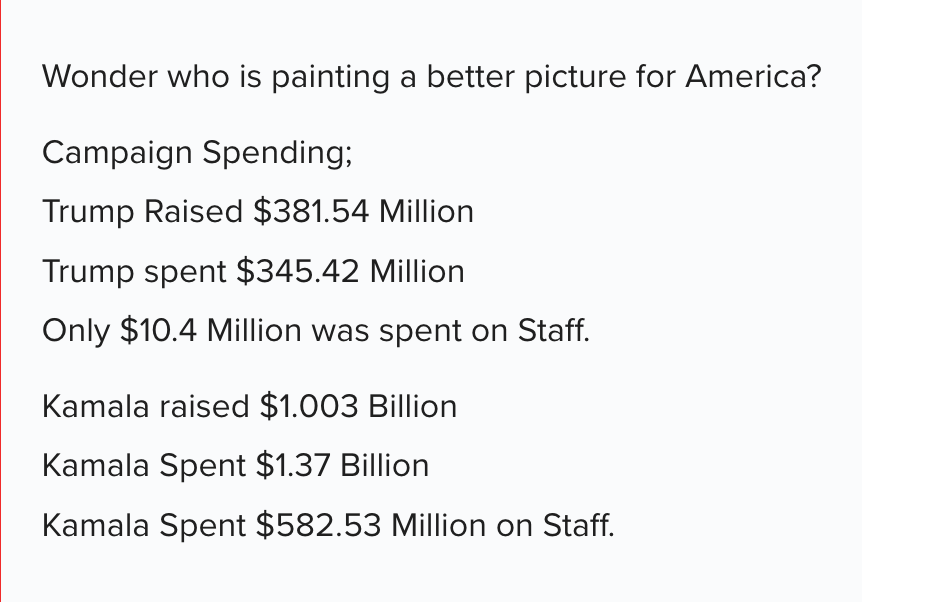
Kamala Had $1 Billion Donations, Three Months Later Post Elections, They are $20 Million In Debt – How?

The Kamala Harris campaign raised an eye-popping billion dollars over the summer and into the fall, but it still wasn’t enough to beat Trump. It’s a good thing Americans didn’t trust her with the economy and the budget. Oh wait, they did the last 4 years and now we are $35 Trillion in debt

The more astounding part of the story however, is that despite having such a huge war chest of cash, the Harris campaign is ending with $20 million in debt.

Is there a more perfect metaphor for Democratic governance than this?

From the Washington Free Beacon:

Harris’s Billion Dollar Campaign is Soliciting Donations and Selling Email List To Cover $20 Million Debt: Report

Vice President Kamala Harris’s billion-dollar campaign is reportedly soliciting donations from supporters and selling its email list to cover its $20 million debt.

Harris, who conceded the presidential race to Donald Trump Wednesday afternoon, ended her campaign with a debt of at least $20 million, sources told Politico’s California bureau chief Christopher Cadelago. The campaign is “selling their email list to make up for the losses,” according to Puck’s senior political correspondent Tara Palmeri.

The Harris campaign in an email Wednesday, well after voting ended, asked supporters to “donate to the Harris Fight Fund today to ensure we have the resources to elect Democrats down the ticket to hold the Trump administration accountable.”

A lot of this money went to concerts in swing states that did nothing to help Kamala’s campaign in the end.

Breitbart News reported:

In the end, the Kamala Harris campaign staged seven swing-state concerts on election eve, including performances by Jon Bon Jovi in Detroit, Christina Aguilera in Las Vegas, Katy Perry in Pittsburgh, and Lady Gaga in Philadelphia.

All of those swing states ended up in President-elect Donald Trump’s win column on Election Day.

While the pop stars reportedly waived their fees for Kamala, the campaign still had to pay for the staging, sound, security, and other costs associate with putting on a big rock concert.

source

And this gem:

Senior Harris Advisor Deletes X Account As “Massive Scandal” Brews Over $20 Million In Campaign Debt

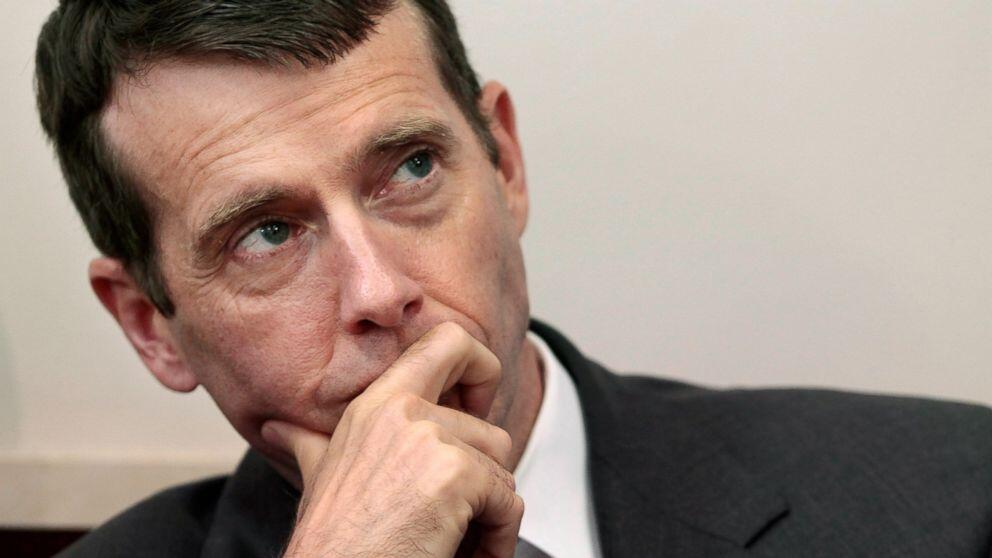
Former senior Obama advisor-turned-senior Kamala Harris advisor David Plouffe has deleted his X account after suggesting on Wednesday that Harris’ landslide defeat was Joe Biden’s fault for not dropping out soon enough, and right as a massive campaign debt scandal erupts.

“We dug out of a deep hole but not enough. A devastating loss,” Plouffe posted to X – in what many interpreted as a dig at Biden.

Boyle’s post in its entirety:

Ok so this just got very explosive. A Kamala campaign staffer who saw these posts called me just now and said there is a massive scandal here worthy of an audit.

The $20 million debt thing is real. Rob Flaherty, this staffer said, is currently shopping around the Kamala fundraising email list to anyone who wants it to try to raise the money back. This includes other campaigns and outside groups.

Flaherty is the deputy campaign manager and reports to Jen O’Malley Dillon.

Jen blew through a billion dollars in a few months and it was all Jen’s idea to do all the concerts.” — Kamala campaign adviser told me

This source added that O’Malley Dillon did these “concerts,” like Katy Perry, Lizzo, Eminem, Bruce Springsteen et cetera at the expense of “prioritizing and spending money on social media and other campaign priorities.”

Apparently a group in Georgia had to lay off 100 people because they couldn’t pay them.

It’s unclear at this time if the campaign PAID the talent to perform but the cost of production for the events was “immense.”

What’s more, this Kamala campaign staffer said several people who were working for the Kamala Harris for President campaign are still awaiting several overdue payments they were promised for their work. IE, they didn’t pay the staff.

This Kamala campaign staffer said to me of @jomalleydillon

“People didn’t like working with her. Many people on the campaign felt like we lost because Kamala wasn’t allowed to run her campaign. They were running Joe Biden’s campaign instead of a Kamala campaign. Obnoxious and very much a gate keeper and interfering with the vice president’s people who were trying to do their job.”

Electric Transmission Buildout Could Cost Americans Trillions Of Dollars

Though windmills and solar panels get the headlines, the big energy topic in Washington is electric transmission. Whether it is Congress’s newfound interest in permitting reform, the U.S. Department of Energy’s new Grid Deployment Office, or the Federal Energy Regulatory Commission’s (FERC) upcoming final rule on transmission planning and cost allocation, how to build and pay for long-range transmission to connect generators to customers is considered the final piece in the quest to meet net-zero goals.   

Like so many issues in Washington, the need for more transmission lines is accepted without question and the costs are not considered. But for American consumers, especially low-income and elderly, as well as small businesses and energy intense manufacturers, building new transmission lines could result in much higher monthly bills and leave them on the hook for stranded assets.

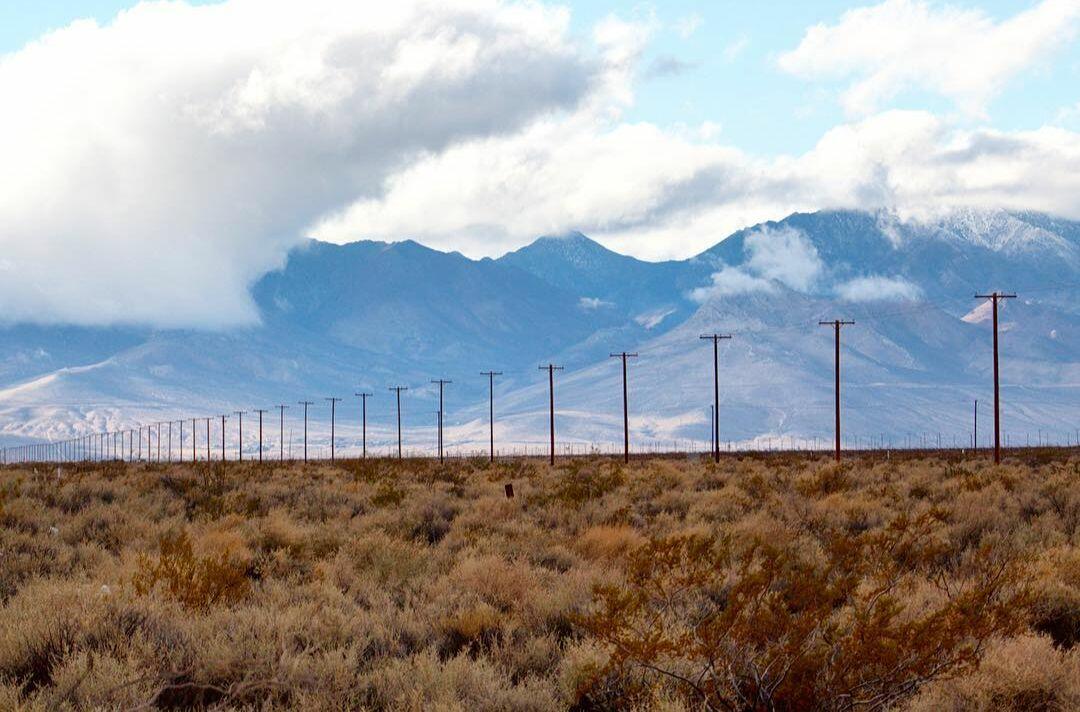
Traditionally, high-voltage transmission lines, consisting of 150-foot lattice towers crossing the landscape for hundreds of miles, were planned for by local utilities to meet their customers’ energy needs and subject to approval by state public utility commissions. But public policy goals to promote renewables are changing how the grid is being developed.

Over the past few years, States established renewable energy mandates; Congress enacted over $1 trillion in taxpayer subsidies for renewable energy; and President Biden issued an executive order setting net-zero goals for electricity generation by 2035. To fulfill these policies, the grid needs new high-voltage transmission lines—lots of them—and they will be expensive.

According to the “Net-Zero America” analysis published by Princeton researchers, achieving net zero goals with 100% wind and solar by 2050 will require an additional $3.5 trillion in capital spending for new transmission lines. If net-zero goals are pursued with a mix of renewables, nuclear, and natural gas generation (which may include carbon capture), then a significant portion of this transmission investment would be unnecessary. Furthermore, a balanced resource mix of dispatchable and renewable resources would enhance grid reliability without overbuilding renewables or transmission.

More

Fiscal Cliff Put Into Perspective of a Household Income

Lesson #1:
U.S. Tax revenue: $2,170,000,000,000
* Fed budget: $3,820,000,000,000
* New debt: $ 1,650,000,000,000
* National debt: $14,271,000,000,000
* Recent budget cuts: $ 38,500,000,000
Let’s now remove 8 zeros and pretend it’s a household budget using the
Same numbers:
* Annual family income: $21,700
* Money the family spent: $38,200
* New debt on the credit card: $16,500
* Outstanding balance on the credit card: $142,710
* Total budget cuts so far: $385.00
Easier to understand ??…….OK now,
Lesson #2:
Here’s another way to look at the Debt Ceiling:
Let’s say, You come home from work and find
There has been a sewer backup in your neighborhood….
And your home has sewage all the way up to your ceilings.
What do you think you should do ……
Raise the ceilings, or remove the sewage?