
Category: My LIfe

Which Aspects do you think Make A Person Unique?


The real answer is almost everything. From the minute you are born, you live a different life from everyone else.
So the real answer is life. It shapes everyone differently, from the experiences to how we handle them. Even Identical twins have separate lives.
Unless you could do everything at the same time with the same person and have the same response, you are different.
That is comforting to me, because I don’t want what anyone else has. My life is mine.
On a side note, have you ever looked at a group of people together? How is it that we have that many people and not a one of them is the same? Different eyes, nose, ears, chin, size, shape, coloring, and the list goes on.
I could bring God into this conversation, but I know a lot of you have different views, so I’ll just leave it at this. Go ahead and try to find 2 people who are the same, or even close.
Share this:

If You Could Have Something Named After You, What Would It Be?
Daily writing prompt
If you could have something named after you, what would it be?


Either a mountain or a church. I’m most at home when I”m in the mountains, which is strange since I grew up at the beach. Tourists ruined that for me.
I long for the quiet and peacefulness, and the weather in the summer.
No one is going to remember me for anything, so a church might want them to consider eternity and make a decision to dedicate their life to God instead of ruin it like most do.
Share this:

What’s Something Most People Don’t Understand?


Aside from the fact that there is a God, this is an easy one.
No one gives a shit about you, really. Not long after you die, people don’t even think of you, other than in a story. Two generations after you die, virtually no one remembers you or anything you did.
Think of all the people who have come and gone in your life. You don’t think about 90% of them. Who remembers every kid in elementary school? How about the kids on the street you grew up on. When did you speak with them last? Did they initiate the conversation?
Most people overestimate their importance, especially to others. Your spouse will likely even get remarried if you die.
This works for me on a lot of levels, though. I have eliminated a lot of people from my life who weren’t making it any better. That’s a thing that is best for introverts, though.
This fact has been my best friend in a lot of instances. I even got rid of Facebook because too many people wanted back in my life that I thought I’d gotten rid of.
Share this:

Introvert Memes

How Has Technology Changed Your Job?
It was my job.
I got into computers before there was a PC. When I saw the introduction of the Apple II and the IBM-PC, I saw the opportunity door of life open, and I was first in line.
Here’s what I was doing when it happened. It’s the Madmen Story about dicking around at work
No one else could figure out what to do with them, as I lived in a mainframe world. I learned everything I could, and by the time others started playing with them, I was an industry insider. I worked with some of the smartest people in the industry. It was fun to know what was coming years before they announced it.
I even had time to pull off stunts like this.
I did virtually every job you could do, from technician/programmer to industry spokesman to one of the people planning the future 5 years in advance.
Share this:

How Often Do You Say No To Things That Would Interfere With Your Goals?
Daily writing prompt
How often do you say “no” to things that would interfere with your goals?


The answer is not enough, but it’s changing.
I used to worry about other people’s feelings, and I wound up doing a lot of stuff that I didn’t want to do. I found out later that they didn’t really care and felt expendable. They would have been ok if I was there or not, so I wasted a lot of time.
Now, I’ll make exceptions for some of my family, but I say no a lot. Sometimes, my goal is that I just don’t want to do what they want to. When I found out they didn’t really care, and I wasn’t hurting anyone’s feelings, I am just fine saying no to almost anything and everything.
My goal is to avoid crowds and people whenever possible now
Share this:

Who Was Your Most Influential Teacher, and Why?


That’s easy, life and mistakes.
I learned way more from mistakes than I did from successes. I expected them. Having to re-do something, or being embarrassed for saying or doing the wrong thing, were lessons I never forgot. For the record, I consider losing the same thing as a mistake. I hate to lose at anything. If I do, I make sure it only happens once in a row,.
Life is a great teacher. When you get old like me, you’ve been through a lot. School can’t teach you much other than how to learn, or some facts to memorize. Having to survive is a lesson that I get every day. Hell, I’m grateful every day I wake up now.
Share this:

Introvert Memes

What Movies or TV Series Have You Watched More Than 5 Times?


The real Star Wars movies, but only 4,5 and 6. The prequels and the sequels were horrible. I saw The Empire Strikes back 8 times in the theater at $2.00 a ticket.
All of the Captain America movies, especially The Winter Soldier. On your left.
The Final Countdown was my go-to movie when I called in sick to work, while in reality, I was taking a day off.
Star Trek, The Wrath of Khan, and all of Star Trek, The Original Series TV episodes. Heck, I saw them when they aired the first time in the 60’s.
I’ve seen all of the Looney Tunes and all of the Tex Avery Tom and Jerry cartoons.
I must have seen the Original Jonny Quest well more than 5 times, every episode. I used to get high as a kite in college and watch a bunch of stuff.
Share this:

10 Things About Owning A Dog, By a Dog (Paul Harvey)
My heart gets torn up when I read this. I hate when people are mean to dogs. They just want to love you and can’t understand why you don’t. Some people shouldn’t be allowed to own them.
1. My life is likely to last 10 to 15 years; any separation from you will be painful for me. Remember that before you adopt me.
2. Give me time to understand what you want from me; don’t be impatient, short-tempered, or irritable.
3. Place your trust in me, and I will always trust you back. Respect is earned, not given as an inalienable right.
4. Don’t be angry with me for long, and don’t lock me up as punishment; I am not capable of understanding why. I only know I have been rejected. You have your work, your entertainment, and your friends, but I have only you.
5. Talk to me. Even if I don’t understand your words, I do understand your voice and your tone. You only have to look at my tail.
6. Be aware that, however you treat me, I’ll never forget it, and if it’s cruel, it may affect me forever.
7. Please don’t hit me. I can’t hit back, but I can bite and scratch, and I really don’t ever want to do that
8. Before you scold me for being uncooperative, obstinate, or lazy, ask yourself if something might be bothering me. Perhaps I’m not getting the right foods, or I’ve been out in the sun too long, or my heart is getting old and weak. It may be I am just dog-tired.
9. Take care of me when I get old. You too, will grow old and may also need love, care, comfort, and attention.
10. On the difficult journey, on the ultimate difficult journey, go with me, please. Never say you can’t bear to watch. Don’t make me face this alone. Everything is easier for me if you are there. Because I love you so.
Share this:

What is the one question you hate to be asked?


Tell me more about yourself, or show me what you learned recently (speak in a foreign language). It is especially painful in a social icebreaker. I know they don’t really care.
I feel like I’m a trained monkey on display when I get this question. Most people get nothing really. Tell me what you’ve been up to? Do a trick for me. Entertain me with what you can do. That’s when I change the subject
If I know the person, I might share something I’ve done, but without details. Most people bore you with details that aren’t significant to the story. Only my inner circle will get to know my feelings or what I really do.
I also tend to listen more to men. Females have a hard time telling a story without adding details that aren’t relevant and distract from the story. It’s why male comedians are funnier. Listen to Richard Pryor or Robin Williams. They are always funnier than, say Amy Schumer or any of her ilk.
Share this:

A Great Day At The Office
My second job, around 1983, was at a Personal Computer store, International Computer Systems. At that time, I managed the largest independent computer store in the country, located in Coral Gables.
These were the beginning days of PC’s, before the XT. We had a 2 floppy IBM-PC and an Apple II. About the best software you could get was Visicalc. We were barely past DOS 1.0.
Now for the good day.
It was hectic every day, as there were 3 times as many people who were tire kickers as there were buyers. We were a block away from a Computerland Corporate store, which we out-sold mostly on hustle and knowledge.
If you go back to my first job, and hanky panky at the office, I talked about being picked up by the cologne girl at the escalator. Her name was Leila. She was scoping me out as we all went out together at the end of the day, and she picked me out as her target. This is the girl who they made the joke about being able to suck the chrome off of a trailer hitch.
Needless to say, it worked. I took her out on a date. If you read the story at the link, I’d been pulling a lot of ass at the time, given the place that I worked. It only took one date to get her to the bedroom. I found out that she had a special talent with her mouth. By far, it was the best hummer I’ve ever gotten. Some have been really good, but she took it a step beyond into being the best. While we dated, it was anytime and anywhere. She even said that she wanted me to sleep well, so that meant nightly.
Of course, she had the obligatory ponytail holder on her wrist.
Well, time took its toll, and we moved on, but she lived a block away from my computer store.
Here’s the good part.
After not seeing her for months, one day, she came into the store. I was on the phone in my office in the back, as it was the weekly call to order inventory. It was a total crapshoot as to what we were going to sell, but I’d be on the phone for about 30 minutes getting what I thought I’d need.
I was happy to see her and waved her in. She came in knowing she was going to blow me as she was grabbing my crotch while I was trying to remember what size memory chips I needed. I signaled for her to go close and lock the door, and before I knew it, my pants were down.
As she was performing her magic, I finally had to tell Sam at the warehouse that I’d call him back.

It’s 2 o’clock in the afternoon of what I thought would be another day of drudgery, making deals on PC’s. Instead, her head is in my lap, bobbing up and down. Her technique was so good that it was over pretty fast with no mess. She loved to swallow. I zipped my pants up, called Sam and told him what had happened, and she just left as she knew I was busy.
It’s not often that you get a hummer at work, and it’s usually not spontaneous. It made for a great day. The whole thing ws her idea as I hadn’t talked to her in a while.
I told everyone when I got home, and my friends all wished they were me, because I told them how good she was at it when we were dating.
Those were the days when HR didn’t ruin everything fun at work.
Share this:

What aspects of your cultural heritage are you most proud of or interested in?
What aspects of your cultural heritage are you most proud of or interested in?
Although my ancestors came to this country from multiple European countries, it was too long ago. I have no knowledge of anything beyond which country they came from.
My family fought on both sides of the Civil War. I don’t take sides; I learn from history.
There are some things I can’t change. I was born White and a man. I’m good with it and don’t want to be anything else.
I loved my parents and some of my family. I put up with the rest and avoid some with vigor.
I guess I don’t take it too seriously, as my heritage is a mish-mash of so many things, I could fit into most categories, except the obvious. I’m also too old now to change anything, so I am who I am. I’m interested in the timeline at this point, and who died early or late that is closely related to me. I’m headed to the finish line at some point in the future.
What about you?
Share this:

My Uncle’s Contribution To WWII – The Final Chapter
This if the final chapter of what he wrote. These are the links to the first part of the story. It is all firsthand from a kid who had to grow up as soon as he graduated from high school to commanding men and learning to fly what was then the most complex plane ever built, and very similar to the ones that dropped the Atomic Bombs on Japan.
My Uncle’s Contribution To WWII – A B-29 Pilot
My Uncle’s Contribution To WWII – A B29 Pilot – Part 2, Pearl Harbor To Tokyo
We flew three Prisoner of War missions wherein we dropped food, clothing, and medical supplies to our prisoners in their prison camps. One of the conditions stipulated in the Japanese surrender was that they must clearly mark all of the Prisoners of War camps with a large red cross on the roof, or in the yard, so it could be seen by aircraft flying over. We flew to camps located in Formosa (now called Taiwan), Shikoku and Tokyo. After dropping the POW supplies in Tokyo, we flew at approximately 500 feet over the remains of the city at our leisure, as did several other B-29 crews. The devastation of the city was unbelievable.
On October 2, 1945, our crew was assigned to be in the first group of airplanes to start home in Sunset Project #5. I flew airplane numbered A Square 47 named “Sweat’erOut” to Kwajalein, Oahu, and Fairfield-Suisun Field at Sacramento, California, landing October 5, 1945. Approximately two hours out, we had to feather a prop because an engine was running out of oil. Accordingly, my last landing in a B-29 was a three-engine landing. That was my last flight in a United States Army B-29.
The entire military establishment was in a state of extreme confusion after the War ended. It had millions of men in uniform, and most wanted to get out, but not all. I elected to remain in the U.S.Army because I was married and had no skill other than knowing how to fly. I was given 45 days of Rest, Relaxation and Recuperation leave and told to report to my unit, the 73rd Bomb Wing (VH) at March Field, Riverside, California, on December 4, 1945. That date was extended to January 10, 1946. Orders were changed while I was on leave, and we were now told to report to McDill Field, Tampa, Florida on January 10, 1946…but I didn’t get the change notice. Margaret and I bought our first car, a used one, from Holler Chevrolet on West Central Boulevard in Orlando. It was a 1942 black two-door Chevrolet Cabriolet. We drove it from home on leave in Orlando to Riverside, California, carrying my brother John as far as White Sands, New Mexico, where he was to be stationed. We rented a bedroom living accommodation with an Indian family in Riverside, Calif. before I got the word that we should be in Tampa, Florida. We hopped in our car and drove rapidly back across the United States to Tampa.
While I was based at McDill Field in Tampa, there was a surplus of officers with nothing to do, and I elected to attend an officer’s maintenance-training course across the field. I also got a part-time job ferrying new Luscombe Silvaires from their factory in Garland, Texas, near Dallas, to a privately owned Fixed Base Operator at Clearwater, Florida, for $100.00 each ferry trip. I made four or five ferry flights for him. On one flight, I landed in Orlando to spend the night, and the next day I took Margaret and my sister Mary for a ride in the brand new Luscombe Silvaire. Because it was a two-seat airplane, I had to make a second flight to take my sister up. It was the first time either of them had ever flown. It was while I was ferrying these airplanes that I became aware that Eastern Air Lines was hiring pilots in Miami.
My last flight in a U.S. Army airplane was a four-hour ride (required to be eligible for flight pay) in a B-25 on July 9, 1946.
July 18, 1946, I was transferred to Ft Bragg, North Carolina, to be separated from the U.S. Army Air Corps. My date of discharge was effective September 30, 1946.
I had served in the Army for a total period of four years and six months. First, I was an enlisted man for six months, an Aviation Cadet for nine months, and an officer for three years, six months, and six days. I was 23 years old when my military career ended.
The three Medals and decorations I was awarded were for what I consider rather modest accomplishments:
I was awarded the Air Medal with one oak leaf cluster (in lieu of a second Air Medal)
I was awarded the Asiatic-Pacific Campaign Medal with two stars (for two different battles in which I participated)
I was awarded the American Campaign Medal for having been in a branch of the military service.
To be employed by any airline, a pilot must have a Flight Instrument Rating endorsement on his civilian flying certificate. On July 24, 1946, I started flight training for my instrument rating in a Fairchild 24 light airplane at the Cannon-Mills airport located in east Orlando. It was located approximately where the 100 block of South Semoran Boulevard runs today. I obtained the instrument rating on September 19, 1946. I was hired as a pilot by Eastern Air Lines on October 6, 1946, six days after my military terminal leave ended. At Eastern, I flew for 38 years until I reached the mandatory retirement age of 60 on my birthday, January 14, 1983.
P S I was recalled to Active Duty with the newly created United States Air Force on June 1, 1951 during the Korean War. Because my civilian employment was with an airline, I was assigned to the military airline, called Military Air Transport Service, based in Mobile, Alabama, at the Brookley Air Force Base. MATS was the acronym of the military’s airline. I flew the huge unpressurized C-74 Globemaster (equipped with the R-4360 engine) airplanes across the Atlantic Ocean usually to Tripoli, Lybia but occasionally to England or Germany. I was released from Active Duty one year and four months later on September 12, 195,2 and returned to our home in Coral Gables, Florida, to resume my civilian career as a pilot with Eastern Air Lines, for whom I flew the next 38 years.
Interestingly enough, in May of 2001, I was qualified to fly as co-pilot of the only existing B-29 that still flies, owned by the Commemorative Air Force of Midland, Texas. It was 56 years since I last flew in that type of airplane.
Share this:

Stuff I Noticed Driving Between States
While I was traversing a couple of states last week, I noticed a couple of trends.
First, Truckers were a lot more aggressive and less cautious than before. They used to be afraid to lose their license, but with California giving Commercial licenses to illegals, I was getting cut off, pulled out in front of me without a signal, and the aggressiveness was disturbing.
I used to be able to count on them staying in the right lane and only coming out to pass really slow people, then going back into their lane. A lot of drivers did do this and when thanking them with a wave, they were Americans who were veteran drivers, probably with hundreds of thousands of miles under their belt.
When I got cut off, I was about to give the driver the Italian what’s a matter you with my hand (not the finger, the whole hand), and they clearly weren’t American-looking. That’s when the pattern was revealed to me
The next thing I noticed was a similar erratic driving style, then read this:
After multiple recent deadly car crashes across the United States involving illegal aliens, Florida has changed its driver test policy to require all prospective drivers to take the test in English.
“All driver license knowledge and skills testing will be conducted in English” for both non-commercial and commercial driver’s licenses, according to the new policy.
This is common sense to keep the American people SAFE!
Whether you’re driving a sedan or a big rig, you need to be able to read the rules of the road and communicate with law enforcement pic.twitter.com/DX1pVKV8ED— Secretary Sean Duffy (@SecDuffy) February 9, 2026
I wasn’t in Florida, so I guessed they weren’t from America.
The other thing I noticed is the willingness of people to trust a piece of shit car that smoked like a big green egg cooker on an interstate trip. I saw one car and remarked, they ain’t gonna make it. Sure enough, two exits later, they were pulling off as their unmaintained car broke down.
It sucks to be stuck on a highway a long way from home, with no water or food, and your transportation gives out.
I was in the big storm that hit so they coulda froze to death also. I drove on ice at one point for 10 miles.
There are some people we need to get off the road, or give them driving lessons.
At least learn English so you can read the signs.
For the record, I also got passed by a cool ass Ferrari that my truck didn’t stand a chance of catching up to so I could catch a look. It sounded great, though.
Share this:

The Dems Knew The 2020 Election Was Stolen, But The Consequences Were 12 Years Of Trump Instead Of Being Done In 8
They did everything they could to get rid of him. There were impeachments, illegal raids on his house (that found nothing), a massive amount of lawsuits, a fake pandemic, a fake January 6th Insurrection, 2 assassination attempts, lawfare, and Russiagate.
They were trying to prevent him from finding out the illegal activities and money laundering of the deep state. He wasn’t one of theirs that they could control and be his puppeteer, like they did with Biden.
What they didn’t realize was that they could have been done with him in 2024. It was very short-sighted by the uni-party, deepstate, and anti-American politicians who vie for power and money in Washington. Instead, they threw their gauntlet at preventing him from running and winning in 2024.
The result? Four more years of Trump, while he was still relevant in the four useless years of the Biden presidency.
He is now dismantling even more of their power, like US Aid, the UN, the WHO, the Climate Hoax and the other lies.
My wife’s relatives live in Scandinavia. I had to cut them off from social media because they believed the news, which also hate Trump and spewed stuff I couldn’t stomach anymore. I’m laughing at them getting a triple serving of Trump instead of this being the presidency of someone else, and Trump would have served his 4 years.
He got stronger in between terms and came down harder on the swamp.
I’m laughing at all of them hating each day they wake up, and Trump has succeeded at everything from lowering food prices, lowering inflation, bringing more peace around the world and defying the global power machine.
I don’t get to see it, but I know the Europeans on my wife’s side must be seething. It’s schadenfreude for me, but after decades of marriage, which gave me decades of America-bashing by them is very funny and just deserved, just like it is to the media, the swamp, and the other retards in government.
NBADJT
Share this:

Introvert Memes
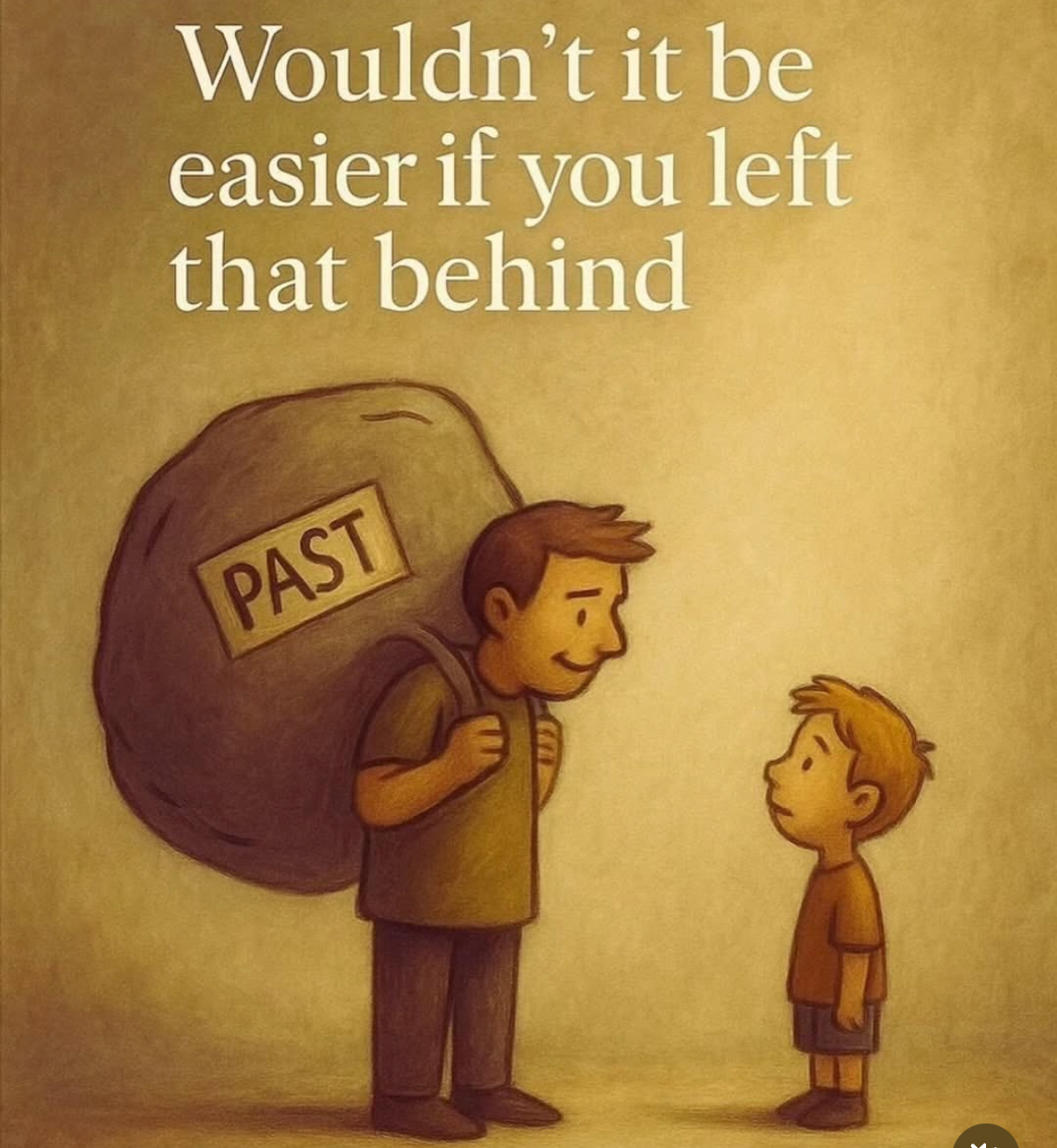
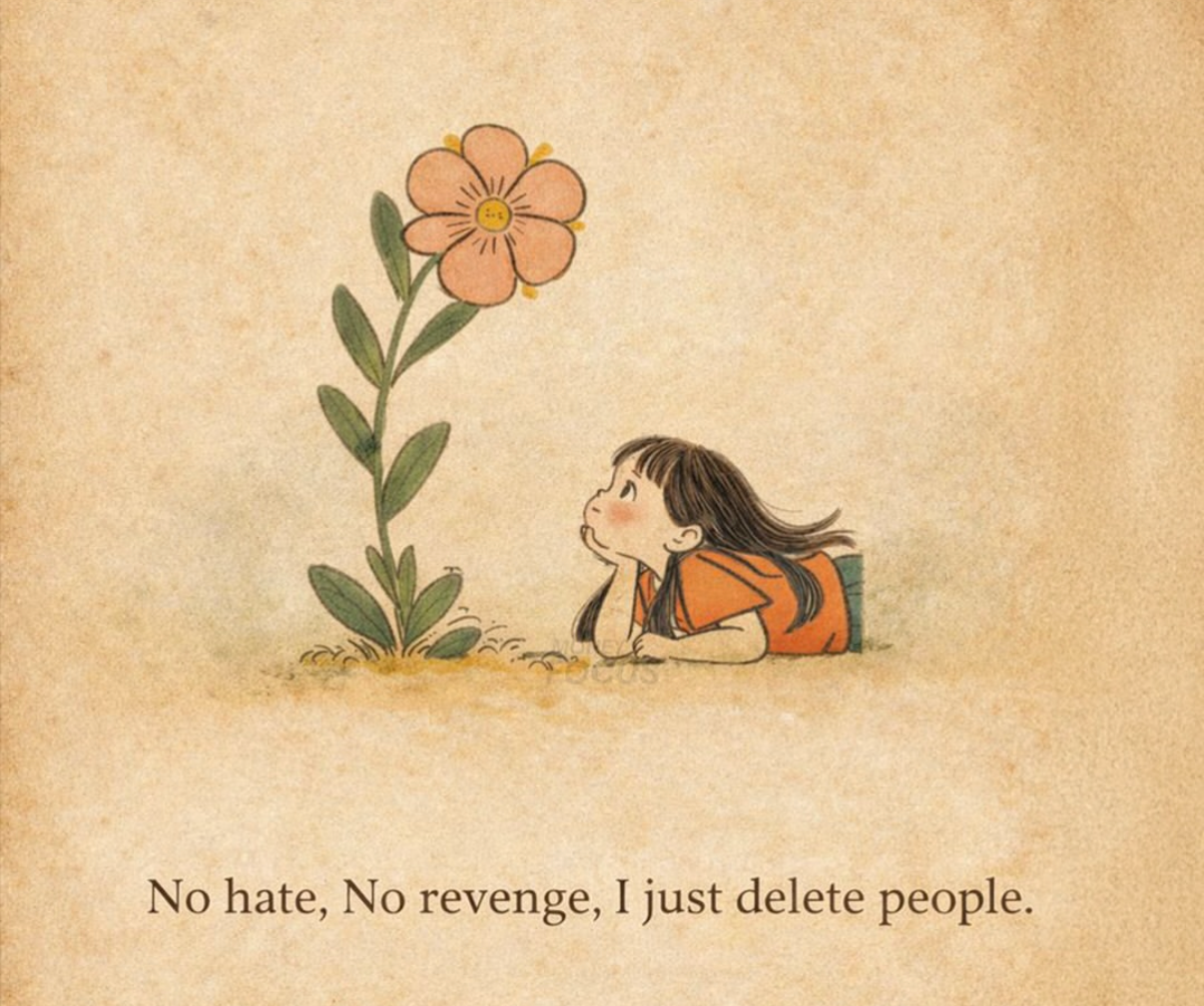
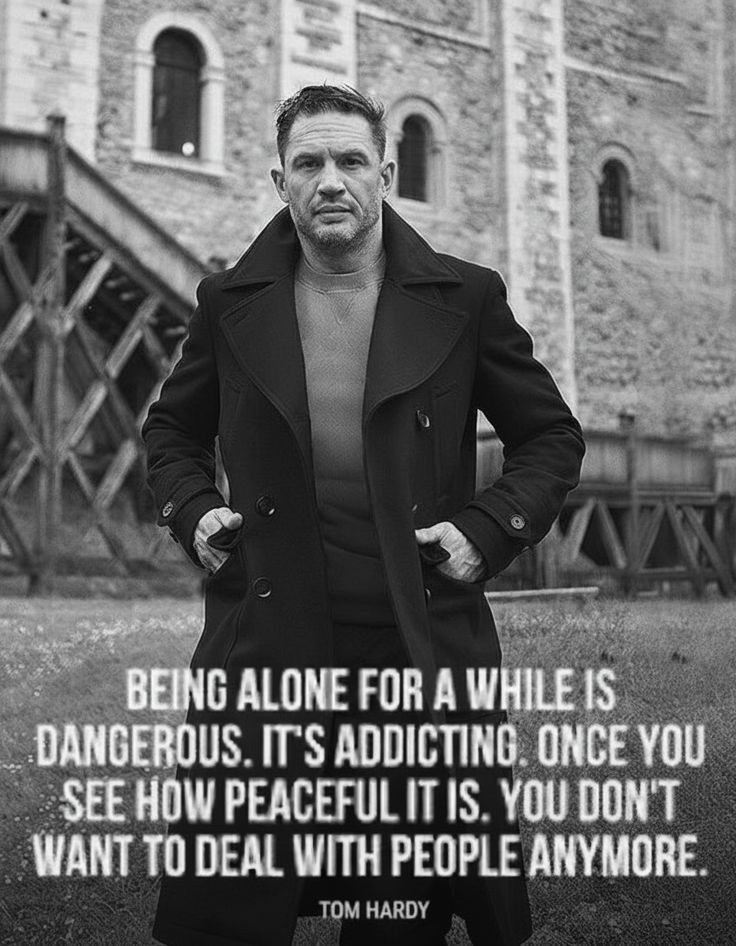

Marriage Monday Meme’s
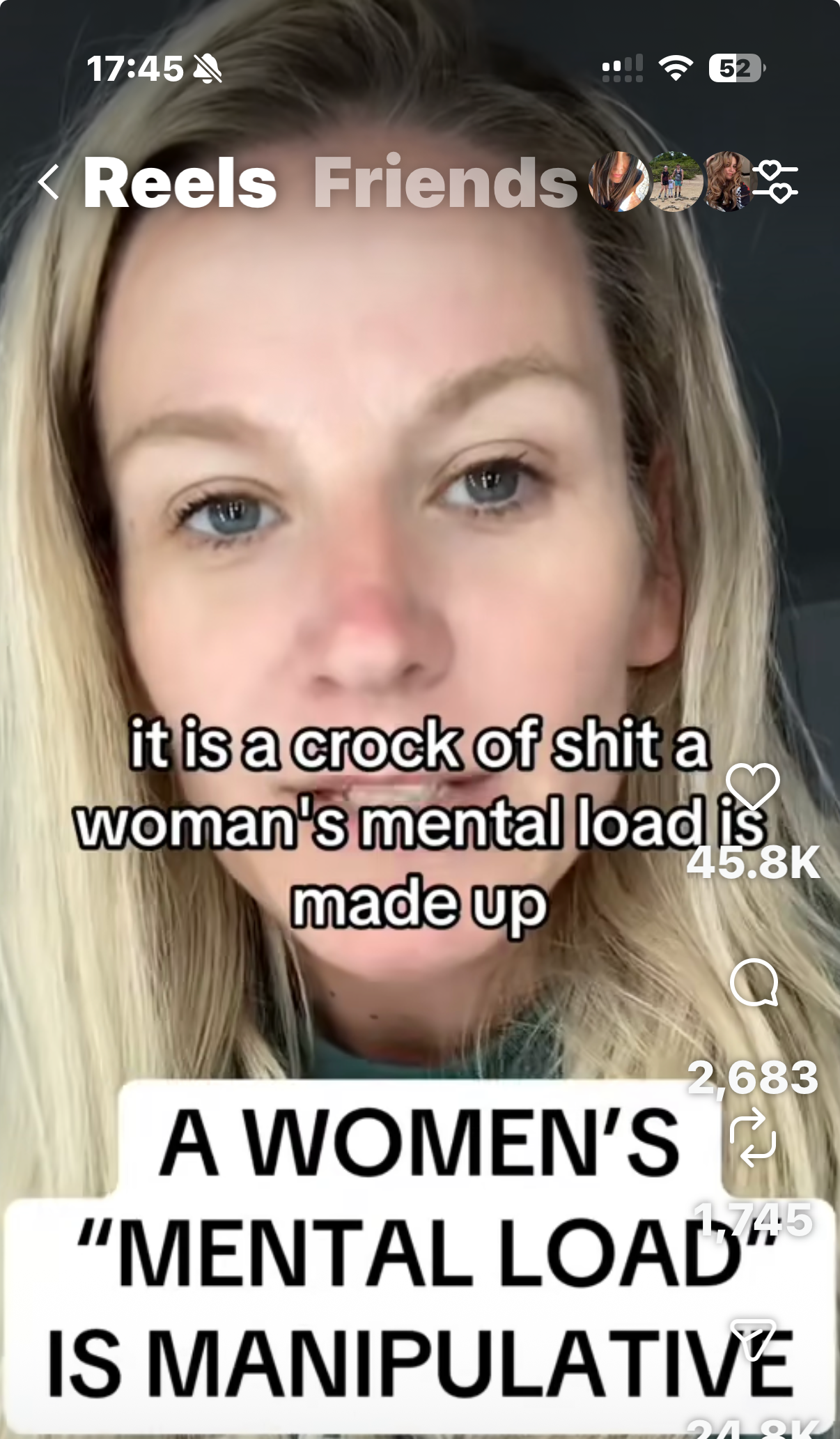
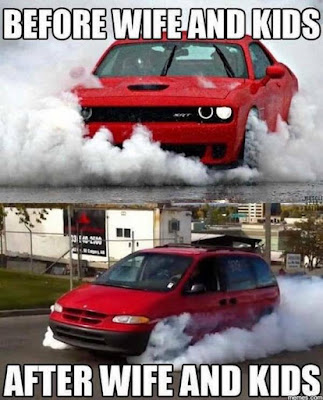
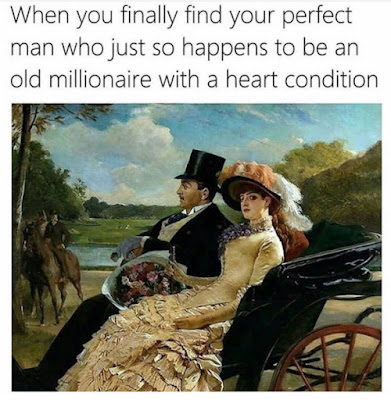


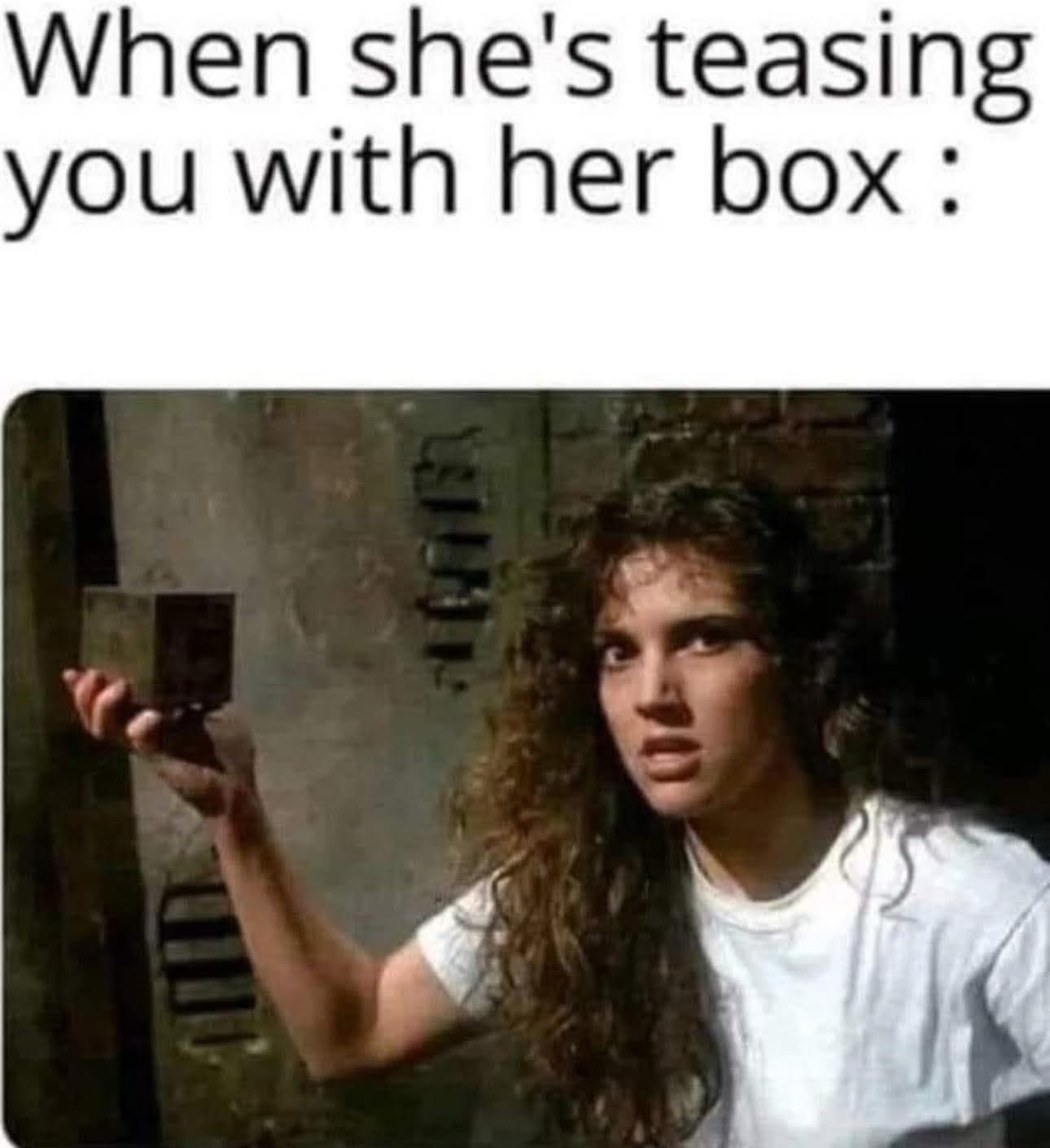
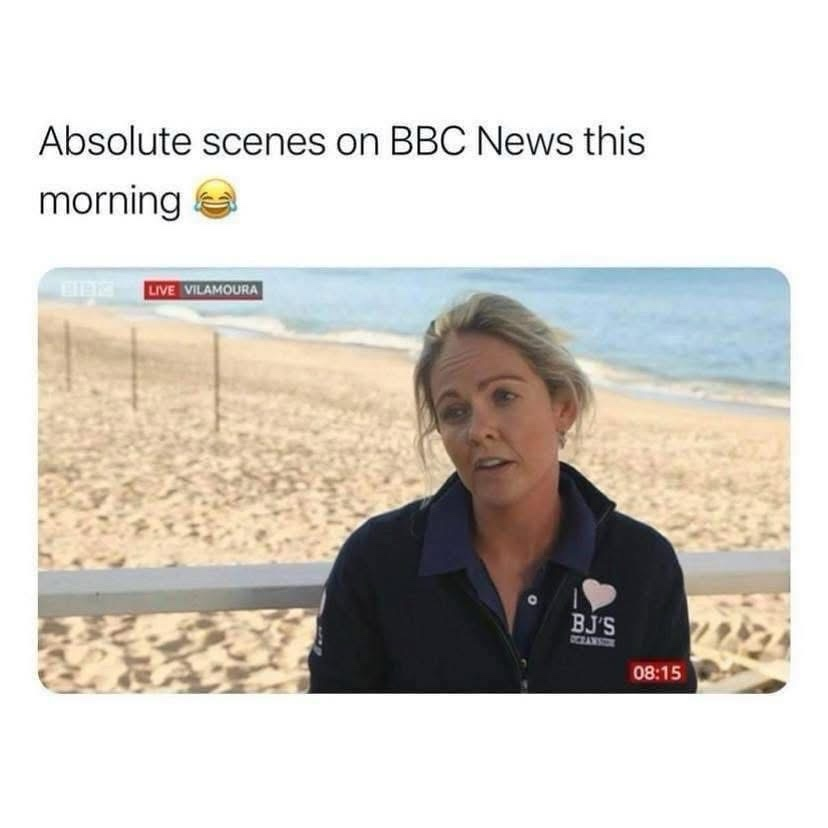



Introvert Memes







12 Reasons to Celebrate Introverts on World Introvert Day (Jan. 2)
Why We Should Celebrate Introverts By Jenn Granneman
1. Introverts really know their stuff.
I have an introverted friend who is basically a walking encyclopedia of Celtic myth. For example, if you ask him about the hero Cú Chulainn, he can not only tell you how he died, but also what kind of chariot he drove around in. Listening to him talk, I’ve found myself thinking, “Wow, he really knows his stuff!”
That’s because many introverts love learning and adding to their vast stores of specialized knowledge. It’s no surprise they often become experts in their field.
2. Introverts are problem-solvers and idea generators.
Introverts tend to gravitate toward working alone. Rather than chatting in the break room, we’re often the ones sitting at our desks, quietly turning ideas over and over in our minds. And there’s a big benefit to this. When you’re with other people, your brain is forced to multitask. Even if you’re not talking with someone, part of your attention is occupied just by their mere presence, research suggests.
When you’re alone, you can clear your mind and focus your thoughts. All this deep, concentrated thinking can lead to novel solutions and brilliant ideas. Working alone can even lead to more ideas. “Decades of research have consistently shown that brainstorming groups think of far fewer ideas than the same number of people who work alone and later pool their ideas,” according to psychologist Keith Sawyer.
So forget the brainstorming group. Take a cue from introverts and spend some time in solitude.
3. Give up? Not yet.
Speaking of problem-solving, introverts tend to stick with problems longer — well past when everyone else has moved on to another topic or gone home for the day. Albert Einstein, the world-renowned physicist who developed the theory of relativity, was probably an introvert. He said, “It’s not that I’m so smart, it’s just that I stay with problems longer.”
4. Introverts make better team players than extroverts over the long run.
Corinne Bendersky and her colleagues found that while extroverts make great first impressions, they may disappoint us over time when they’re part of a team. Their “value and reputation at work diminish over time,” explains Bendersky. “On a team, you’re expected to work hard and contribute a lot. But they’re often poor listeners, and they don’t collaborate.”
Ouch.
Introverts, on the other hand, may work harder on a team because they tend to be conscientious; they don’t want to be seen as not pulling their weight. So, while companies may initially be attracted to extroverts, bosses should remember that introverts pack a powerful (yet understated) punch.
5. Introverts are capable of incredible depth and intimacy in their relationships.
We “quiet ones” have a penchant for quality, one-on-one time and deep conversations. Instead of talking about the weather or what you did this weekend, we want to peek into your inner world. What have you learned lately? How are your ideas evolving? How are you really? When you have an introvert in your life, you may experience emotional intimacy like never before.
6. Introverts know the power of words.
As the nickname suggests, we “quiet ones” tend to listen more than we talk and think carefully before we speak. We try to choose our words thoughtfully because we understand that once said, words can’t be retracted or easily forgotten.
7. Introverts are low maintenance.
You can leave an introvert alone for hours (or even days!), and we’ll be content to do our own thing. No need to constantly text us, check in on us, or “babysit” us.
Why? Because introverts tend to be self-starters, and many of us are drawn to working quietly and steadily on our own. In fact, you’ll probably only hear from us if we have a problem we can’t fix (and believe me, we’ve tried solving it a dozen times before coming to you). Similarly, we don’t need constant praise, gold stars, and shoutouts in the company newsletter (although sure, those things are appreciated). If we’re working hard, we’re likely drawing motivation from within.
8. Introverts can be the calm in the center of the storm.
Reserved and often self-contained, introverts are known for exuding calm — even when there’s a storm raging inside us. We’re often the ones quietly creating an action plan while everyone else is stressing over the company’s latest policy change. And in this way, our methodical approach to chaos benefits everyone.
9. Introverts “get” you.
Although it may seem counterintuitive, solitude can actually help you connect better with others. Why? Because spending time alone — which introverts love — may enhance our empathy, especially for people outside our typical social group, according to research. Being alone often involves reflecting on our actions, beliefs, and experiences, which helps us develop a deeper understanding and stronger empathy for others.
10. Introverts look before they leap.
Compared to extroverts, introverts generally prefer a slower, more deliberate pace of life, and this difference stems from the way our brains are wired. Many of us hate rushing into things; whenever possible, we take time to consider all potential outcomes before making a decision. This applies to our careers, personal lives, and relationships.
For example, one study found that extroverts may jump into a new relationship more quickly than introverts. An Katrien Sodermans and her colleagues revealed that divorced extroverts were more likely than divorced introverts to remarry quickly. While this isn’t always the case, hastily made decisions — such as committing to a new relationship before fully healing from the last one — can sometimes lead to regret later on.
11. Introverts create worlds inside their heads — and help create the world we live in.
Introverts are artists, actors, musicians, entertainers, writers, and more. Famous creative introverts include Lady Gaga (she has said, “I generally really keep to myself and I am focused on my music.”), Bob Dylan, Meryl Streep, Lorde, Audrey Hepburn, and more. David Bowie is also thought to have been an introvert; experts believe he coped with his anxiety and introverted nature by developing various stage personas. Even the “King of Rock and Roll,” Elvis Presley, was described by his friends as a “loner” and “introverted.”
There are so many famous creative introverts that it’s impossible to name them all here! Just a few more examples include Steven Spielberg, Shonda Rhimes, David Letterman, Harrison Ford, Gwyneth Paltrow, Elton John, Emma Watson, and Tom Hanks… the list could go on.
12. Who runs the world? Introverts.
When we think of leadership, especially in the corporate world, words like “bold,” “overconfident,” and “selfish” may come to mind. But there’s a different kind of leader emerging: the quiet one. Today, about 40 percent of executives describe themselves as introverts, including Microsoft’s Bill Gates.
Gates believes that introverts can make great leaders because they know the value of being alone and focusing deeply. Speaking at an event in 2013, he said, “I think introverts can do quite well. If you’re clever you can learn to get the benefits of being an introvert, which might be, say, being willing to go off for a few days and think about a tough problem, read everything you can, push yourself very hard to think out on the edge of that area.”
Other introverted leaders include Gandhi, Mother Teresa, Martin Luther King Jr., Barack Obama, Jill Biden, Eleanor Roosevelt, Abraham Lincoln — and many others — as well as many of our greatest U.S. presidents.
Yes, introverts may be the quiet ones who eat lunch alone. They may also be the ones curled up at home with a good book, avoiding the party. But introverts are so much more than that. They are artists, visionaries, and leaders who bring quiet strength and understand the power of the inner journey.
Today — and every day — they deserve to be celebrated.
So everyone celebrate together, separately, and alone. I disagree that Jill Biden and Barack Obama were leaders. They were power hungry people who shouldn’t be celebrated.
Share this:

What makes you feel nostalgic?
What makes you feel nostalgic?
Songs, without a doubt. I can hear a song and go back to the room I was in and the person I was with, not to mention how I felt.
Here’s an example or two.
I hear Come Monday by Jimmy Buffet, and it’s 3:00 in the afternoon. I’m at work at the Winter Park Towers, my first job. I was mopping the floor after lunch. I was 15 at the time, and I recall the 4-top by the window overlooking Lake Berry. My Uncle lived on that lake, and I could see his house
Here’s another. I was laying the wood to a girl named Leila in her bedroom in Coral Gables, Florida, at 24 years old. She was a cologne girl who sprayed you at the escalator in the Department Store where I worked. Apparently, she had already decided she was going to do me well before I knew it, and she did.
I was always able to control busting a nut and had been going at it with her clock radio playing music. Then Layla, by Eric Clapton came on. On the downstroke, she said it was her song because it was her name. I decided I would keep going until the end of the song just because it was long. We went at it like big dogs, which was unusual as she had a special talent with her mouth that was outstanding. It starts off with a hairband for a ponytail, if you need a reference. She even performed that on me in my office one afternoon. What a good sport.
If either of those songs comes on, I go right back to that time of life.
There are a million more, but I won’t bore you with the rest of my life. Plus, everyone has their own.
Share this:

Introvert Meme’s



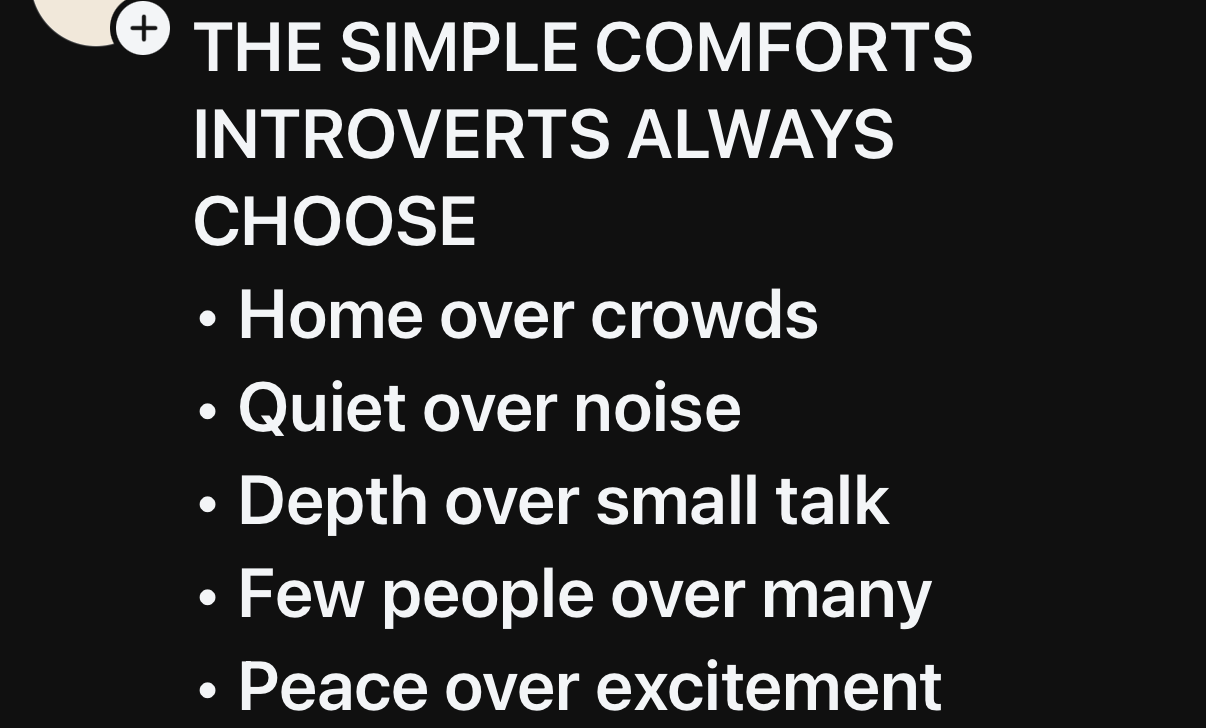

Are you a good judge of character?
Are you a good judge of character?
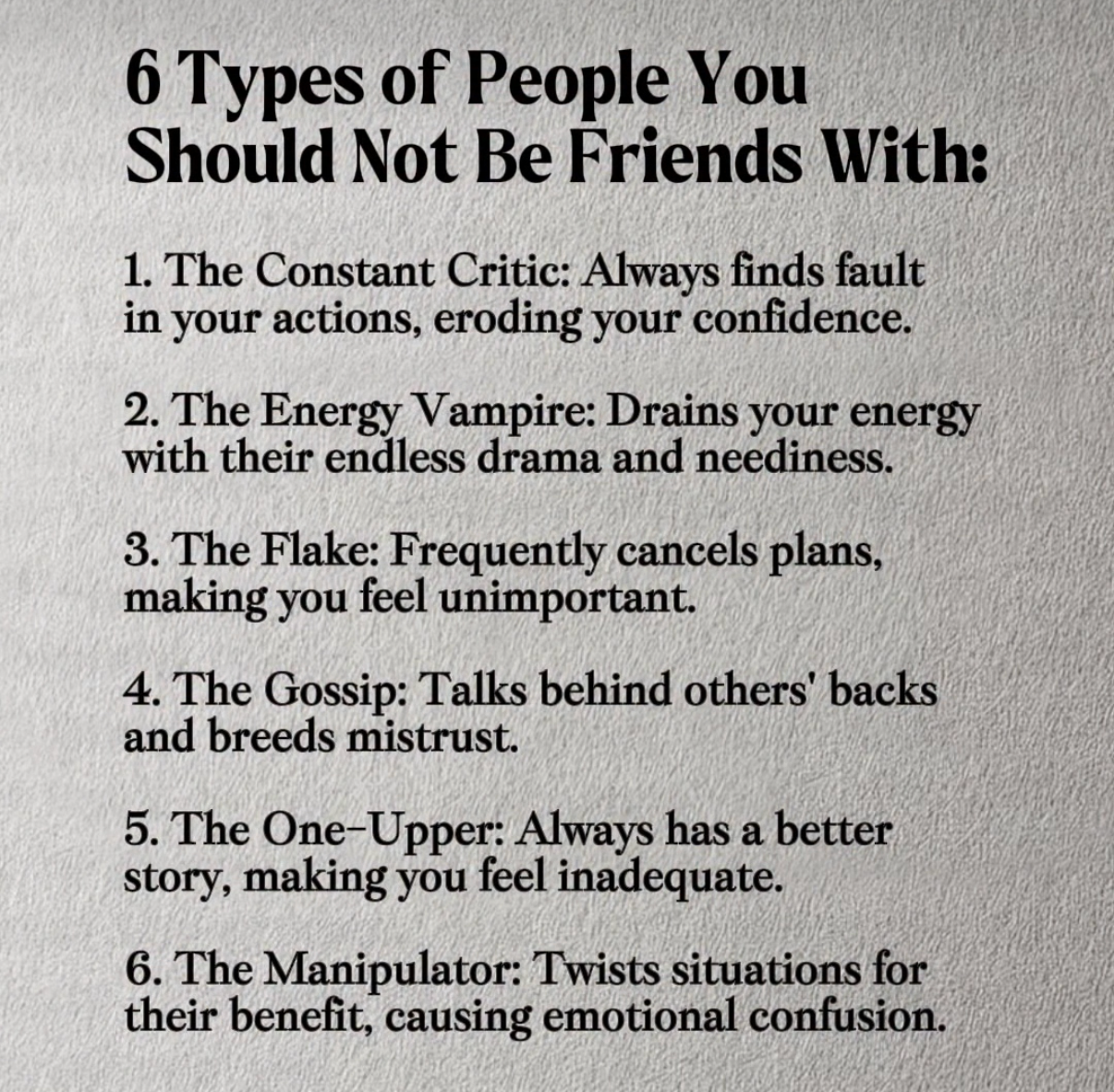
I’m an introvert. I read body language better than most people because I’m not talking. I’m listening and observing. I’m rarely trying to impress anyone, so I’m usually sizing them up as to their intentions towards me.
I’ve had people do me favors and fuck me over. I’ve studied martial arts for years and had to anticipate my opponent’s intentions.
Working for years for both the best and the worst has taught me to read people. Here’s how I dealt with Executive Egos
Most of all, I’ve been married for decades and have kids. I’ve never been more surprised by that than anything.
So yes, I’m a good judge of character because I’m patient and won’t jump to conclusions.
Once I’ve decided who you are, though, it’s hard to move me off of that position, especially if I think you are an asshole. This includes family. I can spot a fake like a Jedi.
Share this:

Kids Games When We Used To Play Outside, Red Rover, Smear The Queer
Last night, the left lost their minds when Bijan Robinsin commented on his play as it related to a game we played as kids. He called it smear the queer, but we knew it as kill the man with the ball. He had to walk it back, but I know he didn’t mean it.
If you grew up before video games and actually played outside without a helmet, it was great fun. If you don’t know it, look it up. It will be a good education for you on why our generation tried harder at most things. The struggle was real, like real life, everyone against you.
Another good game was Red Rover. It’s where you line up kids in 2 groups, holding each other by the arms, and pick someone from the other side to run and try to break the hold. Red rover, red rover, send x (next victim) on over. In reality, it was a way to clothesline a kid from the other side, also great fun.
We also played war, kick the can, and baseball, where a parked car served as 3rd base. The game would stop for a while if a car came through, but there weren’t as many back then.
And then there is dodgeball. That’s where you’d hit the girls and the fat kids first. Nothing beats a good shot to the face though. That’s the real score
If you didn’t have a ball, there was kick the can.
Sometimes it was stickball. Kids from NY know that one well.
Life was easier back then, and we didn’t need a Switch or Xbox to play video games. Our moms kicked us out of the house, and we made stuff up.
If there were not enough other kids, you could climb a tree or throw something for the dog to chase. I grew up in an old tangerine farm so that is what we had, way before tennis balls were dog toys.
We moved on to paper football
Oh, to be young again.
Share this:

23 Little Things Introverts Are Thankful for Anytime of the Year
“Waking up early or staying up late, when no one else is around. Peace. Silence. Bliss.”
Turkey. Pumpkin pie. Awkwardly chatting with Great Aunt Gladys. If you live in the U.S., you’re probably celebrating Thanksgiving. Inevitably, at some point, you’ll be asked to name something you’re thankful for. With that spirit in mind, here are 23 things introverts are generally thankful for — anytime of the year. What would you add to this list?
1. Coming home and finding the house unexpectedly empty. There’s nothing better than sneaking in a few hours (or even minutes) of unexpected solitude. Time to relax. Time to decompress. No obligatory, “How was your day?” Just space and freedom to be yourself. Ahhhh…
2. When your friend cancels on you at the last minute, and you kind of wanted to stay home anyway. This is just like #1: unexpected solitude.
3. Getting a Saturday afternoon to yourself. Perhaps even better than a few moments of unexpected solitude is knowing that you have hours and hours of alone time ahead of you.
4. Finding out that the party/event/meeting is ending earlier than you thought. Sure, introverts can socialize and even be leaders in the workplace. But for many of us, those things don’t come naturally. “Peopling” is a skill we’ve had to learn — kind of like learning a foreign language. And we all know how mentally exhausting it can be to speak a language you’re not entirely comfortable with. Any time spent away from the group (and in our natural inward “habitat”) is something we’re thankful for.
5. Discovering a good book that you can’t put down. Books (along with movies, music, and art) transport introverts to the place we love the most: the energizing world of ideas and imagination.
6. Having a meaningful conversation. How are you a different person today than you were five years ago? What’s on your mind lately? Do aliens exist? In our fast-paced society that values polite chitchat over substance, deep conversations don’t happen often. Yet it’s these meaningful interactions that nourish introverts and provide us with an antidote to social burnout. Something to be thankful for, indeed.
7. Meeting a fellow introvert who “gets” it. Or an extrovert who “gets” it by respecting your need for space and solitude. Feeling understood by another human being is about as magical as it gets.
8. When there’s a dog or cat at the party. Saved! (From small talk with humans, that is.)
9. Headphones. Pop on a pair when you’re in a public space — like a bus, airplane, coffee shop, or at your desk — and you signal to others that you’re not in the mood to chat. Hallelujah!
10. Arriving on your own to a party so you can leave whenever you want. For introverts, hell is being trapped somewhere surrounded by noise and people. Having an escape mechanism is key.
11. When someone says, “How are you?” and really means it. See #6.
12. When you don’t have to make awkward small talk. For some reason, people find silence awkward. So we strike up conversations about the weather with strangers in elevators. Or we erupt with a cheery, “How’s it going?” when we pass someone we barely know in the hallway at work. When introverts can get through the day with minimal chitchat, we’re thankful.
13. Waking up early or staying up late, when no one else is around. Peace. Silence. Bliss.
14. Downtime after a busy day. Socializing isn’t the only thing that drains introverts. Any kind of incoming stimulation, such as noise, time pressure, or activity, gets tiring. After a busy day, when we don’t have to do one more thing, we’re thankful.
15. A weekend with no social plans. But that doesn’t mean we won’t be doing anything. We’ll make our own plans. Introvert plans. Plans to read in bed. To binge watch our favorite show. To lounge around the house.
16. Self-checkout lanes, drive-throughs, food delivery, and online shopping. No, introverts don’t hate people. But we do try to minimize our “people” intake, because each interaction drains our limited social energy — especially the kind of surface-level interactions that usually take place in restaurants and stores.
17. Having to go to a store but unexpectedly finding it not busy. If you can’t do #16, this is the next best thing.
18. Time to think before responding. Many introverts struggle with word retrieval, because our brains may rely more on long-term memory than short-term memory (extroverts do the opposite). For this reason, we may have a hard time putting our thoughts into words, especially when we’re put on the spot in a meeting, on a first date, or when called on in class. We’re thankful for people who give us a few pressure-free moments to collect our thoughts before demanding an answer.
19. Texting. Similar to #18, introverts tend to feel more comfortable expressing themselves in writing than speaking. That’s because writing uses different pathways in the brain, which seem to flow more fluently for introverts. We’re thankful for every time we can send a text message instead of making a phone call.
20. Public spaces that are actually quiet. When parks, restaurants, coffee shops, bars, buses, and trains are chill, we’re thankful.
21. When you get to do your thing, uninterrupted. Alone time isn’t just about being alone. For many introverts, it’s a way to reconnect with our passions, hobbies, and artistic pursuits. It’s when we do deep, concentrated work. When our alone time is fragmented by other obligations (or interruptions from loved ones), introverts can get stressed. A long stretch of unbroken time to do our thing is something we’re immensely thankful for.
22. Your favorite beverage, a cozy blanket, and your favorite show. Alone.
23. “Me” time. Doing whatever relaxes you, energizes you, and brings you joy. 
Share this:

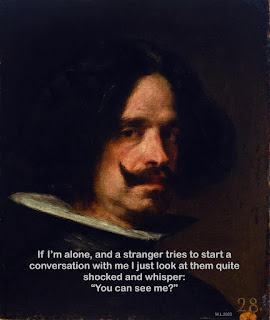
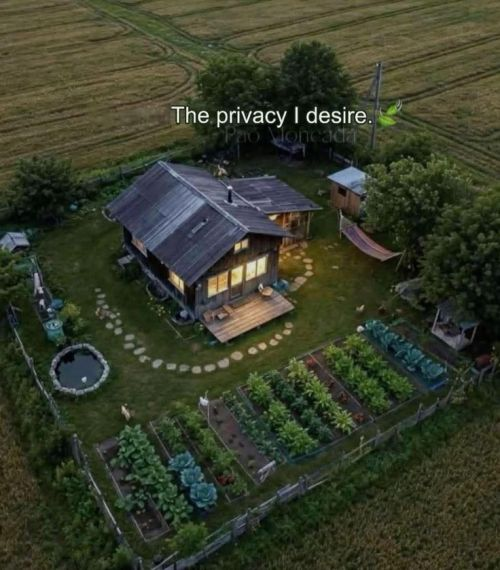
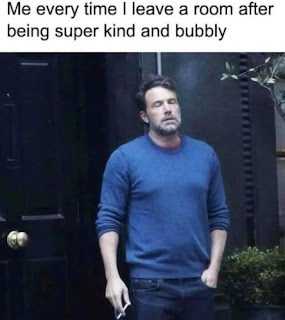
Introvert Meme’s


You Get More Introverted With Age, According to Science
We all become more introverted as we get older, even the most extroverted among us. Of course we do
I’m a classic introvert, but in my teens and twenties, it was normal for me to spend almost every weekend with friends. Now, in my thirties, the perfect weekend is one with zero social plans.
And I’m not the only one socializing less these days. My extroverted friend, for example, used to run through her entire contact list, calling friends whenever she was alone in the car. She told me she hated the quiet, the emptiness, because being alone felt boring.
You know, for the whole 10–15 minutes it took to drive to the grocery store. Oh, the horror.
These days, I can rarely get her out for brunch or coffee. She’s content spending most nights at home with her husband and two kids. And I haven’t gotten one of her infamous calls in years.
So, what gives? Do we get more introverted as we get older?
Probably, says Susan Cain, author of Quiet: The Power of Introverts in a World That Can’t Stop Talking — and this is actually a good thing. Let me explain.
Why We Become More Introverted With Age
In a post on Quiet Revolution, Susan Cain confirmed my suspicions: We tend to act more introverted as we get older. Psychologists call this “intrinsic maturation.” It means our personalities become more balanced, “like a kind of fine wine that mellows with age,” writes Cain.
Research also shows that our personalities do indeed change over time — and usually for the better. For instance, we become more emotionally stable, agreeable, and conscientious as we grow, with the largest change in agreeableness happening during our thirties and continuing to improve into our sixties. “Agreeableness” is one of the traits measured by the Big Five personality scale, and people high in this trait are warm, friendly, and optimistic.
We also become quieter and more self-contained, needing less “people time” and excitement to feel a sense of happiness.
Psychologists have observed intrinsic maturation in people worldwide, from Germany to the UK, Spain, the Czech Republic, and Turkey. And it’s not just humans; they’ve observed it in chimps and monkeys, too.
This shift is why we slow down as we get older and begin enjoying a quieter, calmer life — and yes, it happens to both introverts and extroverts.
Becoming More Introverted Is a Good Thing
From an evolutionary standpoint, becoming more introverted as we age makes sense — and it’s probably a good thing.
“High levels of extroversion probably help with mating, which is why most of us are at our most sociable during our teenage and young adult years,” writes Susan Cain.
In other words, being more extroverted when you’re young might help you form important social connections and, ultimately, find a life partner. (Cue the flashbacks to awkward high school dances and “welcome week” in college.)
Then, at least in theory, by the time we reach our 30s, we’ve committed to a life path and a long-term relationship. We may have kids, a job, a spouse, and a mortgage — our lives are stable. So it becomes less important to constantly branch out in new directions and meet new people.
(Note that I said “in theory.” In my 30s, I still don’t have kids, a mortgage, or a wedding ring. These days, we have the luxury of not following evolution’s “script.”)
“If the task of the first half of life is to put yourself out there, the task of the second half is to make sense of where you’ve been,” explains Cain.
During the married-with-children years, think of how difficult it would be to raise a family and nurture close relationships if you were constantly popping into the next party. Even if you don’t marry or have kids, it would be hard to focus on your career, health, and life goals if you were always hanging out with friends like you did in your teens and twenties.
Once an Introvert, Always an Introvert
But there’s a catch: Our personalities only change so much.
In my book, The Secret Lives of Introverts, I like to say that our personalities may evolve, but our temperaments remain constant.
This means that if you’re an introvert, you’ll always be an introvert, even at 90. And if you’re an extrovert — though you may slow down with age — you’ll always be an extrovert.
I’m talking big-picture here: who you are at your core.
Research supports this idea. In 2004, Harvard psychologists Jerome Kagan and Nancy Snidman studied individuals from infancy into adulthood. In one study, they exposed babies to unfamiliar stimuli and recorded their reactions. Some babies got upset, crying and flailing their arms and legs; these were labeled “highly reactive” to their environment.
Other babies remained calm around the new stimuli; they were the “low-reactive” ones.
When Kagan and Snidman checked in with these individuals later, they found that the “highly reactive” babies often grew up to be more cautious and reserved, while the “low-reactive” babies tended to stay sociable and daring as adults.
The bottom line? Our core temperament — whether cautious or sociable, introverted or extroverted — doesn’t change dramatically with age.
Want to feel more at ease in social situations?
Discover the secrets to enjoying fun, meaningful conversations. Know exactly what to say — even if you’re introverted, shy, or socially anxious. Feel less drained and have more energy while socializing.
An Example: Your High School Reunion
Consider, for instance, your high school reunion.
Let’s say you were very introverted in high school — perhaps the third-most introverted person in your graduating class. Over the years, you’ve grown more confident, agreeable, and comfortable in your own skin, but you’ve also become a bit more introverted. If you enjoyed hanging out with friends once a week in high school, maybe now in your thirties, you’re content with seeing them only once a month.
At your ten-year high school reunion, you notice everyone has slowed down a bit, enjoying a calmer, more stable life. But those who were very extroverted in high school are still much more extroverted than you.
You’re still approximately the third-most introverted person in your class — but now the whole group has shifted slightly toward the introverted side.
And that’s not a bad thing. In fact, it might be exactly what we need to flourish as adults. If there’s one thing we introverts understand, it’s the deep satisfaction of a quiet life.
My take, I just had my 50th high school reunion. I never even considered going. I enjoyed it immensely.
Share this:

Do you trust your instincts?
Do you trust your instincts?
Always.
I somehow was blessed with an innate ability for pattern recognition. I can see disparate things happening, put them together, and know what a good opportunity is. I didn’t know it until things fell into place for me, and I thought everyone saw what I did, but I was wrong.
Here are a couple of examples. I’ll be as matter-of-fact as I can.
I chose a career in personal computers when I didn’t know what to do. They couldn’t do anything, except for VisiCalc, but I saw it as my future before they introduced the IBM PC. The head of a major company said he saw a demand for about 5 of them, and why would you want one on your desk. I made a career out of it. People thought I was chasing my tail at the time.
I had things in life I wanted to do, and knew that if I wanted to retire by 55, I’d have to start before 30. I finally left at 53, and people at IBM were still living paycheck to paycheck up in NY. I refused two job offers to move there to live where the cost of living was 30% less. Money is made 2 ways: make more and spend less. I did both. Plus, I didn’t have to live in NY.
It was clear to me that COVID was a hoax from the beginning, and I refused the jab when the sheep were lining up for it. Once I saw that the Government was forcing an untried and untested treatment they called a vaccine, I knew not to take it. I had studied gene editing and knew it was untested and untrustworthy. My whole family and all my friends thought I was nuts. They couldn’t wait to get it and thought I was risking my life by not getting it. They all got Covid anyway.
My Son in Law, who has patents and is a chip designer said I was smart, so why didn’t I get it? I’m not a lemming, that’s why. It was clear to me that Ivermectin and Hydroxychloroquine were the cure. They tried so hard to ban (and got the media to promote that it was bad) it that I knew to research it and found it to be the cure. I never regretted not getting jabbed, and the rest of the family now wishes they had made my decision. They rushed to get it because they were told that it was “safe and effective”. I called BS. We don’t talk about it because they hate me being right on that one. Thanksgiving is next week, and it will come up like Trump.
I never doubted that Trump would beat Hillary when Scott Adams talked about his ability to use persuasion techniques. I was an island on that one also. I was less certain in 2020, as the evidence of rigging and judicial interference was too overwhelming. Anybody could have called the 2024 election, so I don’t take any credit.
I worked in sustainability for IBM around 2009, but I knew Climate change was a scam when they worried about the hole in the Ozone layer in the late 1990’s. I knew it was a lie from the start, and we found out this week from none other than Bill Gates that it isn’t true, but rather a power grab. I read yesterday that the Ozone hole was mysteriously closing. Again, I was on an island calling BS.
I also have spatial Awareness that I got from my father. I can see how things fit together. It’s as clear as day when others are just arranging objects. Between that and pattern recognition, some things are clear to me as to their truth or the path I should take.
So yes, I trust my instincts.
Share this:

What’s your favorite month of the year? Why?
What’s your favorite month of the year? Why?
January, actually December 26th. That’s when the world goes back to normal, and they stop playing all the same songs I’ve been hearing in the stores since October.
You can have too much of a good thing, and that is what they’ve done to Christmas, overdone it. I’m for the real meaning of our Savior being born, but people who don’t even care about that go overboard. It started in September with the Christmas decorations at the Home Improvement stores, and they are already up. Thanksgiving is next week.
It’s hard for introverts to process all the attention. We also know that for most people, it is fake. They act all happy and joyful, then get in their cars and cut you off and give you the finger.
All the production around it excites some, but drains introverted people. By the time we get to Christmas, our social battery is dead, and it’s hard to function. Look at the post a few below this on introvert hangovers, and that is what I’m talking about.
The holiday season is tough for some. Fake joy doesn’t make up for it. Too many people takes it out of me and I can’t wait for it to be over.
Share this:

How Is This Legal? Drinking and Driving In Florida
If you know, you know: Florida is more than a glorious, sun-drenched vacation land. It’s a weird and chaotic, semi-lawless-feeling place dangling off of the edge of America. And for Maddy (@maddy.1414), who lives in Tampa Bay, that is exactly why she swears it’s not even a “real place.”
In a TikTok video that’s been watched over 689,000 times, Maddy spotlights one of the quirkiest, most counterintuitive things about life in Florida. And shockingly, it has nothing to do with alligators or the Brightline. It’s all about drive-thru drinks.
One For The Road, Literally
“Florida is not a real state,” says Maddy in the intro to her video. Sure, she’s going hard, but she promises to back up her claim with evidence. The video then cuts to her ordering at a drive-thru. “Can I just get one espresso martini?” she says.
A voice replies, “Yeah, sure thing.”
She pulls around to the window. But while waiting, she speaks directly into the camera again. “OK, if you know me, you know that I always say Florida isn’t a real state because you can do things here that you shouldn’t be able to legally do,” she says.
MY STORY FROM YEARS AGO
When a stupid youth in high school and college, I remember going through the brew-threw to get a six pack for the beach or wherever I was going. They were available in Orlando and along the beach. We had fake IDs and just cruised in and out. The best thing I ever did was move out of that state. That meant splitting a six-pack to the beach and another one on the way home. It was only a one hour drive away. I could have blown the limit by double, which was higher back then. That business made a killing. We’d have to wait in line for our turn, it was so busy, any time of day. I think they finally passed a law to stop it, but I haven’t been there in years.
How I’m alive is beyond me.
Now, when I see a Florida tag in my current state, I steer clear because I know it’s a bad driver. The minute you cross the border from Georgia, people pass in the right lane. The old people get into the fast lane and drive slowly. They also drive into pools in South Florida fairly regularly
Now, If I have to go out with my brother-in-law to dinner, he has a cocktail, a bottle of wine, and an after dinner drink. I gave it up 30 years ago, yet he drives because I don’t know where I’m going where they live, and he thinks he’s a big shot. How he doesn’t have a DUI or a broken neck is beyond me. It’s why I avoid my family when possible. I also won’t drive with him anymore.
If I’m a cat, I’ve used up 8 lives.
Share this:

Feeling Drained? Here Are 12 Signs You Have an Introvert Hangover
An introvert hangover can leave you feeling exhausted, making you want nothing more than to escape to a quiet place alone.
Does this sound familiar?
You’ve spent the whole day with your friends or family. You’ve had a great time eating, playing games, and catching up. But now, you’re so exhausted you can barely see straight, while everyone else seems as energetic as ever. In fact, they’re already setting up the next game as you’re wondering how you can slip out the door.
The next day, after the event is over, is no better. You might have a headache, and your body may feel sore and drained, almost like the onset of the flu. You’re tired — so very tired.
If this resonates with you, you might be experiencing something we call an “introvert hangover.”
What Is the Introvert Hangover?
Introvert, Dear writer Shawna Courter coined the term “introvert hangover” in this article to describe the exhaustion she felt after celebrating Christmas with her in-laws. She writes:
“An introvert hangover is a pretty terrible thing to experience. It starts with an actual physical reaction to overstimulation. Your ears might ring, your eyes start to blur, and you feel like you’re going to hyperventilate. Maybe your palms sweat. And then your mind feels like it kind of shuts down, building barriers around itself as if you had been driving on a wide open road, and now you’re suddenly driving in a narrow tunnel. All you want is to be at home, alone, where it’s quiet.”
Yes, the introvert hangover is real. It’s a funny term that describes the serious social burnout many introverts experience, marked by significant mental and physical fatigue.
Here are 12 signs that you might have an introvert hangover, which I discuss in more detail in my book, The Secret Lives of Introverts. You don’t need to experience all these symptoms to have one, and your symptoms might vary.
Signs of an Introvert Hangover
1. Every little thing gets on your nerves.
When you have an introvert hangover, even small annoyances can overwhelm you. Normally, you might brush off a sarcastic comment from your partner or stay calm when you misplace your keys — but not in this state. An introvert hangover can make it feel as though your head is so full it might burst, leaving no room for even the smallest extra bit of information. Because you’re so tired, you may find it hard to control your emotions.
2. You struggle to make decisions.
Even small decisions become difficult. Paper or plastic? Pumpkin pie or cherry? Normally, these choices wouldn’t be hard, but when you have an introvert hangover, your brain is so tired that it doesn’t function properly. For bigger issues, you might find yourself obsessively thinking about the situation to the point of frustration. You’re searching for that one piece of information that will show the right way forward, but because you’re so exhausted, your mind can’t focus enough to find it.
3. You can’t think clearly.
Similar to the previous point, you’re so tired that it feels like your mind is processing everything in slow motion. You might struggle to recall details of things you should easily know, like your daily schedule, where you left your phone, or even common passwords.
4. Your speech changes.
You might speak slower, with unusually long pauses between your words. Sometimes, you might use words that are close to what you mean but not quite right — for instance, “dessert” becomes “candy” and “where’s my coat” becomes just a vague gesture. You might even seem a bit intoxicated, even if you haven’t had much or any alcohol. You might slur your words together, mispronounce them, or both.
5. You feel physically unwell.
Some introverts report experiencing headaches, muscle aches, upset stomachs, or other physical symptoms.
6. You’re tired.
Like, really tired. It feels like you’ve just finished an intense workout at the gym. If someone offered you a quiet spot to nap, you’d accept it immediately. After the social event, you find yourself collapsing on the couch, skipping your usual evening routine, or heading straight to bed.
7. You’re zoning out.
You find it hard to focus. Someone might be speaking, but you’re not absorbing their words. Your expression may appear blank, sad, or even angry, but you’re not necessarily upset. Your mind is simply wandering, perhaps lost in thought or daydreaming.
8. You feel anxious.
For some, an introvert hangover can intensify their anxiety. In social situations, they might feel particularly nervous, worried about how others perceive them and concerned they might say or do the wrong thing. They may also find themselves overthinking a particular decision, unable to escape an anxious thought spiral due to their fatigue.
Want to feel more at ease in social situations?
Discover the secrets to enjoying fun, meaningful conversations. Know exactly what to say — even if you’re introverted, shy, or socially anxious. Feel less drained and have more energy while socializing.
9. You feel depressed.
An introvert hangover can also trigger feelings of depression. You might find yourself overwhelmed by pessimism and cynicism, questioning past decisions, and experiencing dark thoughts. Everything in life may seem bleak or not okay.
10. You’re not acting like yourself.
You might be quieter or not as cheerful as usual. Something seems off, and those close to you are likely to pick up on it.
11. You can’t handle small talk anymore.
When you’re experiencing an introvert hangover at a social event, you might find it hard to keep up with conversations. You’ve run out of small talk. Your mind is just too tired to think of anything polite or interesting to say.
12. You have an intense desire to be alone.
When you’re dealing with an introvert hangover, all you crave is solitude. Whether it’s sneaking off to the bathroom during a social gathering or cozying up in your pajamas afterward, you just need some time for yourself. For introverts, there’s nothing quite like the comfort of being alone after a hectic day or social gathering.
What Causes an Introvert Hangover?
Research shows that everyone eventually gets tired from socializing, including extroverts. Socializing requires energy, and after a while, everyone reaches their limit. However, introverts experience social burnout more quickly and intensely.
Why is this the case? Introverts are generally more sensitive to noise and other forms of stimulation compared to extroverts. Their dopamine systems are less active, meaning that an overload of dopamine — the “feel good” neurotransmitter — can leave them feeling tired and overstimulated. In contrast, extroverts often feel energized by the same levels of dopamine, which can help them push past social fatigue.
To learn more about why introverts need time alone and why they get easily drained from socializing, click here.
The Cure for an Introvert Hangover
The best way to recover from an introvert hangover is to spend time alone in a peaceful, quiet environment. Do your favorite self-care activities or hobbies — anything that helps uplift your mood and energy. For introverts, solitude is as essential as food and water.
If you can’t be completely alone, look for small ways to take a break. You could listen to soothing music with headphones, go for a walk, or find a quiet corner to read. Even short breaks can make a difference.
As introverts, we might feel pressured to fit into a society that often values extroverted behavior. You might worry that prioritizing your needs could inconvenience others or hurt their feelings. This pressure can lead you to hide or deny what you really need, causing more stress.
Remember that your needs as an introvert are valid. It’s perfectly okay to leave a party early or to spend time alone. Your needs are real and deserve respect.
The holiday season is here. It’s the worst 2 months of the year for me. What is telling is that as soon as the presents are opened, people go right back to the other 10 months of the year.
I cringed when I saw the decorations for sale in September, and they started going up 50 days before Christmas near me. My energy started draining on the spot
Share this:

Who is the most famous or infamous person you have ever met?
Who is the most famous or infamous person you have ever met?
Famous: Mario Andretti, William Shatner, Lou Gerstner – CEO of IBM. All were speakers at Conferences, so I got to meet them. All were gracious and nice. I ate dinner many times with Chet Hanson, assistant to 5 Star General Omar Bradley. I worked with his daughter at IBM. I was a personal friend of Gina Smith, of Good Morning America, and the author of iWoz. She worked for me before she became famous.
Infamous: Bill Gates, Eric Schmidt, former CEO of Google. I also met them at computer conferences. I put them in the infamous category for what they’ve done to people. I would have avoided them if I could, but the situation forced us to be together.
Regarding Bill Gates, I worked on the same hall at IBM with Dave Bradley, the inventor of Ctrl-Alt-Del. At the 20th anniversary roundtable of the introduction of the IBM PC. Dave said he wrote the program during his speech, but Gates made it famous. Everyone but Gates laughed.
Although I didn’t meet them, I was in line next to Muhammad Ali at LaGuardia. He was in the late stages of Parkinson’s, so I left him alone. I saw Joe Frazier and Marvin Hagler in Vegas, but I didn’t bother them. They were smaller than I thought. I ate dinner at the table next to Bo Derek right after the movie 10 was released. I was surprised at how small she was. I wasn’t surprised at how hot she was. Joe Namath and I checked in together at the same hotel in Boston. He was also smaller than I thought. We just talked like guys do about sports. Dan Marino was a star at the time, and we talked about his quick release.
I got stared down by Ann Coulter at an airport for way longer than normal. It was almost like I reminded her of someone she had looked so long, and she was trying to figure out who I was. I knew who she was, but couldn’t figure out why she would look at me. I smiled, and so did she. It was one of those smiles a girl gives you when you’re the one, not a hello, how do you do smile. Then we went to our flights and that was that.
Famous people are tough to deal with. They come with a squad to keep people away. Everyone wants a piece of them, so I just walk on by.
I had to schedule famous speakers for events I ran, but I rarely talked to them. Their handlers were difficult to deal with, so by then, I didn’t want to deal with them.
Fame is a curse. You can’t go anywhere without being mobbed. and your private life is removed forever. I’ll take the peace and quiet.
Share this:

What was your favorite subject in school?
What was your favorite subject in school?
I’d like to say that I was dedicated to a job goal in school, but I just tried to get good grades, like it or not. I was only interested in either getting into college or getting a job, but there wasn’t any subject that blew wind up my skirt.
I was small and the youngest kid in my class due to the birthday cut off, but I enjoyed PE class because it was a break from studying. It’s tough being the youngest and usually the smallest. Once I caught up to the other kids, I held my own and even kept up with the team athletes at the end.
It was the break from the monotony of class that made me enjoy it.
The valedictorian and salutatorian were in my chemistry class. They ruined the curve for everyone. The kids always messed with their experiments, and they could never figure out why they didn’t get the results that they were supposed to, although their write ups got them the A’s they strove for. Neither went anywhere in life.
The real smartest kid placed 3rd behind these two shrimp girls because he took weightlifting in PE and got a B, his only one ever. I give him credit for sticking his neck out in life. Straight A’s got a lot of people nowhere, but life lessons did.
Which brings me to my greatest learning in school. I had to try harder in everything. I was so young that social things, intuitive to others, were a hard learned lesson for me. It was tenacity over talent in everything. If I’d known that I was an introvert, I could have used my observation skills even more. What I did was just intuition back then.
So while it was the toughest subject for me, life was the class I studied the most. I had to figure everything out without someone to show me how. Like the Bob Seger song, I was working on mysteries without any clues. It was the best lesson I learned.
I wound up playing Tennis for my college, the only sport I made the team on. I was president of my fraternity and dated a cheerleader. None of that really mattered to me then. I expected it after all that I’d been through. I worked hard enough to get the job that opened doors to people and travel, and the success I’d defined for myself.
As it turns out, my 50th reunion was last weekend. I didn’t go because I never related to the other kids, or wanted to. They were just people I learned from, mostly what not to do or how to act.
At high school graduation, I vowed that I’d be more successful by any measurement. A few became actors, pro sports athletes, or a doctors here and there. As I’d come across their stories before I ditched Facebook, the pinnacle of life was high school for them. It was all downhill from there. I was just starting, but the seeds of motivation to succeed were planted and fertilized. I’d met my goal set way back in high school.
Life was the best class. It had nothing to do with the classroom.
I will say that my German teacher was hot and not that much older than me. Why didn’t they throw a high schooler a break like they do now?
Share this:

13 Things Introverts Find ‘Horrifying’
1. When people call — and a text or email would have been more than sufficient.
As an introvert, I am frightened by people who call when a text or email would be more than sufficient. There is a certain anxiety that comes with an open-ended conversation, since phone conversations are expected to take longer than the 10 seconds necessary to transmit the information. This anxiety is compounded by the lack of visual cues during a phone call that are vital to us introverts, but are often summarily ignored by extroverts.
–Steve
2. Not being able to exit an intense social setting.
The thing that horrifies me the most is not being able to exit an intense social setting. If I am somewhere and don’t have an out, my stress level skyrockets. I need to know that I have a way to step out or leave so I can recharge.
–Lou
3. Networking events. Period.
Networking events are made for extroverts who gain energy by being around people and engaging with them. However, for most introverts, networking events are generally uncomfortable and terrifying — we find it hard to be open and let strangers into our lives. We are atrocious at small talk, and it is challenging to establish rapport with new people. For us, networking is definitely out of our comfort zone and ranks as one the top scary things for introverts.
–Albert
4. Being put on the spot.
My biggest fear is of being put on the spot to say something in a group or public setting when I’m not prepared. That feeling of all eyes turning to me to say something off-the-cuff really makes me uncomfortable!
–Jen
5. Two words that strike intense fear into my heart are “overnight stay.”
I may be an introvert, but I love people. I can have a great time seeing friends and family and love spending time together over a few drinks and board games. But if we need to stay overnight? That’s when anxiety sets in. Keeping up the social energy in the morning, not knowing when we’ll be able to duck out and find some respite — these thoughts embed themselves into the back of my mind, which makes socializing that much harder.
–Mike
6. First dates terrify me.
First dates terrify me because of my aversion to small talk and awkward silences. I can talk to someone online, no problem, but face-to-face? I make very weird small talk because I’m nervous. The terror is, I see the date and he’s not who I’m interested in when I meet him in person. Then I just want to leave as quickly as possible, so the small talk becomes even more painful. I just sit there, in anxious terror, and blurt out the first thing that comes into my head, whether it’s appropriate or not.
Prime example: I went out on a one-date-wonder a few years ago. We met for lunch, he didn’t appeal to me in person, awkward silence ensued. The only thing I thought to say was: “Armadillos are the only other mammal that contract leprosy from humans.” (I learned that factoid in fifth grade and who would have thought it’d stick with me 35 years later?!) He looked at me in horror and I fled. I never heard from him again — whew!
–Lisa
7. Public speaking scares me to death.
Any sort of public speaking scares me to death as someone who is basically a career introvert. It doesn’t matter if I’m leading a meeting of three participants or speaking to a larger audience, the thought of being the center of attention in any way, shape, or form truly terrifies me. It’s kind of like a fear of heights — you don’t understand it truly unless you suffer from it. All of the workarounds don’t seem to work, and I just manage it by avoiding it as much as possible.
–David
8. Getting trapped in a social commitment that goes on for hours.
There’s nothing more frightening than getting trapped in a social commitment that can prolong for hours (like public speaking or large parties). I prefer shorter engagements when my energy levels are higher, but once things drag on, it becomes impossible to focus and incredibly uncomfortable!
–Sara
9. Having roommates — thus having to be social all the time — is an introvert’s worst nightmare.
The one thing that scares me a lot is living with my friends permanently. While I enjoy socializing, after a while, I am mentally drained and need time to recharge. If I had to live with friends, I’d feel obligated to be social all the time and that would be mentally stressful for me as an introvert because I wouldn’t have “space” to get away from them. You’re stuck living in the same place, and I feel that would be pretty unbearable.
–Roger
10. My biggest fear is being embarrassed.
As an introvert who avoids social interaction at nearly all costs, my biggest fear is being embarrassed. When I’m in public, I usually become solely focused on how I look to other people, what others think of me, and the assumptions they make of me. In the past, it’s affected everything from the way that I walk to the comments I make to even the tone of my voice. It can be kind of brutal, but it’s something I’ve learned to deal with. Staying out of the public eye seems to help with that.
–Mike
11. I feel my introversion can scare off a romantic partner.
One thing that scares me is that being introverted and very independent could cause damage to my relationship or scare them off.
–Lauren
12. I fear being alone forever because of my introversion.
We all need love and companionship, but as an introvert, I don’t like feeling like I have to compete for “airtime” in social gatherings. I love my alone time, but still want a solid group of loved ones.
–Tolu
13. I find it horrifying when my work manager announces, “Let’s have a team-building exercise today.”
I call myself an introvert, as I am someone who enjoys alone time, would rather stay home than go to a party on weekends, and I regain energy by spending time away from people.
The one thing that terrifies me is when my work manager announces, “Let’s have a team-building exercise today.” Though we introverts tend to be team players — as we are all about deep work and being invested in the goals of the group — when it comes to group or team activities, it scares us. Team-building exercises involve interacting with people, small talk, and, in some cases, having the spotlight on you alone. These are all things my introverted self dreads and runs away from.
12 doesn’t bother me, and I pretty much have gotten over being embarrassed, but the rest are true. I have to face number 5 on Thanksgiving with a houseful of extroverts.
I got told that I have to take care of some adolescents that I’m related to next summer and the anxiety has already set in.
Share this:

Is there an age or year of your life you would re-live?
Is there an age or year of your life you would re-live?
When I was single in Miami. I was in a place that was great to be solo. I had friends to do stuff with. The beach was minutes away. Life was just starting for me, so everything was an adventure. We went deep-sea fishing, clubbing, and I came home to a house that occasionally had roommates. Mostly, I was able to come and go as I wished.
When it was time to move on in a relationship, that was easy too. They would just become after W in the alphabet.
Health was easy. I was in shape for free by just being young. We were fearless and what felt like immortal. We could do anything and there would always be tomorrow.
My friends and I had season tickets to the Dan Marino Air Force show. Every game was 5 touchdowns, and I even partied in the stands with Don Shula’s daughter.
Then, I grew up. In the words of Toby Keith, I wish I didn’t know now what I didn’t know then.
Now, it’s you ain’t much fun since I quit drinkin’.
Share this:

Introvert Meme’s


Breast Cancer Month Hypocrisy
I lost my Mom to breast cancer. She beat it twice and battled it for 3 decades. In what amounts to malpractice, she ultimately succumbed to it. I do not take it lightly. So before you get outraged and be a SJW Karen with your panties in a wad, read the following and see what should happen if you do more than wear a pink ribbon. There’s a ribbon for every cause, but taking action to cure it is the ultimate expression of support.
Original article and source start here.
Once again, it’s “Breast Cancer Awareness Month,” as we’re hit with pink ribbons and fundraising alerts from breast cancer groups.
Two organizations that solicit funds purportedly for fighting breast cancer are the Susan G. Komen Foundation and the Breast Cancer Research Foundation (BCRF).
Wouldn’t you assume that groups promoting breast cancer awareness want women to actually decrease the risk by having women know all the risk factors?
Yet the biggest promoters of Breast Cancer Awareness month either omit the abortion factor or actually deny it.
Typically, these groups list lower risk factors that line up with their pro-abortion stance. What good does it do to mention exercise or alcohol while refusing to go near what has been found in studies around the world — abortion.
It’s also absurd to list family history as a risk factor — which is true but not preventable — while refusing to discuss abortion which is preventable.
It sounds unbelievable that groups claiming to be working against breast cancer are actually promoting breast cancer by not telling young women the full truth. But that’s exactly the situation.
Breast Cancer Hypocrisy Month
The closest either group comes to the abortion issue is Komen, mentioning breastfeeding as part of a healthy life for lowering risk: “Breastfeed if you can. Women who breastfeed have a lower risk of breast cancer than women who don’t breastfeed, especially before menopause. The longer a woman breastfeeds in her lifetime, the lower her risk may be.”
Correct. But why omit the significant factor of abortion if you really want to educate people?
BCRF lists these factors: weight/diet/exercise, alcohol use, smoking, timing of pregnancy, breastfeeding, and hormone use. Under ‘timing of pregnancy,’ we read, “giving birth later (after 30) or not having children can both increase a person’s breast cancer risk.” That’s as close as they get s to mentioning the drastic increase in risk after abortion. Yet they plead for donations: “Triple your impact for life-saving research during Breast Cancer Awareness Month!”
What’s the point of more research if they refuse to talk about the existing research?
Komen states: “Research clearly shows abortion (also called induced abortion) is not linked to an increased risk of breast cancer.”
That statement is false.
When Dr. Angela Lanfranchi, founder of the Breast Cancer Prevention Institute, attended medical school in the 1970s, women who got breast cancer were overwhelmingly older. As a breast surgeon, she saw younger women getting breast cancer and she became alarmed.
“I became concerned because I saw a lot of women in their 30s with breast cancer.” Lanfranchi shared with Human Life International. “None of them had a genetic reason… It was heartbreaking because all three had young children… so I started looking into risk factors.”
Research already showed that if you smoked and had a child, your risk of breast cancer increased 69%, but if you smoked and had no children, the risk increased 649%. What was it about having a child that protected women from getting breast cancer, Lanfranchi wanted to know.
 In 2023, JAMA published a study of U.S. cancers from 2010 to 2019. Women age 20-29 had a 5.3% increase in breast cancer and those 30-39 had a 19.4% increase in breast cancer. Shockingly, late stage, less curable breast cancer rate under age 40 has increased 3% per year over that time period. Young black women have almost five times the abortion rate as Caucasians and are suffering the greatest increases in breast cancer. These vulnerable women need early screening if their lives are to be saved. “
So the dramatic increase in breast cancer was noticed; what wasn’t cited was the causes that had already shown up in studies done since 1957.
In 1996, Dr. Joel Brind, endocrinologist and professor at Baruch College of the City University of NY, did a meta-analysis of all research on abortion and breast cancer and found confirmation.
Abortionists like Planned Parenthood emphasize the negatives of having a child, not the ramifications of abortion. The suppression of the truth is reinforced by the nation’s two largest breast cancer charities, leaving women in the dark about a growing disease by the very people who claim to be pro-woman.
The nation’s top abortion provider, Planned Parenthood, also promotes breast cancer awareness while denying the abortion connection. They use the month of October to fundraise, bragging that they offer breast exams while they profit from abortion.
How absurd is it to offer breast screening exams while simultaneously promoting breast cancer by selling abortion?
Time to Connect the Dots
BCPI’s Dr. Lanfranchi says the research from China is conclusive that breast cancer is the #1 risk factor for abortion.
China’s 1979 one-child policy led to an explosion of breast cancer. Forced and multiple abortions led to more screening for breast cancer as the rates and mortality increased greatly.
In 2019, the Chinese developed a risk model for Chinese women by conducting epidemiological studies to find the greatest risks in China. One study found a 151% increase risk with 1-2 abortions and a 530% increase in risk with three or more abortions. If women were over 30 years old when they had their first child, they had a 258% increased risk than women who were <25 years old when they had their first child.
Another study in 2022 found, “that when the rate of abortion rose, so did the risk of breast cancer. This association is biologically plausible as full-term pregnancy is a protective factor for breast cancer, and the breast enlarges due to the changing level of estrogen and progesterone during pregnancy. Immature breast cells are more likely to transform into breast cancer cells when the pregnancy is ended via abortion, which raises the risk of breast cancer.”
In fact, they found abortion was the greatest risk factor with a 613% increased risk for two or more abortions. About half of all U.S. women have repeat abortions.
Apparently, “Federal grant givers (NIH and NCI) are reluctant to publish data that might call into question the safety of abortion and hormonal contraception that is deemed essential to protect our planet from global warming and over-population,” Lanfranchi points out. “It’s ironic that in a country not known for freedoms [China], there was seemingly no problem in publishing data that could be seen as a criticism of public policy on abortion but not in the land of the free and the brave.”
Despite the dishonesty of many scientists in the U.S., the world’s scientific literature confirms the Abortion/Breast Cancer Link.
It’s disgusting that those profiting from abortion are using breast cancer to sell more abortions. The American Life league (ALL) cautions people against supporting these organizations.
Both earned negative ratings from the ALL’s Charity Watchlist, while the Breast Cancer Prevention Institute has a positive rating. ALL’s director Katie Xavios explained the most egregious concerns uncovered in researching these organizations.
“In 2024, a staggering 360,000 women across the nation are estimated to face the devastating diagnosis of breast cancer,” observed Brown. “The devaluation of human life as practiced by the Komen Foundation and the Breast Cancer Research Foundation compounds this tragedy. We urge donors who wish to support breast cancer prevention to consider charitable organizations that affirm and protect human life regardless of stage of development.”
“Life-minded donors seeking to support the fight against breast cancer will be pleased to discover that the Breast Cancer Prevention Institute (BCPI) upholds pro-life values and does not support anti-life organizations or agendas.”
Share this:

The Science Behind Why Socializing Drains Introverts
To the extroverts, please read this. Introverts will read this and say this is me.
If you’ve ever felt exhausted from socializing, there’s a very real reason — it has to do with our unique wiring as introverts.
An extrovert and an introvert walk into a bar. It’s a Saturday night, so the place is buzzing with energy. A cover band croons away on stage while groups of people stand around, clutching drinks and nearly shouting to be heard.
The extrovert takes in the scene and feels a surge of excitement. He sees social opportunities everywhere — an attractive woman at the bar, friends to chat with, and the chance to cut loose and have fun. He walks straight up to his group of friends, gives one of them a hearty slap on the back, and orders a beer.
The introvert experiences the situation differently. He hangs back for a moment, surveying the scene and taking everything in. Then, he quietly joins his friends. He feels a bit overwhelmed, drowning in the noise and activity, but he tells himself to relax — this is supposed to be fun, after all.
And for a while, the introvert does have fun. But it doesn’t last.
Soon, the introvert starts to feel tired. Really tired. Not only does his body feel physically fatigued, but his mind becomes foggy and slow (and not just from the drinks). He desperately wants to head home — or at least step outside — where it’s quiet and calm, and he can be alone. He’s already getting an introvert hangover.
He glances over at the extrovert, who’s still chatting away with friends. The extrovert doesn’t show any signs of slowing down. In fact, he looks even more energized than when they arrived.
Sound familiar?
If you’ve ever felt exhausted from socializing, there’s a very real reason. Here’s the science behind why socializing can be draining for us “quiet ones” — it has to do with our unique wiring as introverts.
Socializing Can Be Draining for Everyone
First, let’s clear a few things up. The scenario above is just an example and a generalization. Not every extrovert spends their weekends partying, and sometimes, we introverts live it up, too. We all exhibit introverted behavior at times and extroverted behavior at others. According to the famed Carl Jung, the founder of analytical psychology, there’s no such thing as a “pure” introvert or extrovert. We all fall somewhere on the spectrum that defines introversion and extroversion.
Another point to consider: Socializing is actually draining for everyone eventually. A 2016 study from the University of Helsinki found that participants reported higher levels of fatigue three hours after socializing — whether they were introverts or extroverts. How tired they felt depended on several factors: how many people they’d met, the intensity of the interaction, and whether they had a specific goal in mind.
It makes sense that both introverts and extroverts would feel tired after socializing, as it expends energy. You have to talk, listen, and process what’s being said, among other things.
However, there are some very real differences between introverts and extroverts.
Introverts, Extroverts, and Rewards
These differences stem from how we respond to rewards. Rewards can be things like getting the phone number of an attractive stranger, getting promoted at work, or enjoying a delicious meal.
We all enjoy rewards, and we all desire them. But introverts and extroverts react differently to them.
To understand why socializing can quickly wear out introverts, I spoke with Colin DeYoung, a psychology professor at the University of Minnesota, who recently published a paper on introversion. I was conducting research for my book, The Secret Lives of Introverts. DeYoung, like other experts, believes that extroverts have a more activated dopamine system than introverts.
What Is Dopamine?
Dopamine is a neurotransmitter that plays a crucial role in the body’s communication system, helping to control various functions by sending signals between the brain and the body. Often referred to as the “feel-good hormone,” it’s associated with positive emotions like bliss, euphoria, and concentration. Dopamine is vital for a wide range of bodily functions, from movement to sleep to mood regulation. When you experience pleasure — such as eating your favorite foods or during sex — your brain releases dopamine.
However, there can be a dark side to dopamine. It’s strongly linked to addiction. Some recreational drugs, for example, stimulate the release of dopamine and increase its levels in the brain, leading to dependency. That’s how powerful dopamine can be.
Social media platforms tap into the power of dopamine, giving you a boost of it when you watch a funny video or receive likes on your post. This is what keeps you scrolling, even when you know you have better things to do than stare at your phone. In this way, dopamine can keep us hooked on endless scrolling.
Extroverts Have a More Active Dopamine System
So, what does this have to do with socializing?
Because extroverts have a more active dopamine system, they get more excited by the possibility of reward. Dopamine energizes them to strike up a conversation with a stranger or stay at the bar until last call. Even though these activities can be tiring, dopamine reduces the cost of effort, much like getting a shot of espresso before running a race.
Dopamine even explains why extroverts might talk louder, faster, and with more confidence. These behaviors draw more attention to themselves and increase their chances of gaining social rewards.
Introverts have dopamine, too, but our dopamine system isn’t as “turned up” as that of an extrovert. We’re simply not as driven to pursue the same rewards that extroverts chase.
Having a less active dopamine system also means that introverts may find certain levels of stimulation — like loud noise and lots of activity — to be overwhelming, annoying, and exhausting. This explains why the introvert in the bar scenario was ready to leave after a while.
Want to feel more at ease in social situations?
Discover the secrets to enjoying fun, meaningful conversations. Know exactly what to say — even if you’re introverted, shy, or socially anxious. Feel less drained and have more energy while socializing.
Be the first to hear when Jenn Granneman’s new book is released — and get two FREE gifts to help you feel more comfortable in conversations right now:
The Introvert’s Superpower
Introverts don’t seek rewards to the same degree that extroverts do. Is this a bad thing? In my opinion, no. It’s actually the introvert’s superpower.
We all know that one friend who partied too hard and paid the price, or the workaholic who compromised her health and relationships. These are people who chased rewards — hard.
Instead of seeking external validation, introverts tend to turn inward. They might research topics simply for the joy of learning something new. In their careers, they seek a calling that’s more than just a paycheck. They desire depth and intimacy in their relationships — a connection that is mind-to-mind and heart-to-heart — rather than an abundance of casual acquaintances.
I’m not suggesting that all extroverts are shallow and all introverts are deep. That’s simply not true. Sometimes extroverts pursue quiet, intrinsically rewarding activities; sometimes introverts seek status and other external rewards. A healthy, successful life for anyone should include a mix of both.
When writing my book, I asked introverts to share what motivates and energizes them. They all mentioned low-key activities, like a solo shopping trip, a meaningful conversation with a friend, finishing a good book, or expressing themselves through art. If it weren’t for the introvert’s less active dopamine system, they might not engage in these activities as much. The introvert’s way isn’t about chasing rewards but rather about seeking meaning.
Share this:

What Food Would You Say Is Your Specialty
What food would you say is your specialty?
When I was young, my Mom told me some people live to eat, while others eat to live.
Being an introvert, long ass meals are tedious for me. I just need something to fill up my stomach.
I also worked in an Italian restaurant that had real food based on recipes that came from the Mother Country, not just pasta.
Don’t get me wrong, I’ve attended the three-hour business lunches in France, which often featured exquisite food. I’ve also gone hunting at 3 in the morning, and ridden in many 100-mile bike races that started at sunrise. I’d have to cram as much food as I could in the shortest amount of time, as I was on a deadline.
I know the difference between 5-star food, and reheated chicken and rice in the dark hours of the morning. I just need a proper meal (not fast food or processed) to get me to the next meal.
I bet some readers served in the military who ate some awful stuff, yet survived.
In contrast, my brother-in-law was the president of Ruth’s Chris Steakhouse and was obese for a good part of his life. He lived to eat and has failed at every diet and/or weight loss plan that exists. He now has health problems I saw coming decades ago. He also got the COVID-19 jab and has symptoms from that.
One last thing, I never miss the Hot Dog eating contest on July 4th. I’ve been a fan since Kobayashi was transforming the “sport”.
Share this:

Different Headlines: Penis Costume At No Kings Protest, The Rules For A Long And Happy Life,
Superbowl Halftime
Petition Seeks to Swap Bad Bunny for George Strait at Super Bowl – so many good songs…You know me better than that, Clear Blue Sky, Amarillo By Morning, and more. I usually put the halftime show on hold the last few years. I can’t remember a really good one. If it’s Bad Bunny, I’ll go from 2nd to 3rd quarter while I miss all of the halftime show.
NFL Claims Bad Bunny Will Deliver “United Moment” at Super Bowl Halftime Show – and pigs can fly also.
Life
The Rules for a Long and Happy Life
No Kings Results
Soros Poured Millions Into No Kings Protests — but They Still Flopped
The ‘Unifying’ No Kings Protests Were Anything But
Alabama Police Arrest 61-Year-Old Woman in Penis Costume at Anti-Trump ‘No Kings’ Protest
The War On Men and Masulinity
Western Civilization Depends on Men and Masculinity – read it before you judge the title or you are the problem.
Louvre Heist
Historic ‘First Woman’ Security Chief Oversaw Embarrassing Louvre Heist – Res ipsa loquitur
Surveillance Camera Pointed the Wrong Way Allowed Louvre Heist
Cancer
The Silent Threat That Can Influence Your Cancer Survival
WNBA
The season ended – I had no idea, and cared even less.
Politics
Pelosi to Announce Plans After Nov. 4 California Election – She is insider trading again? Got more cases of Vodka from Russia?
EV’s
Tesla set for strong quarter fueled by rush to get expiring US EV tax credits – And then we’ll see if anyone wants one without a credit
Share this:

8 Confessions of an Extreme Introvert
By Delilah Ho
If I come across as rude, it’s not that I don’t like you. As a very introverted person, I’m probably just uncomfortable.
It’s difficult being an introvert in a world that only works smoothly if you’re an extrovert. You’re expected to perform well in large groups, socialize often, speak up loudly, and be outgoing. As a highly introverted person, I get mentally and physically fatigued doing all of those things on a daily basis.
Here are eight things I wish people knew about me as an extreme introvert who also experiences social anxiety. Fellow “quiet ones,” can you relate?
Confessions of an Extreme Introvert
1. If I come across as rude, it’s not that I don’t like you. I’m probably just uncomfortable.
Some assume that I don’t like people because I don’t talk or smile much when I first meet them. It’s never my intention to be rude or cold, it’s just that there are a thousand things running through my head at the moment: “What should I say?” “What do you think of me?” and “Do I look like a hot mess right now?” And so on.
I’m quiet around the people I don’t know well, but that doesn’t necessarily mean I don’t like them. As an extreme introvert, I’m just uncomfortable when meeting new people. Honestly, sometimes just being around new people overwhelms me and I freeze up.
It’s easy for my extroverted friends to chat with strangers and make new friends at practically a moment’s notice. But for me, it’s like I need a month in advance to mentally prepare! And even if I did get that advanced notice, when the day arrived, I probably still would not feel ready.
2. I love being alone but I hate the loneliness.
As an introvert, I enjoy doing things by myself. I go shopping on my own. I go to coffee shops on my own. I go to the movies on my own — and I absolutely love it. I don’t feel awkward or uncomfortable being alone in public. Honestly, it’s my preferred state. I love watching everything going on around me and being alone with my own thoughts.
However, as much as I relish being alone, there are times when I crave the love, company, and affection of other human beings. Although I say that I don’t mind doing things alone, sometimes I wish I had someone to do those things with me.
You know, doing what friends do.
You see, no one likes being lonely, even if they’re extremely introverted. We “quiet ones” need close relationships and strong connections in our life, too.
3. Small talk makes me nervous.
I despise small talk because I don’t know how to act around small talk. Usually, when people engage me in chitchat, I give short answers like “oh” and “yeah.” As a result, I think I unintentionally come across as aloof or rude.
Little by little, I’m getting better at making conversation, because it can be a joy to talk with someone who “gets” me. But to be completely honest, I still get nervous chatting about the weather or my weekend plans. It makes my heart beat fast, and later, I think about how I acted in the conversation. Sometimes I beat myself up for not knowing what to say or do. I know not every introvert experiences social anxiety, but it’s my reality every day.
I actually prefer deep conversations straight away.
Ask me what I think of the latest news. Ask me what I think of Freud. Ask me what I think about global warming. Oddly, I can answer those questions without feeling the least bit awkward.
4. I wish I had more close friends.
I have a small group of good friends. They are people who I feel comfortable being around, so I almost always hang out exclusively with them. But if I’m being honest, I wish I had more people that I could hang out with. Yet this goes back to #1 — I feel uncomfortable meeting new people.
Honestly, there are times when I wish people would approach me instead of me having to approach them. That may seem like a strange thing for an extreme introvert to say, but it’s easier for me when other people take the lead in social situations.
Because of this challenge, I finished four years of college with hardly any friends. I may say that, as an extreme introvert, I’m fine with it, but I actually regret not making more of an effort to meet people. Again, it’s a skill I’m working to improve, but like any new skill, it takes time.
5. Even though I love him, dealing with my extroverted boyfriend can be stressful.
I love my extroverted boyfriend but sometimes it drains me to be with him.
He often wants to do things that I would not do in a million years, and he struggles to understand why I’d rather stay home than go out and “explore,” as he calls it. He wants me to meet his friends and family, but I get extremely anxious just thinking about doing that. Sometimes he tells me about social plans last minute, which gives me little time to mentally prepare.
Personally, I don’t agree with number 4. I’m good with what I have. I weed out the insincere ones and my friends are my true friends, few as they are
Share this:

Sto Viaggiando. Sono Un Tifoso Questo Fine Settimana – So Marriage Monday Meme’s Next Week
I went to see the F1 race in Austin. You can read the results online, but I’m a Ferrari fan, and they finished 3rd and 4th.
I got to spend time with my son, and at my age, I won’t have many of those opportunities again.
I write about how much I hate traveling and crowds, but to spend time with your kids because they want to be with you is priceless.
There may be some random posts, but I didn’t schedule my favorite, Marriage Monday Meme’s.
Share this:

Guess Where I Am?

Share this:

Best Of Pet Meme’s – Part 1
This will be an intermittent series. It’s a happy post while I’m out. Don’t forget, pets are an Introvert’s best friend, and the first thing we look for when stuck with people
Pet Meme’s To Share, Some People Are Animals
Share this:

These Are the 19 Most Stressful Experiences an Introvert Can Have
Introverts’ brains are wired a little differently than extroverts’ brains, so everyday experiences can become stressful for us “quiet ones.”
Let’s face it, life is stressful, whether you’re an introvert or an extrovert. But if you’re introverted, like 30-50 percent of the population, certain situations that seem easy for others can become very stressful for you. That’s because introverts’ brains are wired somewhat differently than those of extroverts, making them more prone to burnout, exhaustion, and overwhelm.
What Stresses Out Introverts
1. Talking to people
“Even though I’m a singer in a band and a fairly confident person overall, sometimes it can be so hard for me to talk to people or to ask for what I want.”
2. Being put on the spot, especially at work
“I can usually write a wonderful response if I’m given a bit of time, and I’m even pretty good at giving a spoken response if I’m prepared. But when a coworker or my boss demand I answer right now, my mind goes blank under the pressure, even if I’d otherwise know the answer.”
3. Making small talk with strangers or acquaintances
“My brain shuts off and I can’t think of anything to say.”
4. Job interviews
“All the attention is on you. I also hate a lot of the general questions and really hate having to answer what my best qualities are or what makes me the best person for the job. You’re put on the spot with a question and don’t have time to think about your answer — and introverts need that processing time!”
5. Phone calls… to anyone about anything
“I tend to either over-explain myself in hopes of avoiding miscommunication (one of my biggest anxiety triggers), or I’m forced into silence the majority of the time because the person on the other end is a talker. So I feel awkward. Silence over the phone is waaayyy more awkward than in-person silence (which I love).”
6. Meeting new people, especially when the first impression really counts
“I have a few good friends, and they easily see the real me. But as an introvert, it takes a while for my real personality to come out around people I don’t know well. When I meet someone new, I inadvertently come across as closed off, distant, or even stuck up — and this really sucks, especially when you’re trying to make a good impression! Because I know I do this, I put extra pressure on myself, and even then, I finding myself overthinking about the interaction afterward.”
7. Having to deal with people when you haven’t had time to decompress
“When I work long stretches in a row and have to deal with coworkers and customers while running on fumes, it becomes incredibly stressful.”
8. People who drop by unannounced
“Even though I may enjoy that person’s company, I still need time to mentally prepare to be ‘on’ to socialize. Please give me a heads up before you come to my home or drop by my office. I promise you’ll get a better interaction out of me because I won’t be so flustered.”
9. When people ask very direct personal questions
“I know that some mean well, but it feels like interrogating, plus I find it hard to express myself verbally to certain people.”
10. Group projects and all the drama associated with them
“So many times I’ve asked to do it myself instead.”
11. Speaking in front of a large group
“My mind goes blank, I stumble over my words, and I hate having so many eyes looking at me.”
12. Having to give someone negative feedback
“As a highly sensitive introvert, my empathy kicks in and prevents the words from coming out. It feels entirely unnatural and requires a titanic amount of effort. I want to make sure I’ve considered every angle, that I’m being fair and considerate. Speaking feels premature, even after weeks of preparation or contemplation.”
Want to feel more at ease in social situations?
Discover the secrets to enjoying fun, meaningful conversations. Know exactly what to say — even if you’re introverted, shy, or socially anxious. Feel less drained and have more energy while socializing.
Be the first to hear when Jenn Granneman’s new book is released — and get two FREE gifts to help you feel more comfortable in conversations right now:
13. Staff meetings
“I feel like I know what I need to do and I don’t need a staff meeting to do my job. As awful as it sounds, I can only take so much of other people’s opinions and direction. I find I just want to do things my own way.”
14. Leading a meeting or discussion…
“…especially with students or other folks with little incentive to talk. As an introvert, I won’t talk just to fill the silence, so if no one else is talking, we all just kind of sit there and stare at each other.”
15. Working in an open office
“With so much noise and frequent interruptions, some days it can feel like the walls are closing in on you.”
16. That moment when you realize you have to head into the extroverted world
“What’s the most stressful for me? That moment after I’ve arrived at my destination 15 minutes early (gladly) and enjoyed sitting in serene silence alone — and now I’m dreading getting out of my car and being thrown into the mix of everyone in this extroverted world. And I realize that I’ll have to do more than just blend in as highly sensitive introvert — I will have to become what they need me to be. And that’s exhausting.”
17. Networking events
“You’re expected to balance food and drink, make yourself heard over the din, be enclosed by the press of bodies, filter out all the other conversations so you can focus on what’s being said — and be brilliant and sparkling! The difficulty level goes up even more when you have to introduce someone and you can’t remember their name! Names do not stick in my brain.”
18. Confrontation of any kind
“My brain kicks into overdrive, making it almost impossible for me to think clearly, which just makes the problem even worse. And then my mouth just starts saying anything, and I come off feeling foolish because I know I’m saying things that don’t make sense but I can’t stop myself. Afterward, I’ll be left thinking about the interaction for hours or days or even weeks.”
19. Dealing with people in general
“They drain me.”
Share this:

Posting Will Be Slower The Next Week
I’ll be taking a Father/Son trip for a few days, so posting will be slow.
I’ve scheduled most of the usuals already, with at least one best of (tune in to see what), so there should be a post each day.
If I do put something up, you can take shots at where we went. It’s one of our shared passions. We’ve gone through fishing, hunting, Karate, and this together over the years.
I usually introvert out and try not to go to stuff with people, but spending some of the little time I have left with my son makes it worth it to do.
It’s not like what I post changes the world, but I hope it brings some diversion from life from time to time.
Oh, and bad guys who think my abode is free to raid, there is a special surprise for you if you try.
Share this:

When was the first time you really felt like a grown up (if ever)?
When was the first time you really felt like a grown up (if ever)?
I had to think about that if ever part, especially when you factor in my sophomoric sense of humor.
The real answer is…..it happened, and only in looking back did I realize that I (for the most part, I grew up)
I never saw it coming. I had a Wife, kids, a mortgage, and a job. After the kids moved out, I’m left with just my wife and my dog.
At my age (You got me by a few years, Bocopro), I guess it’s over. I also don’t climb ladders to do work, and I realized that the most valuable tool in your toolbox is a checkbook.
Share this:

What was the hardest personal goal you’ve set for yourself?
What was the hardest personal goal you’ve set for yourself?
Either my third-degree black belt in karate, or the hundred-mile bicycle race, while climbing in the Blue Ridge mountains.
Share this:

What Does AI Have To Say About This Blog
For kicks, I asked a couple of different engines….here you go
The blog johnsimonds.com, also known as “Delusions of Adequacy,” is written by John Simonds, a critical thinker and writer who uses sarcasm and analytical pattern recognition to explore various topics. The blog lampoons subjects like “Woke” culture, the behavior of “Karens,” hypocrites in positions of power, social media, technology, global power, and issues requiring thoughtful analysis.
Delusions is a platform where he expresses his sharp wit and critique of societal trends, often highlighting power grabs and manipulation, such as his early views on the COVID-19 vaccine narrative. His writing features a sarcastic tone combined with deep pattern recognition and analysis, aiming to reveal truths often obscured by media and political influences. Alongside societal topics, he also writes about introversion, IQ, and success strategies based on his observations and experiences.
Delusions has a background in communications and analyst relations, having worked for companies like IBM. His education includes philosophy (school of hard knocks) and business administration. The blog reflects his intellectual and somewhat contrarian perspective, mingled with a sarcastic style.
Overall, Delusions of Adequacy serves as an outlet for his critical and sometimes provocative views on contemporary cultural and political matters, as well as insights into intelligence, social behavior, and personal development.
—
Then, there’s this:
Ideological / Political Slant
The blog clearly leans strongly toward conservative / anti‑liberal, reactionary rhetoric. Some posts present critiques of “left” ideologies, social justice, or what the author perceives as overreach by government, media, or academia. The language is blunt and provocative. (got that one right)
Mix of Personal and Public
The blog seems to straddle the line between being a personal blog (writing about “My Life,” self‑help, work experiences) and being an opinion / commentary site. The author uses personal voice, “I” statements, reflections, but also publishes political and public commentary. (yep)
Content, Themes & Style
- The blog has multiple categories: My Life, Self‑Help, Work, News, General / Opinion, etc.
- Self‑help category includes posts about mental and physical health, learning, productivity, and life decisions.
- Work category includes posts critical of meetings, on work ethic, reflections from earlier jobs, aversion to inefficiency.
- News / Political / Public Commentary is present — e.g. a post about Dr. Jorge Zamora‑Quezada’s alleged medical fraud is under the “news” category.
- Another post, “Why Vegans Aren’t As Smart – Your Brain Needs Meat,” uses dismissive, provocative language toward veganism, calling it a “religion” and mocking it.
- The tone is partisan and loaded: for instance, in a post about Jimmy Kimmel and celebrity commentary, the author uses strong language (“celebtards,” “they are so stupid,” etc.) and frames the discussion in combative, ideological terms.
- Many posts are dated and archived over the years, including ones from 2012 (e.g. “How An Average Joe Can Be A Millionaire”)
Well, it’s somewhat close. At least they got the combatative, sarcastic, blunt, provocative and celebtards right. I thought I called Kimmel an asshole.
They missed the whole Introvert thing. That’s important to me
Oh, I do mock vegans. Sorry, but not sorry.
Share this:

Introvert Meme’s
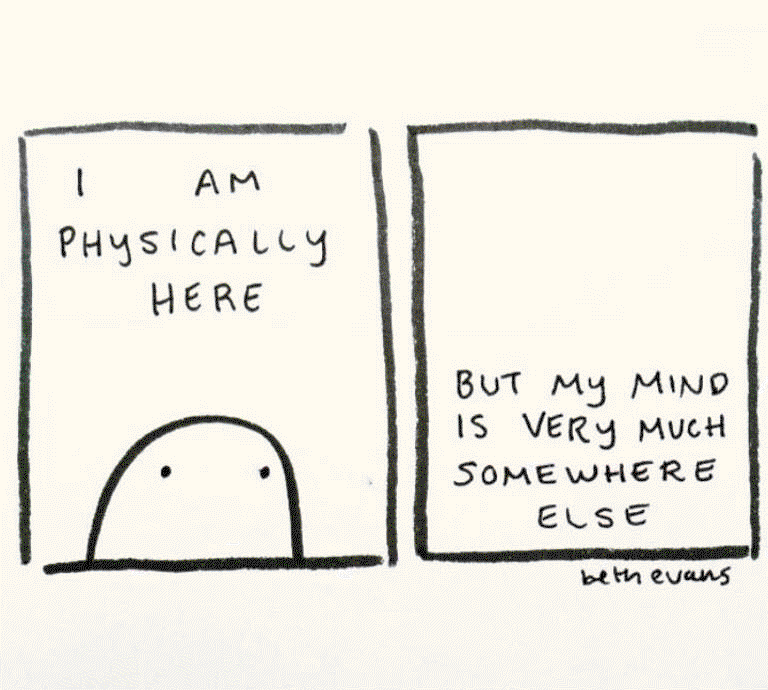
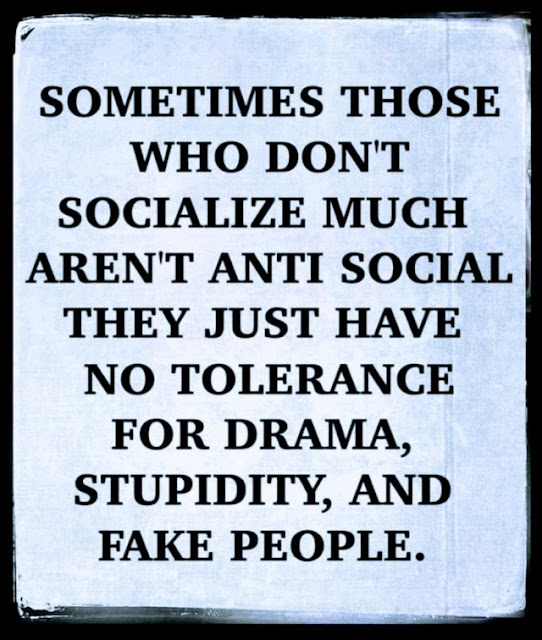
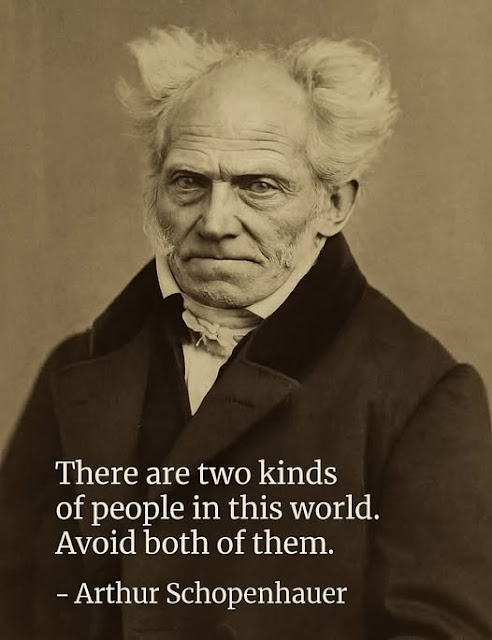
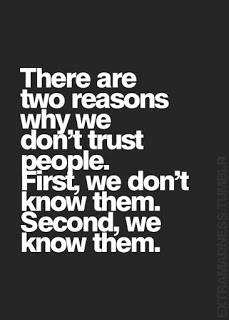
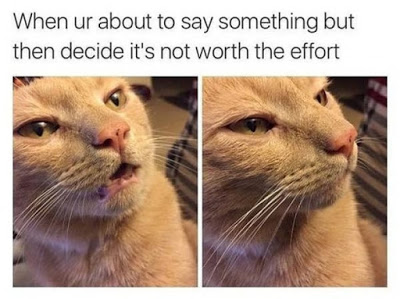

What Are The Biggest Differences Between Pro Golfers And Everyone Else (Including Scratch Players)
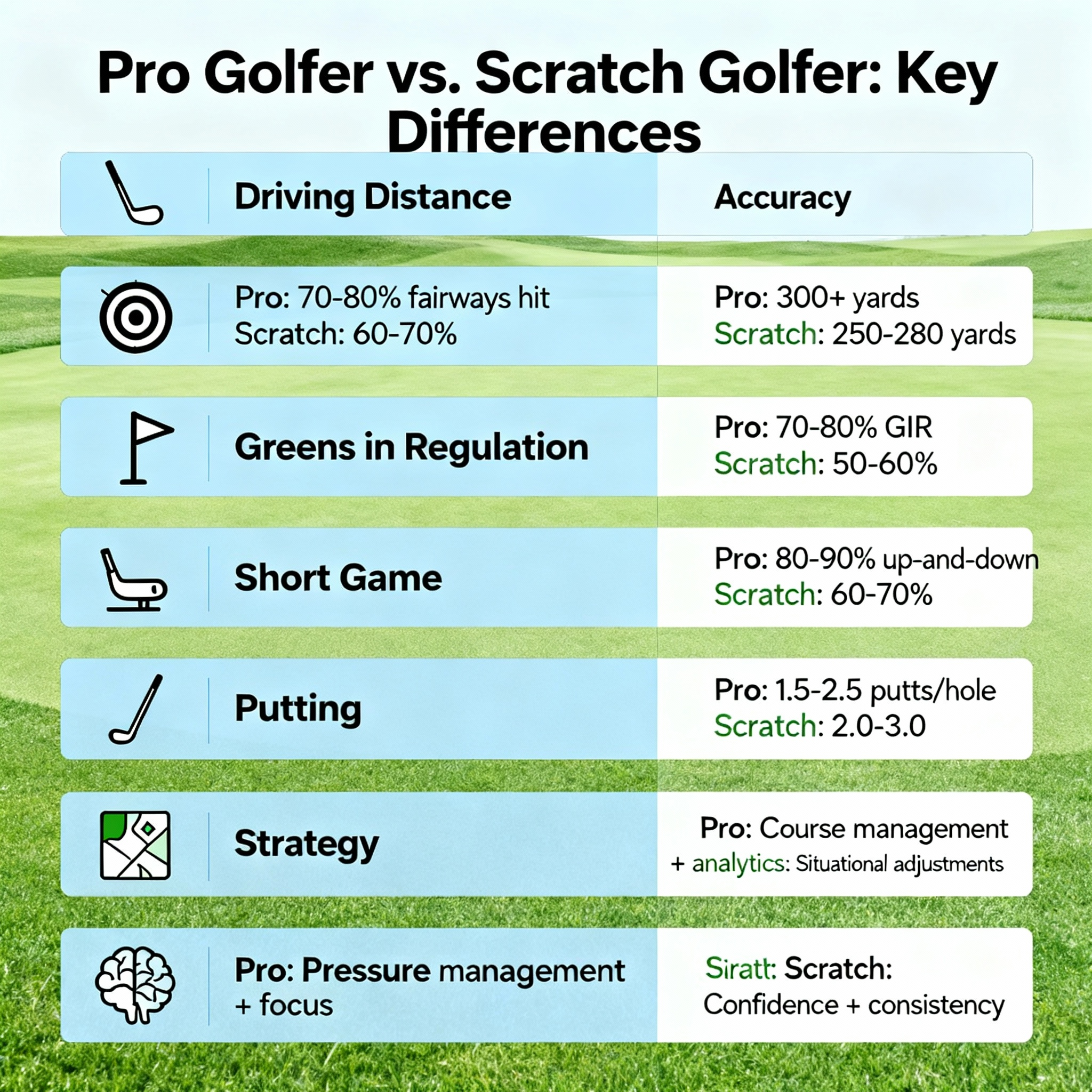
This post was written by asking an AI engine to summarize it for me. It’s in the head, as there are a lot of good ball strikers, as is the image above, but that doesn’t make them a pro golfer.
Here goes:
The biggest differences between professional golfers and regular golfers, including scratch golfers, lie in several key aspects of the game: driving distance, consistency, short game, course management, and mental approach.
Driving Distance
Professional golfers significantly outperform regular and scratch golfers in driving distance. On average, PGA Tour professionals drive around 300 yards off the tee, with longer hitters exceeding 320 yards. In contrast, scratch golfers average about 259-265 yards. This 30 to 40-yard difference per drive is substantial over an 18-hole round, making the course effectively play much longer for scratch and regular golfers.
Consistency and Fairway Accuracy
Scratch golfers tend to hit a slightly higher percentage of fairways than some pros, but this is often because pros take more aggressive lines and face firmer, faster course conditions. However, the pros’ greater consistency and shot-shaping ability allow them to recover better from misses. Regular golfers, including scratch golfers, may lack this reliability and precise shot control.
Short Game and Putting
While the difference in putting between pros and scratch golfers is smaller than often assumed—a typical pro puts about one stroke better per round—their short game skills stand out. Pros have a diverse array of reliable shots around the greens and get up-and-down nearly 60% of the time, whereas scratch golfers may lack the finesse and variety, resulting in tougher putts after chip shots. Regular golfers often struggle more with the short game, which greatly affects scoring.
Course Management and Mental Approach
Professional golfers approach each shot with a calculated plan, relying heavily on data, math, and course knowledge. They strategically choose safer or aggressive shots based on conditions and their skill level. Regular golfers, including scratch players, tend to stick to familiar shots and less calculated strategies. Mentally, pros exhibit stronger confidence and a winning mindset, treating good shots as expected and learning quickly from errors, unlike many amateurs who may feel lucky or resigned after similarly good or bad shots.
Share this:

Mid Week Meme Dump



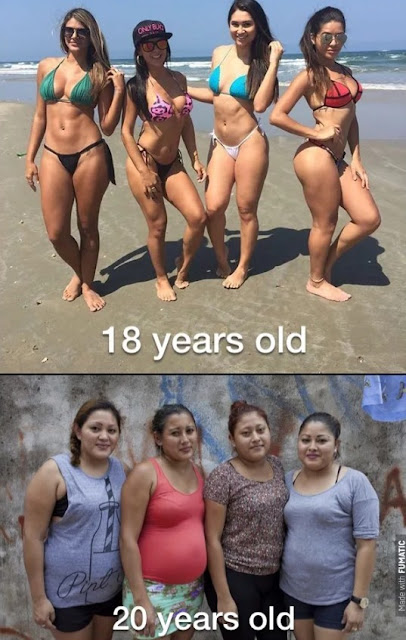


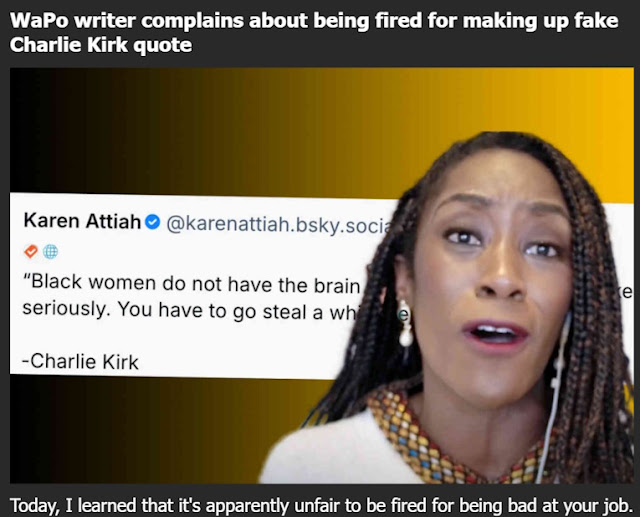
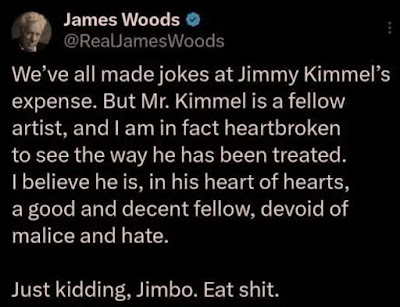
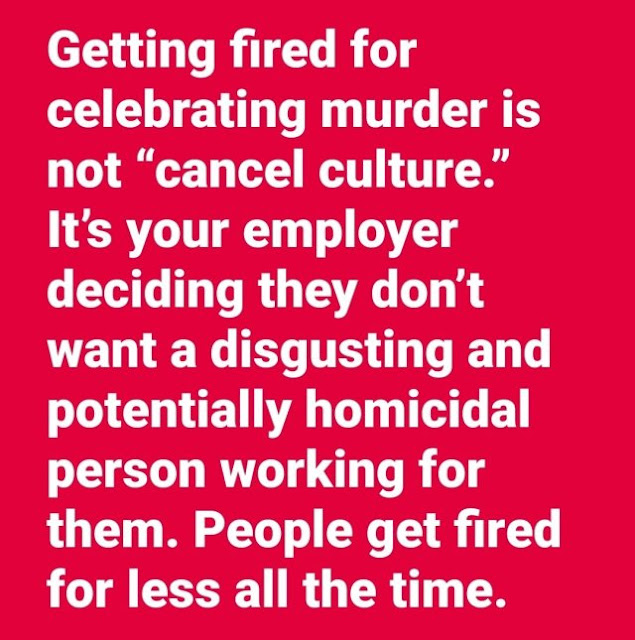

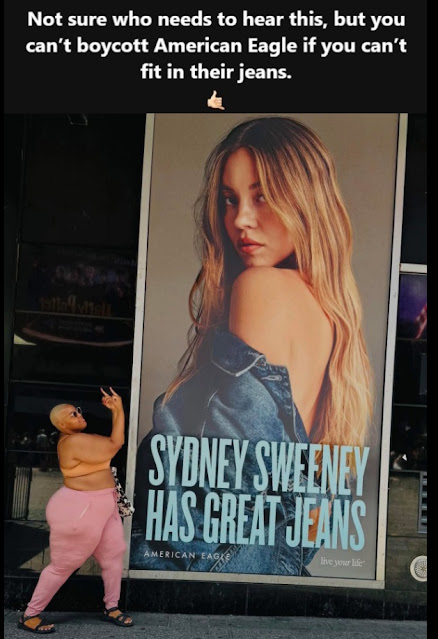
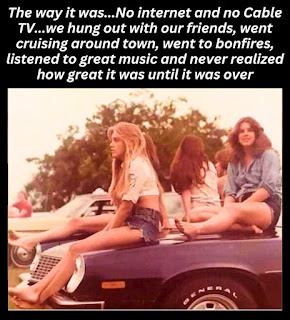


1968, Both The Summer Of Love And The Summer Of Hate And Violence
It was a turning point for our nation. Viet Nam, Kent State and a range of college activities took place. A lot of college took place in the jungles of Saigon. It could be the year that was the beginning of the end of America as that is when it was torn apart the worst since the Civil War.
The love part? It was mostly a bunch of hippies opposing war and boning each other. Those are your grandparents now. It usually involved a lot of drugs. Between the war and drugs, there were a lot of messed up people.
I lived through that time. I liked looking at naked girls at concerts as well as dreading being drafted. Fortunately for me, the war ended and they wouldn’t even take me as an enlistment.
Politics is a dirty business. It always has been. But today, politics is sometimes too often synonymous with violence.
While there were many catalysts that resulted in violence being seen as a “legitimate” form of political discourse, one stands out: Columbia University, 1968. That year, a combination of black and anti-war activists took over a building on the campus of New York’s premier university. They demanded that Columbia cancel a proposed nearby gymnasium that was claimed to be racist and end its relationship with a Department of Defense-affiliated think tank.
The NYPD eventually ejected the activists after a series of violent clashes. In a sane world, every one of those students would have been expelled, barred from campus, and sued for damages. But that’s not what happened.
Image created using AI.
No, the administration acquiesced to virtually every demand, and there were very few consequences. Suddenly, on TVs across America, activists were learning the lesson that violent takeovers can yield good results with minimal consequences, if any, even at one of the nation’s leading universities. The message having been received, it was suddenly gloves off for activists across the country. Yale, Howard, Brown, and others followed. The next year saw more of the same at Harvard and U Penn, too.
These students, these radicals, including terrorists, did not reflect most American people’s opinion. In that year’s election, the Democrat candidate, who was far more acceptable to the American people than the left’s activist wing, could still secure only 13 states and 42% of the popular vote. Four years later, Nixon would be reelected by a 49 to 1 Electoral College landslide. Not only that, but between 1968 and 1988, Democrats would win only one out of 6 elections and would lose 49 states twice.
In 1968 and many years after, the radicals in the Democrat party wouldn’t reflect majority opinion, but the die was cast. The lesson was learned: Violence wins. And so it grew.
The radical SDS (Students for a Democratic Society) launched violent protests against their closest mainstream ally, the Democrats, during the 1968 DNC convention in Chicago. The next year, terrorists Bill Ayers and Bernardine Dohrn would launch the Weather Underground, which would bomb the US Capitol two years later. The pace accelerated: “During an eighteen-month period in 1971 and 1972, the FBI reported more than 2,500 bombings on U.S. soil, nearly 5 a day.” That violence wasn’t coming from conservatives.
Over time, those Baby Boomers, the spoiled spawn of the Greatest Generation, would basically turn against and undermine everything their parents fought for. They would go on to become teachers and professors and writers and journalists, taking the lessons and the perspectives from 1968 with them. Nothing exemplifies this more than the fact that Communist Howard Zinn’s treacherous A People’s History of the United States became the textbook of choice for tens of thousands of teachers across the country.
It would take a while, but by the early 1990s, the radicals from ’68 were firmly in control of almost every educational and cultural institution in America. From schools and universities to NGOs and newsrooms, the radicals were in a position to brainwash America’s youth with their leftist poison. And they did.
America began to see the full fruit of the radicals’ poison during the Bush years, when he was regularly called a Nazi and compared to Hitler. In 2008, the radicals finally came into their own with the election of their fellow traveler, Barack Obama. Indeed, Obama launched his political career in the home of terrorists Ayers and Dohrn.
Under Obama, the racial divide would grow, the gay lobby would begin its evolution into the trans nightmare we have today, and the violent rhetoric against anyone who opposed the left would intensify. Obama would use the government apparatus, which was now fully stocked by acolytes of those 1960s radicals, to target conservatives. Simultaneously, the justice apparatus across the country—by design, typically one of the least radical elements of the government structure—from District Attorneys to parole boards to judges and justices, embraced the leftist victimization mentality where virtually no transgression, including violence, should be punished, unless the perpetrator is from an unapproved group.
What’s more, the universities had become indoctrination centers producing millions of illiberal and sometimes violent graduates taking to the streets in support of every leftist cause. They were found in Antifa, in BLM, in trans groups, in pro-illegal immigrant groups, and antisemitic groups from both the Islamic and progressive perspectives.
All of this culminated during the era of Donald Trump. His first term was bookended by violence. In January 2017, Washington went up in flames upon his inauguration, and in the summer of 2020, cities and towns around the country were engulfed in flames and violence as the death of George Floyd sparked the left’s decades-long propaganda kindling of white supremacy and institutional racism. Then, during the Biden administration, violent antisemitic protests were allowed to blossom on campuses across the country.
Which brings us to today. Charlie Kirk’s assassination has sparked discussions about the absurd notion of murder being a legitimate form of political interaction. Where America once was a place where ideas were debated and using violence to achieve political ends was fringe at best, today we have something different.
In a recent survey questioning the legitimacy of assassinating Donald Trump for political reasons, fully 55% of left-leaning respondents suggested that it was “somewhat justified.” The same survey showed similar support for killing Elon Musk, burning down Tesla dealerships, and worshipping Luigi Mangione.
These are the people who proffer the age-old hypothetical “Would you go back in time and kill Hitler as a baby to save 20 million lives” before calling Trump or his supporters Nazis and nodding at you knowingly. They are the same people who claim that saying men can’t have babies is violence.
That is insane. That fully a quarter of the American population thinks that killing a political rival might be a legitimate tactic, actual violence, is unbelievable…but sadly believable at the same time.
Share this:

Mid Week Meme Dump
1

2
3
4

5
6 – Here are 2 pussies throwing out the first pitch.

7

8
9

10

11

12
13
14
15
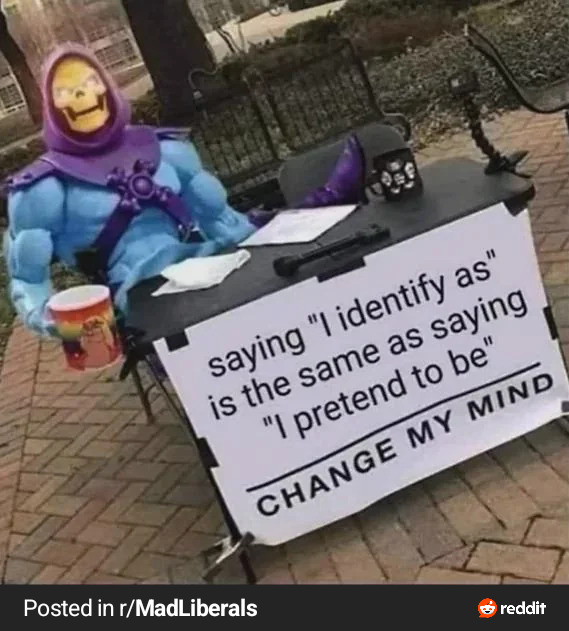
16
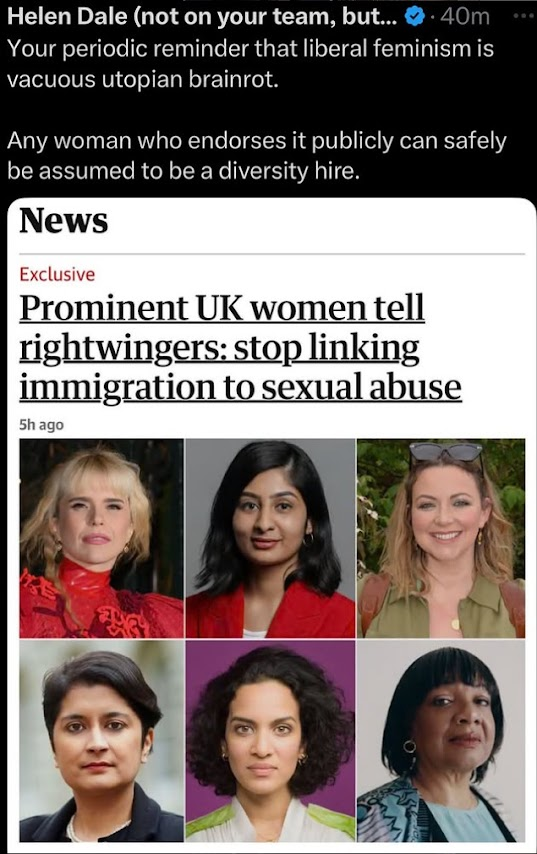
17
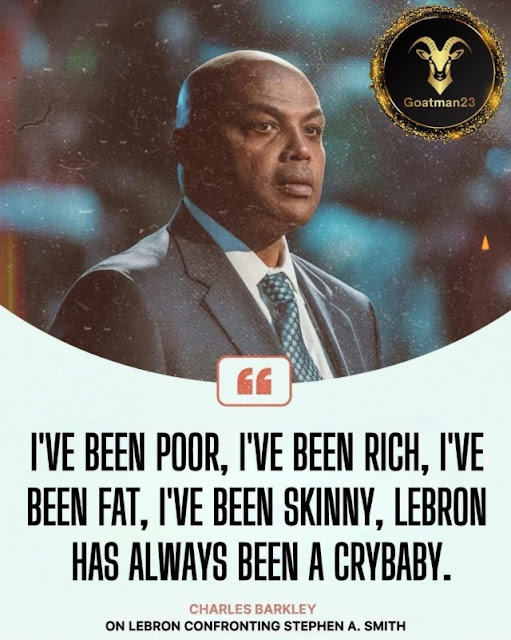
18
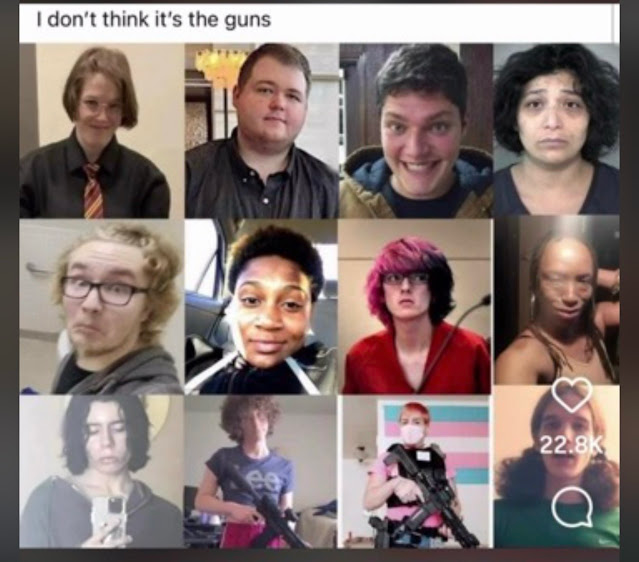
19

Share this:

The Real Reason Introverts Hate Small Talk
Small talk is neither emotionally nor intellectually stimulating, so it can feel like a waste of an introvert’s limited social energy.
Does anyone actually enjoy chatting at length about the weather? Unless you’re a meteorologist, probably not.
More often than not, small talk becomes the go-to conversation when we’re at a loss for words. It fills awkward silences, it eases tension during initial meetings, and it can help steer clear of controversial topics.
But it gets old fast.
Introvert Small Talk
Now, if you’re an introvert like me, you might hate the small talk ritual. Jon Baker, a business coach for introverts, found that 74 percent of introverts said they dislike small talk, as opposed to only 23 percent of extroverts who said they dislike it.
Why do the majority of introverts hate small talk?
By definition, introverts are people who feel drained by socializing and recharge their energy by spending time alone. Because small talk is neither emotionally nor intellectually stimulating, it can feel like an inefficient use of their limited social energy. In other words, if introverts are going to use up their energy, they want to spend it in ways that really count.
(Not sure if you’re an introvert? Here are 21 signs that confirm you’re an introvert.)
Also introverts tend to enjoy delving deep into topics and exploring ideas on a meaningful level. It’s more energizing to talk about things that feel important and relevant to them. Small talk, by its very nature, remains at a surface level.
But those aren’t the real reasons introverts might hate small talk.
Why Introverts Hate Small Talk
It’s not that introverts hate socializing or people. Even though we’re introverts, we still need close, healthy relationships to thrive.
As my friend Dr. Laurie Helgoe points out in her fascinating book, Introvert Power, “Introverts do not hate small talk because we dislike people. We hate small talk because we hate the barrier it creates between people.”
Small talk doesn’t bring people closer. Quite the opposite — it can create a barrier that prevents the kind of genuine, intimate connections we all crave.
Think about it. When two people get stuck in small-talk mode, discussing only “safe” and polite topics like the weather, they don’t really learn anything new about each other. They don’t get to know the other person or understand who they are. They miss discovering that their conversation partner, for example, wakes up early to go birdwatching, hates the color yellow, or grew up on a family farm.
As a result, the relationship doesn’t grow in a satisfying way. In general, introverts are interested in understanding people’s thoughts, feelings, life lessons, and experiences, which isn’t usually achieved through small talk.
The key is to transform small talk into meaningful conversation. Here are some tips from my upcoming course, Easy Conversation, designed to help introverts and those who are shy or socially anxious feel at ease in social situations and enjoy more fun, meaningful conversations.
Small Talk Tips for Introverts
Small talk has its place. Patrick King, in his book Better Small Talk, explains that socializing and cultivating relationships happen by degrees, not all at once. “Zoom out, and you can see where small talk fits in and why it’s so important — it’s the first of many steps in closing the distance between you and another person,” he writes. Small talk allows us to warm up to each other, but it’s not where we want to stay.
The secret to not just surviving, but also enjoying small talk, lies in transforming it into a meaningful conversation. If you’re an introvert, meaningful conversation will give you a much-needed energy boost. When you’re immersed in an interesting or thoughtful conversation, you might just end up chatting the night away!
So, here are four tips to turn small talk into more meaningful conversations.
1. Invite the other person to tell a story.
One powerful tool to make conversations more meaningful is to encourage the other person to share a story. To do this, avoid closed-ended questions, those that can be answered with a simple yes or no, or just a few words. Closed-ended questions like, “How are you?” or “Did you have a good day?” limit the depth of the response and can often end the conversation before it even starts.
Instead, ask open-ended questions. For example, instead of asking, “How was your day?,” try, “What was something interesting that happened today?” or “What did you do today that made you feel accomplished?” Questions like these invite the other person to tell a story.
Here are more ideas from Chris Colin and Rob Baedeker, authors of What to Talk About:
Instead of…
- “What line of work are you in?”
- “How was your weekend?”
- “What’s up?”
- “How long have you been living here?”
Try…
- “How’d you end up in your line of work?”
- “What was the best part of your weekend?”
- “What are you looking forward to this week?”
- “What’s a strange detail about where you grew up?”
2. Ask why instead of what.
Here’s a twist on asking open-ended questions: Instead of asking only about the facts, the what, probe deeper into the why. This strategy, suggested by The Date Report, pushes the conversation beyond surface-level information and delves into the person’s motivations and values.
For example, after asking, “What college did you go to?,” ask a follow-up question like, “Why did you choose that college?” The second question will reveal much more about the person. Their answer might shed light on their passions, their decision-making process, or even their personal history.
Similarly, if someone shares that they recently watched a particular movie, rather than just asking, “What was the movie about?,” you could ask, “Why did you pick that movie?” or “What about that movie appealed to you?” You might get some insight into their taste in cinema, their interests, or what kind of narratives or themes resonate with them.
In essence, asking why nudges the person to share more personal information, which can lead to a more meaningful conversation.
3. Share a few details and see what sticks.
This can be a hard one for us introverts, because we tend to dislike talking about ourselves. It places the spotlight directly on us, which might make us feel vulnerable and exposed. As a result, we may not open up for people unless we know them well. Unfortunately, this tendency can lead to a repetitive cycle of tedious small talk.
As I explain in my book, The Secret Lives of Introverts, a good strategy to break out of this cycle is to sprinkle a few personal details into your conversations and observe what resonates with the other person. For example, when faced with routine questions like, “How’s it going?” or “How are you?,” instead of responding with the standard, “I’m fine, how are you?,” try to expand on your answer by sharing a bit about your day. You could say, “I’m doing great! I woke up early this morning to jog along my favorite trail. It really invigorated me!” Or, “I’m feeling tired because my two-year-old woke me up in the middle of the night, and I couldn’t fall back asleep.”
When you share details about yourself, notice how the other person reacts. Do they show genuine interest and continue the conversation with a follow-up question like, “That sounds great! Where’s your favorite trail?” Or do they give a disinterested nod? If the other person doesn’t seem interested, try revealing another detail about yourself until you hit on a topic that gets the two of you talking.
This strategy is like throwing a few conversational lines into the water and waiting to see what bites. It might feel uncomfortable at first, but with practice, it can become a natural and effective way to transform small talk into meaningful conversations. Remember, it’s not just about finding common ground; it’s about revealing the unique layers of your personality and allowing others to connect with you on a deeper level.
And, if you’re an introvert, this approach allows you to control the depth of self-disclosure, making the whole interaction more enjoyable.
4. Dare to be honest.
We often sacrifice expressing our true thoughts and feelings for the sake of politeness. But there’s something very authentic — and surprisingly charming — about being completely honest. In her book, The Irresistible Introvert, Michaela Chung encourages us to elevate conversations by voicing our honest feelings and thoughts, which can be surprisingly captivating. For instance, instead of nodding along and pretending to agree, try saying things like:
- “To be honest, I don’t go to parties very much. I feel pretty overwhelmed being here.”
- “I’m not a big talker, but I like listening.”
- “I don’t like camping. Like, at all.”
- “I’m really proud of that.”
- “This feels awkward.”
- “That hurt my feelings.”
- “No. I don’t want to go. I’d rather stay home and have some me time.”
Such candid admissions might seem intimidating to share, but when done tactfully, it strengthens the bond between you and the other person. By sharing your preferences, feelings, and thoughts directly, you give the other person a chance to know you better. It also signals that you trust them enough to share your true feelings, which can make them feel more comfortable doing the same.
Remember, honesty isn’t about being blunt or rude; it’s about expressing your authentic self in a respectful manner. For introverts, these honest exchanges can make socializing more enjoyable and less draining, because they transform superficial small talk into meaningful, authentic conversation.
Share this:

For Introverts: 7 Signs Your Social Battery Is Running Low
In social settings, the introvert brain is busy processing every word and detail, which explains why it can feel so exhausting.
If you’re an introvert like me, the idea of being around a large group of people can feel overwhelming in a way that extroverts just don’t understand. If you get anxious just thinking about concerts, networking events, or even holiday parties, you’re not alone.
Spending too much time around people can lead to what’s called an “introvert hangover.” I’ve experienced this many times myself, but over the years, I’ve learned how to recognize the signs —
7 Signs Your Social Battery Is Running Low
1. You just don’t feel like talking.
Even if it’s someone you normally enjoy chatting with, when you just don’t feel like engaging in conversation, it may be a sign that you need alone time ASAP.
The introverted brain processes information more deeply, which means socializing can take more mental energy than it does for extroverts.
When we’re in a social setting, our brain is working overtime to take in all the conversations, stimuli, and dynamics happening around us. It’s no wonder this can be exhausting.
That’s why introverts need time alone to recharge our batteries and regain the energy drained during social interactions. Without it, we simply won’t feel like chatting!
2. You second-guess everything you say.
When you try to engage in conversation but feel like your words are coming out all wrong, it may be a sign that your brain is running on empty and needs some downtime to recharge.
When you’re constantly second-guessing yourself or worrying about how you’re being perceived, it adds even more strain to your mental reserves.
Bottom line: For introverts, processing information and managing our own thoughts and feelings at the same time can lead to decision fatigue.
3. The thought of being around people makes you anxious.
If the idea of interacting with others makes your palms sweat and your stomach churn, it’s a clear sign you may need to take a break from socializing until your energy levels return.
For introverts, being around people can be mentally exhausting, especially if we feel like we have to be “on” or put on a persona that doesn’t feel natural.
We also tend to prefer meaningful, one-on-one conversations over small talk or large group interactions, which can quickly drain our social battery.
4. You start zoning out during conversations.
Do your eyes glaze over when someone starts talking? That could be a sign your brain has reached its limit for social interaction and is craving peace and quiet.
Because social interaction consumes energy, the constant pressure to stay engaged, think of responses, and keep up with conversations can quickly become overwhelming. Eventually, the mental fatigue catches up, and we just zone out.
5. Your temper is shorter than usual.
It’s hard not to snap at people when all you really want is some quiet time to yourself. This can happen before you even realize your brain and body are overdue for a break.
For introverts, socializing can be stressful. As a result, our patience runs thin, and we may become easily frustrated or irritated. Suddenly, it feels like everyone and everything is getting under our skin.
6. You have trouble sleeping.
When our brains are overstimulated, it can keep us awake at night with racing thoughts.
Of course, difficulty sleeping can be caused by many things — from medical conditions to hormonal changes — but it can also be a sign of an introvert hangover.
Since we introverts burn through more energy while socializing, the aftermath can leave us feeling wired but tired. That “buzzed” feeling makes it harder to settle down and drift off.
If this sounds familiar, try carving out some extra downtime before bed — like reading a good book, journaling, or taking a warm bath — to help calm your mind. The key to healing your overstimulated brain is to get those zzz’s back on track.
7. You crave alone time.
This one comes as no surprise! If all you want is to escape the constant chatter and noise, chances are an introvert hangover is on its way.
While society often stigmatizes spending time alone, for introverts it’s a natural and necessary part of life. Alone time helps us recharge, feel refreshed, and show up as our best selves.
So take a look at your calendar and schedule solo time like it’s a non-negotiable appointment. It could be as simple as going for a walk, meditating, or journaling — whatever helps you reset.
Rest of the article and how to prevent this here, although I can’t prevent it.
Share this:

How do you practice self-care?
How do you practice self-care?
Set boundaries
I had to learn that lesson the hard way. If it meant my sanity or a friendship, I’ve gone both ways, but I’m protecting my ass from now on.
I’ve done too much stuff that when in the middle of doing said stuff I thought, “I really don’t want to be here or doing this”. I don’t do that shit anymore. If it looks like a suck now, I bail early.
I also don’t let people run over me. It’s not that I was a dormat, I just didn’t understand that some people would use you and take you for granted. It never had occurred to me until it happened to my ass over and over again. I didn’t even know at first you could say no and not hurt someone’s feelings.
Well, no more. I draw the line. I’ve seen it upset people, only to find the people not being upset or even thinking of me shortly thereafter.
It’s made my life a lot better because I’m not in situations that I don’t want to be in.
You’d think it would have taken me less time to figure this out, but no.
Share this:

The AI Threat To Critical Thinking In Our Classrooms
I’ve always believed in teaching Critical Thinking over raising robots to fit into the system. I’m hoping Bocopro comments on this one because he taught a long time and saw this firsthand.
Technology has no place in kindergarten through eighth grade (K-8). Evidence abounds that learning through books, pencil and paper, and dialogue with real people builds the strongest foundation for learning and provides cognitive, emotional and practical benefits.
The expensive private Waldorf School of the Peninsula in the Silicon Valley, where technology executives send their kids, has ZERO technology in grades K-8. Their website says, “Brain research tells us that media exposure can result in changes in the actual nerve network in the brain, which affects such things as eye tracking (a necessary skill for successful reading), neurotransmitter levels, and how readily students receive the imaginative pictures that are foundational for learning.”
Antero Garcia, Associate Professor in the Graduate School of Education at Stanford University, explains why he has grown skeptical about digital tools in the classroom: “Despite their purported and transformational value, I’ve been wondering if our investment in educational technology might in fact be making our schools worse.”
States like Ohio are now requiring artificial intelligence (AI) policies for all K-12 schools, and AI appears to be the latest technology fad for government-sponsored education.
Most government (public) schools have already morphed into digital-based learning centers, relegating teachers to facilitators, with no improvement in student achievement. But adding AI to the tech-driven education system poses a great threat to a child’s cognitive development and safety.
According to Harvard University, “Brains are built over time, from the bottom up. The brain’s basic architecture is constructed through an ongoing process that begins before birth and continues into adulthood. After a period of especially rapid growth in the first few years, the brain refines itself through a process called pruning, making its circuits more efficient.” These “use it or lose it” developmental phases of the brain happen in early childhood and through adolescence. If an adolescent depends on AI to think for his academic success, rather than his developing brain, his brain, and he will be shortchanged. Harvard says, “While the process of building new connections and pruning unused ones continues throughout life, the connections that form early provide either a strong or weak foundation for the connections that form later.”
It continues here with a lot more intestering facts about brains and AI
Share this:

The Hidden Cost Of Europe’s Free Education
My wife is Scandinavian. I’ve heard 3 decades of shit from them about free education, free medical, and free money if you can’t work or are going to school, or basically, if you are alive, you can suck off the system. There are a lot of illegals and goat herders who are getting free money also. Someone is paying for it.
The problem I point out is that their 70% tax rate is paying for this.
The other problem is that almost everyone in her family who got an operation had to either have it redone or had results that would be malpractice were it not socialized medicine.
Not all of her country finishes high school. So much for the education.
Even they don’t believe it is free anymore. Their argument couldn’t hold water as soon as I asked a couple of questions about how the economics work. They can be insufferable so the less we talk, usually the better, for me at least. You can only listen to so much shit before it gets old and it got old for me decades ago.
Now This:
Europe’s free university model is often seen as a triumph of modern society. With no crushing tuition bills, minimal student debt, and a promise of equal access, it sounds ideal. In countries like Germany and France, students pay only a small administrative fee, typically between $200 and $500 a year, compared to the staggering tuition costs in the US or UK. Many also receive financial aid in the form of grants that don’t need to be repaid, or low-interest loans based on need.

But behind the promises of fairness and opportunity lies a system that too often feels rigid, overcrowded, and uninspiring.
For all its accessibility, the reality of navigating these institutions can leave students feeling like just another number in a giant, bureaucratic machine.
When education is available to everyone, universities become packed. Lecture halls overflow, and personal contact with professors becomes rare. In many European countries, it is normal to attend classes with hundreds of other students. There is little space for discussion, feedback, or even questions.
You sit, you take notes, you pass or fail. It feels more like an assembly line than a place for learning. And the numbers explain why. In 2022, the European Union had 18.8 million students, about 7 percent of its total population, enrolled in tertiary education. In the United States, about 19.1 million people were enrolled in college during the 2024–25 academic year. In addition to similar enrollment figures, both the EU and the US have made higher education widely accessible. In the EU, where tuition is often free or heavily subsidized, higher education has been expanded to accommodate the majority. As of 2022, 44 percent of EU citizens aged 25–34 had completed a tertiary degree, compared to 50 percent in the US.
The two systems differ in structure. What sets these systems apart is not the number of students, but how education is delivered. European universities tend to rely on large lectures, rigid course pathways, and limited institutional competition. The result is a model built for efficiency over individualization. US institutions, by contrast, operate in a competitive, decentralized environment with a wider range of academic structures, including smaller colleges and more flexible program design.
When higher education is scaled to serve nearly everyone, as in much of Europe, it risks trading depth for throughput and personalization for administrative convenience. It works, but at the cost of treating education less as a journey and more as a bureaucratic process.
So I’m tired of hearing about their system. They are about to turn out a bunch of substandard students not to mention all of the illegals.
Share this:

Introvert Meme’s – Good One’s Today

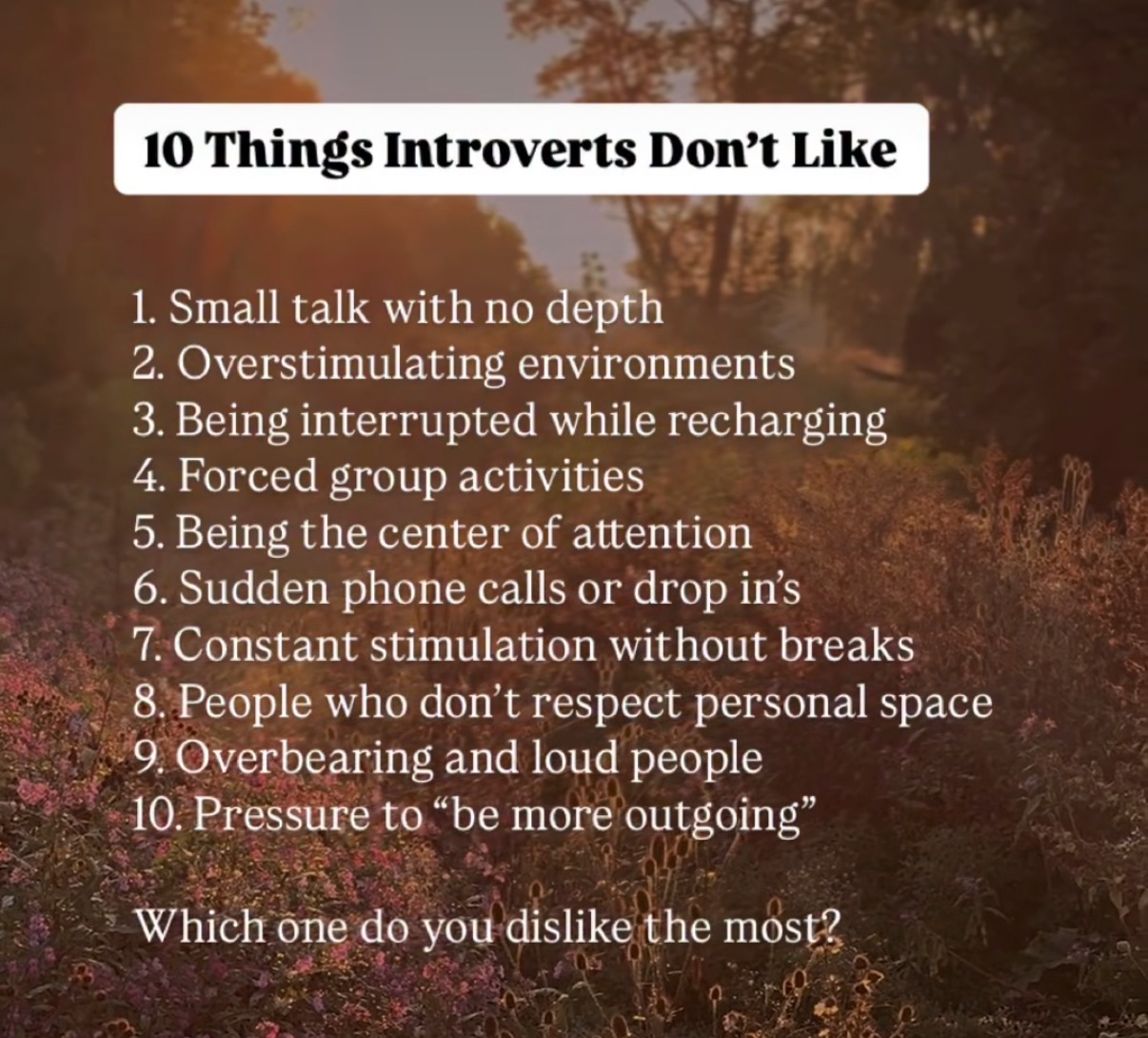

Just Another Reason I Hate Flying – Drunk Pilots
Drunk Pilots
Shocking new bodycam video photo shows a Southwest pilot being pulled off a flight by police moments before it was due to take off over fears he was blind drunk.
David Allsop, 52, was arrested for a DUI in January at Savannah/Hilton Head International Airport in Georgia, with footage of the incident emerging Thursday.
Allsop was due to captain Flight 3772 to Chicago, but was apprehended in his cockpit after TSA officers notified police that they suspected he was drunk.
It is unclear what raised their suspicions.
But one officer filmed confronting Allsop on a jet bridge said he reeked of booze, which Allsop tried to blame on a Rogues nicotine pouch.
Allsop was conducting pre-check flights, with passengers already on board, when police came on board, escorted him off the plane and asked him about his alleged recent alcohol consumption.
The pilot confirmed he drank ‘a few beers’ the night before, ‘like 10 hours ago at least’.
Pressed by a suspicious cop to define ‘a few beers,’ Allsop replied that he’d drunk ‘like, three’ Miller Light’ with his first officer.
Share this:

What do you enjoy most about writing?
What do you enjoy most about writing?
What I like best about writing is it forces me to slow down and makes me think about what I’m saying. Grammatically, I think my writing is a disaster sometimes, but many times I’ve been able to deal with a situation in my head through unspoken words only to me. When the time came for the conflict or resolution, I was practiced and ready.
Anybody who reads my blog knows that you’re gonna get a lot of introvert information from me. When I write, I’m not talking, and since 90 % of talking is small talk, it has reduced value for me.
Share this:

Money Or Love? What Did Gen Z Pick?
The best looking girl I ever took to bed told me that her answer was Money. Her voice had a southern accent that would melt you if you got past her beauty.
Anyway, after that comment, I knew from that instant we would be nothing but bed buddies. What kills me is that I was broke at the time. All I had to offer was a good time, no frills. A girl like that could get anyone, but gave me a few months of her life. She got her millionaire eventually (and got rid of him). I got free from a lot of future head and heartaches.
Now this…….
Nearly Half of Gen Z Say They Would Choose Financial Stability Over Love
In a heartbreaking sign of just how badly the Biden-Harris economic disaster has affected America’s youth, a shocking new survey revealed that nearly half of Gen Z, 46 percent, would abandon all hope of romance for money.
Matchmaking company Tawkify surveyed 1,000 Americans to “explore how daters today weigh love, money, and emotional baggage,” and the results were disheartening.
The pollsters found:
Millennials are likeliest to choose love over money: 59% would prioritize a “broke and magical” relationship over financial security compared to 54% of Gen Z, 48% of baby boomers, and 46% of Gen X.
Gen X is the most financially pragmatic, with 52% choosing security over romance.
Women are likelier than men to choose love over money: 58% of women would prioritize a “broke and magical” relationship over financial security, compared to only 51% of men.
Nearly 7 in 10 Americans (69%) have stayed in a relationship longer than they should have due to shared finances; 44% of these situations were temporary, and 25% were long-term.
Not only would Gen Z give up love for cash, the pollsters found that 29 percent would consider “reuniting with an ex-partner if that person became wealthy.”
So just like the girl who gave me the goods for a few months, they are shallow. The good part was that I worked with the girl I was sleeping with. These days it would get you fired, but not then.
For the record, Terry from GMC, it was you.
Share this:

Marriage Memes
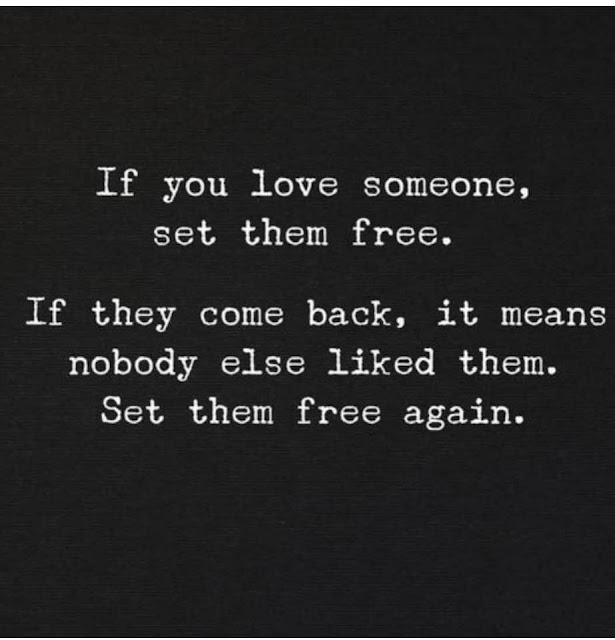
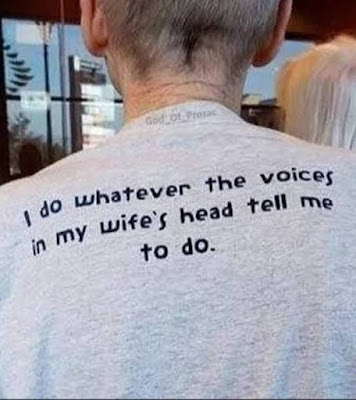
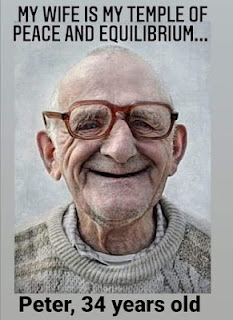
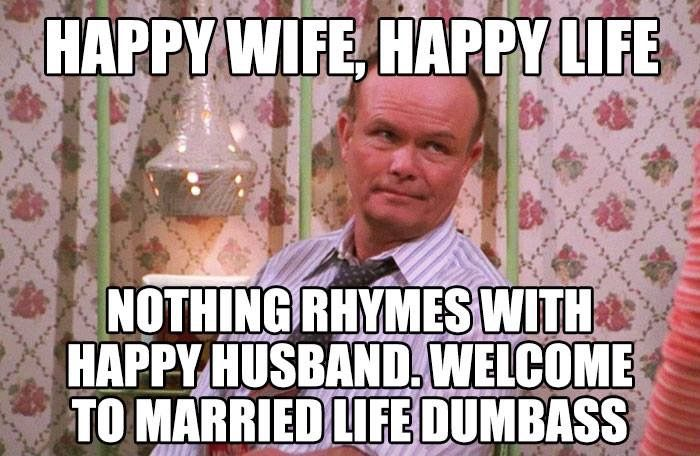



Best Of Introvert Meme’s – Part 5
Thursday’s Introvert Meme’s (different from above)
Share this:

Tired Of Your Pet, Feed Him To The Lions In Denmark
Seriously, what is in the water over there? Maybe this is what is rotten in Denmark.
There is no way I’m sending my pet to get euthanized and eaten. I’m not a savage. Maybe they couldn’t hold back that Viking gene and had to kill something to feed it to the predators. Anyway, there is no way this was going to turn out good the minute some pissed off girl sends her ex’s pet to the zoo for lunch.
A zoo in Denmark is asking for donations of small pets as food for its predators.
The Aalborg zoo said it is trying to mimic the natural food chain of the animals housed there “for the sake of both animal welfare and professional integrity” and offers assurances the pets will be “gently euthanized” by trained staff.
The zoo in northern Denmark explained in a Facebook post that “if you have a healthy animal that needs to be given away for various reasons, feel free to donate it to us.”
The zoo points to guinea pigs, rabbits, and chickens as possible donations. After being euthanized, the animals will be used as fodder, the zoo said.
“That way, nothing goes to waste — and we ensure natural behavior, nutrition and well-being of our predators,” the zoo said.
The online call for pet donations is accompanied by a picture of a wildcat baring its teeth with its mouth wide open and a link to the zoo’s website, noting the facility also is interested in receiving horses.
Share this:

The Problems With LinkedIn
I asked AI to tell me about the state of the application. To be transparent, I loathe it and find it full of Facebook behavior and cringeworthy posts about how their jobs are better than they actually are. When you are forced to act positive to pay your bills, you’ll do a lot of things and say a lot of things. I won’t, which is why I make fun of it.
When it went woke, I changed personal information like I now attended Faber College (Knowledge Is Good) and was in the Delta Tau Chi Fraternity. I rarely go there as I never liked many of the people I had to work with. I’m connected to people who I don’t even know who they are now.
If they read this and kick me off the platform, my life will stay the same.
Anyway…..
LinkedIn is widely known as the premier professional networking platform, but it has several notable downsides that users frequently criticize. Here are some of the major negative aspects of LinkedIn:
- Superficial Connections: Many users accumulate large networks filled with contacts who never engage meaningfully. This leads to bloated connection lists that dilute the value of professional relationships, as people accept connection requests without real interaction or intent to collaborate
.
Decline in Professionalism: As LinkedIn incorporates more social media-style features, posts often mix personal anecdotes, motivational quotes, memes, and other non-professional content. This shift can clutter users’ feeds and make it harder to find truly valuable industry insights
.
Engagement Fatigue: LinkedIn pushes frequent posting and interaction, which can cause burnout. Users may feel pressured to constantly share updates or personal stories, leading to diminished quality of engagement or avoidance of the platform altogether
.
Privacy Concerns: LinkedIn collects extensive personal and professional data that can be accessed by many parties, including third-party apps and advertisers. Despite privacy settings, users’ work histories and contact info may be visible to unintended audiences, raising concerns about data security and professional repercussions
Recruiter Messages and Spam: Users often receive generic or overly persistent messages from recruiters offering “amazing opportunities” without clear details. The recruitment process on LinkedIn sometimes feels impersonal and overbearing, causing frustration
.
Paid Features and Double-Dipping: LinkedIn charges employers for job postings but also offers paid options for applicants to appear higher in candidate lists. This “pay-to-win” approach can erode trust in the fairness of job applications and make desperate applicants look vulnerable
.
Inauthentic Endorsements: The endorsements feature, meant to validate skills, is often abused through reciprocal endorsement schemes, leading many to distrust their legitimacy. Users prefer direct personal references over these watered-down public endorsements
.
Pressure to Maintain a Polished Professional Image: Users may feel stressed to constantly portray an idealized version of themselves, leading to a lack of authenticity and anxiety around online presence. This pressure can create a gap between true skills and the curated profile displayed
.
Content Overload and Quality Decline: In the race for visibility, some users share low-value or repetitive posts, which reduces overall content quality. Finding useful and relevant information amid the noise becomes challenging
.
Algorithmic Bias and Networking Barriers: LinkedIn’s reliance on connections can disadvantage users with smaller networks, creating barriers to access jobs and professional opportunities. Networking pressure and algorithmic choices may favor some profiles over others unfairly
.
Customer Service and Billing Issues: Some users report unexpected charges, difficulty canceling paid services, and poor customer support responsiveness regarding billing disputes, contributing to user dissatisfaction
.
Annoying or Irrelevant Connection Requests: Many LinkedIn users receive random or spammy connection requests, often from salespeople or automated bots, which undermines the platform’s professional integrity
.
Toxic Positivity and Questionable Content: The platform sometimes promotes overly optimistic or non-substantive posts, which can feel disingenuous or out of place for a professional network
- .
These points highlight that while LinkedIn is a powerful tool for professional networking and career development, it is not without significant flaws. Users must navigate issues with privacy, content quality, network authenticity, and platform commercialization while managing their own professional image carefully. Being aware of these challenges can help users better leverage LinkedIn’s benefits while avoiding its pitfalls.
Created by Perplexity except the lead in
Share this:

Marriage Monday Meme’s






Posting Might Be Light This Week
I’m on semi-vacation with some family. Go read my introvert posts on how well I do with that.
So I have some stuff ready, but mostly I’ll be watching my social battery drain. I went to one of the most average theme park yesterday. I mostly chased kids.
I’m already in introvert hangover
Share this:

A Short History Of The Emoji.
I refuse to use them. I think they are childish and don’t add anything to the text, no matter how cute you think you are. I deduct man points if a guy sends me one who’s over 30.
Emojis have become a staple of electronic communication since their inception in the 1990s and people of all ages and on all continents use them. While their number keeps on growing every year due to new releases by the Unicode Consortium, the pictograms are increasingly vying for users’ attention as other forms of visual communication – think gifs, stickers and avatars – are experiencing their heyday.
With myriads of emojis released over the previous years, new batches have become somewhat smaller.
As Statista’s Katharina Buchholz reports, a recently suggested update that would grow the number of emojis to almost 4,000 next year contains 164 additional pictograms, but only nine completely new ones.
While 2022 had seen the release of 112 new emojis, that number was just 31 in 2023. The figure rose again to 118 in 2024 due to emojis that allow users to pick different skin colors or genders (which are counted individually), before falling to an all-time low of eight in 2025. The number of non-customizable emojis has meanwhile decreased with almost every release.
Share this:

Just Another Reason For Me Not To Fly – Watch: Delta 767 Engine Erupts Into Flames After LAX Takeoff
Last month’s deadly Air India Boeing 787 Dreamliner crash remains very vivid in the public’s memory, especially after dramatic footage went viral on X. Those fears were reignited Saturday when a Delta Air Lines Boeing 767’s engine caught fire during takeoff from Los Angeles International Airport.
“The Boeing 767 engine caught fire shortly after takeoff around 2 p.m. Video from the ground captured the flames coming out from one of the engines. The flight landed safely after returning to the LAX runway,” aviation watcher account Breaking Aviation News & Videos wrote on X.
Oh, let’s not forget the DEI push that Boeing put on the last few years. You reap what you sow.
Share this:

Marriage Monday Meme’s

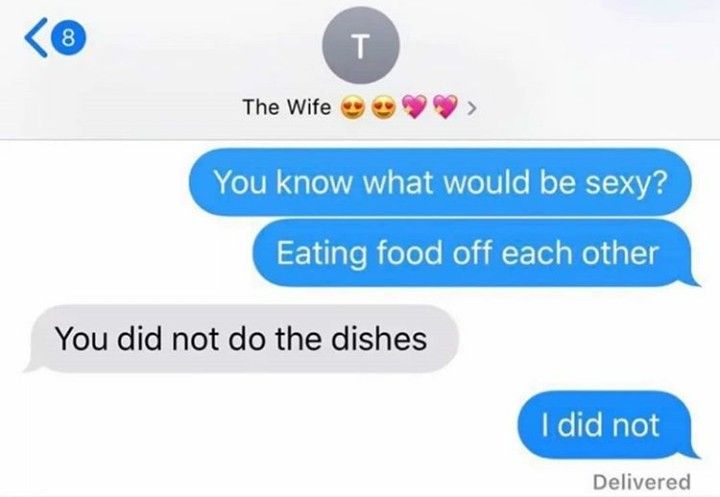
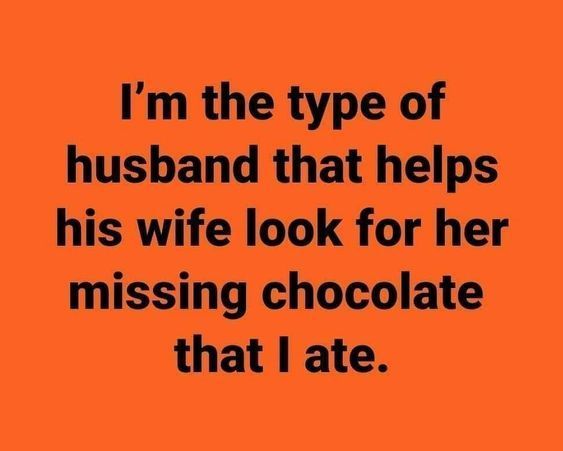

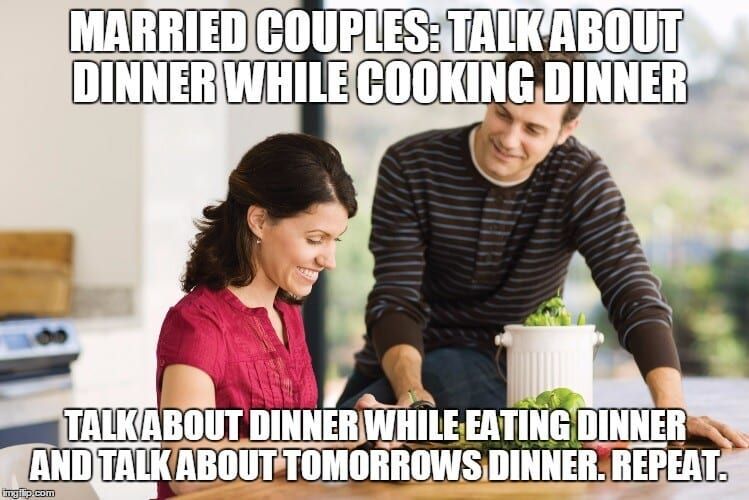



The Best Of Introvert Memes – Part 3
by this time, I was getting the hang of it and there was a lot of good stuff that hadn’t been replayed over and over. I think by the end of this best of, I finally decided on a title that I’ve stuck with.
Share this:

Pet Meme’s
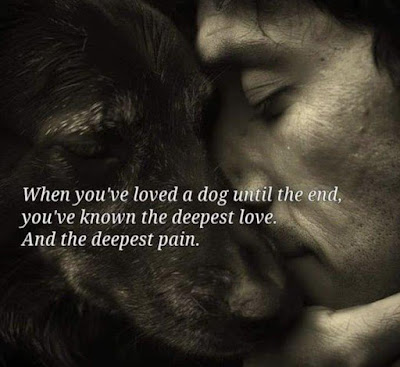

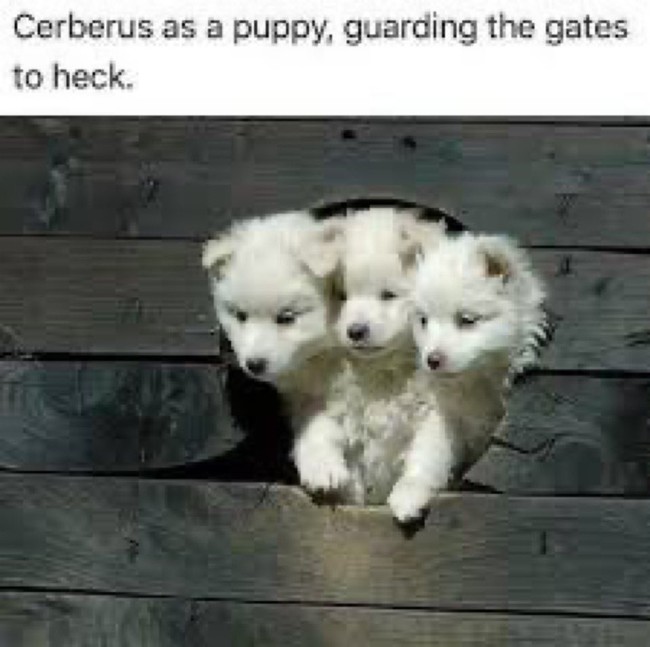

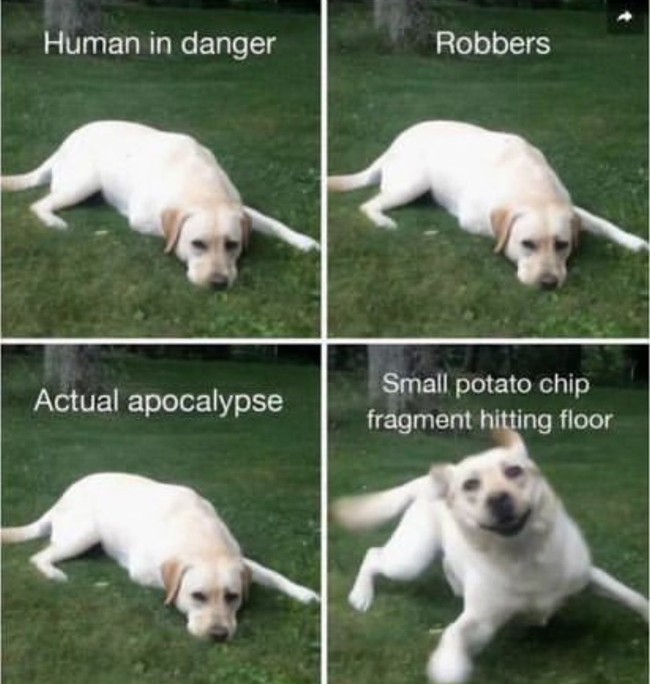

An AI Teen Prank – AI-powered restaurant app rates hotness of customers
They could be using AI to cure cancer or have the best meal and wine combination. But no. Like Face Smash, the precursor to Facebook rates the hotness of customers.
I’ll give you this, there are times when waiting tables that can be boring. I do recall that the sun was directly into the front door for about 15 minutes and if a girl in a skirt came in, we got the x-ray view..
One day, one of the hottest girls I’d seen in a white skirt stepped through the door with the sun blazing behind her. That’s right, she was going commando. I, and 4 other waiters were paralyzed for about 4 minutes until they got seated. It was Basic Instinct quality stuff.
Anyway…….
A new AI-powered website called LooksMapping is the latest trend hitting the restaurant industry, ranking food and beverage establishments by the “hotness” of their customers.
The website, catering to 9,800 restaurants in New York, Los Angeles, and San Francisco, allows its visitors to select where to dine based on an AI algorithm that evaluates the attractiveness of diners on a scale of 1 to 10, The New York Times reported.
Riley Walz, a 22-year-old programmer based in San Francisco, founded LooksMapping with the intention of using Google review data to make sarcastic observations about the restaurant industry. Walz used an AI model to collect 2.8 million Google evaluations, identifying 587,000 profile photos with distinctive traits among 1.5 million unique accounts. He next taught the model to determine whether the individuals were male or female, old or young, and hot or not.
“The website just puts reductive numbers on the superficial calculations we make every day,” the website reads. “A mirror held up to our collective vanity.”
Share this:

Best Of Marriage Monday Meme’s Part 17

Mid Week Meme Dump

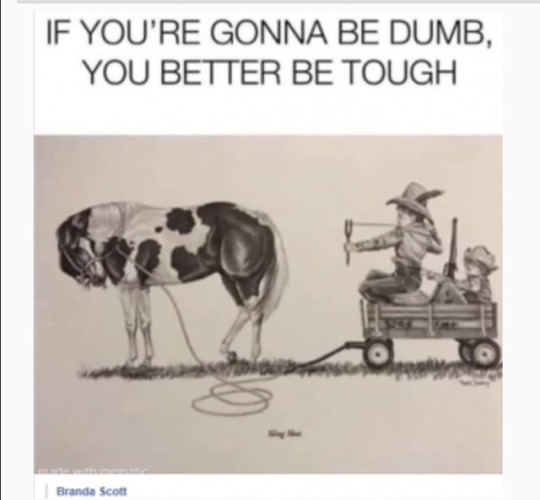

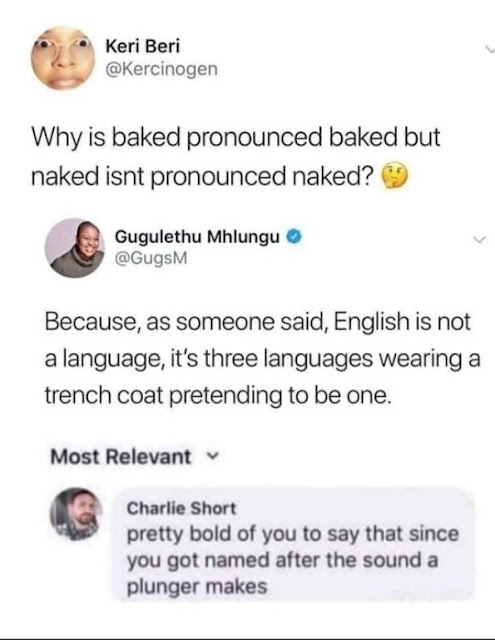

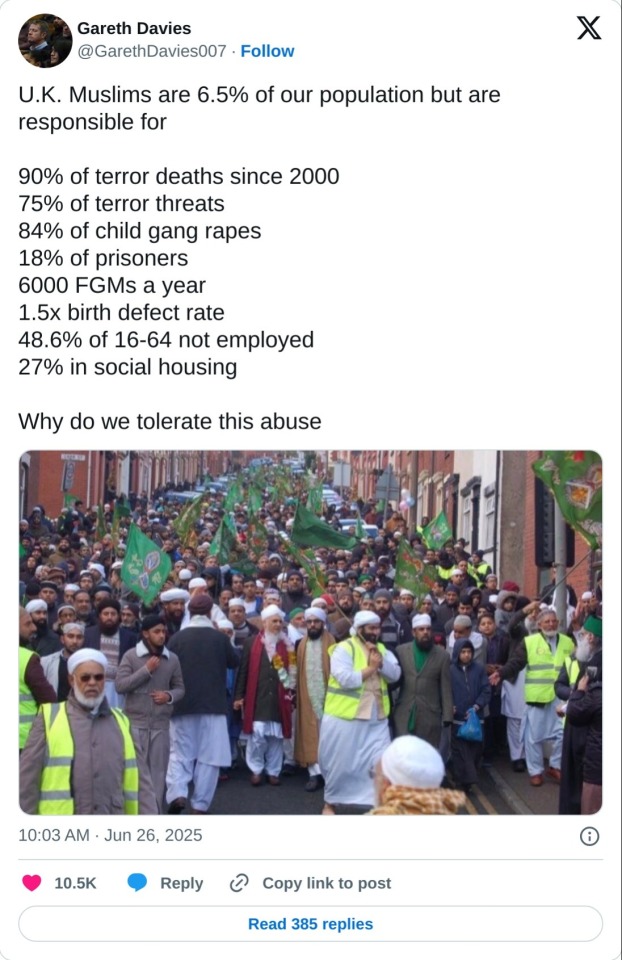





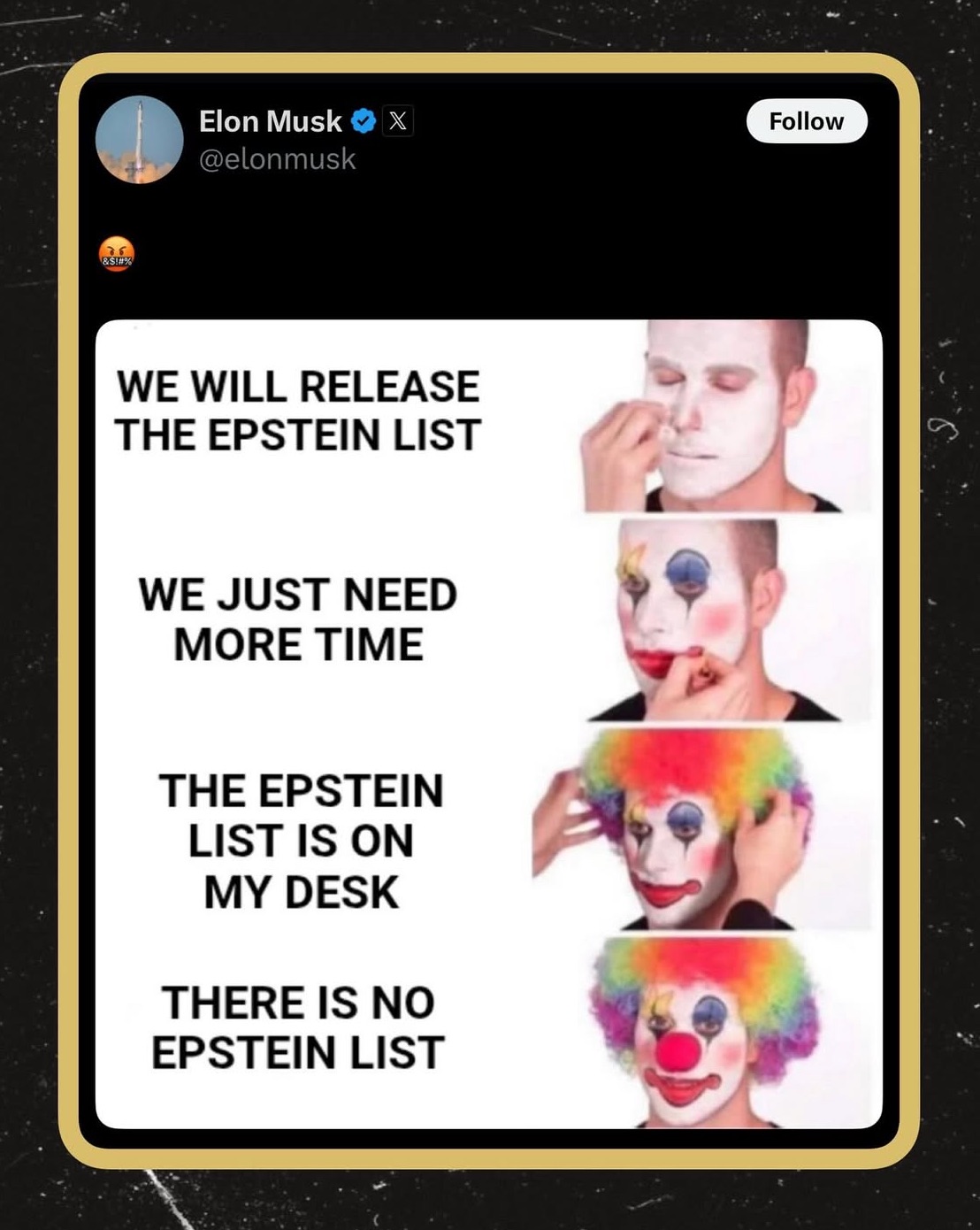

Best Of Introvert Meme’s – Part 2
Still in the pretty old stuff so should be better than the last one. As you can see, I was still playing around for a title. I think that is in the next round of best of.
Introvert Memes For How I Answer When I Get Invited To Something I Don’t Want To Go To
It’s Introvert Meme Time Again
Introvert Meme’s For My Introverted Readers
Share this:

Because People Like Big Engines And Hemi’s More Than EV’s
The hoity-toity bought EV’s mostly to show what good Social Justice Warriors they are. As a novelty, they are impressive, but it wears off.
What doesn’t wear off is the sound of a real engine. In this case it’s a Hemi. It’s big and bad and what people want.
Yes, over 10,000 orders for Hemi V8-equipped pickups were received after the announcement in June – and that was only in the initial 24 hours. That’s a significant number when you consider that Ram has sold an average of 17,828 light-duty pickups per month in the second quarter of 2025.
“We continue to see total sales growth for Jeep and Ram brands, with Ram fueled by sales of the Ram 1500,” said Jeff Kommor, head of U.S. sales. “We plan to build on that success in the second half of the year. We’ve already seen consumer interest spurred by the return of the Hemi V8, with the brand receiving over 10,000 orders in the first 24 hours of the June announcement.”
Tim Kuniskis, CEO of Ram, admitted in June that the company “screwed up” when it discontinued the Hemi V8, and has resolved to give its customers the choice to select the powertrain they want.
Share this:

Marriage Monday Meme’s
1
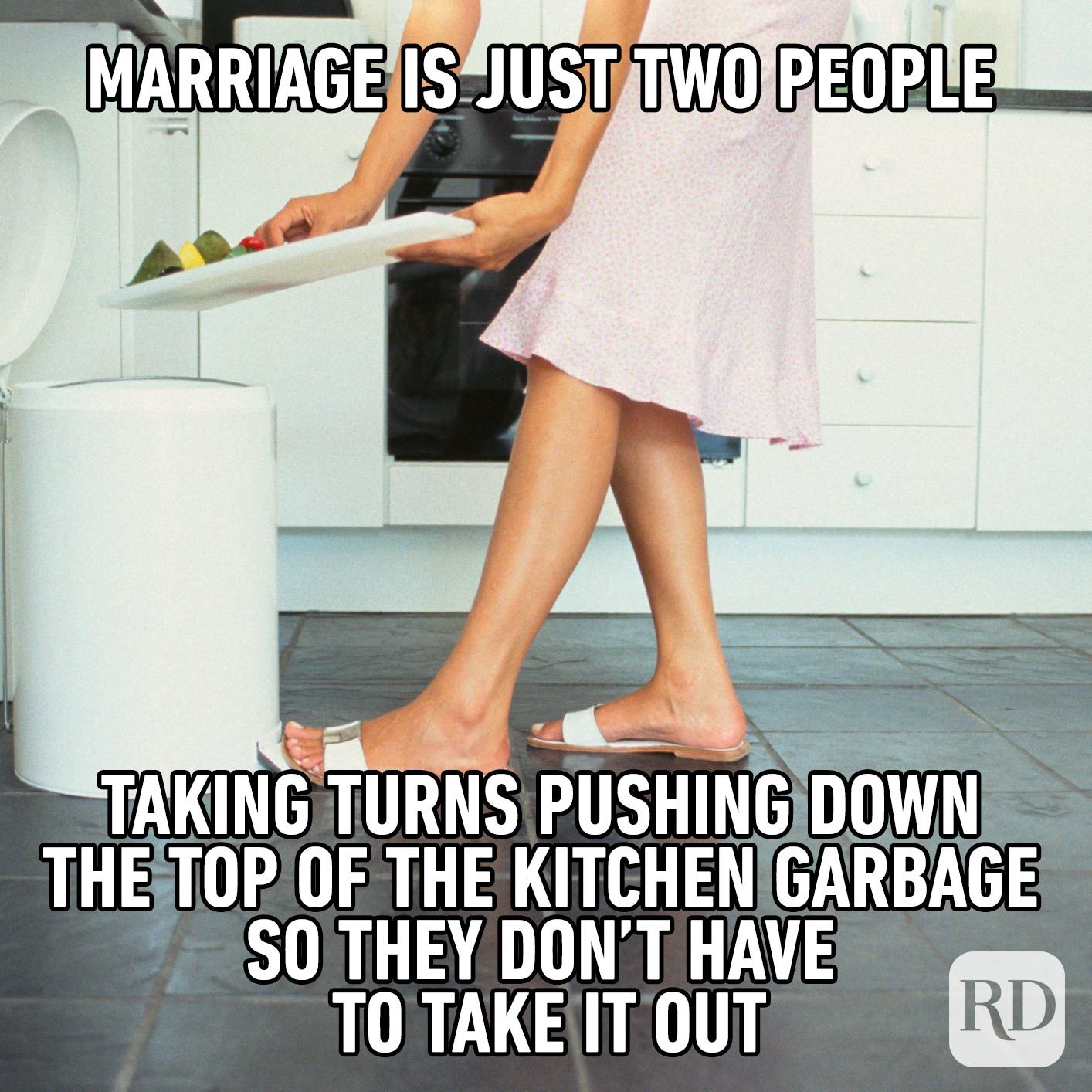
2

3
4
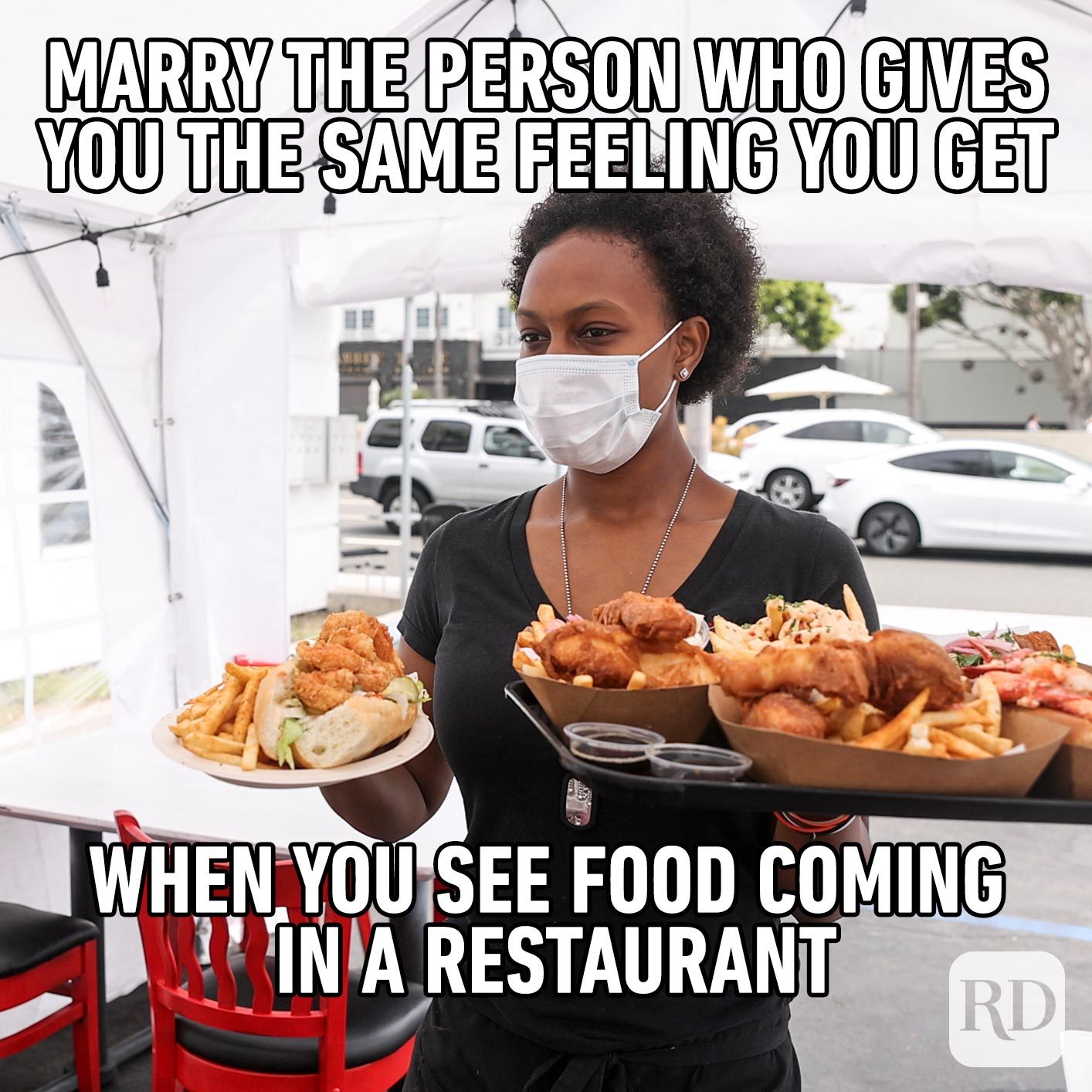
5
6
7

8
9
10
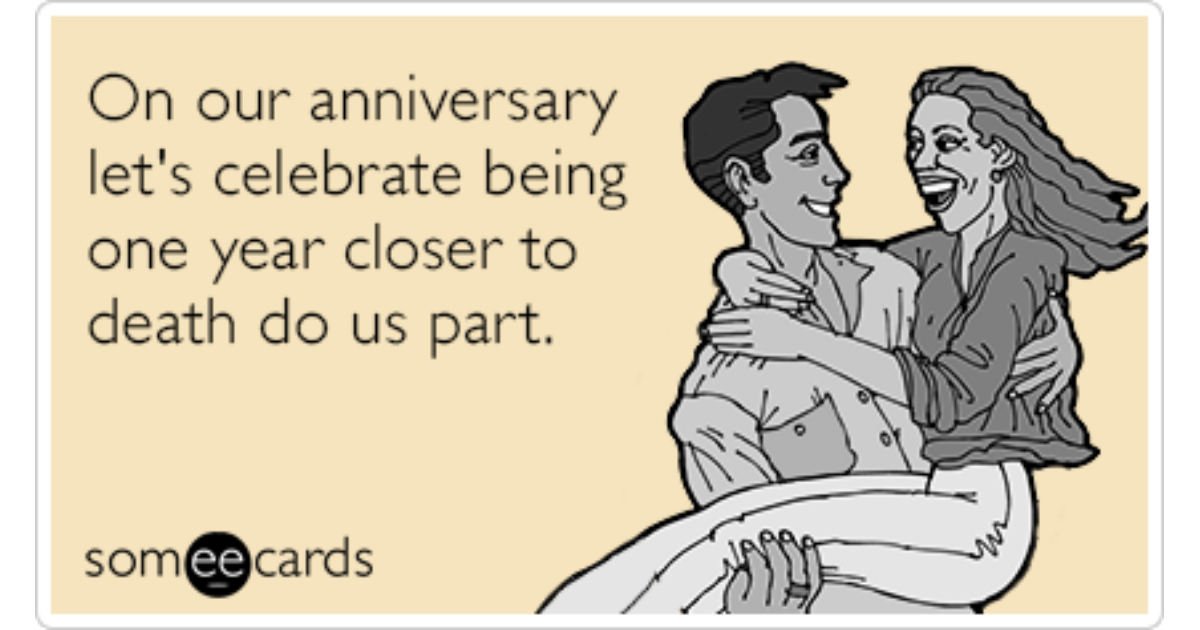
11
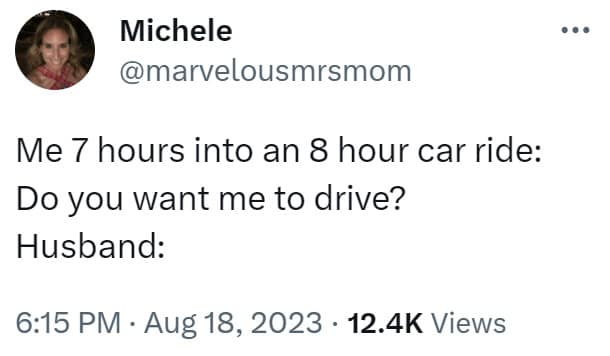
12
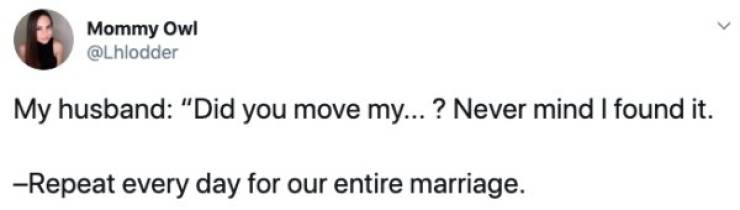
Share this:

The Best Of Introvert Meme’s
The Walmart stuff is getting stale, plus some of the better introvert stuff was at the beginning. Enjoy.
Introvert Stuff, Depicted By Meme’s
Meme’s Introverts Will Understand
These Memes Perfectly Explain Introverts’ Thoughts at Holiday Parties
Introvert Meme’s, Because They Are True
Share this:

Which food, when you eat it, instantly transports you to childhood?

What’s your favorite thing about yourself?
What’s your favorite thing about yourself?
I’m self-entertaining. I don’t need others to do something or for motivation to get something done. I’m perfectly happy to do a task alone and would likely enjoy it more.
It has other benefits such as I don’t look to others to see what I’m going to do, like not take the Covid-19 jab.
Share this:

Why Dads Are Important
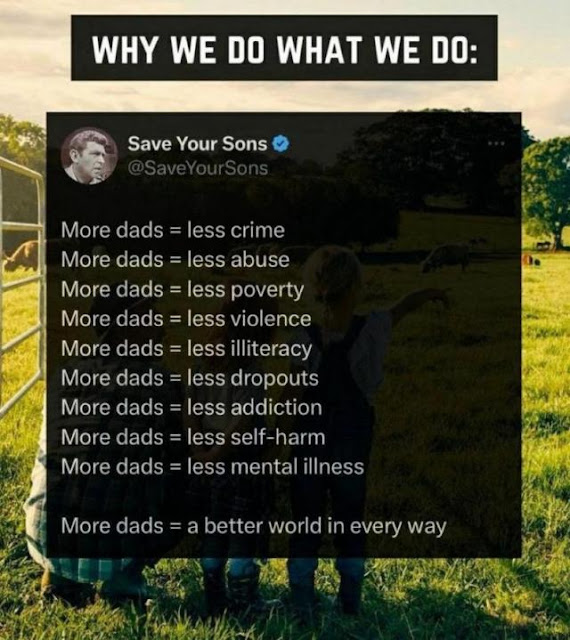

Name A book You remember from childhood


Best Of Marriage Monday Meme’s – Part 15

Why ‘k’ is the most hated text message, according to science
I’ve written about things similar to this, like What Does HA! Mean On A Text? (Or the Worst Single Word Answers)
This one interested me because we both agree that K is pretty much the equivalent to F/U on a text, while being polite

Why ‘k’ is the most hated text message, according to science
A study reveals that the one-letter reply “K” is more damaging than being ‘left on read.’
A study has confirmed what we all suspected: “K” is officially the worst text you can send.
It might look harmless enough, but this single letter has the power to shut down a conversation and leave the recipient spiraling. According to a study published in the International Journal of Mobile Communications, “K” was ranked as the most negatively received response in digital conversations—worse than being left on read or even a passive-aggressive “sure.”
The study found that the single-letter reply often signals emotional distance, passive-aggression, or outright disinterest. Despite its brevity, “K” carries surprising emotional weight. Adding an extra letter—making it “kk”—softens the tone of the reply entirely. Variants like “ok” or “okay,” while still cold, tend to be interpreted as neutral or merely formal.
Many of our day-to-day conversations happen over text, which means there are now unspoken codes of conduct to follow. If you want to open up about your emotions but don’t want to sound too serious, make sure to add “lol” to the end of those texts to show you’re just in a silly, goofy mood, and not suicidal. Giving advice to a friend that you don’t want to be held accountable for? Add an “idk” at the end of the sentence to mitigate culpability.
Nonverbal cues like tone, facial expressions, and body language can be difficult to convey via our phones, leaving the door wide open for misunderstanding and misinterpretation. Sometimes generational differences also impact how we send and interpret texts. In some cases, textual miscommunications can be relationship killers, research has found.
Some texters recognize the power of “k” and are willing to weaponize the letter to serve their own motives. One X user called it “the digital equivalent of slamming the door while making dead eye contact.” Another added: “K is short for ‘you’re dead to me.’ ”
Others advocate for the convenience of the single-letter response: “I’ve learned that rather than replying with a wall of text explaining how you feel, you should just type ‘K’ and hit send. No sense in wasting your valuable words.”
Many suggested other similarly anxiety-inducing replies. “Text her ‘he’s busy.’ see how triggered she gets. lol,” one X user suggested. “No lies told there. … Thumbs up is a very close second for me,” another added.
A third countered: “I raise you ‘we need to talk.’ ”
When I use it, few on the other end know what I’m really saying. They might think it’s let’s end, but it’s not
Share this:

Introvert Meme’s
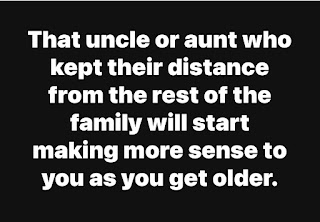



Pissing At The Side Of The Road, Why I Broke Up With My Girlfriend
I was dating what was to be my last girlfriend before I met my wife. Claudia.
We’d met through a mutual friend and I wasn’t seeing anyone so I was up for anything. My life at the time was on the go with travel, my last foray with alcohol and knowing life was going to catch up with me because I was the only one of my friends who hadn’t gotten married.
She was a piano teacher who lived half the week in Boca and the other in Miami (1.5 hours from Boca) to get her Ph.D. I had half the week off on my social calendar.
Why did I pick her for a girlfriend? I gave her a shot because she looked like a past girlfriend that I’m not sure I was over with in my head so we went out. They were way different so that moment passed by quickly.
To cut to the chase, 1 year became 2 and then I became bored. She was kind of a stiff out of the sack, but a pretty willing sport that gave me multiple options of places to put things in bed. I’d been pulling ass for many years and didn’t have the stamina to put up with girls’ verbal bullshit anymore. She, like all girls was afraid of her image to other people, including any shit that I pulled when I was with her. I was doing shit to her all the time because it was like dealing with a school girl as she’d lived such a sheltered life.
My level of boldness with pulling shit increased with how much I drank. At the time, it was a lot.
I got bored and had already gotten some side action on business trips and I noticed that it didn’t bother me guilt-wise. I actually never stopped sleeping with the last girl I broke up with before Claudia, We still banged the whole time I dated Claudia. She was away half the week so the ex sort of agreed to Friends With Benefits. She was secretary to the owner of the company, so as long as I was banging her, I found out the shit the company was doing.
The girl from are you this big of a bitch in Las Vegas was during my years with Claudia. It’s a good story also. She was way more bangable than Claudia.
THE BREAKUP MOVE
So with that being said, I already knew that she was not going to be the one for life for me. I stuck around a little while longer for some reason (until I had another pony in the stable).
I for some dumbass reason took her to my parents, 4 hours there, 4 hours back. She acted ok and probably thought this was the next step in the wedding staircase. She’s about to find out where the staircase just ends.
I’d been making this drive for over a decade mostly solo so I’ve had to stop. I’ve found that there are outcroppings by the side of the road. You can just stand on the other side of the bushes and pee and be back on the road quickly.
I’m old so there were no Truck stop mega stations at this time or even a convenience store at every exit. You could go a long time before a real bathroom would come up. I learned to give up the fight early, go piss in the grass and be on my way. I found that people are way past you before they realized what they saw, and by then they couldn’t find my dick with a telescope.
So told Claudia too late about this, meaning I had to piss now. I didn’t think anything of it as I’ve done it dozens of times. She lost her mind that someone would see me pissing and her in the car. First of all, they wouldn’t see her, and most of all, a good girlfriend would laugh it off as guy stuff we do. Not this time.
The net of what happened was I had to drive for more than 3 exits (not close to each other) before I found an old gas station. The outside roadside was way cleaner than this bathroom. I had to piss so bad by then that I was almost doubled over. I was livid with Claudia though.
The net of what happened to Claudia was at that point, she was done in my mind. Anyone who is going to give me that much shit over nothing wasn’t going to be worth listening to for the rest of my life.
I didn’t say a fucking word to her the rest of the way home and I’m not sure I stayed with her that night. Girls can’t take it so she called. I told her my offer was dating part time because I was through in my head and if she wanted to bang on the side I’d do it. Her response, thinking that I’d back down was full time or no time. I said no time then and got off the phone quickly. I’d either lose that argument or waste too much time listening to crying bullshit.
You can only push a man so far, then he will stop, break, or deal with you. I dealt with her and shortly thereafter met my now wife. Since she’s European, they don’t care if you change clothes outside or even wear them at the beach so while I catch some married shit, it’s not about this.
So Claudia lost me by giving me too much shit about taking a leak by the side of the road.
On the other hand, her husband can thank me for teaching her how to swallow.

 Delusions of Adequacy
