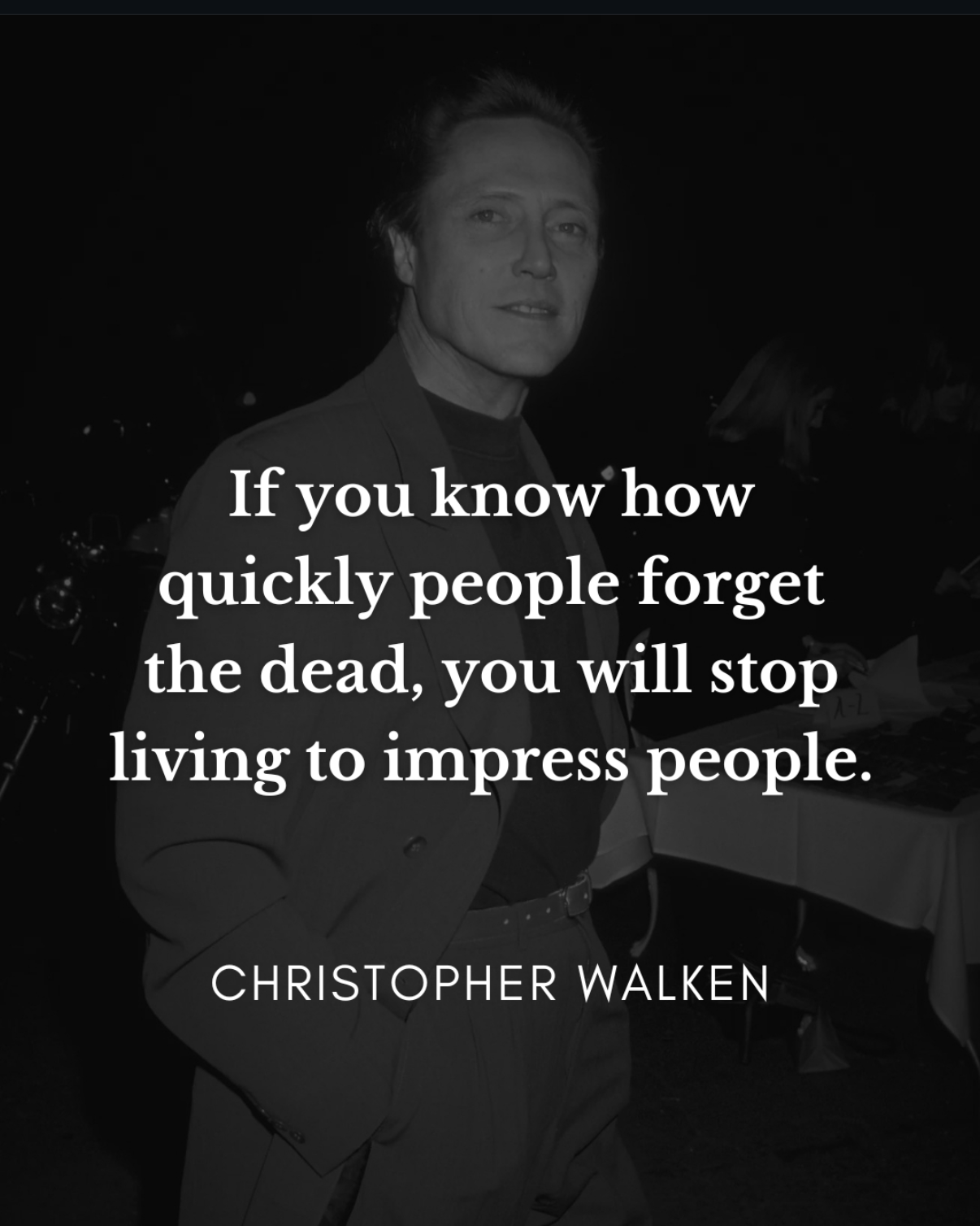
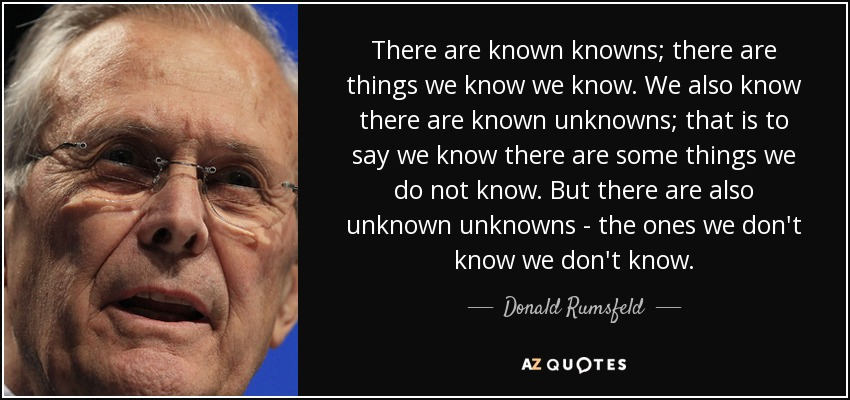
“The only normal people are the ones you don’t know very well.” – Alfred Adler
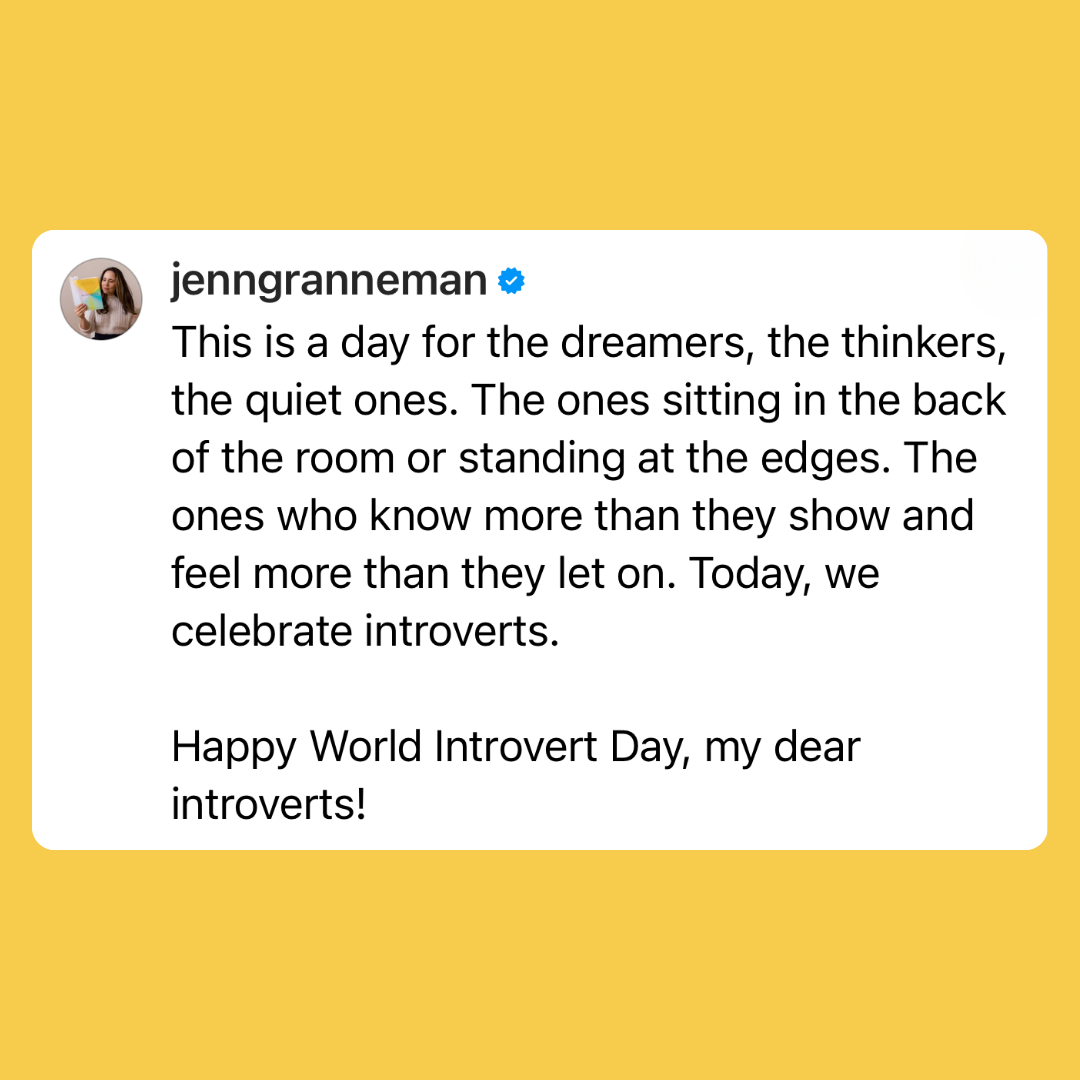
Appropriate, given this is World Introvert Day.
“The only normal people are the ones you don’t know very well.” – Alfred Adler
Appropriate, given this is World Introvert Day.
I’ve written about this before, but it’s worth the effort to repeat myself.

I hate emojis and refuse to use them. Not only is it a waste of time after you’ve already typed what you’re going to say, but they are just clutter. Oh, they think they are clever, but those of us with a mind think otherwise.
Most of all, I think they are childish or for girls. I lose respect for any guy who sends me one. I refuse to send them back. I don’t even know if anyone has noticed it from me, but then I don’t care. At least my son won’t use them either. I didn’t even have to say anything.
It’s like wearing makeup or girls playing with dolls. It covers up something or tries to make it look better, but not to me.
Worst of all is an emoji for an answer without any words. I roll my eyes.
I guess some people think it’s cute, or that I’m a grumpy old man, but I also don’t have a lot of time left, and I’m not going to waste it on something I just said in words.
Oh, and a repeat emoji is the worst. I got it the first time. It’s like typing in CAPS, IT IS ANNOYING.
Are you a good judge of character?
I’m an introvert. I read body language better than most people because I’m not talking. I’m listening and observing. I’m rarely trying to impress anyone, so I’m usually sizing them up as to their intentions towards me.
I’ve had people do me favors and fuck me over. I’ve studied martial arts for years and had to anticipate my opponent’s intentions.
Working for years for both the best and the worst has taught me to read people. Here’s how I dealt with Executive Egos
Most of all, I’ve been married for decades and have kids. I’ve never been more surprised by that than anything.
So yes, I’m a good judge of character because I’m patient and won’t jump to conclusions.
Once I’ve decided who you are, though, it’s hard to move me off of that position, especially if I think you are an asshole. This includes family. I can spot a fake like a Jedi.
Tell us one thing you hope people say about you.
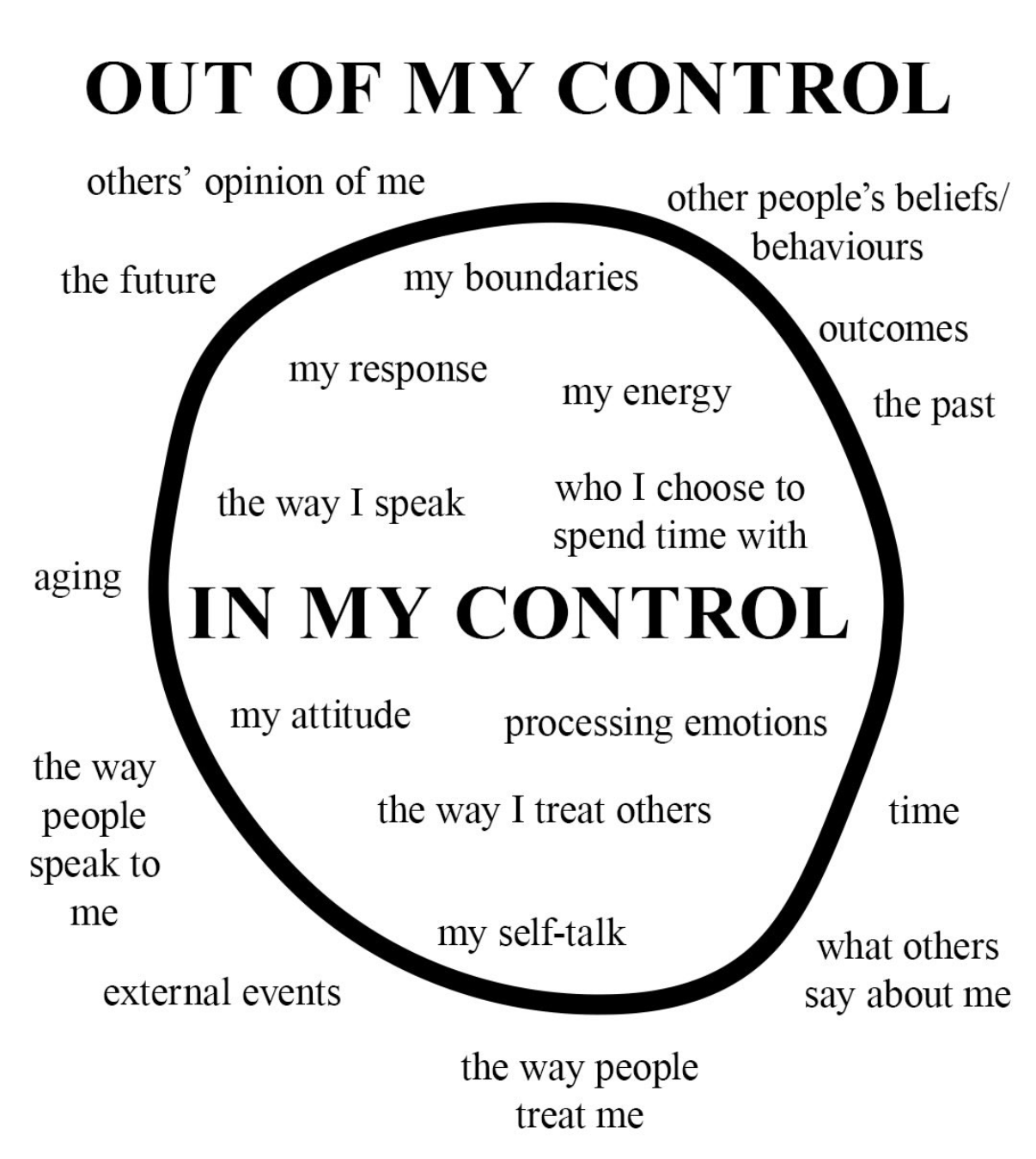
I don’t care what people say about me. I can be the nicest person on earth, or one of the biggest assholes. I treat people accordingly. It depends on you.

I’m always the same, so if I’m not nice to you, look in the mirror to understand why.
They say in 3 generations, no one remembers you anyway, so who cares what they say about me?

So in conclusion, it’s not important to me what people say about me. I gave up caring about that in high school.
Last night, the left lost their minds when Bijan Robinsin commented on his play as it related to a game we played as kids. He called it smear the queer, but we knew it as kill the man with the ball. He had to walk it back, but I know he didn’t mean it.
If you grew up before video games and actually played outside without a helmet, it was great fun. If you don’t know it, look it up. It will be a good education for you on why our generation tried harder at most things. The struggle was real, like real life, everyone against you.
Another good game was Red Rover. It’s where you line up kids in 2 groups, holding each other by the arms, and pick someone from the other side to run and try to break the hold. Red rover, red rover, send x (next victim) on over. In reality, it was a way to clothesline a kid from the other side, also great fun.
We also played war, kick the can, and baseball, where a parked car served as 3rd base. The game would stop for a while if a car came through, but there weren’t as many back then.
And then there is dodgeball. That’s where you’d hit the girls and the fat kids first. Nothing beats a good shot to the face though. That’s the real score
If you didn’t have a ball, there was kick the can.
Sometimes it was stickball. Kids from NY know that one well.
Life was easier back then, and we didn’t need a Switch or Xbox to play video games. Our moms kicked us out of the house, and we made stuff up.
If there were not enough other kids, you could climb a tree or throw something for the dog to chase. I grew up in an old tangerine farm so that is what we had, way before tennis balls were dog toys.
We moved on to paper football
Oh, to be young again.
I noticed this article, and will give credit to the author if I can find out who wrote it.
“Beautiful girls in big cities are now directly and indirectly offered sex more than 1,000 times a month from men on the internet, in bars, on the streets, and within their social circles. If a girl has a basic internet profile, spends time on social networking, and goes out twice a week, I guarantee that she is offered more cock than even the most famous women of the past. A girl is not interested in 99% of the men who offer her sex, but try to imagine the effect on your psychology if 1,000 women a month were trying to have sex with you.

What kind of person would that make you? I can tell you what I would be like if I were getting over 1,000 sex offers every month: I’d be spoiled rotten, thinking that I deserved all those women just because I existed. I’d be flaky, canceling dates often, because I’d constantly be unsure whether I was getting the “best” possible girl. I’d be bitchy to women who didn’t read my mind and failed to treat me exactly the way I wanted, because don’t they know that I could sleep with hundreds of other women any time I wanted? I’d be moody, always dependent on the reactions I get from women.
If I received less attention one weekend than usual, I’d throw a temper tantrum and demand immediate satisfaction. I’d also get bored easily. With so many women constantly trying to entertain me, I wouldn’t be able to tolerate five minutes with a boring girl who didn’t jump through hoops to make me laugh. Lastly, I’d be primed to value novelty more than stability. I’d become addicted to experiencing one new girl after the next, and believe excitement and fun were worth more than stability and commitment. My attention span would morph into that of a small child. Haven’t I just described the modern woman? While a large part of who we are is shaped by our genetics, environment plays a huge role, and when your environment is getting nonstop attention from thousands of people trying to have sex with you, your personality and even your humanity will become degraded, making it hard for you to connect meaningfully with anyone.”


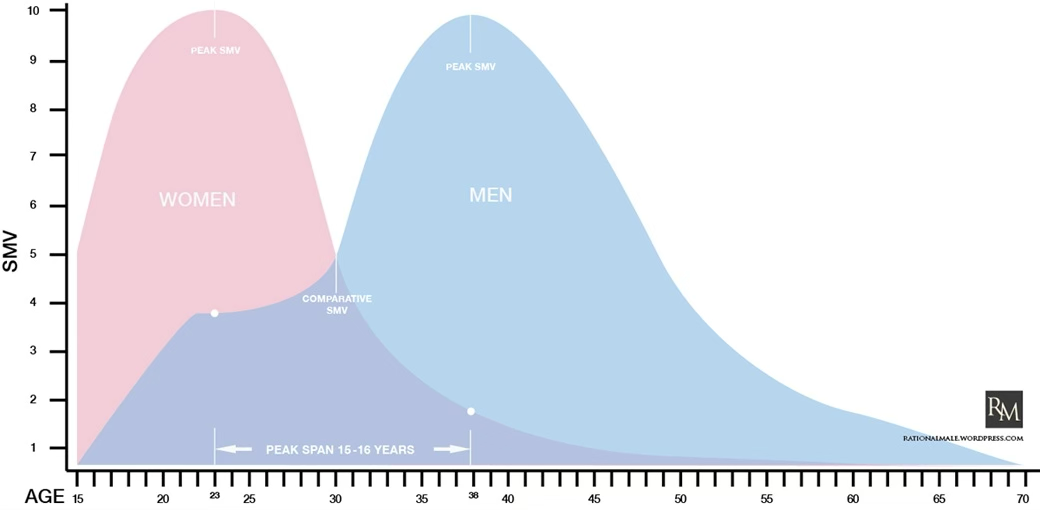
They have become entitled because they have a snatch. They don’t realize that their sexual market value is over by about 35. That’s right about when men realize that pussy is pussy and no one has a golden one. It’s about how much shit you are willing to put up with while you’re getting it.

As they say, for every gorgeous girl you see, there’s at least one guy who is so tired of her that he won’t sleep with her.

As my friend Rick said, the fucking you get isn’t worth the fucking you get.
As an introvert, I am frightened by people who call when a text or email would be more than sufficient. There is a certain anxiety that comes with an open-ended conversation, since phone conversations are expected to take longer than the 10 seconds necessary to transmit the information. This anxiety is compounded by the lack of visual cues during a phone call that are vital to us introverts, but are often summarily ignored by extroverts.

–Steve
The thing that horrifies me the most is not being able to exit an intense social setting. If I am somewhere and don’t have an out, my stress level skyrockets. I need to know that I have a way to step out or leave so I can recharge.
–Lou
Networking events are made for extroverts who gain energy by being around people and engaging with them. However, for most introverts, networking events are generally uncomfortable and terrifying — we find it hard to be open and let strangers into our lives. We are atrocious at small talk, and it is challenging to establish rapport with new people. For us, networking is definitely out of our comfort zone and ranks as one the top scary things for introverts.
–Albert
My biggest fear is of being put on the spot to say something in a group or public setting when I’m not prepared. That feeling of all eyes turning to me to say something off-the-cuff really makes me uncomfortable!
–Jen
I may be an introvert, but I love people. I can have a great time seeing friends and family and love spending time together over a few drinks and board games. But if we need to stay overnight? That’s when anxiety sets in. Keeping up the social energy in the morning, not knowing when we’ll be able to duck out and find some respite — these thoughts embed themselves into the back of my mind, which makes socializing that much harder.
–Mike
First dates terrify me because of my aversion to small talk and awkward silences. I can talk to someone online, no problem, but face-to-face? I make very weird small talk because I’m nervous. The terror is, I see the date and he’s not who I’m interested in when I meet him in person. Then I just want to leave as quickly as possible, so the small talk becomes even more painful. I just sit there, in anxious terror, and blurt out the first thing that comes into my head, whether it’s appropriate or not.
Prime example: I went out on a one-date-wonder a few years ago. We met for lunch, he didn’t appeal to me in person, awkward silence ensued. The only thing I thought to say was: “Armadillos are the only other mammal that contract leprosy from humans.” (I learned that factoid in fifth grade and who would have thought it’d stick with me 35 years later?!) He looked at me in horror and I fled. I never heard from him again — whew!
–Lisa
Any sort of public speaking scares me to death as someone who is basically a career introvert. It doesn’t matter if I’m leading a meeting of three participants or speaking to a larger audience, the thought of being the center of attention in any way, shape, or form truly terrifies me. It’s kind of like a fear of heights — you don’t understand it truly unless you suffer from it. All of the workarounds don’t seem to work, and I just manage it by avoiding it as much as possible.
–David
There’s nothing more frightening than getting trapped in a social commitment that can prolong for hours (like public speaking or large parties). I prefer shorter engagements when my energy levels are higher, but once things drag on, it becomes impossible to focus and incredibly uncomfortable!
–Sara
The one thing that scares me a lot is living with my friends permanently. While I enjoy socializing, after a while, I am mentally drained and need time to recharge. If I had to live with friends, I’d feel obligated to be social all the time and that would be mentally stressful for me as an introvert because I wouldn’t have “space” to get away from them. You’re stuck living in the same place, and I feel that would be pretty unbearable.
–Roger
As an introvert who avoids social interaction at nearly all costs, my biggest fear is being embarrassed. When I’m in public, I usually become solely focused on how I look to other people, what others think of me, and the assumptions they make of me. In the past, it’s affected everything from the way that I walk to the comments I make to even the tone of my voice. It can be kind of brutal, but it’s something I’ve learned to deal with. Staying out of the public eye seems to help with that.
–Mike
One thing that scares me is that being introverted and very independent could cause damage to my relationship or scare them off.
–Lauren
We all need love and companionship, but as an introvert, I don’t like feeling like I have to compete for “airtime” in social gatherings. I love my alone time, but still want a solid group of loved ones.
–Tolu
I call myself an introvert, as I am someone who enjoys alone time, would rather stay home than go to a party on weekends, and I regain energy by spending time away from people.
The one thing that terrifies me is when my work manager announces, “Let’s have a team-building exercise today.” Though we introverts tend to be team players — as we are all about deep work and being invested in the goals of the group — when it comes to group or team activities, it scares us. Team-building exercises involve interacting with people, small talk, and, in some cases, having the spotlight on you alone. These are all things my introverted self dreads and runs away from.
12 doesn’t bother me, and I pretty much have gotten over being embarrassed, but the rest are true. I have to face number 5 on Thanksgiving with a houseful of extroverts.
I got told that I have to take care of some adolescents that I’m related to next summer and the anxiety has already set in.
Is there an age or year of your life you would re-live?
When I was single in Miami. I was in a place that was great to be solo. I had friends to do stuff with. The beach was minutes away. Life was just starting for me, so everything was an adventure. We went deep-sea fishing, clubbing, and I came home to a house that occasionally had roommates. Mostly, I was able to come and go as I wished.
When it was time to move on in a relationship, that was easy too. They would just become after W in the alphabet.
Health was easy. I was in shape for free by just being young. We were fearless and what felt like immortal. We could do anything and there would always be tomorrow.
My friends and I had season tickets to the Dan Marino Air Force show. Every game was 5 touchdowns, and I even partied in the stands with Don Shula’s daughter.
Then, I grew up. In the words of Toby Keith, I wish I didn’t know now what I didn’t know then.
Now, it’s you ain’t much fun since I quit drinkin’.
For most of our working lives, wealth is defined in numbers. We measure it in bank balances, investment returns, property values, and retirement account statements. It’s the sum of decades of hard work and careful planning — a financial safety net meant to secure our later years. But once you actually reach retirement, something shifts. The meaning of “wealth” starts to evolve. It becomes less about how much you have, and more about how deeply you live.
When you no longer have to chase paychecks or promotions, the things that once defined success lose their urgency. The focus moves from accumulation to appreciation — from “How much do I have?” to “What truly matters now?”
In retirement, time is the one asset you can finally spend freely. It’s the resource you once traded away for income, deadlines, and career goals. Now it’s yours again. How you choose to invest it — in travel, family, faith, or personal passions — says far more about your wealth than any number on a statement.
There’s something profoundly freeing about waking up without an alarm clock or a to-do list set by someone else. That sense of control over your time is a form of wealth that many people don’t recognize until they experience it.
While financial comfort is essential for peace of mind, studies repeatedly show that social connections have a greater impact on longevity and happiness than income or assets. True wealth in retirement often comes from nurturing the relationships that bring meaning to your life — whether it’s time with a spouse, deepening bonds with friends, or creating memories with grandchildren.
Some retirees even use their newfound freedom to rebuild old relationships that fell to the wayside during busy working years. Picking up the phone, writing a letter, or visiting an old friend can enrich your life in ways no financial investment ever could.
Ask anyone facing health challenges, and they’ll tell you: without well-being, wealth doesn’t mean much. Good health allows you to enjoy the fruits of your labor — the travels, the hobbies, the simple pleasures. Maintaining physical strength, mental clarity, and emotional balance becomes a daily investment in your quality of life.
That might mean spending a little extra on nutritious food, gym memberships, or preventive care — not as expenses, but as deposits into your most important asset. A strong body and mind are what allow you to truly experience the richness of this chapter.
Many retirees struggle at first with the sudden loss of structure that work once provided. But retirement offers a chance to redefine purpose on your own terms. Maybe that means mentoring young people, volunteering, creating art, or building something new. Purpose fuels vitality and joy — and often leads to the most rewarding kind of “profit”: fulfillment.
You don’t need to earn a salary to feel valuable. Sometimes the wealthiest retirees are the ones who give the most — of their time, wisdom, and compassion.
Gratitude has a way of reframing everything. When you look at what you already have — health, freedom, family, faith, or the simple beauty of a quiet morning — life feels abundant, no matter what your portfolio says.
True wealth isn’t measured by accumulation but by appreciation. It’s realizing that every sunrise, every conversation, every moment of laughter is part of your return on investment for a life well-lived.
In the end, rethinking wealth isn’t about abandoning money — it’s about putting it in its rightful place. Financial security matters, but it’s just one piece of a much larger picture. Real wealth is health, time, love, peace, and purpose.
That’s the kind of wealth that doesn’t fade with the markets — and the kind that only grows richer with age.
By Delilah Ho
It’s difficult being an introvert in a world that only works smoothly if you’re an extrovert. You’re expected to perform well in large groups, socialize often, speak up loudly, and be outgoing. As a highly introverted person, I get mentally and physically fatigued doing all of those things on a daily basis.
Here are eight things I wish people knew about me as an extreme introvert who also experiences social anxiety. Fellow “quiet ones,” can you relate?
Some assume that I don’t like people because I don’t talk or smile much when I first meet them. It’s never my intention to be rude or cold, it’s just that there are a thousand things running through my head at the moment: “What should I say?” “What do you think of me?” and “Do I look like a hot mess right now?” And so on.
I’m quiet around the people I don’t know well, but that doesn’t necessarily mean I don’t like them. As an extreme introvert, I’m just uncomfortable when meeting new people. Honestly, sometimes just being around new people overwhelms me and I freeze up.
It’s easy for my extroverted friends to chat with strangers and make new friends at practically a moment’s notice. But for me, it’s like I need a month in advance to mentally prepare! And even if I did get that advanced notice, when the day arrived, I probably still would not feel ready.
As an introvert, I enjoy doing things by myself. I go shopping on my own. I go to coffee shops on my own. I go to the movies on my own — and I absolutely love it. I don’t feel awkward or uncomfortable being alone in public. Honestly, it’s my preferred state. I love watching everything going on around me and being alone with my own thoughts.
However, as much as I relish being alone, there are times when I crave the love, company, and affection of other human beings. Although I say that I don’t mind doing things alone, sometimes I wish I had someone to do those things with me.
You know, doing what friends do.
You see, no one likes being lonely, even if they’re extremely introverted. We “quiet ones” need close relationships and strong connections in our life, too.
I despise small talk because I don’t know how to act around small talk. Usually, when people engage me in chitchat, I give short answers like “oh” and “yeah.” As a result, I think I unintentionally come across as aloof or rude.
Little by little, I’m getting better at making conversation, because it can be a joy to talk with someone who “gets” me. But to be completely honest, I still get nervous chatting about the weather or my weekend plans. It makes my heart beat fast, and later, I think about how I acted in the conversation. Sometimes I beat myself up for not knowing what to say or do. I know not every introvert experiences social anxiety, but it’s my reality every day.
I actually prefer deep conversations straight away.
Ask me what I think of the latest news. Ask me what I think of Freud. Ask me what I think about global warming. Oddly, I can answer those questions without feeling the least bit awkward.
I have a small group of good friends. They are people who I feel comfortable being around, so I almost always hang out exclusively with them. But if I’m being honest, I wish I had more people that I could hang out with. Yet this goes back to #1 — I feel uncomfortable meeting new people.
Honestly, there are times when I wish people would approach me instead of me having to approach them. That may seem like a strange thing for an extreme introvert to say, but it’s easier for me when other people take the lead in social situations.
Because of this challenge, I finished four years of college with hardly any friends. I may say that, as an extreme introvert, I’m fine with it, but I actually regret not making more of an effort to meet people. Again, it’s a skill I’m working to improve, but like any new skill, it takes time.
I love my extroverted boyfriend but sometimes it drains me to be with him.
He often wants to do things that I would not do in a million years, and he struggles to understand why I’d rather stay home than go out and “explore,” as he calls it. He wants me to meet his friends and family, but I get extremely anxious just thinking about doing that. Sometimes he tells me about social plans last minute, which gives me little time to mentally prepare.
Personally, I don’t agree with number 4. I’m good with what I have. I weed out the insincere ones and my friends are my true friends, few as they are
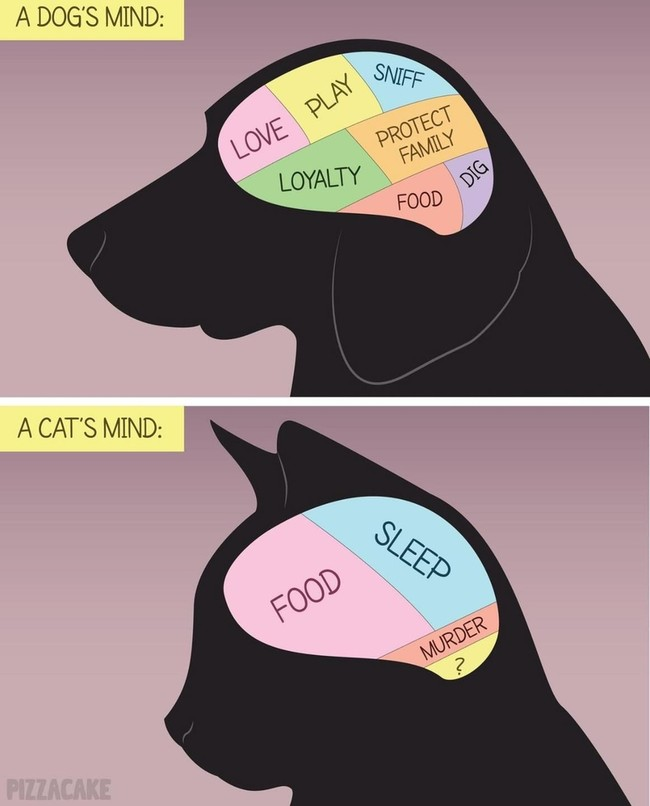
This will be an intermittent series. It’s a happy post while I’m out. Don’t forget, pets are an Introvert’s best friend, and the first thing we look for when stuck with people
When was the first time you really felt like a grown up (if ever)?
I had to think about that if ever part, especially when you factor in my sophomoric sense of humor.
The real answer is…..it happened, and only in looking back did I realize that I (for the most part, I grew up)
I never saw it coming. I had a Wife, kids, a mortgage, and a job. After the kids moved out, I’m left with just my wife and my dog.
At my age (You got me by a few years, Bocopro), I guess it’s over. I also don’t climb ladders to do work, and I realized that the most valuable tool in your toolbox is a checkbook.
Does anyone actually enjoy chatting at length about the weather? Unless you’re a meteorologist, probably not.
More often than not, small talk becomes the go-to conversation when we’re at a loss for words. It fills awkward silences, it eases tension during initial meetings, and it can help steer clear of controversial topics.
But it gets old fast.
Now, if you’re an introvert like me, you might hate the small talk ritual. Jon Baker, a business coach for introverts, found that 74 percent of introverts said they dislike small talk, as opposed to only 23 percent of extroverts who said they dislike it.
Why do the majority of introverts hate small talk?
By definition, introverts are people who feel drained by socializing and recharge their energy by spending time alone. Because small talk is neither emotionally nor intellectually stimulating, it can feel like an inefficient use of their limited social energy. In other words, if introverts are going to use up their energy, they want to spend it in ways that really count.
(Not sure if you’re an introvert? Here are 21 signs that confirm you’re an introvert.)
Also introverts tend to enjoy delving deep into topics and exploring ideas on a meaningful level. It’s more energizing to talk about things that feel important and relevant to them. Small talk, by its very nature, remains at a surface level.
But those aren’t the real reasons introverts might hate small talk.
It’s not that introverts hate socializing or people. Even though we’re introverts, we still need close, healthy relationships to thrive.
As my friend Dr. Laurie Helgoe points out in her fascinating book, Introvert Power, “Introverts do not hate small talk because we dislike people. We hate small talk because we hate the barrier it creates between people.”
Small talk doesn’t bring people closer. Quite the opposite — it can create a barrier that prevents the kind of genuine, intimate connections we all crave.
Think about it. When two people get stuck in small-talk mode, discussing only “safe” and polite topics like the weather, they don’t really learn anything new about each other. They don’t get to know the other person or understand who they are. They miss discovering that their conversation partner, for example, wakes up early to go birdwatching, hates the color yellow, or grew up on a family farm.
As a result, the relationship doesn’t grow in a satisfying way. In general, introverts are interested in understanding people’s thoughts, feelings, life lessons, and experiences, which isn’t usually achieved through small talk.
The key is to transform small talk into meaningful conversation. Here are some tips from my upcoming course, Easy Conversation, designed to help introverts and those who are shy or socially anxious feel at ease in social situations and enjoy more fun, meaningful conversations.
Small talk has its place. Patrick King, in his book Better Small Talk, explains that socializing and cultivating relationships happen by degrees, not all at once. “Zoom out, and you can see where small talk fits in and why it’s so important — it’s the first of many steps in closing the distance between you and another person,” he writes. Small talk allows us to warm up to each other, but it’s not where we want to stay.
The secret to not just surviving, but also enjoying small talk, lies in transforming it into a meaningful conversation. If you’re an introvert, meaningful conversation will give you a much-needed energy boost. When you’re immersed in an interesting or thoughtful conversation, you might just end up chatting the night away!
So, here are four tips to turn small talk into more meaningful conversations.
One powerful tool to make conversations more meaningful is to encourage the other person to share a story. To do this, avoid closed-ended questions, those that can be answered with a simple yes or no, or just a few words. Closed-ended questions like, “How are you?” or “Did you have a good day?” limit the depth of the response and can often end the conversation before it even starts.
Instead, ask open-ended questions. For example, instead of asking, “How was your day?,” try, “What was something interesting that happened today?” or “What did you do today that made you feel accomplished?” Questions like these invite the other person to tell a story.
Here are more ideas from Chris Colin and Rob Baedeker, authors of What to Talk About:
Instead of…
Try…
Here’s a twist on asking open-ended questions: Instead of asking only about the facts, the what, probe deeper into the why. This strategy, suggested by The Date Report, pushes the conversation beyond surface-level information and delves into the person’s motivations and values.
For example, after asking, “What college did you go to?,” ask a follow-up question like, “Why did you choose that college?” The second question will reveal much more about the person. Their answer might shed light on their passions, their decision-making process, or even their personal history.
Similarly, if someone shares that they recently watched a particular movie, rather than just asking, “What was the movie about?,” you could ask, “Why did you pick that movie?” or “What about that movie appealed to you?” You might get some insight into their taste in cinema, their interests, or what kind of narratives or themes resonate with them.
In essence, asking why nudges the person to share more personal information, which can lead to a more meaningful conversation.
This can be a hard one for us introverts, because we tend to dislike talking about ourselves. It places the spotlight directly on us, which might make us feel vulnerable and exposed. As a result, we may not open up for people unless we know them well. Unfortunately, this tendency can lead to a repetitive cycle of tedious small talk.
As I explain in my book, The Secret Lives of Introverts, a good strategy to break out of this cycle is to sprinkle a few personal details into your conversations and observe what resonates with the other person. For example, when faced with routine questions like, “How’s it going?” or “How are you?,” instead of responding with the standard, “I’m fine, how are you?,” try to expand on your answer by sharing a bit about your day. You could say, “I’m doing great! I woke up early this morning to jog along my favorite trail. It really invigorated me!” Or, “I’m feeling tired because my two-year-old woke me up in the middle of the night, and I couldn’t fall back asleep.”
When you share details about yourself, notice how the other person reacts. Do they show genuine interest and continue the conversation with a follow-up question like, “That sounds great! Where’s your favorite trail?” Or do they give a disinterested nod? If the other person doesn’t seem interested, try revealing another detail about yourself until you hit on a topic that gets the two of you talking.
This strategy is like throwing a few conversational lines into the water and waiting to see what bites. It might feel uncomfortable at first, but with practice, it can become a natural and effective way to transform small talk into meaningful conversations. Remember, it’s not just about finding common ground; it’s about revealing the unique layers of your personality and allowing others to connect with you on a deeper level.
And, if you’re an introvert, this approach allows you to control the depth of self-disclosure, making the whole interaction more enjoyable.
We often sacrifice expressing our true thoughts and feelings for the sake of politeness. But there’s something very authentic — and surprisingly charming — about being completely honest. In her book, The Irresistible Introvert, Michaela Chung encourages us to elevate conversations by voicing our honest feelings and thoughts, which can be surprisingly captivating. For instance, instead of nodding along and pretending to agree, try saying things like:
Such candid admissions might seem intimidating to share, but when done tactfully, it strengthens the bond between you and the other person. By sharing your preferences, feelings, and thoughts directly, you give the other person a chance to know you better. It also signals that you trust them enough to share your true feelings, which can make them feel more comfortable doing the same.
Remember, honesty isn’t about being blunt or rude; it’s about expressing your authentic self in a respectful manner. For introverts, these honest exchanges can make socializing more enjoyable and less draining, because they transform superficial small talk into meaningful, authentic conversation.
I posted a bunch of dick memes yesterday. By way more than double, this is what people downloaded.

I’d posted about naming your dick previously, but it included my friends names here
If you’re an introvert like me, the idea of being around a large group of people can feel overwhelming in a way that extroverts just don’t understand. If you get anxious just thinking about concerts, networking events, or even holiday parties, you’re not alone.
Spending too much time around people can lead to what’s called an “introvert hangover.” I’ve experienced this many times myself, but over the years, I’ve learned how to recognize the signs —
Even if it’s someone you normally enjoy chatting with, when you just don’t feel like engaging in conversation, it may be a sign that you need alone time ASAP.
The introverted brain processes information more deeply, which means socializing can take more mental energy than it does for extroverts.
When we’re in a social setting, our brain is working overtime to take in all the conversations, stimuli, and dynamics happening around us. It’s no wonder this can be exhausting.
That’s why introverts need time alone to recharge our batteries and regain the energy drained during social interactions. Without it, we simply won’t feel like chatting!
When you try to engage in conversation but feel like your words are coming out all wrong, it may be a sign that your brain is running on empty and needs some downtime to recharge.
When you’re constantly second-guessing yourself or worrying about how you’re being perceived, it adds even more strain to your mental reserves.
Bottom line: For introverts, processing information and managing our own thoughts and feelings at the same time can lead to decision fatigue.
If the idea of interacting with others makes your palms sweat and your stomach churn, it’s a clear sign you may need to take a break from socializing until your energy levels return.
For introverts, being around people can be mentally exhausting, especially if we feel like we have to be “on” or put on a persona that doesn’t feel natural.
We also tend to prefer meaningful, one-on-one conversations over small talk or large group interactions, which can quickly drain our social battery.
Do your eyes glaze over when someone starts talking? That could be a sign your brain has reached its limit for social interaction and is craving peace and quiet.
Because social interaction consumes energy, the constant pressure to stay engaged, think of responses, and keep up with conversations can quickly become overwhelming. Eventually, the mental fatigue catches up, and we just zone out.
It’s hard not to snap at people when all you really want is some quiet time to yourself. This can happen before you even realize your brain and body are overdue for a break.
For introverts, socializing can be stressful. As a result, our patience runs thin, and we may become easily frustrated or irritated. Suddenly, it feels like everyone and everything is getting under our skin.
When our brains are overstimulated, it can keep us awake at night with racing thoughts.
Of course, difficulty sleeping can be caused by many things — from medical conditions to hormonal changes — but it can also be a sign of an introvert hangover.
Since we introverts burn through more energy while socializing, the aftermath can leave us feeling wired but tired. That “buzzed” feeling makes it harder to settle down and drift off.
If this sounds familiar, try carving out some extra downtime before bed — like reading a good book, journaling, or taking a warm bath — to help calm your mind. The key to healing your overstimulated brain is to get those zzz’s back on track.
This one comes as no surprise! If all you want is to escape the constant chatter and noise, chances are an introvert hangover is on its way.
While society often stigmatizes spending time alone, for introverts it’s a natural and necessary part of life. Alone time helps us recharge, feel refreshed, and show up as our best selves.
So take a look at your calendar and schedule solo time like it’s a non-negotiable appointment. It could be as simple as going for a walk, meditating, or journaling — whatever helps you reset.
Rest of the article and how to prevent this here, although I can’t prevent it.
How do you practice self-care?
Set boundaries
I had to learn that lesson the hard way. If it meant my sanity or a friendship, I’ve gone both ways, but I’m protecting my ass from now on.
I’ve done too much stuff that when in the middle of doing said stuff I thought, “I really don’t want to be here or doing this”. I don’t do that shit anymore. If it looks like a suck now, I bail early.
I also don’t let people run over me. It’s not that I was a dormat, I just didn’t understand that some people would use you and take you for granted. It never had occurred to me until it happened to my ass over and over again. I didn’t even know at first you could say no and not hurt someone’s feelings.
Well, no more. I draw the line. I’ve seen it upset people, only to find the people not being upset or even thinking of me shortly thereafter.
It’s made my life a lot better because I’m not in situations that I don’t want to be in.
You’d think it would have taken me less time to figure this out, but no.
Thursday’s Introvert Meme’s (different from above)
Seriously, what is in the water over there? Maybe this is what is rotten in Denmark.
There is no way I’m sending my pet to get euthanized and eaten. I’m not a savage. Maybe they couldn’t hold back that Viking gene and had to kill something to feed it to the predators. Anyway, there is no way this was going to turn out good the minute some pissed off girl sends her ex’s pet to the zoo for lunch.
A zoo in Denmark is asking for donations of small pets as food for its predators.
The Aalborg zoo said it is trying to mimic the natural food chain of the animals housed there “for the sake of both animal welfare and professional integrity” and offers assurances the pets will be “gently euthanized” by trained staff.
The zoo in northern Denmark explained in a Facebook post that “if you have a healthy animal that needs to be given away for various reasons, feel free to donate it to us.”
The zoo points to guinea pigs, rabbits, and chickens as possible donations. After being euthanized, the animals will be used as fodder, the zoo said.
“That way, nothing goes to waste — and we ensure natural behavior, nutrition and well-being of our predators,” the zoo said.
The online call for pet donations is accompanied by a picture of a wildcat baring its teeth with its mouth wide open and a link to the zoo’s website, noting the facility also is interested in receiving horses.
As an introvert, I love spending time alone. There’s almost nothing better than being at home in my comfy clothes, quietly reading a good book, or watching a show while munching on snacks. This doesn’t mean I don’t crave time with “my people” — those I laugh with, learn from, and share my day with. However, without enough alone time, I start to feel tired, irritable, and overstimulated, even when I’ve enjoyed the company of those I love.
I show all the classic signs of being an introvert.
Sometimes, when I need alone time, the people in my life feel hurt. They view it as if I’m rejecting them and our relationship. But it’s not about them. I need time alone to recharge my energy and function well in my daily life.
Why do introverts need alone time? Why does socializing exhaust us, even when we’re having fun? Recent research offers some interesting insights. I delve deeper into these findings in my book, The Secret Lives of Introverts.
When writing my book, I spoke with Colin DeYoung, a psychology professor at the University of Minnesota who had recently published a paper on introversion. He explained that one reason introverts need alone time is related to how we respond to rewards.
No, I’m not referring to the gold foil stars you might have earned in grade school (though it could be argued that stickers are indeed a reward for kids). For adults, rewards can be things like money, social status, social connections, sex, and food. When you get promoted at work or convince an attractive stranger to give you their phone number, you’re receiving a reward. Hurray!
Of course, introverts also value things like money, relationships, and food. However, researchers believe that introverts are wired to respond differently to rewards than extroverts. Compared to our more outgoing counterparts, we “quiet ones” are simply less motivated and energized by these same rewards. It’s as if extroverts see big, juicy steaks everywhere, while introverts often see overcooked hamburgers.
In fact, as any introvert can confirm, sometimes those “rewards” aren’t just less appealing — they can actually be tiring and annoying, like a big party. This brings me to another reason why introverts need alone time: We react differently to stimulation.
Take, for example, two friends at a house party — one an extrovert, the other an introvert. They’re crammed into a crowded room where loud music blares from huge speakers. Everyone is practically shouting to be heard over the din. There are a dozen conversations happening simultaneously, with just as many things demanding their attention.
For the extrovert, this level of stimulation might feel just right. He sees potential rewards everywhere — an attractive stranger across the room, opportunities to deepen old relationships, and the chance to make new friends. Most importantly, tonight offers a chance to boost his social status within his friend group, especially if he navigates the evening skillfully.
So, the extrovert feels energized and excited to be at the party. In fact, he’s so motivated that he stays late into the night. He’s exhausted the next day and needs time to recover — after all, partying is hard work. But to him, the energy spent was well worth it.
Now, back to our introvert. See him over there, hunkered down in the corner? For him, the environment feels overwhelming. It’s too loud, there are too many things happening at once, and the crowd creates a dizzying buzz of activity. Sure, he wants to make friends, fit in, and be liked, but these rewards just aren’t as tantalizing to him. It feels like he would have to expend a lot of energy for something he’s only mildly interested in to begin with.
So, the introvert heads home early to watch a movie with his roommate. In his own apartment, with just one other person, the level of stimulation feels just right. He exchanges some texts with a woman he met a few weeks ago in one of his classes. Like the extrovert, he too wants friends and a romantic partner. However, he finds it too tiring to deal with the noise and socializing at a big party to make those connections.
Chemically, there’s a good reason the introvert in the above scenario feels overwhelmed, and it relates to a neurotransmitter called dopamine. This chemical, found in the brain, is often referred to as the “feel good” chemical because it regulates our pleasure and reward centers.
One of its roles is to make us notice potential rewards and motivate us to pursue them. For example, dopamine alerts the extrovert to the attractive stranger at the party and fuels his motivation to come up with a cheesy pick-up line.
Another important function of dopamine is reducing our cost of effort. Socializing requires energy because it involves paying attention, listening, thinking, speaking, and moderating our emotional reactions. Technically, socializing is tiring for everyone, including extroverts. However, dopamine helps make it less exhausting for them.
According to DeYoung, extroverts have a more active dopamine reward system. As a result, they can better tolerate — and often push through — the tiredness that inevitably comes with socializing. Much of the time, they don’t experience the same level of mental and physical fatigue that introverts do, thanks to this dopamine boost.
It’s called the “introvert” hangover, not the “extrovert” hangover for a reason.
Democratic party that is, like take drugs and be power hungry. So she was a druggie
A newly declassified report produced in September 2020 by the House Intelligence Committee revealed that, in 2016, Russian intelligence had obtained internal Democratic National Committee emails alleging that Hillary Clinton was on a daily regimen of heavy tranquilizers and faced several serious illnesses as well.
According to the report:
The SVR [Russia’s foreign intelligence service] possessed DNC communications that Clinton was suffering from “intensified psycho-emotional problems including uncontrolled fits of anger, aggression, and cheerfulness.” Clinton was placed on a daily regimen of “heavy tranquilizers” and while afraid of losing, she remained “obsessed with a thirst for power.
The report claims that former President Barack Obama and Democratic Party leaders found Clinton’s health issues to be “extraordinarily alarming.”
As of September 2016, the Russian Foreign Intelligence Service had DNC information that President Obama and Party leaders found the state of Secretary Clinton’s health to be “extraordinarily alarming,” and felt it could have “serious negative impact” on her election prospects. Her health information was being kept in ‘strictest secrecy’ and even close advisors were not being fully informed.
The Russians also reportedly had information that Clinton “suffered from ‘Type 2 diabetes, Ischemic heart disease, deep vein thrombosis, and chronic obstructive pulmonary disease.’”
According to Fox News, the Russians had also obtained a “campaign email discussing a plan approved by Secretary Clinton to link Putin and Russian hackers to candidate Trump in order to ‘distract the American public’ from the Clinton email server scandal.”
Gabbard discussed the report during a press briefing on Wednesday. While her main focus was on the portion that related to the Obama administration’s manipulation of the 2017 Intelligence Community Assessment on Russian interference in the 2016 election (which I reported on here), Gabbard said there were “high level DNC emails that detailed evidence of Hillary’s, quote, psycho-emotional problems, uncontrolled fits of anger, aggression and cheerfulness, and that then Secretary Clinton was allegedly on a daily regimen of heavy tranquilizers.”
As of September 2016, the Russian Foreign Intelligence Service (SVR) had Democratic National Committee (DNC) information that President Obama and party leaders found the state of Secretary Clinton’s health to be “extraordinarily alarming” and felt it could have “serious negative impact” on her election prospects. Her health information was being kept in “strictest secrecy,” and even close advisors were not being fully informed.
The SVR possessed DNC communications that Clinton was suffering from “intensified psycho-emotional problems, including uncontrolled fits of anger, aggression, and cheerfulness.” Clinton was placed on a daily regimen of “heavy tranquilizers,” and while afraid of losing, she remained “obsessed with a desire for revenge.”
The SVR also had information that Clinton suffered from “Type 2 diabetes, congestive heart disease, deep vein thrombosis, and chronic obstructive pulmonary disease.”
by this time, I was getting the hang of it and there was a lot of good stuff that hadn’t been replayed over and over. I think by the end of this best of, I finally decided on a title that I’ve stuck with.
They could be using AI to cure cancer or have the best meal and wine combination. But no. Like Face Smash, the precursor to Facebook rates the hotness of customers.
I’ll give you this, there are times when waiting tables that can be boring. I do recall that the sun was directly into the front door for about 15 minutes and if a girl in a skirt came in, we got the x-ray view..
One day, one of the hottest girls I’d seen in a white skirt stepped through the door with the sun blazing behind her. That’s right, she was going commando. I, and 4 other waiters were paralyzed for about 4 minutes until they got seated. It was Basic Instinct quality stuff.
Anyway…….
A new AI-powered website called LooksMapping is the latest trend hitting the restaurant industry, ranking food and beverage establishments by the “hotness” of their customers.
The website, catering to 9,800 restaurants in New York, Los Angeles, and San Francisco, allows its visitors to select where to dine based on an AI algorithm that evaluates the attractiveness of diners on a scale of 1 to 10, The New York Times reported.
Riley Walz, a 22-year-old programmer based in San Francisco, founded LooksMapping with the intention of using Google review data to make sarcastic observations about the restaurant industry. Walz used an AI model to collect 2.8 million Google evaluations, identifying 587,000 profile photos with distinctive traits among 1.5 million unique accounts. He next taught the model to determine whether the individuals were male or female, old or young, and hot or not.
“The website just puts reductive numbers on the superficial calculations we make every day,” the website reads. “A mirror held up to our collective vanity.”
I was just finding out about this but I identified with so many of them it started coming together better every time I did it (for the most part).
Introvert Meme’s, Because They Are True
These Memes Perfectly Explain Introverts’ Thoughts at Holiday Parties
Meme’s Introverts Will Understand
There is some good stuff that you look at and say it’s both funny and true.
Still in the pretty old stuff so should be better than the last one. As you can see, I was still playing around for a title. I think that is in the next round of best of.
Introvert Memes For How I Answer When I Get Invited To Something I Don’t Want To Go To
It’s Introvert Meme Time Again
1

2

3

4

5

6

7

8

9

10
Choose an amount
Or enter a custom amount
Your contribution is appreciated.
DonateDonate monthlyDonate yearlyI like to make jokes about how much I hate people. As an introvert, it’s easy to do. The stereotype of the misanthropic introvert is backed by countless memes and pop culture references. Think of the animated character Daria with her oversized glasses and a book in her hand, or that catchy quote from Charles Bukowski, “I don’t hate people, I just feel better when they aren’t around.”
These memes and quotes exist for a reason. They’re funny and relatable, and I’ve enjoyed sharing them just as much as anyone else. But there’s a darker side to them. They can also serve as a coping mechanism — something to hide behind. Let me explain.
It’s the whole “I’m too cool for school” persona. It’s easy for me to say I spent the majority of the party playing with the host’s cat because the people there weren’t half as interesting as the books I have at home. It’s harder for me to admit that getting past the barrier of small talk ranges from somewhat daunting to downright terrifying. So I oversimplify and say I don’t like people, when what I actually dislike are the surface-level interactions of most social gatherings.
We’ve all been to those parties where the sole purpose of the event is for everyone to break into small groups and talk about sports, the weather, or where the host’s second cousin got her hair done. It’s moments like these when it suddenly becomes very important to find out if there’s a pet you can play with — or, when all else fails, perhaps a large potted plant to hide behind. If there’s a drink to be fetched or a bowl of chips to be refilled, this task will instantly become the sole purpose of my existence, because literally anything is better than small talk.
However, despite appearances, I don’t hate people. I just hate shallow socializing.
And therein lies the problem that has kept thousands of introverts awake until all hours of the night. Because being an introvert doesn’t mean you want to be alone all the time. But unfortunately, in order to meet people to share your inner world with, it’s necessary to go out and socialize. In order to get to those coveted discussions about life goals, creative passions, and the existence of the universe, you sometimes have to start with some small talk — no matter how painful it might be.
As an introvert, I view socializing much like I view other aspects of my life that I know are good for me in the long run but really aren’t very enjoyable in the moment. Do I really want to go to the gym when I could just go home and watch Netflix? No. Do I really want a salad for lunch when I could have a hamburger? No. Do I really want to go to a party when I could curl up in bed with a book and a cup of tea? It’s a no-brainer.
However, to reap the rewards, you have to put in the work.
It’s all about balance. Just like I might treat myself to a piece of chocolate cake as a reward for all those days at the gym last week, I’ll spend a quiet Saturday night at home because I know I already put in a night of socializing and interacting with people outside of my comfort zone on Friday.
The reward of staying in is so much sweeter when it’s saved as its own unique event to look forward to — whereas staying home with a book feels a whole lot less special when you’re doing it for the tenth night in a row. Sometimes you have to go out to fully appreciate staying in, and vice versa.
I never would’ve met some of my closest friends if I had chosen to stay home and read all the time. The relationships I have now were worth the anxiety and apprehension I felt upon venturing out of my comfort zone to establish them.
Unfortunately, finding those kinds of relationships is rare, because socializing doesn’t always have tangible rewards. Sometimes I leave an event feeling drained and wishing I’d never left the house. Other times, I might feel that it went okay, but I know the surface-level conversations I held all evening probably won’t lead to any life-altering friendships. But that’s okay, because not every conversation or evening out has to be life-altering.
As an introvert, it’s my natural tendency to always want every interaction to be about establishing a lifelong deep connection, but I’ve learned that can put too much pressure on the average casual conversation. Sometimes it’s just about staying in practice with my (albeit limited) people skills until the day when someone suddenly wants to talk about their dreams and goals and all the things that make them tick. It’s impossible to know where a conversation will lead unless you try.
I’m aware of just how ridiculous my socializing philosophy might sound to extroverts. To them, socializing itself is the end goal. My extroverted friends are always looking for something to do on the weekend, during the holidays, and even on work nights. They pursue socializing for the in-the-moment excitement that it brings. For me, attempting to socialize is a long-term goal — one that I carefully craft and balance so I don’t get mentally or emotionally overwhelmed.
“Going out” is rarely exciting for me in the moment. But I always have hope when attending a party or trying a new networking event that I’ll make a friend who is also dying for a quiet cup of coffee while chatting about life, or who wants to take a trip to the beach just so we can lie side by side and read in complete silence.
When I socialize, I’m not looking for a way just to pass the time. I already have a full list of hobbies and interests and not enough hours in the day to enjoy them all. But I’m always looking for a new person with whom I can share my passions and my world. Sometimes meeting that one new person can be worth the agony of socializing. I like to think I’m the kind of person worth socializing for, and I know I’m not the only one of my kind.
I used to feel bad about being an introvert. I wished I could be more like my extroverted friends. They seemed to have no problem carrying on a conversation with anyone at any time. They didn’t seem to get mentally and physically fatigued from socializing — or from life in general — like I did.
Later in life, when I began studying and writing about introversion, I learned that introverts aren’t broken extroverts. Our brains are simply wired differently. Our minds process experiences deeply, and we require alone time to feel our best.
It’s science: Essentially, we introverts don’t need as much dopamine as extroverts do to feel satisfied. You can read more here about the science behind why introverts need alone time.
Because of this wiring, we introverts need different things in life to be happy compared to extroverts. Here are 12 of those things, which I explore more in my book, The Secret Lives of Introverts.
Yes, we introverts need downtime after things like parties and networking events. But we also need downtime after “little” things, too. Because we’re wired to process experiences deeply, introverts may get very drained by a stressful day at work, running errands, or a heated conversation with a significant other. Time to unwind allows us to fully comprehend what we just experienced and lower our stimulation level to one that’s more comfortable and sustainable. Without downtime, we’ll feel brain-dead, irritable, and even physically unwell or tired. This state is called the introvert hangover.
How was your weekend? What’s new with you? We “quiet ones” can do small talk (it’s a skill many of us have forced ourselves to learn), but that doesn’t mean we enjoy it. Introverts crave diving deep, both in our interests and in our relationships. We need something more: What’s something new you’ve learned lately? How are you a different person today than you were ten years ago? Does God exist?
Not every conversation has to be soul-searchingly deep. Sometimes introverts really do just want to talk about the weather or what you did this weekend. But if we’re only fed a diet of small talk, we’ll leave the table still feeling like we’re still hungry. Without those intimate, raw, big-idea moments, we’ll be unhappy.
(Speaking of chitchat, here’s the real reason introverts hate small talk.)
It may seem contrary to #2, but introverts also need people in their lives who are content with quiet. We need friends or partners who can sit in the same room with us, not talking, each of us doing our own thing. People who won’t nervously jump to fill a pause in the conversation but will let thoughts linger, waiting until ideas have been fully digested. Without periods of companionable silence, introverts just won’t be happy.
17th-century horror novels. Celtic mythology. Restoring old cars. Gardening, painting, cooking, or writing. If it’s out there, introverts are diving deep into it. Having time alone to focus on our hobbies and interests recharges us because, while absorbed in them, we likely enter an energizing state of flow. According to the famed psychologist Mihály Csíkszentmihályi, “flow” is a mental state in which a person is fully immersed in an activity and enjoying the process. A flow state comes naturally to many introverts, and without it, we won’t feel happy.
(Speaking of hobbies, here’s why introverts should take up new, random hobbies.)
Admittedly, this is something I don’t have right now because my toddler is the ultimate space-invader. However, introverts ideally need a private, quiet space to retreat to when the world is too loud. It could be a room that they can arrange, decorate, and have full control over — a true introvert sanctuary. Or it might be just a special corner, couch, or chair. Being fully alone, without fear of intrusion or interruption, is invigorating on a near-spiritual level for introverts.
According to Dr. Marti Olsen Laney in The Introvert Advantage, introverts might rely more on long-term memory than working memory (for extroverts, it’s the opposite). This might explain why we introverts struggle to put our thoughts into words. While words seem to flow effortlessly for extroverts, introverts often need an extra beat to think before responding — or much longer to consider a bigger issue. Without time to process and reflect, introverts will feel stressed.
(Want to learn more? Here’s the science behind why writing tends to be easier than speaking for introverts.)
For introverts, socializing is all about dosage. We need friends and loved ones who understand that sometimes we just can’t “people” — and they accept this without giving us a guilt trip. It’s not that we don’t value their company; we simply need time to recharge. Having people in our lives who respect our need for solitude helps us maintain our energy and emotional health. This understanding allows us to show up more fully when we do spend time together.
Discover the secrets to enjoying fun, meaningful conversations. Know exactly what to say — even if you’re introverted, shy, or socially anxious. Feel less drained and have more energy while socializing.
Be the first to hear when Jenn Granneman’s new book, Easy Conversation, is released — and get two free gifts to help you feel more comfortable in conversations right now:
❤️ 7 easy tips from the book
❤️ 15 simple phrases you can use to keep the conversation going
Click here to sign up and get your free gifts.
Everyone needs to pay their bills, and for many of us, that’s why we go to work, even if we have to drag ourselves kicking and screaming. Some people are content with this arrangement, or at least tolerate it. However, for many introverts, it’s not enough — we crave work that’s purposeful and meaningful. We want to do more than just earn a paycheck and put a roof over our heads. Without meaning and purpose in our lives — whether it comes from our job, a relationship, a hobby, or something else — introverts will feel deeply unhappy.
Sometimes we just don’t have the energy to interact. We might be turned inward, doing what introverts do best — reflecting on and analyzing ideas and experiences. Pointing out, “You’re so quiet!” or prodding us to talk only makes us feel self-conscious. At these times, let us remain quiet — it might be what we need to be happy. After we’ve had time to process and recharge, we’ll likely return with plenty to say.
Unique and independent, introverts are more inclined to let their own inner resources guide them than follow the crowd. We often do our best work — and are our happiest — when we have the freedom to explore ideas, spend time alone, and be self-directed. Independence allows us to tap into our creativity and inner wisdom, setting our own pace and making the decisions that are best for us. Without this autonomy, we might feel stifled.
I have an extroverted friend who seems to do it all— volunteering at her son’s school, caring for her family, planning get-togethers for our friends, and holding down a full-time job. As an introvert, I’d never survive that same schedule; besides, the simple life is good enough for me. A good book, a lazy weekend, a meaningful conversation with a friend, and some snuggles from my animal companions are what make me happy.
We’re never going to be the most popular person in the room. In fact, in a large group, you might not even notice us at all, as we tend to remain in the background. Nevertheless, just like anyone else, we introverts need people in our lives who see our value and love us despite our quirks. We know that at times we can be difficult to deal with — nobody’s perfect. When you love and accept us as we are, even when our weird introvert behavior don’t make sense to you, you make our lives profoundly happier.
Choose an amount
Or enter a custom amount
Your contribution is appreciated.
DonateDonate monthlyDonate yearlyHave you always felt different? Were you the quiet one in school? Did people ask you, “Why don’t you talk more?” Do they still ask you that today?
If so, you might be an introvert like me.
Being an introvert means you lose energy from socializing and gain energy by spending time alone. That’s it. Introversion is not a flaw, a disorder, or a diagnosis. It’s a healthy personality trait that comes with many strengths.
Keep in mind, that nobody is completely introverted or extroverted — we all show both traits at different times, though we tend to lean more in one direction or the other.
To help you determine where you fall, here are 21 signs of an introvert from the book, The Secret Lives of Introverts. The more signs you relate to, the more introverted you are.
You have no problem staying home on a Saturday night. In fact, you look forward to it. To you, Netflix and chill really means watching Netflix and relaxing. Or maybe your thing is reading, playing video games, drawing, cooking, writing, knitting tiny hats for cats, or just putzing around the house. Whatever your preferred solo activity is, you do it as much as your schedule allows.
If you’re an introvert, you feel good when you’re alone. In your alone time, you’re free.
(Read the science behind why introverts love spending time alone here.)
Your alone time isn’t just about indulging in your favorite hobbies. It’s about giving your mind time to decompress. When you’re with other people, it might feel like your brain is too overloaded to really work the way it should. In solitude, you’re free to tune into your own thoughts and feelings. You might be more creative and/or have deeper insights when you’re alone.
You have a distinct inner voice that’s always running in the back of your mind — and it’s hard to shut off. Sometimes you can’t sleep at night because your mind is still going. Anxious thoughts from your past might haunt you. “I can’t believe I said that stupid thing… five years ago!” Introverts tend to be somewhat more prone to anxiety and depression than extroverts.
There’s something about being with a group of people that makes you feel disconnected from yourself. Maybe it’s because it’s hard to hear your inner voice when there’s so much noise around you. Whatever the reason, as an introvert, you crave intimate moments and deep connections — and those usually aren’t found in a crowd.
Walking up to strangers and introducing yourself? You’d rather stick tiny needles under your fingernails. But you know there’s value in it, so you might do it anyway — except you feel like a phony the entire time.
If you’re like me, you had to teach yourself how to do it. I tell myself to activate my “public persona.” I say silly things to myself like, “Smile, make eye contact, and use your loud-confident voice!” Then, when I’m finished, I feel beat and need downtime to recharge. Like me, you might wonder if other people have to try this hard when meeting new people.
At work, you’d rather pull your boss aside after a meeting and have a one-on-one conversation (or email your ideas) than explain them to a room full of people. The exception is when you feel passionate about something. You might risk overstimulation when you think speaking up will truly make a difference.
You’d rather text your friend than call her or email your coworkers than sit down for a staff meeting. Writing gives you time to reflect on what to say and how to say it. It allows you to edit your thoughts and craft your message just so. Plus there’s less pressure when you’re typing your words into your phone alone than when you’re saying them to someone in real time. You may even be drawn to writing as a career.
(Here’s the science behind why writing is typically easier than speaking for introverts.)
One of my extroverted friends is always calling me when she’s alone in her car. She figures that although her eyes, hands, and feet are currently occupied, her mouth is not. Plus, there are no people around — how boring! So she reaches for her phone.
However, this is not the case for me. When I have a few spare minutes of silence and solitude, I have no desire to fill that time with chitchat.
When a coworker is walking down the hall toward you, have you ever turned into another room in order to avoid having a “Hey, what’s up?” conversation with him? Or have you ever waited a few minutes in your apartment when you heard your neighbors in the hallway so you didn’t have to chat? If so, you might be an introvert. It’s not that introverts are afraid of making small talk, it’s just that we’d rather not do it.
This might stem from your dislike of small talk or the way your introverted mind goes deep. If it were up to you, mindless chitchat would be banished and interesting philosophical discussions and personal stories about life lessons would be the norm. You’d much rather sit down with someone and discuss the mysteries of life — or at the very least, exchange some real, honest thoughts about what’s going on in each other’s lives. Meaningful interactions are the introvert’s antidote to social burnout.
(Speaking of chitchat, here are four hacks for introverts to turn small talk into meaningful conversation.)
Sure, maybe you party every once in a while. But when you do, you usually don’t go to events with the intention of making new friends. You’re content with the few close friendships you already have.
Recent research shows that everyone gets drained from socializing eventually, even extroverts. That’s because socializing expends energy. But introverts likely tire faster than extroverts and experience social burnout with more intensity. If you’re an introvert, you may even experience something called the “introvert hangover,” which is when you feel extremely fatigued and perhaps even physically unwell after lots of socializing.
Introverts (especially highly sensitive ones) can get overwhelmed by too much stimuli. But there’s an upside to our sensitivity — we notice details that others might miss. For example, you might notice a subtle change in your friend’s demeanor that signals that she’s upset (but oddly, no one else in the room sees it). Or, you might be highly tuned into color, space, and texture, making you an incredible visual artist.
(Speaking of highly sensitive people, here are 27 “strange” things highly sensitive people do.)
I can write for hours. I get in the zone, and I just keep going. If you’re an introvert, you likely have your own hobby or pet project that you can work on for practically forever. That’s because introverts are great at focusing alone for long periods of time.
You might daydream so much that people tell you to “get out of your head” or “come back down to earth.” That’s because your inner world is almost as alive and vivid as the outer one.
Actually, you just like to observe in general, whether it’s people, nature, etc. Introverts are natural observers.
You don’t mind giving the stage to someone else for a bit and listening. You’re not clamoring to get every thought out there, and you don’t need to “talk to think” like many extroverts do.
You’re close with just one, two, or three people, and you consider everyone else to be an acquaintance. That’s because introverts only have so much “people” energy to spend, so we choose our relationships carefully. It’s about budgeting.
There’s a reason big parties aren’t your thing: Introverts and extroverts differ in how their brains process experiences through “reward” centers. You can read more about these brain differences here.
Introverts tend to observe, take in a lot of information, and think before they speak. We’re analytical and reflective, and we’re often interested in discovering the deeper meaning or underlying pattern behind events. Because of this, introverts can seem wise, even from a young age.
Introverts relish being alone. In our solitude, we have the freedom to tune into our inner voice and tune out the noise of the world.
But introverts don’t always want to be alone. As human beings, we’re wired to connect with others, and as introverts, we long to interact meaningfully. So introverts live in two worlds: We visit the world of people, but solitude and the inner world will always be our home.
yes, most of these for me
How has a failure, or apparent failure, set you up for later success?
I’ve learned more from my mistakes than my success.
I expect to win or be successful at what I do now. I’ve paid enough dues in life and have learned enough lessons at the school of hard knocks that I should be doing things correctly by now. (I hope I don’t eat those words).
Life was tough growing up. I had no manual and a couple of siblings who rooted against me the whole time. It almost forced my will to overcome and to not only win, but to overachieve at whatever I did.
Along the way though, failure at tasks, life, relationships, and a lot of other things taught me more lessons than success. I hate losing and I hate screwing up. I only want to fix something once. That’s easy to do with carpentry, electrical, plumbing and repair. It’s damn near impossible with relationships.
I know the Tom Brady’s of the world must hate losing more than anything. He learned how to win. That’s how I feel about it.
Man Has No Choice But To Divorce His Wife After Catching Her Cheating On Him With Another Couple
There were many red flags over their 18-year relationship that were noticed, but for the most part brushed aside and ignored. That ended when he caught his wife sneaking their sex toy back into the house.
It was at that moment he was able to connect all the dots. The man realized that he was being cheated on by his wife and that she was cheating on him with her best friend and her best friend’s fiancé.
I can relate, My college girlfriend turned out to be a cheating whore also
Who are your favorite people to be around?
I’d like to say something witty or emotional like my family or my oldest friend from childhood, but it would be a lie.
It’s my dog
Don’t get me wrong, I like (a few of) my family and my friends, for a bit.
The introverts will know what I’m saying without me even explaining animals, small talk and time alone to re-charge
You get some great, amazingly fantastic news. What’s the first thing you do?
Nothing. It’s not important to others so I don’t bother them with it. Some people have to tell the world, but I don’t think others care that much so I usually don’t say much.
I hate people who brag anyway so I go out of my way not to do it.
Since I’m not on Fake book or X, I’m not obligated to post about it.
Life is a lot easier when you live in your own lane and don’t have to show off to others. Those that are happy for you will be. They’ll find out the news sooner or later.
I’ve been around long enough now to know that things are fleeting. Whatever news will fade into life and there will be downs as well as ups. Once you understand that, you look at news differently.
Far-left Squad member Rep. Ilhan Omar (D-MN) is apoplectic over President Donald Trump freezing all foreign funding from the U.S. Agency for International Development (USAID). Speaking at a press conference outside USAID’s headquarters in Washington, she said that the U.S. international aid agency’s “essential” programming kept her family fed and safe when they lived in a Dabaab refugee camp for four years at the outbreak of the Somali civil war. (From there, the U.S. granted Omar refugee status and ultimately naturalized citizenship, a process which involved Omar taking an oath renouncing all allegiances.)

Omar, the first Somali American congresswoman, has a record of advancing a Somalia First agenda while in office, seeming to view her job in Congress as representing the interests of her home country. “While I am in Congress, no one will take Somalia’s sea,” Omar once declared in Somali, according to an English translation. “The lady you sent to Congress is on this, and she is as cognizant of this interest as you are.” Omar, who was addressing her Somali American constituents in response to a dispute over Somalia’s waters, reportedly said, “The U.S. government will do what we ask it to do. We should have this confidence in ourselves as Somalis.”
So it’s no wonder why she went ballistic about USAID’s funding freezing. Through USAID, the United States is the single largest donor of humanitarian aid in Somalia. Since fiscal year 2022, USAID has sent Somalia massive sums of taxpayer money, nearly $2.3 billion to date, including direct cash transfers to Somali families in need, who receive monthly payments and vouchers for a period of time.
Traitors can still be shot
Are there any activities or hobbies you’ve outgrown or lost interest in over time?
Just about every damn one of them. Girlfriends too.
I was infatuated with boats as a kid. I wound up owning two and was glad to unload both of them.
I played Tennis in college, playing and practicing every day for years, and don’t even bother turning on Wimbledon anymore.
I fished (see the boats) for decades every week and haven’t wet a line in years. I caught thousands of fish
I did martial arts for decades, but that fell by the wayside also.
I hunted for years until I decided not to kill anymore unless it was life or death. My house has trophies on the wall from many hunts, but there won’t be anymore.
I biked in group rides competitively multiple times a week for years and even though I ride for exercise, I do it alone now about once a week, just to stay healthy and to get away.
It was the same with all the girlfriends I had before being married. They lasted until I realized who they presented themselves to be to win me over wasn’t who they were, and it was over.
Hell, I don’t even want to see my extended family unless I have to. I keep them at arm’s length as much as I can to not have the stories of my childhood replayed for the 1000th time.
What all of these had in common was that I conquered them. The thrill of victory was over and there were no more dragons to slay. When the passion was gone, so was I.
Now, I try not to get small-talked to death and most of the stuff I do are solo sports.
About the only things that remained in my life were golf, auto racing, reading, and bible study. The rest faded away due to a lack of passion.
Such is life. I try to stay to myself. I compartmentalized the things in the past and write about them occasionally, mostly to myself.
I’ve become more introverted in life and my enjoyment comes from within and time alone rather than in groups. Hell, I have to face people from my past this week and I can’t say I’m excited about that either.

It’s why I rarely care what people think of me, even while I’m alive. If someone doesn’t like me, it’s one less hassle for me to deal with and more free time to enjoy what little time I have left.
I’m married to a person who goes through life like a Facebook page trying to collect likes. It’s annoying to watch.
This happened around 1984 when you’d get kicked out of a place and likely arrested for being in a girl’s restroom.
I went out with Tracy for a brief time in my mid-20s. She was the girl that introduced me to the term sport fucking. I thought that was only something guys did, but she didn’t have any problems with it. For her, it was going out, picking a guy and giving him the goods, no strings attached.
She didn’t have any problems with one-night stands if she wanted one and was down for just about anything. Even though she loved head, her technique wasn’t that great, but who’s going to kick a gift horse in the mouth?
She also didn’t have any problems flashing her tits at a school bus of boy scouts while at a stop light either. That was a busload of boys who I’m sure rubbed one out for the next month given the show she and her girlfriend who was in on the prank put on for them.
How It Started
I met her at Fantasy Fest in Key West. She came as my then roommate Al’s guest for the weekend. They weren’t dating, rather just there for fun and we all stayed in the same house.
There was a girl sunbathing topless on the beach and Al woke up at 1 am later that night to her pleasuring herself while describing the plentiful size of the (then med school) girl’s boobs. I’d seen them on the beach also and they were spectacular. I even talked to said girl during the party on the street and she had a boyfriend or I would have made the move.
I dressed as Dr Strangelove, a gynecologist. I had a metal speculum that I clicked for the girls on the street. About 2 steps past me, every one of them turned around and said, “I know what that is!”. It was a good joke for all.
Al told me they weren’t an item, she was just available and liked to give it up. He had no problems with me getting a piece of the action when we got back home as she wasn’t marriage material. It was satirically funny that her first marriage was to a guy whose last name was Tracy, making her Tracy Tracy.
The Bathroom
I decided to take her to Bennigan’s for dinner. It was dinner and sex and was pretty well agreed on up front by both parties (sport fucking for her). The restaurant was empty as it was a weekday except for us and a party of girls going out after work for dinner and booze. They were loud and I’m guessing about 10 of them at one table drinking margaritas.
As things go, I had to hit the men’s room. When I excused myself, Tracy said let’s go to the girl’s room. At the risk of getting kicked out for untoward behavior, I agreed. I’d been in a girl’s room, but when it was closed off for cleaning. I was young and stupid and it seemed worth the risk.
To my relief, there was no one in there so we walked through the powder room, went into the same stall and both relieved ourselves.
I was a few drinks down so was pretty happy with myself for the bold move, all the while hoping that we’d be soon walking out nonetheless for wear and also not kicked out as we hadn’t eaten yet.
Just about that time, all 10 of the girls from the other table came in. Girls go to the bathroom together. Even Tracy kind of got worried so I stood on the toilet seat while her legs and girls’ shoes were visible below the stall door.
The girls took up every stall and all started going at once. 10 girls peeing together sounded like Niagra Falls. Tracy and I were trying not to laugh at the situation and were just going to wait it out until the crowd left. Then we’d celebrate what we were getting away with. She was a giggler though and I was sure we would be made. I could see my picture in the paper, busted and my burgeoning career derailed for unbecoming behavior.
Instead of just heading back to the table, the girls assembled in the powder room to fix their makeup. Girls going to the bathroom together can take forever and never shut up. They made a lot of noise yapping about a lot of things they would have wished I didn’t hear about.
Finally, it seemed like the coast was clear and we agreed to walk out and try to make it back to our table instead of the back of a police car.
Thinking they were all gone and back at their table, we decided to make our break.
I decided that if I was going to be arrested, I was going to do it in style, so I walked out of the stall as if I owned the joint. In passing through the powder room, there were still a couple of stragglers and I got the look of a nice Sunday surprise. I made eye contact with one of them and her mouth dropped open.
As it turned out, we had to walk by their table to get to ours and at least 7 were sitting down, but knew what happened in there. Their table faced the women’s restroom and they saw me come out after they were done. I walked right past them and grinned and even caught a couple of laughs from their table. Their margaritas had taken their effect, fortunately.
Our dinner came out and we ate and left, albeit faster than we normally would have. It was somewhere between not wanting to see a cop car and wanting to get back to her apartment for some sport fucking.
At the end of the day, I don’t think anyone really gave a shit. The other girls had a story to tell, it got Tracy all excited, which worked for my libido and I got stuck in a girl’s bathroom for 15 minutes with 10 other women.
We didn’t last long being a couple as I was in a time of life when girls regularly came in and out of it. Neither of us cared. We didn’t have any feelings for each other (besides some youthful lust) and I even went back for seconds on several booty calls.
Those were the days I was single, then I got married. See Marriage Monday memes to get a feel for that.
I know they can. I have to spell certain words as my dog knows exactly what I’m saying when I use them.
Dogs have long been considered “man’s best friend,” but a groundbreaking study published in Scientific Reports suggests that our furry companions are far more intelligent — and communicative — than we give them credit for.
The research reveals that dogs trained to use soundboards can form meaningful two-word combinations, proving they are not just randomly pressing buttons but deliberately communicating with humans. This discovery not only challenges our understanding of canine intelligence but also opens the door to deeper insights into animal cognition.
More here and it’s pretty interesting
Try talking to a cat and getting them to do anything
In my younger days, I was passionate about fishing. At the time, I was inland so lake fishing was my only real weekend option, so I was all in. I was good with catching anything, but bass and stripers were at the top of the food chain.
One winter day, my fishing buddy (read he had a boat and I didn’t) Brian called me up and said let’s go. I checked the weather report and it was going to be in the 30’s, but I had nothing to do so my dumbass bundled up and went out on the lake.
I knew damn well that the fish had lockjaw under 40 degrees, but away we went, at zero dark thirty o’clock.
I figured it would be a day of casting practice and not catching, but that never stopped a fisherman. The ride to the perfect spot is never short, so we blasted through the freezing air as fast as the bass boat could go. No sense in going at a reasonable speed. I had to wait once we got there just to de-ice.
Here’s where the story begins.
At some point, the coffee went through me and I had to piss. I waited as long as I could so that when I reached the moment of truth, I could actually go.

So here I am on the back of the boat about ready to bust and now I have to take off a jacket, gloves, a pair of Ski pants, long johns, thermal underwear, and finally try to find my dick.
It was all (relatively) warm at about 32 degrees, but once my dick hit the freezing air, it revolted and said not today Jack. As I said, I was at the moment of truth and had to go. I was hoping for a huge stream to get it over with and not piss on the boat because then I’d have to stick my hand in the freezing water to wash it off.
After digging through all of my clothes and trying to get ready to force it out, My dick tried to crawl inside my body. It gave a weak effort, so I’m trying not to piss on my clothes, the boat, and trying to hit the water instead of everything else. I managed to get it done, but I don’t recall my dick being that cold ever before. It even revoted when I had to grab it with freezing fingers.
As for fishing, on a day we should have been skunked, I slayed the bass. I seemed to throw the right lure in the right place all day. I caught them off of stumps, on the spawning beds, on crankbaits, and on worms.
It was a helluva day fishing, but a terrible time trying to take a leak. I think that was the last time I tried that, although I’ve spent plenty of time in a tree stand hunting deer and trying not to piss.
In a world that often sings the praises of an extroverted lifestyle and the constant whirlwind of social activities, we introverts prefer to walk a quieter path — one that values solitude, introspection, and a select few meaningful connections. For us, solitude isn’t just a preference; it’s a sanctuary — a place where we find the clarity and peace we need to thrive.
When I entered my twenties — a decade traditionally associated with socializing and expanding your circle of friends — my introverted journey took a refreshingly different route. Instead of a jam-packed social calendar or always being surrounded by people who were the life of the party, I found solace in solitude and the company of a select few cherished friends. If you’re an introvert, I’m sure you can relate.
Here are 10 reasons why introverts often prefer having fewer friends.
When we have fewer friends, we have more time and energy to nurture the relationships that matter most. These friendships are built on trust and shared experiences, creating bonds that grow stronger with time. They not only withstand the test of time but also offer unwavering support and comfort during life’s highs and lows.
In a world often obsessed with the quantity of connections, we understand that it’s the quality of these relationships that truly enrich our lives. We don’t consider everyone a friend, which makes each interaction a treasured moment of shared understanding and genuine care.
In her book Quiet, Susan Cain points out that introverts often thrive in more intimate, one-on-one interactions. Having fewer friends allows us to focus on building meaningful connections with those who truly “get” us and accept us for who we are. These authentic friendships are like warm, cozy blankets on a chilly night, providing comfort and genuine support when we need it most.
For us introverts, having a smaller circle of friends can be a blessing. With fewer social obligations and less influence from a large social circle, we have the time and space to deeply invest in the friendships that truly matter. I find that with just a few close friends, I can truly invest in understanding them on a deeper level and being there for them when they need support.
Like many introverts, I am not one for small talk. I don’t want to just talk about the weather or what you saw on TV last night. I want to hear about your childhood and life experiences — the lessons you’ve learned that have made you the person you are today. I want to hear about your hopes, dreams, and goals. I want to know how your relationship is truly going — not just the surface-level “It’s good” you might tell others when that’s not the whole story. The busyness of a big social network doesn’t allow for that kind of deep connection.
Plus, as a result, we can focus on understanding ourselves better and on what truly makes our hearts sing and souls dance. This journey of self-discovery is a precious gift that can guide us toward a more fulfilling path in life.
As we grow older, we become more independent, exploring the world on our own terms and savoring the freedom and solitude that come with it. Alone time recharges our batteries, giving us the energy to spread our wings and pursue the adventures that resonate with our souls.
Having fewer friends creates space for us to develop our individuality. In a world that often pushes for constant social interaction, this independence becomes a sanctuary — a place where we can fully embrace who we are.
In busy social environments, we introverts often experience sensory overload — loud music, crowded rooms, and constant conversations drain us. We start to feel overstimulated and unable to focus as external stimuli compete for our attention.
Having fewer friends translates to more peace and quiet, giving us the calm we need to recharge. We retreat into the soothing sanctuary of solitude, embracing the silence that stills our thoughts and relaxes our spirit. The chatter and noise of constant social interactions are replaced by tranquil moments of reading, reflecting, or simply being. This quiet space becomes our safe haven amid life’s chaos.
For us introverts, peace and quiet are not just luxuries — they’re necessities. We thrive when we can turn down the volume of the outside world and tune into our inner landscape. With fewer friends and obligations, we create space to hear our thoughts, reconnect with ourselves, and let stillness restore our energy. The silence nourishes us deeply.
With fewer social distractions, we can channel our energy into pursuing our passions and goals, turning what might seem like “alone time” into a wellspring of productivity and creativity. The result? We often emerge as high achievers in various aspects of life, including career and personal growth.
Our alone time — or creative space — becomes the launchpad we need to reach for the stars at our own pace. It allows us to develop our talents, chase our dreams, and make a meaningful impact on the world.
Smaller social circles mean less conflict and drama. There’s less politics, gossip, jealousy, and fewer fallouts to manage. My energy goes toward nurturing a few intimate friendships, not maintaining a large roster of dramatic relationships.
As introverts, we strongly dislike confrontation and arguments; we prefer peace and harmony. Navigating friend drama can be exhausting. I’ve come to value friendships that are drama-free, where my friends and I can support each other and communicate openly. This kind of acceptance is incredibly refreshing.
When we do choose to socialize, we introverts treasure meaningful conversations and deep connections with our friends. With fewer friends, we can dedicate more time to truly enjoying their company — sharing heart-to-heart chats that leave lasting impressions. These moments of genuine connection nourish our souls, reminding us that when it comes to friendship, less truly can be more.
Difficult times have shown me that I don’t need constant external validation or a large support network. Instead, I rely on a few close friends who provide perspective when I’m overthinking and need clarity.
Over the years, the advice and support I’ve received from them have helped me tap into my own inner strength, process emotions through reflection, and grow through life’s ups and downs.
This emotional strength becomes an invaluable companion as we move through life, helping us weather storms with grace. We introverts don’t depend entirely on others for comfort or reassurance — we carry a quiet confidence in our ability to cope and thrive, even when facing tough times alone. We understand that our worth comes from within, not from the size of our social circle.
While we introverts aren’t fans of constant socializing, there are days when we crave a change of scenery or the chance to connect. We might want to chat with a friend over coffee or catch up over lunch. However, having a smaller circle of friends means they’re not always available when we’re looking for company. As a result, we learn to embrace solitude and use it as an opportunity for self-discovery.
Learning to be alone has been a blessing for me as an introvert. I’ve discovered that it’s where I find true happiness, independent of others. Whether it’s reading, writing, journaling, or simply enjoying nature, I’ve come to cherish and embrace my own space.
Basing self-esteem on friendships and social approval is fragile. As introverts comfortable with solitude, our sense of self-worth comes from within. We understand that our value isn’t measured by the size of our social network or the number of likes and followers on social media.
This inner confidence allows us to form authentic connections without relying on external validation. The older I get, the more I realize that my worth isn’t defined by others — it comes from loving and accepting myself first.
Having a few close friends who truly see and appreciate me has shown me that I don’t need a big circle to feel fulfilled. I now carry a quiet confidence that comes from embracing my introverted journey. This realization has been one of the greatest gifts of my introverted life.
What are your favorite animals?
My dog of course. He’s the one I spend the most time with. Being an introvert, having him is better than most other people I encounter. When I go to someone’s house, I almost always gravitate to the pets if there are a lot of people. Introverts will relate to that one.
Next, most other dogs. I spent the weekend dog-sitting for my son and had fun with both of them.
Way out of that thought pattern came Cheetah. I like how fast it is and since I’m a big F1 fan, I thought of that.
Completely unrelated though are people that mistreat animals. They should be punished way worse than they are to stop this behavior. From building wind farms and killing whales to being cruel like tying a dog to a post and leaving it during Hurricane Helene (I’m not going to link to it because it pissed me off so much).
I hope someone has a good animal story or one about a really unusual animal.
What is good about having a pet?
What’s not good about having a pet?
They’re perfect for introverts. I get along with my dog better than almost all people. He loves me unconditionally. I do everything I can to take care of him and his health. I suffer for him when he’s not feeling well and take care of all his needs.
He’s right next to me as I type this.

He’s also a great reason for me to leave any gathering so that I can take him for a walk or feed him. Introverts will relate.
First of all, what a crybaby. The rest of the country put up with the destruction of Western Civilization for the last 4 years and 8 under Obama.
Speaking as an introvert, if someone doesn’t want to talk to me, especially about something stupid like this, I’d welcome it. I have some family members already picked out that I’d be ok losing. If they are this shallow and fragile, it might not be a bad thing.
Anyway, here’s her whining.
With women pledging to break up with their boyfriends and divorce their husbands over the Trump victory, Yale University chief psychiatry resident Dr. Amanda Calhoun is advising that it may also be necessary for your mental health to cut off your family and friends who supported Trump. In that way, you can avoid being “triggered” by opposing political views — much like Yale itself.
As academics, we are dealing with the election on campuses across America. After the election, I had some valuable discussions with students who supported Harris and some who supported Trump. I wish there would be more interaction between the two groups. That is why this story stood out for me. I do not believe that further separation or isolation will help this country or these individuals.
Dr. Calhoun went on MSNBC’s Joy Reid to offer the curious take on good mental health. Reid has spent the week condemning the majority of voters (particularly minority voters) in the nation as racists and misogynists for the Trump victory.
Reid joined a rising tide of rage, which I discussed in my column this weekend. Dr. Calhoun added her voice to the madness.
“So, if you are going into a situation where you have family members, where you have close friends who you know have voted in ways that are against you… it’s completely fine to not be around those people and to tell them why…
…You know, to say, ‘I have a problem with the way that you voted because it went against my very livelihood, and I’m not going to be around you this holiday. I need to take some space for me.’ I think you should very much be entitled to do so, and I think it may be essential for your mental health.”
I question her mental health also. Joy Reid is a racist, but I’ll deal with that in a later post
A concerning trend has emerged surrounding an FDA-approved drug that, despite its official approval, has been linked to serious health issues and even fatalities in pets. It’s crucial for pet owners to be informed and vigilant about the medications administered to their furry companions.
This particular drug, originally intended to treat osteoarthritis in animals, has been touted for its effectiveness. However, reports have surfaced of severe side effects and adverse reactions in many pets, raising alarms among veterinarians and pet owners alike.

I came across a post on Facebook in a grief support group for those who lost a beloved pet and it piqued my interest so I started to dive down this rabbit hole. At this point, I should not be shocked by what I found but what I uncovered was utterly heartbreaking.
Again, one of the awesome things we waited for every episode of the Gong Show
If you saw this, your childhood/teenage years were awesome
The last time I posted this category, someone got offended that I would make fun of my mother. I didn’t make fun of my mother and they missed the entire point. I’m making fun of my friend’s mothers, the way the jokes have always been. It’s sarcasm, not the theory of relativity.
I’m pretty sure that reader is gone now, but it’s not going to stop me from posting sarcasm and stuff that’s funny if you stop being stuffy. I’ve chased off lots of readers, but I still post stuff I think is funny and stuff I’ve said. In this case, it was probably in middle school.

–

–

–

–

–

–

–

–

–

–
This is what it would be if men were men and not trying to be trans-testicles to invade the girl’s locker rooms and beat the hell out of girls’ teams in sports.
Here’s how to be a man and not a pussy, here goes.
Back when I lived in Mexico in my early 20s, I came across a document (its author unknown) entitled “ANTROPOMÁXIMOLOGIA.”
It roughly translates to “the study of maximum human development.”
It’s all about how to develop yourself to the utmost. It contains 20 attributes of individuals who make a difference in the world and do great things. In other words, the attributes that make for high-agency men.
Here are the attributes that make the difference, “the added value” that distinguishes people who achieve success in their endeavors.
I hit 18 of 20
Why do the majority of introverts hate small talk?
By definition, introverts are people who feel drained by socializing and recharge their energy by spending time alone. Because small talk is neither emotionally nor intellectually stimulating, it can feel like an inefficient use of their limited social energy. In other words, if introverts are going to use up their energy, they want to spend it in ways that really count.
(Not sure if you’re an introvert? Here are 21 signs that confirm you’re an introvert.)
Also introverts tend to enjoy delving deep into topics and exploring ideas on a meaningful level. It’s more energizing to talk about things that feel important and relevant to them. Small talk, by its very nature, remains at a surface level.
It’s not that introverts hate socializing or people. Even though we’re introverts, we still need close, healthy relationships to thrive.
As my friend Dr. Laurie Helgoe points out in her fascinating book, Introvert Power, “Introverts do not hate small talk because we dislike people. We hate small talk because we hate the barrier it creates between people.”
Small talk doesn’t bring people closer. Quite the opposite — it can create a barrier that prevents the kind of genuine, intimate connections we all crave.
Think about it. When two people get stuck in small-talk mode, discussing only “safe” and polite topics like the weather, they don’t really learn anything new about each other. They don’t get to know the other person or understand who they are. They miss discovering that their conversation partner, for example, wakes up early to go birdwatching, hates the color yellow, or grew up on a family farm.
As a result, the relationship doesn’t grow in a satisfying way. In general, introverts are interested in understanding people’s thoughts, feelings, life lessons, and experiences, which isn’t usually achieved through small talk.
What would your life be like without music?
Although I am a trained musician with years of theory, the absence of music affects me like a lot of people. It is a part of much of my time, both physically and mentally.
I have it going anytime I exercise, which is nearly every day. I have biking playlists (3 hours) and gym playlists. Hell, this morning, I was listening to soft music at the driving range. While it doesn’t seem logical, I have a waterproof iPod that I use when swimming. I do miles at a time so it’s not your basic up and back and be done. That would be a lot more tedious once you go over 100 laps.
Where it gets me though is when I’m listening to a song (usually while driving) and it brings back a memory of a relationship or a time in my life. I relive it in my head and likely write pages in my diary about it. It is usually about growing up because the best music was from the 70’s.
I’m sure everyone does it, but I doubt they explore it in writing to flush out everything that happened when that song was on the radio.
Lately, I’ve forced myself to listen to songs that remind me of my cheating girlfriend who was a traveling whore (stewardess). I try to make myself see if I have any feelings and there is nothing left. I’ve emptied that tank other than the fact that it happened. I’m mostly grateful I didn’t wind up with her ass, being miserable.
Mostly, I’m very happy to feel the time in my life when my responsibilities were few and life was carefree and deadline free.
That’s what music does for me
What personality trait in people raises a red flag with you?
My first thought was the usual red flags for dating girls. There are the usuals like too many tats, piercings, hair dyed an unnatural color, and feminist attire.
Then it occurred to me that those are for the dating crowd. For me, it is chatty females. When they start in on nothing just because they can’t handle silence, I’m out of there. I can’t take small talk. I will talk for hours on something deep, but yapping just for the sake of talking is a red flag. That is the introvert in me coming out
When thinking deeper about the question and including the population of the world, the clear answer was disloyalty. That is the end of a relationship for me. Once that line is crossed, I can’t go back. Once you stab me in the back, that’s it.
Shout out to my college girlfriend who slept around I found out afterwards. This blog is for you.
Here are some excerpts. The link to the full article is below. If you are an introvert, you already know this. If you are an extrovert, it’s really for you. They are the cause of a lot of our anxiety and problems trying to drags us along to a bunch of stuff we’re uncomfortable doing.
An introvert socializes very differently from an extrovert. Many of us “quiet ones” can socialize with people in small or large crowds, but it comes at a cost to our mental and physical energy. Instead, we prefer smaller, more intimate settings, or better yet, quiet evenings at home with just one other person as opposed to those spent out.
Even though I’m an introvert, I can “play the extrovert” when needed. I can put on the perfect smile, don my best dress, and be the perfect lady on your arm. I’ll be charming, witty, and entertaining. I can host a family feast during the holidays or attend that lavish event you’ve been looking forward to all year……
Speaking of parties, can an introvert go out and party? Sure! But we will probably be the first ones to leave and go home. The crowd of people and the noise — while energizing to extroverts — is utterly exhausting to us introverts.
After The Event is when an introvert needs their alone time the most. I want nothing more than to go home, possibly take a long bubble bath, and spend a day in my pajamas. Downtime is how introverts recharge their energy, both mental and physical. (Here’s the science behind why introverts love — and need — alone time.)….
Even though we love spending time alone, you have to understand that introverts still want to be included. We want to be asked. If we turn down your invitation to dinner or a night out, we might tell you that we’re busy or have other plans. Those plans could very well involve spending the day reading, writing, or binge-watching TV……
Click to read more, especially if you know an introvert. You need to know this

I was having a conversation with my buddy George who claims he was perceptive. He was giving me the litany of reasons girls don’t like Trump, while standing firmly behind voting for him.
I did get a lecture as to how good JD Vance was because he was young and didn’t put out mean tweets.
I asked him if he’d investigated Tampon Tim Walz. He’d never heard of him. I’m wondering myself how can you be perceptive if you don’t know 1/4th of the Presidential election lineup.
This caused me to wonder about what Donald Rumsfeld said.

I was watching that press conference and it struck me how true this really was. Most people don’t know much outside of their little world and never see the big picture.
That took me to this well-known joke:
A guy was seated next to a 10-year-old girl on an airplane. Being bored, he turned to the girl and said, “Let’s talk. I’ve heard that flights go quicker if you strike up a conversation with your fellow passenger.”
The girl, who was reading a book, closed it slowly and said to the guy, “What would you like to talk about?”
Oh, I don’t know,” said the guy. “How about nuclear power?”
“OK,” she said. “That could be an interesting topic. But let me ask you a question first. A horse, a cow and a deer all eat the same stuff… grass. Yet a deer excretes little pellets, while a cow turns out a flat patty, and a horse produces clumps of dried grass. Why do you suppose that is?”
The guy thought about it and said, “Hmmm, I have no idea.”
To which the girl replied, “Do you really feel qualified to discuss nuclear power when you don’t know shit?”
Most people don’t know shit, yet they talk a lot of shit.
I caught a lot of shit from my cousin about Trump’s mean tweets and being an Alpha male, you know the kind that girls let them do stuff to that they wouldn’t a less rich or powerful type. Instead, she went out of her way to promote the disaster that was our current president and how our nation was wrecked by incompetence. She failed to understand the concept of hypergamy. She also ignored that girls sleep with who they want, (most) guys sleep with who they can, except alpha males.
I don’t have a moral to the story other than look at yourself. You probably don’t know as much as you think. You know what you’ve heard and your opinions are usually reflections of other people you’ve heard. That means we all need to get better educated as to the candidates.
Critical thinking is a lost art. They don’t teach it in schools anymore (other than private schools). We sure could use more of that in this election cycle to bring some common sense to how and who we should have run our nation. History for example is a great teacher. We have a lot of it telling us what is the right thing instead of the politically correct thing.
I think our lives would be a lot less difficult if we all thought through things a bit more than what social media and the MSM tells us to think. It’s why I dumped Fakebook and Twitter years ago.
So after lampooning those who claim to be perceptive, I’m not going to do it. I am a person who sees patterns. What I see is a bunch of sheep being told what to think instead of thinking for themselves
YMMV

Aug 21• 10 tweets • 3 min read •
/1🚨BREAKING🚨
We just sued IBM for allegedly firing a high-performing white, male employee to fulfill illegal race & sex-based employment quotas.
This is the third legal action against IBM for race discrimination — the second from AFL, plus one from @AGAndrewBailey.
THREAD:
/2 Our client began working for IBM in October 2016 as a Senior Managing Consultant supporting existing clients on long-term projects. He was a model employee and consistently received high scores on IBM’s primary employee performance metric, the “Net Promotor Score,” which is calculated directly from client feedback and overall satisfaction.
/3 While at IBM, our client received strong performance reviews and was publicly recognized on multiple occasions in his division’s monthly all-hands meetings for his outstanding performance, with management quoting his feedback from clients and applauding his work.
By all accounts, our client was a high-performing employee at IBM.
/4 In July 2023, without notice or warning, IBM placed our client on a Performance Improvement Plan (PIP), citing reasons completely outside of his job description, work history, and control. Even worse, the PIP was generalized, vague, and lacked any concrete measures or metrics for success.
/5 Despite this, our client made a good-faith effort to follow the terms of the PIP and keep his job at IBM. He requested resources from IBM to help him secure a prospective client, which went largely unanswered.
In October 2023, IBM terminated his employment.
/6 At the time that our client was fired, IBM’s corporate policies incentivized executives to make decisions about employees based on their race and sex. These incentives, which included executive bonuses, were directly tied to IBM’s race and sex quotas for employees, which are illegal under federal law.
/7 Per IBM’s 2023 ESG Report, they report:
/8 By instituting bonus incentives for hiring and promoting quotas tied to race and sex, IBM established discriminatory employment policies and motivated supervisors to reduce the number of employees outside of “preferred” racial and sex-based categories.
/9 These discriminatory policies were discussed by IBM’s Chief Executive Officer Arvind Krishna as far back as 2021, in undercover videos released on 𝕏 by @JamesOKeefeIII
@JamesOKeefeIII /10 This lawsuit is our second lawsuit against IBM for discriminatory and unlawful employment practices.
We sued IBM’s subsidiary, Red Hat, for violating Civil Rights laws by allegedly engaging in discriminatory employment and termination practices against white males.
Diversity when I worked there meant anybody other than straight white Christian men. The more checks you got for not being one of that combo, the more you could get away with things that would get others in trouble.
This of course is Woke. We know what happens to that
What’s the most money you’ve ever spent on a meal? Was it worth it?
When I started hunting, I had to buy a tree stand, camo clothes, a gun, and corn to grow to in a field to attract them. I then had to get the tools to process the deer after harvesting it and the same for my son.
I could have bought a venison dinner for under $50 bucks, but probably spent thousands on that first meal.
Absolutely worth it and every deer after that. I guess the cost of the above listed amortized over all the deer, but that first one cost a lot.
It is from the species Adelotypa annulifera or latin for ungrateful dickhead.
I have no idea if this is right or not. I’m not even going to put it through the Latin translator. It’s because my level of humor lets me get the joke that there really could be a Latin name, especially because I know so many in this species.
Actually, this came from some old writings of mine and I was talking about one of my wife’s relatives. I have many that are in this species. It’s why I avoid family stuff as much as I can.
What quality do you value most in a friend?
I don’t mean the Batman and Robin type of a friend and loyalty. I just want somebody that I know I can trust, and not betray me. It’s like your girlfriend or wife not sleeping around behind your back.
What I ask is not too much and I don’t think it’s that hard to do. I know I give that to those that are really my friends. Being an introvert, I only let a very few people to the innermost part of my life. That’s a lot for a person like me to do so respecting that isn’t too much to ask in return.

What was the last live performance you saw?
It really was a single A baseball game, but I think the answer they’re looking for was the play.
It’s funny that I like Carole King given my predilection for 70s hard rock.
Most people are temporary because it takes a long time to get to know someone and it’s hard to find the traits that are important. Loyalty is usually the final demarcation line for me. If they cross it and are disloyal, it’s over for me.
Take my college girlfriend who turned out to be a traveling slut (stewardess). Even though I didn’t find out until afterwards that she was sharing herself with others, that eliminated her from the permanent people pool. I didn’t have to feel the hurt and pain during the relationship, but the dishonesty got me out the door early.
I had acquaintances all throughout my life, but it’s hard to call them friends. The extroverts in my life meet and talk to someone for more than 5 minutes and it’s their new friend. Those are just temporary people for me. It takes a long time and a lot of things in common before they make permanent status. Very few make it.
You have to build a relationship and that is hard enough for me (and I’m guessing other introverts). We’d have to share something in common long enough to see if there is anything there. It still takes a long time for the walls to come down. Then there is the trust tests. I don’t dream them up, but they present themselves in life. I’m usually forced into a situation, but you can tell if a person is going to stick with you or stick it to you.
Even my siblings were temporary. They are around, but don’t count for me as permanent people for the loyalty reason. One can only take so much screwing over growing up and then the walls come up.

There’s your thought for the day.
A much deeper dive can be found here. It is by Introvert Dear who I’ve linked to on the home page describing why introverts don’t consider everyone their friend. It is a special to us and this article tells you why a lot better than I do.
What makes you nervous?
I reached a point in life where I have learned enough that I shouldn’t make bad mistakes or faux pas, yet I do.
It’s difficult enough to express your real feelings, compounded by knowing you’ve let somebody else down is soul crushing sometimes.
I can make it worse by rehashing it in my mind over and over until the point I have to admit it or ask forgiveness.
What animals make the best/worst pets?
A Mother never has an ugly baby, so everybody will have their own favorite. But for me, it’s my dog I’ve bonded with him for years.he’s my pal all day long And loyal to a fault

How often do you say “no” to things that would interfere with your goals?
I’ve only learned later in life to prioritize myself for my mental sanity. A lot of my life growing up was not saying no enough it was a price I paid while growing up.
The goal I think of here is trying to set boundaries. If I’d have done it earlier in life, a lot of crap I deal with now wouldn’t be still bothering me.
What do you wish you could do more every day?
Remember, all of the stuff that has happened in my life so that I can enjoy it or not make that mistake again.

I don’t use them, on purpose. I think they are a childish. I write out stuff. I also don’t LOL, OMG or any other stuff in real life.
There are times that I think people don’t want to talk, so they put something out there that means I’ll let you go or best wishes (read I don’t want to have to say what I really mean, like I don’t want to talk).
Sure, I get them from everyone, but I think if you are over 50, or a guy, you shouldn’t be doing this. It seems like playing with dolls, but then that is just me.
This post and the link about saying Ha! on a text are about the same person. A girl over 60 who thought it was cute. Act like an adult, you are a physician for Pete’s sake.
March is Women’s History Month, when man-hating becomes even more socially acceptable than the other 11 months of the year. This March, if women really cared about the betterment of their sex, they’d start appreciating men. If we have any chance of avoiding civilizational collapse, women need to reject the feminist cult and begin understanding that both sexes play necessary and complementary roles in society.
Why the world needs men. There are jobs important to our livelihood that need doing. Jobs that men do.
And yet it is somehow funny to make fun of men. Of course it is a TikTok trend. SMH.

Excerpt:
Countless other young women in their twenties have hopped on the trend over the past couple of weeks to prank their fathers and brothers into believing they are seriously considering becoming offshore oil rig workers.
Yet this same demographic of women — who know they could never and would never underwater weld or steelwork — routinely takes the opposite sex for granted. Just watch this viral video, where women are asked the question, “Do we need men?”
Oil rigging is one of the most high-risk occupations in the world, and there are reasons to believe the fatality rate is even greater than is officially reported. Underwater welding, which is what most of the young women are joking about doing, is widely considered the deadliest job you can have, with a nearly 15 percent fatality rate.
The reason the trend is funny and has amassed millions of views is that no one believes these women would last one day working on an offshore oil rig, including the girls themselves.
As of 2020, women made up 3 percent of offshore oil rig workers. The percentage is presumably even lower for underwater welders. Young women are beginning to realize how grueling these jobs are, with the TikTok trend sparking viral videos of women reacting in awe at the work men do on oil rigs.
Modern feminism has convinced generations of women that they are victims of a patriarchal society and that male leadership and attributes are inherently unjust and “toxic.” The result has been women who are bitter, self-pitying, and ungrateful.
There is more at the link above, but I think you get the drift…..