

Happy Easter To All
The real answer is almost everything. From the minute you are born, you live a different life from everyone else.
So the real answer is life. It shapes everyone differently, from the experiences to how we handle them. Even Identical twins have separate lives.
Unless you could do everything at the same time with the same person and have the same response, you are different.
That is comforting to me, because I don’t want what anyone else has. My life is mine.
On a side note, have you ever looked at a group of people together? How is it that we have that many people and not a one of them is the same? Different eyes, nose, ears, chin, size, shape, coloring, and the list goes on.
I could bring God into this conversation, but I know a lot of you have different views, so I’ll just leave it at this. Go ahead and try to find 2 people who are the same, or even close.
That’s easy, life and mistakes.
I learned way more from mistakes than I did from successes. I expected them. Having to re-do something, or being embarrassed for saying or doing the wrong thing, were lessons I never forgot. For the record, I consider losing the same thing as a mistake. I hate to lose at anything. If I do, I make sure it only happens once in a row,.
Life is a great teacher. When you get old like me, you’ve been through a lot. School can’t teach you much other than how to learn, or some facts to memorize. Having to survive is a lesson that I get every day. Hell, I’m grateful every day I wake up now.
Woke Media Struggles To Explain Why Gen Z Men Are Turning Against Feminism
The progressive left operates on the assumption that generational indoctrination is cumulative – That is to say, they think that through time and indoctrination, they will eventually lay claim to the minds of 100% of the population. Each new generation is supposed to be more “woke” than the last. However, this is not how society or individual psychology works.
Movements of “progress” crash in flames all the time, often because they turn out to be regressive rather than progressive. And once the smoke clears and the social experiment is dead, the public will usually go back to what worked best in the past.
Leftists thought they had the future in the bag with Gen Z. After all, this is the generation hit hardest with woke propaganda. No other generation has been so overwhelmed with LGBT brainwashing, anti-white racism and multiculturalism, socialist Utopian fantasy, moral relativism and anti-masculinity.
Young women have been convinced that abandoning femininity, rejecting their biological destiny and competing with men is “true freedom.” Third-wave feminism teaches women that their ultimate goal in life is to achieve power by any means necessary. It’s a dangerous delusion that relies on men to remain completely and utterly passive.

Gen Z men have been taught from an early age that they are inherently evil monsters that must be subdued and caged (figuratively or literally). They are warned that they will become “Incels”; dangerous landmines just waiting to explode unless they embrace feminism.
They are conditioned to see traditional manhood as a “social construct” that will ultimately end in a bullet riddled rain of toxic masculinity. They are told that the very root of their future happiness and sanity depends on leftist women accepting them as viable, docile and “safe”.
In other words, leftist women have positioned themselves as the arbiters of society by declaring they they will be the people who decide what manhood should be. It’s an interesting narrative. It is specifically designed to give progressives total power over the one thing that could destroy their socialist empire: Strong men who wake up one day and realize they are being treated unjustly and that the system does not work.
Ross Kemp made an entire docuseries on inceldom after watching Adolescence.
This was the moment he found out. pic.twitter.com/QxJtI8GmgX — Jonathan Wong (@WONGthink) March 3, 2026
Female social circles tend to function on collectivist terms: The group determines membership through a series of struggle sessions and shame tests to ensure that new members submit to their control. Male groups determine membership by merit – Who is most useful, the hardest working, the most intelligent, the most able to move the group’s success forward.
Woke ideology is a vehicle for building a society using effeminate group structures. Most men are held back within such a system and left to rot, never fulfilling their roles because they are seen as threats to the power dynamics of the collective.
According to recent surveys, Gen Z is abandoning this feminist paradigm at record pace. In 2019 in the US, just one third of Americans surveyed agreed that traditional gender roles were becoming more popular. In 2026, that number rose to 40%; among Gen Z the number spikes to 61%.
The woke media is struggling to understand what is happening and trying to figure out how they can shame Zoomer men into coming back to the progressive fold. As Esquire Magazine asks:
“What the hell is going on with Gen Z?”
Both Esquire Magazine and The New York Times have recently lamented new data showing an unusual spike in support for traditional male/female roles in society among Gen Z males. Perhaps the most interesting data point comes from a recent survey out of King’s College London which polled a total of 23,000 adults across 29 countries worldwide. It indicates that 57% of Zoomer men agree that women’s rights have gone too far – to the point that men are being discriminated against.
The media, of course, acts as if this view is absurd even though it is entirely accurate. For the past decade in the US (until Donald Trump’s return to the White House) DEI initiatives in corporations, colleges and within many government institutions were deliberately designed to treat straight white men as second class citizens regardless of their qualifications.
They used to call it conspiracy theory, but numerous successful lawsuits have been filed against these institutions after years of rigging the system against men in favor of “equality of outcome” over equality of opportunity.
When it comes to relationships in the modern west, women have been given carte blanche through the “MeToo” Movement to act as destructive, promiscuous and unhinged as they please under the protection of the feminist zero accountability clause. If anything goes wrong they can simply blame men, and for a long time everyone was expected to automatically believe them.
Esquire engages in this same refusal to question women; blaming “podcasts” and the “male loneliness epidemic” for the rise in traditional views among Gen Z. They will not consider the possibility that this trend is caused by blowback from the trespasses of militant feminist ideology. Feminists can do no wrong. Esquire notes:
“The study doesn’t get into the why of respondents’ answers, but one guess is that this is the result of a generation raised on podcasts. Around every corner on the Internet, members of the so-called manosphere lurk, assuring young men that their failures and setbacks are not their fault. In fact, they are the persecuted ones; the world would be better off if women were subservient to guys. Progress, they seem to think, has gone too far…”
The “manosphere” did nothing more than point out the inconsistencies of the feminist movement and warn about the clear social decline that feminism has caused for men and women alike. Progress for the political left requires that men continue to sacrifice for the collective while never gaining any individual benefits in return.
The imbalance of society in scrambling to appease narcissistic women has radicalized an entire generation of men. Esquire notes:
“What’s most interesting is how divided Gen Z men and Gen Z women are on gender roles in relationships. Which makes a ton of sense, because if you haven’t heard, Gen Z women are facing a nightmare of a dating scene. In an opinion piece for The New York Times, Christine Emba claims that it’s not just app burnout or incels—at least, no more so than in my generation. Instead, there is a fundamental disconnect between what straight young men and women want from one another…”
Thirty-one percent of Gen Z men now agree that a wife should always obey her husband (compare this to 18% of Baby Boomers). 59% of Gen Z men say that men are expected to do too much to support equality. In every category, Gen Z greatly surpasses aging Baby Boomers on traditional values.
Big changes are coming in the form of a masculinity-driven cultural reckoning. Perhaps it’s because feminism flew too close the sun and got burned. They got a taste of power and went insane, once again confirming the theory that women should never be in charge. No matriarchy in history has produced anything of historical or technological significance. Biology and natural law recoils at the idea of a female-centric society.
Feminists try to use scare tactics, like the theory of the “male loneliness epidemic”, as a means to frighten men back into line. However, surveys also show that by 2030 nearly half of all women 25-44 are projected to become single and childless.
The truth is, feminists no longer hold the power of social rejection; it’s men who make that determination, and they are walking away from the woke system. What feminists should be more concerned about is the female loneliness epidemic that is looming for them in the near future.
My heart gets torn up when I read this. I hate when people are mean to dogs. They just want to love you and can’t understand why you don’t. Some people shouldn’t be allowed to own them.
1. My life is likely to last 10 to 15 years; any separation from you will be painful for me. Remember that before you adopt me.
2. Give me time to understand what you want from me; don’t be impatient, short-tempered, or irritable.
3. Place your trust in me, and I will always trust you back. Respect is earned, not given as an inalienable right.
4. Don’t be angry with me for long, and don’t lock me up as punishment; I am not capable of understanding why. I only know I have been rejected. You have your work, your entertainment, and your friends, but I have only you.
5. Talk to me. Even if I don’t understand your words, I do understand your voice and your tone. You only have to look at my tail.
6. Be aware that, however you treat me, I’ll never forget it, and if it’s cruel, it may affect me forever.
7. Please don’t hit me. I can’t hit back, but I can bite and scratch, and I really don’t ever want to do that
8. Before you scold me for being uncooperative, obstinate, or lazy, ask yourself if something might be bothering me. Perhaps I’m not getting the right foods, or I’ve been out in the sun too long, or my heart is getting old and weak. It may be I am just dog-tired.
9. Take care of me when I get old. You too, will grow old and may also need love, care, comfort, and attention.
10. On the difficult journey, on the ultimate difficult journey, go with me, please. Never say you can’t bear to watch. Don’t make me face this alone. Everything is easier for me if you are there. Because I love you so.
Tell me more about yourself, or show me what you learned recently (speak in a foreign language). It is especially painful in a social icebreaker. I know they don’t really care.
I feel like I’m a trained monkey on display when I get this question. Most people get nothing really. Tell me what you’ve been up to? Do a trick for me. Entertain me with what you can do. That’s when I change the subject
If I know the person, I might share something I’ve done, but without details. Most people bore you with details that aren’t significant to the story. Only my inner circle will get to know my feelings or what I really do.
I also tend to listen more to men. Females have a hard time telling a story without adding details that aren’t relevant and distract from the story. It’s why male comedians are funnier. Listen to Richard Pryor or Robin Williams. They are always funnier than, say Amy Schumer or any of her ilk.
What bores you?
Small talk, boastful people, extroverts who can’t stop talking.
Waiting in a long line, either inside or in traffic.
Family get-togethers with people I don’t know very well. Hotel rooms, Meetings,
Celebrity opinions, reality TV shows, and almost any movie they put out today
Woke stuff
Basketball, soccer, women’s sports (except Katy Ledecky and Caitlin Clark)
Social Gatherings with icebreakers.
Democrats lying about Trump. The news. Rap music, going to plays.
Being stuck in a room full of people I don’t know.
Low-IQ women who won’t let you alone. Ex-girlfriends.
I could go on, but what bores you more than this?
What advice would you give to your teenage self?
Stand up for yourself and don’t try to make everybody happy, you can’t.
Not everyone is your friend, no matter what they say or do.
Don’t be afraid to hurt somebody else’s feelings if you have to sacrifice yourself.
Realize that you are introverted and that not doing a bunch of stupid stuff because the crowd wants to is not a good enough reason to do it.
Take your time and enjoy what you are doing. It will go by too quickly. You don’t have to do everything right away. Life will let you get the experience if you give it time.
I have a couple of readers (you know who you are) who give way better answers than I do because they’ve had different experiences than I have. I wonder what they will say?
What aspects of your cultural heritage are you most proud of or interested in?
Although my ancestors came to this country from multiple European countries, it was too long ago. I have no knowledge of anything beyond which country they came from.
My family fought on both sides of the Civil War. I don’t take sides; I learn from history.
There are some things I can’t change. I was born White and a man. I’m good with it and don’t want to be anything else.
I loved my parents and some of my family. I put up with the rest and avoid some with vigor.
I guess I don’t take it too seriously, as my heritage is a mish-mash of so many things, I could fit into most categories, except the obvious. I’m also too old now to change anything, so I am who I am. I’m interested in the timeline at this point, and who died early or late that is closely related to me. I’m headed to the finish line at some point in the future.
What about you?
This if the final chapter of what he wrote. These are the links to the first part of the story. It is all firsthand from a kid who had to grow up as soon as he graduated from high school to commanding men and learning to fly what was then the most complex plane ever built, and very similar to the ones that dropped the Atomic Bombs on Japan.
My Uncle’s Contribution To WWII – A B-29 Pilot
My Uncle’s Contribution To WWII – A B29 Pilot – Part 2, Pearl Harbor To Tokyo
We flew three Prisoner of War missions wherein we dropped food, clothing, and medical supplies to our prisoners in their prison camps. One of the conditions stipulated in the Japanese surrender was that they must clearly mark all of the Prisoners of War camps with a large red cross on the roof, or in the yard, so it could be seen by aircraft flying over. We flew to camps located in Formosa (now called Taiwan), Shikoku and Tokyo. After dropping the POW supplies in Tokyo, we flew at approximately 500 feet over the remains of the city at our leisure, as did several other B-29 crews. The devastation of the city was unbelievable.
On October 2, 1945, our crew was assigned to be in the first group of airplanes to start home in Sunset Project #5. I flew airplane numbered A Square 47 named “Sweat’erOut” to Kwajalein, Oahu, and Fairfield-Suisun Field at Sacramento, California, landing October 5, 1945. Approximately two hours out, we had to feather a prop because an engine was running out of oil. Accordingly, my last landing in a B-29 was a three-engine landing. That was my last flight in a United States Army B-29.
The entire military establishment was in a state of extreme confusion after the War ended. It had millions of men in uniform, and most wanted to get out, but not all. I elected to remain in the U.S.Army because I was married and had no skill other than knowing how to fly. I was given 45 days of Rest, Relaxation and Recuperation leave and told to report to my unit, the 73rd Bomb Wing (VH) at March Field, Riverside, California, on December 4, 1945. That date was extended to January 10, 1946. Orders were changed while I was on leave, and we were now told to report to McDill Field, Tampa, Florida on January 10, 1946…but I didn’t get the change notice. Margaret and I bought our first car, a used one, from Holler Chevrolet on West Central Boulevard in Orlando. It was a 1942 black two-door Chevrolet Cabriolet. We drove it from home on leave in Orlando to Riverside, California, carrying my brother John as far as White Sands, New Mexico, where he was to be stationed. We rented a bedroom living accommodation with an Indian family in Riverside, Calif. before I got the word that we should be in Tampa, Florida. We hopped in our car and drove rapidly back across the United States to Tampa.
While I was based at McDill Field in Tampa, there was a surplus of officers with nothing to do, and I elected to attend an officer’s maintenance-training course across the field. I also got a part-time job ferrying new Luscombe Silvaires from their factory in Garland, Texas, near Dallas, to a privately owned Fixed Base Operator at Clearwater, Florida, for $100.00 each ferry trip. I made four or five ferry flights for him. On one flight, I landed in Orlando to spend the night, and the next day I took Margaret and my sister Mary for a ride in the brand new Luscombe Silvaire. Because it was a two-seat airplane, I had to make a second flight to take my sister up. It was the first time either of them had ever flown. It was while I was ferrying these airplanes that I became aware that Eastern Air Lines was hiring pilots in Miami.
My last flight in a U.S. Army airplane was a four-hour ride (required to be eligible for flight pay) in a B-25 on July 9, 1946.
July 18, 1946, I was transferred to Ft Bragg, North Carolina, to be separated from the U.S. Army Air Corps. My date of discharge was effective September 30, 1946.
I had served in the Army for a total period of four years and six months. First, I was an enlisted man for six months, an Aviation Cadet for nine months, and an officer for three years, six months, and six days. I was 23 years old when my military career ended.
The three Medals and decorations I was awarded were for what I consider rather modest accomplishments:
I was awarded the Air Medal with one oak leaf cluster (in lieu of a second Air Medal)
I was awarded the Asiatic-Pacific Campaign Medal with two stars (for two different battles in which I participated)
I was awarded the American Campaign Medal for having been in a branch of the military service.
To be employed by any airline, a pilot must have a Flight Instrument Rating endorsement on his civilian flying certificate. On July 24, 1946, I started flight training for my instrument rating in a Fairchild 24 light airplane at the Cannon-Mills airport located in east Orlando. It was located approximately where the 100 block of South Semoran Boulevard runs today. I obtained the instrument rating on September 19, 1946. I was hired as a pilot by Eastern Air Lines on October 6, 1946, six days after my military terminal leave ended. At Eastern, I flew for 38 years until I reached the mandatory retirement age of 60 on my birthday, January 14, 1983.
P S I was recalled to Active Duty with the newly created United States Air Force on June 1, 1951 during the Korean War. Because my civilian employment was with an airline, I was assigned to the military airline, called Military Air Transport Service, based in Mobile, Alabama, at the Brookley Air Force Base. MATS was the acronym of the military’s airline. I flew the huge unpressurized C-74 Globemaster (equipped with the R-4360 engine) airplanes across the Atlantic Ocean usually to Tripoli, Lybia but occasionally to England or Germany. I was released from Active Duty one year and four months later on September 12, 195,2 and returned to our home in Coral Gables, Florida, to resume my civilian career as a pilot with Eastern Air Lines, for whom I flew the next 38 years.
Interestingly enough, in May of 2001, I was qualified to fly as co-pilot of the only existing B-29 that still flies, owned by the Commemorative Air Force of Midland, Texas. It was 56 years since I last flew in that type of airplane.
This is part 2 of My Uncle’s WWII story of going from high school to a squadron leader who led the last raid over Tokyo in WWII
On December 7, 1943, I checked out as the first pilot on the four-engine B-24 bomber airplane. I was 20 years old. I was based in Orlando for almost a full year. Effective March 1, 1944, I was transferred to the 1st Bomb Squadron of the 9th Bomb Group at Brooksville, Florida, as were all non-combat-experienced personnel based at Pinecastle Army Air Base. I was then immediately transferred to the Second Air Force, Dalhart, Texas for further assignment. I flew as co-pilot on a B-17 for this transfer from Brooksville to Dalhart. It was the first time I had ever set foot in a B-17.
1 April 1944, I was transferred from the Second Air Force to the 505th Bomb Group (Very Heavy) of the 313th Bomb Wing (VH) based at Harvard Army Air Field, Nebraska. I was temporarily assigned (for approximately 30 days) to attend a “cadre training” school at the Army Air Forces School of Applied Tactics in Orlando, Florida, before reporting to Nebraska. After I attended the 30-day school, I had seven days leave and married Margaret Baker on April 30, 1944, in Orlando. I then returned to my outfit in Nebraska.
May 13, 194,4 I was assigned to the 484th Bomb Squadron, 505th Bomb Group, 313th Bomb Wing. I was assigned a co-pilot named Frederick A. Kays Jr. and a Radio Operator named William G. Coyle. We did most of our flight training in B-17s because there was such a small number of B-29 airplane existent worldwide. I had my first ride in a B-29 on July 22, 1944. I checked out as the first pilot in the B-29 on September 8, 1944, when I was 21 years old. The B-29 was at that time the largest airplane in the skies…airline or military. Margaret and I lived in one of the Showboat Motel detached cottages in Hastings, Nebraska, approximately 30 miles from the Harvard Army Air Base. We had no car. Lieutenant Warren C. Shipp often drove me to and from the air base, but it was difficult for me because the Army scheduled training 24 hours per day.
While flying the return leg of a routine training flight from Harvard, Nebraska to Orlando and back to Harvard in a B-17, Lieutenant Otto Haas and I had an engine failure. We landed at the nearest Army airport, which was Nashville, Tennessee on September 10, 1944. On Sept. 18th, we got the B-17 back to Harvard, Neb. with a replacement engine installed. Our Commanding Officer was very provoked with our absence of nine days because the B-29 training program was such a high priority. We were totally unaware of the urgency of our B-29 training.
Five days later on September 23, 1944, I, and about 300 other men, were relieved from the 505th Bomb Group, 313th Bomb Wing assignment and transferred to the 236th AAF Base Unit Combat Crew Training School (VH)) Army Air Base Pyote, Texas. Our crew was to be trained there as a B-29 Replacement Crew. Margaret and I rode the train from Hastings, Nebraska to Pecos, Texas, where we rented a room with kitchen privileges with a real fine Texas family named Titus. It was at Pyote AAB that I first met the 10 other crew members whom I later took into combat on my crew. Effective January 8, 1945, I was granted 13 days leave, and Margaret and I rode the train from Pecos, Texas to our home in Orlando. I left her in Orlando when I returned to Pyote because I was soon to go overseas. We continued to fly training flights at Pyote, Texas until February 21, 1945, when our replacement crew was fully trained, and we then boarded another troop train for our transfer to a staging base, Army Air Field at Herington, Kansas, to be processed for overseas duty.
March 3, 1945, we boarded yet another troop train in Herington, Kansas for transfer to our intermediate assignment at Hamilton Field, San Francisco, California. In San Francisco, our crew waited a few days to catch a ride on a Military Air Transport Command C-54 transport airplane from San Francisco to Oahu, Hawaii, to Johnson Island to Kwajalein to Guam, sleeping en route at each stop, save Johnson Island, where the airplane was immediately refueled and departed.
Like all B-29 replacement crews, we were first sent to the island of Guam, because that was the site of XXI Bomber Command Headquarters. However, before we spent a night on Guam, we were assigned to the prestigious 73rd Bomb Wing (VH) on Saipan. We caught a C-46 Military Transport to Saipan, and then received Special Orders No. 65 from Headquarters APO 237 on Saipan dated March 14, 1945, assigning us to the 871st Squadron, 497th Bomb Group, 73rd Bomb Wing (VH) on Saipan. At that time, I did not realize what an honor it was to be a member of the pioneering and historic 73rd Wing. I was living among true heroes with those men. Even today some 50 years later, all B-29 men who served in the Pacific look with awe and admiration at the valiant 73rd Wing who stood alone on Saipan, and flew their missions against Japan for so many months. During our first evening on Saipan, we sat through our first enemy attack alarm when we experienced “condition red”, but saw no enemy airplanes.
Our first flight off Saipan was March 29, 1945. We flew several orientation flights, practice flights, test flights, and engine “slow time” flights before we went on our first combat mission April 13th, to Tokyo in a B-29 numbered A Square 52 and named “Teaser”. It was a night incendiary raid with 16,700 lbs. of bombs. Oddly enough, it was the first time I ever took off with my landing light turned on. Previously, I had been taught that landing lights were only used for landing. As was customary with each take off of the heavily overloaded B-29s, we skimmed the ocean for miles and miles always flying the first hour at less than 400 feet altitude on each mission! The loss of an engine in this precarious situation required immediate salvoing of the bomb load or a crash into the sea. The first B-29, which arrived in the Pacific, “Jolting Josie, the Pacific Pioneer” still lies in the ocean of the end of the runway at Saipan because she encountered this impossible situation.
The first time I landed at Iwo Jima was May 24, 1945, coming home from our 9th combat mission with the number 1 engine feathered due to a gradual loss of oil. The runway was unpaved clay at the time. We had foolishly gone over Tokyo on three engines the previous evening, with the approval of each of our crew members.
We flew our 13th combat mission to Tokyo on June 6, 1945, taking 14:10 hours. Some days later, we received word that we were to fly one of the first war-weary B-29s numbered A Square 43, named “Thunderhead”, to Kwajalein, Oahu, and Travis Field (it was then called Fairfield-Suisun airfield) at Sacramento, California. As we passed through Kwaj on June 14th, we learned that the very first crew to complete their 35 missions and return home in “Dauntless Dottie” (which led the first B-29 raid on Japan on November 24, 1944) had crashed on takeoff the preceding evening! What a shame! We were going home to attend a prestigious “lead crew school” for approximately 30 days at the Muroc AAB, California, which is now the celebrated Edwards Air Force Base. We were to report there on June 29th. Upon landing our B-29 at Fairfield-Suisun Fiel,d I immediately rode civilian airlines from San Francisco to Orlando to visit Margaret. That was the first time I ever rode in a commercial airplane, all DC-3s, flown by United, American, Delta, then Eastern. I was in Orlando approximately 8 days before I had to fly back to Muroc AAB, bumming rides on military airplanes (as was quite common by all military personnel during the War).
We finished our training at the lead crew school at Muroc AAB on July 31 and received orders to report to Hamilton Field on August 4, 1945, for transport back to our outfit on Saipan. Again, we rode the Military Air Transport Command C-54 to Hawaii, Johnson, Kwajalein, Guam, and Saipan. Note: on August 6th and 9th, the two atomic bombs were dropped while we were en route back to Saipa,n our second time.
Contrary to popular opinion, the war did not end after the two atomic bombs were dropped. The Japanese Army and Navy stood ready to defend the homeland from the invasion scheduled for November 1945. Exactly 916 different combat crews of the five different B-29 combat wings flew missions and dropped bombs on Japan after August 9th. (See: Resume 20th Air Force Missions, Library of Congress, published by Richard M Keenan, 1945). “Total surrender” was a difficult concept for the Japanese to accept. On the night of August 14-15t,h I flew my 14th and last combat mission when I led the last B-29 raid off Saipan. Earlier that morning, the pioneer 73rd Wing had sent a “maximum effort” of 161 airplanes to bomb Osaka, Japan. The 13 airplanes I was to lead on this last mission were those that were mechanically unable to go on the earlier Osaka raid, but had been repaired and returned to service since the max. The effort raid took off. It was composed of 1 airplane from the 500th Group, 1 from the 498th, 2 from the 499th, and 9 from my 497th. (However, 4 scratched, and 1 aborted). At the briefing, we were instructed that if my radio operator received a transmission that the Japanese government had capitulated, I was instructed to transmit on voice radio the message “UTAH, UTAH, UTAH” to the other airplanes on our raid. My radio operator never received a message of capitulation, so the voice message was not transmitted, and we all dropped our bombs as briefed.
THIS WAS THE VERY LAST MISSION OF THE WAR! It was XXI Bomber Command Mission Number 330, a night incendiary raid of 13:30 hours with 14,940 lbs of general-purpose bombs to Isesaki, Japan. Our time over the targets is recorded as 0108-0315. When we returned from that all-night mission, the “War Is Over!” proclaimed a huge sign in our 497th Group unit’s briefing-debriefing Quonset hut.
We flew three prisoner-of-war missions wherein we dropped food, clothing, and medical supplies to our prisoners in their prison camps. One of the conditions stipulated in the Japanese surrender was that they must clearly mark all of the Prisoners of War camps with a large red cross on the roof, or in the yard, so it could be seen by aircraft flying over. We flew to camps located in Formosa (now called Taiwan), Shikoku, and Tokyo. After dropping the POW supplies in Tokyo, we flew at approximately 500 feet over the remains of the city at our leisure, as did several other B-29 crews. The devastation of the city was unbelievable.
On October 2, 1945, our crew was assigned to be in the first group of airplanes to start home in Sunset Project #5. I flew airplane numbered A Square 47 named “Sweat’erOut” to Kwajalein, Oahu, and Fairfiel-Suisun Field at Sacramento, California landing on October 5, 1945. Approximately two hours out, we had to feather a prop because an engine was running out of oil. Accordingly, my last landing in a B-29 was a three-engine landing. That was my last flight in a United States Army B-29.
The entire military establishment was in a state of extreme confusion after the War ended. It had millions of men in uniform, and most wanted to get out, but not all. I elected to remain in the U.S.Army because I was married and had no skill other than knowing how to fly. I was given 45 days of Rest, Relaxation and Recuperation leave and told to report to my unit, the 73rd Bomb Wing (VH) at March Field, Riverside, California, on December 4, 1945. That date was extended to January 10, 1946. Orders were changed while I was on leave, and we were now told to report to McDill Field, Tampa, Florida, on January 10, 1946…but I didn’t get the change notice. Margaret and I bought our first car, a used one, from Holler Chevrolet on West Central Boulevard in Orlando. It was a 1942 black two-door Chevrolet Cabriolet. We drove it from home leave in Orlando to Riverside, California, carrying my brother John as far as White Sands, New Mexico, where he was to be stationed. We rented a bedroom living accommodation with an Indian family in Riverside, Calif. before I got the word that we should be in Tampa, Florida. We hopped in our car and drove rapidly back across the United States to Tampa.
to be continued
Introverts need downtime to recharge their energy. Forcing them to socialize beyond what feels comfortable for them can leave them feeling drained and exhausted. For example, if you guilt-trip your introverted partner into attending two big events in one weekend, they might end up feeling tired and stressed.
So, respect their boundaries and give them the time and space they need to recharge their energy. Maybe the two of you agree to drive separately so your partner can leave when their social battery is reaching empty. Or maybe they’ll sit this event out, but go to another one in the future that’s more important to you.
Everyone needs downtime to recharge their energy and process their thoughts and emotions — especially introverts. When they want to be alone, it’s not about you. Introverts are simply wired differently than extroverts; you can read the science behind why introverts love alone time here.
Sometimes extroverts make off-hand comments that make introverts feel guilty: “Don’t you enjoy spending time with me?” or “I never have a problem hanging out with you, why is it so hard for you to do the same?” They don’t realize that saying these things can hurt their relationship.
If you find yourself doing this, try to understand your partner’s need for solitude and support them. If the two of you live together, you could help them create an “introvert zen zone” or sanctuary in your home — a place that they can retreat to as needed.
When introverts are working on a task, like looking up information or meticulously planning the meals for the week, they tend to focus deeply. And many of them thrive when doing this deep work. Interrupting them when they’re in the middle of something can be frustrating for them. So, be patient and wait for a time when they’re more available. Or wait until they take a break and seek you out.
Introverts tend to express themselves a little differently than extroverts. For example, they might prefer writing a thoughtful text over having a face-to-face conversation about serious topics. They might be quiet in large groups, especially when they’re around people who they don’t know well (like a gathering of your extended relatives).
So, don’t push your partner to be more talkative or expressive than they’re comfortable with. Don’t say things like, “Why are you so quiet?” or “Come on, join the conversation, everyone’s waiting to hear from you.” Believe me, they’ll talk when they’re ready. Usually, this will happen around close friends and loved ones.
Introverts often prefer spending time alone or with small groups rather than with many people at once. But… they are still interested in spending time with you. Otherwise, they would not be with you!
Keep in mind that they may enjoy more low-key introvert-friendly activities, such as walking, watching a movie, or having a quiet dinner together vs. checking out the bustling new restaurant. Please don’t take their preference for more peaceful activities as a lack of interest in spending time with you.
Similar to #4, criticizing your introverted partner for not being more social can be hurtful and make them feel inadequate. Introversion is a healthy personality trait that cannot be changed. Yes, your partner can grow and learn — perhaps they need to learn to communicate better — but introversion is in their DNA, so they’ll always have a general preference for quiet and calm. Expecting someone to act against their true nature is unfair.
Instead of criticizing them, appreciate them for who they are. You fell in love with them for a reason, right?
For some people, sitting quietly side by side might seem boring or uncomfortable. However, for introverts, this situation often has a different feel. Silence doesn’t necessarily signify discomfort or boredom; rather, it’s a space where introverts feel at ease. Allow your introverted partner to just be, to relax quietly in your company. It’s a meaningful way to connect and show understanding of their needs.
Similar to the point above, don’t assume your introverted partner is not having a good time just because they’re not expressing it as much as you may be. They just might prefer to express themselves in quieter, more subtle ways.
Introverts might be uncomfortable being the center of attention and entertaining others. Don’t expect them to be the life of the party or continuously make small talk, if you, say, have guests in your shared home or go away with friends for the weekend. Instead, appreciate their presence and the contributions they make in their own way. If you have a dinner party, for instance, they might be great at listening attentively to guests and making sure everyone is comfortable.
Just because someone is an introvert doesn’t mean they don’t want to make friends or meet new people. They just might prefer to do so in smaller settings or through shared interests rather than in large social gatherings. Introverts don’t consider everyone to be their friend (as extroverts might), and that’s okay!
Introversion is not weird or abnormal. Plus, 30 to 50 percent of the population may be introverted, so it’s hardly rare!
Think about the strengths your introverted partner brings to your relationship. For example, they might be excellent listeners, offering you their undivided attention when you talk about your day. They often think deeply before speaking, which means their words and advice are usually well-considered and insightful. Introverts also tend to enjoy meaningful one-on-one conversations, which can strengthen the emotional connection in your relationship. And, their love of quiet, low-key environments can create a peaceful, calming atmosphere at home.
Making introverts participate in activities that require a lot of small talk can be overwhelming and exhausting for them. Allow them to join in their own way or for them to opt-out altogether. Respect their boundaries and preferences. After all, you two can find other activities that appeal to both of you. And the two of you do not have to do everything together.
Introverts may not be as spontaneous as extroverts, and that’s perfectly fine. They may prefer to plan activities (they’re great planners!) and take time to thoroughly consider all the options. Don’t expect them to be more spontaneous than they’re comfortable with. That can be your department.
Introverts may not communicate in the same way as extroverts, but that doesn’t mean they aren’t good communicators. In fact, they can be pros at reading body language, noticing subtle changes in someone’s facial expression or tone of voice, which helps them understand unspoken feelings or concerns. Introverts are also typically good at written communication; they may craft you well-articulated texts or love letters.
After social events, introverts might need to be alone to recharge their batteries. So, don’t expect them to be up for another social event immediately after a big party or gathering. Or, they might not want to go out for dinner right after a day filled with meetings and socializing at work.
Again, don’t take their need for alone time as a sign of rejection or disinterest. Instead, give them this time, and know they’ll have more energy afterwards.
They did everything they could to get rid of him. There were impeachments, illegal raids on his house (that found nothing), a massive amount of lawsuits, a fake pandemic, a fake January 6th Insurrection, 2 assassination attempts, lawfare, and Russiagate.
They were trying to prevent him from finding out the illegal activities and money laundering of the deep state. He wasn’t one of theirs that they could control and be his puppeteer, like they did with Biden.
What they didn’t realize was that they could have been done with him in 2024. It was very short-sighted by the uni-party, deepstate, and anti-American politicians who vie for power and money in Washington. Instead, they threw their gauntlet at preventing him from running and winning in 2024.
The result? Four more years of Trump, while he was still relevant in the four useless years of the Biden presidency.
He is now dismantling even more of their power, like US Aid, the UN, the WHO, the Climate Hoax and the other lies.
My wife’s relatives live in Scandinavia. I had to cut them off from social media because they believed the news, which also hate Trump and spewed stuff I couldn’t stomach anymore. I’m laughing at them getting a triple serving of Trump instead of this being the presidency of someone else, and Trump would have served his 4 years.
He got stronger in between terms and came down harder on the swamp.
I’m laughing at all of them hating each day they wake up, and Trump has succeeded at everything from lowering food prices, lowering inflation, bringing more peace around the world and defying the global power machine.
I don’t get to see it, but I know the Europeans on my wife’s side must be seething. It’s schadenfreude for me, but after decades of marriage, which gave me decades of America-bashing by them is very funny and just deserved, just like it is to the media, the swamp, and the other retards in government.
NBADJT
“The only normal people are the ones you don’t know very well.” – Alfred Adler
Appropriate, given this is World Introvert Day.
I’ve written about this before, but it’s worth the effort to repeat myself.
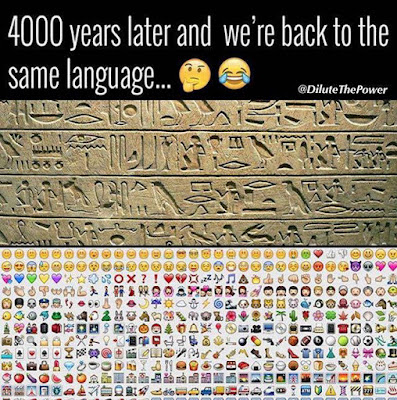
I hate emojis and refuse to use them. Not only is it a waste of time after you’ve already typed what you’re going to say, but they are just clutter. Oh, they think they are clever, but those of us with a mind think otherwise.
Most of all, I think they are childish or for girls. I lose respect for any guy who sends me one. I refuse to send them back. I don’t even know if anyone has noticed it from me, but then I don’t care. At least my son won’t use them either. I didn’t even have to say anything.
It’s like wearing makeup or girls playing with dolls. It covers up something or tries to make it look better, but not to me.
Worst of all is an emoji for an answer without any words. I roll my eyes.
I guess some people think it’s cute, or that I’m a grumpy old man, but I also don’t have a lot of time left, and I’m not going to waste it on something I just said in words.
Oh, and a repeat emoji is the worst. I got it the first time. It’s like typing in CAPS, IT IS ANNOYING.
It seems that the majority start out the year with some new life changing commitment (or last year’s rehashed that didn’t get done, so they’re going to make it this year). This is going to sound a bit negative, but I’m just calling a spade a spade. I’ve been around long enough to see the pattern of how this works.
I wrote about how quickly people abandon their resolutions a while back. It tells me just how committed people really are, or are they just giving lip service to fit in with the crowd?
Well, here are 5 Of The Worst New Year’s Resolutions And Why They Are Destined To Fail.
Oh, I see them crowding the gym in January. By March and sometimes February, it’s back to normal. They get in the way, and I can look at them and know who’s going to make it or not in January. Oh, they have on their new gym suit and sneakers, but that will be in the back of the closet in weeks.
This goes along with losing weight. With GLP-1 shots and pills now, it’s easier to be the Jetsons and take a pill rather than put in the work.
I’ve got news for you. It will come back to haunt you after 50. You can’t get youth back. You have to fight off health issues your whole life. It’s a marathon, not a sprint. It’s hard work that takes tenacity.
The same goes for eating healthier. It’s hard to do. You have to make your own meal to know what is in it. I’ve noticed the trend of having food delivered from a restaurant. They make it tasty, but as unhealthy as you’d imagine. People take the path of least resistance, so they stop making their own food and start ordering pretty quickly, or go out to eat. You pay more to be less healthy.
I don’t have a lot to say about the travel. It sucks worse each year. I try not to fly anymore because the whole experience isn’t worth it. There isn’t much I have to see, either people or places that would make me want to suffer the current airline experience. They cram more people into smaller seats, making fewer arrivals/departures on time. The planes are dirty and are alarmingly less reliable.
What I will say is people get over hyped about escaping, more than they really want to go somewhere new. The introvert in me doesn’t make me want to visit anyone, but that’s me. If they are in driving distance, I’ll consider the minimal time I have to suffer seeing them.
Learning a new skill? That probably lasts shorter than going to the gym. I bet DuoLingo has a ton of new accounts next week that get abandoned shortly because it’s hard work to learn a new language.
Passion
To commit to anything, you have to have a passion for it. Otherwise, you’ll go through the motions until you’re bored. Then, it gets shelved. It’s a pattern I’ve noticed my whole life, not just with this, but at work, at home or any other activity that sounds good. I love it when they do something because everyone is doing it, possibly the worst reason anyone should try anything. Do it because you want to and you have a better chance of making it.
Maybe some will get scared into better health because of a near death experience. Even then, a lot won’t. It has to come from within. I have a brother-in-law and a son-in-law who both have life-threatening conditions. They eat and drink like there is no tomorrow.
Commitment
Pretty soon, I see the same people at the gym that I saw in November and December. They are the ones who really are going to stick with it. A New Year’s Commitment is as good as a wooden nickel. If you are there in August, I’ll believe you’ll be there in February.
The fat people I see either at Walmart or my family’s get-togethers need to put down the fork and the wine glass, not take a shot. Their health is falling apart because of the life decisions they made 30 years ago.
That means they failed 30 times on New Year’s Resolutions.
It’s why I call BS on this tradition. If you are really committed, you’ll already be doing it.
As for me, I’m not doing anything other than staying committed to being healthy and working out. I’m not getting any younger and even healthy habits won’t stave off the inevitable. I can prolong it, but I’ll be in better shape to enjoy it.
So what are your New Year’s resolutions? Let me know if you make it to the summer.
Oh and PS, please don’t get a pet. That isn’t a resolution. It’s a 10-15 year commitment to an animal’s life, not your convenience or TikTok account. If you aren’t really going to love it above yourself, just don’t do it.
Are you a good judge of character?
I’m an introvert. I read body language better than most people because I’m not talking. I’m listening and observing. I’m rarely trying to impress anyone, so I’m usually sizing them up as to their intentions towards me.
I’ve had people do me favors and fuck me over. I’ve studied martial arts for years and had to anticipate my opponent’s intentions.
Working for years for both the best and the worst has taught me to read people. Here’s how I dealt with Executive Egos
Most of all, I’ve been married for decades and have kids. I’ve never been more surprised by that than anything.
So yes, I’m a good judge of character because I’m patient and won’t jump to conclusions.
Once I’ve decided who you are, though, it’s hard to move me off of that position, especially if I think you are an asshole. This includes family. I can spot a fake like a Jedi.
ByEllie Matama December 19, 2025
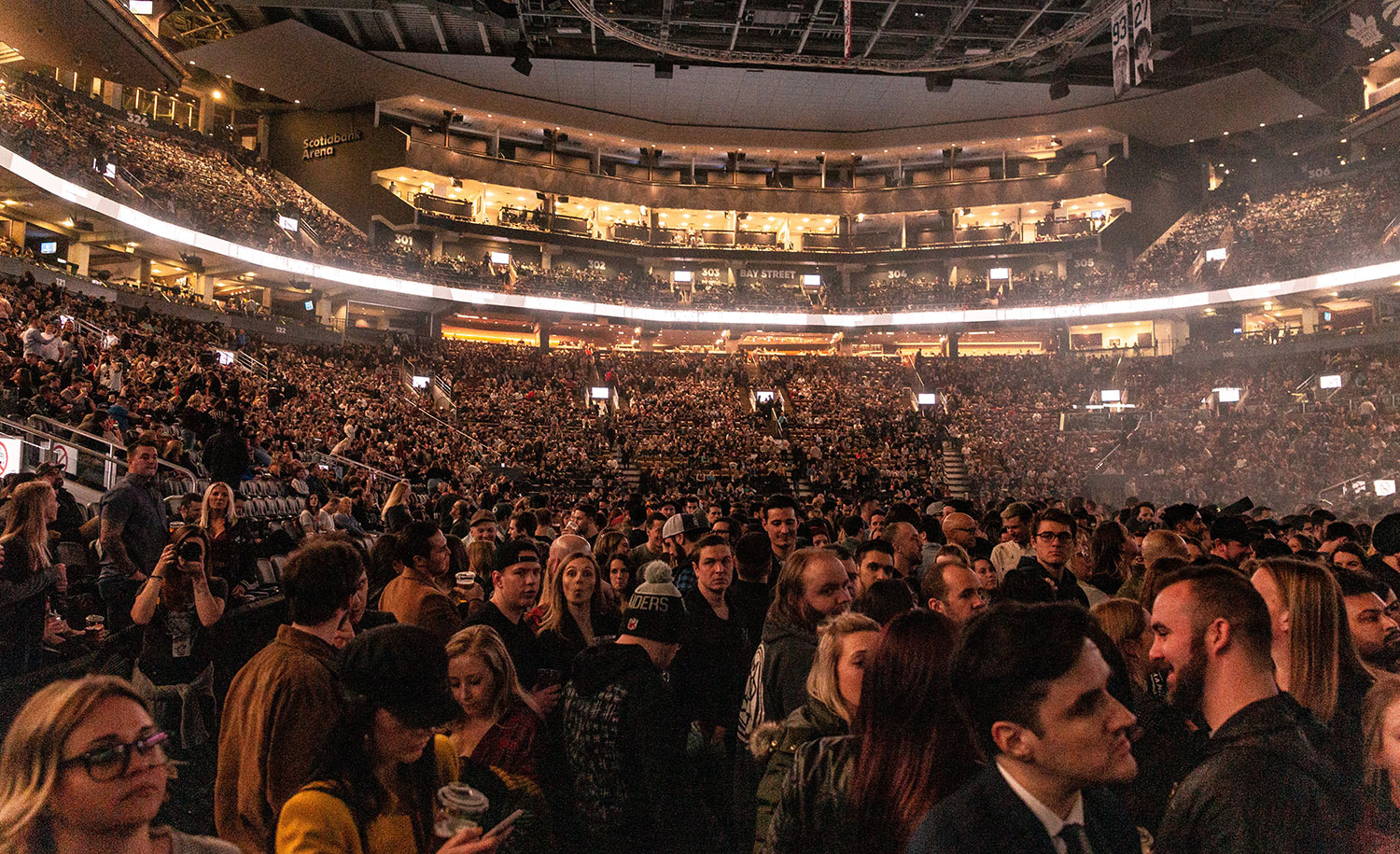
I have no problem socializing with my family or close friends. I am comfortable doing so because I have known them for a long time, and I interact with them just a few at a time. There’s no having-to-get-to-know-you period.
But it’s an entirely different matter to attend big, crowded gatherings where almost everyone is a stranger (hello, holiday parties or awkward job-related networking events). Sure, for a short amount of time, I can make small talk. Of course, I need to recharge my energy afterward.
Yet, in everyday life, social interactions are required. The good news is there are plenty of things you can do to maintain your energy as an introvert when you have to attend a crowded event.
One study found that about 20 percent of employees regularly arrive late to work. If you are an introvert, you can’t afford to be late for an event because people will notice your tardiness (hello, suddenly being the center of attention!). In addition, you may have to engage in unnecessary awkward interactions as you make your way to an available seat. Plus, you may have to explain your lateness later, which will further drain whatever energy you have left.
So arrive early and be prepared to stay for a while. When you arrive early, you can choose the best seat or standing spot for your needs. That way, you can still be alone among the crowd.
For example, find a seat or table on the fringes or near the back, which will enable you to move freely without having to ask people to move whenever you need to get out (i.e., escape to the bathroom). You could also choose a spot near the exit for the same purpose.
As an introvert, you may find it challenging to interact with many people at once. But some people you know may actually like doing so. Your family members, friends, or your significant other may be more outgoing — and they may thrive in crowded situations. See if they’re willing to go to the event with you. This will enable you to talk less, since they will happily do most of the talking for you.
Or, you can go to the event with a colleague who enjoys socializing. There’s no shame in using them as a “human shield” while representing your company or department. While they schmooze with everyone, you can thoughtfully listen and pick up points for discussion later on (i.e., at the next company meeting).
And, speaking of talking less…
Remember: As an introvert, listening is one of your superpowers. We speak about 125 to 175 words a minute, but we’re able to listen to about 450 words a minute. Therefore, you’ll learn more by listening than by talking a lot. Also, when you aren’t talking, you can pay more attention to people’s body language, which can offer more information about their state of mind than what they actually say.
Plus, people feel understood and cared for when someone listens to them. So you may make a great first impression just by listening!
Once you’ve absorbed everything they’ve said, take the time to process it before adding your thoughts. That way, you’ll have something valuable to say based on all your gathered information.
Discover the secrets to enjoying fun, meaningful conversations. Know exactly what to say — even if you’re introverted, shy, or socially anxious. Feel less drained and have more energy while socializing.
Even at the most crowded events, small groups tend to form because people with similar interests gravitate toward one another. That’s great news for introverts, as you’ll feel more at home if the topic is one you’re passionate about. Even if the group is talking about something similar to a topic you want to bring up, now’s your chance to change the subject to that one instead. And, when interacting in a small group, you won’t get socially burned out as quickly.
As an introvert, there may be times when you can’t take all the noise, small talk, or all the people anymore. But you also can’t leave the event… yet. In that case, you need a way to block out the noise.
You can do this in many ways: Listen to music or an audiobook (or just put on your earbuds to make it look like you’re listening to something or on a call; they’ll still help tune out some of the noise!); make an actual call; or excuse yourself to “step outside for a moment.” If you’re worried that these things will make you seem aloof or antisocial, remember that most people aren’t looking at you, anyway, and won’t even notice.
Yes, I know, having to attend crowded events and make small talk can be a nightmare for introverts. However, the more prepared you are, the more you’ll preserve your energy.
Here’s my bonus: say no and don’t go. You won’t miss much, and your life will be better for it
Cars
1992 Ferrari F40 with only 456 Miles – better bring a big wallet, a lot of people have millions for a car like this
Why Germany’s auto capitals face financial crisis – Mismanagement 101
Terrorism
Muslim Terrorists Busted in Christmas Market Attack in Poland, Germany and Germany Again – We need to stop these MF and boot them back to the shitholes they came from. Why Merkel let them in is that she’s a liberal white woman who never should have been given any power. These camel humpers hate Christians as much as Jews. They hate everyone.
Germany Fortifies Christmas Markets With Armed Guards, Security Barriers as Anti-Christian Violence Surges – Why is it always the goat humpers
Sen. Kennedy Reveals Damning Minnesota AG Office Memo on Somali Fraud – Send them back
Tranny Terrorists
FBI Arrested A Fifth Trantifa Militant In NYE Bomb Plot – sort of makes you think they’re a problem, doesn’t it? Maybe they should fix the underlying issue first. Put them in Arkum.
Climate Hoax
A Decade of Debate: U.S. Exits Paris Pact Amid Claims of Failure and Economic Harm – so the grifters won’t get any US money now. That was the goal all alone
Islam takeover
‘Guaranteed to offend’: Leftists unravel when U.S. senator repeats what Islamists already have confirmed! – they aren’t here to assimilate, but to take over and take us back to 610 AD. Get those Burkas ready liberal women. You’ll be wearing them while you get your asses beat for not behaving
Affirmative Action
The one very simple thing that’s wrong with affirmative action that people overlook… – 2 wrongs don’t make a right
How to irritate Dad’s at Christmas
IKEA Has A Huge Selection Of Last-Minute Gifts At Every Price Point (Under $25, Under $50, And More!) – shit they have to put together instead of watching football and enjoying the day
Dirt biking highlights
Dirt Biker Tyler Bereman Goes Full Send Between 10 Islands On Homemade Jumps To Cross An Entire Lake
Biden and Obama Get Roasted
Health
FDA Recalls MR.7 SUPER 700000 Supplements for Hidden Viagra, Cialis Drugs– Trannies were getting boners
The Hidden Layer in Your Canned Drink… – you’re drinking from a plastic bag
How To Ruin a Nation
Are White Men a “Lost Generation”? – Get rid of the people that built the greatest nation and helped the most people in the history of man
Artificial Intelligence
U.S. and China Are Headed for an AI Collision
Darwin Awards
3 People Go Snowboarding In Colorado. Only 2 Come Back: ‘Tell Them What Happened To Gregory’ – Her comment, not mine…., “it’s why black people don’t go skiing”, he went over a cliff
Football
10 Of The Most Dominant Individual College Football Playoff Performances On Record
Flying
Dine and Dash, Chew and Screw
Meathead and TDS
Watch Brennan and Clapper Use Rob Reiner to Subvert the Trump Presidency – Trump was right, he was suffering from TDS so badly he couldn’t think straight. He was a useful idiot that Clapper and Brennean used like a toy.
Rare Earth Minerals
Tennessee $7.4 Billion Smelter Deal Aims to Break China’s Grip on Critical Minerals – the DOD has a 40% stake so something is up. Battle China on every front. They hate the west as much as Islam
Tell us one thing you hope people say about you.
I don’t care what people say about me. I can be the nicest person on earth, or one of the biggest assholes. I treat people accordingly. It depends on you.
I’m always the same, so if I’m not nice to you, look in the mirror to understand why.
They say in 3 generations, no one remembers you anyway, so who cares what they say about me?
So in conclusion, it’s not important to me what people say about me. I gave up caring about that in high school.
Before I post the article, I want to ask, WTF happened to flight attendants? It used to be glamorous, and they had to make a weight every month or be suspended. They used to be cute and nice. Just like the rest of the air travel experience, it’s all gone downhill.
There is also the joke about how many straight men flight attendants does it take to screw in a light bulb. The answer is both of them.
I’ve had friends and relatives have this job since the 1950’s. It has turned into a flying cocktail waitress, Coke serving group with an attitude. The other thing that I noticed is that to a person, every one of them, men and women, were cheaters, including my then girlfriend. I found out about it after I dumped her for being a cnut. Even my Aunt met my Uncle when he was married to someone else. Other than my friend Rick, I found them all to be not smart enough to get a job other than being an air hostess. Even then, the best he could do was be on the phone, in tech support.
Flying used to be a good experience. Maybe if you are a first-class flyer with lots of miles, it’s better, but who wants to fly that much? It’s a cattle call now on dirty airplanes that are poorly maintained, flown by pilots who were forced to take the Covid Jab. That makes them more susceptible than most to heart issues because of the altitude.
Now this:
Some days just call for mashed potatoes. But what if you’re 30,000 feet in the air?
No problem. A United Airlines flight attendant has got your mashed potato-needing back. All you need is a few items carried on many commercial flights. Then presto! mashed potatoes.
Well, sort of.
United Airlines attendant Rachel (@rachelleahtia) shared her secret for getting that potato fix mid-air. The recipe is inspiring shock and horror.
Rachel’s recipe, posted on TikTok, is simple: Crush Pringles potato chips in a can (though probably any potato chip would do), and add water, coffee creamer, and salt and pepper—all items readily available on many flights.
She describes the mashed concoction as “a lil ghetto but it tastes good.” She noted that she wasn’t on duty at the time.
For most observers, it’s giving prison.
“So now we’re making prison food on airplanes?” wrote one.
“Baby… I know you don’t have a new contract yet, but you not in jail,” a second said.
Name your top three pet peeves.
Unless you are new here, you know I’m an introvert. That puts small talk at the top of the list. It’s usually meaningless and content free. It’s irritating to listen to. Talk to me about something deep that stirs my intelligence and/or emotions, or has great content, then I’ll want to engage.
Next, big crowds. I usually avoid it unless it’s impossible. Sometimes a small crowd is big if they are people I don’t want to be around (like family gatherings).
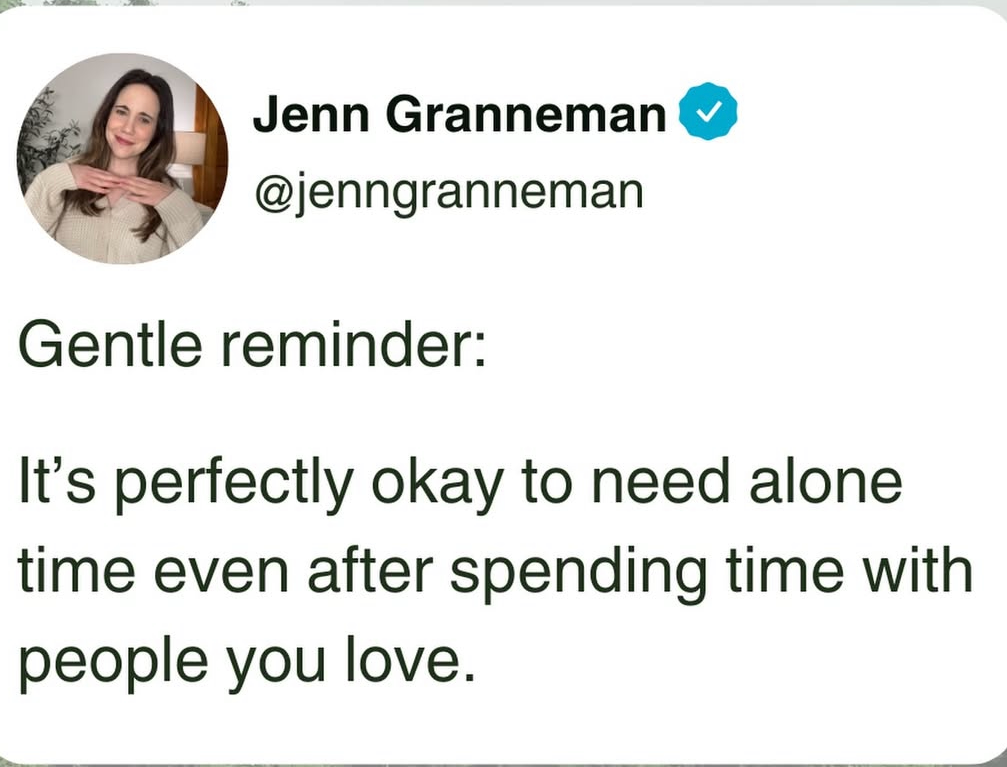
I look for the first excuse to not go, or leave early if I have to. If I’m stuck in an auditorium, I’m by the exit so I can leave.
Finally, internet arguments. You can be the top expert in a field, write a thoughtful piece that is fully documented with facts, and the first comment is: bullshit. You can say almost anything, and people will find a way to argue about it. See a few posts below on commenting.
\
I wrote about the callousness of females in dating, how they think they deserve everything, and then can have a family, but that is not how things work out for the best if you look at history.
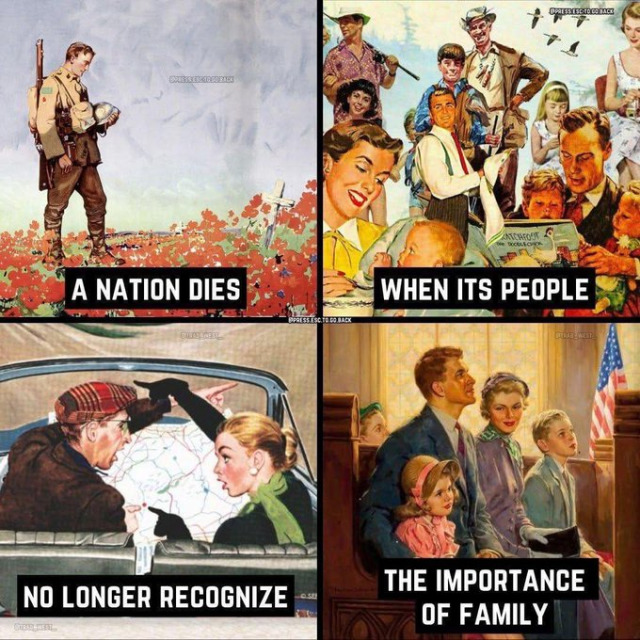
It turns out that Children are the measure of a Society.
“The test of the morality of a society is what it does for its children.” These words, attributed to Dietrich Bonhoeffer, echo like a warning bell across generations. They are not merely poetic, they are prophetic. If we dare to measure our society by this standard, we must confront a painful truth: we are failing.
At the heart of this failure lies the collapse of the nuclear family. Once the cornerstone of civilization, the family, father, mother, and children bound by love and duty, has been systematically dismantled. In its place, we find broken homes, single-parent households, and blended families struggling to find emotional equilibrium. The consequences are not abstract, they are measurable, generational, and devastating.
As Ronald Reagan once said, “The family has always been the cornerstone of American society. Our families nurture, preserve, and pass on to each succeeding generation the values we share and cherish.” When that cornerstone crumbles, so too does the moral architecture built upon it.
Today, the majority of children are raised without both biological parents. Fatherlessness has become a defining feature of modern childhood. Studies consistently link father absence to increased rates of poverty, incarceration, substance abuse, and suicide. Children raised in single-parent or stepparent homes often face emotional instability, identity confusion, and a longing for roots that were never planted.
Feminism takes a lot of the blame:
The takeaway? Messing with nature has unintended, adverse consequences. Legions of females are practically cultists. Many are as barren as the Sahara.
Basic biology: young women are hardwired to bear children. Yet, that simple fact is shrugged off by progressives. Instead of having kids, too many females are adopting malignant social causes.
“Manmade” climate change is one such cause, as Weinstein cites. Woke ideology is another. Socialism? Mamdani won the NYC mayorship in no small measure thanks to younger voters, particularly younger women, who backed him lopsidedly. What about “fascist” Charlie Kirk’s assassination? Left-leaning females were in the forefront, cheering Kirk’s murder on social media. Not only is that creepy, but it exposes a growing social pathology.
Government has become a spouse substitute for self-proclaimed empowered females. Government may provide some protection — in terms of a social safety net — though little in the way of emotional sustenance and meaning.
A feminist tenet is that not only can women do anything that men do but do it better — and do it without men. In a common-sense world, that’s good for laughs.
Eschewing nature and evolutionary development are conceits. The interdependence — the complementary nature — of the male-female bond are dismissed. Humans are putty. Gender is assigned at birth. Differences between the sexes? Only if feminists care to assert female superiority. Do hardcore feminists despise men? Appears so.
Go to the first link in this post and you’ll see why feminism has made women ruin themselves and now our society
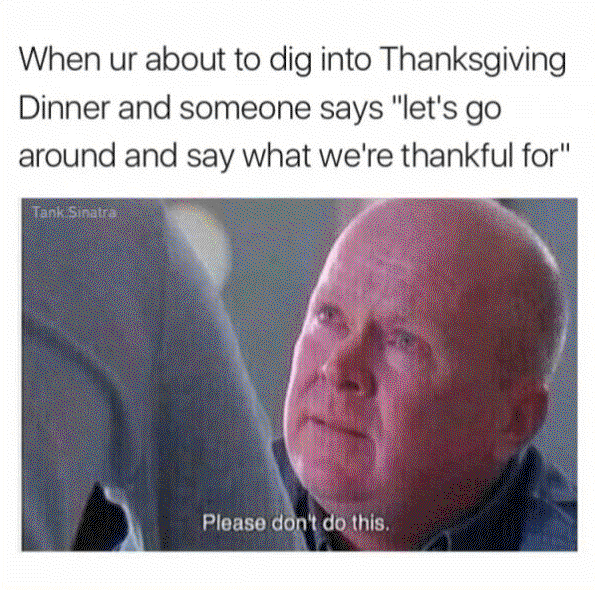
Introverts hate being put on the spot, icebreakers, and networking events. My Brother in law (who I nicknamed Flounder from Animal House) did this to me on one of the 2 worst Thanksgivings I’ve had. He was at the other one also. I mumbled some answer when I should have just passed and felt awkward the whole meal.
This was written by Dr. Philip Ovadia. A link to contact him is provided below
Some doctors dub it “holiday heart.” Others refer to it as HHS. But no matter what you call it, the data is clear: more people die of heart attacks during the holidays than any other season.
Research in Sweden found a 15% increase in heart attacks for the winter holidays, with a spike of 37% on Christmas Eve. It’s especially high risk for people over 75, those with diabetes, or anyone who’s suffered from cardiovascular disease.
Please know that I’m not saying this to scare you. I just want you to enjoy the holidays without sabotaging your metabolic health.
Knowing your risks is half the battle.
So here’s what you should know, plus how to keep your heart in check.
Does the holiday season inherently raise your risks for heart disease? No. But does it become more difficult to manage risk and avoid metabolically unhealthy practices? Most definitely.
Fortunately, there’s quite a bit you can still control.
Let’s take a look at some of the risk factors below.
You don’t need to be a rocket scientist to realize sugar intake climbs during the holidays. Between the cakes, cookies, and pies, it’s hard to say no to the comforts of the season. It may be harder on those with existing metabolic conditions. One study following diabetics in the post-holiday season found that glycemia and lipids do increase after the festivities are over.
But as we know, sugar consumption does no favors for the heart. High consumption is directly linked with heart failure, diabetes, stroke risk, and even neurodegenerative diseases such as dementia.
I’m not saying you should cut all sugar during the holidays — just make better choices to protect your metabolic health. This might be swapping to whole, real alternatives such as honey instead of corn syrup. There are some sugar alternatives, but be advised fake sugars come with potential health risks.
I realize it can be hard to avoid sweets at gatherings with family and friends, especially if they’re not necessarily supportive of your efforts.
But I highly recommend doing your best and cutting sugar to whatever extent that means for you.
The holidays (quite literally) bring all sorts of processed foods to the table. Prepackaged sweets, sausages, pies, and baking mixes promise to add “the flavor of the season” to your dining room table. And considering 73% of the US food supply is made up of processed foods, there’s a good chance UPFs will be present during at least one of your holiday events.
It is still possible to enjoy holiday classics with whole, real food once you master simple cooking skills.
I don’t need to remind you just how stressful the holidays can be. Two in five people say their stress increases during the holidays, with fears about money, travel, and busy schedules topping the list.
I realize there’s no way to eliminate stress during the holidays completely, but chronic levels can increase many heart health risk factors. They may also encourage poor habits, such as smoking, binge drinking, or poor sleep.
I highly encourage you to find time for yourself, set up relaxing routines, and seek support when needed. You can also get more specific advice around this in my guide covering how stress increases your risk for heart disease.
Cold weather forces blood vessels to constrict, which can increase your blood pressure and put more strain on your heart. For those with a history of chest pain, this can lead to (or worsen) angina. In extreme circumstances, it could limit blood flow to the heart.
Keep in mind that cold weather may also affect the viscosity of your blood. It may be thicker and stickier, which makes it more likely to form clots. This ultimately raises your risk of heart attacks and strokes if you’re already at risk or have a history of heart problems.
I’m not a fan of alcohol at the best of times — even one glass a day contributes to poor metabolic health. Apart from increased blood pressure, drinking can also spike your blood sugar and increase your risk of heart disease. Yes, this applies to holiday favorites like hard ciders and eggnog.
Drinking too much alcohol can also lead to arrhythmia, or an irregular heartbeat, that lasts for many hours. That’s actually where the term “holiday heart syndrome” came from in 1978.
So I recommend limiting alcohol significantly and looking for alternative celebratory drinks. But if you’re struggling to pull back, start with baby steps first. Maybe this means one fewer glass before going to bed, or experimenting with non-alcoholic versions of your favorite drinks.
Between the weather, holiday movies, and potential long-distance travel, people are typically far less active during the winter months. This can certainly raise your long-term heart health risks. But there are also some short-term risks to consider: namely, deep-vein thrombosis.
Thrombosis occurs when blood clots form in a vein or artery, usually within the leg. There are a multitude of factors that contribute to clot formation in the case, but one of the most common is immobility — being unable to move around for long periods of time.
You may be immobile while working a desk job, sitting in a car or plane, or sitting down on the couch to watch the Hallmark channel. These things aren’t inherently ‘bad’ per se, but in an already inactive season fraught with cold weather, your risk factors will be higher.
Do your best to continue some semblance of an exercise routine, perhaps extra movement sprinkled in (like an after-dinner walk, for example). I understand it might feel awkward or embarrassing to continue a routine around friends or family, so you may want to check out these four ways to strengthen your heart when you don’t have time to exercise.
This isn’t, I’m sure, the most exciting thing to read before the holidays. And yet, as a heart surgeon, I care too much not to say something.
Please understand I’m not asking you to moderate your fun, or give up things you enjoy during this special time of year. The purpose of my content is to give you information, so you can come to your own conclusions and make decisions to improve your quality of life.
If you’re interested in learning more about the intricacies of your heart health, I highly recommend the following resources:
And if you want to remove the confusion about your own individual heart health, book a free call with my team today.
I’m a classic introvert, but in my teens and twenties, it was normal for me to spend almost every weekend with friends. Now, in my thirties, the perfect weekend is one with zero social plans.
And I’m not the only one socializing less these days. My extroverted friend, for example, used to run through her entire contact list, calling friends whenever she was alone in the car. She told me she hated the quiet, the emptiness, because being alone felt boring.
You know, for the whole 10–15 minutes it took to drive to the grocery store. Oh, the horror.
These days, I can rarely get her out for brunch or coffee. She’s content spending most nights at home with her husband and two kids. And I haven’t gotten one of her infamous calls in years.
So, what gives? Do we get more introverted as we get older?
Probably, says Susan Cain, author of Quiet: The Power of Introverts in a World That Can’t Stop Talking — and this is actually a good thing. Let me explain.
In a post on Quiet Revolution, Susan Cain confirmed my suspicions: We tend to act more introverted as we get older. Psychologists call this “intrinsic maturation.” It means our personalities become more balanced, “like a kind of fine wine that mellows with age,” writes Cain.
Research also shows that our personalities do indeed change over time — and usually for the better. For instance, we become more emotionally stable, agreeable, and conscientious as we grow, with the largest change in agreeableness happening during our thirties and continuing to improve into our sixties. “Agreeableness” is one of the traits measured by the Big Five personality scale, and people high in this trait are warm, friendly, and optimistic.
We also become quieter and more self-contained, needing less “people time” and excitement to feel a sense of happiness.
Psychologists have observed intrinsic maturation in people worldwide, from Germany to the UK, Spain, the Czech Republic, and Turkey. And it’s not just humans; they’ve observed it in chimps and monkeys, too.
This shift is why we slow down as we get older and begin enjoying a quieter, calmer life — and yes, it happens to both introverts and extroverts.
From an evolutionary standpoint, becoming more introverted as we age makes sense — and it’s probably a good thing.
“High levels of extroversion probably help with mating, which is why most of us are at our most sociable during our teenage and young adult years,” writes Susan Cain.
In other words, being more extroverted when you’re young might help you form important social connections and, ultimately, find a life partner. (Cue the flashbacks to awkward high school dances and “welcome week” in college.)
Then, at least in theory, by the time we reach our 30s, we’ve committed to a life path and a long-term relationship. We may have kids, a job, a spouse, and a mortgage — our lives are stable. So it becomes less important to constantly branch out in new directions and meet new people.
(Note that I said “in theory.” In my 30s, I still don’t have kids, a mortgage, or a wedding ring. These days, we have the luxury of not following evolution’s “script.”)
“If the task of the first half of life is to put yourself out there, the task of the second half is to make sense of where you’ve been,” explains Cain.
During the married-with-children years, think of how difficult it would be to raise a family and nurture close relationships if you were constantly popping into the next party. Even if you don’t marry or have kids, it would be hard to focus on your career, health, and life goals if you were always hanging out with friends like you did in your teens and twenties.
But there’s a catch: Our personalities only change so much.
In my book, The Secret Lives of Introverts, I like to say that our personalities may evolve, but our temperaments remain constant.
This means that if you’re an introvert, you’ll always be an introvert, even at 90. And if you’re an extrovert — though you may slow down with age — you’ll always be an extrovert.
I’m talking big-picture here: who you are at your core.
Research supports this idea. In 2004, Harvard psychologists Jerome Kagan and Nancy Snidman studied individuals from infancy into adulthood. In one study, they exposed babies to unfamiliar stimuli and recorded their reactions. Some babies got upset, crying and flailing their arms and legs; these were labeled “highly reactive” to their environment.
Other babies remained calm around the new stimuli; they were the “low-reactive” ones.
When Kagan and Snidman checked in with these individuals later, they found that the “highly reactive” babies often grew up to be more cautious and reserved, while the “low-reactive” babies tended to stay sociable and daring as adults.
The bottom line? Our core temperament — whether cautious or sociable, introverted or extroverted — doesn’t change dramatically with age.
Discover the secrets to enjoying fun, meaningful conversations. Know exactly what to say — even if you’re introverted, shy, or socially anxious. Feel less drained and have more energy while socializing.
Consider, for instance, your high school reunion.
Let’s say you were very introverted in high school — perhaps the third-most introverted person in your graduating class. Over the years, you’ve grown more confident, agreeable, and comfortable in your own skin, but you’ve also become a bit more introverted. If you enjoyed hanging out with friends once a week in high school, maybe now in your thirties, you’re content with seeing them only once a month.
At your ten-year high school reunion, you notice everyone has slowed down a bit, enjoying a calmer, more stable life. But those who were very extroverted in high school are still much more extroverted than you.
You’re still approximately the third-most introverted person in your class — but now the whole group has shifted slightly toward the introverted side.
And that’s not a bad thing. In fact, it might be exactly what we need to flourish as adults. If there’s one thing we introverts understand, it’s the deep satisfaction of a quiet life.
My take, I just had my 50th high school reunion. I never even considered going. I enjoyed it immensely.
Do you trust your instincts?
Always.
I somehow was blessed with an innate ability for pattern recognition. I can see disparate things happening, put them together, and know what a good opportunity is. I didn’t know it until things fell into place for me, and I thought everyone saw what I did, but I was wrong.
Here are a couple of examples. I’ll be as matter-of-fact as I can.
I chose a career in personal computers when I didn’t know what to do. They couldn’t do anything, except for VisiCalc, but I saw it as my future before they introduced the IBM PC. The head of a major company said he saw a demand for about 5 of them, and why would you want one on your desk. I made a career out of it. People thought I was chasing my tail at the time.
I had things in life I wanted to do, and knew that if I wanted to retire by 55, I’d have to start before 30. I finally left at 53, and people at IBM were still living paycheck to paycheck up in NY. I refused two job offers to move there to live where the cost of living was 30% less. Money is made 2 ways: make more and spend less. I did both. Plus, I didn’t have to live in NY.
It was clear to me that COVID was a hoax from the beginning, and I refused the jab when the sheep were lining up for it. Once I saw that the Government was forcing an untried and untested treatment they called a vaccine, I knew not to take it. I had studied gene editing and knew it was untested and untrustworthy. My whole family and all my friends thought I was nuts. They couldn’t wait to get it and thought I was risking my life by not getting it. They all got Covid anyway.
My Son in Law, who has patents and is a chip designer said I was smart, so why didn’t I get it? I’m not a lemming, that’s why. It was clear to me that Ivermectin and Hydroxychloroquine were the cure. They tried so hard to ban (and got the media to promote that it was bad) it that I knew to research it and found it to be the cure. I never regretted not getting jabbed, and the rest of the family now wishes they had made my decision. They rushed to get it because they were told that it was “safe and effective”. I called BS. We don’t talk about it because they hate me being right on that one. Thanksgiving is next week, and it will come up like Trump.
I never doubted that Trump would beat Hillary when Scott Adams talked about his ability to use persuasion techniques. I was an island on that one also. I was less certain in 2020, as the evidence of rigging and judicial interference was too overwhelming. Anybody could have called the 2024 election, so I don’t take any credit.
I worked in sustainability for IBM around 2009, but I knew Climate change was a scam when they worried about the hole in the Ozone layer in the late 1990’s. I knew it was a lie from the start, and we found out this week from none other than Bill Gates that it isn’t true, but rather a power grab. I read yesterday that the Ozone hole was mysteriously closing. Again, I was on an island calling BS.
I also have spatial Awareness that I got from my father. I can see how things fit together. It’s as clear as day when others are just arranging objects. Between that and pattern recognition, some things are clear to me as to their truth or the path I should take.
So yes, I trust my instincts.
What’s your favorite month of the year? Why?
January, actually December 26th. That’s when the world goes back to normal, and they stop playing all the same songs I’ve been hearing in the stores since October.
You can have too much of a good thing, and that is what they’ve done to Christmas, overdone it. I’m for the real meaning of our Savior being born, but people who don’t even care about that go overboard. It started in September with the Christmas decorations at the Home Improvement stores, and they are already up. Thanksgiving is next week.
It’s hard for introverts to process all the attention. We also know that for most people, it is fake. They act all happy and joyful, then get in their cars and cut you off and give you the finger.
All the production around it excites some, but drains introverted people. By the time we get to Christmas, our social battery is dead, and it’s hard to function. Look at the post a few below this on introvert hangovers, and that is what I’m talking about.
The holiday season is tough for some. Fake joy doesn’t make up for it. Too many people takes it out of me and I can’t wait for it to be over.
AI Toys From China
GLP-1 Weight Loss Side Effects
Weight Loss Jabs Like Ozempic and Mounjaro ‘Linked to 170 Deaths’ – Including Adults in Their 20s – Yet concerns are growing over the side effects, with milder ones including headaches, vomiting, and diarrhea.
In more serious cases, GLP-1s can cause gallstones, kidney stones and inflammation of the pancreas, with some doctors warning of ‘life-threatening complications’.
Nature
New Nightmare Just Dropped: Scientists Discover Horned “Lucifer” Bee – So the male bees are totally cool and lack stingers, and the females have stingers and devil horns?
Hmmm…you don’t say. It’s always the girls that are the devils.
The Real troublemakers tearing America apart
‘F-ck Your Dead Homie’: Violent Antifa Mob Terrorizes Attendees of TPUSA Event Honoring Charlie Kirk at UC Berkeley – Haven’t you got something better to do? Or are you being paid to protest? Here’s your hint, it’s the liberals, Antifa and the socialists.
Climate
Reality Caught Up to ‘Climate Change’ – Greed for AI power is more important that the carbon lie. Bill Gates pulled the rug out from under the Green New Scam
Air Travel
‘It Hurts Our Feelings’: New Jersey Flight Attendant Of 11 Years Shares All The Things Customers Do That Flight Attendants ‘Hate’—You Might Be Guilty Of The ‘Stretching’ One – what a whiner. You signed up for the job. The travelers overpaid for their tickets for usually poor service and late arrivals. If you don’t like it, learn to code. Oh, that’s right, you’re a stewardess. Every job sucks that deals with people, but you chose it.
Cost of living around the world
Visualizing How The Cost Of Living Differs Around The World
Inflation and Tarriffs
Child Welfare Mistreatment
193 Youth in Care of Illinois’ Child Welfare Agency Missing in 2025 – How the F do you lose 193 kids?
Incompetence
San Fransicko’s Newly Appointed Supervisor Resigns Over Pet Store Controversy – I took one look at her and knew she was a loser
Civil War
Too Many Americans Want a Civil War – First of all, Katie Couric is a F’n idiot. Second, Antifa and the left don’t know that hunters have been practicing with camo and high powered rifles since they were kids. A lot of us had to fight real fights, not the pussy name calling they are used to. The are in for a nice Sunday Surprise if they try it
If you know, you know: Florida is more than a glorious, sun-drenched vacation land. It’s a weird and chaotic, semi-lawless-feeling place dangling off of the edge of America. And for Maddy (@maddy.1414), who lives in Tampa Bay, that is exactly why she swears it’s not even a “real place.”
In a TikTok video that’s been watched over 689,000 times, Maddy spotlights one of the quirkiest, most counterintuitive things about life in Florida. And shockingly, it has nothing to do with alligators or the Brightline. It’s all about drive-thru drinks.
“Florida is not a real state,” says Maddy in the intro to her video. Sure, she’s going hard, but she promises to back up her claim with evidence. The video then cuts to her ordering at a drive-thru. “Can I just get one espresso martini?” she says.
A voice replies, “Yeah, sure thing.”
She pulls around to the window. But while waiting, she speaks directly into the camera again. “OK, if you know me, you know that I always say Florida isn’t a real state because you can do things here that you shouldn’t be able to legally do,” she says.
MY STORY FROM YEARS AGO
When a stupid youth in high school and college, I remember going through the brew-threw to get a six pack for the beach or wherever I was going. They were available in Orlando and along the beach. We had fake IDs and just cruised in and out. The best thing I ever did was move out of that state. That meant splitting a six-pack to the beach and another one on the way home. It was only a one hour drive away. I could have blown the limit by double, which was higher back then. That business made a killing. We’d have to wait in line for our turn, it was so busy, any time of day. I think they finally passed a law to stop it, but I haven’t been there in years.
How I’m alive is beyond me.
Now, when I see a Florida tag in my current state, I steer clear because I know it’s a bad driver. The minute you cross the border from Georgia, people pass in the right lane. The old people get into the fast lane and drive slowly. They also drive into pools in South Florida fairly regularly
Now, If I have to go out with my brother-in-law to dinner, he has a cocktail, a bottle of wine, and an after dinner drink. I gave it up 30 years ago, yet he drives because I don’t know where I’m going where they live, and he thinks he’s a big shot. How he doesn’t have a DUI or a broken neck is beyond me. It’s why I avoid my family when possible. I also won’t drive with him anymore.
If I’m a cat, I’ve used up 8 lives.
Does this sound familiar?
You’ve spent the whole day with your friends or family. You’ve had a great time eating, playing games, and catching up. But now, you’re so exhausted you can barely see straight, while everyone else seems as energetic as ever. In fact, they’re already setting up the next game as you’re wondering how you can slip out the door.
The next day, after the event is over, is no better. You might have a headache, and your body may feel sore and drained, almost like the onset of the flu. You’re tired — so very tired.
If this resonates with you, you might be experiencing something we call an “introvert hangover.”
Introvert, Dear writer Shawna Courter coined the term “introvert hangover” in this article to describe the exhaustion she felt after celebrating Christmas with her in-laws. She writes:
“An introvert hangover is a pretty terrible thing to experience. It starts with an actual physical reaction to overstimulation. Your ears might ring, your eyes start to blur, and you feel like you’re going to hyperventilate. Maybe your palms sweat. And then your mind feels like it kind of shuts down, building barriers around itself as if you had been driving on a wide open road, and now you’re suddenly driving in a narrow tunnel. All you want is to be at home, alone, where it’s quiet.”
Yes, the introvert hangover is real. It’s a funny term that describes the serious social burnout many introverts experience, marked by significant mental and physical fatigue.
Here are 12 signs that you might have an introvert hangover, which I discuss in more detail in my book, The Secret Lives of Introverts. You don’t need to experience all these symptoms to have one, and your symptoms might vary.
When you have an introvert hangover, even small annoyances can overwhelm you. Normally, you might brush off a sarcastic comment from your partner or stay calm when you misplace your keys — but not in this state. An introvert hangover can make it feel as though your head is so full it might burst, leaving no room for even the smallest extra bit of information. Because you’re so tired, you may find it hard to control your emotions.
Even small decisions become difficult. Paper or plastic? Pumpkin pie or cherry? Normally, these choices wouldn’t be hard, but when you have an introvert hangover, your brain is so tired that it doesn’t function properly. For bigger issues, you might find yourself obsessively thinking about the situation to the point of frustration. You’re searching for that one piece of information that will show the right way forward, but because you’re so exhausted, your mind can’t focus enough to find it.
Similar to the previous point, you’re so tired that it feels like your mind is processing everything in slow motion. You might struggle to recall details of things you should easily know, like your daily schedule, where you left your phone, or even common passwords.
You might speak slower, with unusually long pauses between your words. Sometimes, you might use words that are close to what you mean but not quite right — for instance, “dessert” becomes “candy” and “where’s my coat” becomes just a vague gesture. You might even seem a bit intoxicated, even if you haven’t had much or any alcohol. You might slur your words together, mispronounce them, or both.
Some introverts report experiencing headaches, muscle aches, upset stomachs, or other physical symptoms.
Like, really tired. It feels like you’ve just finished an intense workout at the gym. If someone offered you a quiet spot to nap, you’d accept it immediately. After the social event, you find yourself collapsing on the couch, skipping your usual evening routine, or heading straight to bed.
You find it hard to focus. Someone might be speaking, but you’re not absorbing their words. Your expression may appear blank, sad, or even angry, but you’re not necessarily upset. Your mind is simply wandering, perhaps lost in thought or daydreaming.
For some, an introvert hangover can intensify their anxiety. In social situations, they might feel particularly nervous, worried about how others perceive them and concerned they might say or do the wrong thing. They may also find themselves overthinking a particular decision, unable to escape an anxious thought spiral due to their fatigue.
Discover the secrets to enjoying fun, meaningful conversations. Know exactly what to say — even if you’re introverted, shy, or socially anxious. Feel less drained and have more energy while socializing.
An introvert hangover can also trigger feelings of depression. You might find yourself overwhelmed by pessimism and cynicism, questioning past decisions, and experiencing dark thoughts. Everything in life may seem bleak or not okay.
You might be quieter or not as cheerful as usual. Something seems off, and those close to you are likely to pick up on it.
When you’re experiencing an introvert hangover at a social event, you might find it hard to keep up with conversations. You’ve run out of small talk. Your mind is just too tired to think of anything polite or interesting to say.
When you’re dealing with an introvert hangover, all you crave is solitude. Whether it’s sneaking off to the bathroom during a social gathering or cozying up in your pajamas afterward, you just need some time for yourself. For introverts, there’s nothing quite like the comfort of being alone after a hectic day or social gathering.
Research shows that everyone eventually gets tired from socializing, including extroverts. Socializing requires energy, and after a while, everyone reaches their limit. However, introverts experience social burnout more quickly and intensely.
Why is this the case? Introverts are generally more sensitive to noise and other forms of stimulation compared to extroverts. Their dopamine systems are less active, meaning that an overload of dopamine — the “feel good” neurotransmitter — can leave them feeling tired and overstimulated. In contrast, extroverts often feel energized by the same levels of dopamine, which can help them push past social fatigue.
To learn more about why introverts need time alone and why they get easily drained from socializing, click here.
The best way to recover from an introvert hangover is to spend time alone in a peaceful, quiet environment. Do your favorite self-care activities or hobbies — anything that helps uplift your mood and energy. For introverts, solitude is as essential as food and water.
If you can’t be completely alone, look for small ways to take a break. You could listen to soothing music with headphones, go for a walk, or find a quiet corner to read. Even short breaks can make a difference.
As introverts, we might feel pressured to fit into a society that often values extroverted behavior. You might worry that prioritizing your needs could inconvenience others or hurt their feelings. This pressure can lead you to hide or deny what you really need, causing more stress.
Remember that your needs as an introvert are valid. It’s perfectly okay to leave a party early or to spend time alone. Your needs are real and deserve respect.
The holiday season is here. It’s the worst 2 months of the year for me. What is telling is that as soon as the presents are opened, people go right back to the other 10 months of the year.
I cringed when I saw the decorations for sale in September, and they started going up 50 days before Christmas near me. My energy started draining on the spot
As an introvert, I am frightened by people who call when a text or email would be more than sufficient. There is a certain anxiety that comes with an open-ended conversation, since phone conversations are expected to take longer than the 10 seconds necessary to transmit the information. This anxiety is compounded by the lack of visual cues during a phone call that are vital to us introverts, but are often summarily ignored by extroverts.
–Steve
The thing that horrifies me the most is not being able to exit an intense social setting. If I am somewhere and don’t have an out, my stress level skyrockets. I need to know that I have a way to step out or leave so I can recharge.
–Lou
Networking events are made for extroverts who gain energy by being around people and engaging with them. However, for most introverts, networking events are generally uncomfortable and terrifying — we find it hard to be open and let strangers into our lives. We are atrocious at small talk, and it is challenging to establish rapport with new people. For us, networking is definitely out of our comfort zone and ranks as one the top scary things for introverts.
–Albert
My biggest fear is of being put on the spot to say something in a group or public setting when I’m not prepared. That feeling of all eyes turning to me to say something off-the-cuff really makes me uncomfortable!
–Jen
I may be an introvert, but I love people. I can have a great time seeing friends and family and love spending time together over a few drinks and board games. But if we need to stay overnight? That’s when anxiety sets in. Keeping up the social energy in the morning, not knowing when we’ll be able to duck out and find some respite — these thoughts embed themselves into the back of my mind, which makes socializing that much harder.
–Mike
First dates terrify me because of my aversion to small talk and awkward silences. I can talk to someone online, no problem, but face-to-face? I make very weird small talk because I’m nervous. The terror is, I see the date and he’s not who I’m interested in when I meet him in person. Then I just want to leave as quickly as possible, so the small talk becomes even more painful. I just sit there, in anxious terror, and blurt out the first thing that comes into my head, whether it’s appropriate or not.
Prime example: I went out on a one-date-wonder a few years ago. We met for lunch, he didn’t appeal to me in person, awkward silence ensued. The only thing I thought to say was: “Armadillos are the only other mammal that contract leprosy from humans.” (I learned that factoid in fifth grade and who would have thought it’d stick with me 35 years later?!) He looked at me in horror and I fled. I never heard from him again — whew!
–Lisa
Any sort of public speaking scares me to death as someone who is basically a career introvert. It doesn’t matter if I’m leading a meeting of three participants or speaking to a larger audience, the thought of being the center of attention in any way, shape, or form truly terrifies me. It’s kind of like a fear of heights — you don’t understand it truly unless you suffer from it. All of the workarounds don’t seem to work, and I just manage it by avoiding it as much as possible.
–David
There’s nothing more frightening than getting trapped in a social commitment that can prolong for hours (like public speaking or large parties). I prefer shorter engagements when my energy levels are higher, but once things drag on, it becomes impossible to focus and incredibly uncomfortable!
–Sara
The one thing that scares me a lot is living with my friends permanently. While I enjoy socializing, after a while, I am mentally drained and need time to recharge. If I had to live with friends, I’d feel obligated to be social all the time and that would be mentally stressful for me as an introvert because I wouldn’t have “space” to get away from them. You’re stuck living in the same place, and I feel that would be pretty unbearable.
–Roger
As an introvert who avoids social interaction at nearly all costs, my biggest fear is being embarrassed. When I’m in public, I usually become solely focused on how I look to other people, what others think of me, and the assumptions they make of me. In the past, it’s affected everything from the way that I walk to the comments I make to even the tone of my voice. It can be kind of brutal, but it’s something I’ve learned to deal with. Staying out of the public eye seems to help with that.
–Mike
One thing that scares me is that being introverted and very independent could cause damage to my relationship or scare them off.
–Lauren
We all need love and companionship, but as an introvert, I don’t like feeling like I have to compete for “airtime” in social gatherings. I love my alone time, but still want a solid group of loved ones.
–Tolu
I call myself an introvert, as I am someone who enjoys alone time, would rather stay home than go to a party on weekends, and I regain energy by spending time away from people.
The one thing that terrifies me is when my work manager announces, “Let’s have a team-building exercise today.” Though we introverts tend to be team players — as we are all about deep work and being invested in the goals of the group — when it comes to group or team activities, it scares us. Team-building exercises involve interacting with people, small talk, and, in some cases, having the spotlight on you alone. These are all things my introverted self dreads and runs away from.
12 doesn’t bother me, and I pretty much have gotten over being embarrassed, but the rest are true. I have to face number 5 on Thanksgiving with a houseful of extroverts.
I got told that I have to take care of some adolescents that I’m related to next summer and the anxiety has already set in.
1
“Bachelors have consciences, married men have wives.”
2
3

4
5
6
7
8
9
10
11
12

Marriage
American Support for So-Called Same-Sex Marriage Falls – statistics say only about 2% of the population are homosexuals. The press would make you think it’s 10 times that. People are behind it when it’s in vogue. If you’re not totally invested in something, you don’t give a shit after a while. They’ve beat us over the head with accepting it for so long that those not against it (actually the majority) don’t give a $hit anymore. You can only hear something for so long.
Gen Z
Chipotle CEO: Millennials, Gen Z Customers Choosing Groceries Over Burritos – Dave Ramsey would be proud of them, even if they were forced into being financially frugal.
Anti-Americanism
European Billionaires Funneled $2 Billion Via Transatlantic NGO Network To Erode U.S. Democracy, Finance Anti-Trump Protest Machine – Denmark, Switzerland, and the UK, thanks for your support.
Venezuela Regime Funded Black Lives Matter
Working vs Free Money
Universal Basic Income – Making Slavery Great Again – you take away the will to work, and people of all colors are on the plantation again. It’s not the story you think you’ll read. The government is the slave owner
Flying Cars
Is This The Secret SpaceX-Backed Flying Car Musk Just Hinted At? – still not getting into it
Woke
Woke Hollywood Just Keeps Sinking as Box Office Receipts Fall to 27-Year Low – The movies suck, starting with Disney
Canada’s Military
WHAT A DUMB, PATHETIC CUNT – I just liked the title
Some Reality On Racism
Beyond the Cotton Field: How ‘Racist’ Was Pre-Civil-Rights-Era America, Really? – Muhammed Ali after his fight in Zaire – “Thank God our grandpappies caught that boat!”.
In other words, the real racism was by 2 people, LBJ and Obama. Let’s dispell some of the lies being told today.
Creepy Old Men
“You Look Cute.. But I’m Married! Michelle’s Fine Too!” – Creepy Narcissist Obama Flirts with Girl at New Jersey Rally For Mikie Sherrill (VIDEO) – I thought he was gay, or is this just subtrafuge?
Dilbert
Government Shutdown
Justice
South Carolina Death Row Inmate Scheduled for Termination This Month Has Chosen His Method of Execution – Shoot Him
Taxpayer Wasted Money
‘Ghost students’: Fake college kids collecting very real cash – enrolling to get money but never attending class…..think that’s called stealing.
World’s Largest Economies
$124 Trillion And Counting… These Are The World’s Largest Economies – no real surprises, but interesting to see who ranks where
Government Shutdown
Why Are 42 Million Americans Relying On SNAP Benefits? – EBT Mom’s gaming the system
Voting
Here’s Why Asian Americans Shifted Right – They are tired of getting their asses kicked and other crimes.
World Series Rioting
Fans Go Wild After World Series Win, LAPD Deploys Tear Gas – Win or lose, they loot
Cow Farting And Fainting
Danish Cows Collapse After Controversial Anti-Methane Product Added to Feed – This is taking Climate dumbassery to a new low. I’m with the cows on this one.
1
2
3

4
5
6
7
8
9
10
11 – My college girlfriend who couldn’t keep her legs closed

12
To the extroverts, please read this. Introverts will read this and say this is me.
An extrovert and an introvert walk into a bar. It’s a Saturday night, so the place is buzzing with energy. A cover band croons away on stage while groups of people stand around, clutching drinks and nearly shouting to be heard.
The extrovert takes in the scene and feels a surge of excitement. He sees social opportunities everywhere — an attractive woman at the bar, friends to chat with, and the chance to cut loose and have fun. He walks straight up to his group of friends, gives one of them a hearty slap on the back, and orders a beer.
The introvert experiences the situation differently. He hangs back for a moment, surveying the scene and taking everything in. Then, he quietly joins his friends. He feels a bit overwhelmed, drowning in the noise and activity, but he tells himself to relax — this is supposed to be fun, after all.
And for a while, the introvert does have fun. But it doesn’t last.
Soon, the introvert starts to feel tired. Really tired. Not only does his body feel physically fatigued, but his mind becomes foggy and slow (and not just from the drinks). He desperately wants to head home — or at least step outside — where it’s quiet and calm, and he can be alone. He’s already getting an introvert hangover.
He glances over at the extrovert, who’s still chatting away with friends. The extrovert doesn’t show any signs of slowing down. In fact, he looks even more energized than when they arrived.
Sound familiar?
If you’ve ever felt exhausted from socializing, there’s a very real reason. Here’s the science behind why socializing can be draining for us “quiet ones” — it has to do with our unique wiring as introverts.
First, let’s clear a few things up. The scenario above is just an example and a generalization. Not every extrovert spends their weekends partying, and sometimes, we introverts live it up, too. We all exhibit introverted behavior at times and extroverted behavior at others. According to the famed Carl Jung, the founder of analytical psychology, there’s no such thing as a “pure” introvert or extrovert. We all fall somewhere on the spectrum that defines introversion and extroversion.
Another point to consider: Socializing is actually draining for everyone eventually. A 2016 study from the University of Helsinki found that participants reported higher levels of fatigue three hours after socializing — whether they were introverts or extroverts. How tired they felt depended on several factors: how many people they’d met, the intensity of the interaction, and whether they had a specific goal in mind.
It makes sense that both introverts and extroverts would feel tired after socializing, as it expends energy. You have to talk, listen, and process what’s being said, among other things.
However, there are some very real differences between introverts and extroverts.
These differences stem from how we respond to rewards. Rewards can be things like getting the phone number of an attractive stranger, getting promoted at work, or enjoying a delicious meal.
We all enjoy rewards, and we all desire them. But introverts and extroverts react differently to them.
To understand why socializing can quickly wear out introverts, I spoke with Colin DeYoung, a psychology professor at the University of Minnesota, who recently published a paper on introversion. I was conducting research for my book, The Secret Lives of Introverts. DeYoung, like other experts, believes that extroverts have a more activated dopamine system than introverts.
Dopamine is a neurotransmitter that plays a crucial role in the body’s communication system, helping to control various functions by sending signals between the brain and the body. Often referred to as the “feel-good hormone,” it’s associated with positive emotions like bliss, euphoria, and concentration. Dopamine is vital for a wide range of bodily functions, from movement to sleep to mood regulation. When you experience pleasure — such as eating your favorite foods or during sex — your brain releases dopamine.
However, there can be a dark side to dopamine. It’s strongly linked to addiction. Some recreational drugs, for example, stimulate the release of dopamine and increase its levels in the brain, leading to dependency. That’s how powerful dopamine can be.
Social media platforms tap into the power of dopamine, giving you a boost of it when you watch a funny video or receive likes on your post. This is what keeps you scrolling, even when you know you have better things to do than stare at your phone. In this way, dopamine can keep us hooked on endless scrolling.
So, what does this have to do with socializing?
Because extroverts have a more active dopamine system, they get more excited by the possibility of reward. Dopamine energizes them to strike up a conversation with a stranger or stay at the bar until last call. Even though these activities can be tiring, dopamine reduces the cost of effort, much like getting a shot of espresso before running a race.
Dopamine even explains why extroverts might talk louder, faster, and with more confidence. These behaviors draw more attention to themselves and increase their chances of gaining social rewards.
Introverts have dopamine, too, but our dopamine system isn’t as “turned up” as that of an extrovert. We’re simply not as driven to pursue the same rewards that extroverts chase.
Having a less active dopamine system also means that introverts may find certain levels of stimulation — like loud noise and lots of activity — to be overwhelming, annoying, and exhausting. This explains why the introvert in the bar scenario was ready to leave after a while.
Discover the secrets to enjoying fun, meaningful conversations. Know exactly what to say — even if you’re introverted, shy, or socially anxious. Feel less drained and have more energy while socializing.
Be the first to hear when Jenn Granneman’s new book is released — and get two FREE gifts to help you feel more comfortable in conversations right now:
Introverts don’t seek rewards to the same degree that extroverts do. Is this a bad thing? In my opinion, no. It’s actually the introvert’s superpower.
We all know that one friend who partied too hard and paid the price, or the workaholic who compromised her health and relationships. These are people who chased rewards — hard.
Instead of seeking external validation, introverts tend to turn inward. They might research topics simply for the joy of learning something new. In their careers, they seek a calling that’s more than just a paycheck. They desire depth and intimacy in their relationships — a connection that is mind-to-mind and heart-to-heart — rather than an abundance of casual acquaintances.
I’m not suggesting that all extroverts are shallow and all introverts are deep. That’s simply not true. Sometimes extroverts pursue quiet, intrinsically rewarding activities; sometimes introverts seek status and other external rewards. A healthy, successful life for anyone should include a mix of both.
When writing my book, I asked introverts to share what motivates and energizes them. They all mentioned low-key activities, like a solo shopping trip, a meaningful conversation with a friend, finishing a good book, or expressing themselves through art. If it weren’t for the introvert’s less active dopamine system, they might not engage in these activities as much. The introvert’s way isn’t about chasing rewards but rather about seeking meaning.
For most of our working lives, wealth is defined in numbers. We measure it in bank balances, investment returns, property values, and retirement account statements. It’s the sum of decades of hard work and careful planning — a financial safety net meant to secure our later years. But once you actually reach retirement, something shifts. The meaning of “wealth” starts to evolve. It becomes less about how much you have, and more about how deeply you live.
When you no longer have to chase paychecks or promotions, the things that once defined success lose their urgency. The focus moves from accumulation to appreciation — from “How much do I have?” to “What truly matters now?”
In retirement, time is the one asset you can finally spend freely. It’s the resource you once traded away for income, deadlines, and career goals. Now it’s yours again. How you choose to invest it — in travel, family, faith, or personal passions — says far more about your wealth than any number on a statement.
There’s something profoundly freeing about waking up without an alarm clock or a to-do list set by someone else. That sense of control over your time is a form of wealth that many people don’t recognize until they experience it.
While financial comfort is essential for peace of mind, studies repeatedly show that social connections have a greater impact on longevity and happiness than income or assets. True wealth in retirement often comes from nurturing the relationships that bring meaning to your life — whether it’s time with a spouse, deepening bonds with friends, or creating memories with grandchildren.
Some retirees even use their newfound freedom to rebuild old relationships that fell to the wayside during busy working years. Picking up the phone, writing a letter, or visiting an old friend can enrich your life in ways no financial investment ever could.
Ask anyone facing health challenges, and they’ll tell you: without well-being, wealth doesn’t mean much. Good health allows you to enjoy the fruits of your labor — the travels, the hobbies, the simple pleasures. Maintaining physical strength, mental clarity, and emotional balance becomes a daily investment in your quality of life.
That might mean spending a little extra on nutritious food, gym memberships, or preventive care — not as expenses, but as deposits into your most important asset. A strong body and mind are what allow you to truly experience the richness of this chapter.
Many retirees struggle at first with the sudden loss of structure that work once provided. But retirement offers a chance to redefine purpose on your own terms. Maybe that means mentoring young people, volunteering, creating art, or building something new. Purpose fuels vitality and joy — and often leads to the most rewarding kind of “profit”: fulfillment.
You don’t need to earn a salary to feel valuable. Sometimes the wealthiest retirees are the ones who give the most — of their time, wisdom, and compassion.
Gratitude has a way of reframing everything. When you look at what you already have — health, freedom, family, faith, or the simple beauty of a quiet morning — life feels abundant, no matter what your portfolio says.
True wealth isn’t measured by accumulation but by appreciation. It’s realizing that every sunrise, every conversation, every moment of laughter is part of your return on investment for a life well-lived.
In the end, rethinking wealth isn’t about abandoning money — it’s about putting it in its rightful place. Financial security matters, but it’s just one piece of a much larger picture. Real wealth is health, time, love, peace, and purpose.
That’s the kind of wealth that doesn’t fade with the markets — and the kind that only grows richer with age.
What food would you say is your specialty?
When I was young, my Mom told me some people live to eat, while others eat to live.
Being an introvert, long ass meals are tedious for me. I just need something to fill up my stomach.
I also worked in an Italian restaurant that had real food based on recipes that came from the Mother Country, not just pasta.
Don’t get me wrong, I’ve attended the three-hour business lunches in France, which often featured exquisite food. I’ve also gone hunting at 3 in the morning, and ridden in many 100-mile bike races that started at sunrise. I’d have to cram as much food as I could in the shortest amount of time, as I was on a deadline.
I know the difference between 5-star food, and reheated chicken and rice in the dark hours of the morning. I just need a proper meal (not fast food or processed) to get me to the next meal.
I bet some readers served in the military who ate some awful stuff, yet survived.
In contrast, my brother-in-law was the president of Ruth’s Chris Steakhouse and was obese for a good part of his life. He lived to eat and has failed at every diet and/or weight loss plan that exists. He now has health problems I saw coming decades ago. He also got the COVID-19 jab and has symptoms from that.
One last thing, I never miss the Hot Dog eating contest on July 4th. I’ve been a fan since Kobayashi was transforming the “sport”.
By Delilah Ho
It’s difficult being an introvert in a world that only works smoothly if you’re an extrovert. You’re expected to perform well in large groups, socialize often, speak up loudly, and be outgoing. As a highly introverted person, I get mentally and physically fatigued doing all of those things on a daily basis.
Here are eight things I wish people knew about me as an extreme introvert who also experiences social anxiety. Fellow “quiet ones,” can you relate?
Some assume that I don’t like people because I don’t talk or smile much when I first meet them. It’s never my intention to be rude or cold, it’s just that there are a thousand things running through my head at the moment: “What should I say?” “What do you think of me?” and “Do I look like a hot mess right now?” And so on.
I’m quiet around the people I don’t know well, but that doesn’t necessarily mean I don’t like them. As an extreme introvert, I’m just uncomfortable when meeting new people. Honestly, sometimes just being around new people overwhelms me and I freeze up.
It’s easy for my extroverted friends to chat with strangers and make new friends at practically a moment’s notice. But for me, it’s like I need a month in advance to mentally prepare! And even if I did get that advanced notice, when the day arrived, I probably still would not feel ready.
As an introvert, I enjoy doing things by myself. I go shopping on my own. I go to coffee shops on my own. I go to the movies on my own — and I absolutely love it. I don’t feel awkward or uncomfortable being alone in public. Honestly, it’s my preferred state. I love watching everything going on around me and being alone with my own thoughts.
However, as much as I relish being alone, there are times when I crave the love, company, and affection of other human beings. Although I say that I don’t mind doing things alone, sometimes I wish I had someone to do those things with me.
You know, doing what friends do.
You see, no one likes being lonely, even if they’re extremely introverted. We “quiet ones” need close relationships and strong connections in our life, too.
I despise small talk because I don’t know how to act around small talk. Usually, when people engage me in chitchat, I give short answers like “oh” and “yeah.” As a result, I think I unintentionally come across as aloof or rude.
Little by little, I’m getting better at making conversation, because it can be a joy to talk with someone who “gets” me. But to be completely honest, I still get nervous chatting about the weather or my weekend plans. It makes my heart beat fast, and later, I think about how I acted in the conversation. Sometimes I beat myself up for not knowing what to say or do. I know not every introvert experiences social anxiety, but it’s my reality every day.
I actually prefer deep conversations straight away.
Ask me what I think of the latest news. Ask me what I think of Freud. Ask me what I think about global warming. Oddly, I can answer those questions without feeling the least bit awkward.
I have a small group of good friends. They are people who I feel comfortable being around, so I almost always hang out exclusively with them. But if I’m being honest, I wish I had more people that I could hang out with. Yet this goes back to #1 — I feel uncomfortable meeting new people.
Honestly, there are times when I wish people would approach me instead of me having to approach them. That may seem like a strange thing for an extreme introvert to say, but it’s easier for me when other people take the lead in social situations.
Because of this challenge, I finished four years of college with hardly any friends. I may say that, as an extreme introvert, I’m fine with it, but I actually regret not making more of an effort to meet people. Again, it’s a skill I’m working to improve, but like any new skill, it takes time.
I love my extroverted boyfriend but sometimes it drains me to be with him.
He often wants to do things that I would not do in a million years, and he struggles to understand why I’d rather stay home than go out and “explore,” as he calls it. He wants me to meet his friends and family, but I get extremely anxious just thinking about doing that. Sometimes he tells me about social plans last minute, which gives me little time to mentally prepare.
Personally, I don’t agree with number 4. I’m good with what I have. I weed out the insincere ones and my friends are my true friends, few as they are
I went to see the F1 race in Austin. You can read the results online, but I’m a Ferrari fan, and they finished 3rd and 4th.
I got to spend time with my son, and at my age, I won’t have many of those opportunities again.
I write about how much I hate traveling and crowds, but to spend time with your kids because they want to be with you is priceless.
There may be some random posts, but I didn’t schedule my favorite, Marriage Monday Meme’s.

This will be an intermittent series. It’s a happy post while I’m out. Don’t forget, pets are an Introvert’s best friend, and the first thing we look for when stuck with people
Pet Meme’s To Share, Some People Are Animals
I’ll be taking a Father/Son trip for a few days, so posting will be slow.
I’ve scheduled most of the usuals already, with at least one best of (tune in to see what), so there should be a post each day.
If I do put something up, you can take shots at where we went. It’s one of our shared passions. We’ve gone through fishing, hunting, Karate, and this together over the years.
I usually introvert out and try not to go to stuff with people, but spending some of the little time I have left with my son makes it worth it to do.
It’s not like what I post changes the world, but I hope it brings some diversion from life from time to time.
Oh, and bad guys who think my abode is free to raid, there is a special surprise for you if you try.
This happens to me a lot. Most recently, I was the only one in my family or friends who refused to get the COVID-19 jab. I was pressured on all sides, but it was wrong for me. People even told me how sorry they felt for me that I wasn’t. While I didn’t reciprocate the sentiment verbally, I was thinking how I felt sorry for them. That’s just one example, but it’s a pattern that goes through my life. I’m willing to stand up for what I believe in, even if it means facing ostracism. Inevitably, a lot of what caused my actions came true. It was worth not doing what everyone else does. In reading back that sentence to myself, I just realized that it sounds like my high school experiences.
Fortunately, my introvertedness allows me to move along and not worry if I’m the odd man out. It’s a blessing to not be in the crowd.
Now for the story:
The bravest souls are rarely the loudest in the room, but they are often the most misunderstood. In an age when conformity is dressed up as virtue and applause is the currency of self-worth, those who refuse to play by the script become lightning rods. They provoke discomfort simply by existing in truth. They trigger the insecure, unsettle the complacent, and disturb the carefully curated illusions of the fake.
We like to imagine that the pressure to conform ends with adolescence, with the awkward teenage years when belonging matters more than authenticity. But Solomon Asch’s conformity experiments in the 1950s proved otherwise. In a simple exercise—identifying which line matched another in length—he planted actors in the room to all give the same obviously wrong answer. Time and again, the lone real participant abandoned the truth they could plainly see with their own eyes and went along with the group. Three out of four conformed at least once. Not because they were fooled, but because they did not want to stand out. The fear of sticking out, of being “that person,” overpowered reality itself.
And here is the sobering part: that experiment never ended. It repeats itself every day in classrooms, workplaces, media echo chambers, and politics. People choose the safety of the crowd over the solitude of truth. They surrender what they know is real because they do not want the chill of unpopularity or the sting of rejection. The applause comes cheap, but the price of dissent feels unbearable.
Pair that with Stanley Milgram’s obedience studies in the 1960s—where 65 percent of participants willingly administered what they thought were lethal shocks to another person simply because an authority told them to—and you see the bleak pattern. Obedience to authority and conformity to the crowd are the twin forces that crush truth. And yet, every turning point in history has been authored by those who resisted both—the prophets, the dissidents, the whistleblowers, and the reformers.
To live this way is to accept loneliness as a companion. It is to endure suspicion, ridicule, and rejection, not because one is wrong but because one refuses to settle for the comforting lie. Truth costs dearly, but its reward is integrity: an internal compass that does not lose its bearing when the crowd veers off course.
Applause fades. It always does. What endures is the quiet, steady force of those who never sold out, never bent, and never exchanged their essence for acceptance. They may never be fully understood in their time, but they will always be remembered as the ones who saw clearly, stood firmly, and lived bravely.
source, except for the lead in which is my life
Does anyone actually enjoy chatting at length about the weather? Unless you’re a meteorologist, probably not.
More often than not, small talk becomes the go-to conversation when we’re at a loss for words. It fills awkward silences, it eases tension during initial meetings, and it can help steer clear of controversial topics.
But it gets old fast.
Now, if you’re an introvert like me, you might hate the small talk ritual. Jon Baker, a business coach for introverts, found that 74 percent of introverts said they dislike small talk, as opposed to only 23 percent of extroverts who said they dislike it.
Why do the majority of introverts hate small talk?
By definition, introverts are people who feel drained by socializing and recharge their energy by spending time alone. Because small talk is neither emotionally nor intellectually stimulating, it can feel like an inefficient use of their limited social energy. In other words, if introverts are going to use up their energy, they want to spend it in ways that really count.
(Not sure if you’re an introvert? Here are 21 signs that confirm you’re an introvert.)
Also introverts tend to enjoy delving deep into topics and exploring ideas on a meaningful level. It’s more energizing to talk about things that feel important and relevant to them. Small talk, by its very nature, remains at a surface level.
But those aren’t the real reasons introverts might hate small talk.
It’s not that introverts hate socializing or people. Even though we’re introverts, we still need close, healthy relationships to thrive.
As my friend Dr. Laurie Helgoe points out in her fascinating book, Introvert Power, “Introverts do not hate small talk because we dislike people. We hate small talk because we hate the barrier it creates between people.”
Small talk doesn’t bring people closer. Quite the opposite — it can create a barrier that prevents the kind of genuine, intimate connections we all crave.
Think about it. When two people get stuck in small-talk mode, discussing only “safe” and polite topics like the weather, they don’t really learn anything new about each other. They don’t get to know the other person or understand who they are. They miss discovering that their conversation partner, for example, wakes up early to go birdwatching, hates the color yellow, or grew up on a family farm.
As a result, the relationship doesn’t grow in a satisfying way. In general, introverts are interested in understanding people’s thoughts, feelings, life lessons, and experiences, which isn’t usually achieved through small talk.
The key is to transform small talk into meaningful conversation. Here are some tips from my upcoming course, Easy Conversation, designed to help introverts and those who are shy or socially anxious feel at ease in social situations and enjoy more fun, meaningful conversations.
Small talk has its place. Patrick King, in his book Better Small Talk, explains that socializing and cultivating relationships happen by degrees, not all at once. “Zoom out, and you can see where small talk fits in and why it’s so important — it’s the first of many steps in closing the distance between you and another person,” he writes. Small talk allows us to warm up to each other, but it’s not where we want to stay.
The secret to not just surviving, but also enjoying small talk, lies in transforming it into a meaningful conversation. If you’re an introvert, meaningful conversation will give you a much-needed energy boost. When you’re immersed in an interesting or thoughtful conversation, you might just end up chatting the night away!
So, here are four tips to turn small talk into more meaningful conversations.
One powerful tool to make conversations more meaningful is to encourage the other person to share a story. To do this, avoid closed-ended questions, those that can be answered with a simple yes or no, or just a few words. Closed-ended questions like, “How are you?” or “Did you have a good day?” limit the depth of the response and can often end the conversation before it even starts.
Instead, ask open-ended questions. For example, instead of asking, “How was your day?,” try, “What was something interesting that happened today?” or “What did you do today that made you feel accomplished?” Questions like these invite the other person to tell a story.
Here are more ideas from Chris Colin and Rob Baedeker, authors of What to Talk About:
Instead of…
Try…
Here’s a twist on asking open-ended questions: Instead of asking only about the facts, the what, probe deeper into the why. This strategy, suggested by The Date Report, pushes the conversation beyond surface-level information and delves into the person’s motivations and values.
For example, after asking, “What college did you go to?,” ask a follow-up question like, “Why did you choose that college?” The second question will reveal much more about the person. Their answer might shed light on their passions, their decision-making process, or even their personal history.
Similarly, if someone shares that they recently watched a particular movie, rather than just asking, “What was the movie about?,” you could ask, “Why did you pick that movie?” or “What about that movie appealed to you?” You might get some insight into their taste in cinema, their interests, or what kind of narratives or themes resonate with them.
In essence, asking why nudges the person to share more personal information, which can lead to a more meaningful conversation.
This can be a hard one for us introverts, because we tend to dislike talking about ourselves. It places the spotlight directly on us, which might make us feel vulnerable and exposed. As a result, we may not open up for people unless we know them well. Unfortunately, this tendency can lead to a repetitive cycle of tedious small talk.
As I explain in my book, The Secret Lives of Introverts, a good strategy to break out of this cycle is to sprinkle a few personal details into your conversations and observe what resonates with the other person. For example, when faced with routine questions like, “How’s it going?” or “How are you?,” instead of responding with the standard, “I’m fine, how are you?,” try to expand on your answer by sharing a bit about your day. You could say, “I’m doing great! I woke up early this morning to jog along my favorite trail. It really invigorated me!” Or, “I’m feeling tired because my two-year-old woke me up in the middle of the night, and I couldn’t fall back asleep.”
When you share details about yourself, notice how the other person reacts. Do they show genuine interest and continue the conversation with a follow-up question like, “That sounds great! Where’s your favorite trail?” Or do they give a disinterested nod? If the other person doesn’t seem interested, try revealing another detail about yourself until you hit on a topic that gets the two of you talking.
This strategy is like throwing a few conversational lines into the water and waiting to see what bites. It might feel uncomfortable at first, but with practice, it can become a natural and effective way to transform small talk into meaningful conversations. Remember, it’s not just about finding common ground; it’s about revealing the unique layers of your personality and allowing others to connect with you on a deeper level.
And, if you’re an introvert, this approach allows you to control the depth of self-disclosure, making the whole interaction more enjoyable.
We often sacrifice expressing our true thoughts and feelings for the sake of politeness. But there’s something very authentic — and surprisingly charming — about being completely honest. In her book, The Irresistible Introvert, Michaela Chung encourages us to elevate conversations by voicing our honest feelings and thoughts, which can be surprisingly captivating. For instance, instead of nodding along and pretending to agree, try saying things like:
Such candid admissions might seem intimidating to share, but when done tactfully, it strengthens the bond between you and the other person. By sharing your preferences, feelings, and thoughts directly, you give the other person a chance to know you better. It also signals that you trust them enough to share your true feelings, which can make them feel more comfortable doing the same.
Remember, honesty isn’t about being blunt or rude; it’s about expressing your authentic self in a respectful manner. For introverts, these honest exchanges can make socializing more enjoyable and less draining, because they transform superficial small talk into meaningful, authentic conversation.
Although I’m not at all surprised by these God and Morals hating reporters, I still am surprised they have no compassion. They are consumed by politics and only leftarded politics. I loathe these people.
Remember on 9/11/2001 when everyone stood with the USA? It lasted about 2 days
Oh, I know them well. My wife’s Danish family lets me know all the time about the shit they believe. They are a bunch of sheep who live and die by the press, despite the known lying. I literally listen to what they say and know the opposite is true. It’s been like clockwork (both her family and the press)
Well, here’s an excerpt. I’m not going to post all the vomit that they published.
They have reached a new low in assholiness
Even the tragic and abhorrent murder of Charlie Kirk didn’t stop some leading European media outlets from spewing their ideological contempt for President Donald Trump and those of the American right. They framed Kirk, a deeply committed Christian conservative, as an extremist and a bigot.
UK-based newspaper The Guardian described Kirk as someone “promoting misinformation and conspiracy theories.”
“Kirk expressed openly bigoted views and was an unabashed homophobe and Islamophobe,” the left-wing daily continued.
Another Guardian columnist, Margaret Sullivan, took this opportunity to blame the ‘right.’ According to her, it is “tragic is how partisan, violent and ugly much of the immediate reaction was, mostly on the right.”
Sullivan tried to muddy the waters by pinning the blame on ‘gun violence.’ She claimed that the “gun violence truly is an epidemic in America.”
“America” waw “deeply entrenched in tribal politics,” … “egged on by a president who glories in violent rhetoric,” she complained.
There’s a lot more at the link, but it’s all the same. Conservatives and Trump are the enemy
Charlie Kirk Assassination: European Media Blame ‘Trump’s Policies’ and ‘Gun Violence’
I was working with our European divisions (every Country as it was IBM) and on 9/12 they were all “We are Americans too”.
By the next day, they were back to their favorite sport, trashing America. Everyone shoots for number one, and since Bush was a republican, the hate came back quickly and with even stronger wishes for the USA to be harmed.
Let’s not forget that I’m married to a European. Her family didn’t think that we should protect our country because of the violence it would cause. They stopped being my in-laws that day and became my wife’s family. I had mentioned that this was the biggest attack on American soil since Pearl Harbor.
An analyst I was forced to deal with was saying how the US didn’t have to fight 2 fronts in WWII. I calmly reminded him that we had the Japanese going on at the same time. Yes, he was an asshole and an ignorant one at that.
I don’t even go to see them anymore because the liberal press in Europe can out liberal the US liberal press. They believe every word and the hate they have for Trump is only matched by Keith Olberman and Rosie O’Donnell.
Anyway……
Next year will be the 25th anniversary of the Sept. 11 terror attacks on the World Trade Center in New York City. Most folks who were adults at that time remember it like it was yesterday.

Many of us have also had years when we’ve felt like distancing ourselves from the anniversary commemorations. Even for those not directly impacted, memories of that day—and the days that followed—still bring back traces of a trauma we’d never felt before. A feeling of insecurity we’d never experienced. Perhaps actor Tony Danza summed it up best when he said “I don’t like revisiting how I felt.”
In some ways the trauma seems to deepen with time, as new layers of grief emerge–like memories of loved ones who shared those moments but are now gone.
This year I decided to crack open the door and look back, if only for a little while.
In doing so, I came across some videos I’d never seen before–interviews with celebrities of that time period discussing where they were on 9-11.
Ten years after the attacks, producer and director David P. Levin released his documentary “When Pop Culture Saved America: A 9-11 Story.” Originally produced for A&E Networks, it explored how entertainment, comedy, and music helped Americans cope and rebuild in the months that followed. Levin spoke with numerous celebrities for the documentary, later posting extended interviews on his “Pop Goes the Culture” YouTube channel.
They didn’t remember. The people I dealt with were happy when we got attacked every time since and were mad when we protected ourselves.
click on them for the story
From Bluesky To Reddit, Democrats Celebrate Charlie Kirk’s Assassination; Trump Slams Radical Left
Pennsylvania Teacher Shares Post Calling Charlie Kirk a ‘White Nationalist’ Who Deserves No Empathy – white liberal female as usual
The Four Horsemen of the Western Apocalypse
University Dean Fired For Saying She Had ‘ZERO Sympathy’ For Charlie Kirk
NASA Is Testing AI Enabled ‘Dynamic Targeting’ from Space
Green Jobs Make Us PoorerRifle Ammo In Kirk Assassination Engraved With ‘Transtifa’ Ideology: Law Enforcement Memo
NFL Team Fires Communications Staffer Over Insensitive Kirk Post
How do you practice self-care?
Set boundaries
I had to learn that lesson the hard way. If it meant my sanity or a friendship, I’ve gone both ways, but I’m protecting my ass from now on.
I’ve done too much stuff that when in the middle of doing said stuff I thought, “I really don’t want to be here or doing this”. I don’t do that shit anymore. If it looks like a suck now, I bail early.
I also don’t let people run over me. It’s not that I was a dormat, I just didn’t understand that some people would use you and take you for granted. It never had occurred to me until it happened to my ass over and over again. I didn’t even know at first you could say no and not hurt someone’s feelings.
Well, no more. I draw the line. I’ve seen it upset people, only to find the people not being upset or even thinking of me shortly thereafter.
It’s made my life a lot better because I’m not in situations that I don’t want to be in.
You’d think it would have taken me less time to figure this out, but no.
My wife is Scandinavian. I’ve heard 3 decades of shit from them about free education, free medical, and free money if you can’t work or are going to school, or basically, if you are alive, you can suck off the system. There are a lot of illegals and goat herders who are getting free money also. Someone is paying for it.
The problem I point out is that their 70% tax rate is paying for this.
The other problem is that almost everyone in her family who got an operation had to either have it redone or had results that would be malpractice were it not socialized medicine.
Not all of her country finishes high school. So much for the education.
Even they don’t believe it is free anymore. Their argument couldn’t hold water as soon as I asked a couple of questions about how the economics work. They can be insufferable so the less we talk, usually the better, for me at least. You can only listen to so much shit before it gets old and it got old for me decades ago.
Now This:
Europe’s free university model is often seen as a triumph of modern society. With no crushing tuition bills, minimal student debt, and a promise of equal access, it sounds ideal. In countries like Germany and France, students pay only a small administrative fee, typically between $200 and $500 a year, compared to the staggering tuition costs in the US or UK. Many also receive financial aid in the form of grants that don’t need to be repaid, or low-interest loans based on need.

But behind the promises of fairness and opportunity lies a system that too often feels rigid, overcrowded, and uninspiring.
For all its accessibility, the reality of navigating these institutions can leave students feeling like just another number in a giant, bureaucratic machine.
When education is available to everyone, universities become packed. Lecture halls overflow, and personal contact with professors becomes rare. In many European countries, it is normal to attend classes with hundreds of other students. There is little space for discussion, feedback, or even questions.
You sit, you take notes, you pass or fail. It feels more like an assembly line than a place for learning. And the numbers explain why. In 2022, the European Union had 18.8 million students, about 7 percent of its total population, enrolled in tertiary education. In the United States, about 19.1 million people were enrolled in college during the 2024–25 academic year. In addition to similar enrollment figures, both the EU and the US have made higher education widely accessible. In the EU, where tuition is often free or heavily subsidized, higher education has been expanded to accommodate the majority. As of 2022, 44 percent of EU citizens aged 25–34 had completed a tertiary degree, compared to 50 percent in the US.
The two systems differ in structure. What sets these systems apart is not the number of students, but how education is delivered. European universities tend to rely on large lectures, rigid course pathways, and limited institutional competition. The result is a model built for efficiency over individualization. US institutions, by contrast, operate in a competitive, decentralized environment with a wider range of academic structures, including smaller colleges and more flexible program design.
When higher education is scaled to serve nearly everyone, as in much of Europe, it risks trading depth for throughput and personalization for administrative convenience. It works, but at the cost of treating education less as a journey and more as a bureaucratic process.
So I’m tired of hearing about their system. They are about to turn out a bunch of substandard students not to mention all of the illegals.
What do you enjoy most about writing?
What I like best about writing is it forces me to slow down and makes me think about what I’m saying. Grammatically, I think my writing is a disaster sometimes, but many times I’ve been able to deal with a situation in my head through unspoken words only to me. When the time came for the conflict or resolution, I was practiced and ready.
Anybody who reads my blog knows that you’re gonna get a lot of introvert information from me. When I write, I’m not talking, and since 90 % of talking is small talk, it has reduced value for me.
Thursday’s Introvert Meme’s (different from above)
It shoots down the abortionist (liberal) argument that a pre-born baby is just a bunch of cells. It proves life begins at conception, or this couldn’t be true.

On July 26, 2025, Thaddeus Daniel Pierce was born in Ohio from an embryo frozen for over 30 years, marking a record for the longest-frozen embryo leading to a live birth, as reported by MIT Technology Review.
Lindsey and Tim Pierce adopted the embryo through Nightlight Christian Adoptions’ Snowflakes program. The embryo, created in 1994, originated from biological mother Linda Archerd via IVF.
In the early 1990s, Archerd and her then-husband faced infertility for six years before turning to IVF, a then-emerging technology, according to the BBC.
They produced four embryos, with one implanted to become Archerd’s now-30-year-old daughter, who has a 10-year-old child. The remaining three were cryopreserved, with Archerd paying annual storage fees of about $1,000.
After her marriage ended and she reached menopause, Archerd, now 62, chose not to discard the embryos or donate them for research.
As a Christian, she opted for embryo adoption to have input on the adoptive parents. She specified preferences for a married, Caucasian, Christian couple in the US.
Lindsey Pierce, 35, and Tim Pierce, 34, had tried for seven years to conceive before exploring embryo adoption. They registered with the Snowflakes program, open to various embryo criteria.
Seriously, what is in the water over there? Maybe this is what is rotten in Denmark.
There is no way I’m sending my pet to get euthanized and eaten. I’m not a savage. Maybe they couldn’t hold back that Viking gene and had to kill something to feed it to the predators. Anyway, there is no way this was going to turn out good the minute some pissed off girl sends her ex’s pet to the zoo for lunch.
A zoo in Denmark is asking for donations of small pets as food for its predators.
The Aalborg zoo said it is trying to mimic the natural food chain of the animals housed there “for the sake of both animal welfare and professional integrity” and offers assurances the pets will be “gently euthanized” by trained staff.
The zoo in northern Denmark explained in a Facebook post that “if you have a healthy animal that needs to be given away for various reasons, feel free to donate it to us.”
The zoo points to guinea pigs, rabbits, and chickens as possible donations. After being euthanized, the animals will be used as fodder, the zoo said.
“That way, nothing goes to waste — and we ensure natural behavior, nutrition and well-being of our predators,” the zoo said.
The online call for pet donations is accompanied by a picture of a wildcat baring its teeth with its mouth wide open and a link to the zoo’s website, noting the facility also is interested in receiving horses.
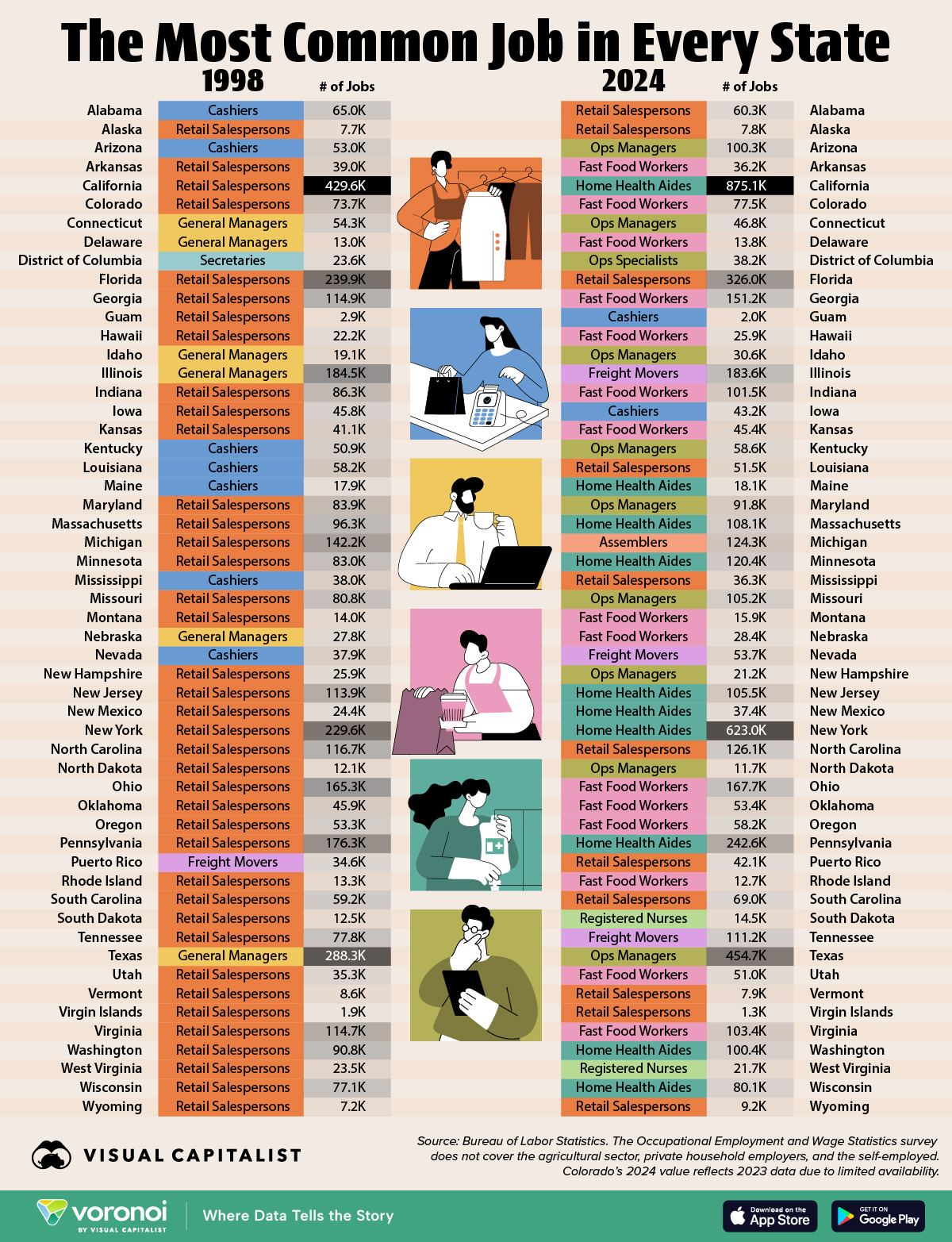
1998 was a long time ago.
The first Matrix movie hadn’t yet released, the internet was still the purview of the Western world, and e-commerce giant Amazon was only five years old.
For obvious reasons, the U.S. labor market back then was different—but exactly how different?
This graphic compares the most common jobs in each U.S. state between 1998 to 2024, measured by the number of people employed in each category. Data for this visualization comes from the Bureau of Labor Statistics.
Bugs is my favorite. I liked Jonny Quest also, but they didn’t make enough episodes and it kind of was the same episode every week. Every Jeopardy answer I get on Opera is from Bugs. He was the most anti-PC character before Beavis and Butthead
Not Bugs.
Hans von Spakovsky is the manager of the Election Law Reform Initiative and a senior legal fellow in the Edwin Meese III Center for Legal and Judicial Studies at The Heritage Foundation.
I know, I know. We have been in the midst of a blizzard of important domestic and world events this summer, from the final week of the Supreme Court’s term with a slew of important decisions to the fight over the “Big, Beautiful Bill” to the war in the Middle East and the Russian/Ukrainian conflict. We also just celebrated the 249th birthday of the United States.
But in the midst of all this, we should not forget the 85th birthday of that beloved all-American trickster and practical joker, Bugs Bunny. A look back at the original cartoon series shows just how much that rabbit reflected the culture, the politics, and the patriotism of the times and how some of his antics wouldn’t play well for the woke generation of today.
On July 27, 1940, the wisecracking, mouthy bunny with a Brooklyn accent got his official start in the Looney Tunes classic “A Wild Hare,” in which he bamboozles and confuses the most unsuccessful and hapless hunter in American history, Elmer Fudd, for the first of many times.
The Daily Signal depends on the support of readers like you. Donate now
For the past 85 years, in addition to Elmer Fudd, Bugs Bunny has been trouncing, defeating, and outtalking a host of surly but memorable characters, including Yosemite Sam, the roughest, toughest hombre east of the Pecos; Porky “Th-Th-Th-That’s all, folks” Pig; and Daffy Duck. Elmer Fudd never managed to catch that wascally wabbit, and the same goes for Daffy Duck, who was never able to outsmart Bugs or get the better of him.
Trouncing, defeating, and outtalking a host of surly characters? Gosh, who does that remind you of in today’s political world?
There are even two cartoons, “Operation: Rabbit” (1952) and “To Hare is Human” (1956), in which Wile E. Coyote is up against Bugs Bunny instead of his usual opponent, the Road Runner, who is on vacation, with the same disastrous results. Wile E. Coyote actually speaks in that second cartoon, something he does not do in any other appearance, except by holding up a sign, usually about something stupid that he just did.
Don’t you wish there really was a company like ACME, Wile E. Coyote’s go-to company for equipment? I know Amazon comes close, but it just doesn’t have the same expansive inventory as ACME of bombs, cannons, TNT, anvils, missiles, rocket sleds, and every other kind of fiendish device our fevered imaginations can imagine.
While kids have always liked these cartoons, they were really designed by adults for adults, since they were shown in movie theaters before the feature films. The original cartoons contain many politically incorrect scenes that these days would get them instantly criticized by the “woke police,” another reason they remain so timeless.
While Bugs Bunny was the main star, he had a host of other colleagues who appeared in other cartoons, including Pepe le Pew, Foghorn Leghorn, and Sylvester the cat, to name just a few. Besides Bugs Bunny, I have to admit that Foghorn Leghorn, the loud, blustering, overbearing rooster, is one of my other favorites characters, in large part because he resembles so many of the politicians one encounters here in the nation’s capital.
Speaking of politicians, you shouldn’t miss “Ballot Box Bunny” (1951), where Bugs runs against Yosemite Sam for mayor of a small town. They play every trick you can imagine on each other to try to win—not too different from the tricks we see in real campaigns today—and Yosemite Sam’s campaign promises alone are worth watching. Bugs and Sam spend so much time attacking each other that, in the end, they are both beaten by a dark horse—in this case, literally a dark horse. Fortunately, neither of them is prosecuted by an overzealous U.S. Justice Department.
While Daffy Duck may have never gotten the better of Bugs Bunny, he was the first American duck to go into space to battle aliens in 1953, long before Harrison Ford in “Star Wars,” when he fought Marvin the Martian in “Duck Dodgers in the 24 1/2th Century,” a takeoff on the “Buck Rogers” serial that premiered in movie houses in 1939. One of the cleverest of the Daffy Duck/Bugs Bunny confrontations also premiered in 1953. In “Duck Amuck,” an unidentified animator keeps changing Daffy’s shape, location, and even his voice. Of course, it turns out in the end that the animator is Bugs Bunny.
But getting back to the woke police, there was actually criticism of Pepe le Pew as supposedly glorifying a sexual harasser and of Elmer Fudd for carrying a gun. In fact, the idiots at HBO Max decreed that Fudd had to be gun-free in their reboot of Looney Tunes in 2020. Just more proof that liberals really have no sense of humor, something the Babylon Bee proves every day.
Bugs Bunny was a star for Warner Bros., the Hollywood studio started in 1923 by the four Warner brothers, Harry, Albert, Sam, and Jack. The animators at Warner Bros. created 167 brilliant and memorable Bugs Bunny cartoons during the golden age of American animation. I don’t count more recently produced Bugs Bunny cartoons, all of which lack the comedy, wit, and cleverness of the originals. These were cartoons created by adults for adults with a mischievous sense of humor.
While Bugs Bunny always came out on top, he was not infallible. There were actually three cartoons that were takeoffs on the Aesop fairy tale about the race between the tortoise and the hare: “Tortoise Beats Hare” (1941), “Tortoise Wins by a Hare” (1943), and “Rabbit Transit” (1947). In each one, the tortoise gets the better of Bugs Bunny, including “Rabbit Transit,” in which Bugs Bunny actually wins the race but then is arrested by the police for speeding.
Whenever he went on vacation, Bugs Bunny always took a wrong turn in Albuquerque. Having been to “Albukoykee,” as Bugs Bunny pronounces it, I can understand why. Those wrong turns led him to some dangerous places, including the middle of a bull ring in Mexico in “Bully for Bugs” (1953) or Nazi Germany in “Herr Meets Hare” (1945), where he confronted Adolf Hitler and Hermann Göering, and Bugs imitates Joseph Stalin.
Speaking of Nazi Germany, Bugs did go to war like a lot of Hollywood during World War II. He became an honorary master sergeant in the U.S. Marine Corps after he appeared in a Marine Corps dress blue uniform in “Super-Rabbit” (1943). Some of these wartime cartoons like “Bugs Bunny Nips the Nips” (1944) have been “banned” by oversensitive cartoon channels because of the racial or ethnic stereotypes used at the time. Bugs Bunny even got drafted during the Korean War in “Forward March Hare” (1952) when he got his neighbor’s draft notice by mistake. And no, he did not abscond to Canada to avoid service.
If you love opera, you can’t beat the Bugs Bunny versions. Turns out that the directors and animators were all big opera fans. So, we have “The Rabbit of Seville” (1950) and “What’s Opera, Doc?” (1957), where Bugs and Elmer Fudd give us their versions of great Rossini and Wagner operas. You have to be an opera fan to get the joke at the end of “The Rabbit of Seville,” which was a takeoff of Rossini’s “The Barber of Seville.” At the end, Bugs drops Elmer Fudd into a huge cake that is labeled “The Marriage of Figaro,” which was Mozart’s version of “The Barber of Seville.”
And what better way is there to learn about English or American history than watching the story of Robin Hood in “Rabbit Hood” (1945) or the American Revolution in “Bunker Hill Bunny” (1950). Or if you love the great American pastime, don’t miss “Baseball Bugs” (1946). Bugs Bunny takes on the Gas-House Gorillas in the Polo Grounds in New York City, the original home of both the Mets and the Yankees, playing all of the positions. He wins the game when he makes the ultimate play—catching a flyball at the top of the “Umpire” State Building, which he reaches by taking a cab from the baseball field to the skyscraper.
There are many well-known lines from famous movies that have entered our culture, including from great classics like “Casablanca”: “I am shocked, shocked to find that gambling is going on here,” or “Round up the usual suspects,” and the Bugs Bunny cartoons have those, too.
All of the voices in the original cartoons were voiced by the brilliant Mel Blanc, probably the most talented and versatile voice that ever came out of Hollywood. One of his most repeated lines as Bugs Bunny besides “What’s up, Doc?” is “Of course, you realize, this means war.” Or “He don’t know me very well.”
And one of Bugs Bunny’s commonly uttered derisions, “What a maroon,” comes to mind fairly often as I watch a slew of liberal politicians and left-wing activists at work in Washington each day.
So, happy birthday, Bugs Bunny. You may be 85 years old, but you will always remain young in our hearts and a hare-raiser on the screen.
As an introvert, I love spending time alone. There’s almost nothing better than being at home in my comfy clothes, quietly reading a good book, or watching a show while munching on snacks. This doesn’t mean I don’t crave time with “my people” — those I laugh with, learn from, and share my day with. However, without enough alone time, I start to feel tired, irritable, and overstimulated, even when I’ve enjoyed the company of those I love.
I show all the classic signs of being an introvert.
Sometimes, when I need alone time, the people in my life feel hurt. They view it as if I’m rejecting them and our relationship. But it’s not about them. I need time alone to recharge my energy and function well in my daily life.
Why do introverts need alone time? Why does socializing exhaust us, even when we’re having fun? Recent research offers some interesting insights. I delve deeper into these findings in my book, The Secret Lives of Introverts.
When writing my book, I spoke with Colin DeYoung, a psychology professor at the University of Minnesota who had recently published a paper on introversion. He explained that one reason introverts need alone time is related to how we respond to rewards.
No, I’m not referring to the gold foil stars you might have earned in grade school (though it could be argued that stickers are indeed a reward for kids). For adults, rewards can be things like money, social status, social connections, sex, and food. When you get promoted at work or convince an attractive stranger to give you their phone number, you’re receiving a reward. Hurray!
Of course, introverts also value things like money, relationships, and food. However, researchers believe that introverts are wired to respond differently to rewards than extroverts. Compared to our more outgoing counterparts, we “quiet ones” are simply less motivated and energized by these same rewards. It’s as if extroverts see big, juicy steaks everywhere, while introverts often see overcooked hamburgers.
In fact, as any introvert can confirm, sometimes those “rewards” aren’t just less appealing — they can actually be tiring and annoying, like a big party. This brings me to another reason why introverts need alone time: We react differently to stimulation.
Take, for example, two friends at a house party — one an extrovert, the other an introvert. They’re crammed into a crowded room where loud music blares from huge speakers. Everyone is practically shouting to be heard over the din. There are a dozen conversations happening simultaneously, with just as many things demanding their attention.
For the extrovert, this level of stimulation might feel just right. He sees potential rewards everywhere — an attractive stranger across the room, opportunities to deepen old relationships, and the chance to make new friends. Most importantly, tonight offers a chance to boost his social status within his friend group, especially if he navigates the evening skillfully.
So, the extrovert feels energized and excited to be at the party. In fact, he’s so motivated that he stays late into the night. He’s exhausted the next day and needs time to recover — after all, partying is hard work. But to him, the energy spent was well worth it.
Now, back to our introvert. See him over there, hunkered down in the corner? For him, the environment feels overwhelming. It’s too loud, there are too many things happening at once, and the crowd creates a dizzying buzz of activity. Sure, he wants to make friends, fit in, and be liked, but these rewards just aren’t as tantalizing to him. It feels like he would have to expend a lot of energy for something he’s only mildly interested in to begin with.
So, the introvert heads home early to watch a movie with his roommate. In his own apartment, with just one other person, the level of stimulation feels just right. He exchanges some texts with a woman he met a few weeks ago in one of his classes. Like the extrovert, he too wants friends and a romantic partner. However, he finds it too tiring to deal with the noise and socializing at a big party to make those connections.
Chemically, there’s a good reason the introvert in the above scenario feels overwhelmed, and it relates to a neurotransmitter called dopamine. This chemical, found in the brain, is often referred to as the “feel good” chemical because it regulates our pleasure and reward centers.
One of its roles is to make us notice potential rewards and motivate us to pursue them. For example, dopamine alerts the extrovert to the attractive stranger at the party and fuels his motivation to come up with a cheesy pick-up line.
Another important function of dopamine is reducing our cost of effort. Socializing requires energy because it involves paying attention, listening, thinking, speaking, and moderating our emotional reactions. Technically, socializing is tiring for everyone, including extroverts. However, dopamine helps make it less exhausting for them.
According to DeYoung, extroverts have a more active dopamine reward system. As a result, they can better tolerate — and often push through — the tiredness that inevitably comes with socializing. Much of the time, they don’t experience the same level of mental and physical fatigue that introverts do, thanks to this dopamine boost.
It’s called the “introvert” hangover, not the “extrovert” hangover for a reason.
I’m on semi-vacation with some family. Go read my introvert posts on how well I do with that.
So I have some stuff ready, but mostly I’ll be watching my social battery drain. I went to one of the most average theme park yesterday. I mostly chased kids.
I’m already in introvert hangover
Recently we have had two contrasting phenomena.
One is that President Donald Trump had issued an executive order suggesting or maybe threatening K-12 sports programs—and indeed, college and higher education as well—that if they allowed biological men to compete in women’s sports, then he was going to consider cutting off federal funds for that.
The Daily Signal depends on the support of readers like you. Donate now
But at the same time he did it, the number of transgendered women—that is biological men who have transitioned to supposedly women—has increased and soared in women’s sports.
So, here on the West Coast, a trans athlete dominated the state high school track and field competitions, winning three or four main events. The same thing happened in Oregon. The same thing had happened in Washington. The same thing is happening in Minneapolis with girls baseball in the finals.
The point is it’s usually a phenomenon in blue states and in particular, blue cities. And Donald Trump’s executive orders are going the way of sanctuary cities. People are just ignoring them because they feel that he wouldn’t dare cut off federal funds because it would shut down the whole school.
But let’s get some background on this whole transgendered sports phenomenon. And maybe there’s five or six things we should keep in mind.
No. 1: We know a lot about gender dysphoria. There’s a long history of sex research about people whose psychological or hormonal makeup does not match their physical characteristics. But here’s the key: They’re very rare.
What’s your favorite thing about yourself?
I’m self-entertaining. I don’t need others to do something or for motivation to get something done. I’m perfectly happy to do a task alone and would likely enjoy it more.
It has other benefits such as I don’t look to others to see what I’m going to do, like not take the Covid-19 jab.













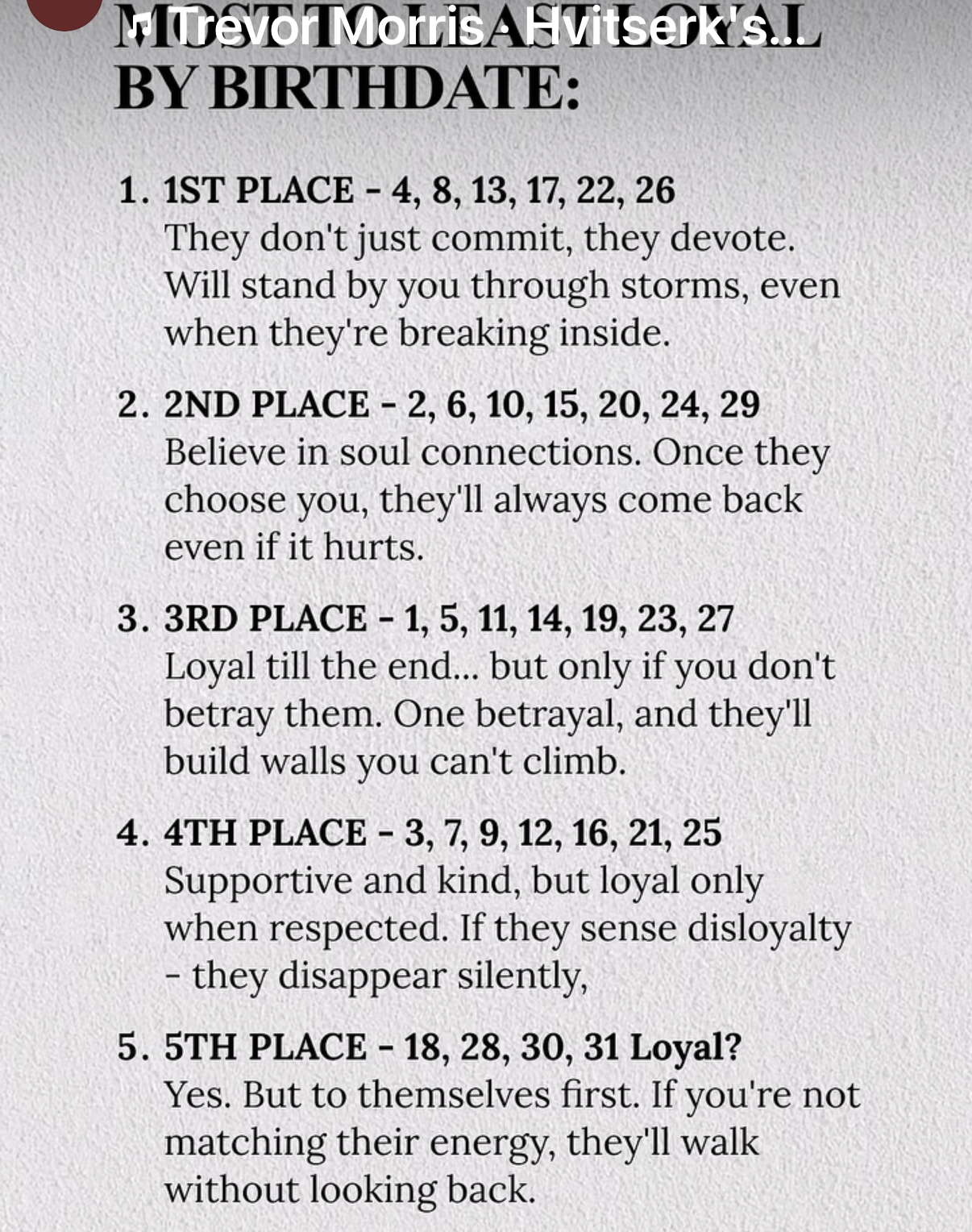




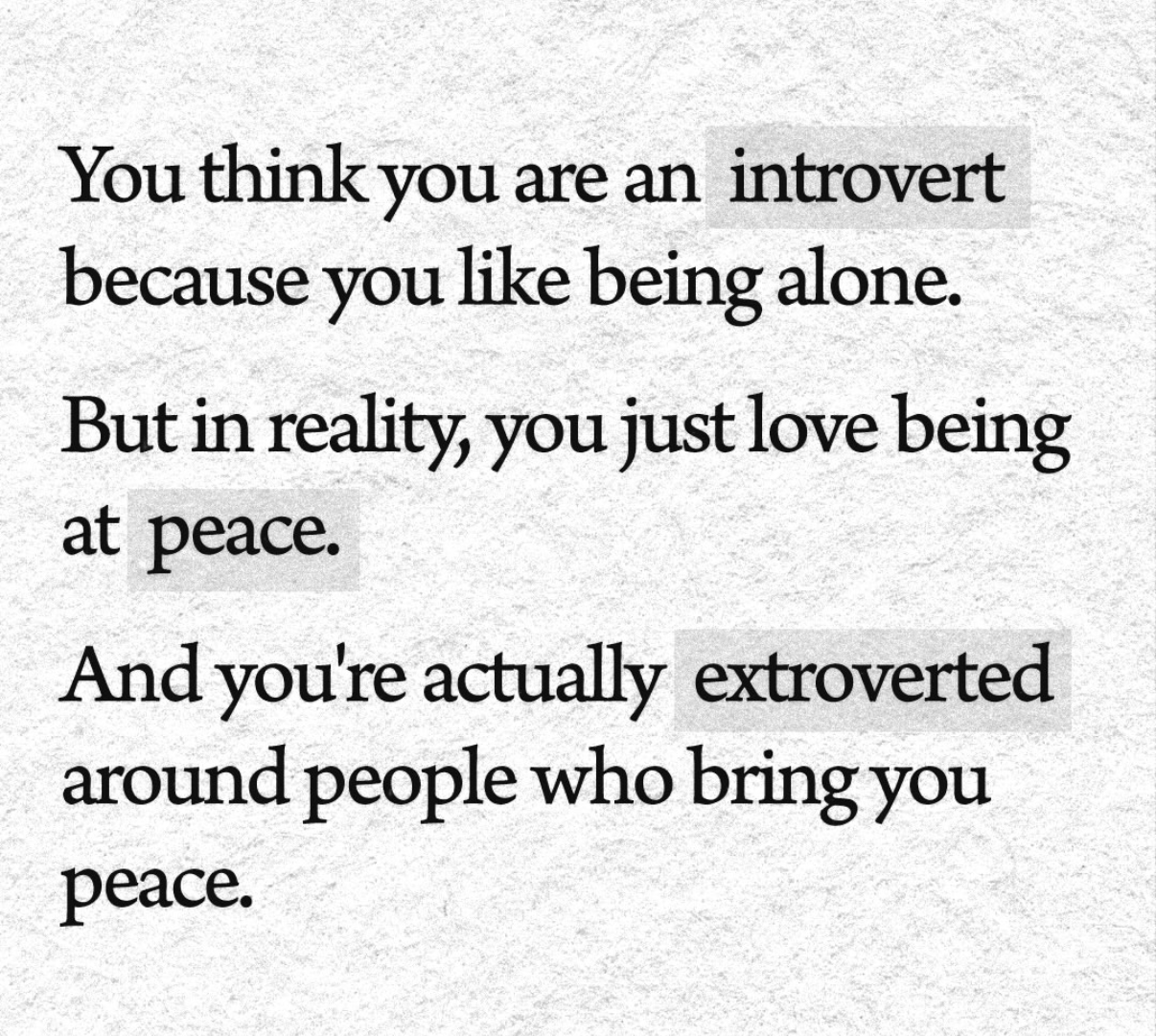
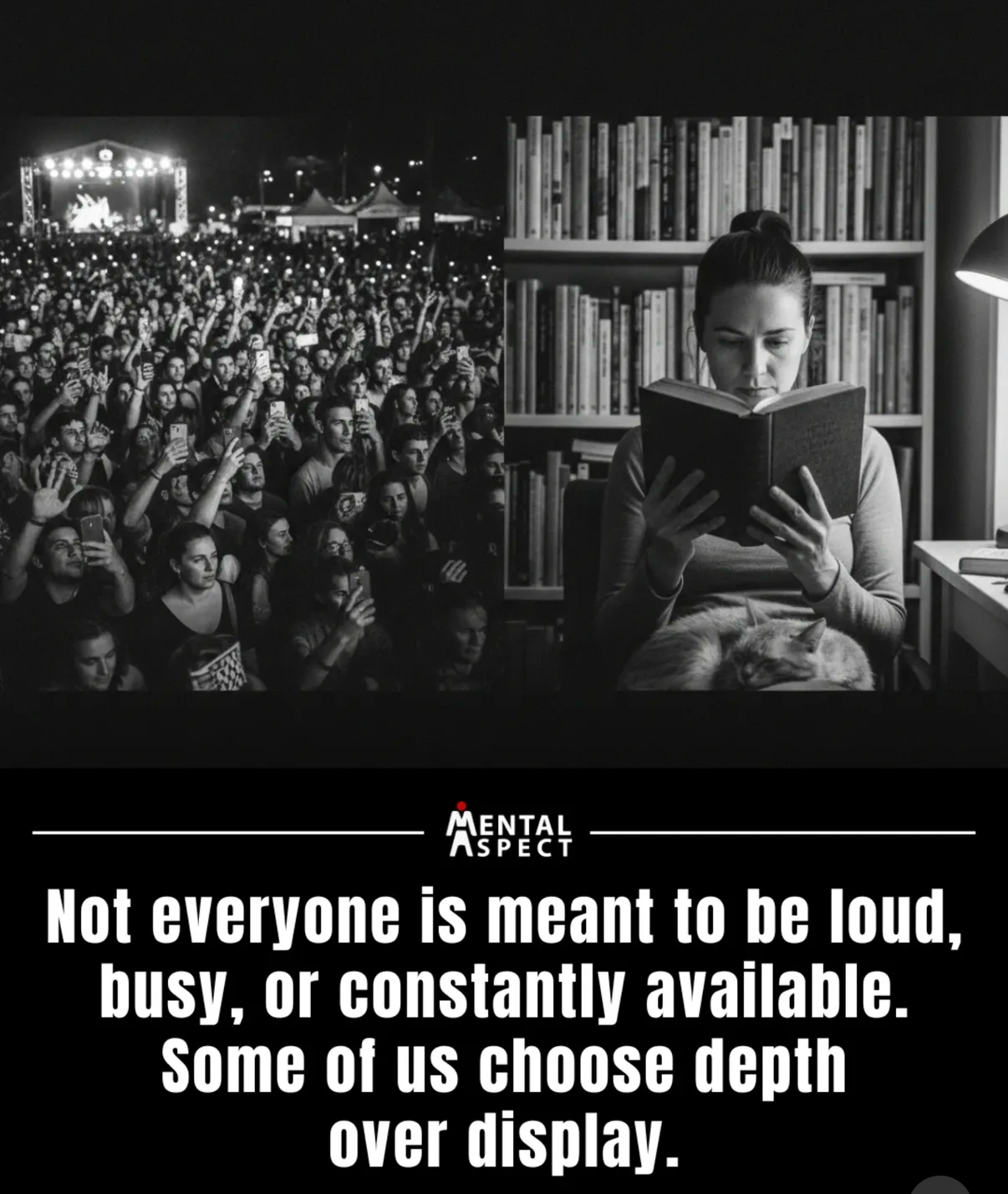

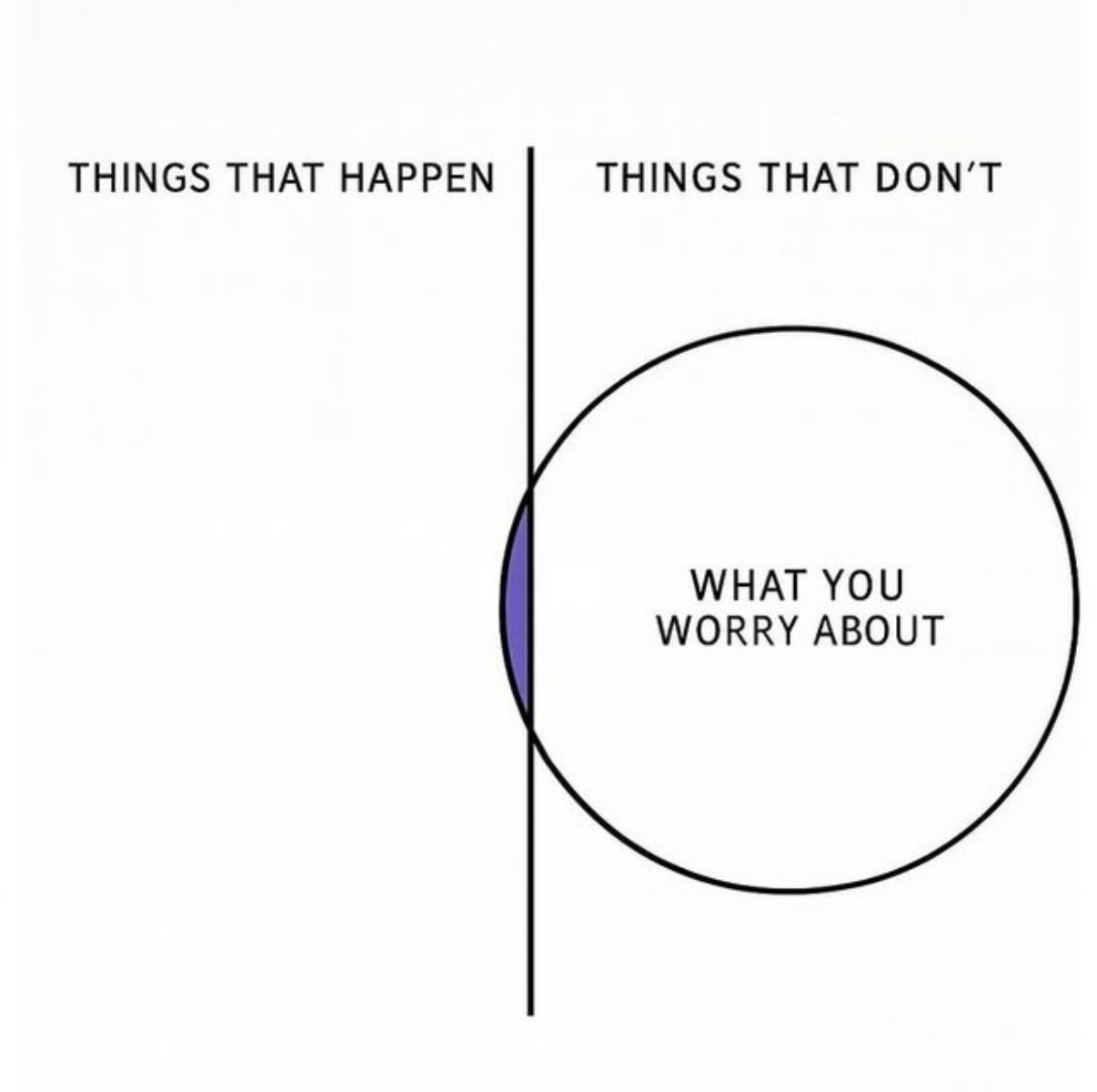
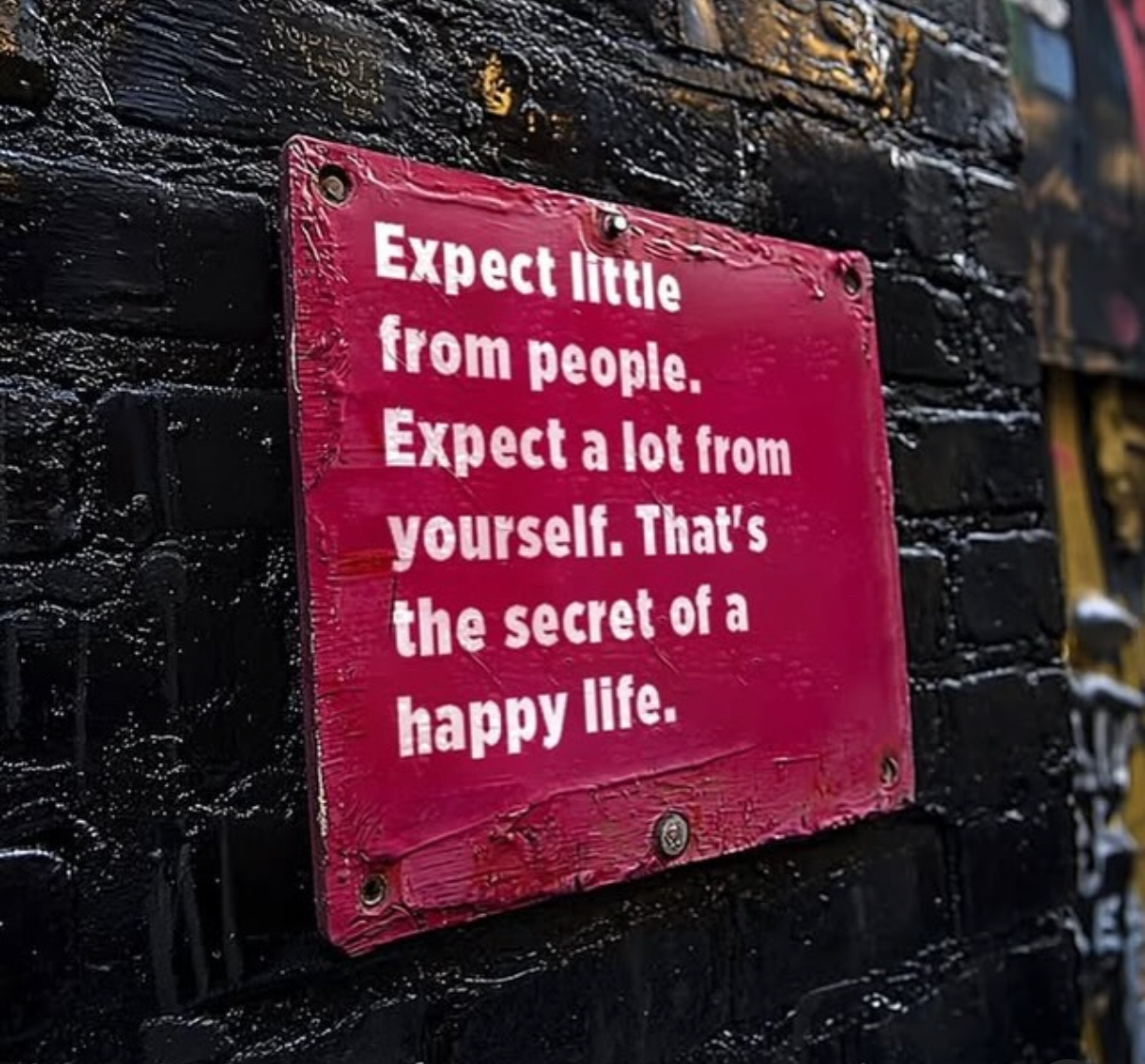
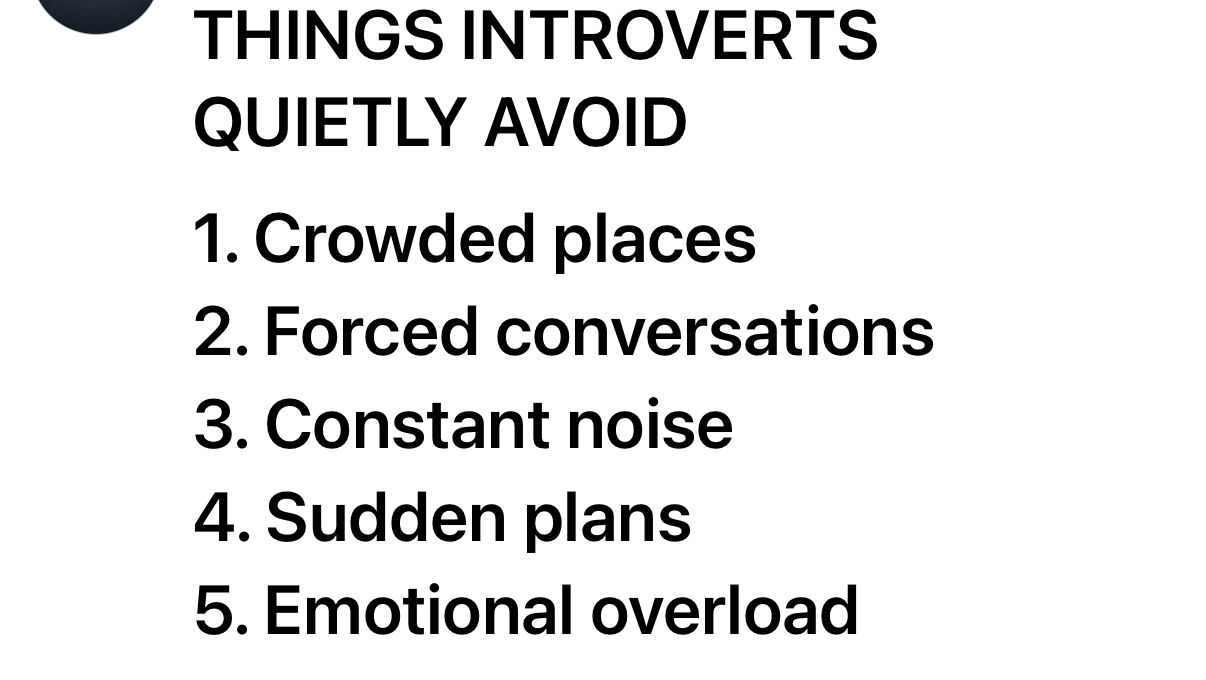
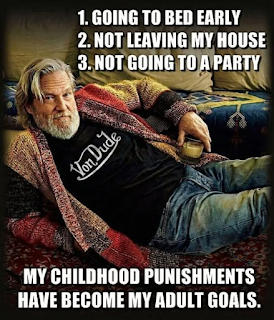


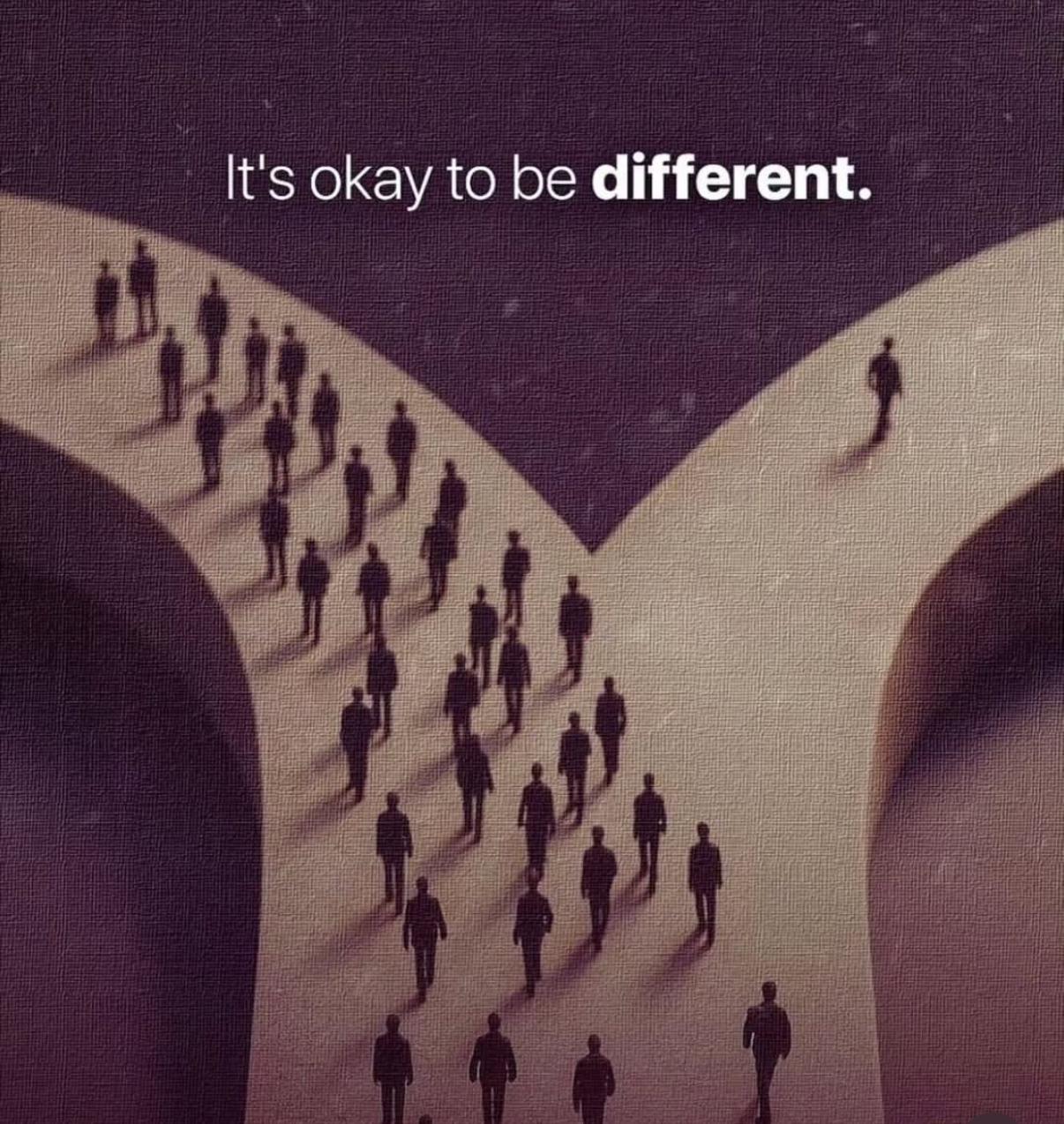








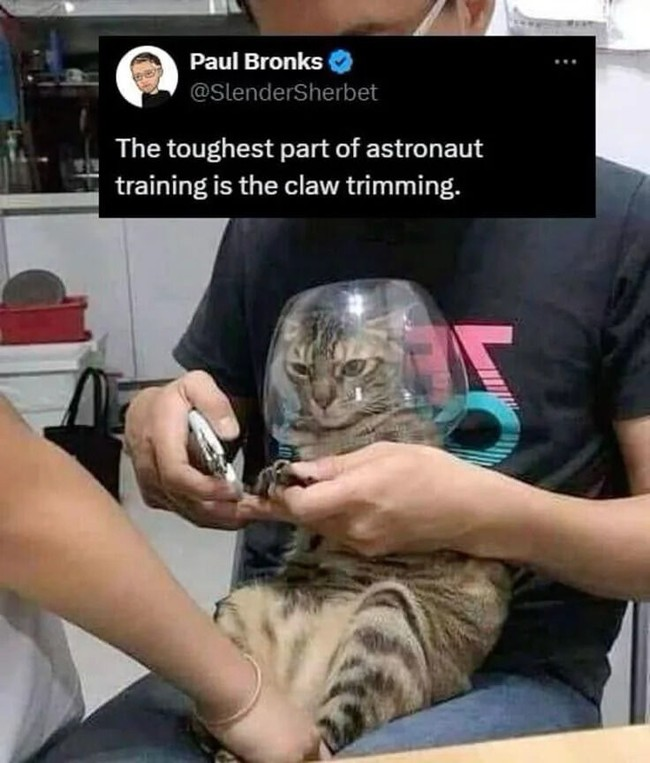


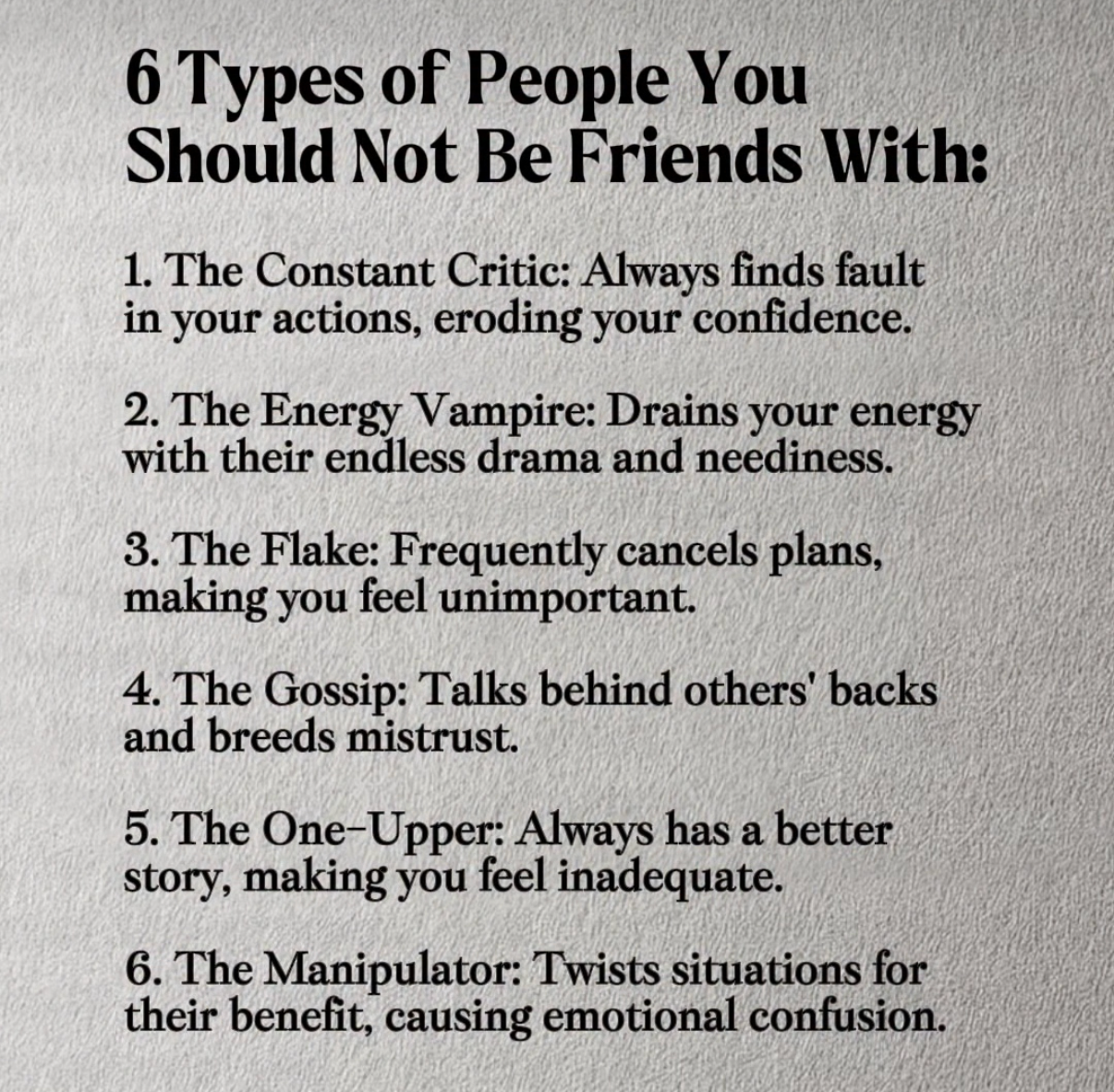
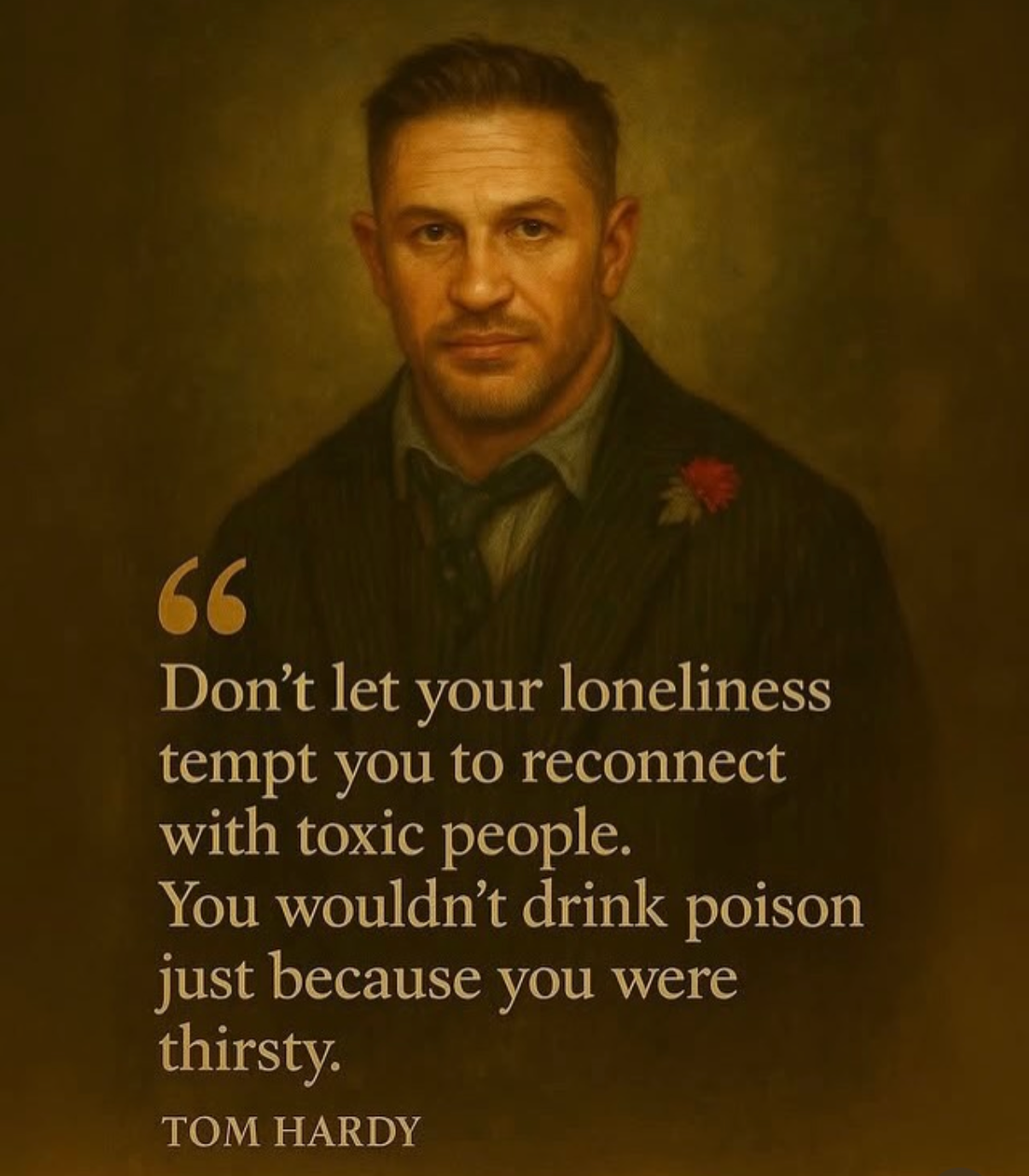

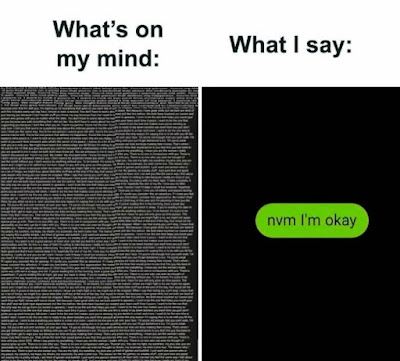
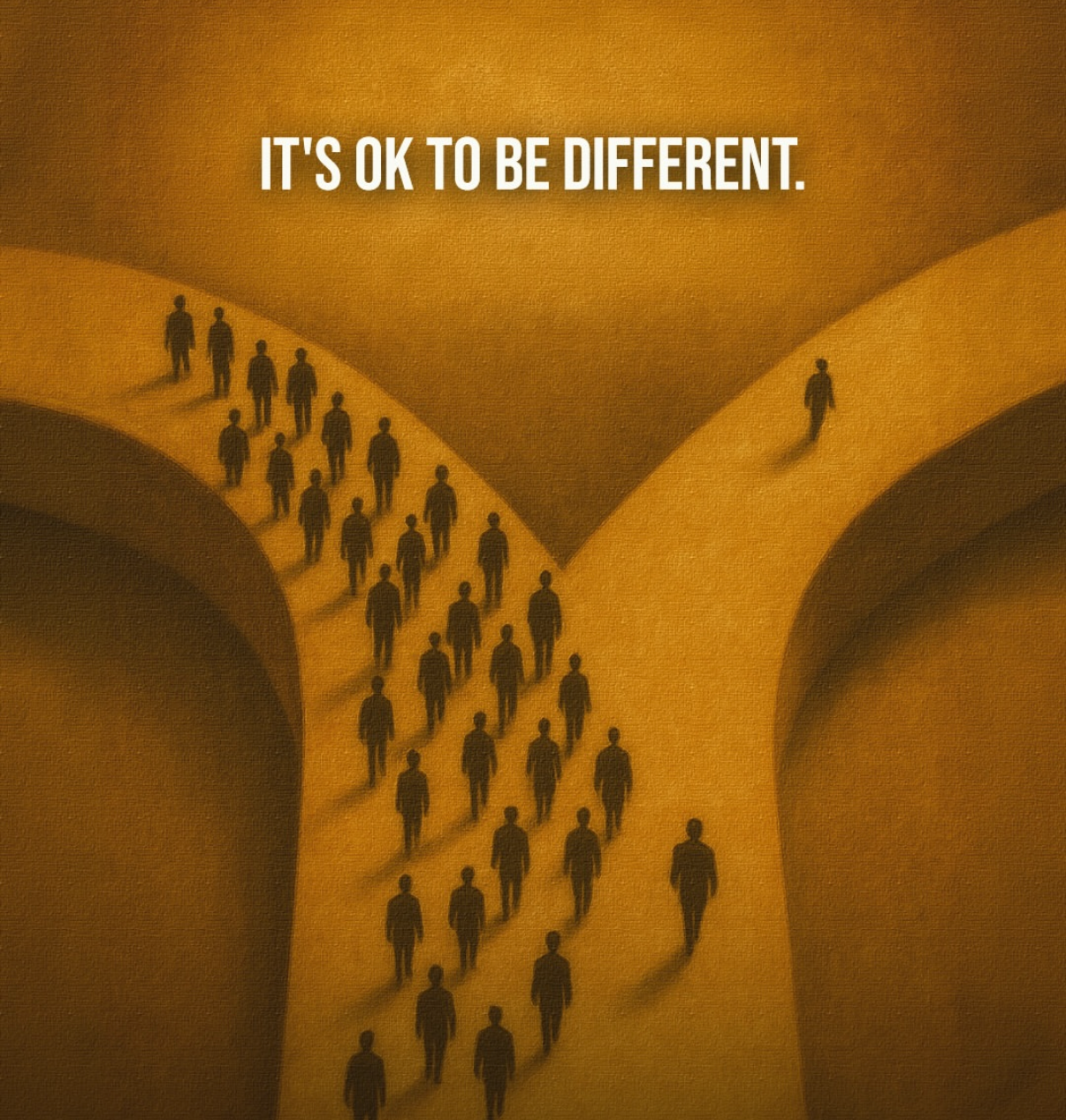


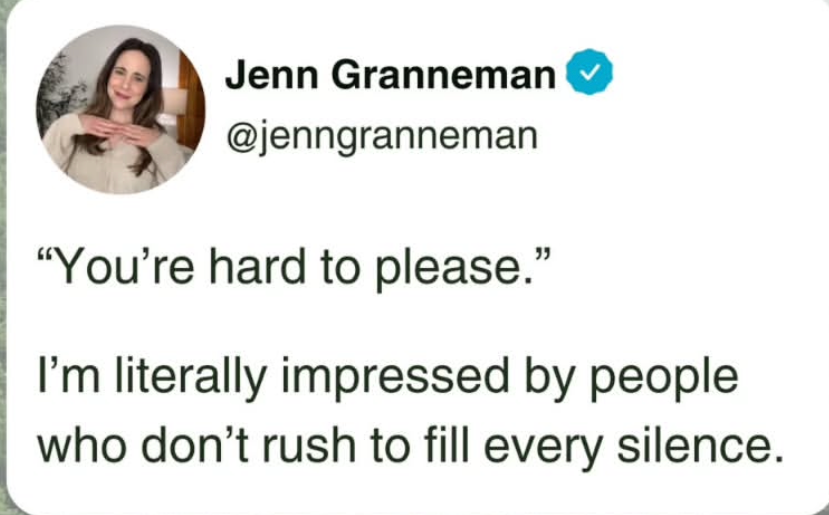



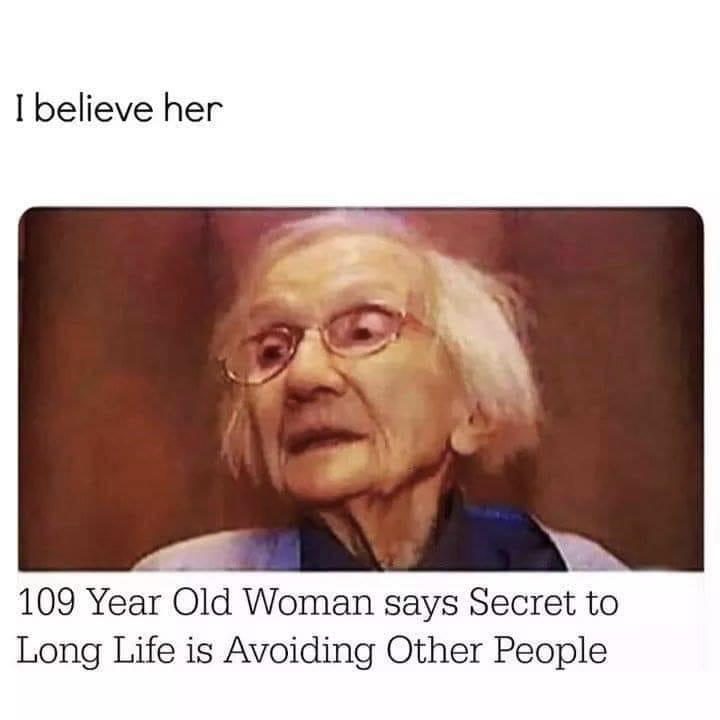
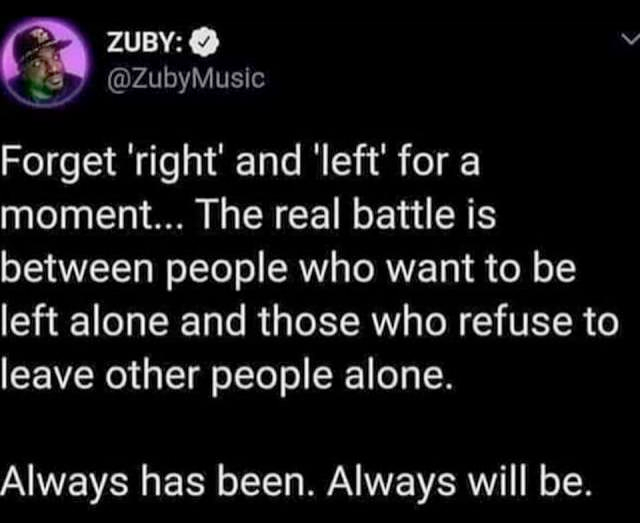
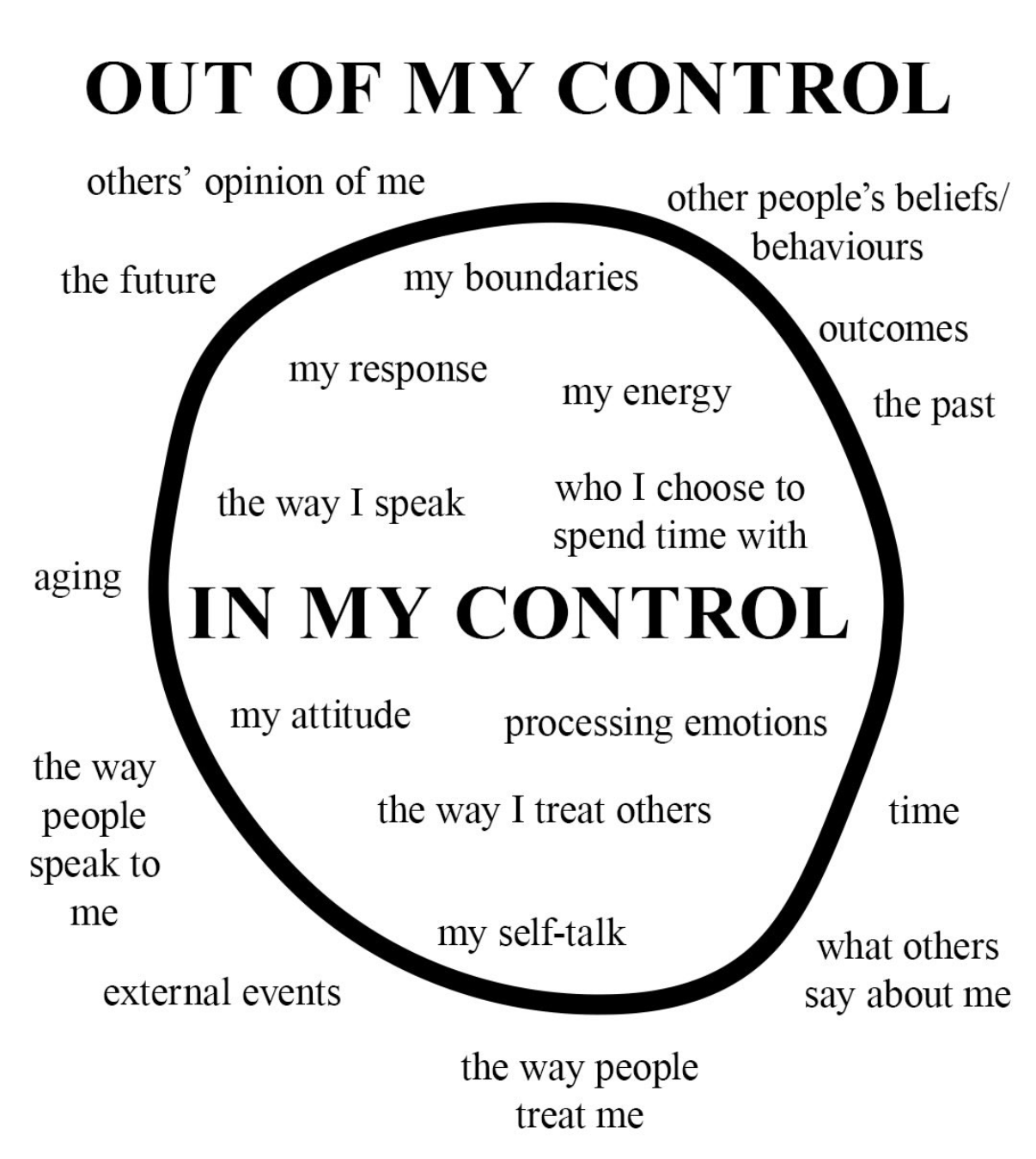
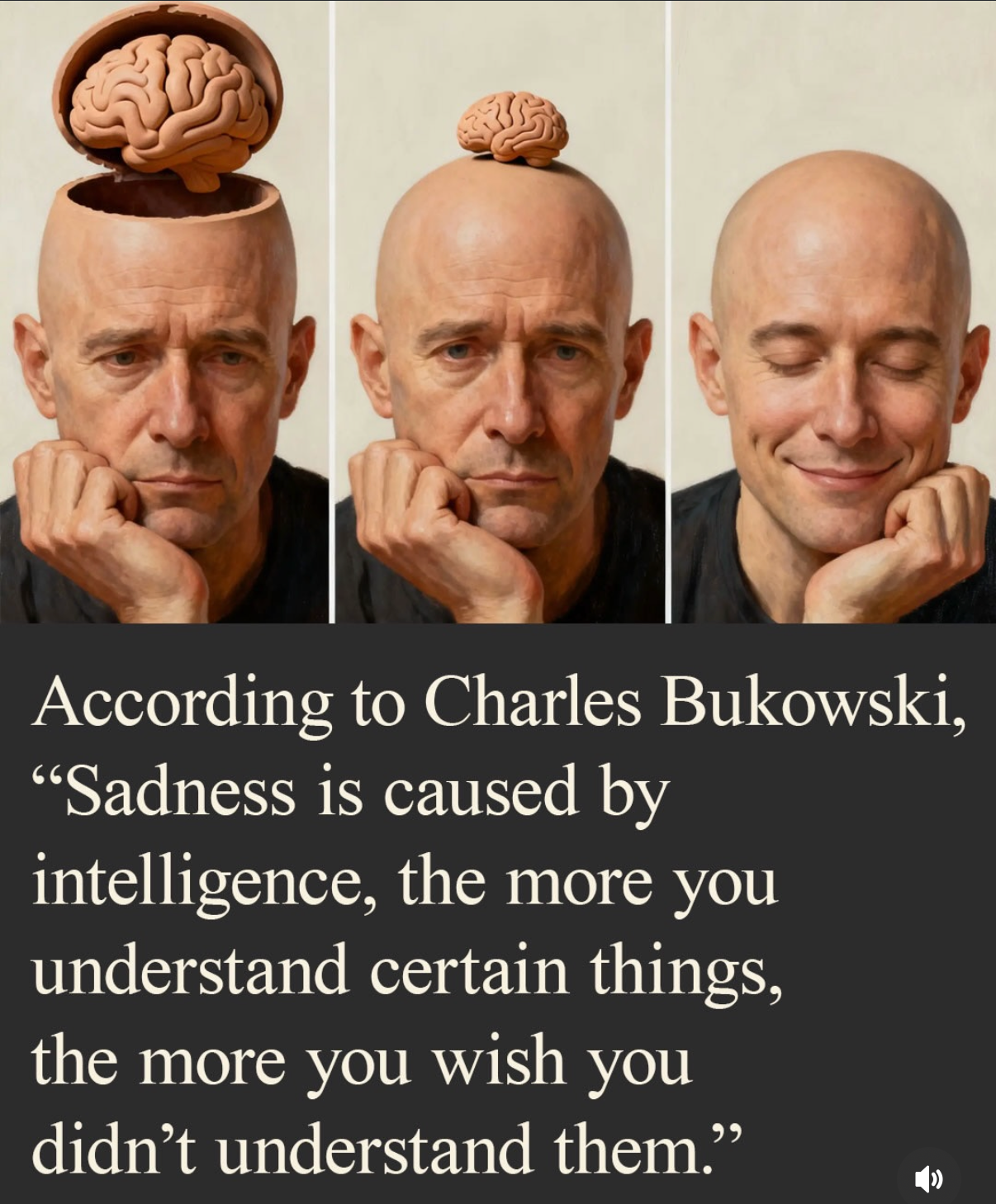
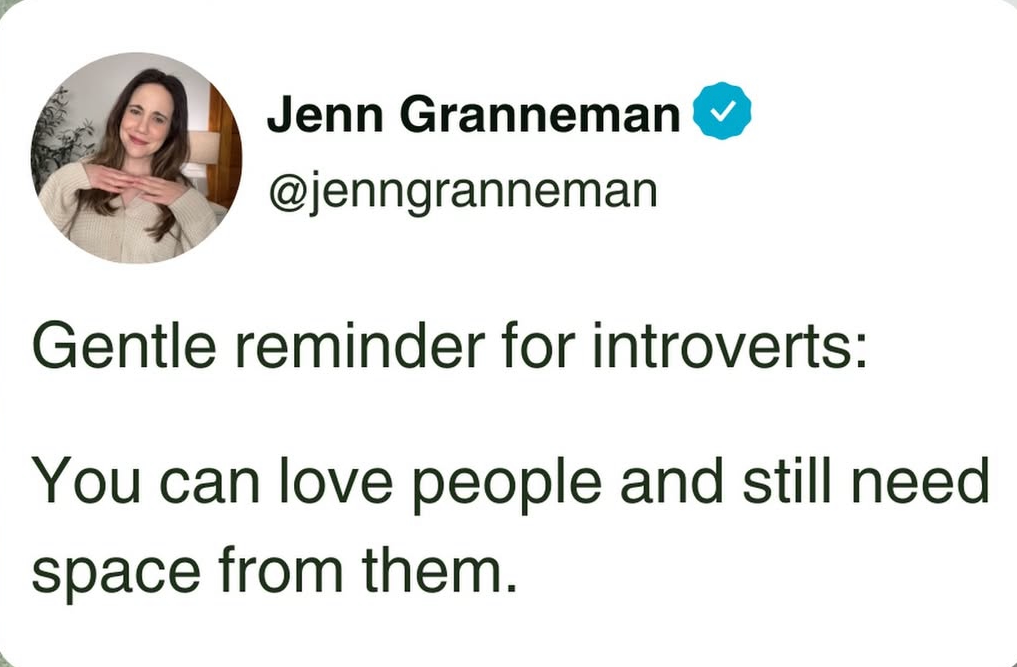




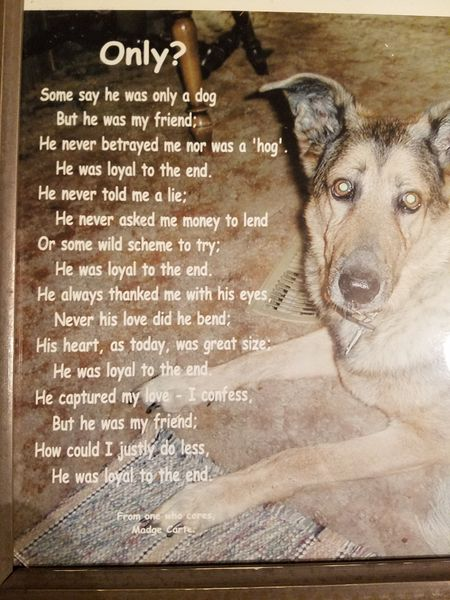


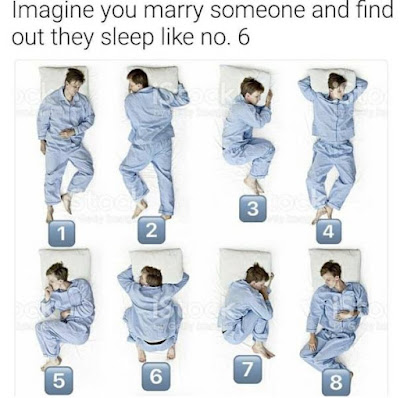











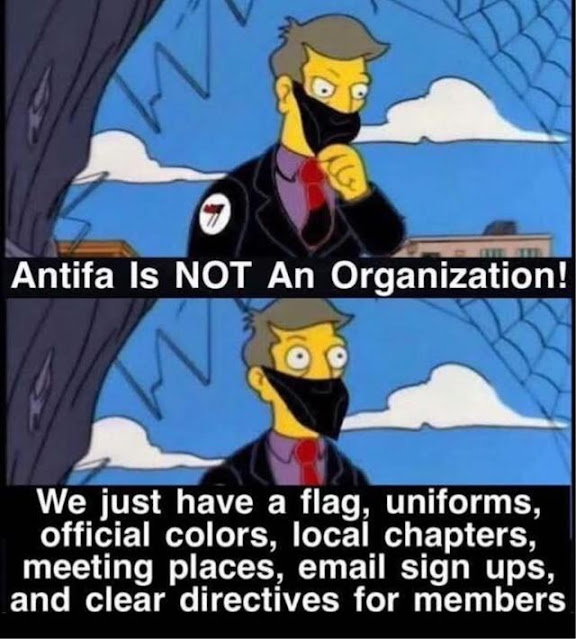


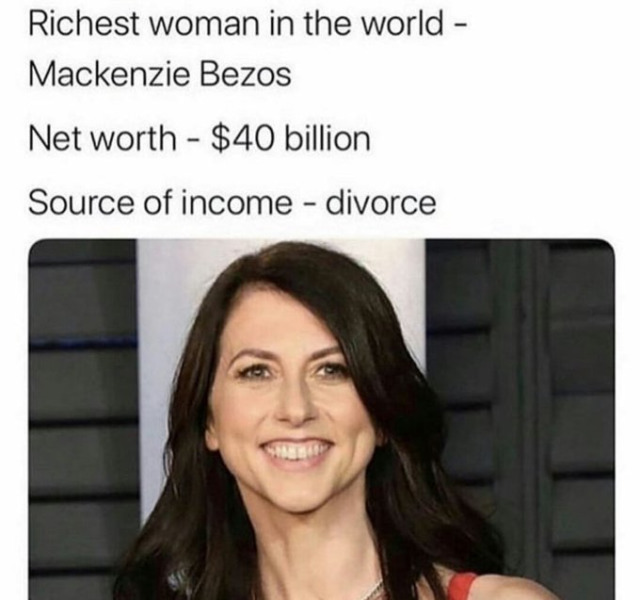















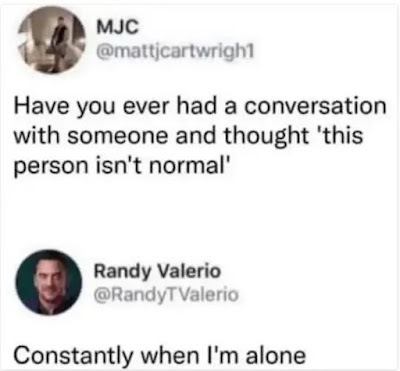
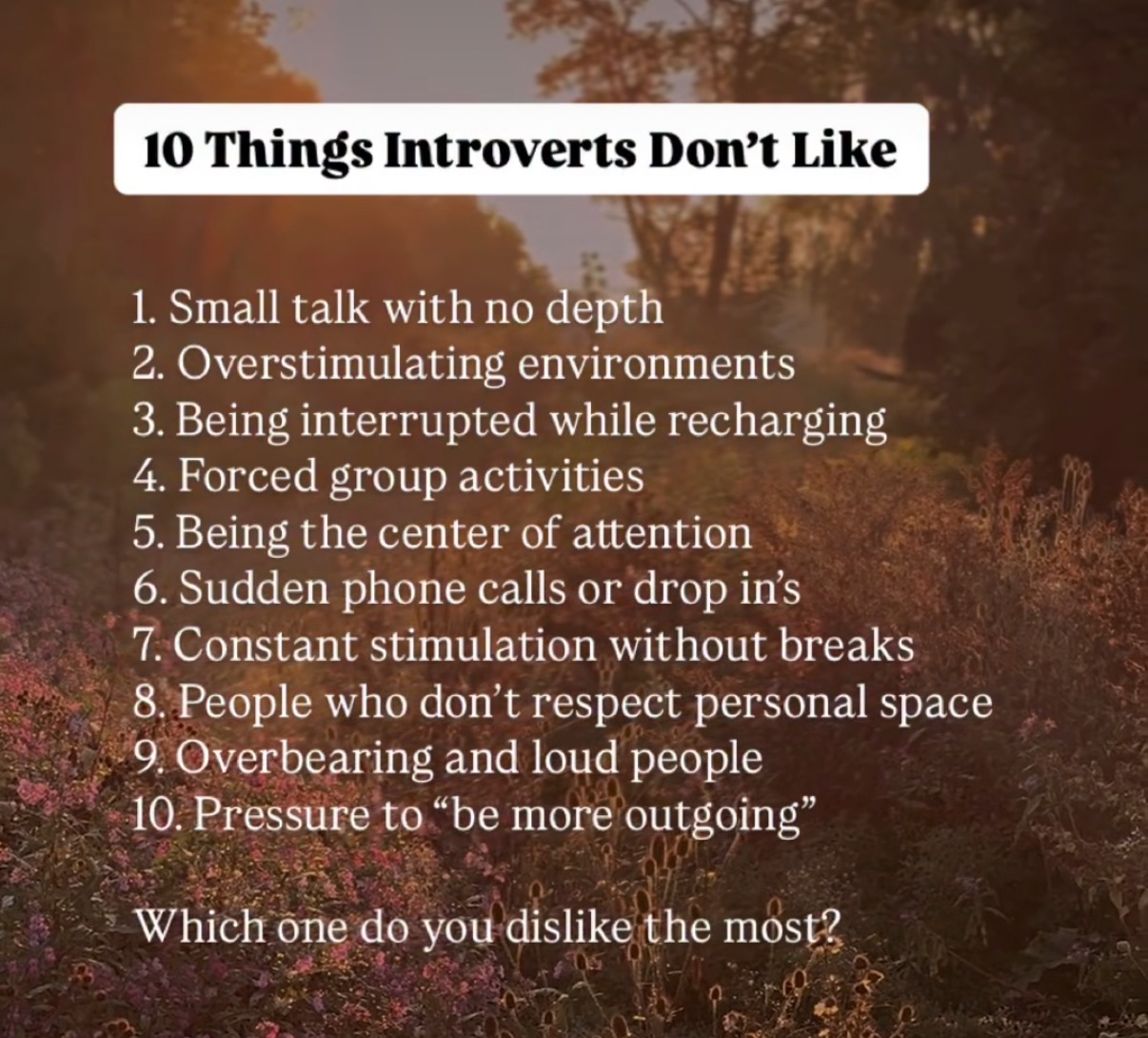









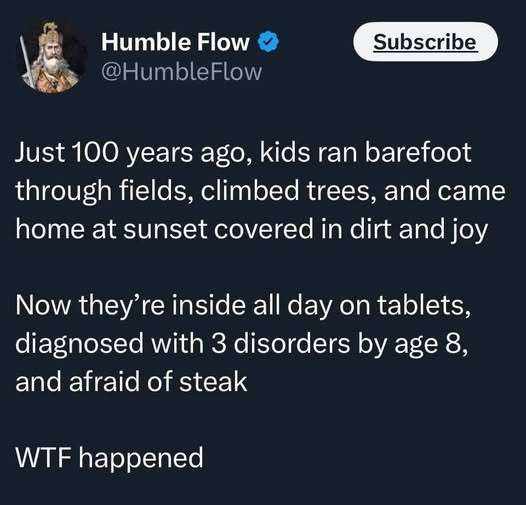
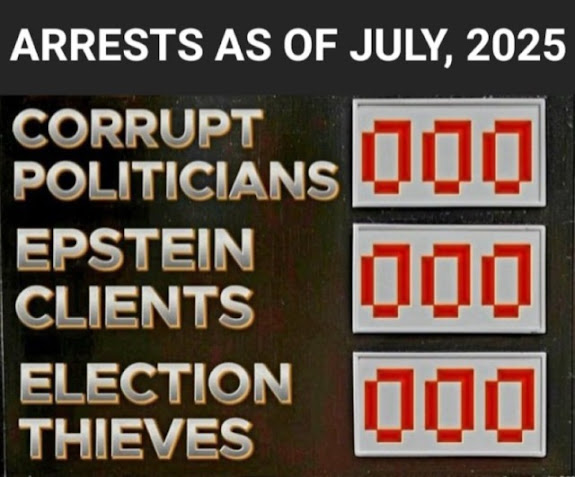
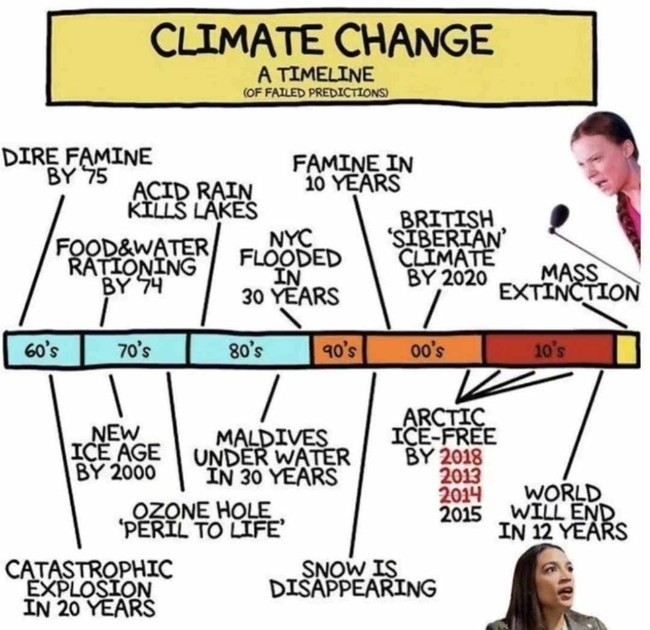
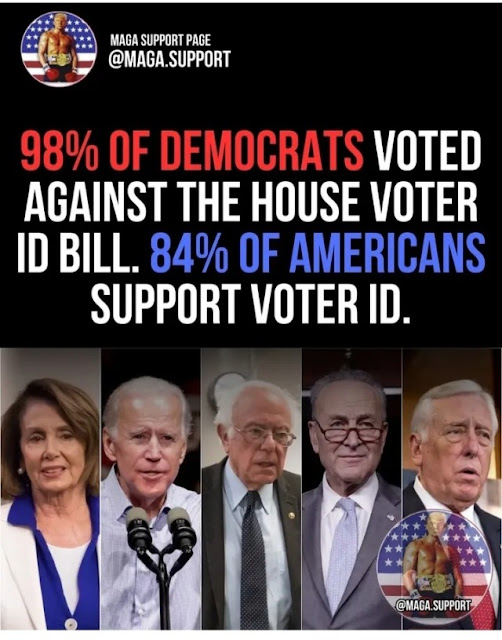



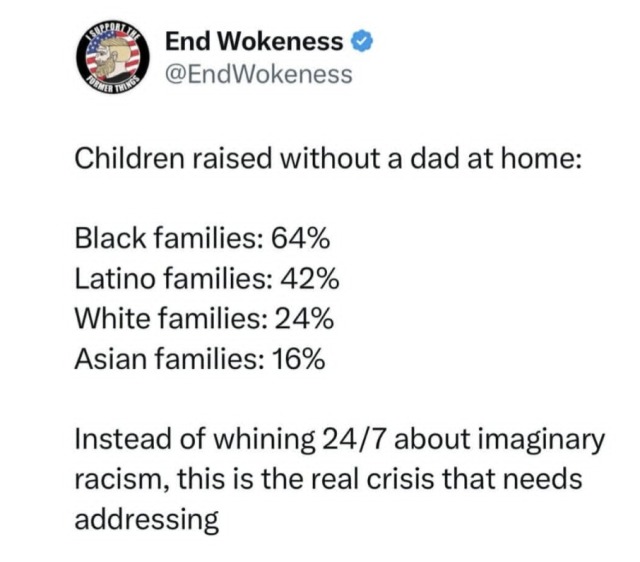








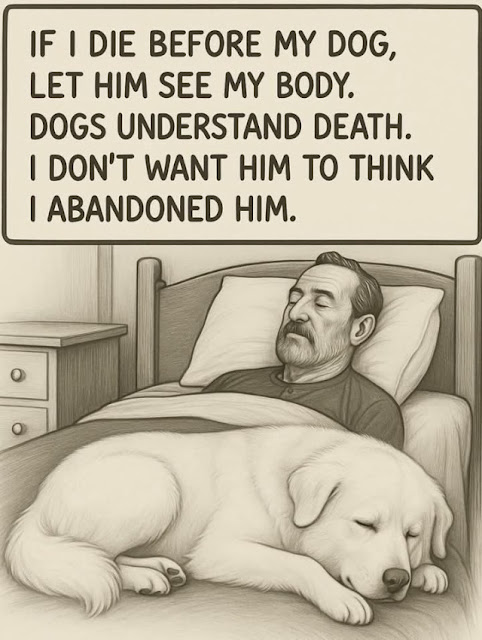

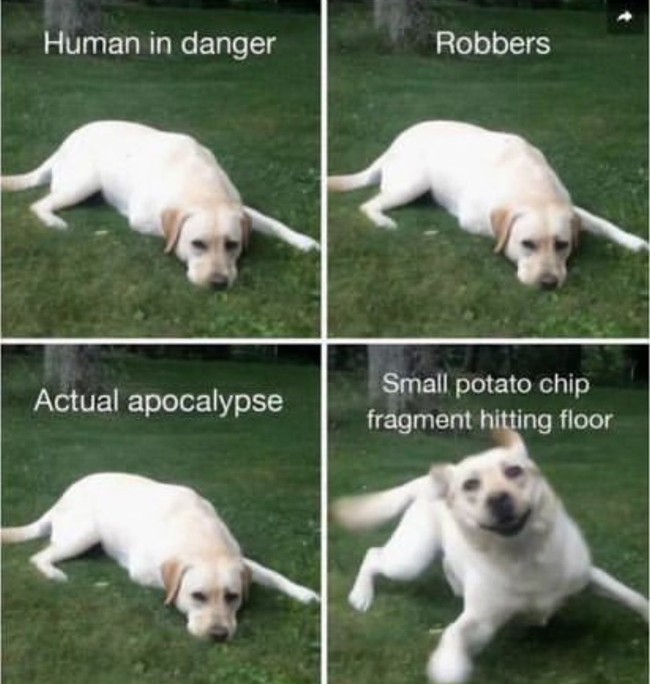


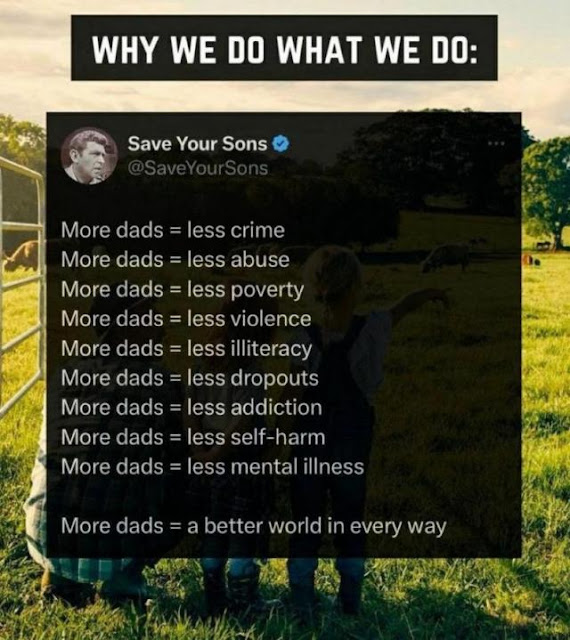
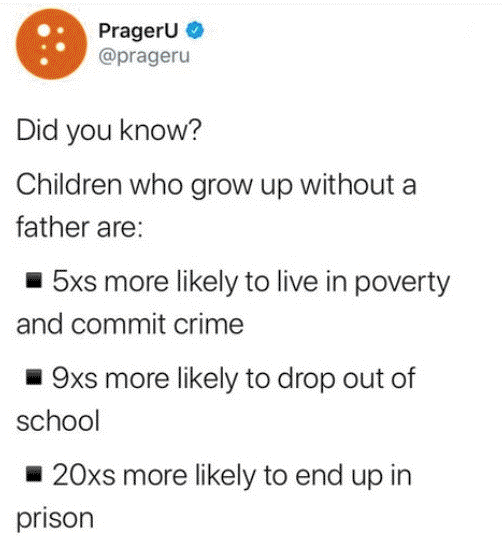

 Delusions of Adequacy

