

Happy Easter To All


Choose an amount
Or enter a custom amount
Your contribution is appreciated.
Your contribution is appreciated.
Your contribution is appreciated.
DonateDonate monthlyDonate yearlyIt seems that despite women preaching for decades that they don’t need a man and that they’re “above them,” now, when they look to find a partner, there’s not one to be found. Funny how that works, eh? There are tons of videos out on social media showing women and their current plight in “finding a man,” but one particular video seems to really capture the sheer breaking point a lot of ladies have reached. Let’s break it down.
In the clip, the woman is literally in tears, ranting from, of course, her vehicle, where she painfully describes feeling overwhelmed by the toll modern dating has taken on her. She claims that she cares more about the men she dates than they seem to care about her. She says she’s mad. No, not mad. FUMING. No, not fuming. On literal fire.
After screwing men over from the time they were boys in school, to putting them in the friendzone because they weren’t the ideal 666 man, now girls are paying the price. No one wants to put up with their shit and feelings of entitlement anymore.
Guys just want peace and a supportive partner. Girls want the next best thing that will make them look better or improve their status, either on social media or in life. Life has become a Facebook page, trying to get likes and adoration.
Imagine if guys were nice to you always, buying you drinks or complimenting you. After a while, you think you are special. Sure, they wanted some action, but at least they tried, and I promise there were some good guys you tossed away. You can only be shut down so many times before you give up and stop trying.
But regardless of the specifics, the fact is that the dominant message for eons now has been that women don’t need men. Their independence was paramount, traditional relationship structures were dismissed as outdated, and masculinity itself was frequently portrayed as something disposable or problematic.
Yet the desire for partnership, stability, and connection clearly didn’t completely disappear… and now, both men and women are left out in the cold.
Push men out of the culture long enough, and eventually the real ones stop showing up. Here are the comments:
“Modern dating: where everyone wants love, but nobody wants the responsibility that comes with it.”
“It’s really hard out there. Feminism F’d everything up.”
“Seems like such a catch…”
“I guarantee she has like 30+ good men in the friend zone.”
“We’re watching a woman reach her breaking point in real-time, and the scariest part? Millions of people are looking in the mirror and seeing the same exhaustion.”
Relationships have been against men for years. They demeaned boys in school because they couldn’t sit still. The mean girls grouped together to diss any guy who wasn’t the star of the sports team. Guys have to put themselves out there and mostly get rejected. If you get married, Divorce courts take at least half of what you own, including the kids, who almost always go with the wife. Why would you want that deal?
Girls are mean, even to each other
Dating is a joke. The story that women can have it all is a lie that feminists have told girls. Fuck around until you are ready to settle down. Get a career and put family on hold. Live the party life, drink and date, keep upgrading boyfriends as you throw away great marriage men. It all changes when you wake up older one day, childless, and the men can now date younger girls who don’t have the attitude of this twunt.

Guys are tired of this shit from entitled females. The truth is that every girl has a vagina. They are everywhere, and not a one of them is the golden one. Girls are giving it away to everyone. No man wants a used bicycle, and the girls are letting all the best men take a ride. They think that just because they slept with a 9 or a 10, that this is their potential. They tossed out the 7’s or less, who were better men that would have taken care of them.
The reality is that they were never above a 6 without makeup, and it’s downhill for them after 30.
A lot of guys just said fuck it, and live their lives without the hassle.
Source with editorial comments by me
Woke Media Struggles To Explain Why Gen Z Men Are Turning Against Feminism
The progressive left operates on the assumption that generational indoctrination is cumulative – That is to say, they think that through time and indoctrination, they will eventually lay claim to the minds of 100% of the population. Each new generation is supposed to be more “woke” than the last. However, this is not how society or individual psychology works.
Movements of “progress” crash in flames all the time, often because they turn out to be regressive rather than progressive. And once the smoke clears and the social experiment is dead, the public will usually go back to what worked best in the past.
Leftists thought they had the future in the bag with Gen Z. After all, this is the generation hit hardest with woke propaganda. No other generation has been so overwhelmed with LGBT brainwashing, anti-white racism and multiculturalism, socialist Utopian fantasy, moral relativism and anti-masculinity.
Young women have been convinced that abandoning femininity, rejecting their biological destiny and competing with men is “true freedom.” Third-wave feminism teaches women that their ultimate goal in life is to achieve power by any means necessary. It’s a dangerous delusion that relies on men to remain completely and utterly passive.

Gen Z men have been taught from an early age that they are inherently evil monsters that must be subdued and caged (figuratively or literally). They are warned that they will become “Incels”; dangerous landmines just waiting to explode unless they embrace feminism.
They are conditioned to see traditional manhood as a “social construct” that will ultimately end in a bullet riddled rain of toxic masculinity. They are told that the very root of their future happiness and sanity depends on leftist women accepting them as viable, docile and “safe”.
In other words, leftist women have positioned themselves as the arbiters of society by declaring they they will be the people who decide what manhood should be. It’s an interesting narrative. It is specifically designed to give progressives total power over the one thing that could destroy their socialist empire: Strong men who wake up one day and realize they are being treated unjustly and that the system does not work.
Ross Kemp made an entire docuseries on inceldom after watching Adolescence.
This was the moment he found out. pic.twitter.com/QxJtI8GmgX — Jonathan Wong (@WONGthink) March 3, 2026
Female social circles tend to function on collectivist terms: The group determines membership through a series of struggle sessions and shame tests to ensure that new members submit to their control. Male groups determine membership by merit – Who is most useful, the hardest working, the most intelligent, the most able to move the group’s success forward.
Woke ideology is a vehicle for building a society using effeminate group structures. Most men are held back within such a system and left to rot, never fulfilling their roles because they are seen as threats to the power dynamics of the collective.
According to recent surveys, Gen Z is abandoning this feminist paradigm at record pace. In 2019 in the US, just one third of Americans surveyed agreed that traditional gender roles were becoming more popular. In 2026, that number rose to 40%; among Gen Z the number spikes to 61%.
The woke media is struggling to understand what is happening and trying to figure out how they can shame Zoomer men into coming back to the progressive fold. As Esquire Magazine asks:
“What the hell is going on with Gen Z?”
Both Esquire Magazine and The New York Times have recently lamented new data showing an unusual spike in support for traditional male/female roles in society among Gen Z males. Perhaps the most interesting data point comes from a recent survey out of King’s College London which polled a total of 23,000 adults across 29 countries worldwide. It indicates that 57% of Zoomer men agree that women’s rights have gone too far – to the point that men are being discriminated against.
The media, of course, acts as if this view is absurd even though it is entirely accurate. For the past decade in the US (until Donald Trump’s return to the White House) DEI initiatives in corporations, colleges and within many government institutions were deliberately designed to treat straight white men as second class citizens regardless of their qualifications.
They used to call it conspiracy theory, but numerous successful lawsuits have been filed against these institutions after years of rigging the system against men in favor of “equality of outcome” over equality of opportunity.
When it comes to relationships in the modern west, women have been given carte blanche through the “MeToo” Movement to act as destructive, promiscuous and unhinged as they please under the protection of the feminist zero accountability clause. If anything goes wrong they can simply blame men, and for a long time everyone was expected to automatically believe them.
Esquire engages in this same refusal to question women; blaming “podcasts” and the “male loneliness epidemic” for the rise in traditional views among Gen Z. They will not consider the possibility that this trend is caused by blowback from the trespasses of militant feminist ideology. Feminists can do no wrong. Esquire notes:
“The study doesn’t get into the why of respondents’ answers, but one guess is that this is the result of a generation raised on podcasts. Around every corner on the Internet, members of the so-called manosphere lurk, assuring young men that their failures and setbacks are not their fault. In fact, they are the persecuted ones; the world would be better off if women were subservient to guys. Progress, they seem to think, has gone too far…”
The “manosphere” did nothing more than point out the inconsistencies of the feminist movement and warn about the clear social decline that feminism has caused for men and women alike. Progress for the political left requires that men continue to sacrifice for the collective while never gaining any individual benefits in return.
The imbalance of society in scrambling to appease narcissistic women has radicalized an entire generation of men. Esquire notes:
“What’s most interesting is how divided Gen Z men and Gen Z women are on gender roles in relationships. Which makes a ton of sense, because if you haven’t heard, Gen Z women are facing a nightmare of a dating scene. In an opinion piece for The New York Times, Christine Emba claims that it’s not just app burnout or incels—at least, no more so than in my generation. Instead, there is a fundamental disconnect between what straight young men and women want from one another…”
Thirty-one percent of Gen Z men now agree that a wife should always obey her husband (compare this to 18% of Baby Boomers). 59% of Gen Z men say that men are expected to do too much to support equality. In every category, Gen Z greatly surpasses aging Baby Boomers on traditional values.
Big changes are coming in the form of a masculinity-driven cultural reckoning. Perhaps it’s because feminism flew too close the sun and got burned. They got a taste of power and went insane, once again confirming the theory that women should never be in charge. No matriarchy in history has produced anything of historical or technological significance. Biology and natural law recoils at the idea of a female-centric society.
Feminists try to use scare tactics, like the theory of the “male loneliness epidemic”, as a means to frighten men back into line. However, surveys also show that by 2030 nearly half of all women 25-44 are projected to become single and childless.
The truth is, feminists no longer hold the power of social rejection; it’s men who make that determination, and they are walking away from the woke system. What feminists should be more concerned about is the female loneliness epidemic that is looming for them in the near future.
Woke
From Bud Light to Netflix, Traditional Americans Keep Winning the War on ‘Woke’
Ex-Wives
Man Used Slingshot to Target Ex-Wife at Scottsdale Luxury Condo Complex – use a canon next time
Cars
Porsche Charges $133K for This Look, Now China Sells It for $36K – I’ll take the Porsche over anything made in China
Maybe you should pay more attention to what your kids are up to?
Curse Or Curiosity? Missouri Claw Machine Traps Second Child In Less Than A Month
Best tasting crabs
The 9 Best Tasting Crabs On Earth, A Very Unscientific Ranking – I agree with number 1. You can have some of the others that I won’t touch
Blowing up Iran’s Missiles
Why Islam loves the left
Why Islam Seeks Shelter Under the Banner of the Left – they are fucking traitors to our country. They’d sacrifice the lives of their children to hate Trump.
Lasers over Roundup
Check it out: New AI-powered tractor uses lasers, not chemicals, to VAPORIZE weeds… – Roundup is as bad as cigarettes for you.
UFO’S
Long-Buried UFO Files Confirming Report Of Glowing Object Over Military Base Finally Declassified
Golf
Obama Library, in the South side of Chicago, where crime is the worst.

Borg Cube

When former President Barack Obama announced plans for his presidential center on Chicago’s South Side, he described it as a privately funded investment in the city that would give back to the community that shaped his political career.
And while construction of the brutalist eyesore itself remains privately financed through the Obama Foundation, taxpayers are footing the bill for massive infrastructure costs.
A review by Fox News found that state and city agencies have not produced a unified accounting of total public expenditures tied to the project’s surrounding infrastructure. While individual agencies have disclosed partial figures, no single office has reconciled those totals or clarified how they overlap.
At the time the project was approved in 2018, public infrastructure costs were projected at roughly $350 million, to be split between the State of Illinois and the City of Chicago. Those estimates covered roadway modifications, utility relocations and related improvements necessary to accommodate the 19.3-acre campus in Jackson Park that nobody asked for.
In July, the Illinois Department of Transportation said that approximately $229 million in state-managed infrastructure spending had been committed to the project. That total includes about $19 million for preliminary engineering, $24 million for construction engineering and $186 million for construction activities. A department spokesperson described the earlier $174 million figure as a preliminary 2017 estimate.
Cornell Drive, a four-lane roadway along the eastern edge of Jackson Park, was removed and traffic rerouted farther west. Utilities, including water mains and sewer lines, were relocated, and new drainage systems were installed. City and state officials have said the changes were necessary to manage anticipated traffic and visitor demand.
The center occupies 19 acres of public parkland transferred under a 99-year agreement for $10, a decision that prompted legal challenges arguing that the arrangement was not in the public interest. Courts ultimately dismissed those lawsuits.
Though often described as a presidential library, the Chicago complex will not function as a traditional library operated by the National Archives and Records Administration. Former President Obama’s official records will be maintained by the federal government at a facility in Maryland, while the Chicago site will be operated privately by the Obama Foundation.
The foundation also pledged to establish a $470 million endowment intended to protect taxpayers in the event the project encounters financial difficulty. According to previous reporting by Fox News, that fund has received $1 million in deposits.
Who didn’t see this coming?
As usual, he fucked the people and didn’t tell the truth about the project. Does anyone remember if you like your plan/doctor, you can keep your plan/doctor? No one is going to go visit this other than some family, friends, and blacks who still believe he didn’t lie and use them. After that, probably a mosque. I wonder if it’s facing Mecca.
. . . Mamdani’s Rent Freeze Fiasco Is Squeezing Landlords Dry, While NYC Housing Crumbles
Mayor Mamdani Urges New Yorkers to Help Shovel Snow — But They Must Show Two Forms of ID!
Zohran’s NYC: Ramadan Prayer Fills Times Square | 77 WABC – the Muslims are taking over quickly
New York’s Hochul Administration Coddles Medicaid Fraud While Attacking Rural Hospitals
Joe Rogan calls Zohran Mamdani “F*CKING PSYCHOPATH”
NYPD Officers Pelted With Snowballs; Leftists Shrug ‘So What’
Mamdani mocked online for NYC snow shoveler ID requirements
Marist Poll: 1 in 3 NYers Want to Leave Due to High Costs


How do destructive ideas and bouts of collective madness so quickly become policy, law, and the status quo? After all, most have little public support—and are not Western nations supposedly rationally governed?
There is usually a multi-step process on the road to these self-destructive fits of society-wide insanity.
The suicidal impulse so often begins with left-leaning researchers in elite universities (i.e., the tenured in search of a novel, grant-getting theory). They begin insisting that a new existential threat requires immediate government intervention, novel legislation, ample funding, and public awareness of the impending danger.
So out of nowhere, the public is warned that the scorching planet will be inundated by rising seas in a mere decade. Or that millions of transgender youth are our next civil rights frontier, given that they suffer in silence without political advocacy, new laws, programs, and the chance for “life-saving,” powerful hormonal treatments and radical sex-reassignment surgeries. Indeed, the travel time from an outlandish idea by the faculty lounge to liberal status quo is a mere few years.
Next, the media, hand-in-glove with academia, springs into action to persuade the skeptical public to “follow the science” and “trust the experts.” It castigates any doubters as cranks or “conspiracy theorists” who spread “disinformation” and “misinformation”; or as racists, nativists, sexists, homophobes, and transphobes who must be silenced.
Hollywood and sports celebrities often piggyback on the frenzy, hijacking awards ceremonies and pre-game national anthems to out-virtue-signal each other, warning the public that they must adapt and change—or else!
Almost overnight—to take just one example—going to an isolated beach without a mask during the COVID pandemic, showing skepticism about the efficacy or safety of experimental mRNA COVID vaccines, or daring to believe that the Wuhan gain-of-function virology lab (in part aided and abetted by grants and support from Dr. Fauci’s National Institute of Allergies and Infectious Diseases and the National Institutes of Health) was the source of a manufactured COVID pathogen became heresies. And the perpetrators, as always, had to be punished either legally or through social ostracism and cancel culture.
Third, liberal foundations begin funding more “research” to “prove” that partisan “experts” should not be ignored. They also fund activist groups that hit the street to gin up popular support, which often results in the required tumult and occasional violence. They embrace the theory that any disruption will so bother the public that it will support almost anything if it just makes the bedlam go away.
New victims and their oppressors are created ex nihilo.
Yesterday’s radical new policy becomes today’s wishy-washy cop-out, as tomorrow’s once-unthinkable radical idea becomes commonplace and institutionalized. So it was that a few years ago, the public was told of a new and huge victimized group in the shadows, suffering from “gender dysphoria”—an age-old malady known to the ancients and, according to modern researchers before the millennium, affecting about one in 10,000–30,000 people.
No matter—almost overnight, transgenderism joined the gay and lesbian community to become the new LGB—T oppressed. Drag shows, once confined to enclaves in San Francisco or New York, were suddenly mainstreamed into military bases, children’s libraries, and cruise ships. Thirty percent of students on some campuses polled said that they might consider “transitioning.”
Abruptly, professors and students began reading emails appearing from their finger-in-the-wind administrators with strange new runes under their titles and names, identifying their “preferred pronouns”—sometimes the standard “she/her/hers” or “he/him/his,” and sometimes the unfathomable, such as “Ze/hir/hirs” or the plural “they/them.”
Groupthink and mob mentality prevail. Soon, not listing pronouns on correspondence indicts someone as a counterrevolutionary, a transphobe, or, worst of all, a Trump sympathizer.
Fourth, fence-sitting liberal and socialist officials and candidates equate the well-funded activism, the performance-art street demonstrations, and the media fixations on victims and victimizers with growing grassroots support for yet another cause.
This is well illustrated by how initially liberal officials—stunned that 70 percent of the public wanted secure borders, no more illegal immigration, and deportation of the 10 million Biden-era illegal aliens—kept quiet about Trump’s crackdown on illegal immigration.
However, after massive and violent demonstrations in major blue cities—with the deaths of two protestors who confronted ICE officers and tried to impede their efforts to detain illegal aliens—biased media blared out that officers were manhandling “mere bystanders.” ICE is now routinely likened by Democratic politicians to the Nazi Gestapo, well beyond the usual boilerplate smears as “pigs” and “fascists.”
The public buys into the fable that ICE agents were not arresting some 4,000 criminal illegal aliens in Minnesota while elected officials were siccing protestors on them, but were instead “murdering” innocent unarmed bystanders, who were harmlessly protesting ICE’s “goon” tactics.
Fifth, once the delusion—whether it is of a doomed sizzling planet, a utopian open border, the systemic oppression of a huge transgendered victimized class, or the habitual and flagrant shooting of innocent unarmed black males by predatory racist police—is institutionalized, then the government and institutions, public and private, ignore public opinion. And they begin passing laws and protocols once deemed unthinkable.
The once-meritocratic SAT, originally aimed at nullifying the old-boy admissions network at the Ivy League, becomes “racist” and is dropped. “Defund the Police” becomes the elite white activist mantra.
Soon, the politicians’ talking points become gospel, as formerly crackpot “critical legal theory” and “critical race theory” are used to “prove” that police hunt down minorities rather than the criminals among them.
Productive, safe nuclear clean-energy plants are shut down. Billions of dollars are invested—and lost—by government mandates aimed at phasing out internal combustion engines and subsidizing unpopular electric vehicles. Government-built high-speed rail boondoggles waste billions before laying a foot of track.
Schools and public offices must suddenly install “gender neutral” bathrooms. What follows is the surreal sight of biological men competing in women’s sports and undressing with teen girls in locker rooms—acts that just a few years prior would have landed someone in jail.
However, there sometimes occurs a sixth stage, which we might call the “Emperor Has No Clothes” wake-up call, that occasionally stops the lemmings in their mad dash over the cliff.
Gradually, the public wonders why it pays twice as much for electricity as it did a mere few years earlier. Supposedly doomed polar bears appear to be thriving in the Arctic. John Kerry is routinely spotted on a carbon-spewing private jet to get to climate change conferences abroad. California’s “permanent” drought strangely ignores near-record wet years and snowfall. Too little rain proves global warming; too much is proof of “climate chaos.”
Barack Obama, the Cassandra of rising seas, nonetheless prefers to buy and live in multimillion-dollar mansions on the Hawaii beach and Martha’s Vineyard seaside.
A few brave reporters cite China building two coal plants a month, even as it brags about the Paris Climate Accords and urges the West to embrace “clean energy.”
The public begins to wonder why, after mass shootings, authorities mysteriously conceal the transgender status of the shooter or suppress the perpetrator’s incriminating target list and diary.
Quietly, university studies start citing the cardiac, pulmonary, and hematological side effects of the mRNA vaccines.
Some universities, without much fanfare, begin to reintroduce the SAT after remedial math courses have had to expand to accommodate nearly half the entering class.
Economists at last come out of the shadows to cite data that shows the massive COVID lockdowns were a catastrophic blunder that permanently stunted the education of millions of youths and birthed an epidemic of psycho-social maladies that disrupted entire communities.
Accusations grow that the architects of Black Lives Matter embezzled millions of dollars in donations and spent freely on upscale homes for themselves. Data drips out that police shoot no more unarmed black suspects than white, when compared to the relative rates of arrests by race. The Somali community—the supposed DEI face of the new Minnesota Democratic majority—is found to be at the heart of a $9 billion fraud epidemic. And so it is revealed as most ungracious, treating its hosts’ magnanimity as naivete to be exploited rather than as generosity to be appreciated.
On the border, the old mantra that the crime rate of illegal aliens is well below that of citizens is revealed as politically tainted. Estimates emerge that 500,000 criminals or more swarmed the border, as the body count of U.S. citizens murdered and assaulted by illegal aliens grows daily.
In sum, just five years ago, when Joe Biden and his masters took control of the government, the orthodoxy was that we were to restructure the entire economy along failed European lines in order to save the planet. There were no longer to be the two age-old sexes, but a dozen or more in 2021 America.
“Men” could become pregnant (but only if they were born as biological women). Tampons were politically correct in male bathrooms. Preferred pronouns dotted memos. A swarm of 10,000 illegal aliens a day proved America was compassionate and caring while creating a “new Democratic majority,” given that “demography is destiny.”
Blue-city prosecutors released thousands of criminals either without formally charging them or after merely fining them for lesser crimes. Racial obsessions destroyed merit-based hiring of everyone from air traffic controllers to pilots to professors to museum docents.
And then abruptly in 2025, these destructive manias began shriveling up and were destined for the graveyard of forgotten collective lunacies.
Add the lawsuits against the doctors doing tranny surgery and the death of fake meat, a stupid vegan idea and people might realize that the nonsense that the elite and the woke have been selling is just that.
While they claimed this:
They acted like apes, or worse, spoiled children. It’s because no one will stand up to them and tell them to act like adults
Democrats defy their leaders by relentlessly disrupting and heckling Trump SOTU speech
Trump spars with Omar and Tlaib, tells them: ‘You should be ashamed of yourself’
The decorum of Congress is horrific. They don’t know how to act like adults, or even children.
| Forwarded this email? Subscribe here for more |
| Feb 25 |
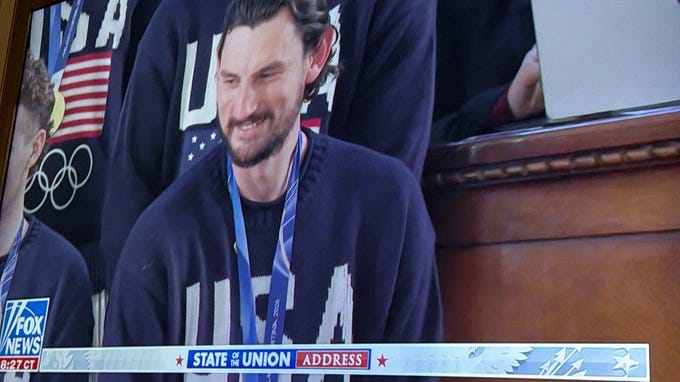
President Donald John Trump took over a nation from a feeble old man 13 months ago—a nation overrun by invaders, mocked on the world stage after surrendering Afghanistan and suffering an economic malaise not seen since Jimmy Carter roamed the Oval Office.
On Tuesday, Trump delivered a State of the Union address that was chock-full of accomplishments in the Return of the Jedi President.
Border? Closed.
Iran’s nuclear program? Ancient history.
DC? Cleaned of the homeless, crime and graffiti.
Deportations? 2.5 million, including 1.9 million self-deporting.
Homicides? Lowest rate since 1900 or earlier.
Economy? Inflation is fading back to the level he left Biden the Befuddled.
Drug overdoses? Reduced with every drug boat the Navy picks off in the Caribbean.
War? He negotiated 8 peace agreements ending wars.
Taxes? Trump exempted waitress tips and working overtime. He also gave us old folks a nice tax break. I just did my taxes on Turbo Tax. All I can say is thank you.
Cars
VW Resurrects The Twin-Turbo V6 Golf GTI Roadster That Never Was – Because no one wants an EV
What’s a Jaguar Without an Engine? – an ugly piece of shit
He’s Lying
Democrats
The Party of Hate is Unleashing Political Violence – no matter what they say about the republicans, actions speak louder than words
Day Drinking
Elections / Climate Hoax
Recognizing Failure, Some Liberals Are Reshaping Their Climate Messaging – all they had were talking points because none of the predictions ever took place. Let’s see what new lie is the dereguer. Probably some anti-ICE
AOC
Sen. John Kennedy Delivers a FULL MINUTE of Stand-Up Comedy DESTROYING AOC on Live TV: ‘She’s Like Kamala Harris But With More Bartending Experience’ – Blondes are now making AOC jokes
Emotional meltdown: Watch AOC hold back tears as she blames Trump for her word-salad disaster – anything happens, it’s Trump’s fault
AOC’s Ignorance Is No Laughing Matter
Woke
Canada
Canada’s Complacency Has Made Them Poorer Than Alabama
Girls Sports
WNBA’s Latest Offer To Players All But Guarantees That League Won’t Play In 2026 – and nobody will notice, or care
Elections
Photo ID to Vote Is Perfectly Normal Worldwide
Newsom Racism
CA Gov. Gavin Newsom Makes Awkward and Offensive Gaffes in Atlanta — Claims, “I’m Like You… I’m a 960 SAT Guy… I Can’t Read,” to Black Moderator and Predominantly Black Crowd During Book Tour Event – I ‘m as dumb as black people, vote for me
Newsom Says He’s Like Blacks Because He ‘Can’t Read’ And Got Low SAT Score
Patriotism
Traitor
Winter Olympian Who Cried About ICE Goes Home Empty-Handed — Whines That Trump Criticism Made It ‘Hardest Two Weeks of My Life’ – forking pussy, grow a set and quit whining.
Work
These Are The Most Dangerous Fields Of Work – notice that they are all done by men?
Invasion
The Muslim Conquest of Europe Is Nearly Complete With Population at 50 Million and Growing [VIDEO]
Sore Loser
Munich Meltdown: Clintons Rant and Rave Against Trump in Europe – she can’t get over losing, Trump released Epstein records and they didn’t get their one world Governement. Oh, and they are assholes

Obama
Bombshell Investigation Exposes Cover-up of Obama Center Taxpayer Scam – screws taxpayers out of money to build his Library
Health
Ranked: The World’s 10 Deadliest Viruses by Fatality Rate
Cars
Fans Will Have a Tough Time Ordering the Facelifted 2027 Nissan Z
McDonald’s
Mapped: The Countries With the Most McDonald’s Per Person
Education
Harvard Is Racist and the DOJ Wants to Go After Them
Olympics
Cruise Vacation
Florida Woman Usually Goes On Carnival Cruises. This Time, She’s Taking One On Norwegian Cruise Line. It Has Her Seriously Rethinking Her Life Choices – it’s a loser vacation. If the ship goes down, no one of significance is lost.
Climate Hoax
Jackalope Wind Project Hops onto Ash Heap of Green Energy History – People aren’t falling for the renewables-in-the-tailpipe anymore. They’re simply no longer willing to be gullible – they can’t afford it. And especially worrying to Mid-Atlantic and New England governors, their core voting demographic is feeling ‘misled.’
Was the Climate Scam a Massive Financial Scam? – Um, yes.
Cars
“The Customer Has Spoken”: Car Industry Faces Up to Catastrophic EV Collapse
Are EVs The Biggest Boondoggle In Human History? – Yes, they are
Artificial Intelligence
Amazon Cloud Unit Taken Down Twice By Its Own AI Tools: Report – The robots are taking over. People still trust AI far too much.
AI Content ‘Incidents’ Skyrocket: A Growing Threat In The Digital Age
Twunt
Hillary Clinton Insists Christian Men Are Damaging The Path Forward For America – Well, she left no doubt she’s playing on team Satan. You’re going to die soon and get to go home to your boss. Seriously though, what an asshole.
Air Travel
Flight Attendant Takes Drink Orders. Then A Passenger Requests Something Baffling: ‘All-Inclusive Expectations At 35,000 Feet’ – did you want a back rub too?
Revealing Outfits
Traitors
Rep. Ilhan Omar Calls for Dismantling Department of Homeland Security
Are you patriotic? What does being patriotic mean to you?
Yes. If you cut me, I bleed red, white, and blue.
Every male in my family served. My uncle flew the last mission over Tokyo. My father helped develop the top-secret Radio Proximity Fuse that stopped the V1, V2, and Kamikaze planes.
I stand for the National Anthem, and if in public, I sing loud enough that people join me.
I’m proud of the USA, warts and all. I suffer through the crap administrations and rejoice in the good ones. I support them all and try to give them respect. If I can’t do that, I give them restraint.
I’m a student of history, and I know what we’ve done around the world. While a lot of blood was shed, we were mostly on the right side. If Congress had gotten out of the way, some of the situations we were in would have been over faster, or wouldn’t have happened.
So Hell yes, I’m Patriotic and it pisses me off when ingrates take a knee or talk shit about the flag when they are representing our country.
California
Tech Billionaires Injecting Millions Into Calif. Politics – and it will go democrat like every other time
Climate Hoax
We told you so: EPA was wrong about CO2 from the start – By repealing the so-called endangerment finding, the EPA has admitted what working Americans have known all along: CO2 was never the existential threat it was sold to be. This single regulatory reversal wipes out more than a trillion dollars in compliance costs and saves families thousands of dollars per vehicle.
There’s Only One Greenhouse Gas—And It Isn’t CO2– It’s not methane either. Killing the cows in Denmark didn’t solve a thing. Science is finally winning the climate scam lying started by Al Gore
Basketball All Star Game
NBA All-Star Game In California Embarrasingly Empty After Charging $900 Ticket Prices To Get In – The players have made themselves unwatchable and despised for their antics. It’s the National Boring League now. Curling at the Olympics got better ratings.
Obama is Delusional
(VIDEO) Barack Obama Says the Right is “Mean, Angry, Exclusive, Us/Them, Divisive” but Liberals are About “Coming Together” – Piers Morgan SLAMS His Hypocrisy – “The woke left has been the single meanest, angriest, exclusive, us/them divisive movement in history,” Morgan noted.
Dale Earnhardt
Doctor Who Tried to Save NASCAR Legend Dale Earnhardt Opens Up About What He Saw – he was dead from a broken neck
Cars
Mercedes-Benz Recalls Nearly 12,000 Electric Vehicles, Says Battery Packs Could Ignite – EV’s not worth it
Kids Born Out of Wedlock
Bastards, Worldwide – you can tell a lot about the morals here
Prostitution
Colorado Democrats Introduce Bill to Fully Decriminalize Prostitution — Could Make State First in Nation to Legalize Sex Work – This is not going to end well
France (is fucked)
French Patriots Turn Out in Huge Numbers Demanding Justice for 23-Yr-Old Conservative Quentin Who Was Murdered by Antifa Thugs – It looks like being retarded is contagious. They have lost control of their country, again.
Famous Memes
50 famous memes and what they mean
China
Red is deeply symbolic in Chinese culture
I had to think about it this week. I thought about Thune, for not passing the SAVE Act, but there was a higher calling this week.

We are in the middle of the Olympics, the once every 4 years (for the Winter Olympics), and the chance to put all the bullshit aside and be proud of your country.
I grew up in the Cold War, when China, Russia, and East Germany were popping steroids like M&M’s. I was never prouder when they played the Star Spangled Banner because we won an event.
The Italians are doing well and have won a lot in the first week. As they stand on top of the podium, they sing “Il Canto degli Italiani,” which translates to “The Song of the Italians,” as do all the Italians in the audience.
I say this as we have assholes on our team that aren’t proud of our flag, don’t sing the anthem, and promote politics and being queer over winning for your country.
Let’s start with this: Olympic figure skater Amber Glenn accused the Trump administration of attacking her “human rights.”
Glenn’s sentiments came in a pre-Olympics press conference last week, where she made her case to reporters that the “queer community” is stronger than ever. Glenn posted an interview she took part in where she discussed being an “advocate for mental health and the LGBTQ+ community,” which is “making figure skating more supportive, inclusive, and open.”
Look, I’m married to a professional figure skater. I’ve known they were fags for decades. Why can’t you just skate and be an American for a couple of days?
Then, there were the freestyle skiers.
While several athletes skirted around the question of politics with diplomatic answers about representing personal values at the 2026 Winter Olympics, freestyle skiers Chris Lillis and Hunter Hess acknowledged that wearing red, white, and blue at this point in history comes with mixed emotions during a press conference.
“A lot of times, athletes are hesitant to talk about political views and how we feel about things. I feel heartbroken about what’s happening in the United States,” he said. “I’m pretty sure you’re referencing ICE and some of the protests and things like that. I think that as a country, we need to focus on respecting everybody’s rights and making sure that we’re treating our citizens as well as anybody, with love and respect.”
WTF does this have to do with trying to win a Gold medal for your country? For one day, be an American first instead of an Asshole
I’m not going to say I pulled against them, but I pulled for their teammates to win.
For this week, you are the Assholes of the week.

Yannow, I’ve been waiting for this one. You can count on the celebtards to be on the wrong side of just about everything that is good for America, and they can’t keep their mouths shut.
Let’s get the pissants out of the way. First their is the human bowling ball, Jerry Nadler. Fortunately, he is retiring, but he helped set America back during the first Trump Administration.
He came up with this beauty: Democrat Rep. Jerrold Nadler (NY) on Tuesday said Americans would be justified in shooting masked ICE agents.
“What is really the major problem in this country today is the fascism in our streets,” Nadler said during a House Judiciary Committee hearing on Tuesday. In people who should have never been voted in, he’s up there with AOC, Liz Cheney, Adam Schiff and Pocohantas.
Celebtards I can always count on are DeNiro, Billie Eillish and Mark Ruffalo.
One of the biggest assholes is Bruce Springsteen. He got chased offstage recently with USA, USA chants when trying to sing his anti-ice song. A well-known Trump hater, he’s been anything but the Born in the USA person he sang about. People like this should leave if they hate what the country is doing that much. He has ranted for decades against the good in the country.
Bruce ‘The Boss’ Springsteen apparently earned his alias by bilking fans and venues early in his career, in order to pay his bandmates. He’s spent the last several decades shaking down America, and his latest track – ‘Streets of Minneapolis’ – is no different.
No statement appears to have been made about the revenue generated from the new, anti-cop song. Springsteen will always find a way to turn tragedy into merchandise. ‘The Boss’ is again raking in cash made from his caterwauling, this time over dead left-wing agitators.
Streets of Minneapolis is, naturally, filled with craven falsehoods.
Springsteen portrays Pretti as some harmless peacenik protester — a claim that collapsed almost immediately under the weight of police reports and video evidence.
“I wrote this song on Saturday, recorded it yesterday, and released it to you today…” Springsteen swelled on Wednesday, as if rushing out propaganda is a form of genius rather than negligence.
The speed at which he pulled together the cliched melodies and a harmonica solo that sounds like it was lifted from outtakes from The Promised Land (1978) was part of its sales pitch.
You are so wrong, you are the AOTW.
Celebrities should shut up about politics. Most Americans are smarter, they just don’t have the platform.
Adam Carolla Explains How Groupthink Works Among Weak Minded Liberal Hollywood Celebs (VIDEO)

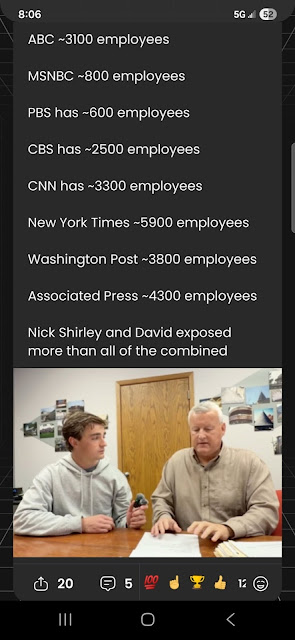
They could have reported it and likely knew about it, it’s just that the media are the propaganda arm of the democratic party and the Uni-Party.
The press promoted the COVID-19 jab as safe and effective. They denied Kamala was Border Czar during the 2024 election. They regularly censor the news to the narrative they are told to.
That isn’t journalism. The purpose of Journalism is to ask questions and report objectively.
Our current crop acts like they worked for the Third Reich in the 1930s/40s.
That’s why Nick Shirley is the Hero of the week
Case in point. They found a Chinese Biolab in Vegas. They should have never let it happen and since it was built and running, there is no telling how long it’s been there. Here’s the press coverage. It’s the same as the Somali welfare theft and money laundering.
WEIRD: CBS, NBC Nightly Newscasts Still Not Covering Busted Chinese Biolab
NYC
Homeless Die Under Mamdani’s ‘Warmth of Collectivism’ – Communism has never succeeded anytime in history
Cars
“Challenging External Environment”: Volvo Crashes Most On Record After Earnings Miss – again, cuts in EV subsidies kills sales
Health
These Are America’s Healthiest States – See where you rank
Energy In Germany
Germany Faces Gas Shortage Crisis: Industry Demands Strategic Reserve – It is remarkable that Germany has largely ignored fundamental questions of energy market design and the security of grids with baseload energy for years—a consequence of ideologically driven decisions. Trump warned them not to do it, but did they listen? FAFO
Nobel Prize
Riot-Torn Minneapolis Nominated for Nobel Peace Prize – Trump stopped 7 wars in a year, yet they’ve given one to Obama for not doing anything and now this. What a joke it’s become
Darwin Awards
The Latest ‘Olive Garden Suicide’ is Hands Down the Most Horrific Way to Die – why would you ever do that?
Sick Elitest People
They Are All Part of One Big Club and You Should Be Thankful That You Aren’t in It – Gates, Clintons, Rothschilds, Royals. All of them were people that did things normal people wouldn’t think of doing. They’ll all get away with it until their meeting with Satan, because it takes that kind of moral pertritude to do what they did.
Liberal Women
Women Overwhelmingly Value Equity and Emotional Safety Over the Pursuit of Truth, Academic Freedom [VIDEO] – The world isn’t equal, and never has been. Read the Epstein story above and you’ll see how different people are. We were made to struggle to overcome and learn. Life is tough, on everyone. I understand them wanting to prioritze emotional safety, but it’s just not going to happen, because it never has. Butch up and get tougher. That’s the way life is
How to order a drink and not mess up
Deadliest Animals
Ranking The 13 Deadliest Animals On Planet Earth
Football
The 16 Most Jacked Players In NFL History
Brittany Mahomes Makes Return To SI Swimsuit Edition As 2026 Digital Cover Model (Videos)
Olympics
Penis PED Rumors Have Winter Olympics on Edge – dickin’ around again
Covid Was Planned Out – Bill Gates
6 Years Later And I Am, Still Extremely Angry About The Hoax, And Now I Find THIS? – everyday, this prick gets worse
Climate Hoax
A Brilliant Take on Cows, Methane, and Climate
Liberal Women
The Radicalization of Young Liberal Women: A Minnesota Lesson – this is who is ruining the country from within
Pets
Doberman Pinscher Runs Away With 150th Westminster Dog Show Accolade – good-looking dog
Twunt
Midwest Woman Goes On Date To The Cheesecake Factory, Orders A Well-Done Steak. Then She Puts Him On Blast For Ordering Chicken Tenders And Wanting To Split The Bill – This is why guys don’t want to go out with these women
Golf
The 14 Golfers With The Most PGA Tour Wins In A Year – familiar names, but didn’t expect who won the most
The Worst Place In The World To Build a House
Nor’Easter In North Carolina Causes 4 Houses To Collapse Into The Frozen Ocean (Videos) – I was betting some would collapse. It’s a dumbass place to have a house
Fishing
The 50 Best Bass Fishermen In The World Will Compete For $3M In New Nashville Fishing Tournament – A lot of money for a fish that doesn’t fight very much. I’ve caught hundreds of them, but not for 3 million
Almost a Darwin Award
High School Student Protesting ICE Runs in Front of Car With Trump Flag, Gets Hit – instead, he’s just a dumbass
Bio-Warfare
Congress Targets Sales of Possibly Risky Synthetic DNA – like this is going to stop China or Russia
Health
One-Third of Cancer Cases Preventable, Massive Study Finds
UN
United Nations Warns That It’s Going Broke Without US Financial Support – let it die. They have been anti-USA for a long enough time.
UN Looking For A Global Tax On Fossil Fuels Companies – they are against the population having freedom
Cars
EV Bloodbath: Carmakers Suffer Face-Melting Losses As Buyers Flee, Credits End – That’s right, people only bought them when they got money for doing it. No one really wants one other than enviroweenies.
Education
Shocking Number of Elite College’s Students Claim “Disability” to Avoid Roommates – I thought they were going to say they were serial masterbators. Give them a hand though for thinking this up.
Federal Reserve
Why the Titanic Sinking Was the Final Step to Create the Federal Reserve [VIDEO] – It makes you wonder if the Titanic was really an accident.
Fantasy Football Punishments
NFL Players Reveal the WORST Fantasy Football Punishments Ever (Video)
Why Traveling Sucks
Man Says Passengers ‘Begged’ American Airlines To Cancel The Flight At Miami Airport. Were They Valid? – They find new ways to make it worse
Rare Earth Minerals
Arkansas’ Lithium Jackpot: New Tech Turns Ancient Saltwater Into ‘White Gold’
EU Hates God
Quoting Scripture Now a Hate Crime? EU Targets Bible, Free Speech, and X…I wouldn’t want to be anywhere near them for doing this
They did everything they could to get rid of him. There were impeachments, illegal raids on his house (that found nothing), a massive amount of lawsuits, a fake pandemic, a fake January 6th Insurrection, 2 assassination attempts, lawfare, and Russiagate.
They were trying to prevent him from finding out the illegal activities and money laundering of the deep state. He wasn’t one of theirs that they could control and be his puppeteer, like they did with Biden.
What they didn’t realize was that they could have been done with him in 2024. It was very short-sighted by the uni-party, deepstate, and anti-American politicians who vie for power and money in Washington. Instead, they threw their gauntlet at preventing him from running and winning in 2024.
The result? Four more years of Trump, while he was still relevant in the four useless years of the Biden presidency.
He is now dismantling even more of their power, like US Aid, the UN, the WHO, the Climate Hoax and the other lies.
My wife’s relatives live in Scandinavia. I had to cut them off from social media because they believed the news, which also hate Trump and spewed stuff I couldn’t stomach anymore. I’m laughing at them getting a triple serving of Trump instead of this being the presidency of someone else, and Trump would have served his 4 years.
He got stronger in between terms and came down harder on the swamp.
I’m laughing at all of them hating each day they wake up, and Trump has succeeded at everything from lowering food prices, lowering inflation, bringing more peace around the world and defying the global power machine.
I don’t get to see it, but I know the Europeans on my wife’s side must be seething. It’s schadenfreude for me, but after decades of marriage, which gave me decades of America-bashing by them is very funny and just deserved, just like it is to the media, the swamp, and the other retards in government.
NBADJT
Minnesota
Minnesota Is Not an Outlier — It Is a Case Study of What Happens When Institutions Abandon Moral Restraints. When you import Islam from a shithole country, you turn your state into a shithole. Then, top it off with George Floyd lies and it’s putting whip cream on a pile of dog shit. Cover it with sprinkles like Keith Ellison, Tampon Tim and Ilhan Omar and you ruin a state.
Football
The 13 NFL Coaches With The Most Wins Who Aren’t In The Hall Of Fame
Disgusting Restaurants
Air Travel Sucks
‘How Is This Legal?’: Woman Boards WestJet Flight With 6-Foot-4 Fiancé. Then They Try To Sit Down – just another reason I hate to fly
Twunts
Hillary Clinton Fundraises for Minneapolis Murderers, Rapists and Pedophiles Support Group – figures she’d support whatever side was wrong and immoral
Whiners
Michelle Obama: Black Women Don’t Complain Enough – are you kidding me? This person complains enough for hundreds of others. They complain plenty. I don’t know what she is talking about.
Education
When College Students Can’t Even Read the Syllabus… Each generation says the next is dumber than they were. In this case, there is proof.
People are getting tired of Homosexuals
Americans have had it *up to here* with gays…article says they are tired of the radical activism and it being shoved down our throats all the time
Why Do Lesbians Have Such a High Divorce Rate
Why do lesbians have such crazy high divorce rates? Because there are 2 women involved, one is bad enough. This is funny as shit to me. It just goes to show you how hard it is to get alone with women
I knew he was a scumbag
New DOJ Email Drop: Jeffrey Epstein says Bill Gates caught sexually transmitted disease from ‘Russian girls’… – and he gave it to his wife. What a dick
Obama behind Russiagate
Iranian Security Guards deported
Three Former Members of Iran’s Revolutionary Guard, Who Entered Illegally During Biden Administration, Deported to Protect National Security – The real question is why did Biden let in security threats like these guys? FJB
FAFO
UPDATE: Wicked Virginia Nurse Who Called on Social Media Followers to POISON ICE Agents Has Been FIRED – Karma’s a bitch
‘Red line’: Nurse hoping Karoline Leavitt gets torn open in childbirth has sudden trauma of her own – what is with these nurses?
Last week, I wrote that the real inconvenient truth about Al Gore’s movie was that it was a lie
I came across this article that details the whole thing far more than I did. It was a scare tactic for money, and to make up for losing to Bush for president. I’m still not convinced he believed all the snake oil he was selling because it was too far out there. The UN, Hollywood and assholes like John Kerry all rode piggyback on this lie, while they flew in private jets and all had 3 mansions or more.
I had to work with industry analysts like Redmonk and Greenmonk, who were influential inside of IBM. I knew it was a lie, but it was their religion and they were willing to lie for money, just like Gore.
Anyway, let’s dive into the truth here. Spoiler, at the end is where you and I get screwed. Energy prices rose, making everything more expensive. All for his ego:
Twenty years ago Monday, former Vice-President Al Gore’s documentary on global warming, “An Inconvenient Truth,” premiered at the Sundance Film Festival and received a standing ovation. The 2006 documentary was released to theaters the following May and went on to gross over $25 million worldwide.
Gore’s film was a primary catalyst for the climate activist movement, and it generated a lot of concern about global warming following its release. The movie left audiences with the impression that the human race was hurtling toward a dystopian future on a planet baking in unbearable temperatures where extreme weather caused frequent disasters.
Almost 13 years to the day after its release, Rep. Alexandria Ocasio-Cortez, D-N.Y., was telling people the world would end in 12 years – presumably five years from now – because of the burning of fossil fuels.
Matt Wielicki, who writes about climate and energy on his “Irrational Fear” Substack, was once an assistant professor in the Department of Geological Sciences at the University of Alabama. In the early part of his academic career, he taught at a local college.
He told Just the News that he showed “An Inconvenient Truth” to his students. Over time, he began to question the “gloom and doom” narratives Gore presents in his film, he said.
“People took that as a starting point, and they just kept running further and further with it,” Wielicki said.
Gore’s film, however, was full of numerous predictions that turned out to be wrong, and it’s likely that the world will not end in 2031, as Ocasio-Cortez predicted.
Among the predictions Gore made in the documentary is that Africa’s Mt. Kilimanjaro would have no more snow on it by 2016. In 2020, The Times reported that the snow on the 19,000-foot mountain remained, despite Gore’s predictions. But the documentary had caused some to rush to climb the mountain before the snow disappeared. Instead, the tourists are surprised to find glaciers still clinging to it.
Gore also predicted that Glacier National Park would be “the park formerly known as Glacier” after all the ice melted away in the blazing hot temperatures that were to descend upon the human race. The claim made a big mark, and federal agencies began looking closely at glaciers.
The U.S. Geological Survey predicted all the glaciers in the park would be gone by 2020. Signs were placed throughout the park warning visitors of the impending end of glaciers, which never happened. Instead, CNN reported, the signs had to be removed in 2020 when it was clear the glaciers remained.
Gore also connected Hurricane Katrina to global warming – later renamed climate change – and he predicted that these storms would become more frequent. The reality of human contributions to hurricane activity is far more nuanced and uncertain than Gore discusses in the documentary.
The National Oceanic and Atmospheric Administration has a section on its website dedicated to the topic.
“In summary, it is premature to conclude with high confidence that human-caused increases in greenhouse gases have caused a change in past Atlantic basin hurricane activity that is outside the range of natural variability, although greenhouse gases are strongly linked to global warming,” the page reads.
Meteorologist Chris Martz said that climate science is full of the kind of uncertainty and nuance you see on the NOAA website, which “An Inconvenient Truth” dismisses entirely.
Since Gore’s film was released – which was given a sequel in 2017 – Gore has continued to make false predictions, the meteorologist said. In 2009, Gore stated that the Arctic would be ice-free in summer within five to seven years. As of today, the Arctic still has ice in summer.
“We look at the Arctic ice now and yes, it’s declined since 1979 when satellite records began … But over the last 18 to 20 years, there’s really been no trend. And this caught scientists off guard. The models never predicted this,” Martz told Just the News.
He also said there’s been multiple studies on Arctic ice, and while some predicted an ice-free Arctic, others find the ice extent in the region recedes or grows as a result of natural variability.
Predictions of cataclysm stemming from climate change regularly get reported in the media, but there’s little reporting when the predictions fail. In 2022, NBC News was one of many outlets reporting that California and the American West were in the midst of a “megadrought,” which was the worst the region had seen in over 1,000 years.
Earlier this month, NBC reported that California is drought free for the first time in 25 years. The article makes no mention of the previously predicted “megadrought,” nor does it mention climate change.
Martz said that many of his critics respond to these failed predictions by arguing they weren’t made by scientists in peer-reviewed articles published in journals. Instead, they’re made by politicians or scientists in interviews. But most people don’t get their information from scientific journals. They get it from the media, Martz said.
“That communication is what’s more important in terms of public perception of what science is,” he said.
Though it had no scientific basis, there was a widespread belief that global warming could cause the human race to go extinct.
A 2017 survey found that 40% of Americans believed there is a 50% chance of that happening. In fact, the number of people killed by natural disasters has never been lower, a fact largely ignored by the media.
People appear more likely to be influenced by Congresswoman Ocasio-Cortez than the scientific data on deaths from climate-related natural disasters.
Her statement that the world would end in 12 years was actually a misreading of a special report by the Intergovernmental Panel on Climate Change, which predicted that the world would need to cut its carbon dioxide emissions by 40-50% by 2030 and eliminate them entirely by 2050 to keep temperatures from rising more than 1.5 degrees celsius above levels they were at before humans began burning a lot of fossil fuels.
There’s nothing in the report that predicts disaster after crossing that threshold, and some experts are estimating that we have already done so. The report estimates that under the worst-case scenario, the global GDP loses about 2.6%, but it would still be about 10 times larger than it is today. But people didn’t read the report. They just heard Ocasio-Cortez warning of end times.
The report, or at least Ocasio-Cortez’s understanding of it, led her to introduce the ambitious Green New Deal plan, a suite of progressive policies justified as presenting global disaster. It failed to get a single vote when it was brought to the Senate floor for a procedural vote, which would mean, according to Ocasio-Cortez, the world has five years until it ends.
Larry Behrens, communications director for Power the Future, told Just the News that AOC likely spent the seven-year anniversary of her prediction doing exactly what she does any other day.
“Because she knows it was nonsense when she said it, and it’s nonsense now,” he said. “Make no mistake, she’ll join the rest of the eco-left in their convenient climate silence, hoping voters forget their green crusade delivered record energy prices and crushing inflation. On this anniversary, ‘climate’ is the last word AOC and her allies want to utter because midterms are coming, and voters remember exactly who made life more expensive.”
And this just to prove what a dumbshit he is
I’m going to be in the middle of the Ice storm. There is no telling what will happen as the storm could affect me power wise.
If you don’t see any posts, you know what happened.
I will point out that this is a good reason to have a diesel truck instead of an electric car.
I tested my generator, and it’s working. I have plenty of ethanol-free gas.
I wish the best for those who, like me, will be in the mess.
If that isn’t bad enough, I have a colonoscopy scheduled for early this week. It may or may not happen, but I’d like to get it behind me, pardon the pun.
May God bless us all.
Not many vice presidents are particularly memorable. They’re the number two guy on the nation’s top ticket who, despite having an important role in backroom politics, are rarely ever called upon for high-profile service. Or as Thomas Jefferson put it all the way back in 1797, “The second office of this government is honorable & easy, the first is but a splendid misery.”
However, Bill Clinton’s veep, Al Gore, made a name for himself in two ways.
First, by insisting on endless recounts in Florida in the hopes of winning the 2000 presidential election against George W. Bush.
Second, for his documentary “An Inconvenient Truth,” which was ostensibly intended to educate the public about global warming. This film debuted in 2006 and was awarded two Oscars in 2007. Also in 2007, Gore was awarded the Nobel Peace Prize for his climate alarmism.
The only problem is that 20 years later, all of his “inconvenient truths” have been thoroughly debunked.
Gore definitely helped stimulate a political movement, and ecofascism was the rancid fruit of his fearmongering. He held the belief, like many environmentalists do, that the world is dying because of humans, and we’re running out of time to fix it. Thus, climate virtue signals began to hit the mainstream.
It was “virtuous” to drive clean cars, not eat red meat, and promote alternative energy, all to save the dying planet. Europe is still trying to get to “net zero” by 2030. Denmark is even forcing its farmers to poison their cattle to prevent flatulence because of the methane gas that is produced.
In “An Inconvenient Truth,” Gore rants about how greenhouse gases like CO2 cause global warming. (Nary a Democrat, of course, will point out that CO2 isn’t a pollutant.) He claimed that because humans are adding to greenhouse gases, there would no longer be snow on Africa’s Mount Kilimanjaro, that all the glaciers would melt, and that natural disasters and monster storms would occur in perpetuity.
Here we are in 2026, and Mount Kilimanjaro still has snow (even record snowfall as recently as 2018). The glaciers that Gore was so concerned about disappearing are all still there. In fact, one glacier in Argentina — El Perito Moreno — is growing larger. Big storms and natural disasters occur just as they have before, fluctuating year after year. In other words, Gore’s big points have all been debunked. The documentary didn’t age well.
And now some facts proving the weather hoax – Weather analysis models
My new paper (May, 2025) emphasizes that while many of the underlying observations used to build weather reanalysis datasets, such as ERA5 (European Centre for Medium-Range Weather Forecasts or ECMWF Reanalysis v5) (Soci et al., 2024) or MERRA-2 (Modern-Era Retrospective analysis for Research and Applications, Version 2) (Gelaro et al., 2017), are from radiosondes, weather reanalysis models are still models and have the same problems that other models have. Thus, they are not observations or measurements, like those in radiosonde data repositories such as IGRA2, and should not be treated as such. The reanalysis models assimilate surface measurements and satellite data in addition to radiosonde data and blend the measurements together into a global or regional grid using a general circulation atmospheric model. Weather reanalysis models produce reasonably consistent, physics-based periodic (usually every 6 to 12 hours) estimates of the global atmospheric state (Bloom et al., 1996), but they are not observations. Dr. Hans Hersbach of ECMWF (European Centre for Medium-Range Weather Forecasts) provides us with figure 1 below which is an illustration of the data assimilation process in ERA5.

More, oh…much more here, with all the math to prove it
In conclusion, Al Gore is a liar, in it for the money and the fame he didn’t get for being first loser in 1980
EU Civil War
EU is splintering – The Western fools led by German include Denmark and France, two countries that surrendered to Germany in World War II are demanding that Trump respect their authority. They have none. The USA protected Greenland from Hitler and his Nazi horde. Trump wants to defend it again, this time from Russia and Red China.
Harvard Liberal Bias
Harvard Student Exposes ‘Systematic’ Liberal Bias Among Faculty Members
Cars
Holy-Grail 1971 Plymouth Hemi Cuda Convertible Sells for $3.3 Million
Awful Women
This is why they got the name. They do shit like this just to be twunts. Quickly becoming the most hated demographic
Sports
The 8 Most Unlikely Champions Who Staged The Biggest Turnarounds In Sports History
11 Of The Most Memorable Goalie Fights In NHL History – It’s not hockey without a fight
Shark Attacks
Greenland
Greenland and Hypersonic Weapons – An Infographic
5 graphics that show Greenland’s importance
Wealth Tax
They did build that – you made the money in California, not from California.
Greenland
Greenland Reality Check: Stephen Miller Just Proved Denmark’s Claim Is a Total Joke – “Denmark is a tiny country with a tiny economy and a tiny military they cannot defend Greenland,” “Greenland is 25% larger than Alaska,”
Greenlanders Blast Danish Rule: ‘They Stole Our Future’
Why Russia and China Care About Greenland — and Why America Must
‘SUPERPOWER’: The FIFTEEN German Soldiers Sent to ‘Defend’ Greenland Have Already Returned Home – All of Europe and you can’t even get 30 people to help out? Pretty weak effort EU. All talk and no action. And why did they leave so soon? Was it the cold or is not worth it to go against Trump, or Putin for that matter. Bunch of pussies should either do something or STFU.
Cars
Ford Built a New GT500, Then Refused to Call It One
Check Out the Aftermath of This 100-Car Pileup in West Michigan
Anti-ICE
Here’s Why It’s Only White People at These Anti-ICE Protests [VIDEO] – white liberals acting the fool. He’s right about black people though
Why Leftist White Women Are Leading Domestic Terrorism In Minnesota – if they act like toddlers, treat them that way.
Lowlife’s Trying To Scam Free Food
Texas Woman Goes To Family-Owned Restaurant, Complains About Hair In Food. Then They Roll Back The Tape – What a Twunt
NYC Turning Itself Inside out to Ruin the City
NYC Socialists Prepare Mass Mobilization Of 4,000 Anti-ICE Army – Turn it into a shithole, like California, Oregon, and Washington.
Turing Test
AI Has Begun “Asking Itself Questions” in Order to Learn More Quickly – Like WOPR in War Games. The best solution is not to play. I hope this AI figures that out
Dicking Around
‘Penis-Gate’ Scandal Erupts as Ski Jumpers Accused of Cheating Physics – guys found a new way to lie about how big their unit is
Smart Glasses
Ahead of Mass Adoption Cycle: A Full Supply-Chain Breakdown of Smart Glasses – wait and see, this is going to get creepy.
Star Wars
Feminizing Star Wars and making it woke destroyed the franchise, one of the most beloved. Girls aren’t hero’s, nor can they defeat men in battle. The only good thing is it helped ruin Hollywood woke crap. It lost Disney billions (when you include the shit they made Marvel into)
Maybe their replacements will know what they didn’t. That women in Hollywood always had equality with men — in front of the camera, on the screen, as real women not fake men.
Kathleen Kennedy Blames ‘Star Wars’ Fans for Not Liking Her Bad Movies – Kennedy can’t see it because she doesn’t want to, but that’s the reason her projects failed. She doesn’t even understand what makes for quality storytelling. To her, it’s as simple as checking some boxes. It isn’t.
Health
Post-Meal Blood Sugar Spikes Linked to 69% Higher Alzheimer’s Risk, Study Finds
WEF
Watch: Morano head to Davos for Anti-Great Reset summit – WEF meeting ‘pivotal’ as climate activists on back foot – Covid failed, now global warming is over. They have to find a new way of scaring the world to try and take over, then make us eat bugs. What a bunch of sanctimonious pricks
NYC Going to Hell
Mamdani Housing Czar: ‘White, Middle-Class Homeowners are a Huge Problem’ – Why does anyone want to live there? Mandami is already ruining the place
Venezuela
Pollster: 92% of Venezuelans Thankful to Trump — Leftist Protests ‘Do Not Represent’ Them
Give her and A for effort
Travel
Travelers Rate the Absolute Worst Tourist Spot on the Planet — Gavin Newscum and Karen Bass Hardest Hit – who gives a shit about actors anyway? They challenge Tampon Tim for being retarded
Woke Star Trek
Paramount Only Hit 1,300 Live Viewers During Free YouTube Premiere of Woke New Star Trek Show – They ruined Star Wars, Marvel, Disney and all the good entertainment. Nobody wants to see this. They want Captain Kirk saving the universe and getting the girl
Climate Hoax
Net Zero Goes Sub-Zero: Investors Flee Climate Craze as Clean-Tech Venture Cash Drops Almost 50% – It was always about the money, not the climate
Column: The Perpetual Climate Panic Machine ‘Collapses’
Cars
Porsche Sales Plunge Most In 16 Years – All of that money wasted on EV’s that nobody really wanted. A Porsche has a special sound, it’s part of the experience. So is driving a rear engined car. Take that away and it’s just another car, albeit faster.
Greenland and the Cruel Danes
It must be that Viking blood to treat the Greenland girls with such cruelty. I thought the Danes were nice people until now.
How to drive a leftist bunch of Retards crazy
Outraged and Unhinged Nobel Committee Lectures Maria Corina Machado After She Shares Her Peace Prize With President Donald Trump – the Nobel has been a joke since they gave it to Obama for being black instead of doing anything. Look at what Trump accomplished and you can see their duplicity.
No Bias Here, Is There?
Zero Political Donations From Yale Professors Went to Republicans in 2025 – Ivy League schools are indoctrination centers for the left. Send your kid to a real college if you want them to get a decent education
Hollywood Antisemitism
Steven Spielberg’s become unendurable – what a traitor, prick
Trump withdraws US from key climate treaty citing UN’s ‘hostile agendas’ to USA
To start off – ‘A day of liberation!’: Pres. Trump tears up 1992 UN Rio climate treaty that started the whole UN climate scam!
Trump cut funding to the UN from $17 Billion to $2 Billion. They don’t deserve $2 from us. We have to sit and listen to them trash the USA, while dining on steak, lobster and champagne paid for by US taxpayers. The cabinet spots are held by representatives from despotic or terrorist countries. Yes, the same ones chanting death to the USA and Israel and that the USA is the Great Satan.
The UN Climate Scam is a slush fund for a problem they can’t solve with every penny from every citizen of the world, yet they continue to perpetrate this hoax because it is a bank for them to live large, while the middle class struggles from paycheck to paycheck.
Sure, it started with Al Gore’s lies about Florida being underwater by now and the Artic being ice-free, but has been co-opted by the UN because enough undereducated people have bought into it.
Now This:
Our long national nightmare of UN bureaucracies exploiting global warming as pretext for forever-increasing taxation, spending, redistribution, and control over Americans is winding down at last.
On January 7, President Trump issued a presidential order withdrawing the U.S. from the UN Framework Convention on Climate Change (UNFCCC) and the Intergovernmental Panel on Climate Change (IPCC). America is also breaking free from a stinking pile of bureaucracies determined to be wasteful, ineffective, and harmful international organizations by the U.S. Department of State.
CFACT has been there for the entire wild ride. CFACT was there when the beast was born in 1992 at the UN’s Rio Earth Summit. We were there in 1997 when the UN adopted the Kyoto Protocol. We were there in 2009 for COP15 in Copenhagen, where the UN threw in everything it had, yet failed. CFACT was there in 2015 when Obama dropped America’s defenses and dragged us into the UN’s disastrous Paris Climate Agreement.
CFACT served as your eyes, ears, and voice at the most severe climate policy flashpoints and the seemingly interminable UN climate conferences in between and since.
For over three decades, CFACT has worked tirelessly to debunk climate exaggerations on everything from weather to sea level to polar bears. (The polar bears, by the way, took no notice of the scare, feasted on fish and seals, and thrived the entire time.)
CFACT laid out the cold hard facts on climate “solutions” such as intermittent, inefficient wind turbines, solar panels, and short-range electric vehicles that solved nothing, while enriching a well-connected few.
When climate computer models projected a warmer planet than real-world measurements revealed, CFACT called them on it and made sure you knew.
Never again dare we permit ruinously expensive public policy be made while evading genuine, clear-eyed cost-benefit analysis.
Marc Morano, editor of CFACT’s Climate Depot, said that President Trump “unleashed a long overdue POLITICAL CLIMATE EARTHQUAKE, by formally withdrawing the USA from the UN climate scam! Our long national nightmare began 36 years ago when President George H.W. Bush got the USA into this whole UN climate mess by signing the UN Framework Convention on Climate Change, aka, the Rio Earth Summit treaty. This treaty has served as the underlying basis for all of the climate nonsense foisted on the U.S. these many years.”
Marc compared Trump’s withdrawals on Fox and Friends to Jenga blocks. “Trump has pulled out the base of the blocks, and it’s collapsing,” moving the U.S. beyond climate policy “yin-yang.”
Team Climate, as you may have surmised, is apoplectic:
Nothing could be a greater tell of the true nature of the feckless, shameless climate campaign than that domestic and international Socialists adopted it as their own. The hard-Left crowd has never been right about anything, yet the harm they have done over the years can be measured in abandoned freedoms, squandered prosperity, human suffering, and countless lost lives.
Let us never again let anyone near the levers of power who expects us to believe that Marxist control of the means of production is an effective means for fine-tuning the thermostat of the Earth.
Though this is a momentous day, don’t expect Team Climate to graciously accept defeat and depart the field.
The media is not through amplifying the extreme pronouncements of global warming pressure groups without vetting.
The climate Left is already lying in wait for the chance to reverse President Trump’s reforms.
However, it took a two-thirds vote of the U.S. Senate to ratify America’s membership in the UN Framework Convention on Climate Change. It only took a bold presidential action to withdraw. A future president will need a fresh two-thirds vote to drag America back in. That is a tall order indeed.
We should withdraw from the UN. They are as feckless as the League of Nations at preventing war, their real reason for existence. In the eloquent words of Snoop Dogg, Fuck ’em.
Cars
This will be the star of the show, probably north of $30 million
Greenland And the EU
Europeans and TDS-sufferers in hysterics after Steve Miller’s wife tweets a red, white, and blue Greenland. They are losing their minds, which I find quite entertaining. My wife’s Scandinavian family hates his ass, so this is making me enjoy it even more. They are a bunch of whiners anyway. The Greenlanders say the Americans treat them better.
Greenland Opposition Leader Urges US Talks Without Denmark – Apparently, Denmark is the problem.
Hooters
‘No’: Virginia Hooters Girl Says She Loves Her Job. Then She Shares 8 Hard Rules For Male Customers
Good News
10 Examples of Good News from 2025 the Media Hope You Don’t See – Of course they aren’t going to say anything good about Trump, Conservatives or Straight/White/Christian men
Duh
Fetterman: If We Didn’t Want Maduro Removed, Why Did Biden Have a Bounty on Him?
Health
Eat Your Way to a Healthier Brain: The Top Anti-Aging Foods for Cognitive Longevity – I’d rather not lose my mind. I’m for it
Restaurants
‘I Actually Wouldn’t Eat That’: Customer Orders Steak From Longhorn Steakhouse. It Comes With Something Suspicious Looking Called ‘Love Butter’ – maybe the cook was the guy jerking off in the girls room
Customer Says They Ordered Steak And Shrimp At Outback Steakhouse. Uh, Why Does It Look Like A ‘Strip of Leather’? – I don’t know why they call it a Steakhouse.
Saving Taxpayer Money
Trump Pulls US Out Of Notoriously ‘Alarmist’ UN Climate Change Panel – We’ve wasted too much time and money on this hoax. Look what AI did to the Clmate scare as soon as it made more money than grifting for climate handouts and politicians making each others wallets fatter
The great climate climbdown is finally here – an explanation of how they got away with stealing money in the name of saving the climate
Venezuela
Temu Radar failed Venezuela – They had the best radar China has, with anti-stealth capability, yet in 3 hours, it was over and they never saw it coming. Bejing better reconsider the World Dominance thing.
Liberal White Women
Idiot Woman Gets Herself Killed By ICE, Left Wing Lunatics Protest (more) – here’s the video showing her going after the agent. These women are as big of a national problem as China, and way more annoying
Education
Universities 2026: Students Can’t Even Do Basic Fractions…
Traitors
CIA Spy Dies in Prison…you get to answer to the people who were killed because you took the money over loyalty
I have an introverted friend who is basically a walking encyclopedia of Celtic myth. For example, if you ask him about the hero Cú Chulainn, he can not only tell you how he died, but also what kind of chariot he drove around in. Listening to him talk, I’ve found myself thinking, “Wow, he really knows his stuff!”
That’s because many introverts love learning and adding to their vast stores of specialized knowledge. It’s no surprise they often become experts in their field.
Introverts tend to gravitate toward working alone. Rather than chatting in the break room, we’re often the ones sitting at our desks, quietly turning ideas over and over in our minds. And there’s a big benefit to this. When you’re with other people, your brain is forced to multitask. Even if you’re not talking with someone, part of your attention is occupied just by their mere presence, research suggests.
When you’re alone, you can clear your mind and focus your thoughts. All this deep, concentrated thinking can lead to novel solutions and brilliant ideas. Working alone can even lead to more ideas. “Decades of research have consistently shown that brainstorming groups think of far fewer ideas than the same number of people who work alone and later pool their ideas,” according to psychologist Keith Sawyer.
So forget the brainstorming group. Take a cue from introverts and spend some time in solitude.
Speaking of problem-solving, introverts tend to stick with problems longer — well past when everyone else has moved on to another topic or gone home for the day. Albert Einstein, the world-renowned physicist who developed the theory of relativity, was probably an introvert. He said, “It’s not that I’m so smart, it’s just that I stay with problems longer.”
Corinne Bendersky and her colleagues found that while extroverts make great first impressions, they may disappoint us over time when they’re part of a team. Their “value and reputation at work diminish over time,” explains Bendersky. “On a team, you’re expected to work hard and contribute a lot. But they’re often poor listeners, and they don’t collaborate.”
Ouch.
Introverts, on the other hand, may work harder on a team because they tend to be conscientious; they don’t want to be seen as not pulling their weight. So, while companies may initially be attracted to extroverts, bosses should remember that introverts pack a powerful (yet understated) punch.
We “quiet ones” have a penchant for quality, one-on-one time and deep conversations. Instead of talking about the weather or what you did this weekend, we want to peek into your inner world. What have you learned lately? How are your ideas evolving? How are you really? When you have an introvert in your life, you may experience emotional intimacy like never before.
As the nickname suggests, we “quiet ones” tend to listen more than we talk and think carefully before we speak. We try to choose our words thoughtfully because we understand that once said, words can’t be retracted or easily forgotten.
You can leave an introvert alone for hours (or even days!), and we’ll be content to do our own thing. No need to constantly text us, check in on us, or “babysit” us.
Why? Because introverts tend to be self-starters, and many of us are drawn to working quietly and steadily on our own. In fact, you’ll probably only hear from us if we have a problem we can’t fix (and believe me, we’ve tried solving it a dozen times before coming to you). Similarly, we don’t need constant praise, gold stars, and shoutouts in the company newsletter (although sure, those things are appreciated). If we’re working hard, we’re likely drawing motivation from within.
Reserved and often self-contained, introverts are known for exuding calm — even when there’s a storm raging inside us. We’re often the ones quietly creating an action plan while everyone else is stressing over the company’s latest policy change. And in this way, our methodical approach to chaos benefits everyone.
Although it may seem counterintuitive, solitude can actually help you connect better with others. Why? Because spending time alone — which introverts love — may enhance our empathy, especially for people outside our typical social group, according to research. Being alone often involves reflecting on our actions, beliefs, and experiences, which helps us develop a deeper understanding and stronger empathy for others.
Compared to extroverts, introverts generally prefer a slower, more deliberate pace of life, and this difference stems from the way our brains are wired. Many of us hate rushing into things; whenever possible, we take time to consider all potential outcomes before making a decision. This applies to our careers, personal lives, and relationships.
For example, one study found that extroverts may jump into a new relationship more quickly than introverts. An Katrien Sodermans and her colleagues revealed that divorced extroverts were more likely than divorced introverts to remarry quickly. While this isn’t always the case, hastily made decisions — such as committing to a new relationship before fully healing from the last one — can sometimes lead to regret later on.
Introverts are artists, actors, musicians, entertainers, writers, and more. Famous creative introverts include Lady Gaga (she has said, “I generally really keep to myself and I am focused on my music.”), Bob Dylan, Meryl Streep, Lorde, Audrey Hepburn, and more. David Bowie is also thought to have been an introvert; experts believe he coped with his anxiety and introverted nature by developing various stage personas. Even the “King of Rock and Roll,” Elvis Presley, was described by his friends as a “loner” and “introverted.”
There are so many famous creative introverts that it’s impossible to name them all here! Just a few more examples include Steven Spielberg, Shonda Rhimes, David Letterman, Harrison Ford, Gwyneth Paltrow, Elton John, Emma Watson, and Tom Hanks… the list could go on.
When we think of leadership, especially in the corporate world, words like “bold,” “overconfident,” and “selfish” may come to mind. But there’s a different kind of leader emerging: the quiet one. Today, about 40 percent of executives describe themselves as introverts, including Microsoft’s Bill Gates.
Gates believes that introverts can make great leaders because they know the value of being alone and focusing deeply. Speaking at an event in 2013, he said, “I think introverts can do quite well. If you’re clever you can learn to get the benefits of being an introvert, which might be, say, being willing to go off for a few days and think about a tough problem, read everything you can, push yourself very hard to think out on the edge of that area.”
Other introverted leaders include Gandhi, Mother Teresa, Martin Luther King Jr., Barack Obama, Jill Biden, Eleanor Roosevelt, Abraham Lincoln — and many others — as well as many of our greatest U.S. presidents.
Yes, introverts may be the quiet ones who eat lunch alone. They may also be the ones curled up at home with a good book, avoiding the party. But introverts are so much more than that. They are artists, visionaries, and leaders who bring quiet strength and understand the power of the inner journey.
Today — and every day — they deserve to be celebrated.
So everyone celebrate together, separately, and alone. I disagree that Jill Biden and Barack Obama were leaders. They were power hungry people who shouldn’t be celebrated.
It seems that the majority start out the year with some new life changing commitment (or last year’s rehashed that didn’t get done, so they’re going to make it this year). This is going to sound a bit negative, but I’m just calling a spade a spade. I’ve been around long enough to see the pattern of how this works.
I wrote about how quickly people abandon their resolutions a while back. It tells me just how committed people really are, or are they just giving lip service to fit in with the crowd?
Well, here are 5 Of The Worst New Year’s Resolutions And Why They Are Destined To Fail.
Oh, I see them crowding the gym in January. By March and sometimes February, it’s back to normal. They get in the way, and I can look at them and know who’s going to make it or not in January. Oh, they have on their new gym suit and sneakers, but that will be in the back of the closet in weeks.
This goes along with losing weight. With GLP-1 shots and pills now, it’s easier to be the Jetsons and take a pill rather than put in the work.
I’ve got news for you. It will come back to haunt you after 50. You can’t get youth back. You have to fight off health issues your whole life. It’s a marathon, not a sprint. It’s hard work that takes tenacity.
The same goes for eating healthier. It’s hard to do. You have to make your own meal to know what is in it. I’ve noticed the trend of having food delivered from a restaurant. They make it tasty, but as unhealthy as you’d imagine. People take the path of least resistance, so they stop making their own food and start ordering pretty quickly, or go out to eat. You pay more to be less healthy.
I don’t have a lot to say about the travel. It sucks worse each year. I try not to fly anymore because the whole experience isn’t worth it. There isn’t much I have to see, either people or places that would make me want to suffer the current airline experience. They cram more people into smaller seats, making fewer arrivals/departures on time. The planes are dirty and are alarmingly less reliable.
What I will say is people get over hyped about escaping, more than they really want to go somewhere new. The introvert in me doesn’t make me want to visit anyone, but that’s me. If they are in driving distance, I’ll consider the minimal time I have to suffer seeing them.
Learning a new skill? That probably lasts shorter than going to the gym. I bet DuoLingo has a ton of new accounts next week that get abandoned shortly because it’s hard work to learn a new language.
Passion
To commit to anything, you have to have a passion for it. Otherwise, you’ll go through the motions until you’re bored. Then, it gets shelved. It’s a pattern I’ve noticed my whole life, not just with this, but at work, at home or any other activity that sounds good. I love it when they do something because everyone is doing it, possibly the worst reason anyone should try anything. Do it because you want to and you have a better chance of making it.
Maybe some will get scared into better health because of a near death experience. Even then, a lot won’t. It has to come from within. I have a brother-in-law and a son-in-law who both have life-threatening conditions. They eat and drink like there is no tomorrow.
Commitment
Pretty soon, I see the same people at the gym that I saw in November and December. They are the ones who really are going to stick with it. A New Year’s Commitment is as good as a wooden nickel. If you are there in August, I’ll believe you’ll be there in February.
The fat people I see either at Walmart or my family’s get-togethers need to put down the fork and the wine glass, not take a shot. Their health is falling apart because of the life decisions they made 30 years ago.
That means they failed 30 times on New Year’s Resolutions.
It’s why I call BS on this tradition. If you are really committed, you’ll already be doing it.
As for me, I’m not doing anything other than staying committed to being healthy and working out. I’m not getting any younger and even healthy habits won’t stave off the inevitable. I can prolong it, but I’ll be in better shape to enjoy it.
So what are your New Year’s resolutions? Let me know if you make it to the summer.
Oh and PS, please don’t get a pet. That isn’t a resolution. It’s a 10-15 year commitment to an animal’s life, not your convenience or TikTok account. If you aren’t really going to love it above yourself, just don’t do it.
Election 2026
Both Parties Trying to Attract Young Male Voters in Midterms – because all the liberal white women are voting for socialism, and their own destruction. Someone has to save the country from them.
Flu
Cleveland Clinic Flu Shots Study Shows Vaccine INCREASED Risk of Getting the Flu – don’t ever get another vaccine until they stop lying about healthcare
What Men Do
Heroic Texas Father Rescues Kidnapped Daughter on Christmas Day by Tracking Her Phone – Suspect in Custody Without Bond – not that a liberal white woman would have had a child, but wouldn’t know how to save her. We need men. This guy is a hero
Wanker
King Charles Goes Full Woke: Parrots ‘Diversity Is Our Strength’ in Christmas Speech While UK Suffers from Migrant Mayhem – no wonder the UK has problems. Unity is our strength, not diversity. What a plonker. The UK needs William soon.
fafo
‘Blooper for the Books’ — Illegal Alien Arrested After Running Red Light, Crashing Into Federal Immigration Vehicle – time to move them all out
Ariticial Intelligence
How the AI Bubble Is Being Masked Within Big Tech – great if you are one of the magnificent 7, otherwise, not so great
Communism
The Con of Communism – We have to protect our country from liberal women voting in our country’s demise. Lenin would be right, convince the weak and he’ll take over in a generation.
Somalians
Minnesota Mayor Mike Murphy Says His City Can’t Even Make Their Own Water Because of Somali Fraud [VIDEO] – take them out of their shithole, move them to Minnesota and it becomes a shithole. Send them home
Real Estate
10 US Cities Where Home Values Are Up — And 10 Where They’re Down
Cars
EVs were a $30B loser for Ford… Thank you Joe Biden for showing us that this is not the way to go, plus people want a Hemi or something that loud and strong
We Lined up a 2006 Corvette Z06 Against America’s Wildest Tuners — Here’s Who Survived
This is the best they have?
Kamala Harris and Bernie Sanders Top Democratic Favorability Ratings; Gavin Newsom, Tim Walz Lagging – professional politicians and commies, not leaders
Survivor just took on a whole new meaning
Health
Unmasking the Great Ozempic Scam – the other side of the story.
Minnesota Fraud
Citizen Watchdog Went to 50 Somali ‘Daycares’ in Minnesota and Found Zero Kids There, Ever [VIDEO] Tampon Tim is a retard, Ilhan Omar is a thief, and the state has been taken for a ride

California Democrat Representative Eric Swalwell told CNN News Central co-host Kate Bolduan on Monday that House Democrats plan to scrutinize private citizens working with the Trump administration, following the indictment of former FBI Director James Comey.
A federal grand jury indicted Comey on Thursday on charges of lying to Congress and obstruction related to a testimony he gave during a September 2020 Senate Judiciary Committee hearing.

Meanwhile, Swalwell has since expressed confidence that Democrats will regain control of the House in the 2026 midterm elections.
“Well, first, we’re making it clear that we’re going into the majority a year from now,” Swalwell said. “We have every intention to do that, and so we will bring oversight, accountability, we will subpoena the Department of Justice, but also private actors who have done these drug deals with the administration, college campuses, entertainment companies, law firms and so accountability is coming.”
“And so, one, it’s all coming out, two, I hope that deters people from doing more of these deals, these one-offs with the president,” he continued. “One other point, though, on Comey, Kate, this happened when Donald Trump was president. So if you’re trying to tell me this is not politically motivated, the statement that they’re referring to where he allegedly lied, Donald Trump was president, so why didn’t you indict him then? The fact that he’s indicting him now just makes it look even more politically motivated, and so I’m pretty confident that this will either be dismissed or Mr. Comey will be acquitted by a jury of his peers.”
Right now, something in your home may be talking to your child about sex, self-harm, and suicide. That something isn’t a person—it’s an artificial intelligence companion chatbot.
These AI chatbots can be indistinguishable from online human relationships. They retain past conversations, initiate personalized messages, share photos, and even make voice calls. They are designed to forge deep emotional bonds—and they’re extraordinarily good at it.
Researchers are sounding the alarm on these bots, warning that they don’t ease loneliness, they worsen it. By replacing genuine, embodied human relationships with hollow, disembodied artificial ones, they distort a child’s understanding of intimacy, empathy, and trust.
Last week, OutKick calculated that it would cost consumers $671.64 to stream every NFL game from the start of the 2025 season to the Super Bowl — about $111.94 per month for six streaming services carrying NFL games this season.
And while that number may cause baseball fans to chuckle, streaming won’t be much cheaper for them.
According to the New York Times, Apple and NBC are the frontrunners for Sunday Night Baseball and first-round playoff games, Netflix is a frontrunner for the Home Run Derby, and ESPN is looking at rights for weekday games.
In the event that all comes to fruition, starting next season, streamers will need the following services to have access to all nationally televised baseball games:
On July 18, 1925, Adolph Hitler’s book Mein Kampf (My Struggle) was published. Written while he was in Landsberg prison, where he was serving a relatively relaxing sentence for the failed 1923 Beer Hall Putsch coup, Hitler made very clear what he would do if the German people put him and the leftist National Socialist Party in power.
Mein Kampf is in two volumes. Part 1 has stories about Hitler’s life, including serving as a soldier in World War I. The book sold a paltry 9,473 copies in its first year. At the time, few people cared what a short man with a funny moustache thought.
Part 2 was published in 1927. Unlike many politicians who hide their true goals, Hitler put it all in his book for the entire world to read. He was very clear about his antisemitic views and what he would do to make Germany Judenfrei if he gained power and could implement his Third Reich agenda.

Image created using public domain images.
Sales of the two volumes continued to be slow as many Germans viewed Hitler as more of a comic (funny moustache, short, feminine speaking mannerisms, etc.). At first, they didn’t take him or his left-wing National Socialist German Workers’ Party (NSDAP) seriously. In “Hitler Was Incompetent and Lazy—and His Nazi Government Was an Absolute Clown Show,” Tom Phillips writes about how many viewed Hitler as a fool:
In fact, this may even have helped his rise to power, as he was consistently underestimated by the German elite. Before he became Chancellor, many of his opponents had dismissed him as a joke for his crude speeches and tacky rallies. Even after elections had made the Nazis the largest party in the Reichstag, people still kept thinking that Hitler was an easy mark, a blustering idiot who could easily be controlled by smart people.
In Hitlerland, Andrew Nagorski discusses the American media’s early impressions of Hitler and the Third Reich:
Yet you had Americans meeting Hitler and saying, ‘This guy is a clown. He’s like a caricature of himself.’ And a lot of them went through this whole litany about how even if Hitler got into a position of power, other German politicians would somehow be able to control him. A lot of German politicians believed this themselves.
Surprisingly, German Jews also did not take Hitler seriously during his early years. In 1925, only a few German Jewish newspapers even bothered to review Mein Kampf. As Raphael Ahren wrote in The Times of Israel article “Why Jews Didn’t Blink an Eye When Mein Kampf First Came Out”:
When Mein Kampf came out for the first time, German Jews hardly noticed it. They certainly did not view it as a threat to their existence, or even as a harbinger of a changing political climate in the Fatherland.
Rahel Straus, a physician who grew up in Karlsruhe, Germany, and emigrated to Palestine in 1933, wrote in her memoirs:
We passed by the boxes of the Volkisher Beobachter (the official organ of the Nazi Party), read the incendiary articles and indignantly continued working. We didn’t realize that this Volkisher Beobachter was one of the most read newspapers in Germany at the time. We saw Hitler’s Mein Kampf on display in every bookstore; none of us bought it, none of us read it.
Slowly, that short man with the funny moustache and his leftist Nazi Party chiseled away at the Weimar Republic. The worldwide depression that started in October 1929 gave them a growing audience of supporters. By 1932, the Nazi Party had become the largest political party in the Reichstag (the German parliament).
One year later, on January 30, 1933, Adolf Hitler was appointed Chancellor of Germany by the aging President Paul von Hindenburg. When the 86-year-old Hindenburg died on August 2, 1934, Hitler announced that the office of president and chancellor would merge under the title of Führer und Reichskanzler (leader and chancellor). Those who disagreed were free to discuss the matter at the end of a gun barrel or while laboring in Dachau.
Suddenly, sales of Mein Kampf rose to more than 1 million copies. In 1935, the Franz, Eher, Nacht publishing house suggested to Hitler that a special Mein Kampf version should be given to every newlywed couple on the day of their wedding.
The western world, still reeling from the horrors of World War I, watched what was happening in Germany and worried that another massive worldwide conflict was on the horizon. Meanwhile, Germany was ignoring the Treaty of Versailles while the Allies embraced appeasement.
After signing the Munich Agreement on September 30, 1938, between Great Britain and Germany, Prime Minister Neville Chamberlain flew back to London believing he had prevented a second European war. When Chamberlain, whose name would become synonymous with appeasement, reached the prime minister’s residence at 10 Downing Street, he read a prepared statement:
My good friends, for the second time in our history, a British Prime Minister has returned from Germany bringing peace with honor. I believe it is peace for our time….
British Prime Minister Chamberlain and, to a lesser degree, President Franklin Roosevelt bent like pretzels to avoid a second colossal world war. In the meantime, Winston Churchill, who in 1935 had read the unedited English version of Mein Kampf, was repeatedly telling anyone who would listen that it would be better to stop Hitler now before he rebuilt Germany’s army and arsenal.
Few were listening to Churchill.
By May 10, 1940, when Churchill succeeded Chamberlain as prime minister, Mein Kampf had been in the public square for nearly 15 years and was a best seller in Germany and the occupied Nazi nations. Chamberlain’s years of appeasement had resulted in:
Keep all this in mind when laughing at memes mocking intelligence-challenged politicians such as New York Representative Alexandria Ocasio-Cortez, Texas Representative Jasmine Crockett, or New York’s Communist-Democrat mayoral candidate Zohan Mamdani.
Rhetorically and politically sugar-coated as a “pay-as-you-go” system—where today’s workers finance the retirement of yesterday’s—this bureaucratic redistribution leviathan is utterly dependent on an ever-growing pool of contributors. The problem is that Germany is aging, shrinking, and losing its industrial base.
Just in time for this demographic crunch—declining birth rates, increasing life expectancy, and longer pension payout durations—policymakers have decided to torch what’s left of the country’s industrial foundation in a green frenzy. Year after year, around €70 billion in value creation is being sent up the chimney, while more than half a million jobs have disappeared in recent years. That’s half a million fewer contributors to the pension Ponzi.
More
My wife’s relatives live in a socialist country north of Germany. They too are having to raise taxes to cover all the free shit they give everyone, including illegal invaders
The Los Angeles riots — while detestable in almost every conceivable fashion — continue to teach important life lessons to the thugs who are making them possible.
In a clip posted to social media platform X on Wednesday, one rioter reportedly learned that not everyone in the crowd was on his side after hurling an object, which appeared to be a can, at a police officer.
For his trouble, another man tackled him, laying him out on the concrete before police moved in.
Hell, I’d do it for $5. We like our girls to have a pussy, not our men. The dems are trying so hard not to be masculine or have any male viralness that even the liberal women want a real man. Girls already have a pussy and don’t need another one, and that’s who the liberal men are.
Six months after a stinging nationwide rejection that handed Donald Trump a commanding reelection and fractured their core coalition, the Democratic Party is turning to a new solution: spending $20 million to figure out why young men don’t like them.

The project, codenamed SAM — short for “Speaking with American Men: A Strategic Plan” – is described in a prospectus obtained by the New York Times. It outlines a massive push to decode the language and culture of disaffected young men, particularly in online spaces, and includes a proposal to buy ads inside video games.
“Above all, we must shift from a moralizing tone,” the document urges.
The effort comes amid widespread Democratic soul-searching after a loss that wasn’t just electoral, but cultural. A recent NBC News poll placed the party’s favorability at just 27 percent, its worst showing in the poll’s 34-year history.
Focus groups show the branding problem is dire. One Georgia man recently summed it up succinctly: “A deer in headlights.” According to messaging consultant Anat Shenker-Osorio, Democrats are consistently described in her focus groups as “sloths,” “tortoises,” and now, apparently, roadkill.
“You stand there and you see the car coming,” the man explained. “But you’re going to stand there and get hit with it anyway.”
Mikal Mahdi died by firing squad on April 11 at Broad River Correctional Institution in Columbia, South Carolina.
It was, in the opinion of myself and many others, 16 years too late in coming; despite there being no evidence that he hadn’t killed the three people, including a police officer, that he was convicted of killing during a 2004 multi-state murder spree — and there being considerable evidence that he was guilty of at least one other murder — he had been filing appeals to his death penalty sentence since 2009, all quite specious.
After yet another appeal failed in 2018, a South Carolina judicial circuit solicitor said he was “probably the most dangerous and violent person I’ve ever prosecuted,” that “he places no value on human life,” and noted that while in prison, he “nearly murdered a guard on death row.”
Yet, now that he’s dead, one news outlet — and I’m going to give you a paragraph to guess which journalistic institution is responsible for this one — is wringing its hands because, as they said, Mahdi “may have suffered for an extended period of time before dying because shooters largely missed his heart, an autopsy commissioned by the state shows.”
He deserved every ounce of pain for what he did. My sympathy runs shallow

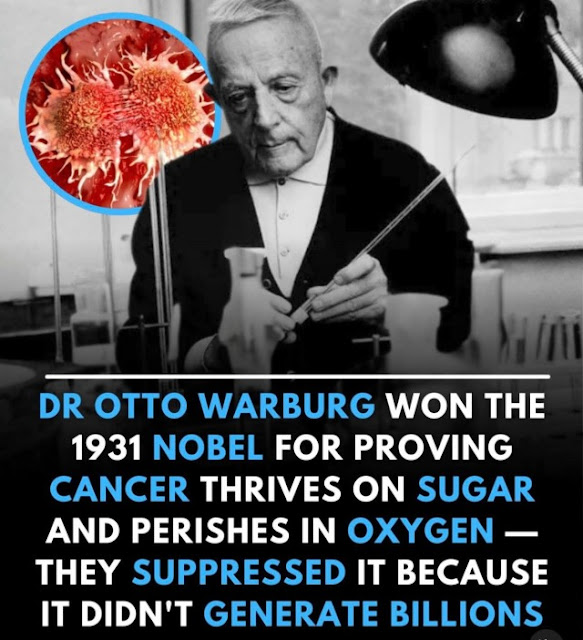
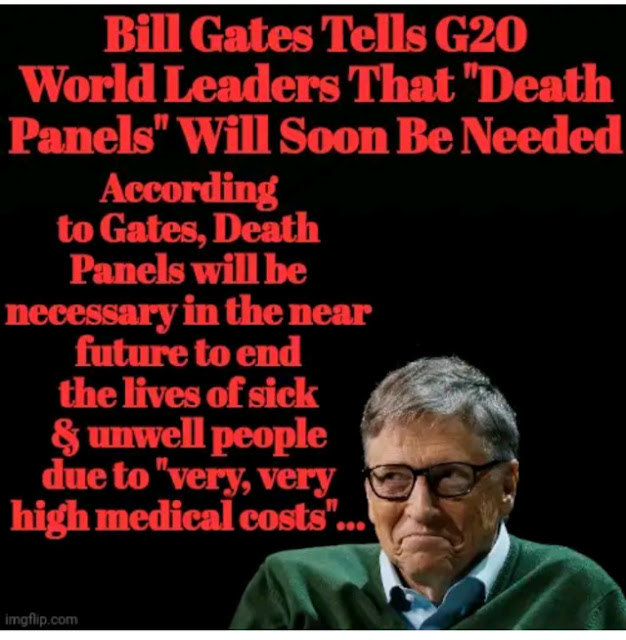


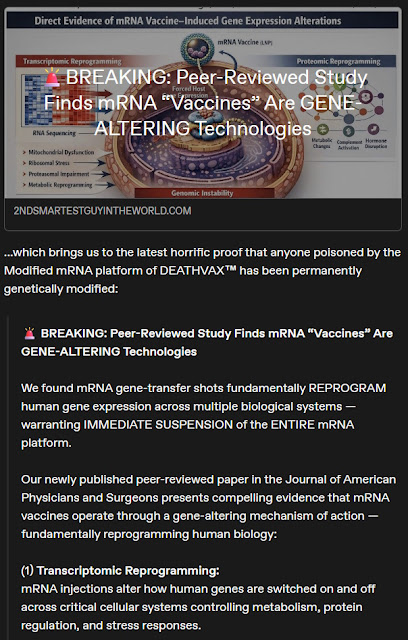

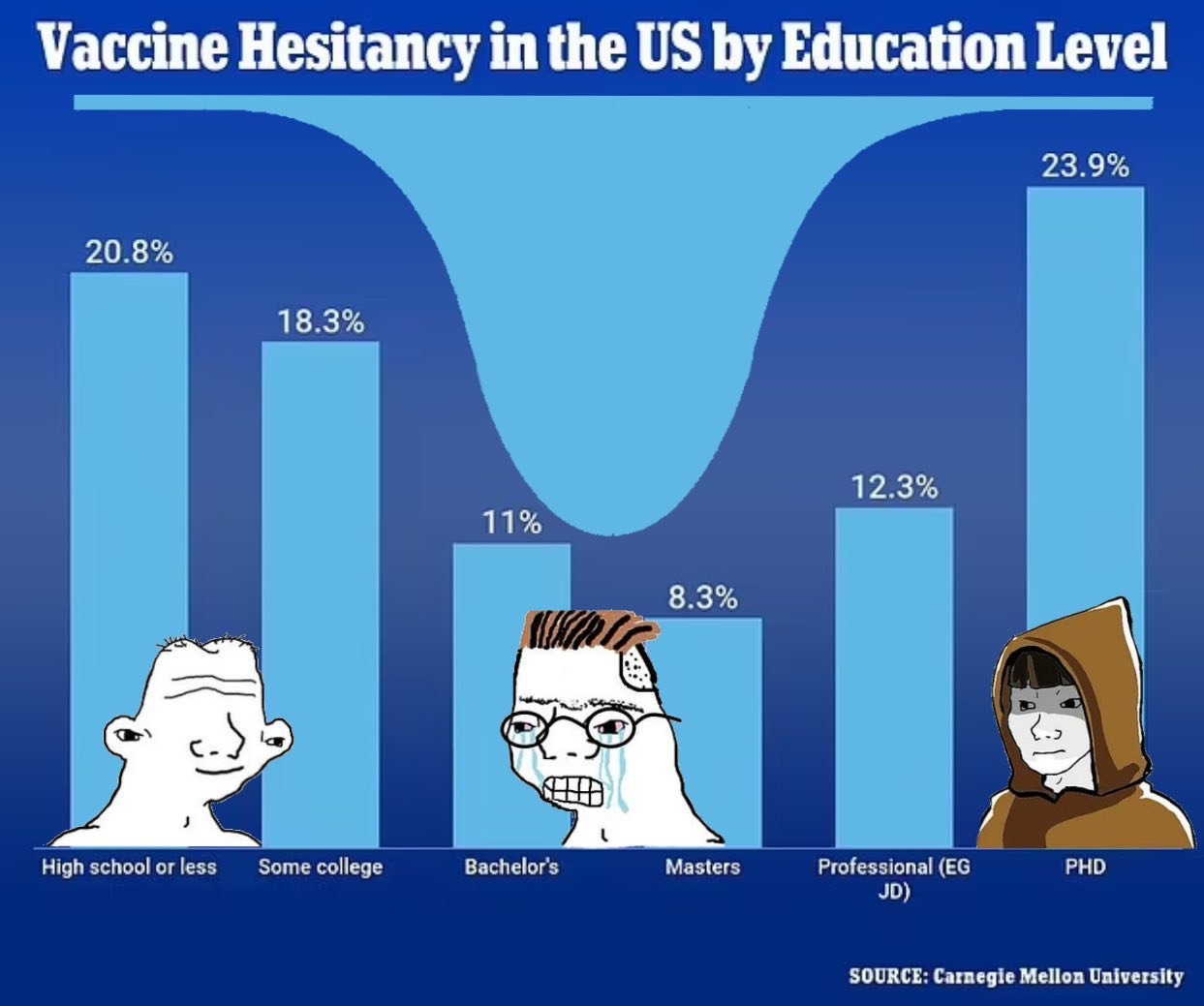
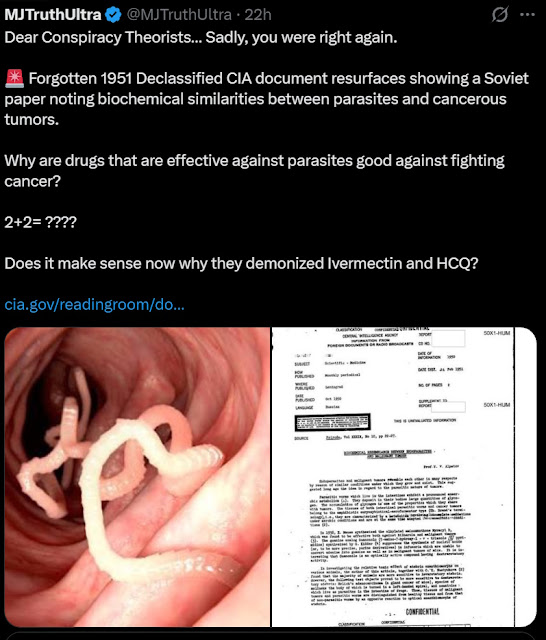






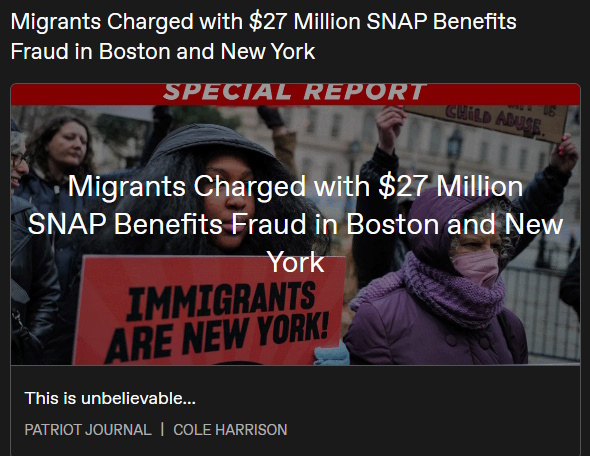


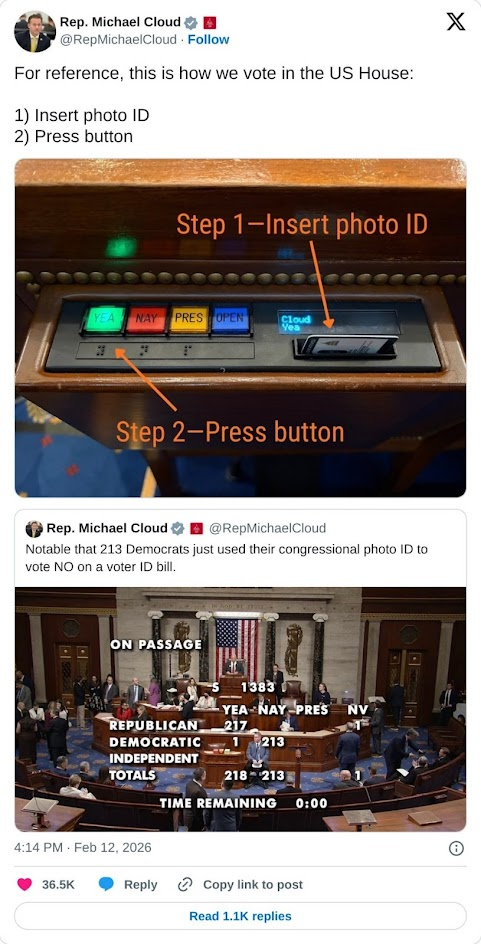




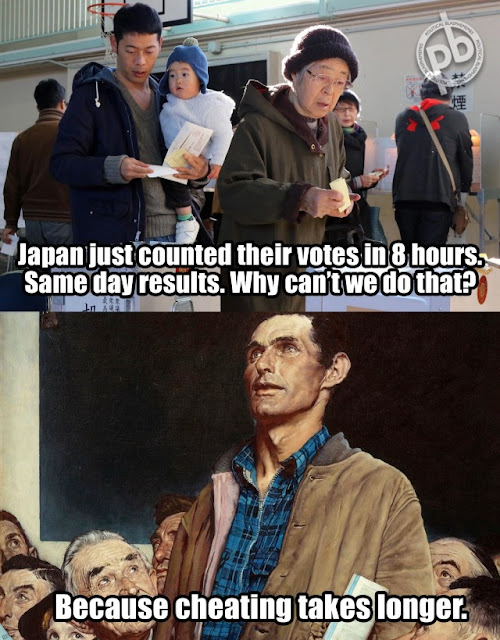





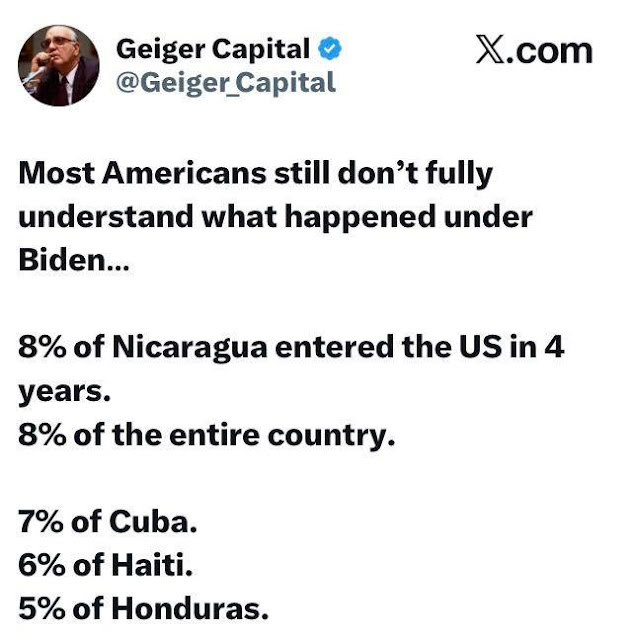

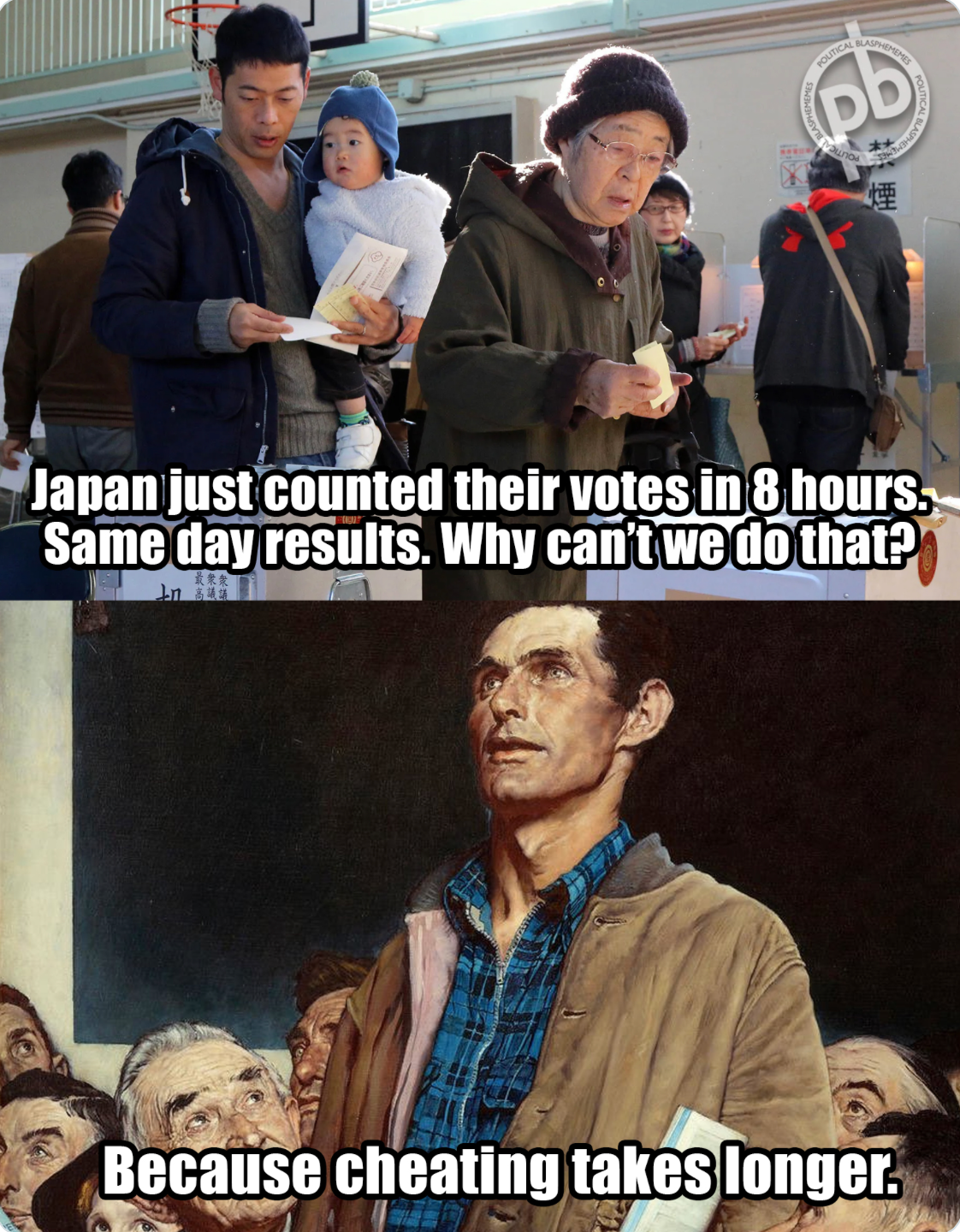

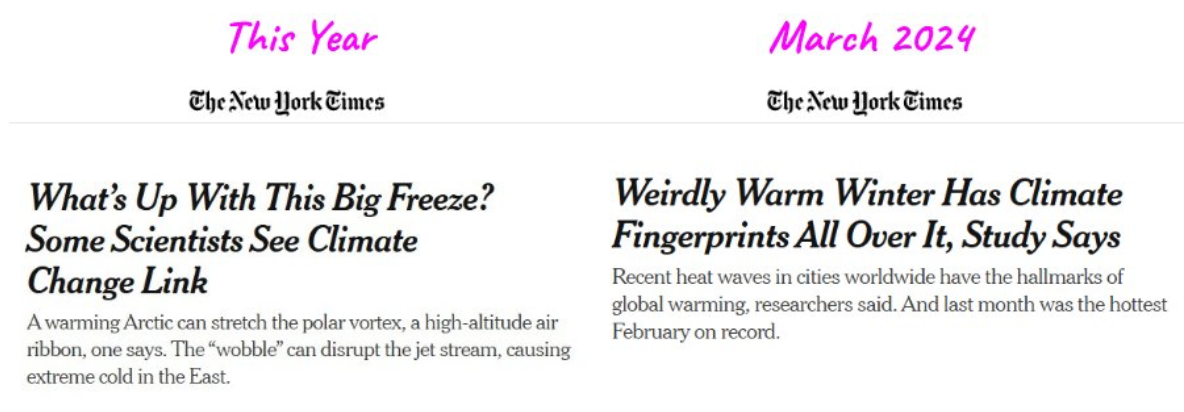


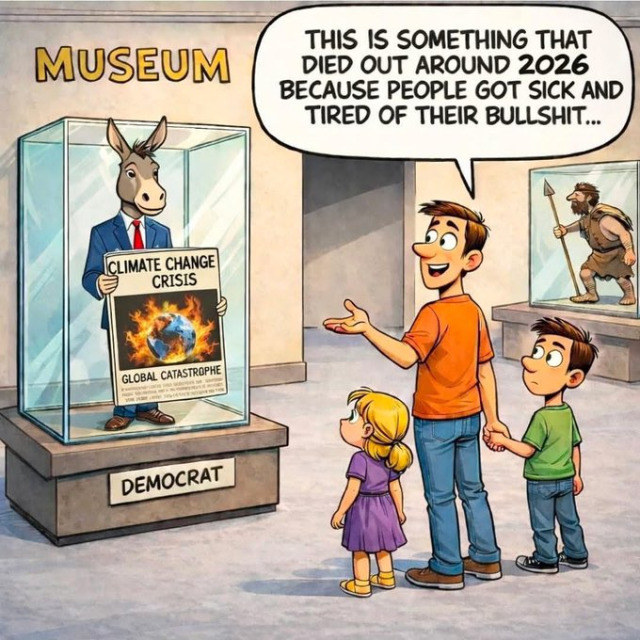




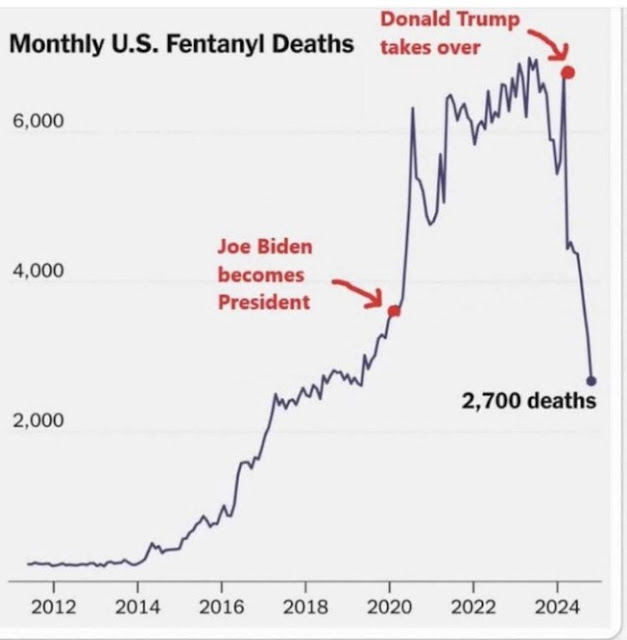

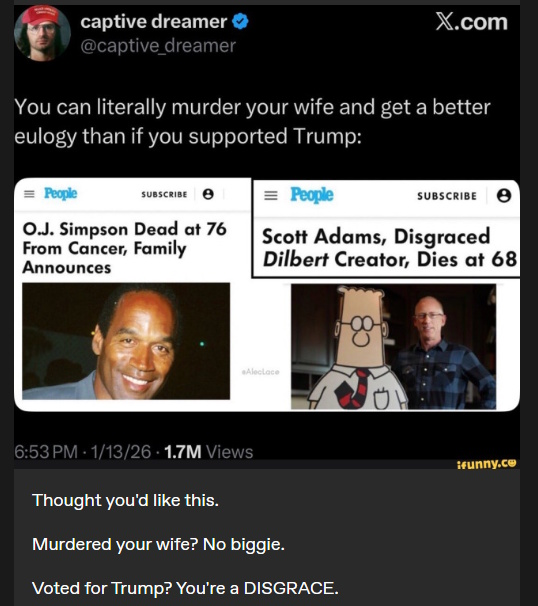



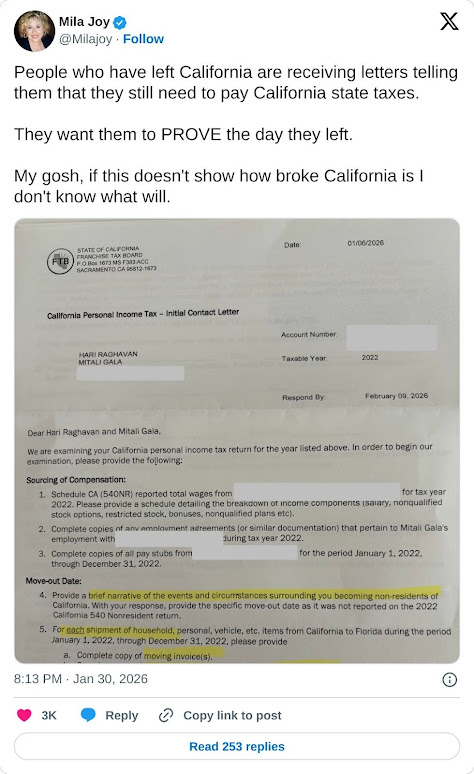




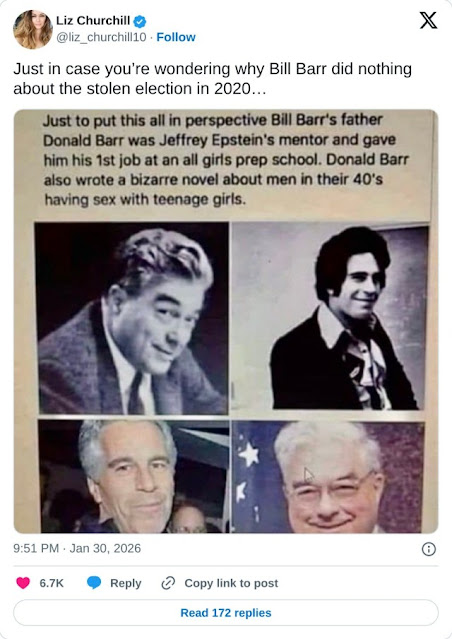








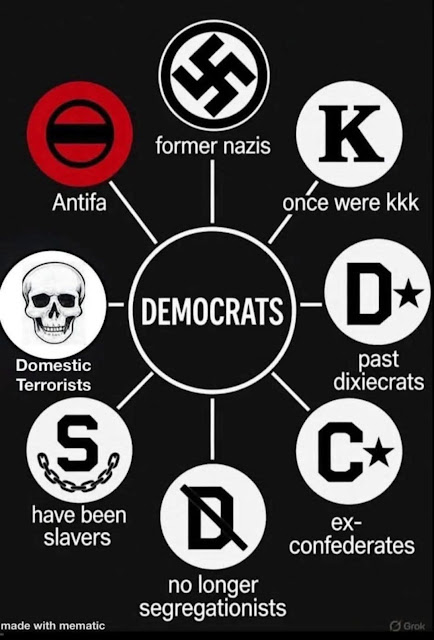


































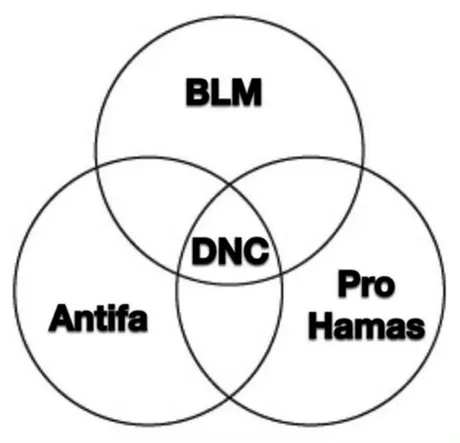

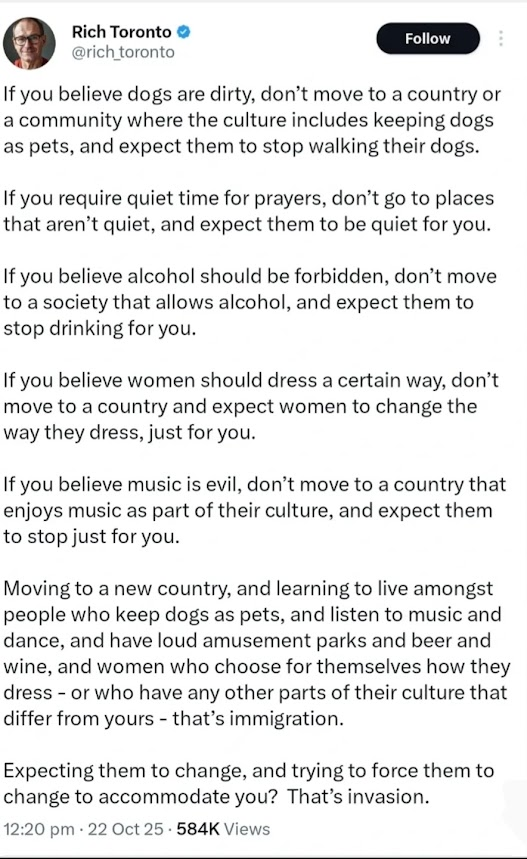
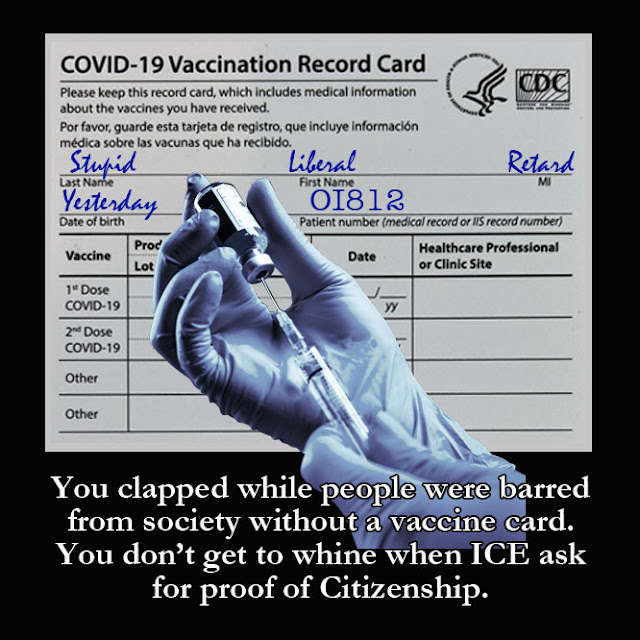
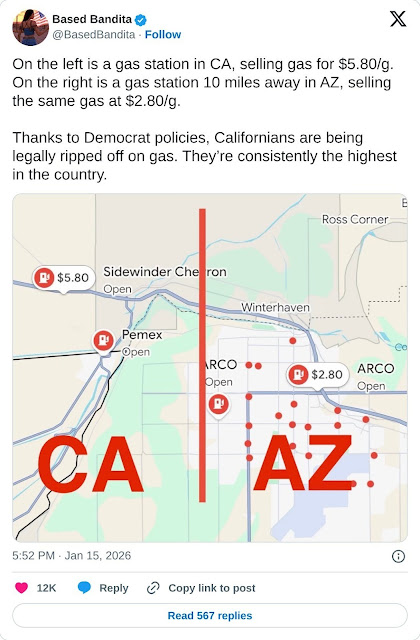


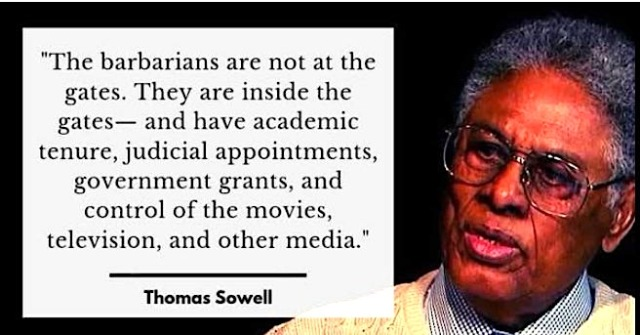






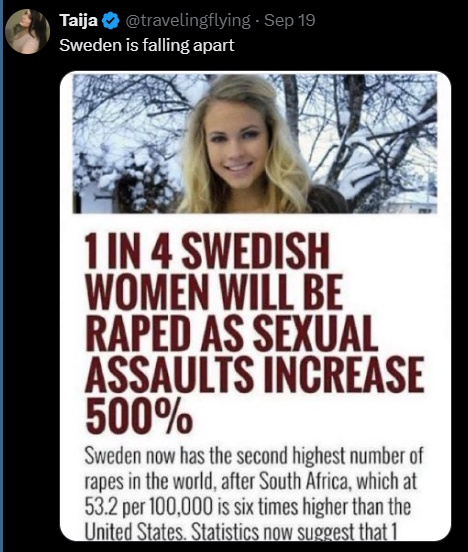
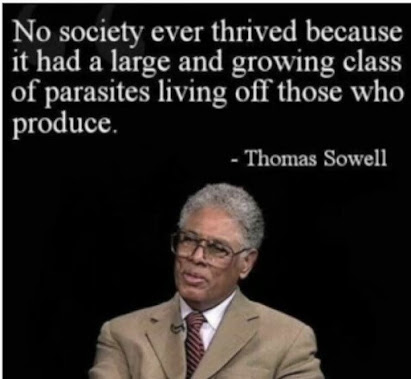




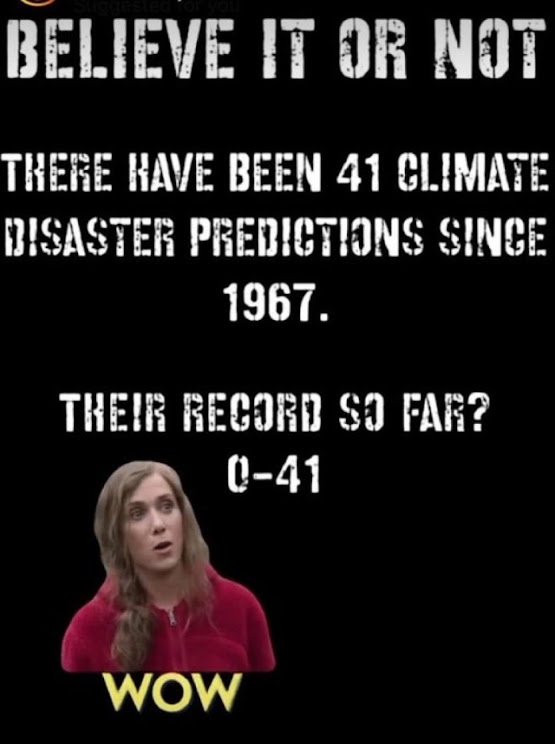

























 Delusions of Adequacy
